18 Comic Characters Based on Real People
Comic book artists have always drawn inspiration from the real world, which occasionally entails transforming real people into fictional heroes and villains. Many well-loved comic characters, from historical figures to Hollywood celebrities, have unexpected real-life beginnings that fans may not be aware of.
Characters have been based on real people for decades, with authors and artists coming up with inventive ways to respect, parody, or just reimagine the traits and appearances of real people. These 18 fictional characters were inspired by actual people.
Superman
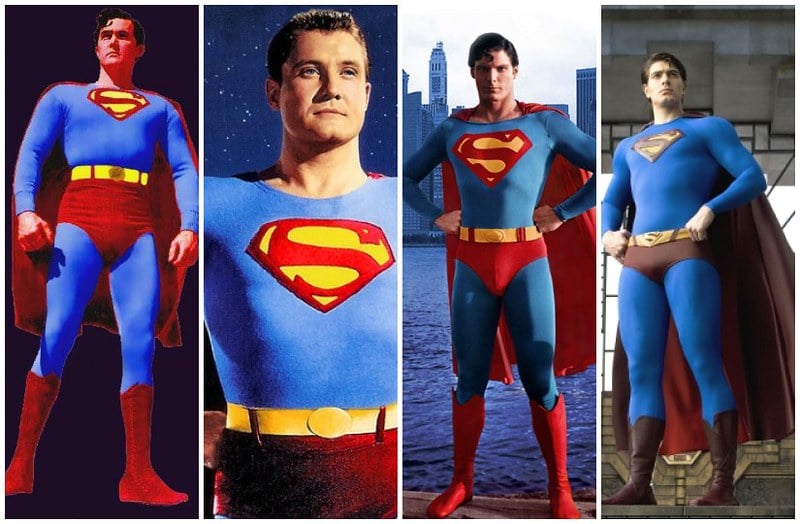
Creators Siegel and Shuster based the Man of Steel’s alter ego, Clark Kent, on Harold Lloyd, the famous silent film comedian known for his thick glasses and mild-mannered persona. The contrast between Lloyd’s meek appearance and Superman’s incredible strength made for the perfect secret identity concept. This choice helped establish one of the most enduring character archetypes in comics.
Wonder Woman
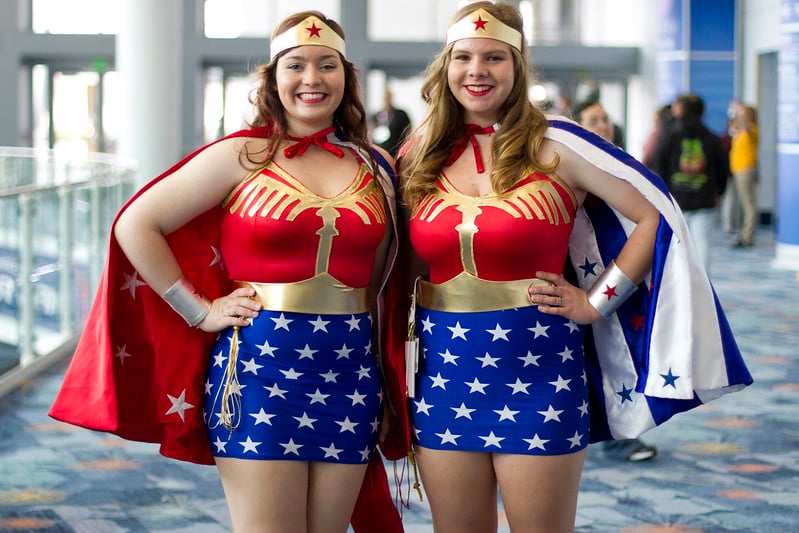
William Moulton Marston drew inspiration from two remarkable women in his life when creating Wonder Woman. His wife Elizabeth and their polyamorous partner Olive Byrne both influenced the character’s strong, independent nature. Marston wanted to create a female superhero who embodied the strength and intelligence he saw in these women.
Nick Fury
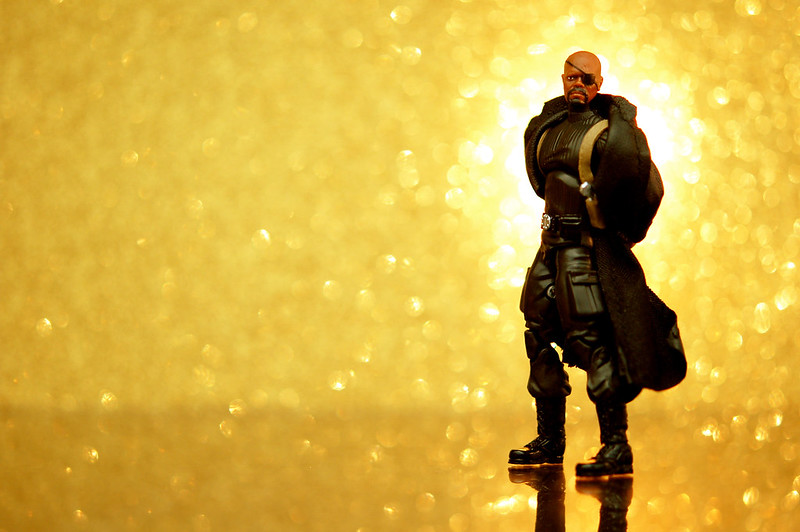
Stan Lee openly admitted that he based the original Nick Fury on actor Sean Connery, particularly his rugged appearance in early James Bond films. Later, when Marvel created the Ultimate Universe version, they deliberately modeled Nick Fury after Samuel L. Jackson. Jackson was so flattered that he agreed to play the character in the Marvel Cinematic Universe films.
Professor X
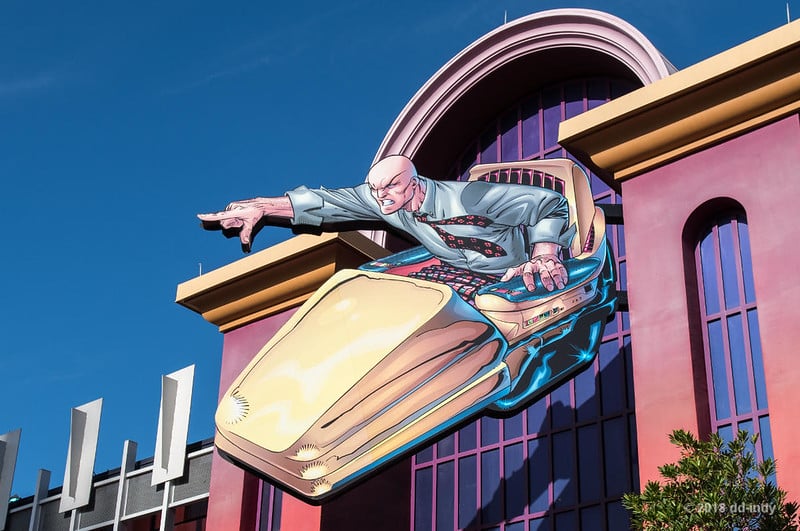
Stan Lee and Jack Kirby based Professor Charles Xavier on civil rights leader Martin Luther King Jr., drawing parallels between Xavier’s peaceful approach to mutant-human relations and King’s nonviolent philosophy. The character’s calm demeanor and commitment to integration through understanding reflects King’s real-world leadership style. This connection adds deeper meaning to the X-Men’s themes of prejudice and acceptance.
Magneto
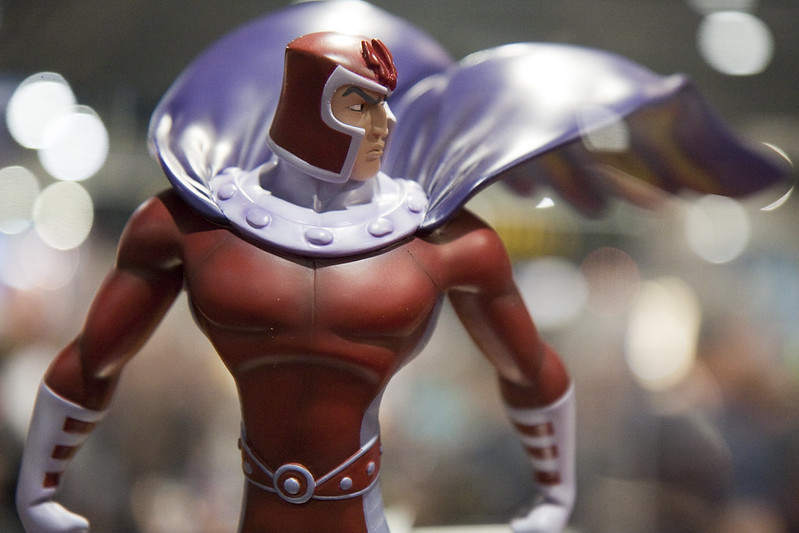
As a counterpoint to Professor X, Magneto was inspired by Malcolm X and his more militant approach to civil rights. The character’s willingness to use force to protect his people mirrors Malcolm X’s philosophy during certain periods of his activism. This real-world inspiration helped create one of comics’ most complex and morally ambiguous villains.
Tony Stark
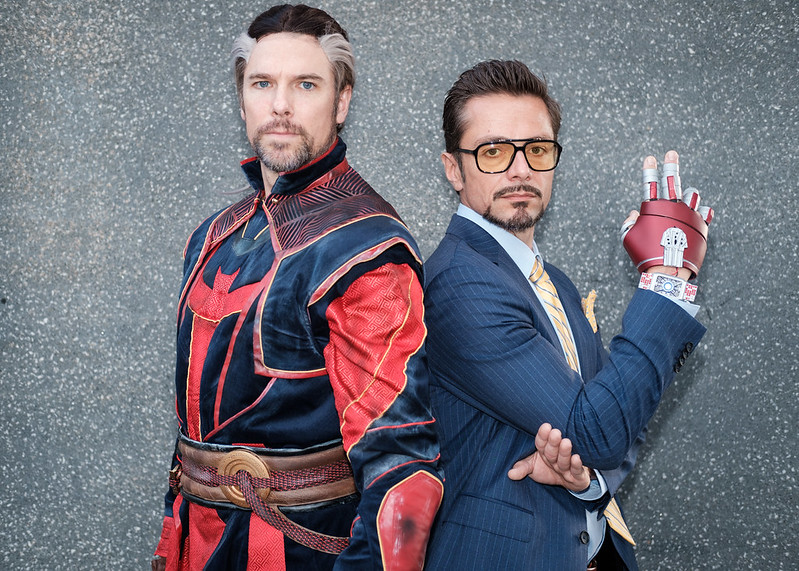
Howard Hughes, the eccentric billionaire inventor and aviator, served as the primary inspiration for Tony Stark. Both men were wealthy industrialists obsessed with technology and innovation, though Stark’s character evolved beyond Hughes’ original influence. The parallels include their genius-level intellects, vast fortunes, and tendency toward reclusiveness.
Doctor Doom
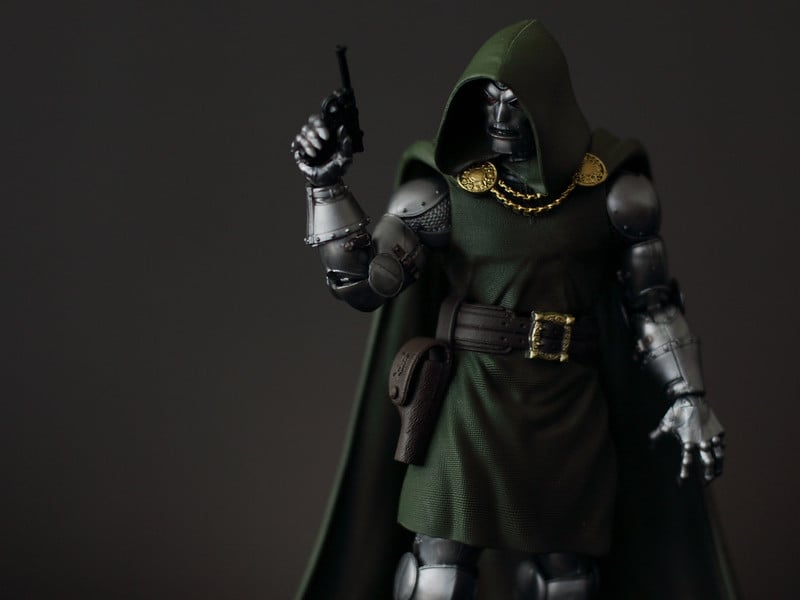
Stan Lee and Jack Kirby drew inspiration from actor Vincent Price when designing Doctor Doom’s regal bearing and theatrical personality. Price’s commanding presence in horror films provided the perfect template for Doom’s aristocratic villain persona. The character’s dramatic flair and sophisticated evil reflect Price’s memorable screen performances.
The Joker
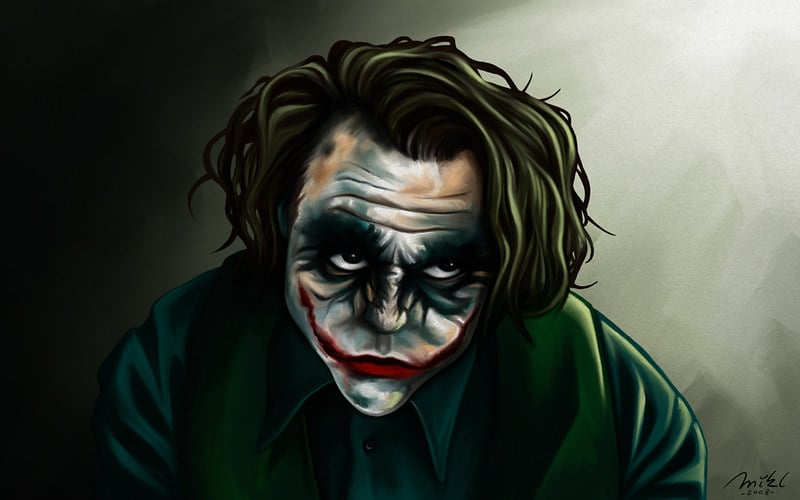
Bill Finger and Bob Kane based the Joker’s appearance on Conrad Veidt’s character from the 1928 silent film ‘The Man Who Laughs.’ Veidt’s grotesque smile and pale makeup created the perfect visual foundation for Batman’s most famous nemesis. The character’s maniacal grin and theatrical madness stem directly from this classic film performance.
Wolverine
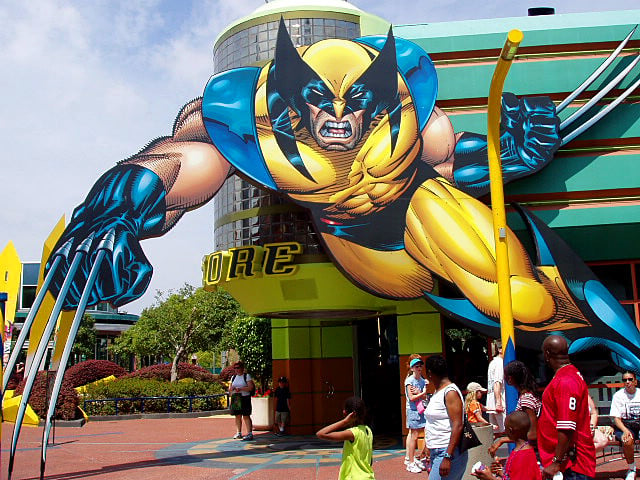
Len Wein originally envisioned Wolverine as a small, fierce character inspired by actor Clint Eastwood, particularly his ‘Man with No Name’ persona from spaghetti westerns. The gruff, taciturn nature and the mysterious past both reflect Eastwood’s iconic western characters. This inspiration helped create one of Marvel’s most popular and enduring characters.
Kingpin
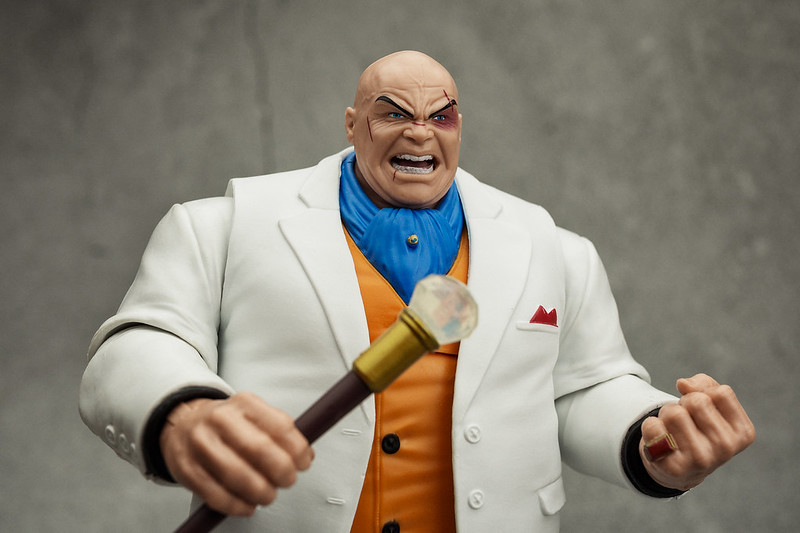
John Romita Sr. based the Kingpin’s massive, imposing physical presence on actor Sydney Greenstreet, who played memorable villains in classic Hollywood films. Greenstreet’s combination of size, intelligence, and quiet menace provided the perfect template for Spider-Man’s crime boss enemy. The character’s sophisticated criminality reflects Greenstreet’s screen persona.
Lex Luthor
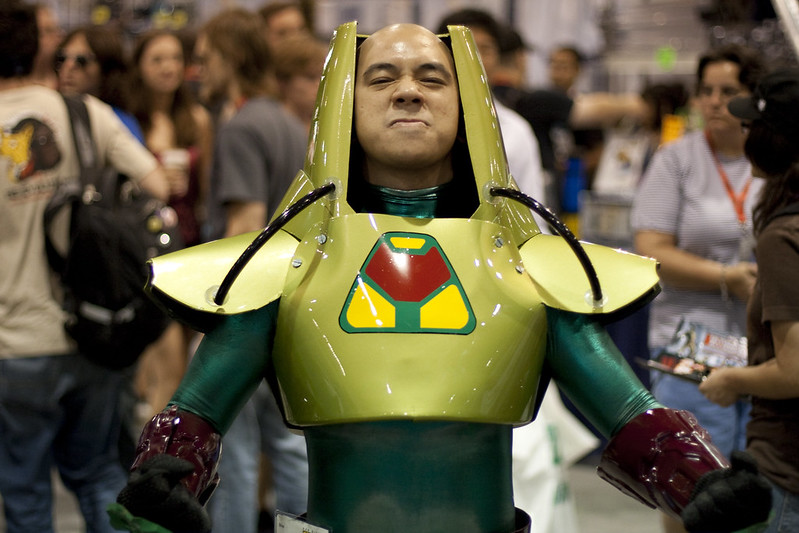
Superman’s greatest enemy was originally inspired by real-life inventor Nikola Tesla, particularly his rivalry with Thomas Edison. Tesla’s brilliant mind and sometimes eccentric behavior provided the foundation for Luthor’s scientific genius and obsessive nature. Later interpretations have drawn from various business tycoons and tech moguls.
Amanda Waller
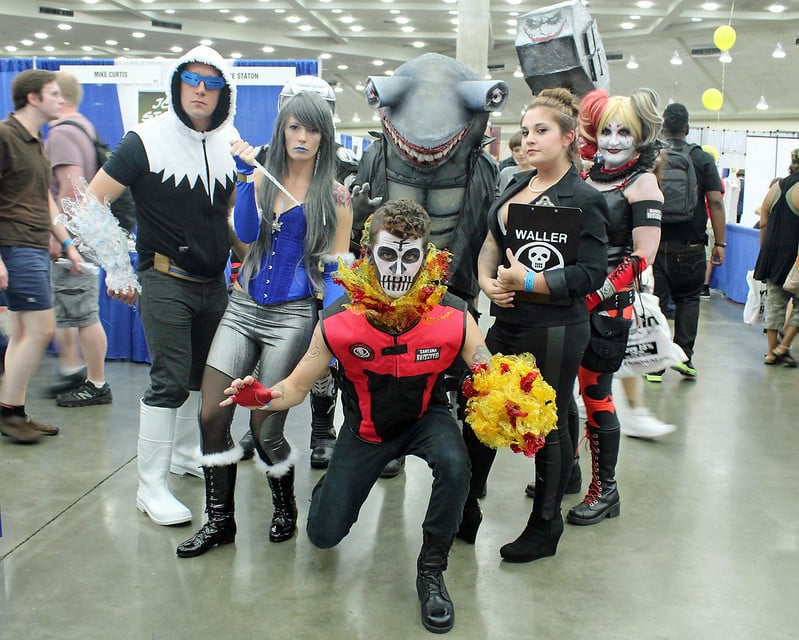
Writer John Ostrander based the tough government operative on actress Nell Carter, known for her role in the TV series ‘Gimme a Break!’ Carter’s commanding presence and no-nonsense attitude perfectly captured what Ostrander wanted for the character. The inspiration helped create one of DC’s most formidable non-powered characters.
Hawkeye
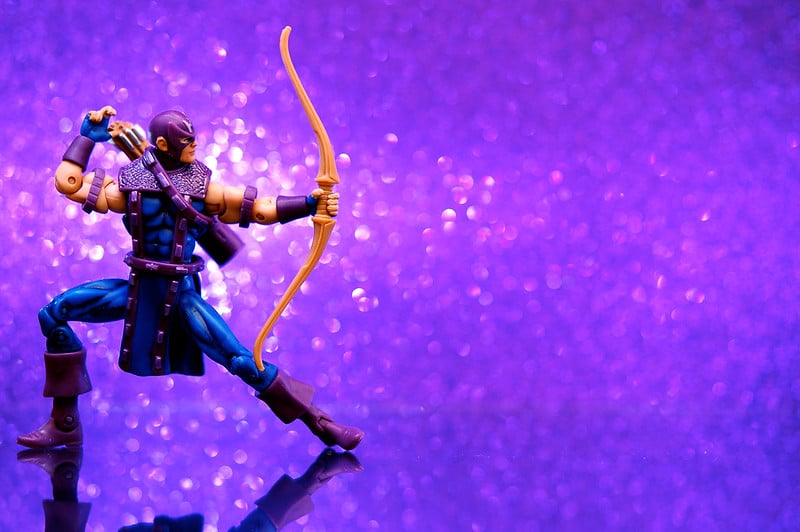
Stan Lee and Don Heck modeled Clint Barton after actor Charlton Heston, particularly his heroic roles in epic films. Heston’s square-jawed good looks and natural leadership qualities provided the visual and personality template for the archer Avenger. The character’s confident demeanor and heroic instincts reflect Heston’s screen presence.
Black Widow
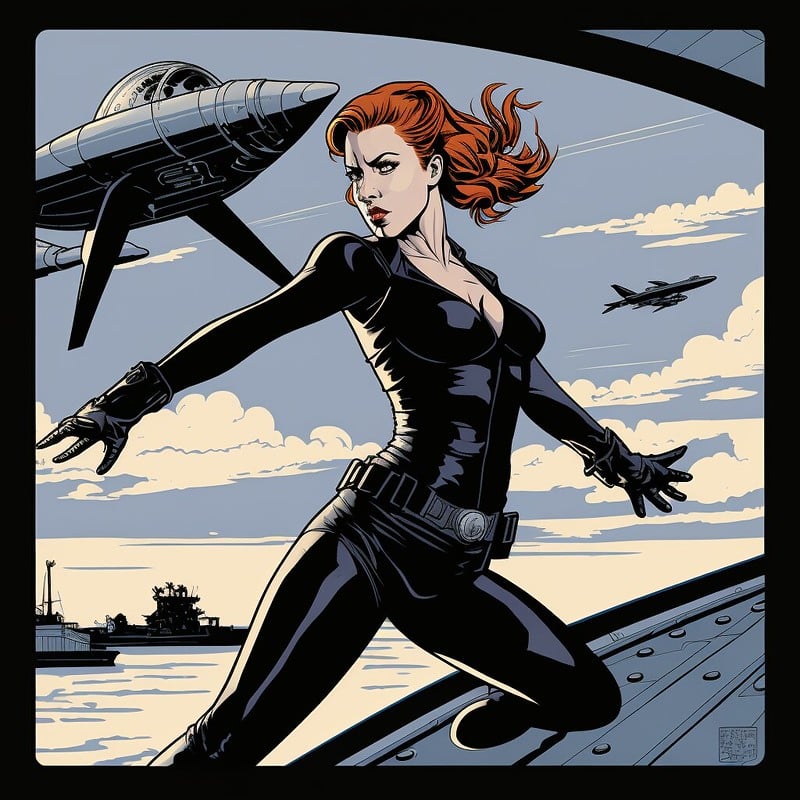
Natasha Romanoff was inspired by actress Brigitte Bardot during her initial comic appearances in the 1960s. Bardot’s combination of beauty and fierce independence made her the perfect model for a deadly spy character. The character’s sophisticated European elegance and dangerous allure draw directly from Bardot’s iconic screen image.
Daredevil
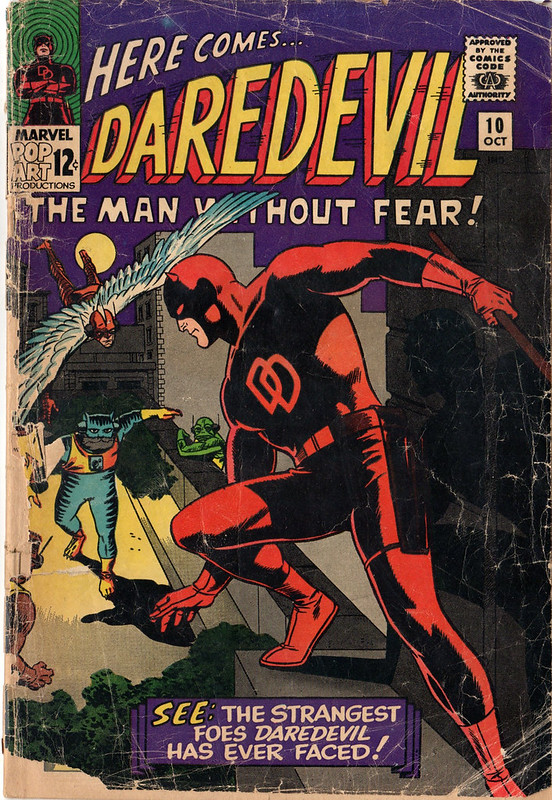
Stan Lee has mentioned that Daredevil’s Matt Murdock was partially inspired by actor Robert Redford, particularly his role as an idealistic lawyer. Redford’s blend of charm, intelligence, and moral conviction provided the foundation for the character’s dual identity as both attorney and vigilante. The inspiration helped ground the character in believable human emotions.
Green Goblin
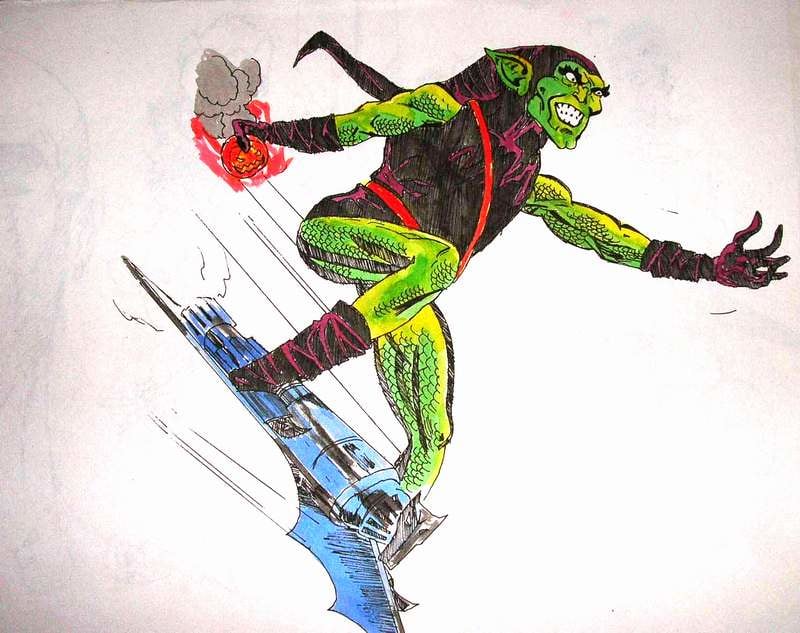
Steve Ditko’s design for the Green Goblin’s civilian identity, Norman Osborn, was inspired by actor Cary Grant’s sophisticated appearance. Grant’s distinguished looks and charm provided an interesting contrast to the character’s murderous alter ego. This choice created one of comics’ most effective examples of a respectable public figure hiding a monstrous secret.
Mystique
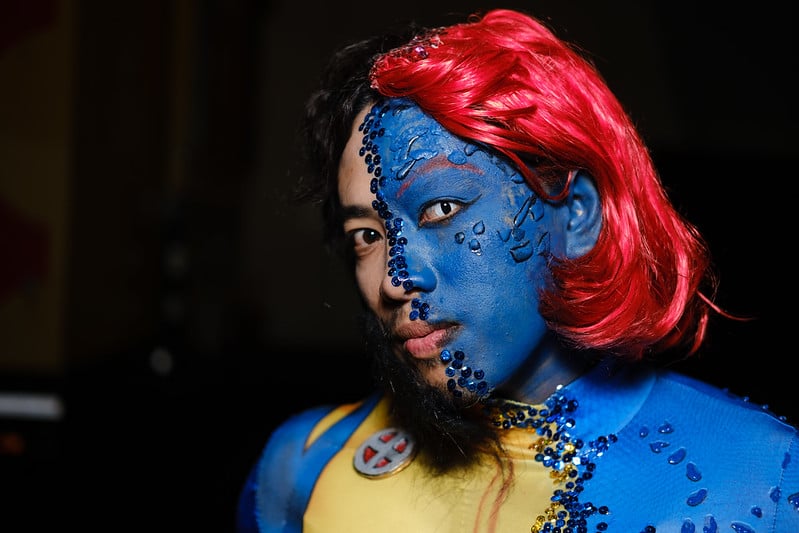
Chris Claremont and Dave Cockrum based Mystique’s default blue-skinned appearance on actress Rebecca Romijn, who would later portray the character in the X-Men films. The character’s shape-shifting abilities and mysterious nature were designed to reflect the complexity they saw in Romijn’s modeling work. This real-world inspiration helped create one of the X-Men’s most intriguing villains.
Gambit
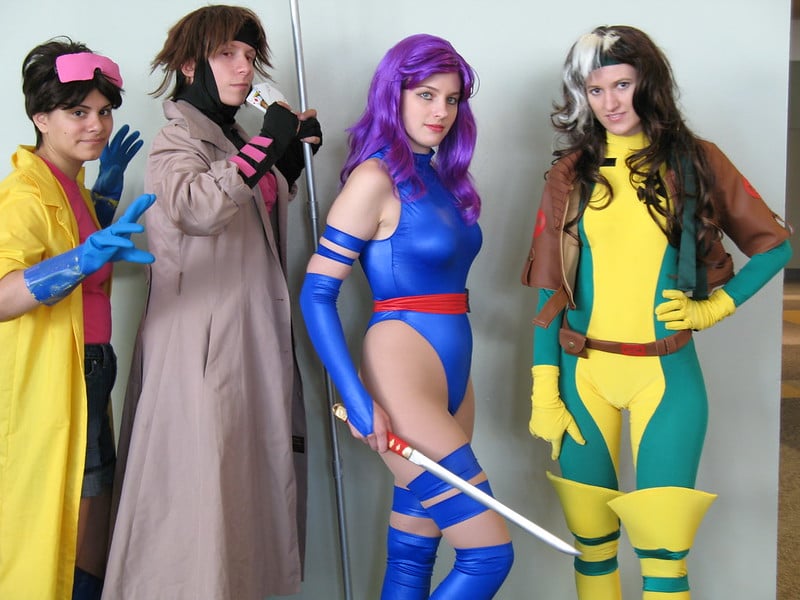
Chris Claremont drew inspiration from actor Mel Gibson when creating Gambit’s roguish charm and distinctive accent. Gibson’s roles in action films provided the template for Gambit’s smooth-talking, dangerous persona. The character’s romantic appeal and morally ambiguous nature reflect Gibson’s screen charisma during the 1980s and 1990s.
When Fiction Meets Reality
Even the most amazing characters require human elements in order to genuinely engage readers, as these real-world inspirations serve as a reminder. In order to create believable fictional characters, creators still use historical figures, celebrities, and individuals from their own lives. Even when they’re flying through the skies or fighting interdimensional enemies, comic characters feel genuine and approachable thanks to these real-world underpinnings, whether it’s a villain’s ominous presence or a hero’s noble demeanor.
More from Go2Tutors!

- 16 Historical Figures Who Were Nothing Like You Think
- 12 Things Sold in the 80s That Are Now Illegal
- 15 VHS Tapes That Could Be Worth Thousands
- 17 Historical “What Ifs” That Would Have Changed Everything
- 18 TV Shows That Vanished Without a Finale
Like Go2Tutors’s content? Follow us on MSN.