18 Cooking Methods That Predate Written History
Before anyone carved recipes into stone or scratched cooking instructions onto clay, humans were already crafting meals with fire, ash, and a hefty dose of creativity. These techniques weren’t just practical—they were intuitive, passed from hand to hand long before language could pin them down.
Here is a list of 18 cooking methods people were using way before written history stepped into the scene.
Fire Roasting
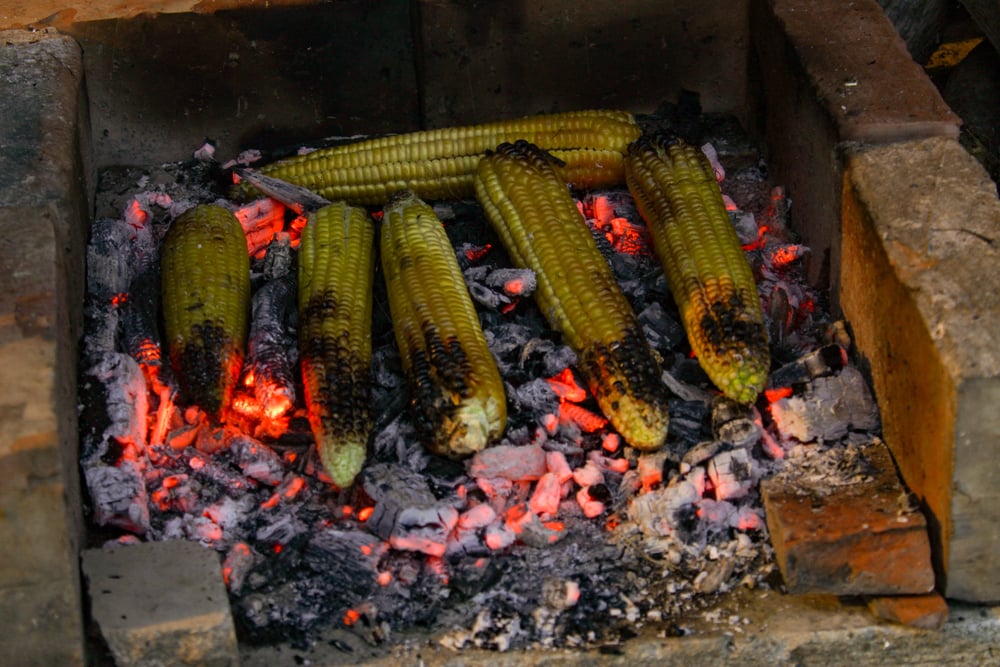
Roasting food over flames wasn’t just one of the first methods discovered—it became a staple. Meat, tubers, and even insects were suspended above an open fire using sticks or rocks.
The heat seared the outside, softened the inside, and unlocked flavors that raw flesh couldn’t offer. It was crude yet effective—a timeless method still used everywhere from backyards to professional kitchens.
Pit Cooking
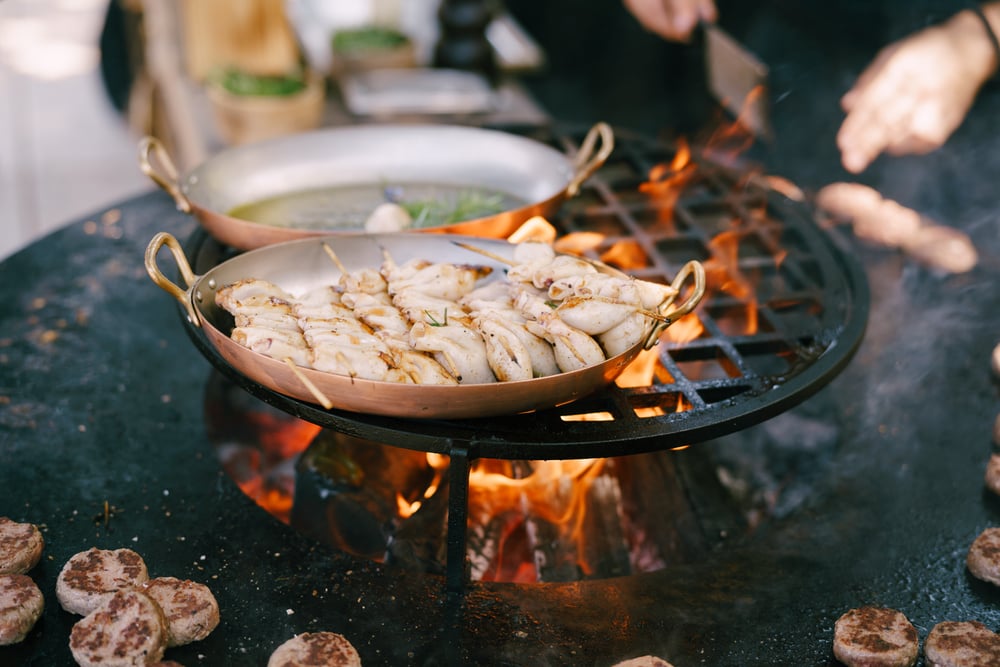
Digging a hole, heating stones, then burying food beneath layers of earth created a slow-cooked meal long before ovens existed. It worked especially well for large pieces of meat or root vegetables.
The insulation trapped heat for hours—sometimes overnight—turning tough fibers into tender, flavorful bites. Pit cooking wasn’t just functional; it brought communities together during feasts and rituals.
Like Go2Tutors’s content? Follow us on MSN.
Ash Cooking
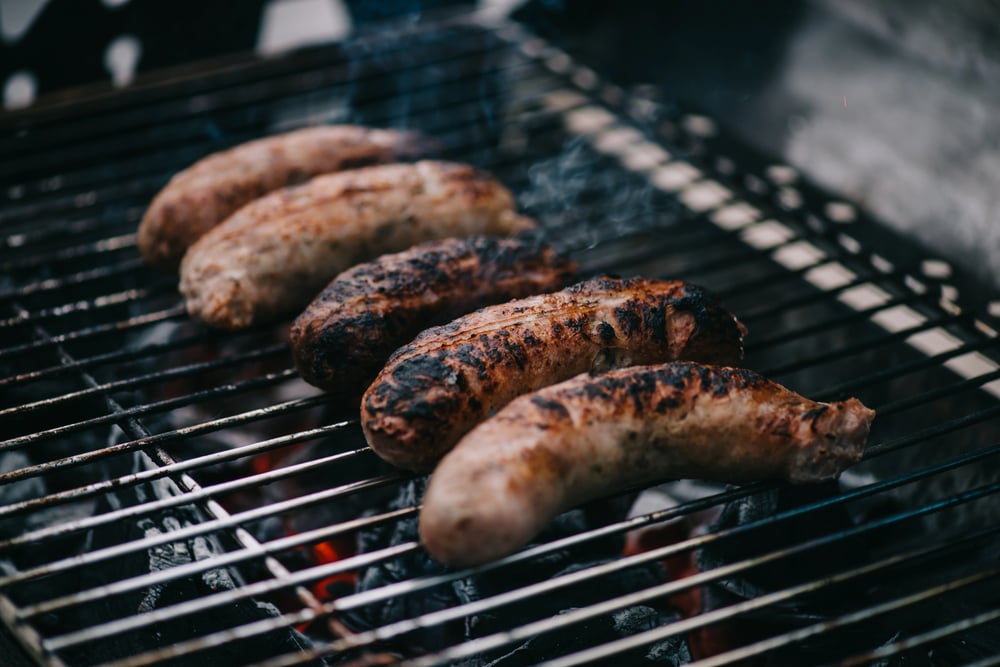
Once the fire settled into glowing embers and ash, the cooking didn’t stop. Food wrapped in leaves or bark was placed directly in the ash to cook slowly without burning.
The surrounding warmth offered consistent heat, while the natural wrapping locked in moisture. It was a hands-off method that delivered smoky, well-cooked results with surprisingly little effort.
Stone Boiling

Before cookware could withstand open flames, people found a workaround—heating stones and dropping them into water-filled containers. These weren’t metal pots but animal hides, bark, or carved wooden bowls.
The stones transferred enough heat to boil water and cook meat, roots, or herbs. While slow and labor-intensive, it introduced one of the first ways to prepare soups and broths.
Grilling on Rocks
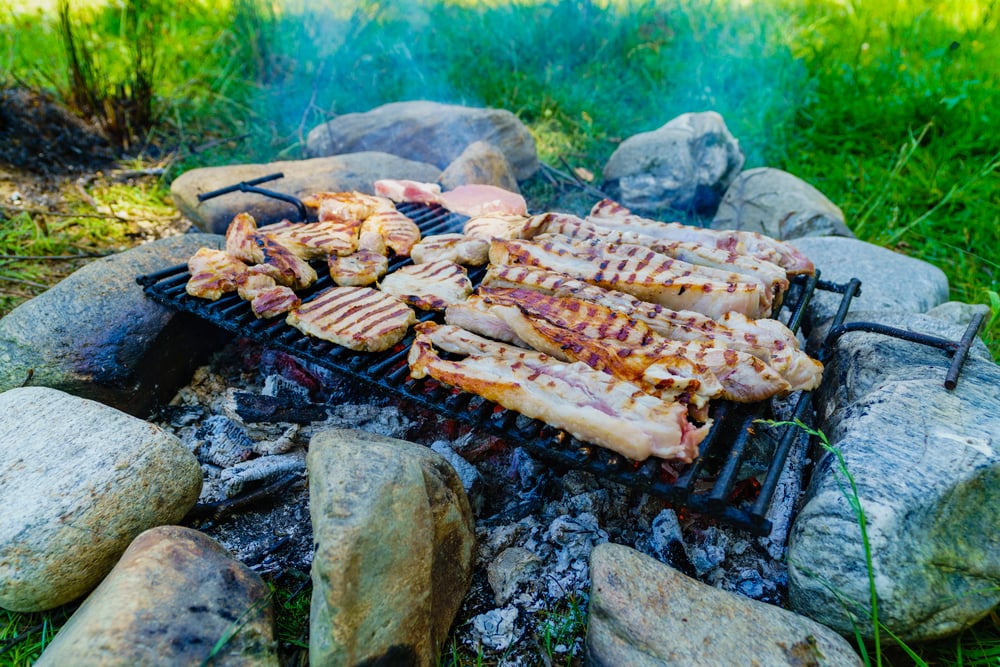
Flat stones, heated over fire, doubled as early griddles. They provided a steady cooking surface for meat, fish, or vegetables. Unlike direct flame, hot rocks distribute heat more evenly and keep food from charring too fast.
It also gave early cooks more control—ideal for delicate items that could burn or fall apart.
Like Go2Tutors’s content? Follow us on MSN.
Earth Ovens

More elaborate than simple pit cooking, earth ovens used multiple layers—hot rocks, leaves, soil—to create an insulated chamber. These setups mimicked the function of a modern oven without any moving parts.
Foods were steamed, roasted, and even baked, depending on the combination of ingredients and insulation used. It was resourceful engineering with a long-lasting impact.
Clay Baking
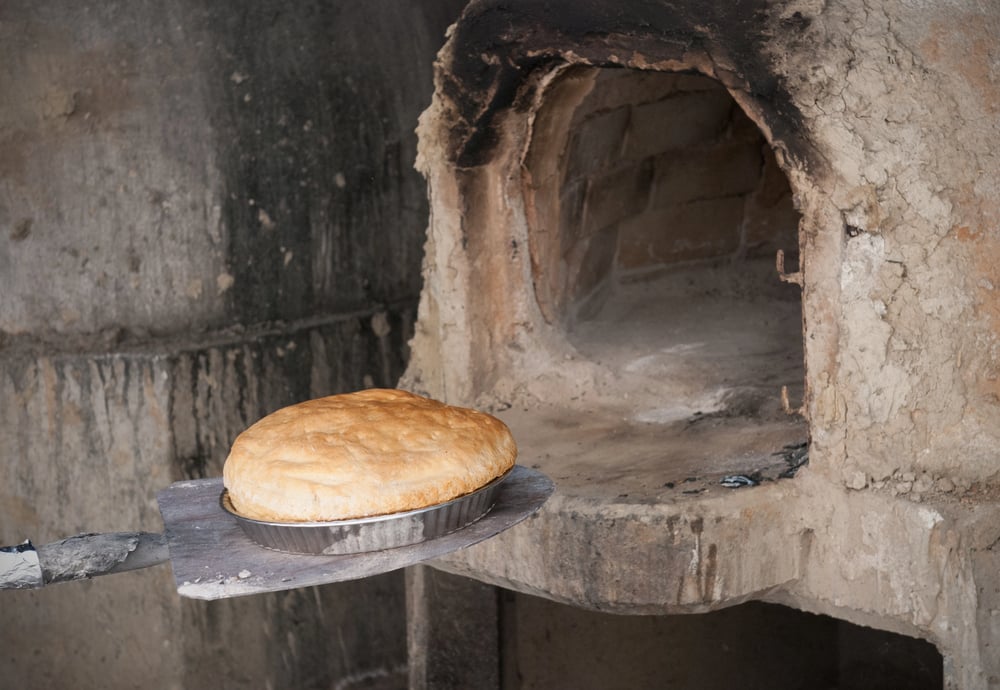
Wrapping meat or fish in clay and baking it directly in the fire served two purposes: it cooked the food and stripped off unwanted bits like fur or scales. Once hardened, the clay shell could be cracked open—revealing a tender, evenly cooked interior.
This method offered both protection and insulation, making it particularly useful for wild-caught game.
Fermentation
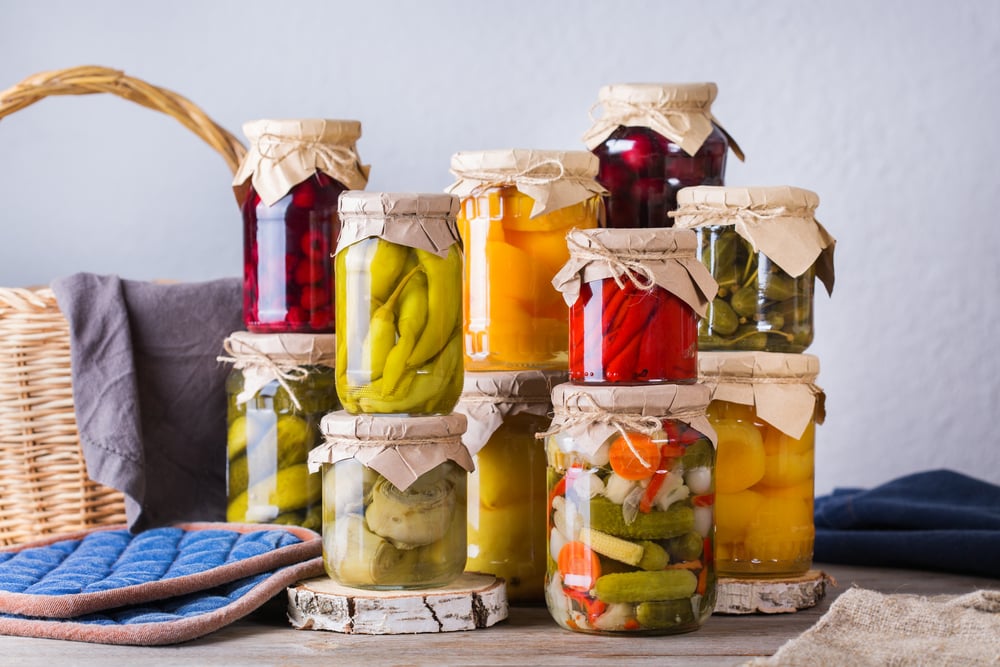
Not everything had to be cooked over heat. Fermentation worked on a different principle—using microbes and time to change the nature of food.
Early versions of yogurt, beer-like drinks, and fermented fish paste all relied on this natural chemical process. Though misunderstood at the time, fermentation helped preserve food and enhance nutrition—especially in lean seasons.
Like Go2Tutors’s content? Follow us on MSN.
Smoking
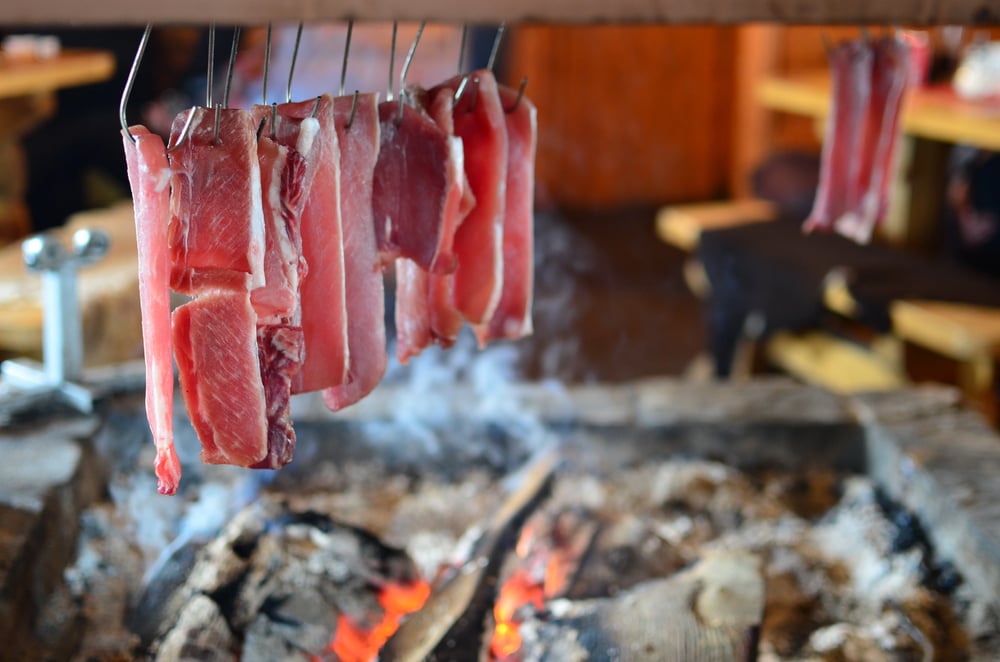
By hanging meat or fish above smoldering wood, people discovered that smoke could preserve food longer—while also making it taste richer. The smoke’s compounds slowed decay, discouraged pests, and added a distinctive flavor that’s still sought after.
It worked best with fatty cuts and oily fish—foods that otherwise spoiled quickly in the heat.
Drying in the Sun
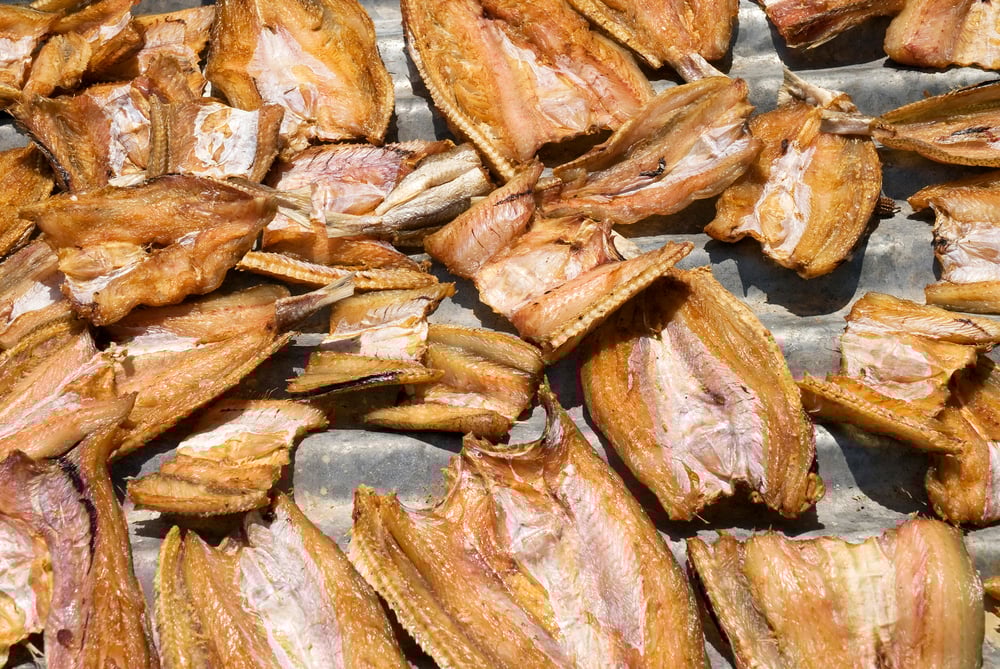
Long before refrigeration, the sun was the most accessible tool for food preservation. Slices of meat, fruit, or herbs were laid out to dry in the open air.
This process reduced moisture—bacteria’s best friend—and extended shelf life by weeks or even months. In hot, dry regions, it became a dependable way to prepare for the leaner times.
Steaming with Plants
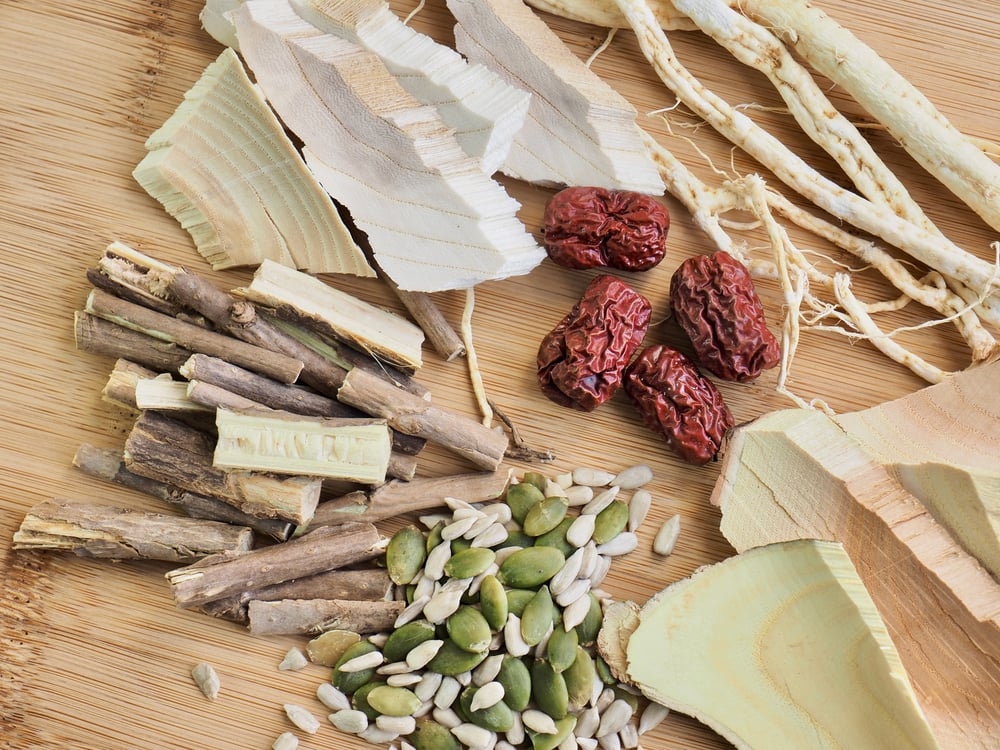
Large leaves served more than one purpose—acting as both a wrap and a moisture shield. Food encased in them could be placed over hot stones with added water to generate steam.
This protected the ingredients from direct heat while infusing them with herbal notes from the plant wrappings. It was a delicate process, well-suited for fish, roots, and soft greens.
Like Go2Tutors’s content? Follow us on MSN.
Fat Rendering
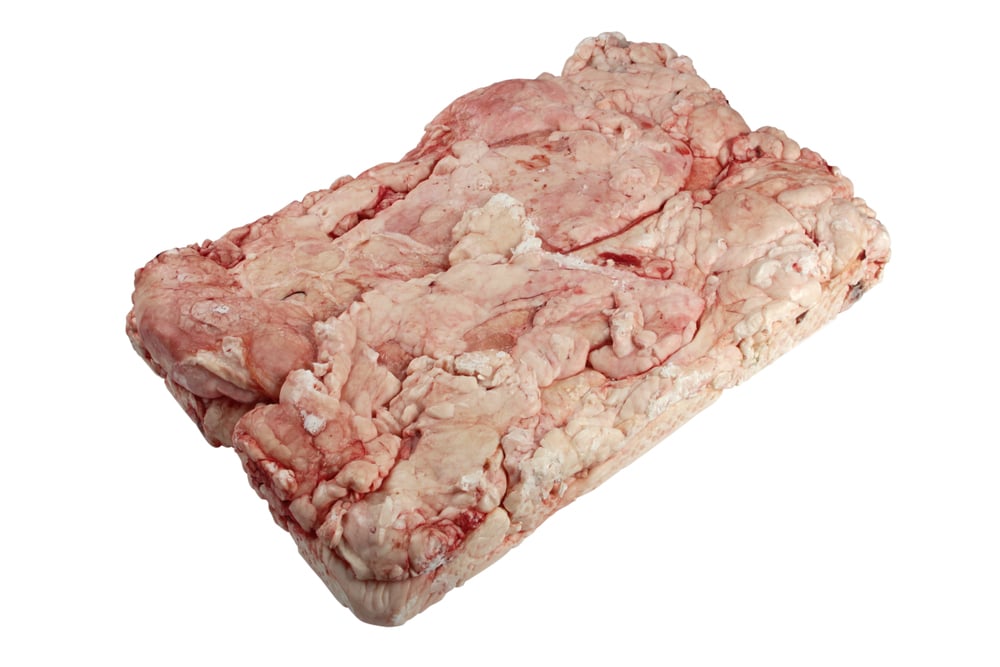
After roasting meat, early cooks didn’t waste the drippings. Collected animal fat was heated slowly until it turned liquid—then used as a cooking agent for leaner foods or stored as a preservation medium.
Fat also seals cooked food from air, effectively extending its lifespan. This wasn’t just cooking—it was early food science in motion.
Boiling in Animal Stomachs

When there were no pots, people used what they had—animal organs. Stomachs, bladders, and intestines served as waterproof containers.
Hot stones dropped into these vessels brought water to a boil, enabling the cooking of grains, meats, or medicinal herbs. It was an unusual method, yet surprisingly practical for mobile, resourceful groups.
Salt Curing
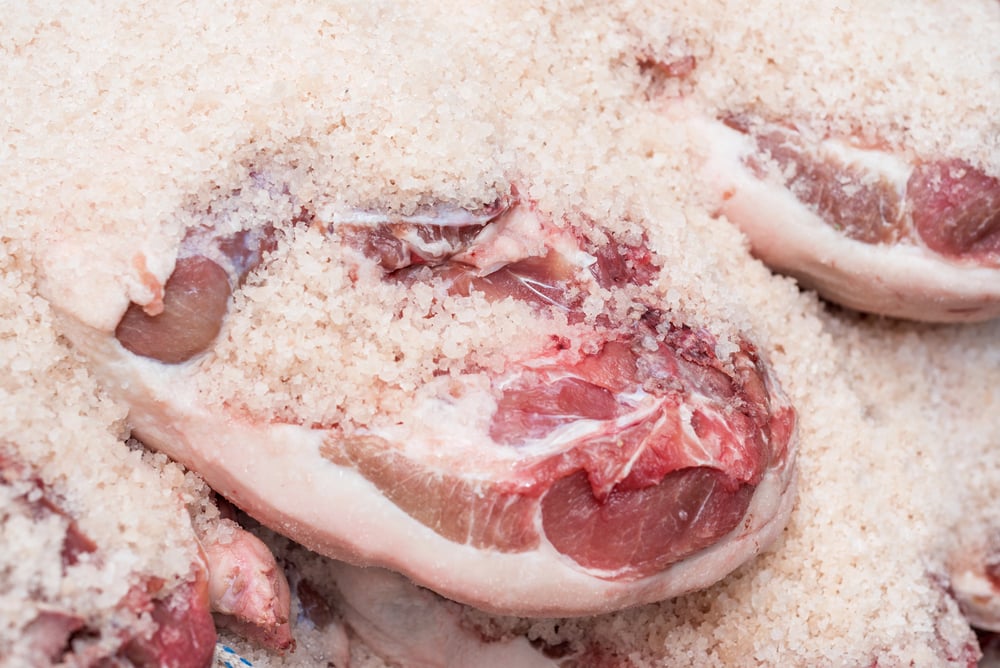
Salt wasn’t always easy to come by, but when it was, it changed everything. Meat packed in salt lost moisture and resisted bacterial growth, staying edible far longer than fresh cuts.
In addition to preservation, salt curing deepened flavor—especially when combined with drying or smoking. This method laid the groundwork for jerky, salted fish, and other staples still in use.
Like Go2Tutors’s content? Follow us on MSN.
Snow Cooking

In colder climates, snow wasn’t just an obstacle—it was a resource. Meat buried in snow could be chilled quickly, slowing bacteria while allowing for better control over roasting or stewing later.
This made the cooking process more predictable, especially when working with large game. Snow could also insulate or store food until proper heat sources were ready.
Leaf Grilling
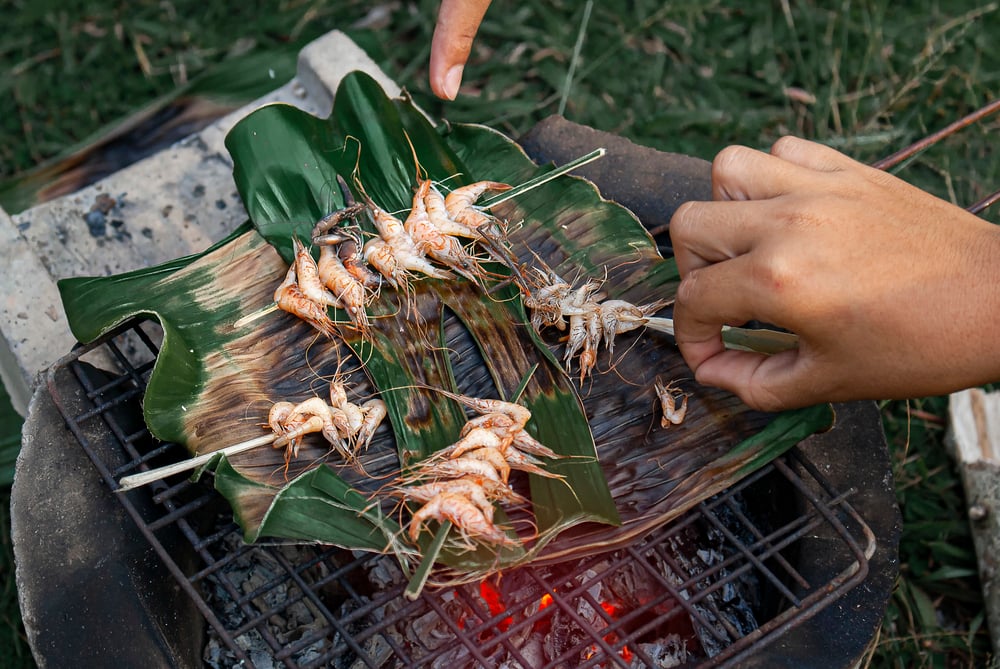
Instead of placing food directly onto hot stones, it was often wrapped in leaves—protecting it from overcooking and sticking. These bundles were then laid onto or near embers.
The leaves would char on the outside while the food inside steamed and roasted, soaking in the leafy aroma. It’s a method still seen today, from tamales to tropical fish dishes.
Mud Baking
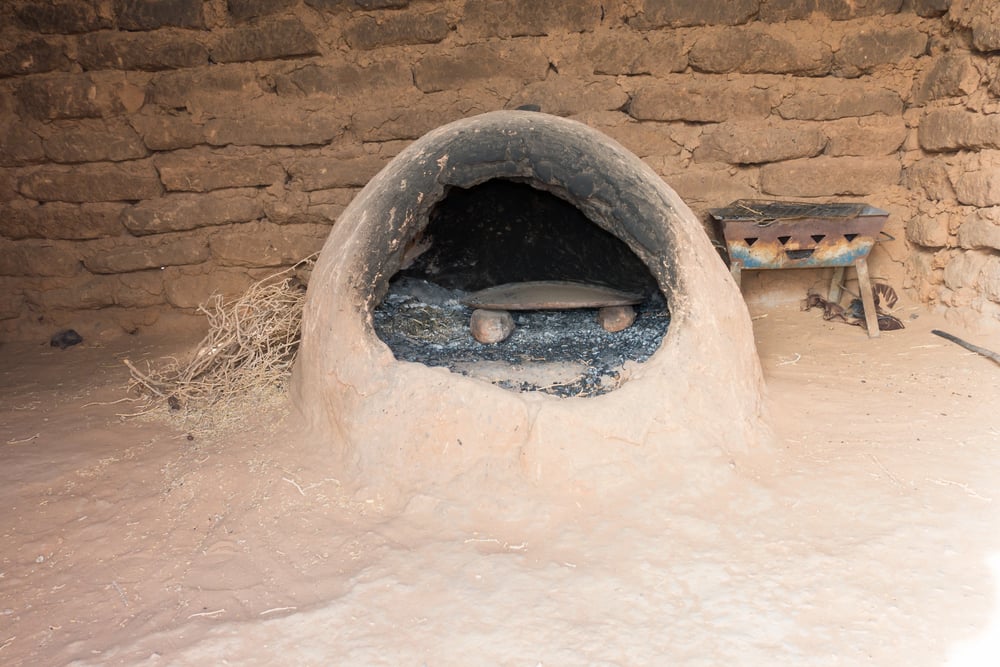
Mud was used much like clay—coating roots or small animals completely before placing them into fire pits. Once hardened, the mud formed a protective crust.
When broken open, the food inside came out fully cooked, often with skins or outer layers neatly pulled away. It was a straightforward method, ideal for outdoor cooking with no equipment.
Like Go2Tutors’s content? Follow us on MSN.
Coals Roasting
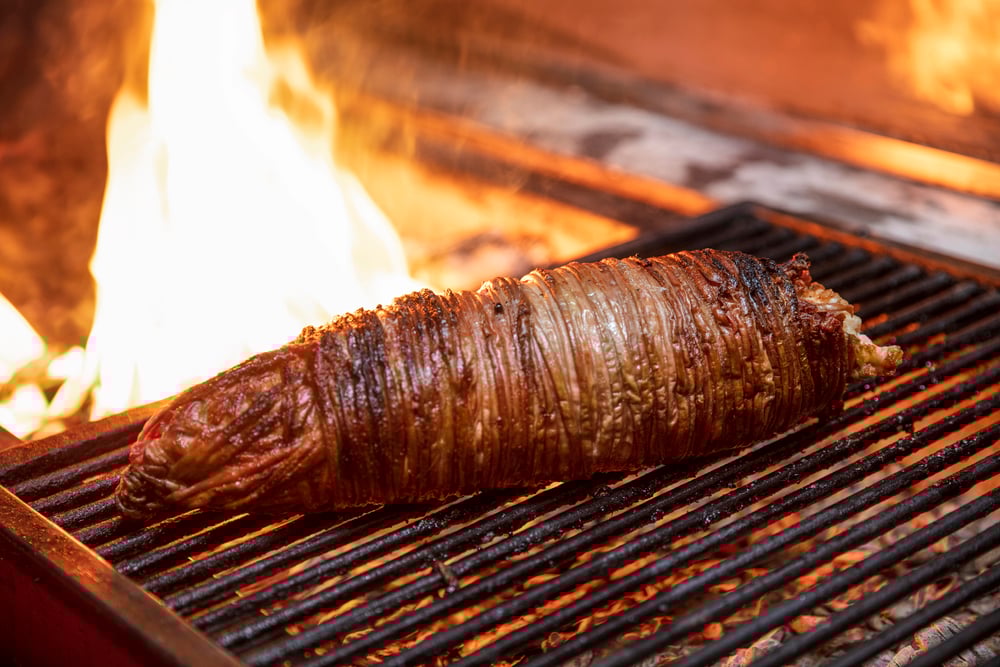
Cooking over coals offered more control than an open flame. By tucking food into the glowing embers, early cooks got steady, enveloping heat.
Eggs, tubers, and even wrapped meats cooked slowly and evenly—without burning. It was a hands-on method, requiring some attention, but delivered great results with minimal tools.
From Firelight to Flavor
Each of these methods came from necessity—yet they revealed a kind of instinctive genius. With limited resources, early humans learned to manipulate heat, control timing, and enhance taste in ways that still hold up. Cooking wasn’t just about survival.
It became tradition, technique, and community. Even now, every kitchen owes something to these first experiments with flame and stone.
More from Go2Tutors!

- 16 Restaurant Chains That Went Too Fast
- 12 Things Sold in the 80s That Are Now Illegal
- 15 Strange Things People Have Tried to Ban (And Failed)
- 16 Collectibles People Tossed Out Too Soon
- 17 Myths from Your Childhood That Were Actually Based on Real Things
Like Go2Tutors’s content? Follow us on MSN.



