15 Plagues That Altered the Course of History
Throughout human history, microscopic enemies have proven more powerful than entire armies. Wars and politics grab headlines, yet infectious diseases have quietly reshaped civilizations, toppled empires, and redirected the course of human development. Their effects still echo today.
From ancient pestilences that brought mighty civilizations to their knees to modern pandemics that transformed how we live and work, these biological disasters served as unwitting architects of our world. Here is a list of 15 plagues that fundamentally altered the trajectory of human history.
The Black Death (1347-1351)
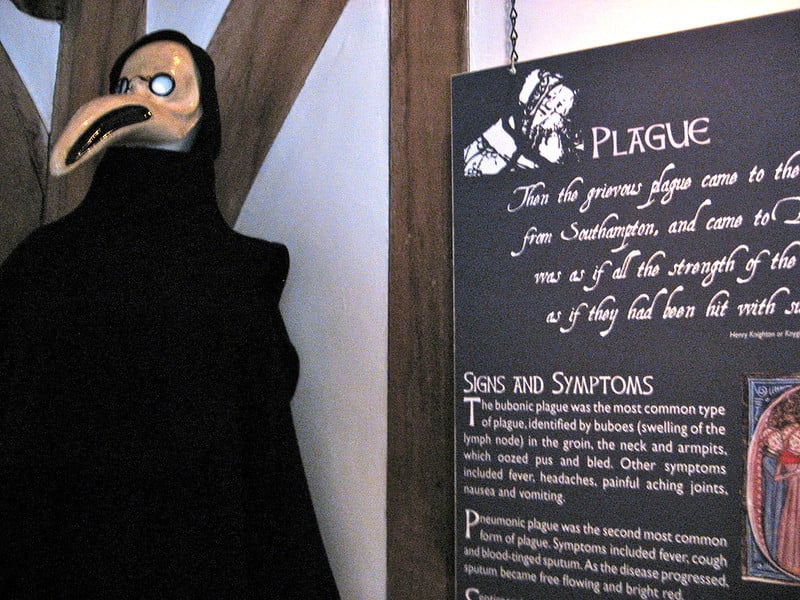
The bubonic plague that swept through Europe in the 14th century stands as perhaps history’s most devastating pandemic. This bacterial infection — carried by fleas on rats — killed an estimated 75-200 million people, roughly 30-60% of Europe’s population. The social upheaval was immense. Labor shortages led to the collapse of feudalism while simultaneously giving rise to a new middle class.
The Antonine Plague (165-180 AD)
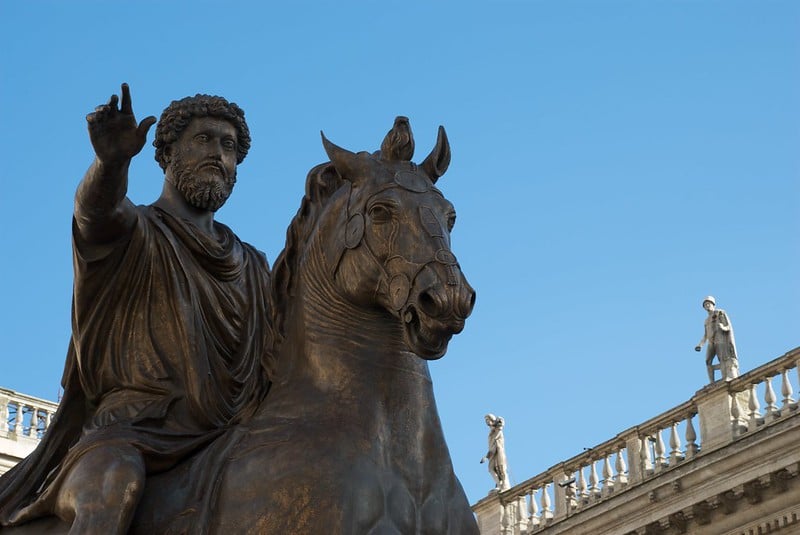
Also known as the Plague of Galen, this outbreak ravaged the Roman Empire for over a decade. Likely smallpox or measles, it killed approximately 5 million people — including Emperor Marcus Aurelius himself. The plague weakened Rome’s military strength and contributed to the empire’s gradual decline, marking the end of the Pax Romana.
The Justinian Plague (541-549 AD)
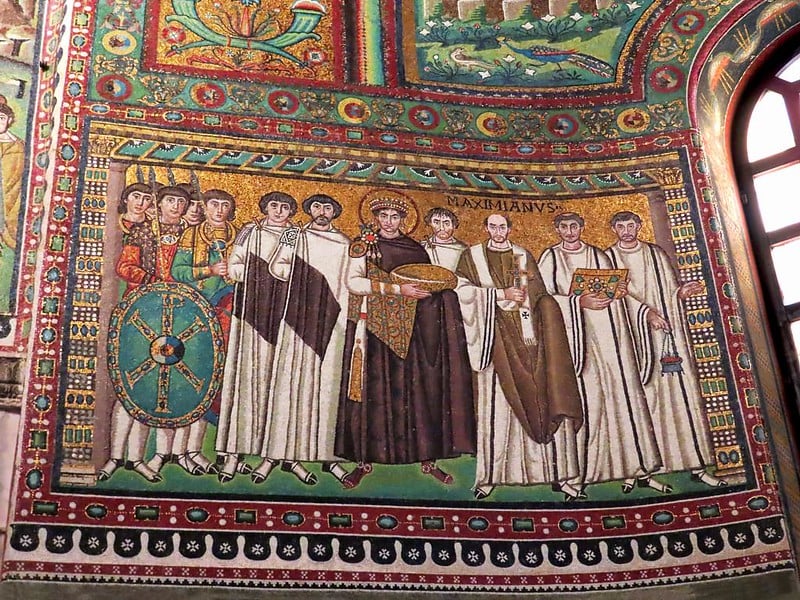
This bubonic plague outbreak struck the Byzantine Empire during Emperor Justinian’s reign. It killed an estimated 25-50 million people, derailing Justinian’s ambitious plans to reconquer the Western Roman Empire. The pandemic permanently altered the balance of power in the Mediterranean — many historians consider this the event that truly ended the classical age.
The Third Cholera Pandemic (1852-1860)

This waterborne disease spread from India across Asia, Europe, and North America, killing over a million people. Yet the pandemic revolutionized public health understanding and led to major improvements in sanitation systems worldwide. Cities began investing heavily in clean water infrastructure — fundamentally changing urban planning.
The 1918 Influenza Pandemic
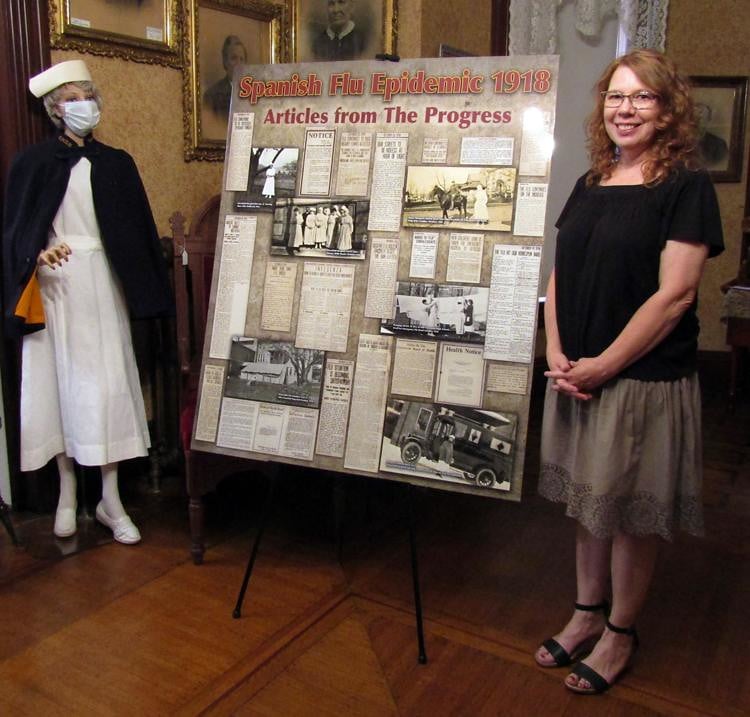
The Spanish flu infected one-third of the world’s population. It killed 50-100 million people, more than World War I itself. This pandemic accelerated medical research while leading to the establishment of modern public health systems and changing social behaviors around hygiene. It also contributed to the end of WWI by weakening military forces on both sides.
The Plague of Athens (430-426 BC)
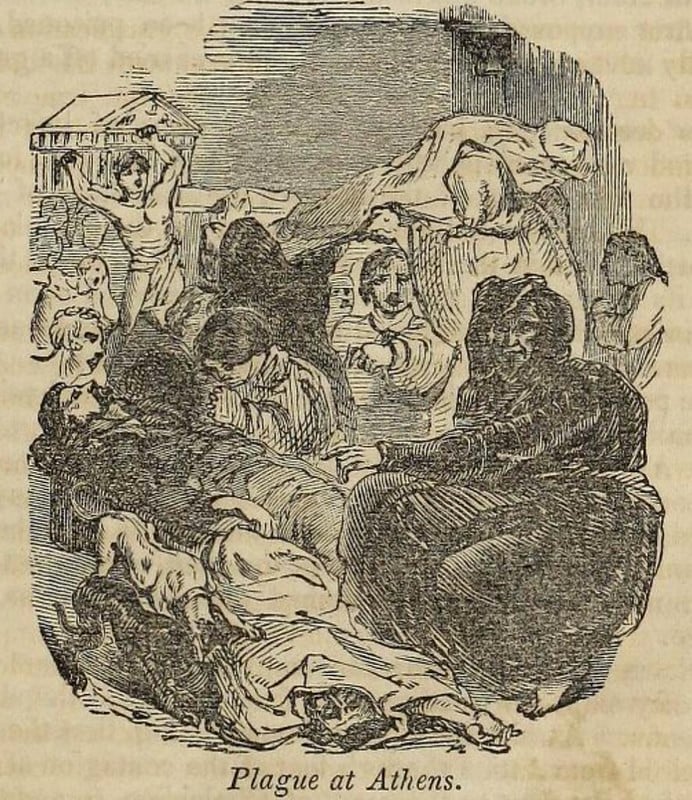
This mysterious disease struck Athens during the Peloponnesian War — killing roughly one-third of the population, including the great statesman Pericles. The plague weakened Athens’ military and political power, contributing to their eventual defeat by Sparta. This shift altered the entire trajectory of ancient Greek civilization.
The Cocoliztli Epidemics (1545-1548, 1576-1578)

These epidemics, possibly typhus or viral hemorrhagic fever, devastated the indigenous populations of Mexico. The first outbreak killed 5-15 million people — the second killed another 2-2.5 million. These diseases enabled Spanish colonization by decimating native resistance and fundamentally reshaping the demographics of the Americas.
The HIV/AIDS Pandemic (1981-present)
First identified in 1981, HIV/AIDS has killed over 36 million people worldwide. This pandemic transformed medical research while changing global attitudes toward public health and sparking massive social movements. It also reshaped international aid policies — highlighting health disparities between developed and developing nations.
The Russian Plague (1770-1772)

This bubonic plague outbreak in Russia killed approximately 100,000 people in Moscow alone. The pandemic sparked the Plague Riot of 1771 — challenging the authority of Catherine the Great and leading to significant reforms in Russian governance. The crisis also accelerated Russia’s modernization efforts and medical infrastructure development.
The Great Plague of London (1665-1666)
This bubonic plague outbreak killed roughly 100,000 people — about 15% of London’s population. The epidemic led to the first systematic public health measures in England, including quarantine protocols and the burning of infected houses. These measures became the foundation for modern disease control strategies.
The Plague of Cyprian (249-262 AD)

Named after the bishop who described it, this plague swept through the Roman Empire for over a decade. The disease, possibly measles or smallpox, killed thousands daily at its peak and contributed to the Crisis of the Third Century. The pandemic weakened Roman military capabilities while accelerating the empire’s fragmentation.
The Sweating Sickness (1485-1551)

This mysterious disease struck England in five major outbreaks, killing thousands including members of the royal court. The plague influenced Tudor politics and succession, as it threatened the royal line multiple times. The disease’s rapid spread and high mortality rate among the wealthy challenged existing social hierarchies.
The Yellow Fever Epidemic of 1793

This mosquito-borne disease devastated Philadelphia, then the U.S. capital, killing 5,000 people in just four months. The epidemic temporarily paralyzed the federal government and led to the permanent relocation of the capital. It also sparked the first major public health debate in American history while influencing urban planning policies.
The Plague of 1629-1631

This bubonic plague outbreak swept through northern Italy and central Europe, killing approximately 280,000 people in Venice and Milan alone. The pandemic devastated the Italian economy while contributing to the region’s decline as a major European power. It also influenced the outcome of the Thirty Years’ War by weakening various armies.
The Plague of Marseille (1720-1722)

This was the last major outbreak of bubonic plague in Western Europe, killing 100,000 people in Marseille and surrounding areas. The epidemic led to the establishment of the first permanent health board in France and modern quarantine systems. These innovations became the model for disease prevention across Europe.
The Ripple Effect Continues

These historical plagues remind us that invisible threats can reshape the world more dramatically than visible ones. They’ve toppled governments, redrawn maps, and fundamentally altered how societies organize themselves around health and safety. Today’s global health infrastructure exists because previous generations learned hard lessons from these microscopic adversaries. The next time a disease makes headlines, remember that we’re witnessing history in the making. Another chapter in humanity’s ongoing battle with the unseen forces that have always shaped our destiny.
More from Go2Tutors!

- The Romanov Crown Jewels and Their Tragic Fate
- 13 Historical Mysteries That Science Still Can’t Solve
- Famous Hoaxes That Fooled the World for Years
- 15 Child Stars with Tragic Adult Lives
- 16 Famous Jewelry Pieces in History
Like Go2Tutors’s content? Follow us on MSN.



