Beautiful Traditions From Around The World
There’s something deeply comforting about knowing that while the world spins faster and louder each year, certain rituals remain untouched by time. These aren’t the tourist-friendly festivals that make it onto postcards, but the quieter traditions that live in the daily rhythm of communities — the kind that shape how people see themselves and each other.
They’re practiced not because they’re Instagram-worthy, but because they carry something essential that can’t be replaced by modern convenience.
Hanami
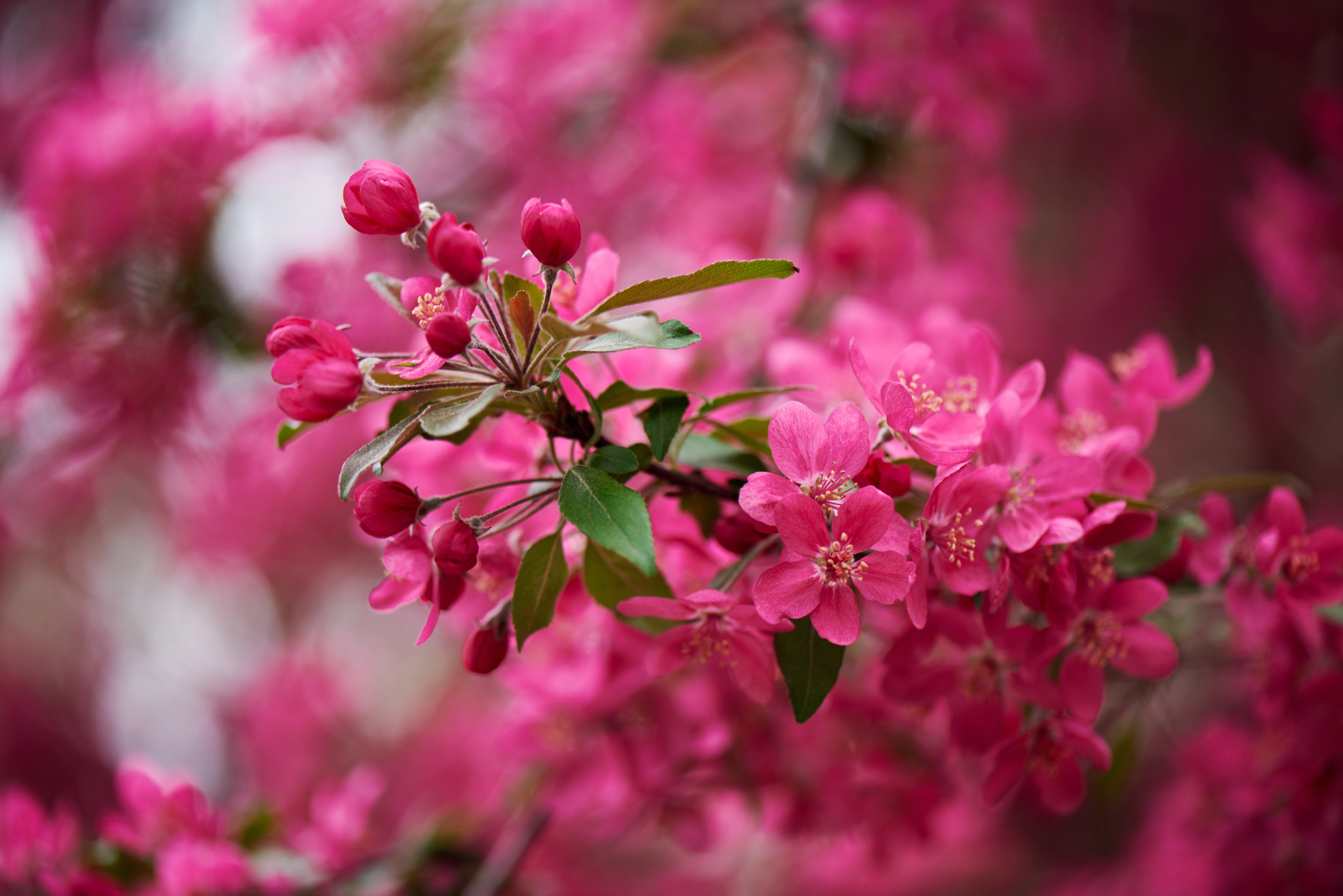
Cherry blossoms last about a week. That’s it.
And yet entire communities in Japan will rearrange their schedules, pack elaborate picnics, and claim spots under trees just to sit beneath falling petals. The flowers don’t care if you’re watching.
They bloom and drop on their own timeline, which is exactly the point.
Day Of The Dead

Death gets celebrated, not mourned. Families in Mexico build altars with photographs, favorite foods, and marigold petals — creating a bridge between this world and whatever comes next.
The dead aren’t gone, they’re just dining at a different table. For one night, that distance shrinks to nothing.
Hygge

The Danes have turned coziness into a philosophy, though calling it that (which happens constantly in lifestyle magazines and self-help books, as if it’s some secret formula rather than simply how people choose to live) misses the point entirely. But here’s what actually happens: when the days grow short and the cold settles in — and Denmark gets genuinely, persistently cold in ways that seep into your bones — people don’t fight it.
They lean into it. Candles appear on every surface, not as decoration but as necessity.
Thick socks become a wardrobe staple rather than an afterthought. And the whole culture shifts toward something slower, more deliberate: long dinners where conversation drifts and nobody checks their phone, afternoons spent reading while rain hits the windows, evenings where the only agenda is being comfortable exactly where you are.
Siestas

Spain figured out something the rest of the world stubbornly ignores: afternoon heat makes productivity impossible. So they stop trying.
Shops close, streets empty, and entire cities pause for a few hours. When the temperature drops, life resumes.
This isn’t laziness — it’s common sense dressed up as tradition.
Tea Ceremonies
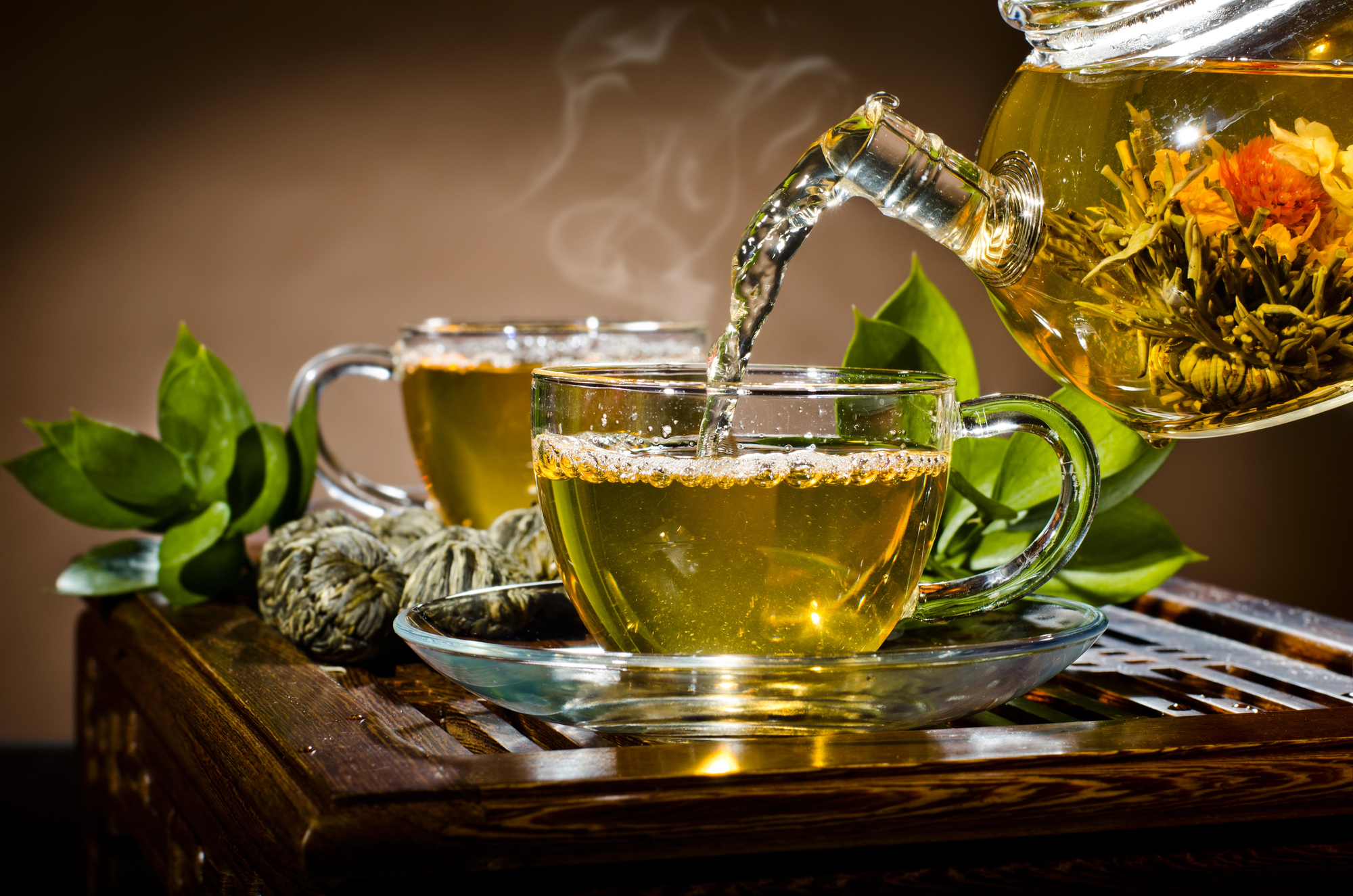
There’s theater in the way tea gets prepared in Japan, but not the showy kind. Every gesture has been refined across centuries until movement becomes meditation.
The cups, the pouring, the silence between sips — it’s all choreographed, yet somehow the ritual never feels stiff or performative. Like watching someone who has learned to make grace look effortless.
The ceremony doesn’t hurry you toward anything. No agenda lurks beneath the surface, no small talk fills the quiet spaces.
The tea is bitter, then sweet, then gone. What remains is the awareness that you just spent an hour doing one thing completely, without distraction — a luxury that feels almost radical now.
Storytelling Circles
Oral traditions persist in cultures where memory still matters more than Google searches. Elders speak, communities listen.
Stories get passed down not because they’re historically accurate, but because they contain something true about being human. The details change with each telling.
The meaning stays constant.
These gatherings happen after work, after dinner, when the practical demands of the day have been satisfied and there’s space for something less urgent but more essential.
No screens, no interruptions — just voices carrying forward what previous generations deemed worth preserving.
Coming-Of-Age Rituals
The transition from childhood to adulthood deserves ceremony, and most cultures recognize this with traditions that mark the moment clearly rather than letting it drift by unnoticed. Aboriginal Australians have walkabout journeys where young people spend months alone in the wilderness, learning to survive and finding their place within something larger than themselves.
Jewish communities celebrate Bar and Bat Mitzvahs, acknowledging that a thirteen-year-old has reached the age of religious responsibility (and by extension, genuine participation in adult life rather than its shadow version). The Maasai in Kenya and Tanzania have elaborate ceremonies where young men prove their courage and readiness to protect their community.
What these rituals share isn’t their specific requirements but their recognition that growing up matters enough to be witnessed and celebrated rather than simply endured. And that the community has a role in shepherding its young people across that threshold — not as passive observers but as active participants in the transformation.
Sabbath
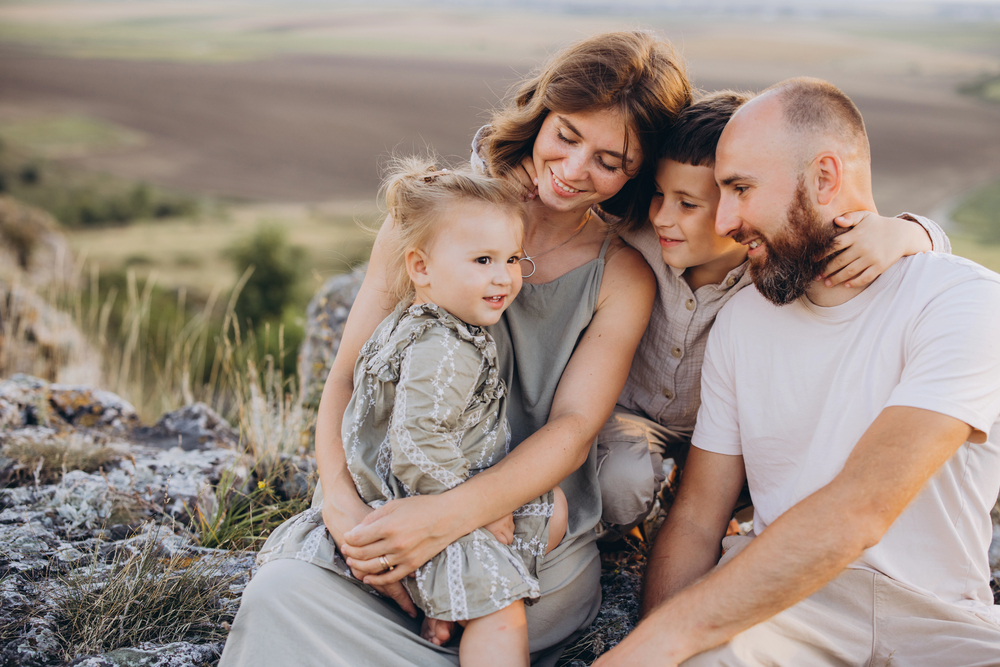
One day each week, observant Jewish families stop. No work, no errands, no screens.
Friday evening to Saturday evening becomes a pocket of time that operates by different rules. Meals stretch longer, conversations deepen, rest becomes intentional rather than accidental.
The world doesn’t pause, but households do.
Festival Of Lights
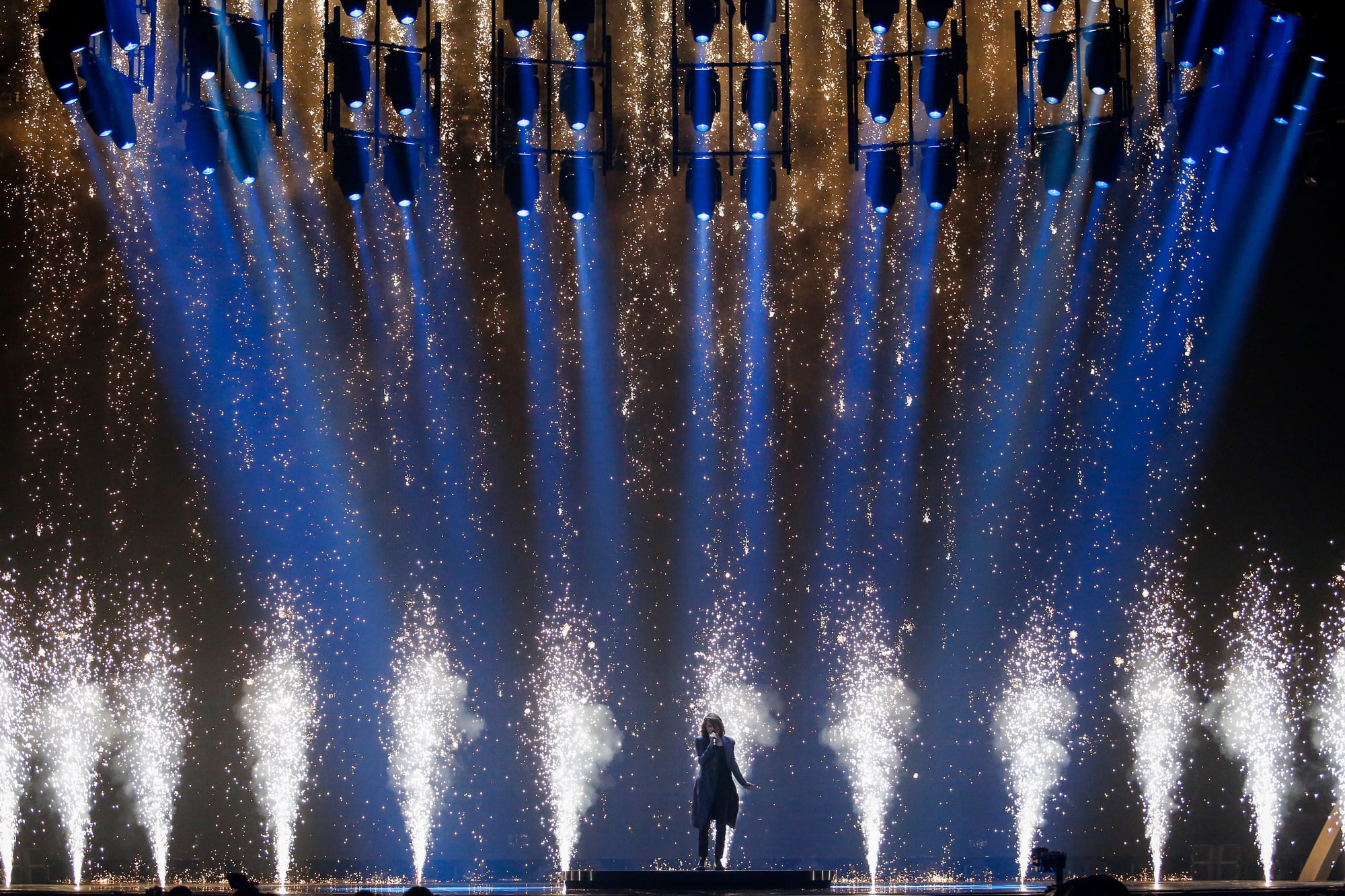
Diwali transforms entire neighborhoods into something that feels borrowed from a fairy tale, though that description undersells what’s actually happening. This isn’t decoration for its own sake but a five-day celebration where light deliberately pushes back against darkness — both literal and metaphorical.
Every home, every business, every public space gets outlined in oil lamps, candles, and string lights until whole cities glow.
But the real tradition lives in the preparation: families cleaning their homes thoroughly, buying new clothes, preparing sweets to share with neighbors, creating intricate patterns with colored powder at their doorsteps. The lights are beautiful, but they’re also functional — they’re meant to guide prosperity and positive energy toward homes that have been made ready to receive them.
Gift-Giving Potlatch

Pacific Northwest tribes developed a tradition where wealth gets measured not by what you keep but by what you give away. Potlatch ceremonies involve elaborate feasts where hosts distribute gifts — sometimes everything they own — to guests.
Status comes from generosity, not accumulation. The more you give, the more respect you earn.
These ceremonies can last for days, with dancing, storytelling, and speeches that honor ancestors and strengthen community bonds. What might look like economic madness to outsiders reveals itself as a sophisticated system where wealth circulates rather than concentrates, ensuring that prosperity becomes communal rather than individual.
New Year Water Blessings
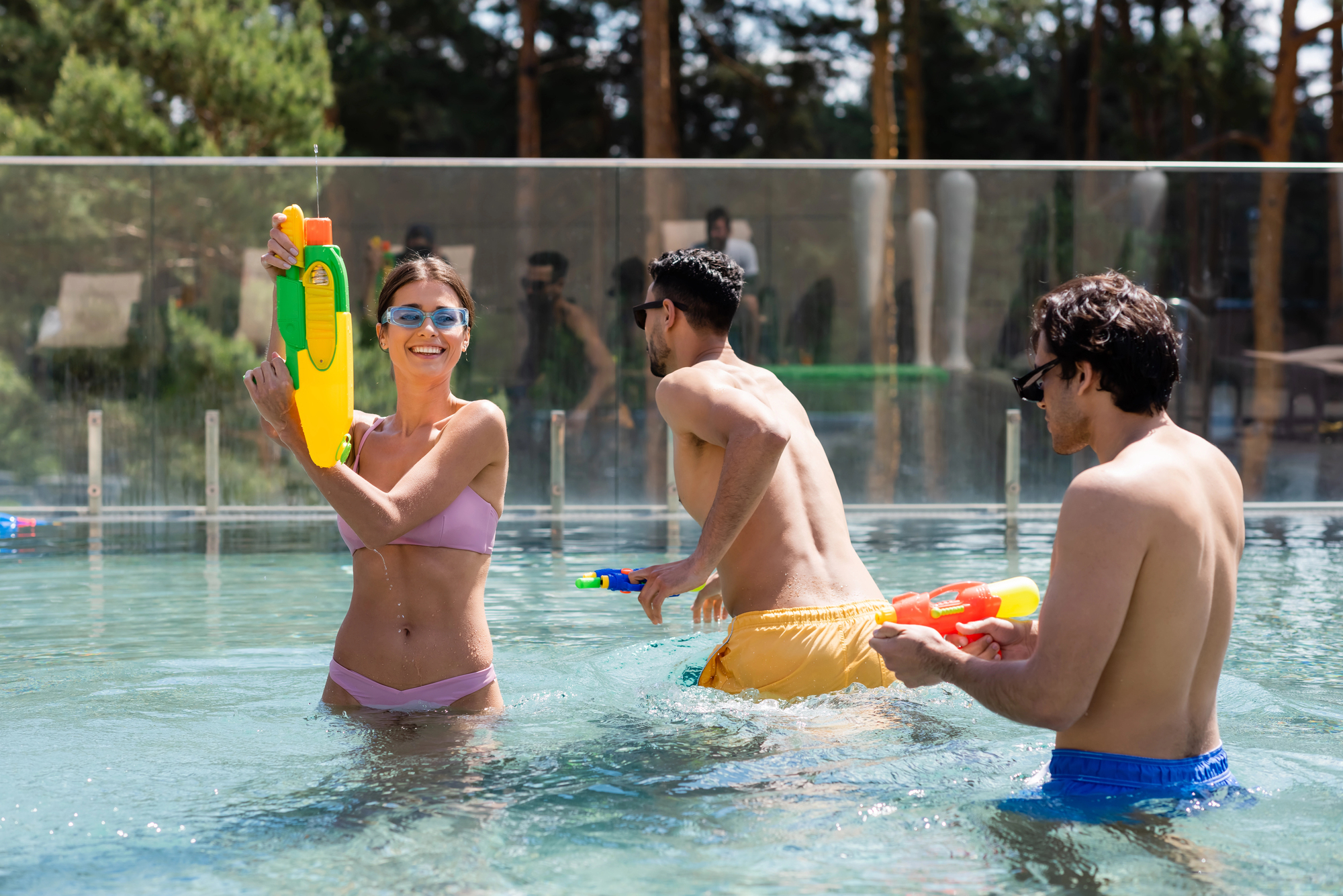
Thailand celebrates Songkran by turning the entire country into a water fight, though framing it that way misses the deeper current running beneath the splash and laughter. Yes, people drench each other with water guns, buckets, and hoses for three days straight, and yes, it’s joyful chaos that brings out the child in everyone regardless of age or social position.
But the water carries meaning: it’s meant to wash away the previous year’s misfortunes and bad luck, creating space for fresh starts.
The tradition began with gentle rituals — pouring scented water over Buddha statues and the hands of elders as a sign of respect. Over time, the practice expanded until whole communities joined in, transforming reverence into celebration while keeping the essential purpose intact.
Gratitude Harvests
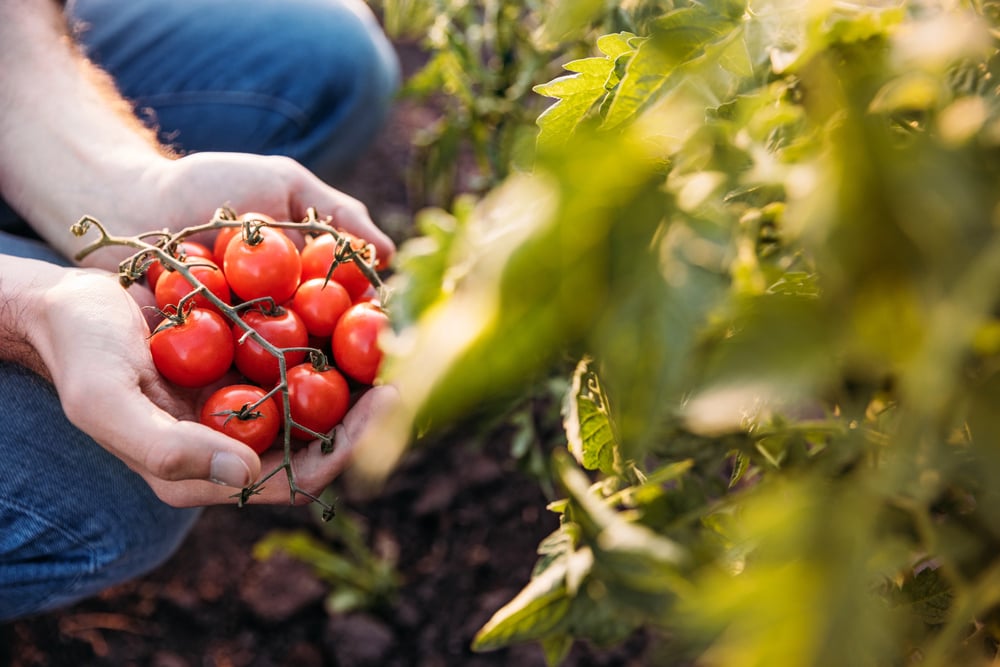
Thanksgiving exists in dozens of variations across cultures that depend on agriculture, each one timed to coincide with the end of harvest season when communities can finally assess whether they’ll have enough food to survive the coming winter. The Korean celebration of Chuseok involves families traveling from across the country to share meals and honor ancestors who made their current prosperity possible.
In Ghana, the Yam Festival marks the harvest of the staple crop with dancing, drumming, and ceremonies that thank the earth for its generosity.
What unites these traditions isn’t their specific foods or rituals but their recognition that abundance isn’t guaranteed and therefore shouldn’t be taken for granted. They create space for communities to acknowledge their dependence on forces beyond their control — weather, soil, rainfall — and to celebrate when those forces cooperate.
The Spaces Between Moments
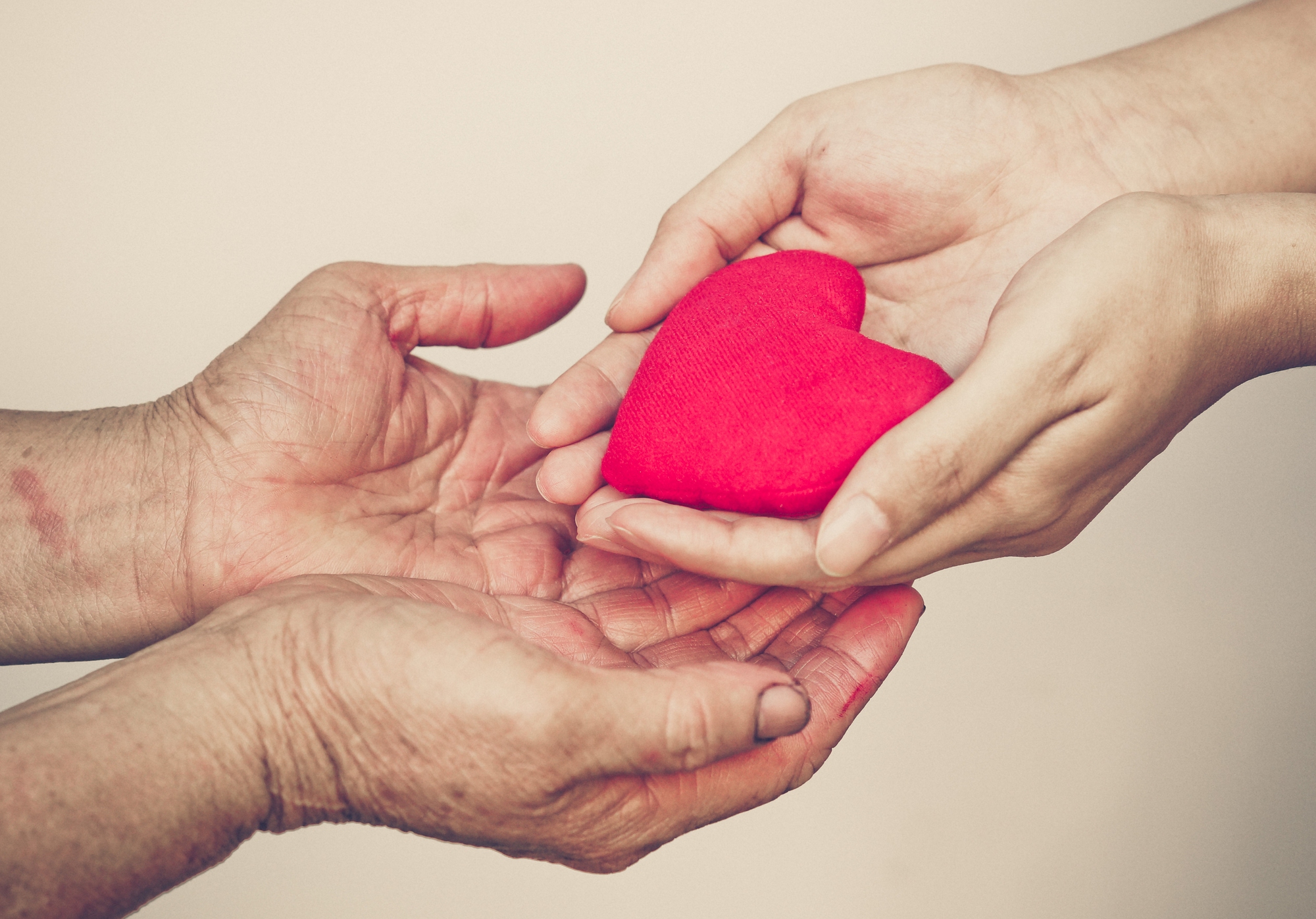
Traditions endure not because they’re convenient or efficient, but because they create something that efficiency can’t replicate. They slow time down just enough to notice what usually gets missed in the rush from one task to the next.
They remind communities that some things matter more than productivity, and that those things require protection in the form of ritual, repetition, and collective agreement to keep showing up.
More from Go2Tutors!

- The Romanov Crown Jewels and Their Tragic Fate
- 13 Historical Mysteries That Science Still Can’t Solve
- Famous Hoaxes That Fooled the World for Years
- 15 Child Stars with Tragic Adult Lives
- 16 Famous Jewelry Pieces in History
Like Go2Tutors’s content? Follow us on MSN.



