18 Countries That Have Changed Their Names (and Why)
Throughout history, nations have rebranded themselves for various reasons—from gaining independence and shedding colonial ties to reflecting cultural heritage or political changes. These name changes often represent pivotal moments in a country’s journey.
Here is a list of 18 countries that have changed their names, exploring the fascinating stories and motivations behind these transformations.
Sri Lanka
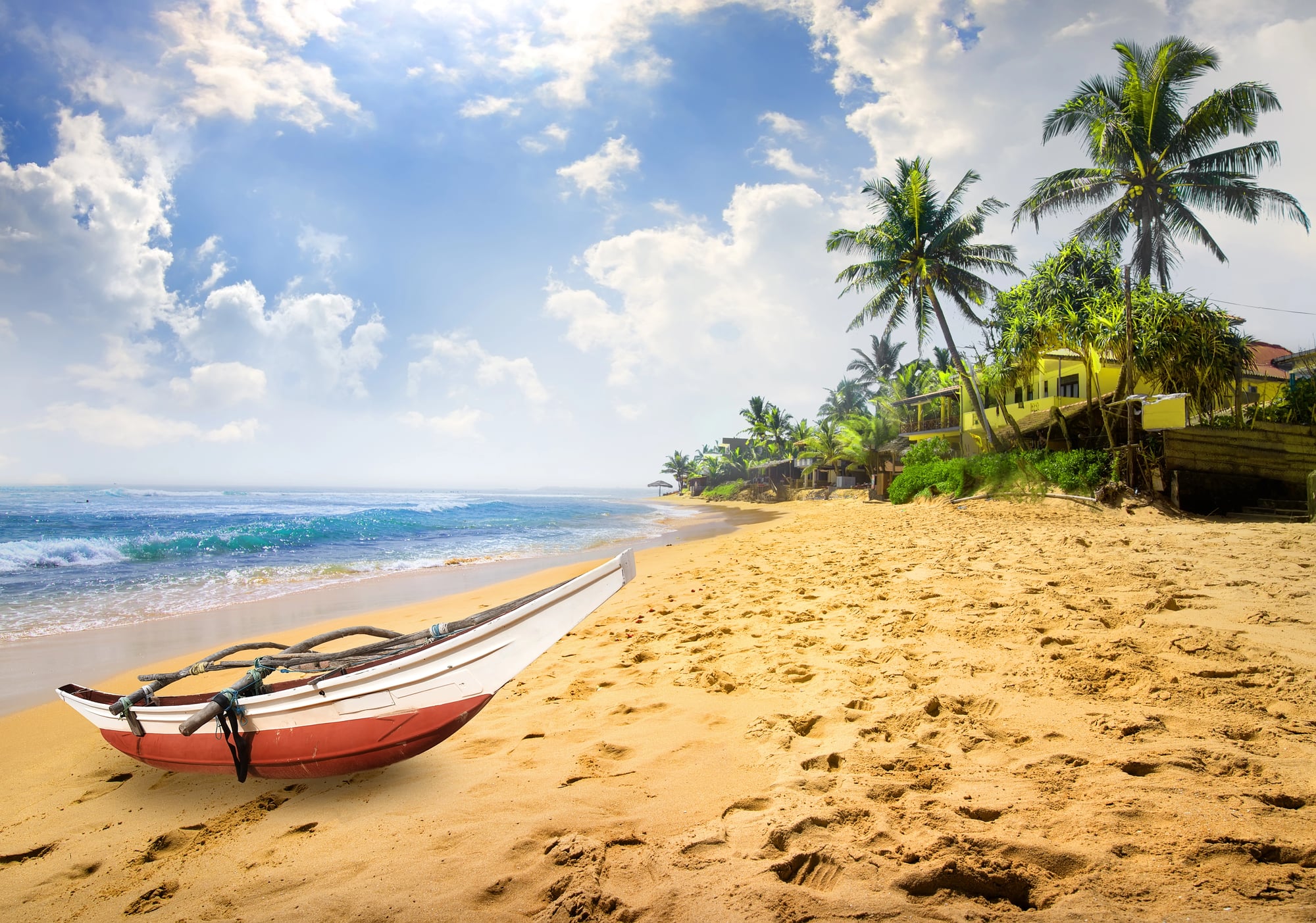
During British colonial rule, this island nation was known as Ceylon. In 1972, it changed its name to Sri Lanka, which means “resplendent island” in Sanskrit.
The country’s new constitution, which embraced its long-standing cultural identity and signaled total independence from British control, brought about the transition.
Thailand
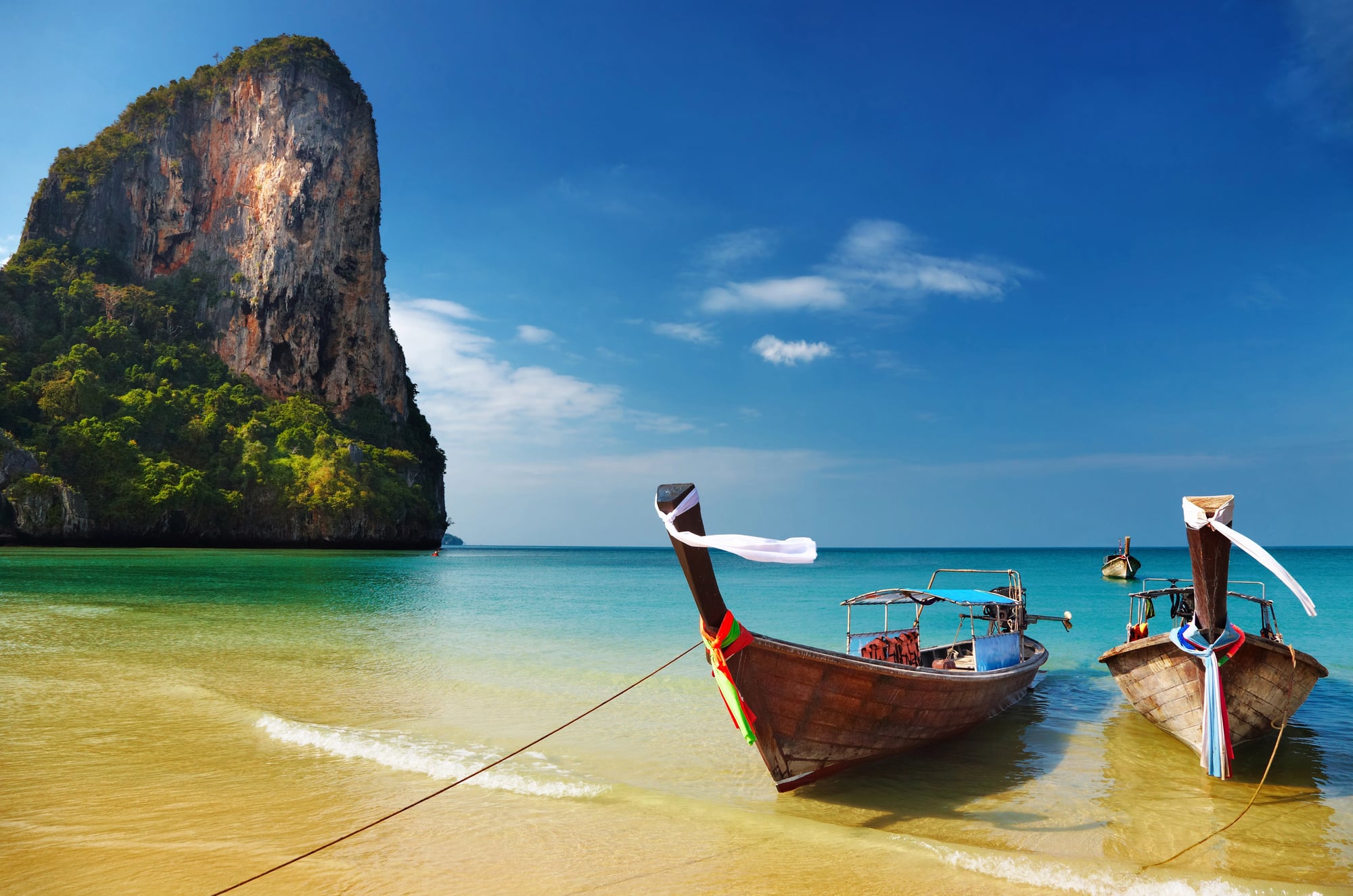
Known as Siam until 1939, the country was renamed Thailand, meaning ‘land of the free’—quite fitting as European powers never colonized it.
Under the direction of Prime Minister Plaek Phibunsongkhram, the alteration was part of a nationalist effort aiming at unity and underlining the ethnic Thai majority.
Myanmar
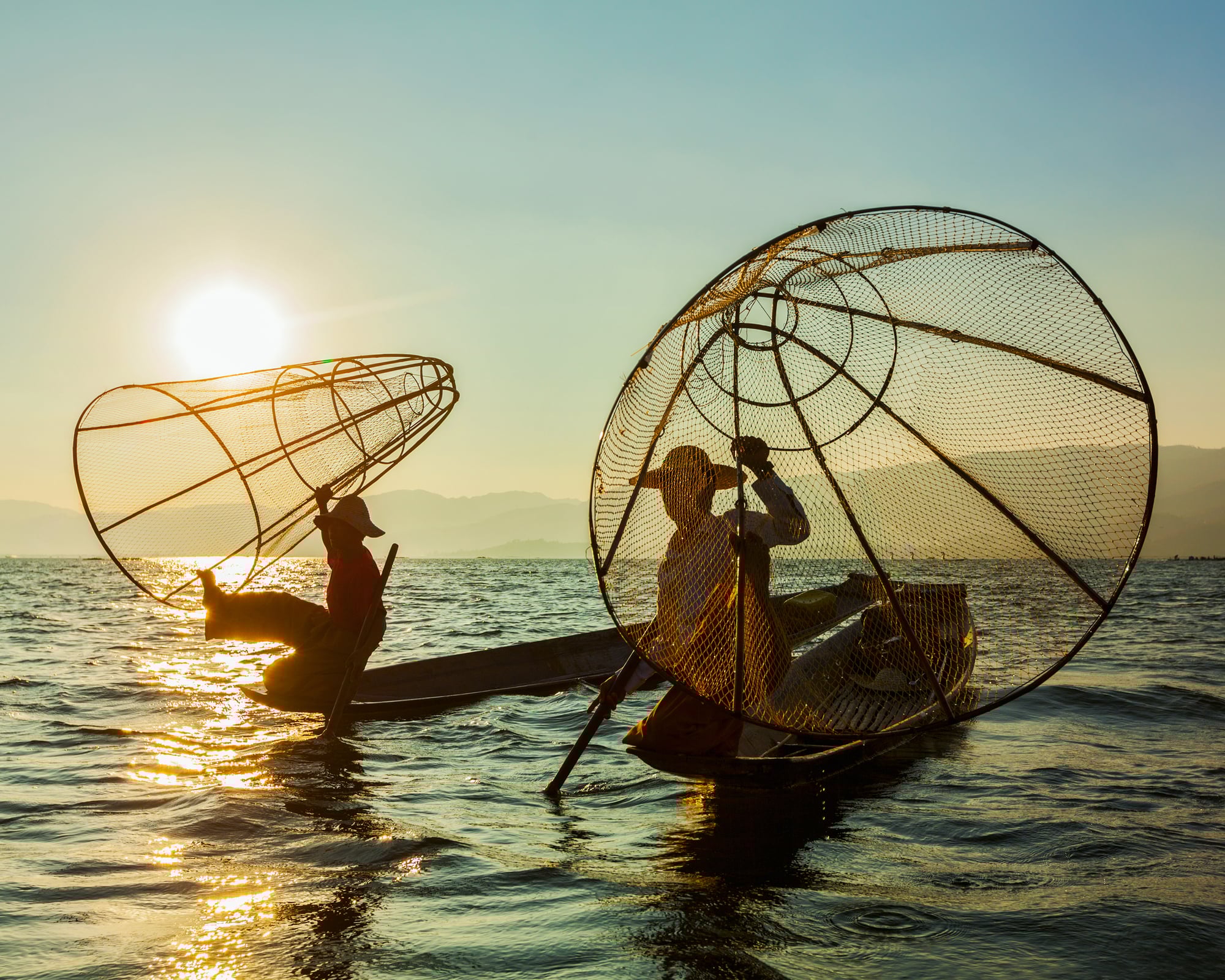
Burma’s name was changed to Myanmar in 1989 by the reigning military junta, which claimed the colonial term solely referred to the Bamar ethnic group, which made up the majority.
Some nations and opposition groups are still using Burma to oppose the military regime that implemented the shift, so the transfer is still up for debate.
Iran
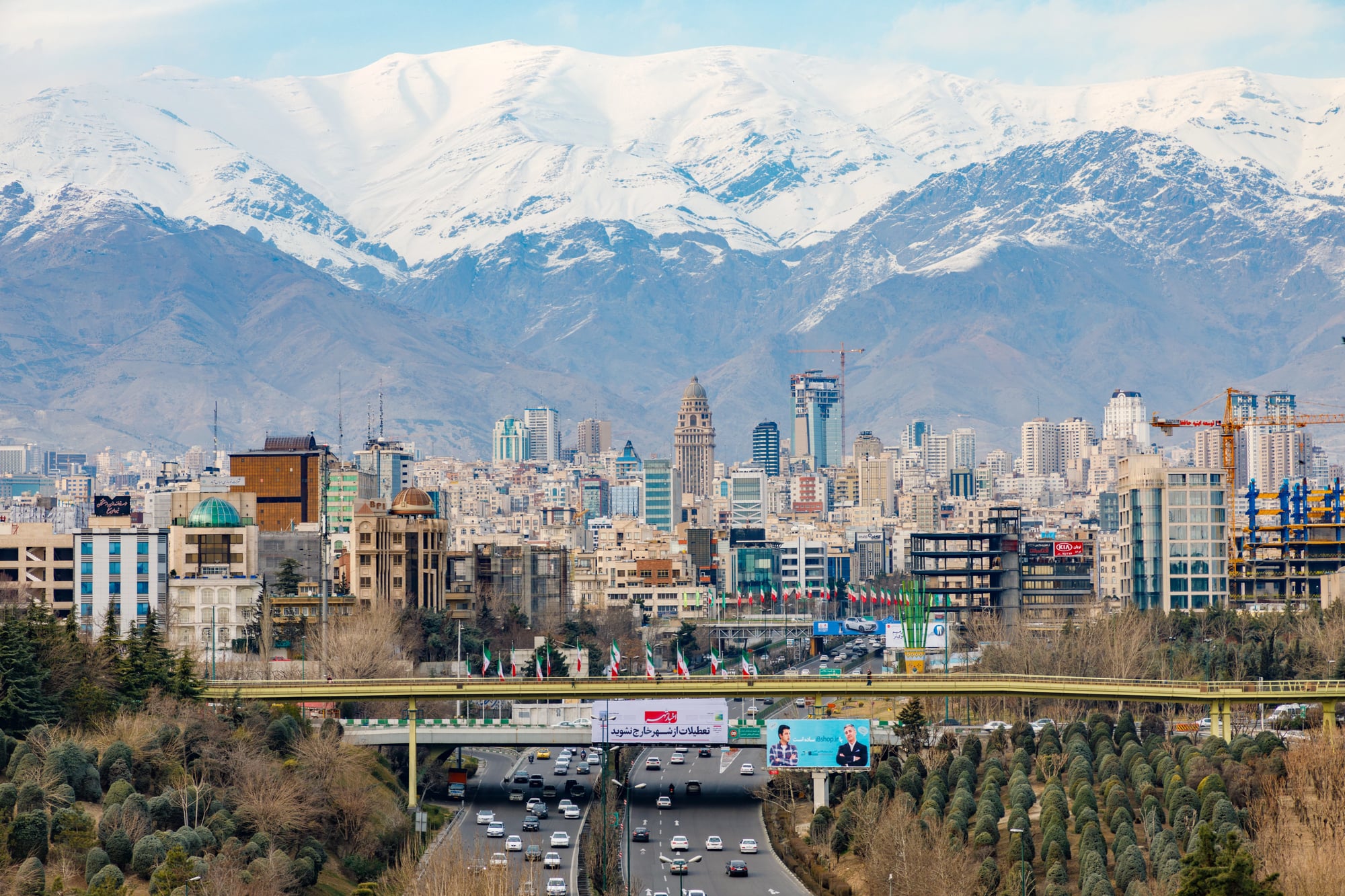
Reza Shah Pahlavi asked other nations to refer to Persia by its indigenous name, Iran, which means “land of the Aryans,” in 1935.
Instead of using the Greek-derived term ‘Persia,’ which is still used today in many situations, the move focused on the nation’s indigenous identity.
Cambodia
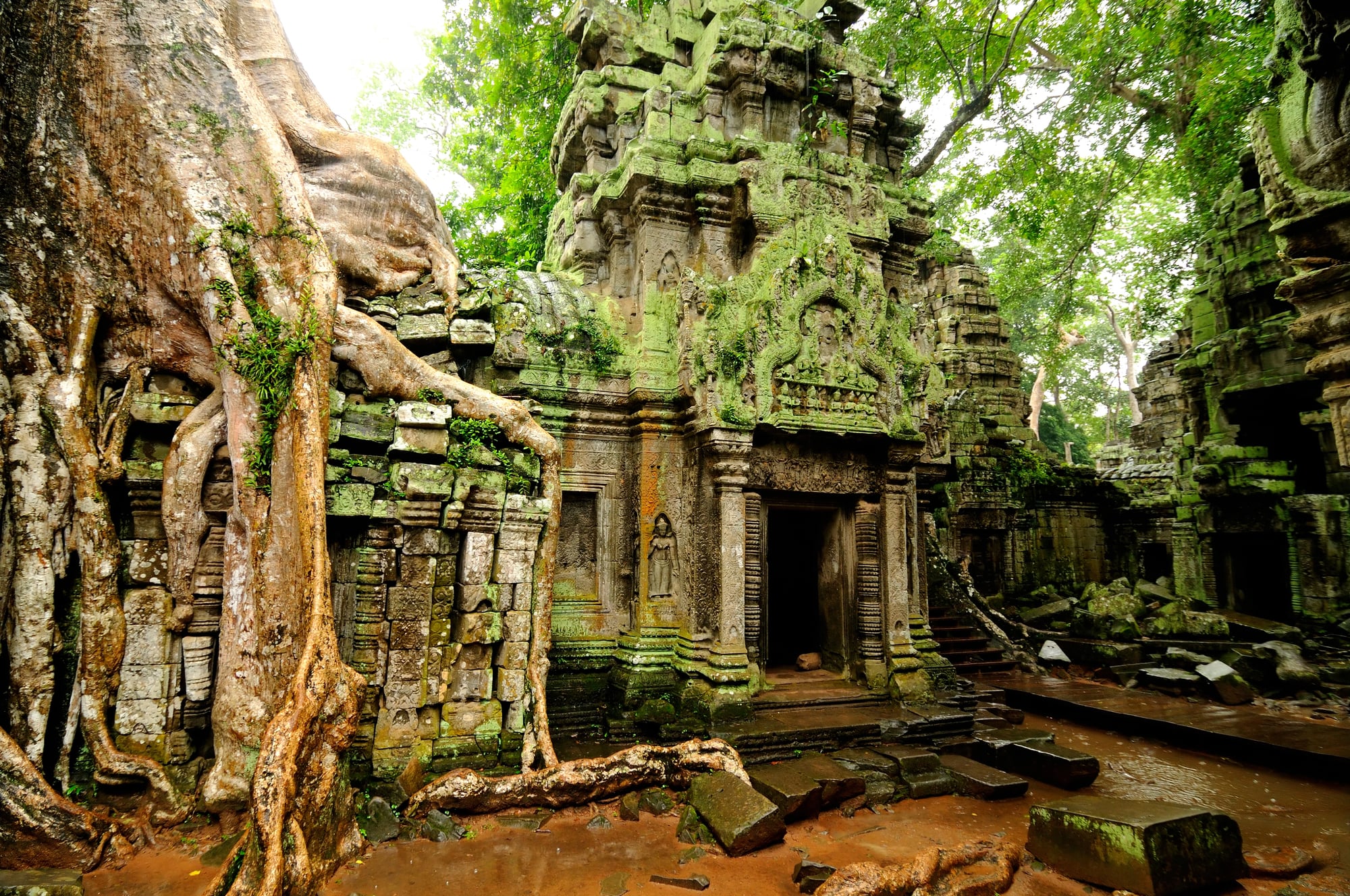
During its turbulent 20th century, Cambodia has had several name changes. Known as Democratic Kampuchea under the Khmer Rouge dictatorship and the Khmer Republic in the early 1970s, it reverted to its original name, Cambodia, following the overthrow of Pol Pot’s government by Vietnamese forces.
North Macedonia
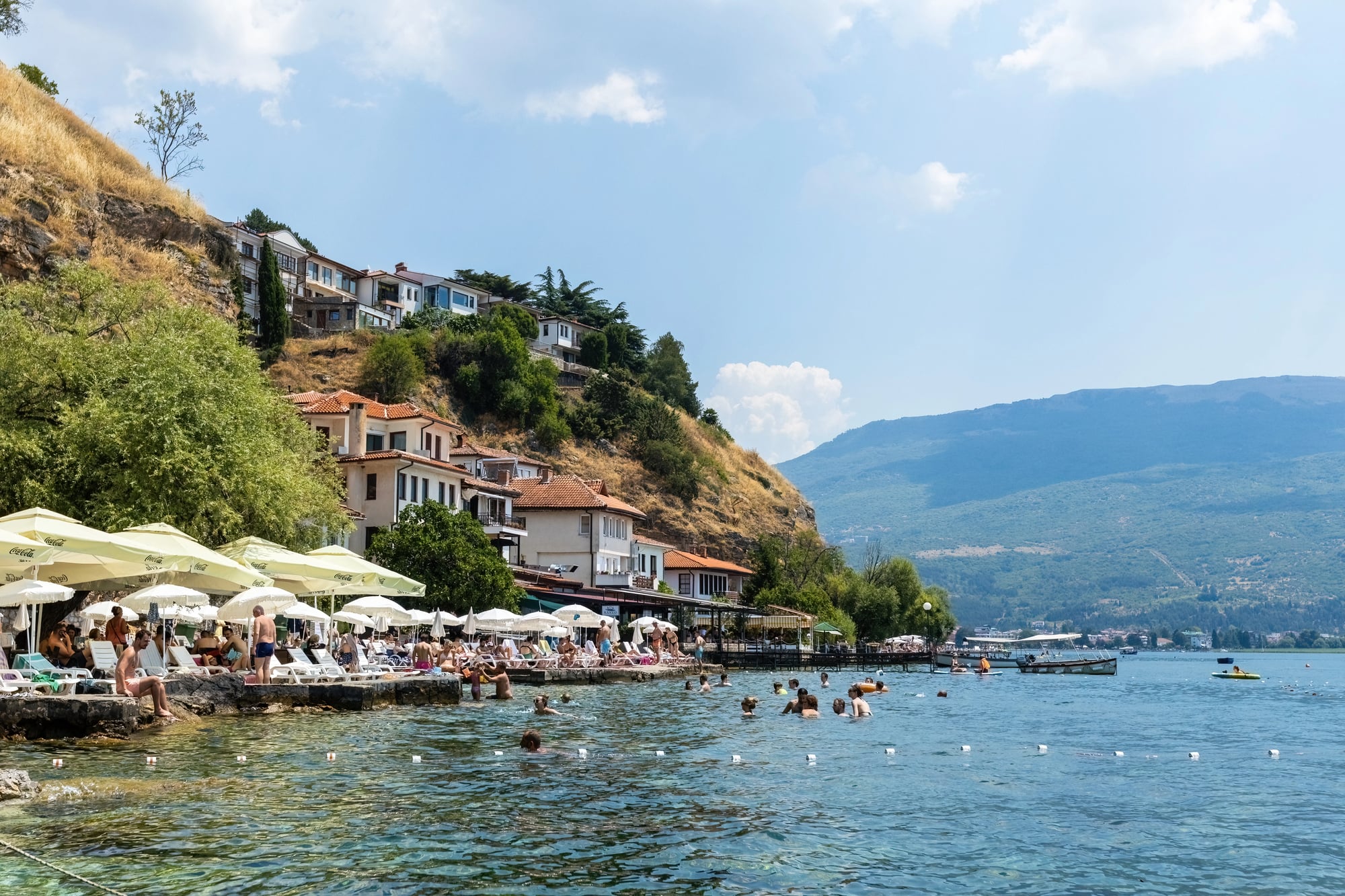
After declaring independence from Yugoslavia in 1991, this Balkan nation faced a naming dispute with neighboring Greece for nearly three decades.
The country, initially called the Republic of Macedonia, finally changed to North Macedonia in 2019 following the historic Prespa Agreement that ended the long-standing conflict.
Ghana
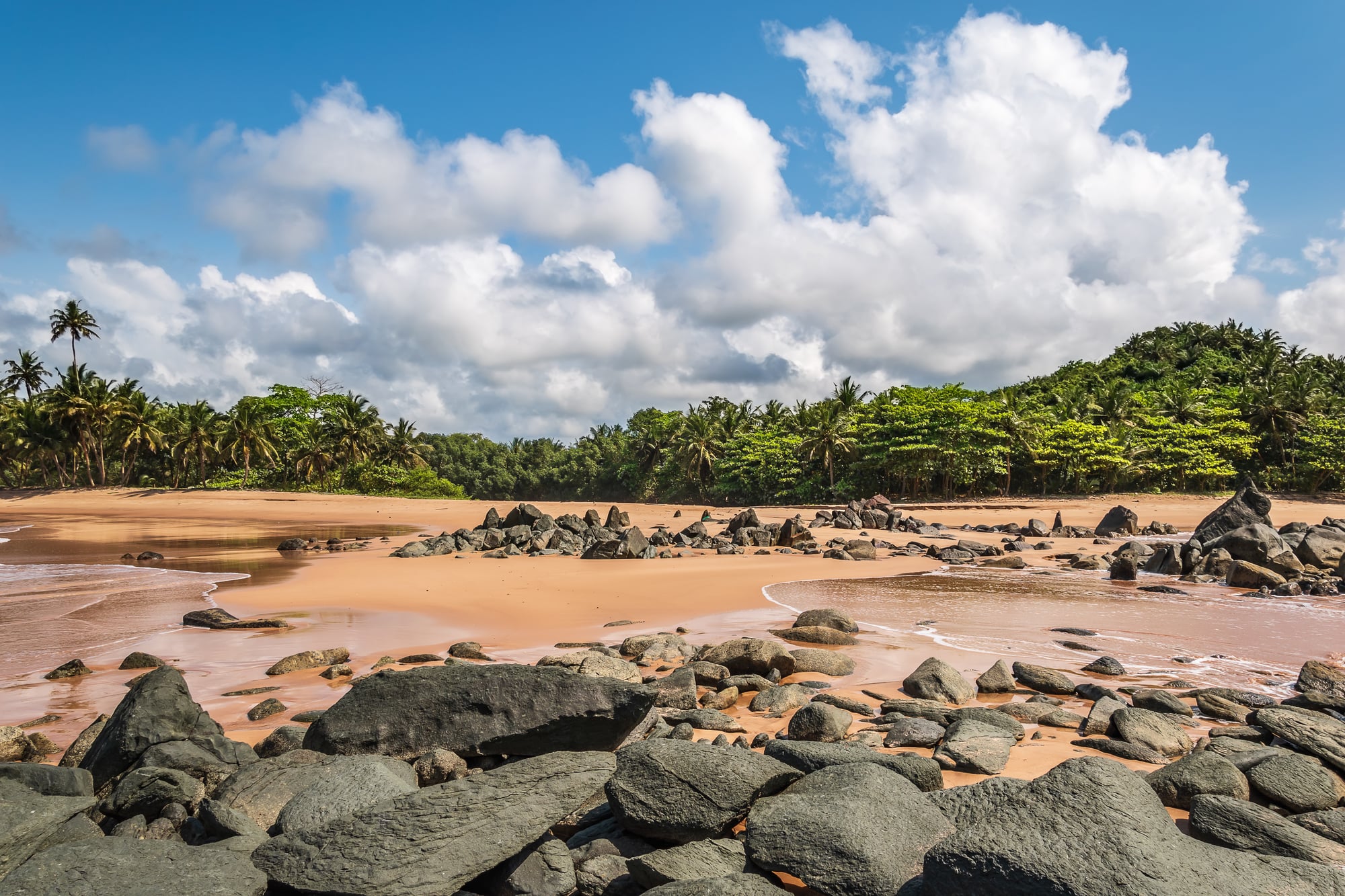
The former British colony Gold Coast took the name Ghana when it became independent in 1957.
Though the current nation wasn’t exactly in the same place as the old kingdom, the new name reflected the thriving Ghana Empire between the sixth and 13th century.
Zimbabwe
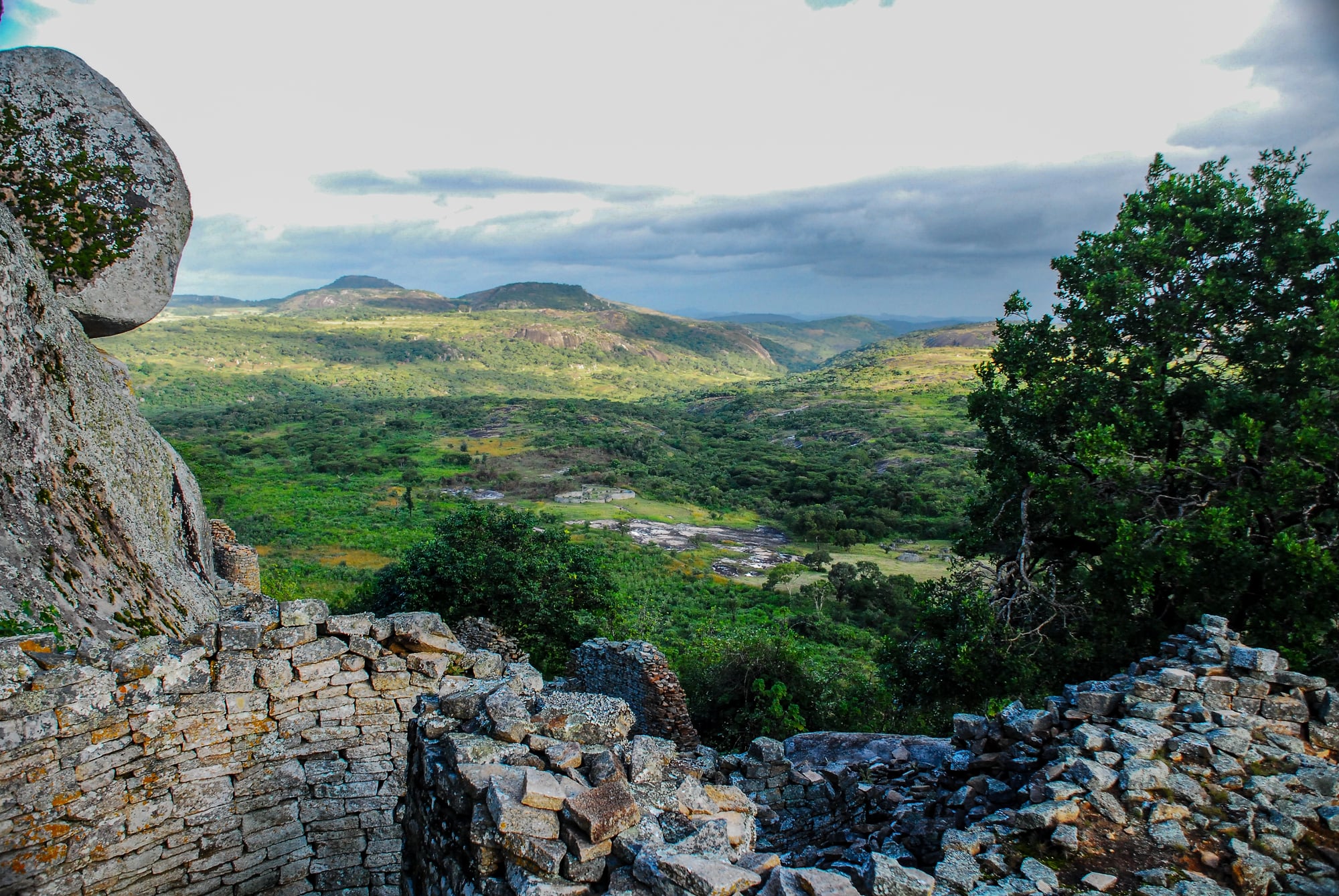
Named after British colonist Cecil Rhodes, this southern African country was first called Southern Rhodesia then just Rhodesia.
Following the independence fight, the nation was called Zimbabwe in 1980 in reference to the Great Zimbabwe stone ruins, so honoring the pre-colonial successes of the land.
Eswatini
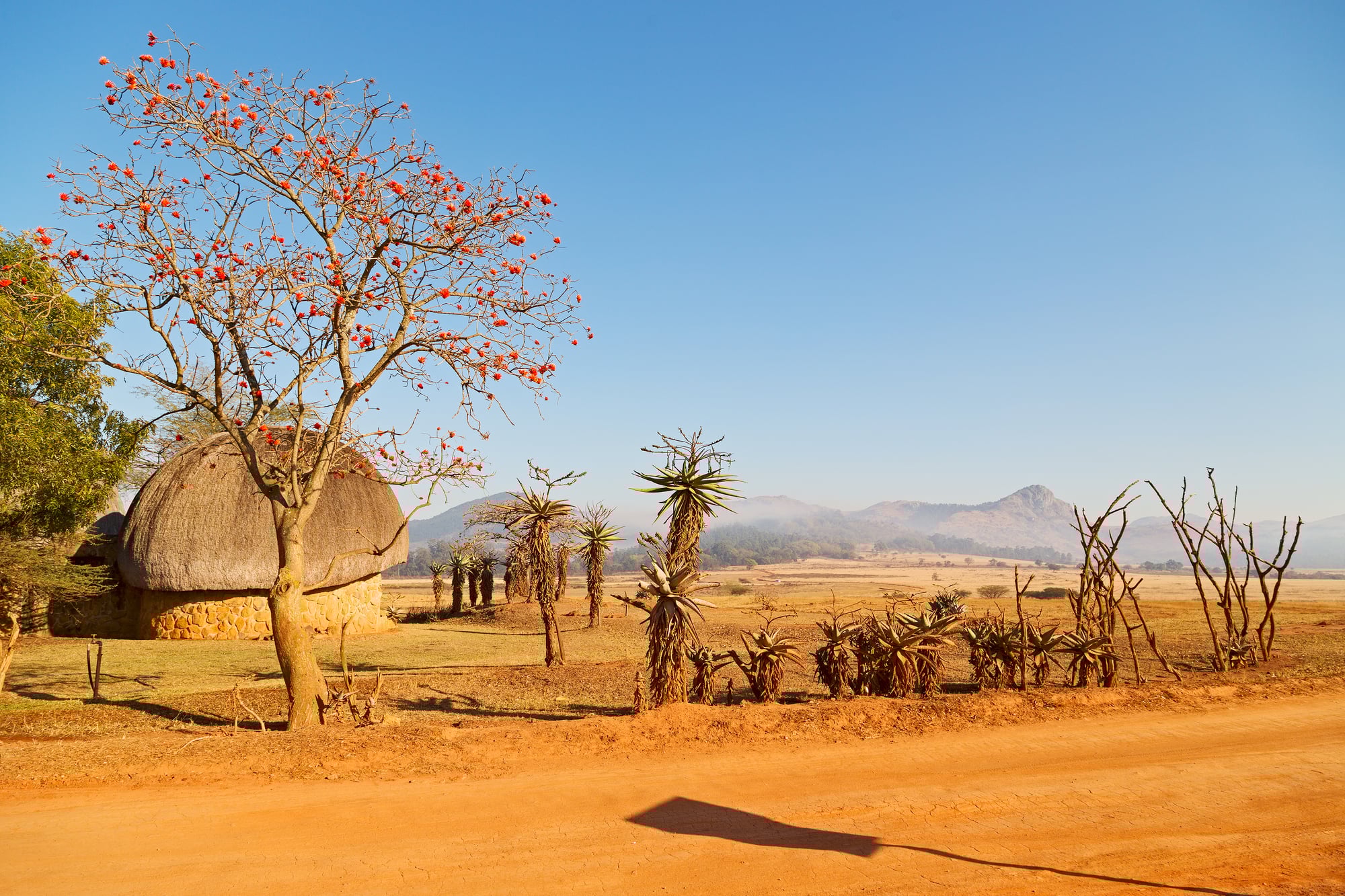
In 2018, King Mswati III announced that Swaziland would change its name to Eswatini, meaning ‘land of the Swazis’ in the local language.
The monarch made this declaration during the country’s 50th independence anniversary celebrations, noting that the previous name had often been confused with Switzerland.
Czechia
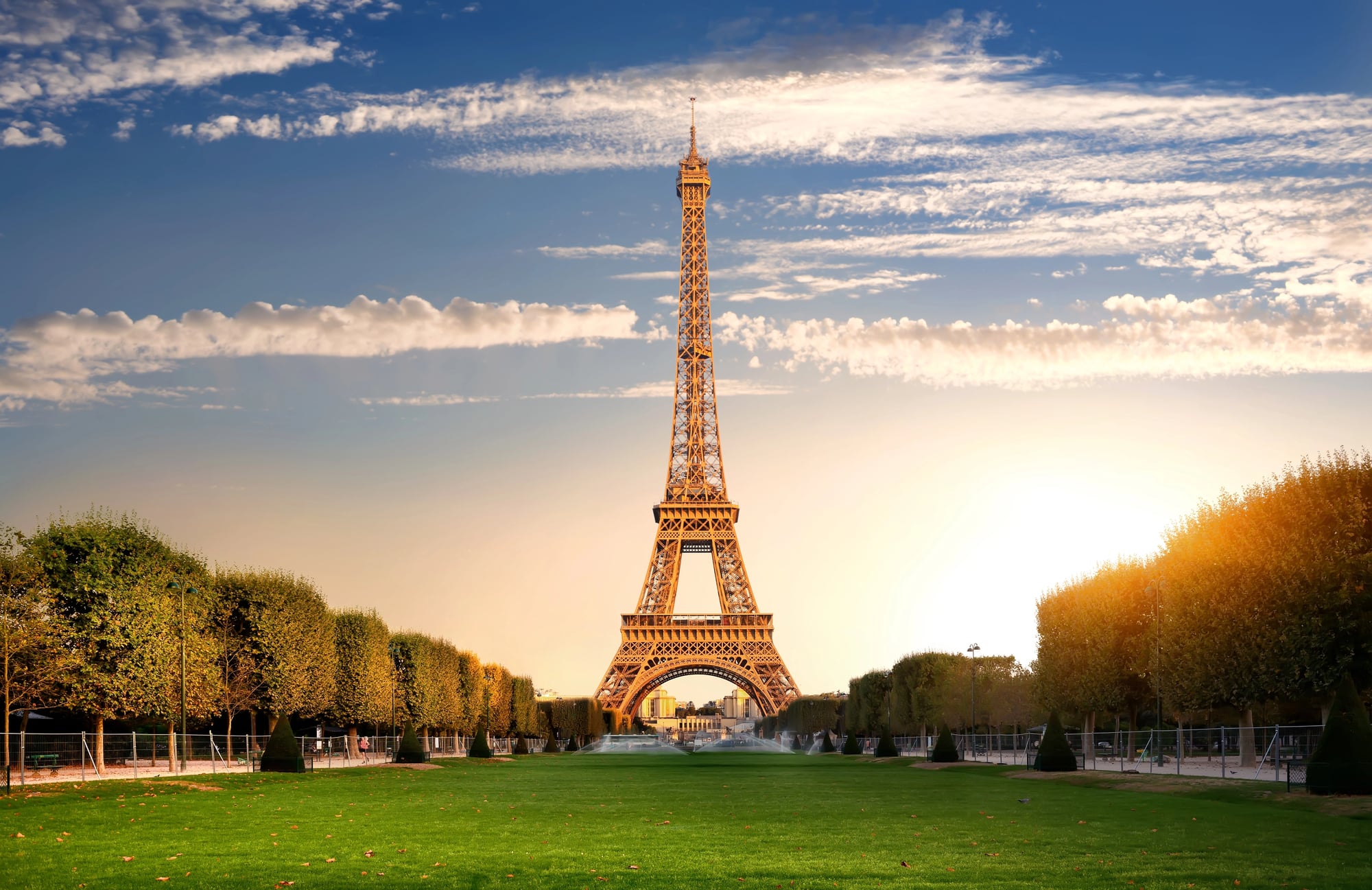
The Czech Republic officially adopted Czechia as its shortened name in 2016, similar to how the French Republic is commonly called France.
The change aimed to create a more practical, single-word name for everyday use, though the full name ‘Czech Republic’ remains the official title for formal contexts.
Türkiye
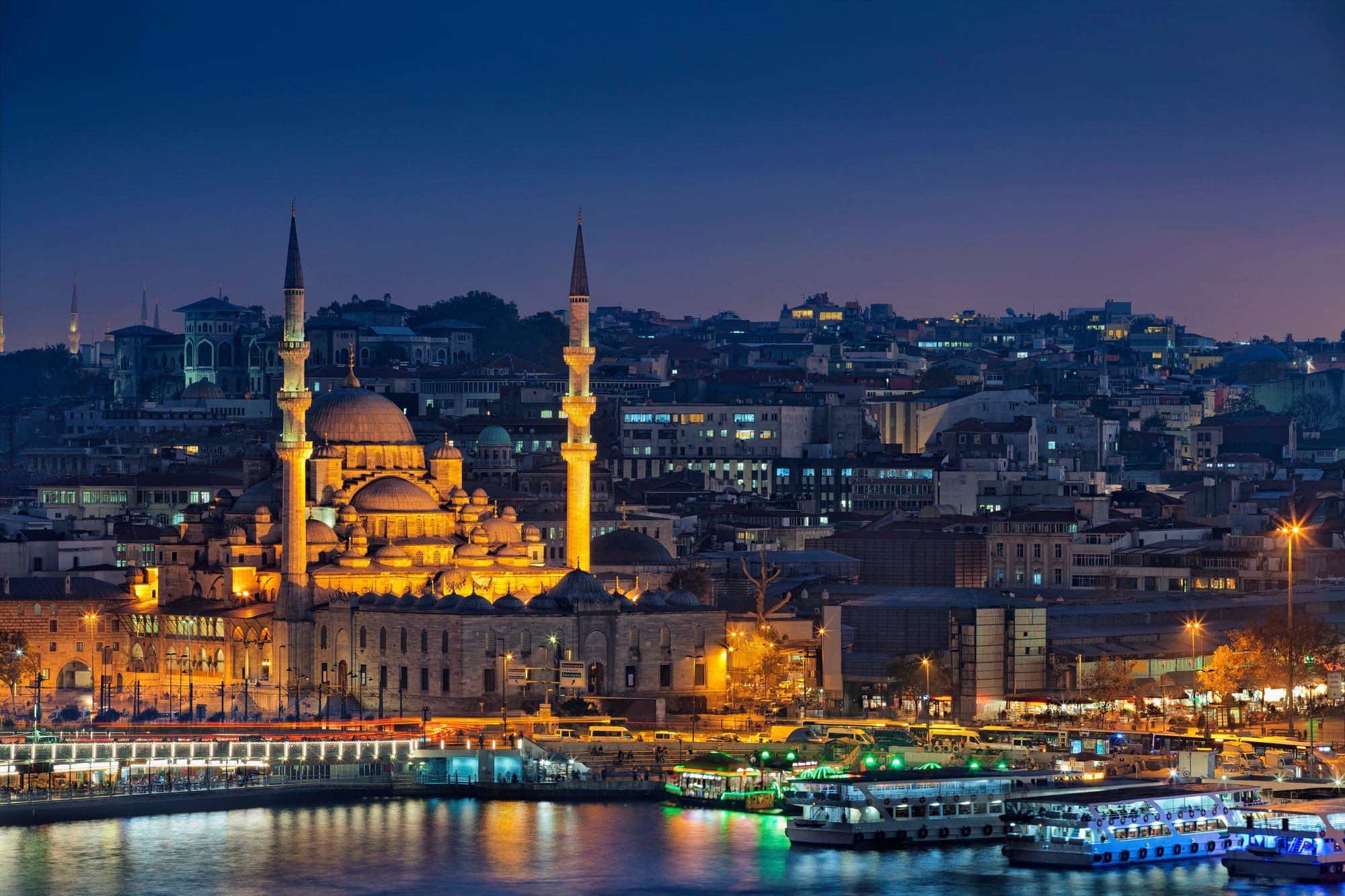
In 2022, Turkey officially changed its English name to Türkiye, aligning with the country’s Turkish-language name.
President Recep Tayyip Erdoğan explained that the change better represents Turkish culture and values, while avoiding associations with the bird of the same name or negative connotations.
Benin
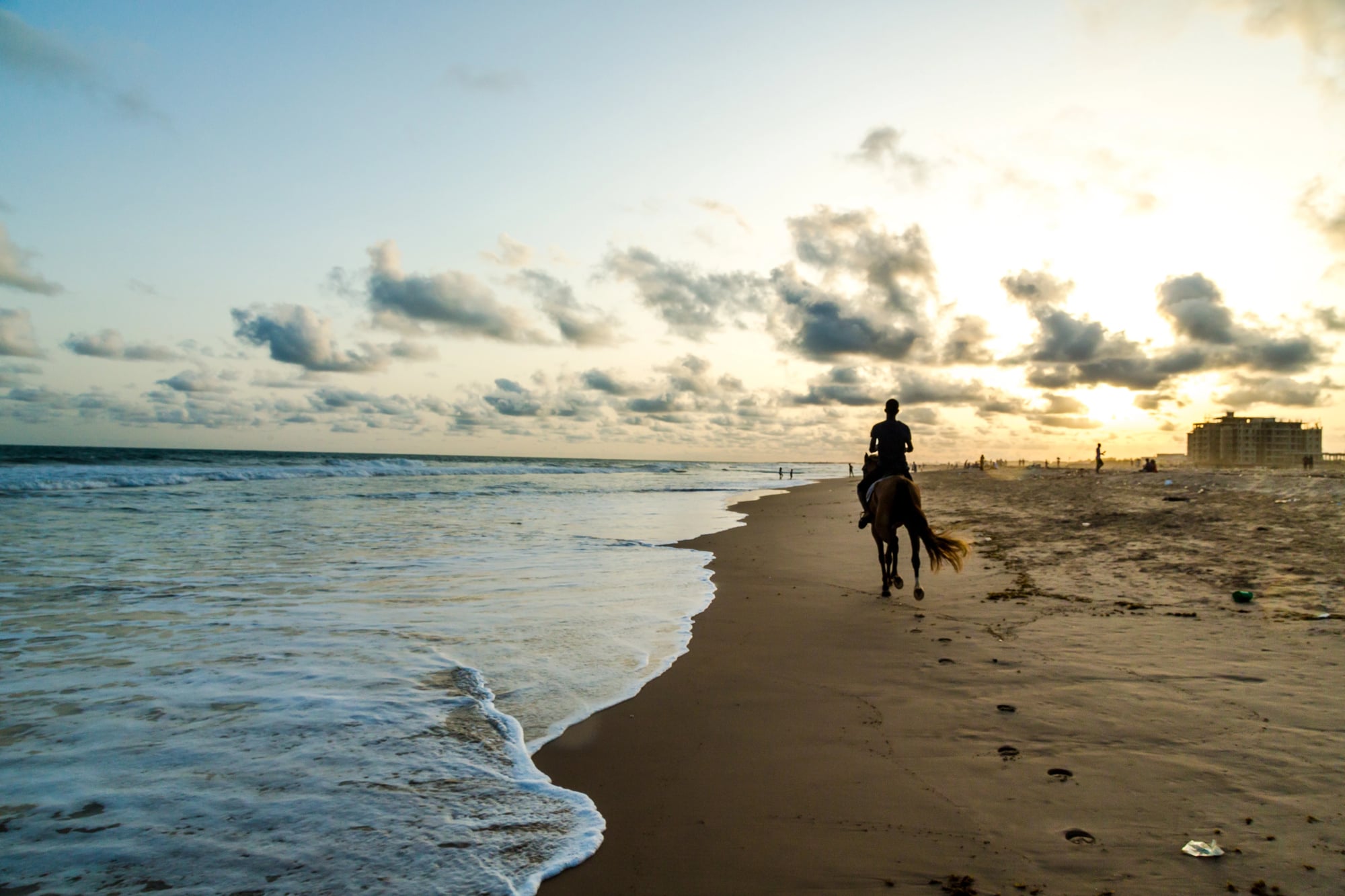
The West African nation once known as Dahomey renamed itself the People’s Republic of Benin in 1975, later shortened to Republic of Benin.
The new name referenced the historic Benin Kingdom, though interestingly, the ancient kingdom was actually centered in what is now neighboring Nigeria.
Burkina Faso
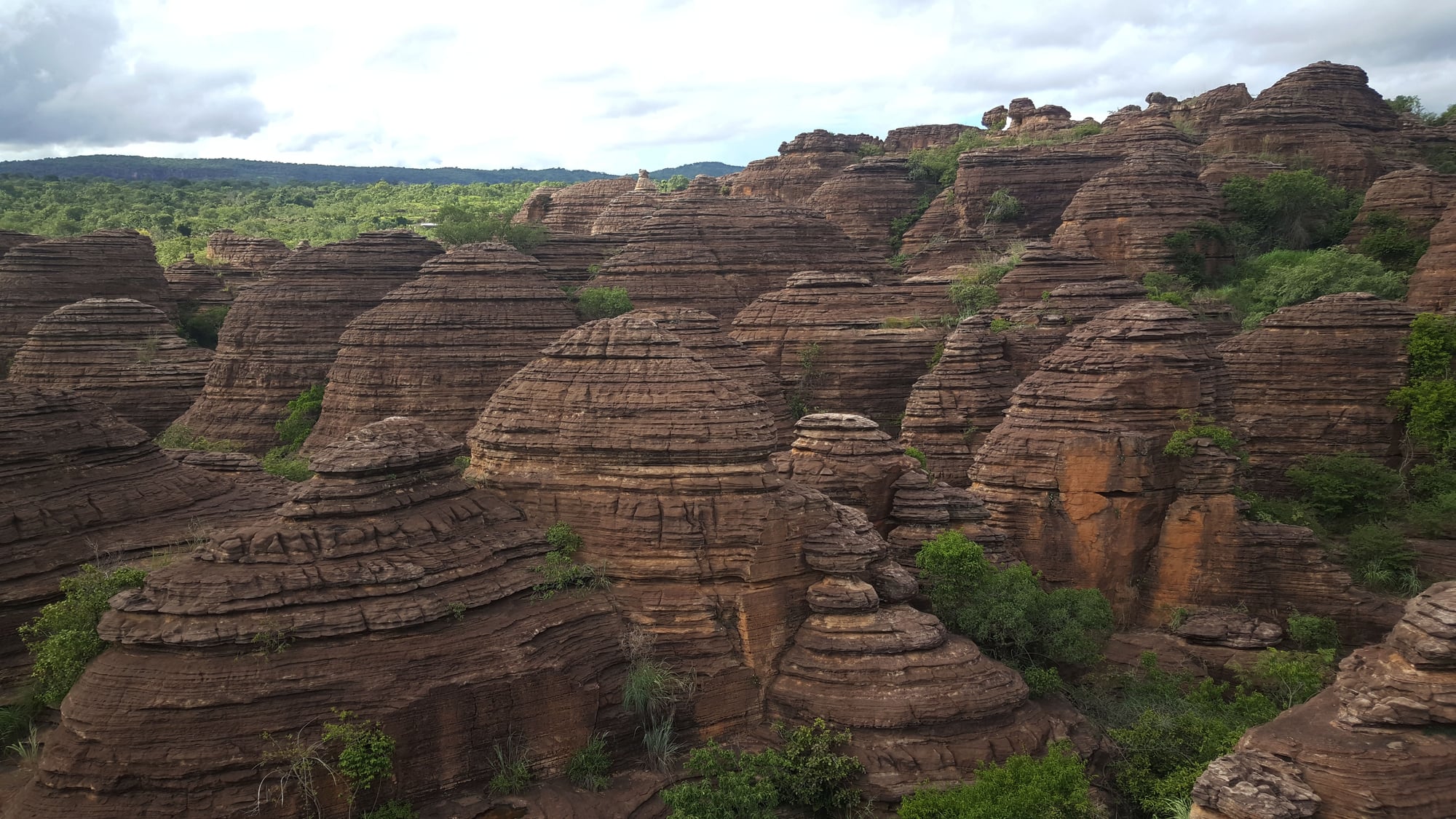
In 1984, Upper Volta’s revolutionary leader Thomas Sankara changed the country’s name to Burkina Faso, combining words from the Mossi and Dioula languages to mean ‘land of incorruptible people.’
The change symbolized a break from colonial legacy and celebrated indigenous cultural identity.
Belarus

Following the dissolution of the Soviet Union in 1991, the Byelorussian Soviet Socialist Republic became simply Belarus.
The name, meaning ‘White Rus,’ replaced the Russified version Byelorussia, emphasizing the country’s distinct national identity separate from Russia.
Samoa
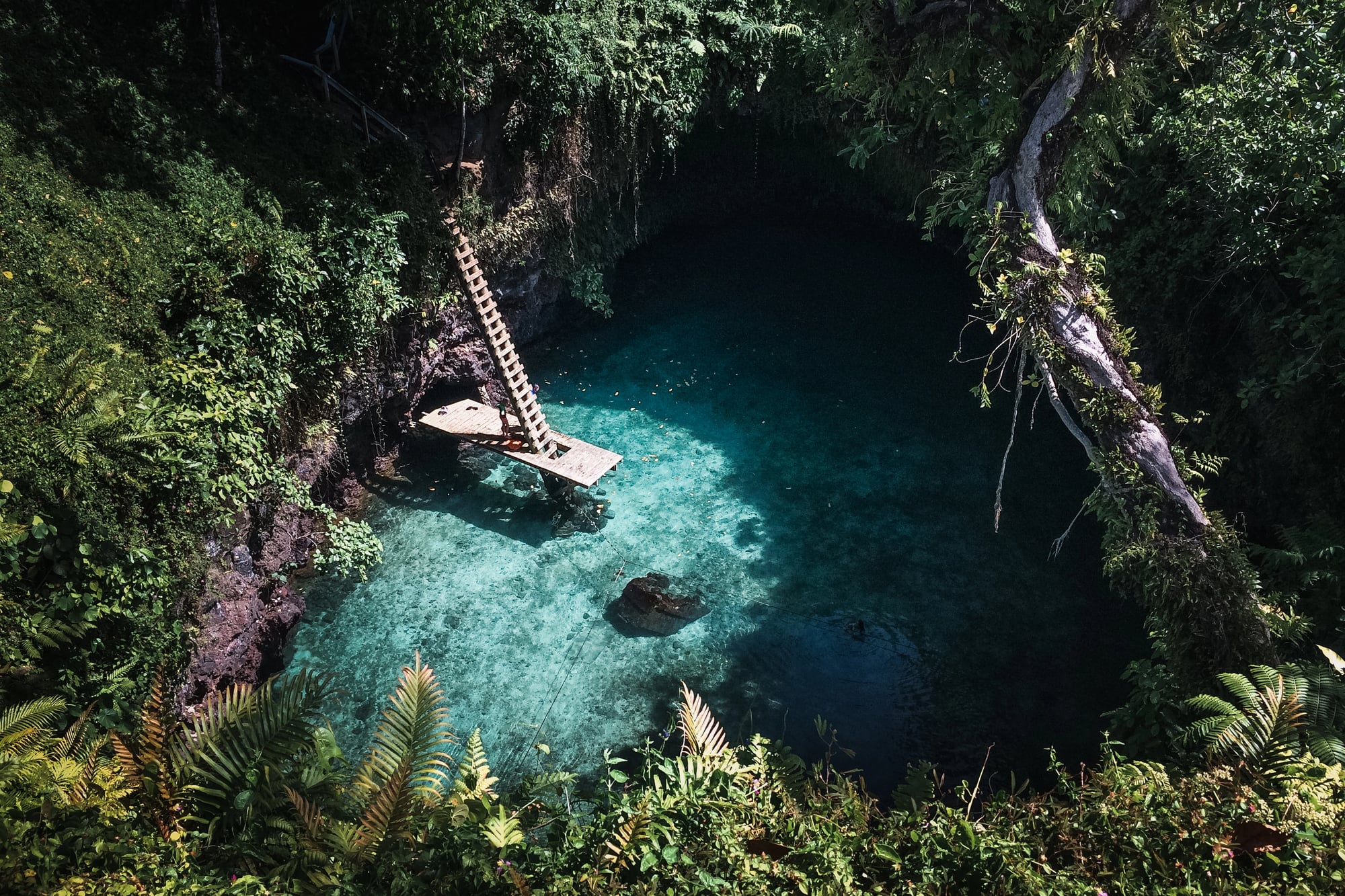
Previously known as Western Samoa until 1997, the country simplified its name to Samoa.
The ‘Western’ designation originally distinguished it from American Samoa, but the change reflected the nation’s view of itself as the center of Polynesian culture and the original Samoa.
Cabo Verde

This archipelago nation was known internationally as Cape Verde until 2013, when it requested that all countries use its Portuguese name, Cabo Verde.
The government made this change to standardize the country’s name across all languages and better reflect its cultural heritage.
Timor-Leste
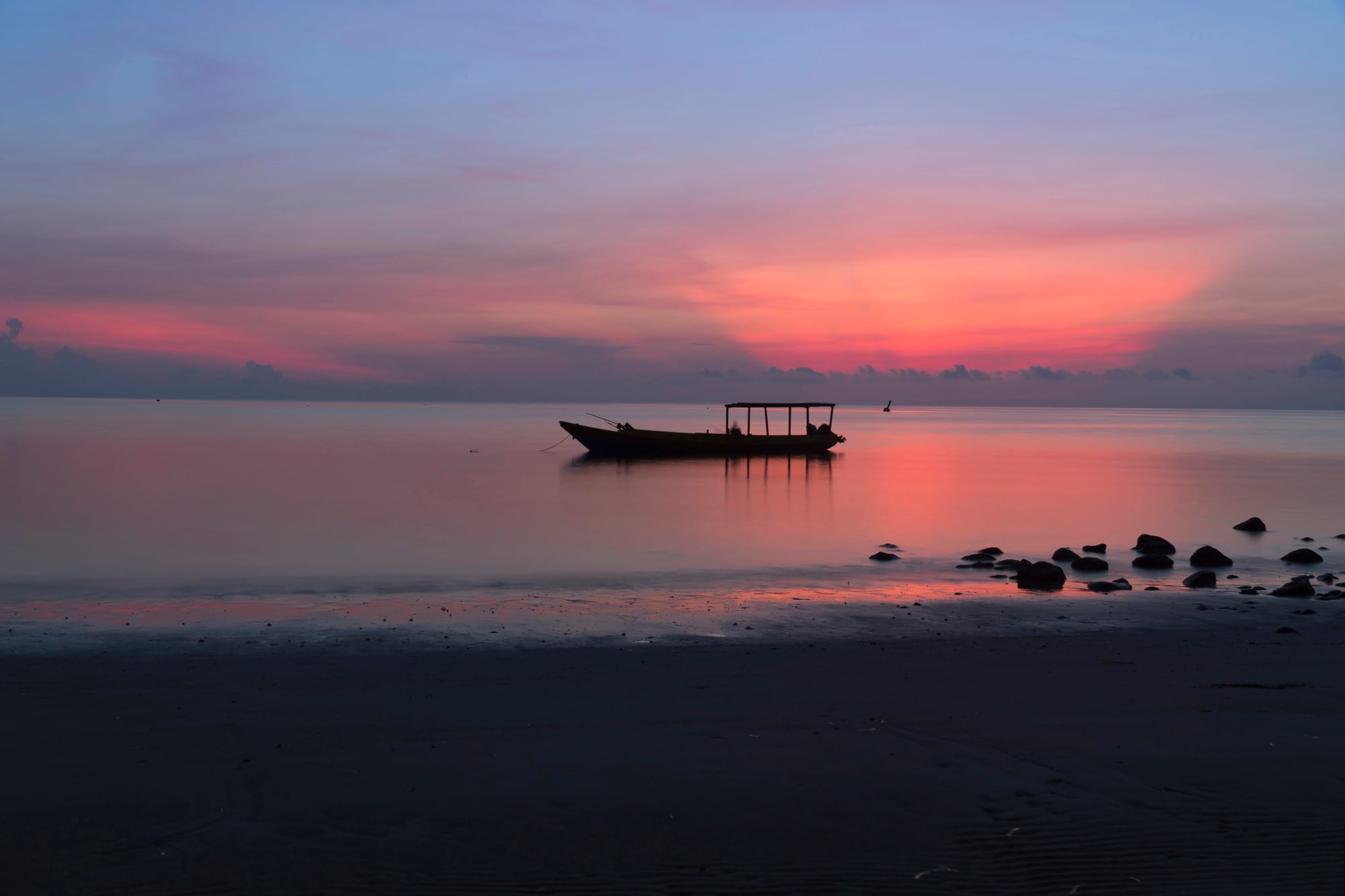
East Timor combined the Portuguese word for “east” with the local name for the island to become Timor-Leste after separating from Indonesia in 2002.
This dual-language name respects the nation’s indigenous identity as well as its history of Portuguese colonization.
Botswana
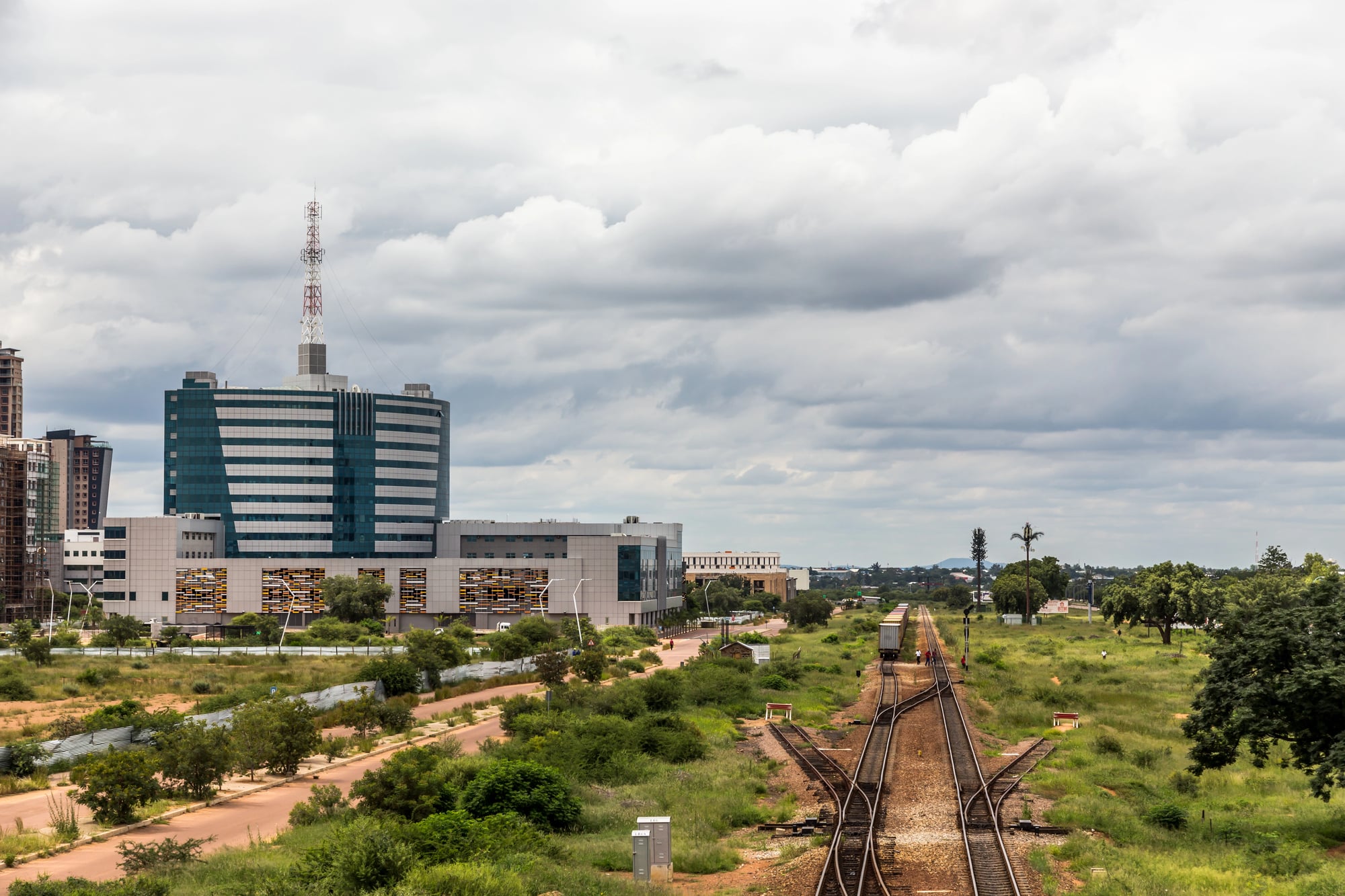
When it gained independence in 1966, the former British protectorate of Bechuanaland became Botswana.
The new name honored the country’s major ethnic group, the Tswana people, and translates roughly to ‘land of the Tswana,’ rejecting its colonial designation.
A Legacy of Self-Determination
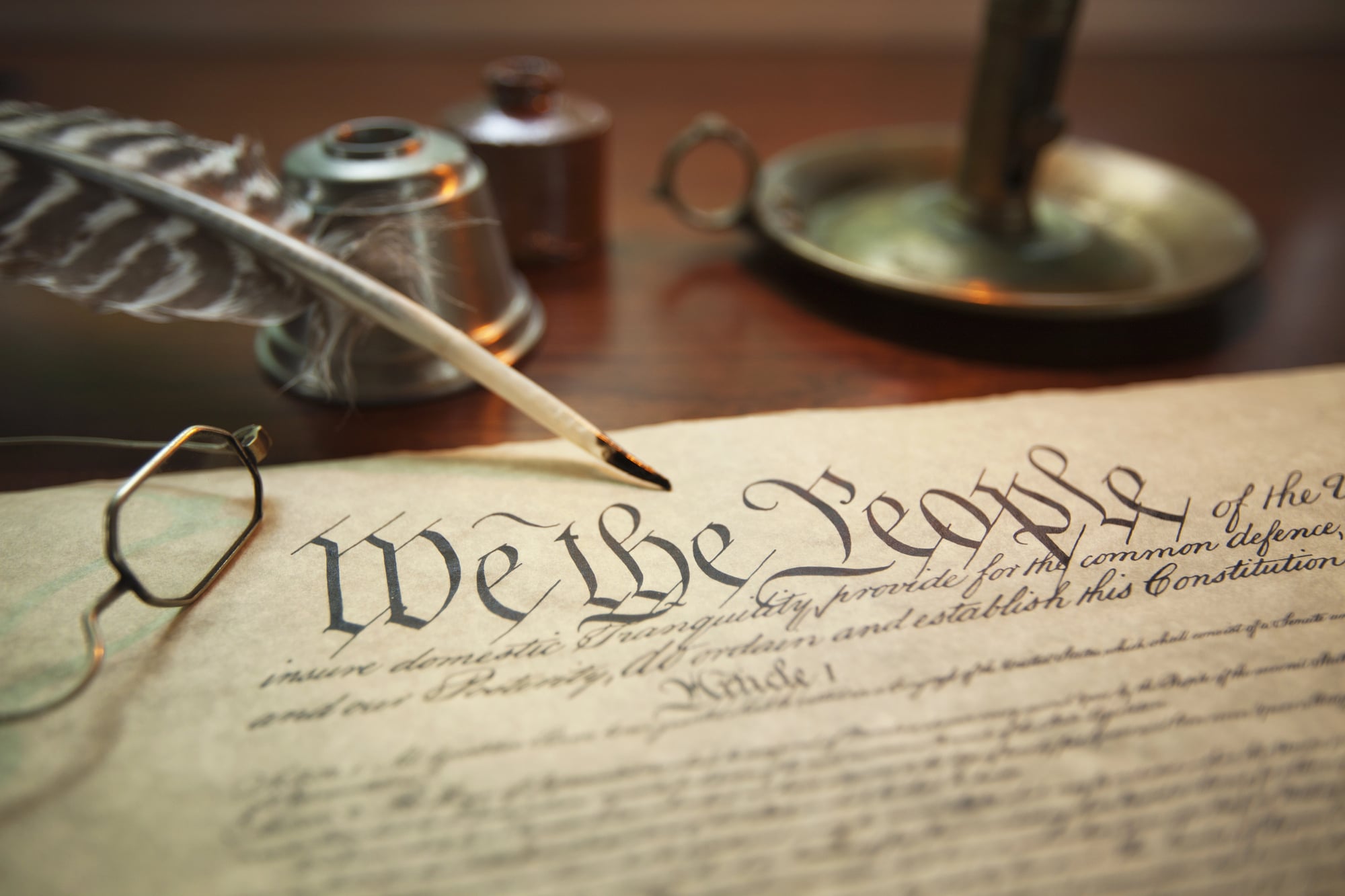
These name changes represent more than mere rebranding exercises—they embody pivotal moments of national evolution.
Each new name carries layers of meaning: assertions of independence, celebrations of cultural heritage, or statements of political transformation. As countries continue to evolve, their names remain powerful symbols of identity and sovereignty in our ever-changing global landscape.
More from Go2Tutors!

- The Romanov Crown Jewels and Their Tragic Fate
- 13 Historical Mysteries That Science Still Can’t Solve
- Famous Hoaxes That Fooled the World for Years
- 15 Child Stars with Tragic Adult Lives
- 16 Famous Jewelry Pieces in History
Like Go2Tutors’s content? Follow us on MSN.