The golden age of Hollywood fashion
When movies learned to talk in the late 1920s, something happened beyond just hearing voices for the first time. Fashion got a spotlight it had never known before.
From around 1930 to 1960, Hollywood became the place where style was born, where trends started, and where anyone with a movie ticket could see what glamour looked like up close. The silver screen turned actresses into walking fashion shows and costume designers into household names.
Department stores started copying what they saw in theaters, and women everywhere wanted to look like the stars they admired. Let’s take a look at the styles, designers, and moments that made Hollywood fashion the most powerful force in how people dressed.
Bias-cut evening gowns
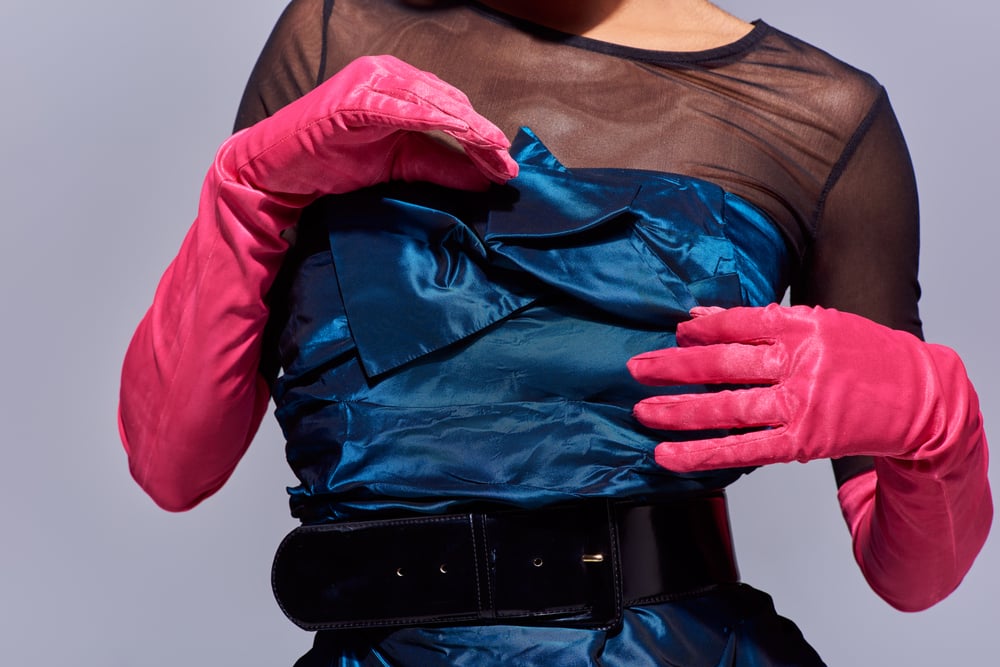
The 1930s gave us dresses that moved like liquid. Costume designers cut fabric on the diagonal so it would cling to every curve, creating gowns in thin silks that celebrated the female form while somehow still being modest.
The technique meant fabric draped differently, hugging the body in ways straight cuts never could. Stars wore these slinky dresses with exposed backs and cowl necklines that looked simple but took serious skill to make.
The Depression was crushing ordinary people, but on screen, everything sparkled and shimmered, giving audiences something beautiful to escape into for a couple of hours.
Jean Harlow’s platinum blonde look
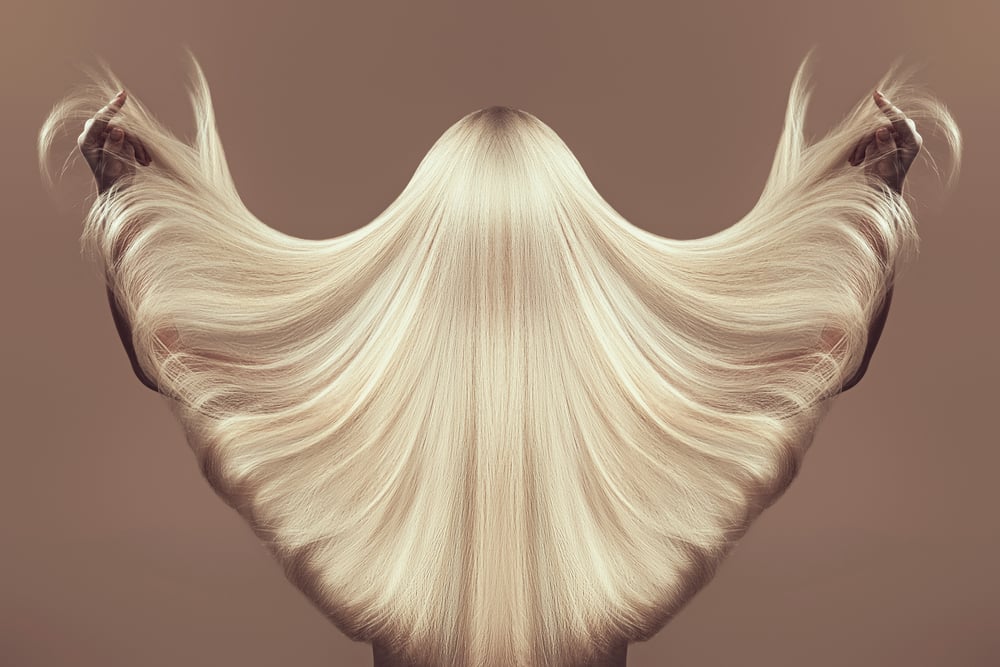
Before Marilyn Monroe, there was Jean Harlow. She became famous for her platinum blonde hair and figure-hugging gowns that defined Hollywood glamour in the 1930s, often wearing deep V-necks and backless designs.
Her look was pure 1930s luxury, all shine and curves and confidence. She’s often compared to Monroe now, and with her stunning evening gowns and platinum hair, she helped define what glamour meant in that era.
Women could even buy peroxide kits to copy her hair color at home, making her one of the first stars whose style regular people could actually recreate.
The Adrian shoulder
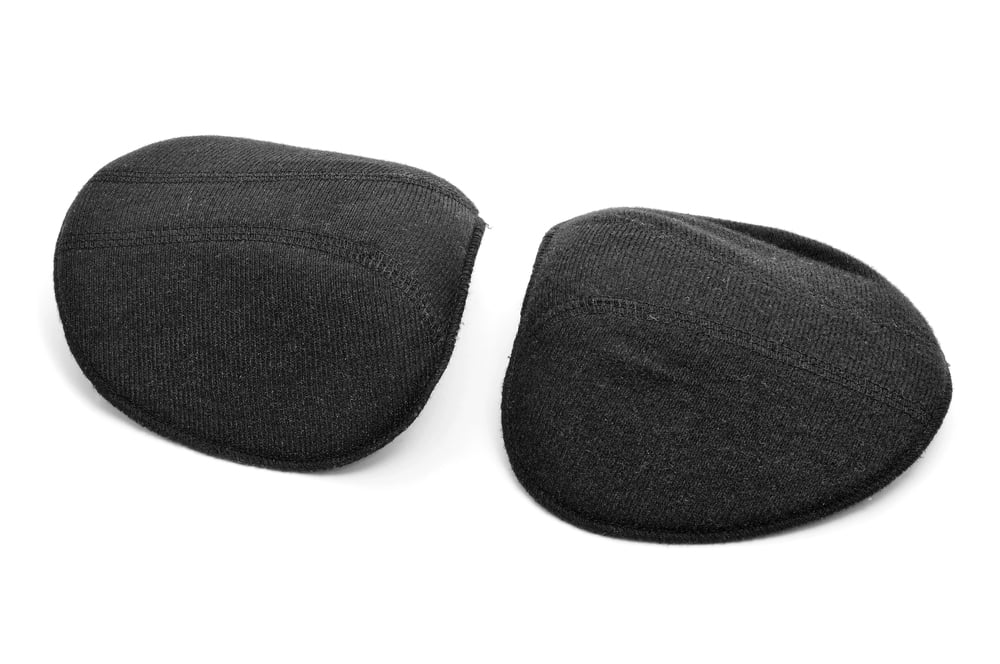
Designer Adrian emphasized Joan Crawford’s shoulders by creating outfits with shoulder pads, inventing a shoulder style that became tied to the era’s fashion and inspired regular moviegoers who worshipped big screen glamour. This wasn’t just about making jackets look better.
Adrian was changing how women’s bodies looked in clothes, creating a strong, powerful silhouette that said women could be just as commanding as men. Adrian turned Crawford from a former flapper into a sophisticated dresser, and the studios made sure he got screen credit reading ‘Gowns by Adrian’ instead of his full name.
The padded shoulder became so popular it lasted well into the 1940s.
Travis Banton’s exotic designs
The Texan designer was chief at Paramount studios from 1929 to 1938, becoming influential through his use of contrasting colors, rich fabrics, and heavy decoration on bias-cut gowns. Banton worked closely with the biggest names, but his relationship with Marlene Dietrich produced something special.
He helped invent the Dietrich look, including male attire like the tuxedo she wore in Morocco in 1930, a leather flight suit, and military uniforms that created a unique style. Other designers got credit for stars, but Banton’s work was quietly revolutionary, proving women could wear anything men wore and look even better doing it.
Dorothy Lamour’s sarong
Edith Head won attention for designing Dorothy Lamour’s trademark sarong in the 1936 film The Jungle Princess, which became a household sensation. This single piece of clothing started a fad that spread across America.
The sarong was exotic and different, wrapped around the body in a way that felt both casual and glamorous. Lamour wore variations of it in several movies, and the style influenced beachwear and casual summer dresses for years afterward.
Sometimes one costume designer creating one look for one actress in one movie was enough to change what women wore everywhere.
Wartime utility suits
World War II changed everything, including what people could wear. Fashion during the war mirrored military uniforms, with blouses and jackets becoming more masculine through shoulder pads, while hats were styled like U.S. Army berets.
The silhouette became refined and simple, featuring a boxy square shoulder padded jacket and short straight skirt, since clothes had to be practical and work in all situations while allowing free movement. Fabric was rationed for the war effort, so skirts got shorter and designs got simpler.
Tweeds, plaids, and bright colors helped offset the utilitarian pieces, while top London designers submitted designs to make utility clothes more fashionable. Even Hollywood stars wore these practical styles on screen.
Shoulder pads as power dressing
When men went to fight in World War II, women took their jobs in factories and offices, causing nearly one in four married women to work outside the home for the first time. Fashion responded by making women look bigger and stronger.
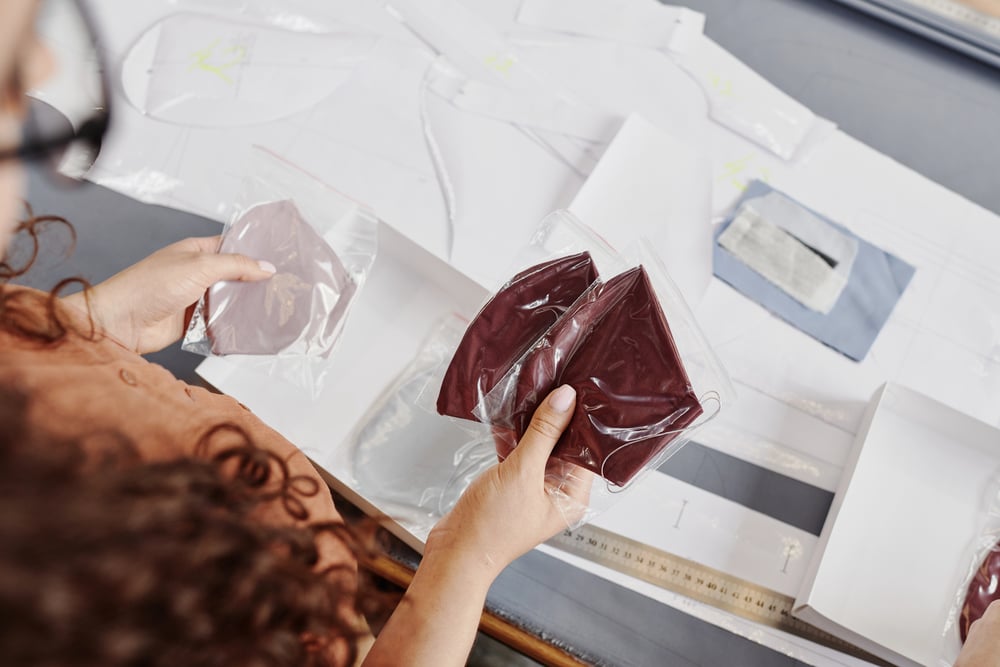
Female clothing took on masculine qualities, borrowing from military uniforms, with shoulder pads sewn between outer layers and linings using wool, cotton, or even sawdust when materials were scarce. The pads made women’s frames wider, taking up more space in rooms traditionally filled with men.
After the war ended and men came back, women eventually returned to the workplace in even bigger numbers, and those shoulder pads came back too.
The WAVES uniform
Women in the Navy’s WAVES program were considered the most fashionable of all working women, wearing uniforms designed by Mainbocher, an American-born French designer. The uniform featured a white blouse with a small navy scarf under a navy jacket shaped like a suit jacket but looser-fitting with more severe shoulder pads and gold buttons.
Making military service look stylish helped recruit women, and the uniforms influenced regular fashion too. Women who served wore their uniforms to social events, weddings, and restaurants, making military style a normal part of everyday life during those years.
Edith Head’s reign

Head received a record 35 Academy Award nominations for Best Costume Design and won eight times, making her both the most awarded and most nominated woman in Academy history. She started as a sketch artist who admitted she borrowed other students’ work for her job interview, but learned fast.
Head and designers like Adrian at MGM and Travis Banton at Paramount gave movies an American look that replaced Paris as the center of fashion, especially after the war disrupted the Paris-New York connection. Her trademark professional look of tinted glasses, sharp bangs, and a smart suit made her instantly recognizable, and she appeared on television and wrote columns on fashion in newspapers and magazines.
She made herself essential, and Hollywood noticed.
Christian Dior’s New Look
Introduced in 1947 but defining the 1950s, Dior’s New Look featured cinched waists and full skirts that celebrated an exaggerated hourglass figure, representing a return to luxury after years of wartime simplicity. After years of fabric rationing and practical clothes, Dior threw caution away.
Some styles used up to fifteen yards of fabric, which many viewed as wasteful, while other women feared its obvious femininity would undo the progress women had made working during the war. The controversy didn’t stop it from becoming the dominant look of the 1950s.
Women were ready for glamour again, even if it meant taking a step back from the strong, practical styles they’d gotten used to.
Marilyn Monroe’s white dress

Monroe’s iconic white dress in The Seven Year Itch became one of cinema’s most memorable fashion moments, as she often wore form-fitting garments that showed off her curves. That subway grate scene, with her dress blowing up, became one of the most famous images in movie history.
Monroe’s style was all about embracing curves at a time when fashion was starting to celebrate a very specific body type. Her wiggle dresses and fitted sweaters influenced how women dressed throughout the 1950s, and her look still gets copied today.
Audrey Hepburn and Givenchy
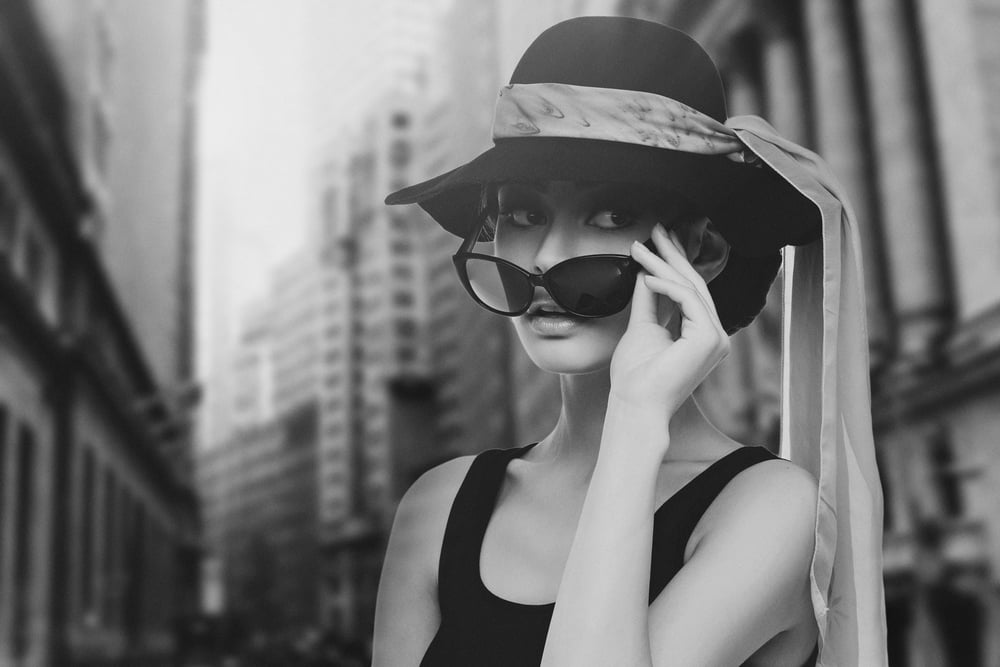
Hepburn sought out Givenchy after getting a tip about his latest collection when looking for dresses for her film Sabrina in 1954, and managed to convince him to get involved in creating her onscreen outfits. Givenchy’s designs suited Hepburn perfectly with their classic understated yet fashionable silhouette.
Their partnership created some of the most elegant looks in film history, from Sabrina to Breakfast at Tiffany’s. The little black dress Hepburn wore in that movie became something every woman wanted in her closet.
Givenchy understood that sometimes less decoration meant more impact.
Full skirts and petticoats

Dresses with full skirts and cinched waists were popular in the 1950s, along with tailored suits with wide-leg trousers and accessories like chunky jewelry and oversized sunglasses. Getting those huge skirts to stand out required engineering underneath.
Petticoats became essential undergarments that added fullness to dresses to achieve the voluminous skirts typical of that era. Women wore layers of stiff petticoats under their dresses, creating shapes that were almost cartoonish in their proportions.
The silhouette was pure femininity, emphasizing tiny waists and full hips in a way that required serious structural support.
Grace Kelly’s elegance
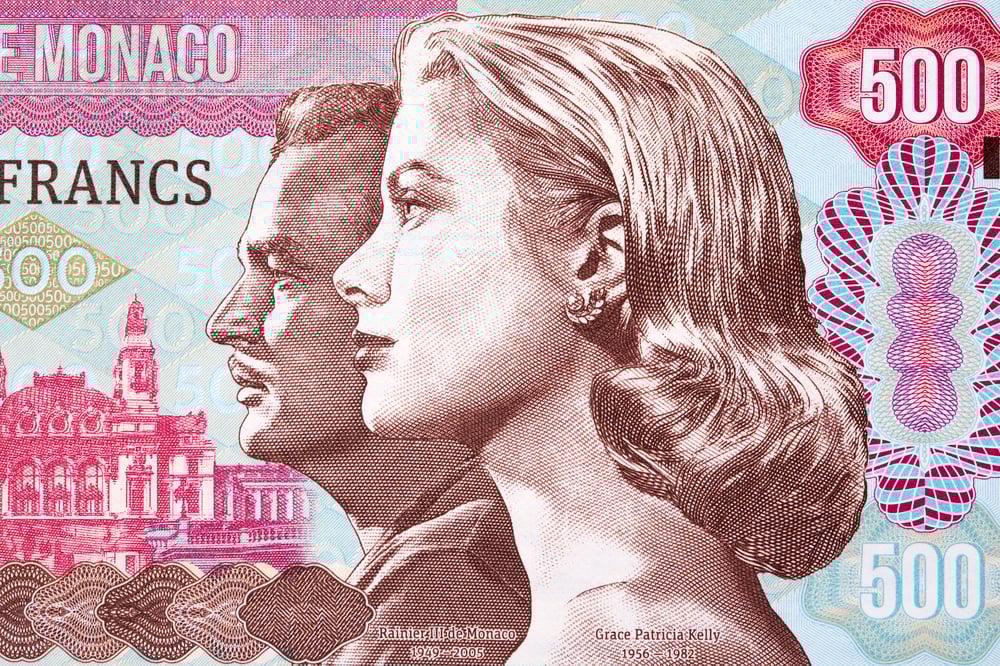
Alfred Hitchcock worked closely with costume designers, and Kelly’s style in his films reflected restraint and the need to blend in, suiting what Hitchcock wanted since he didn’t want clothes to be the focal point. Kelly proved that understated could be just as powerful as flashy.
Her cool, refined style in movies like Rear Window and To Catch a Thief showed sophistication without trying too hard. She wore clothes that looked expensive but never loud, perfect for playing the kind of elegant, untouchable women Hitchcock loved filming.
When she became Princess of Monaco, her style only got more influential.
Katharine Hepburn’s trousers
Hepburn and stars like Marlene Dietrich and Greta Garbo are credited with helping make pants popular for women, though they didn’t really become wardrobe staples until the 1940s. Hepburn is credited with helping define modern sportswear and making trousers normal for women.
She wore pants when most women still wore dresses for everything, and she didn’t care what anyone thought about it. Her high-waisted, wide-leg trousers became her signature, showing that women could dress for comfort and practicality without giving up style.
She proved pants could look just as feminine as dresses if you wore them with confidence.
Film noir fashion
The dark crime movies of the 1940s created a specific look that mixed danger with glamour. Women in these films wore fitted suits with strong shoulders, often in black or dark colors, with hats tilted at dramatic angles.
Designers stretched by austerity guidelines created beautiful draping techniques and introduced peplums and shoulder pads to simple styles, creating the fabulous Film Noir styles admired today. Lauren Bacall became famous for this look, wearing clothes that said she was smart, tough, and not to be messed with.
The style influenced regular fashion too, making women look more serious and capable at a time when they were proving they could do anything.
The tea dress
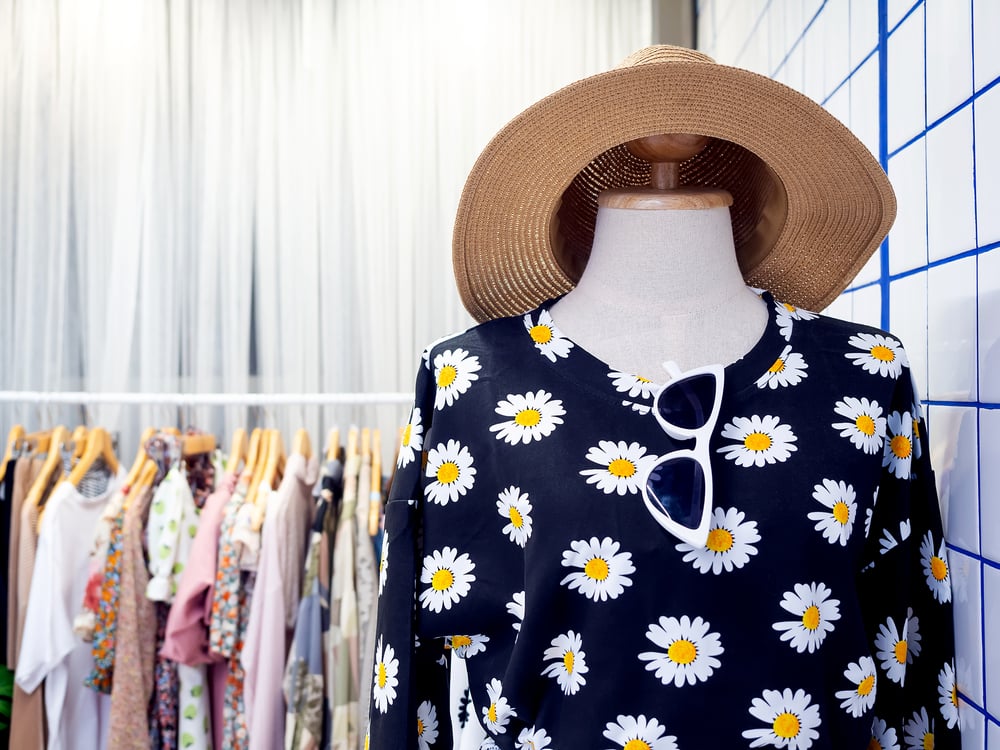
The tea dress was a staple for dances, featuring floral patterns, a flared skirt, a charming sweetheart neckline, and cute puffed cap sleeves. This was the dress women wore to afternoon gatherings and casual social events throughout the 1940s.
There probably isn’t a more iconic look associated with a decade, but there are many dresses in this era that fit the category, including shirt dresses that were very popular and versatile. The tea dress represented the softer side of 1940s fashion, showing that even during a war, women still wanted clothes that felt pretty and feminine for special occasions.
Color film’s impact
With sound films in the late 1920s, fabrics like lamé, satin and chiffon were better than rustling taffeta because they didn’t make noise that sensitive microphones could pick up. Then color changed everything again.
When movies became available in color, red particularly stood out on screen, suggesting danger, glamour, and intensity. Costume designers could suddenly use vibrant colors that would actually show up, leading to more adventurous choices.
Rita Hayworth’s red dress in Gilda became instantly famous partly because that color popped so dramatically on screen. Technology kept pushing fashion forward in ways nobody expected.
Where it led
Southern California’s casual elegance dominated fashion, with clothes first suggested by Hollywood designs for movies earning costume designers Academy Awards, while New York runways and department stores followed Hollywood’s lead instead of Paris designers. The influence ran deeper than just copying dresses from movies.
Hollywood proved that American style could lead the world, that fashion didn’t have to come from Europe anymore. Costume designers became as famous as the stars they dressed, and their names appeared in magazines and on clothing lines.
The golden age ended as the studio system fell apart in the 1960s, but its impact never really stopped. Every red carpet event, every time a celebrity appearance influences what people buy, it goes back to those decades when Hollywood owned fashion completely.
More from Go2Tutors!

- The Romanov Crown Jewels and Their Tragic Fate
- 13 Historical Mysteries That Science Still Can’t Solve
- Famous Hoaxes That Fooled the World for Years
- 15 Child Stars with Tragic Adult Lives
- 16 Famous Jewelry Pieces in History
Like Go2Tutors’s content? Follow us on MSN.