18 Famous Volcanoes Around the World
Volcanoes are basically Earth’s way of showing off. These geological powerhouses have been shaping our planet for millions of years, creating some of the most spectacular and terrifying displays nature has to offer. Some earned their fame through devastating eruptions that wiped out entire cities. Others became famous for their perfect beauty or cultural importance.
With over 1,500 active volcanoes scattered around the globe, picking the most famous ones isn’t easy. But certain volcanoes have left such a mark on human history and imagination that they’ve become household names. Here is a list of 18 famous volcanoes around the world that continue to fascinate and sometimes terrorize us.
Mount Vesuvius
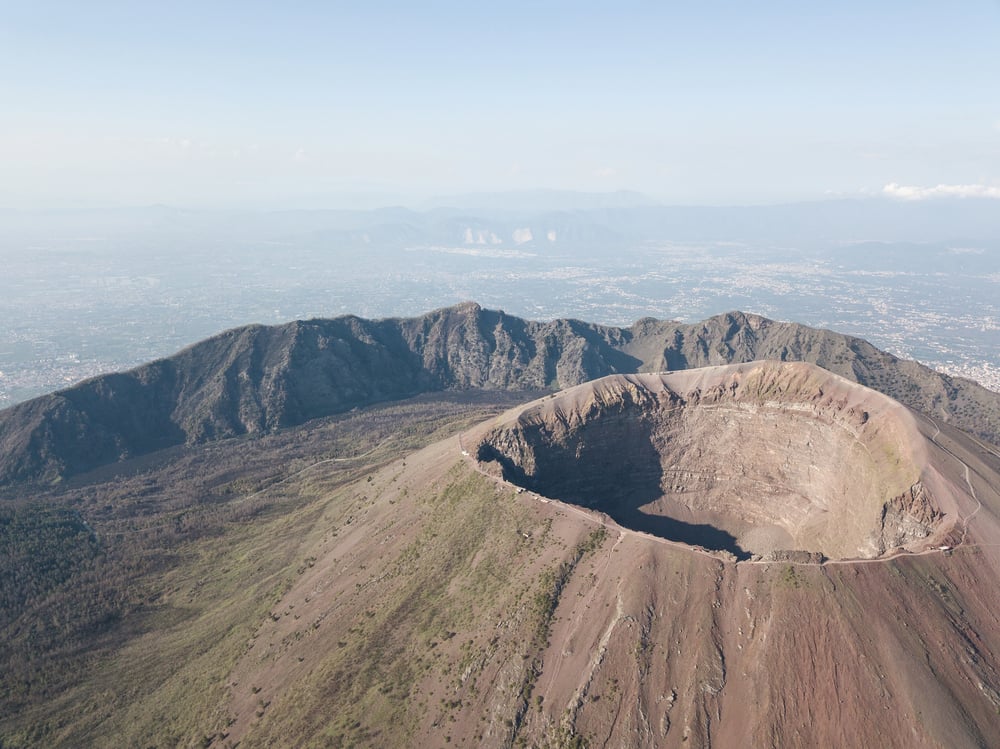
Vesuvius in Italy holds the title for history’s most famous volcanic disaster. When it erupted in 79 AD, it completely buried Pompeii and Herculaneum under tons of ash and debris.
The eruption happened so fast that it preserved people exactly where they died — a mother holding her child, a dog still chained up. What makes Vesuvius particularly scary is that over three million people now live within 20 miles of this still-active volcano.
Scientists keep a close eye on it because another major eruption could be catastrophic. The fertile soil around Vesuvius is perfect for farming, which explains why so many people risk living there.
Mount Fuji
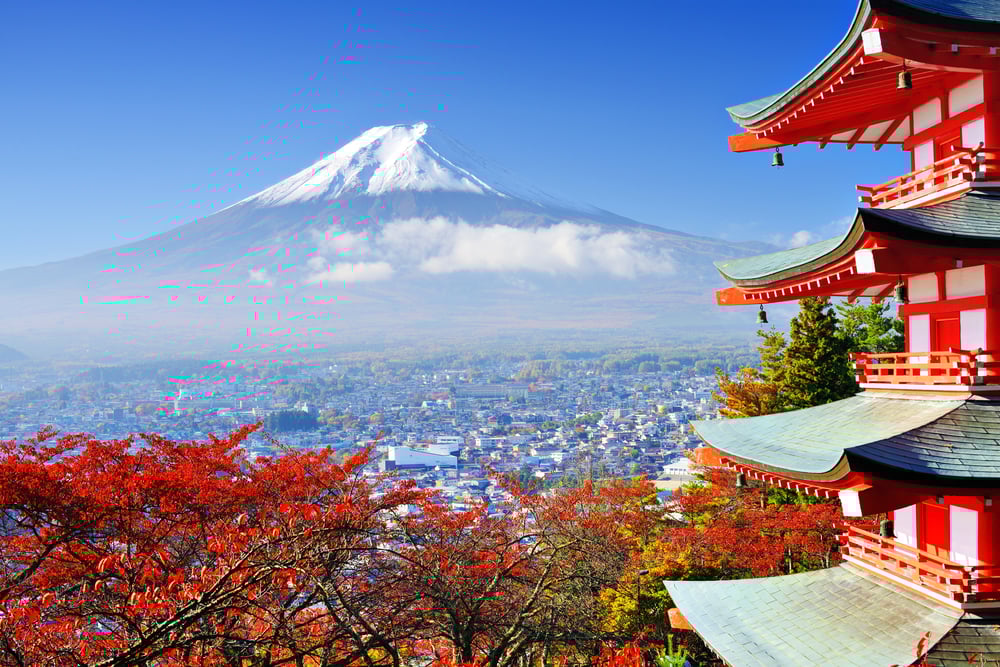
Japan’s Mount Fuji isn’t just a mountain — it’s a national symbol. This perfectly shaped stratovolcano rises 12,388 feet and has inspired countless artists for centuries.
Every summer, about 500,000 people climb to the summit, making it one of the world’s most popular volcanic destinations. Fuji last erupted in 1707, covering Tokyo (then called Edo) with four inches of ash from 60 miles away.
The volcano is still considered active and carefully monitored. Japanese culture treats Fuji as sacred, and climbing it has been a spiritual pilgrimage for over 1,000 years.
Like Go2Tutors’s content? Follow us on MSN.
Krakatoa

The 1883 Krakatoa eruption created the loudest sound in recorded history. People heard the explosion 3,000 miles away in Australia.
The blast was so powerful it generated tsunamis over 100 feet high and killed 36,000 people across Indonesia. The explosion literally blew the island apart, but nature has been rebuilding ever since.
A new volcano called Anak Krakatau (Child of Krakatoa) started growing from the underwater crater in 1927. It’s been steadily getting bigger and occasionally reminds everyone that it’s still very much alive.
Mount Etna

Sicily’s Mount Etna is Europe’s most active volcano and has been putting on shows for thousands of years. The ancient Greeks thought it was the workshop of Hephaestus, their god of fire and metalworking.
Local residents have learned to live with Etna’s frequent rumblings and lava flows. During the 1669 eruption, desperate residents of Catania tried to redirect the lava flow using pickaxes and water-soaked animal hides.
It actually worked for a while before the lava overwhelmed their efforts. Today, Etna’s fertile volcanic soil makes the surrounding area perfect for growing wine grapes.
Kilauea
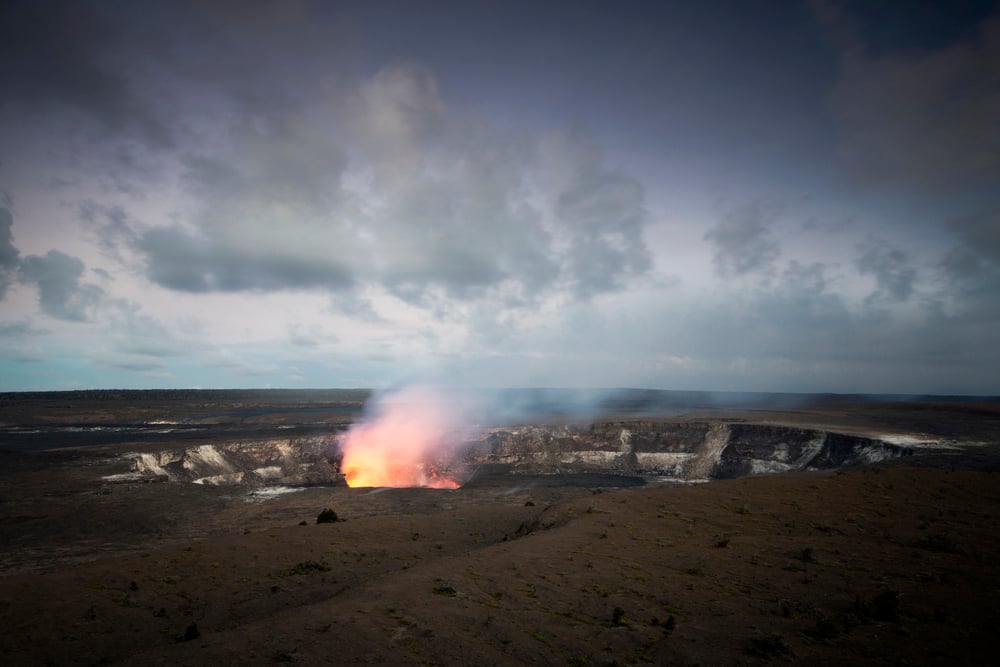
Hawaii’s Kilauea has been erupting almost continuously since 1983, making it Earth’s most active volcano. Unlike explosive eruptions that destroy everything, Kilauea produces relatively gentle lava flows that tourists can safely watch from designated areas.
Native Hawaiians consider Kilauea the home of Pele, the goddess of fire. People still leave offerings of gin and flowers at the crater’s edge.
The volcano has added over 500 acres of new land to Hawaii’s Big Island, literally growing the state bigger with each eruption.
Like Go2Tutors’s content? Follow us on MSN.
Tambora
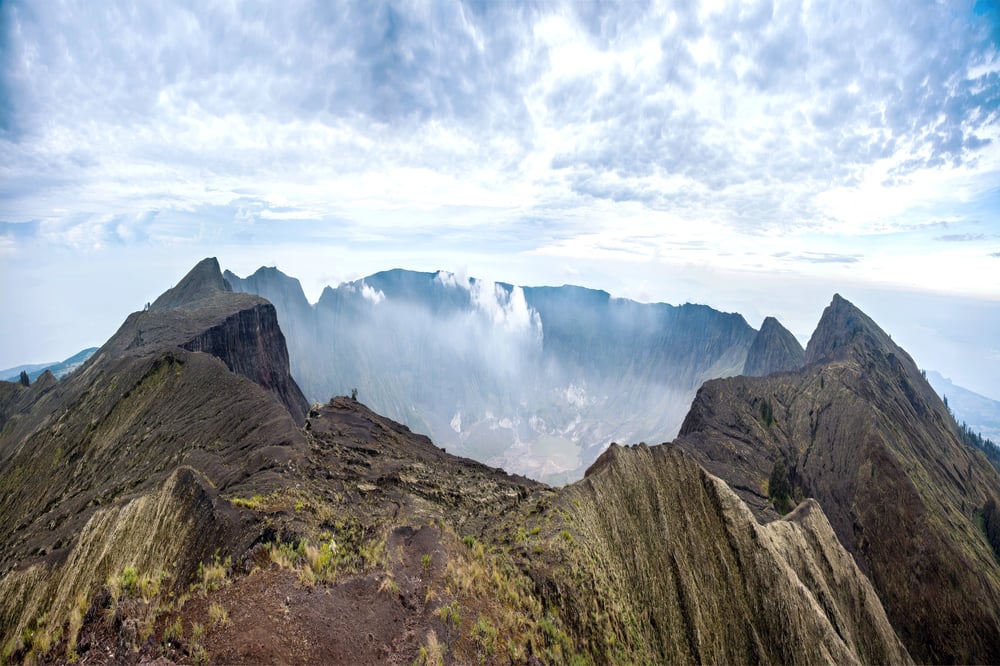
Tambora in Indonesia caused the “Year Without a Summer” in 1816. The 1815 eruption was so massive it changed weather patterns worldwide.
Crops failed across Europe and North America because volcanic ash blocked sunlight and lowered global temperatures. The eruption killed about 71,000 people and was heard over 1,200 miles away.
Before erupting, Tambora stood 14,100 feet tall. Afterwards, it was only 9,350 feet — the explosion literally blew off nearly a mile of the mountain’s height.
Yellowstone Caldera
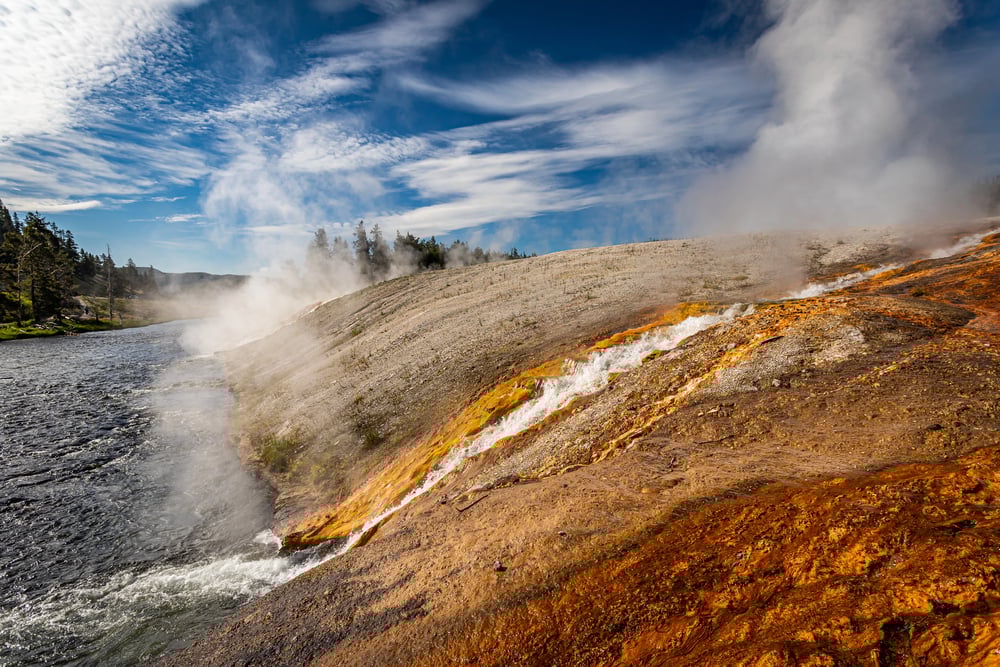
Most people don’t realize that Yellowstone National Park sits inside a massive volcanic caldera. This supervolcano last erupted 640,000 years ago with enough force to bury Texas under five inches of debris.
The heat from this underground giant powers all of Yellowstone’s famous geysers and hot springs. Scientists keep close tabs on Yellowstone because another super-eruption would be a global catastrophe.
Fortunately, there’s no sign of an imminent eruption. The volcanic system might stay quiet for hundreds of thousands more years — or it might surprise everyone tomorrow.
Stromboli
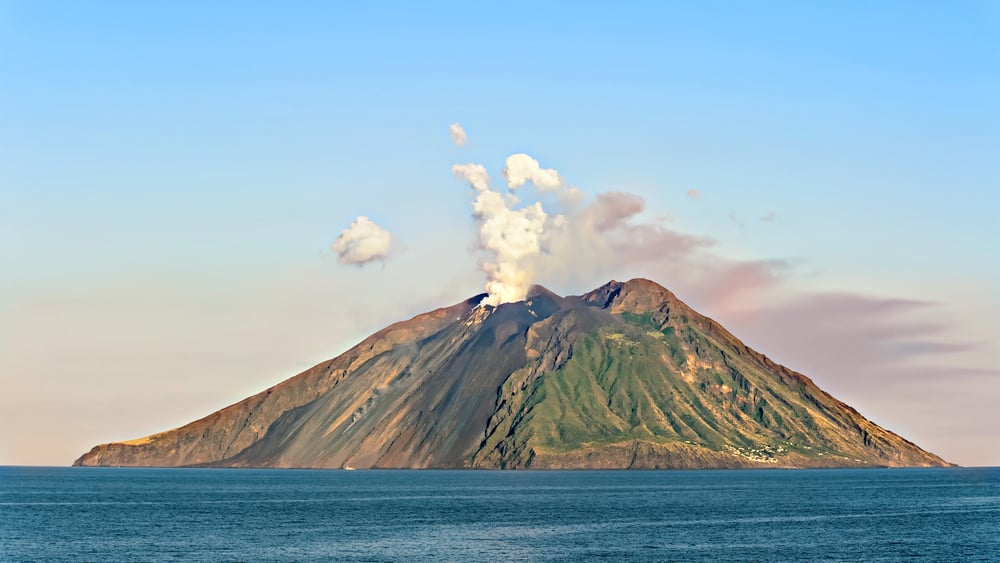
Italy’s Stromboli has been nicknamed the “Lighthouse of the Mediterranean” because it’s been erupting almost continuously for over 2,000 years. The volcano puts on regular fireworks displays every 15 to 20 minutes, making it a favorite destination for volcano tourists.
Ancient sailors used Stromboli’s glow to navigate at night. The eruptions are usually small and predictable enough that people can live on the island and even run tours to watch the lava fountain shows.
It’s probably the most user-friendly active volcano in the world.
Like Go2Tutors’s content? Follow us on MSN.
Mauna Loa
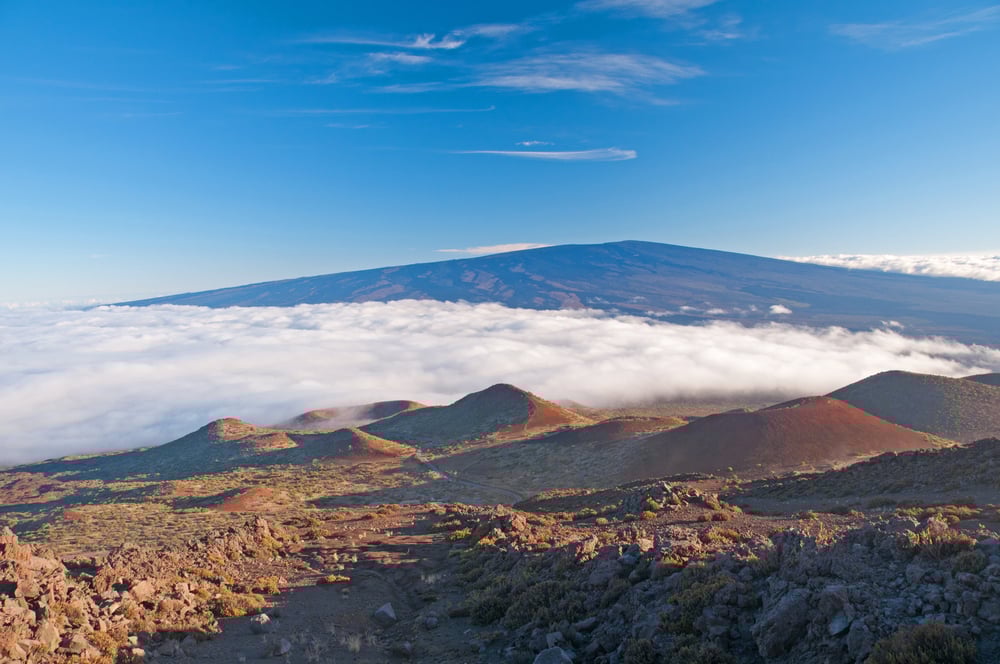
Hawaii’s Mauna Loa is the world’s largest active volcano by volume. If you measure from its base on the ocean floor, it’s actually taller than Mount Everest.
This massive shield volcano makes up more than half of Hawaii’s Big Island. Mauna Loa last erupted in 1984 after 38 years of quiet.
The lava flows are usually slow enough that you can outrun them, but they can travel for miles and reshape entire landscapes. Hawaiian legend says the volcano is home to Pele’s sister, Hi’iaka.
Mount St. Helens
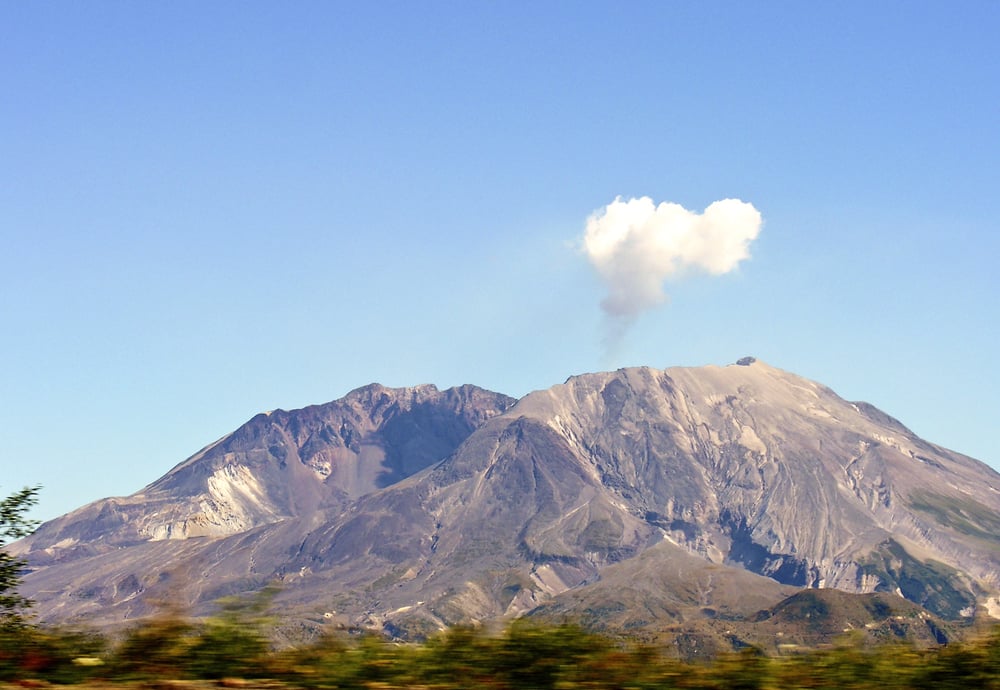
The 1980 Mount St. Helens eruption became one of the most documented volcanic events ever. The explosion blew off 1,300 feet of the mountain’s peak and created the largest landslide in recorded history.
Volcanologist David Johnston’s final radio message — “Vancouver! Vancouver! This is it!” — became a haunting reminder of nature’s power. The blast zone looked like a moonscape afterwards.
Trees were flattened for miles in every direction. But nature has been slowly reclaiming the area, and Mount St. Helens is now a fascinating laboratory for studying how ecosystems recover from catastrophic events.
Popocatépetl
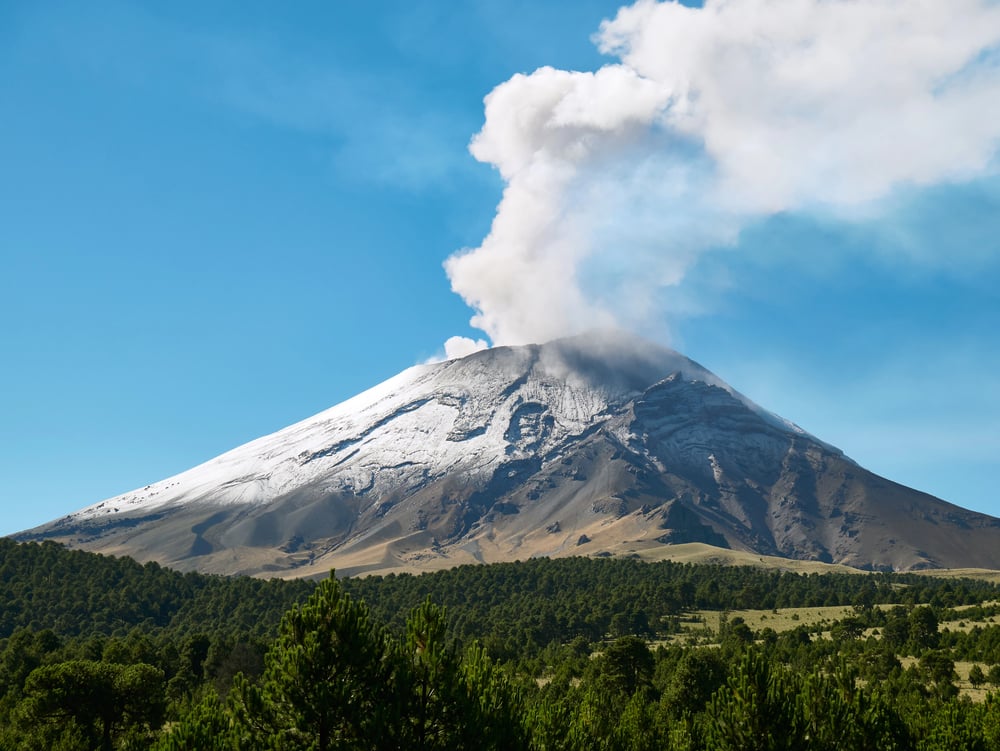
Mexico’s Popocatépetl looms over Mexico City, where 25 million people live close enough to be affected by a major eruption. It lives up to that description with frequent steam and ash emissions.
Popo has become an iconic symbol of Mexico, appearing on everything from currency to tourism posters. Despite the potential danger, many people consider the volcano a protective guardian of the valley.
Local legends tell of an Aztec warrior who was turned into the mountain to watch over his beloved.
Like Go2Tutors’s content? Follow us on MSN.
Santorini
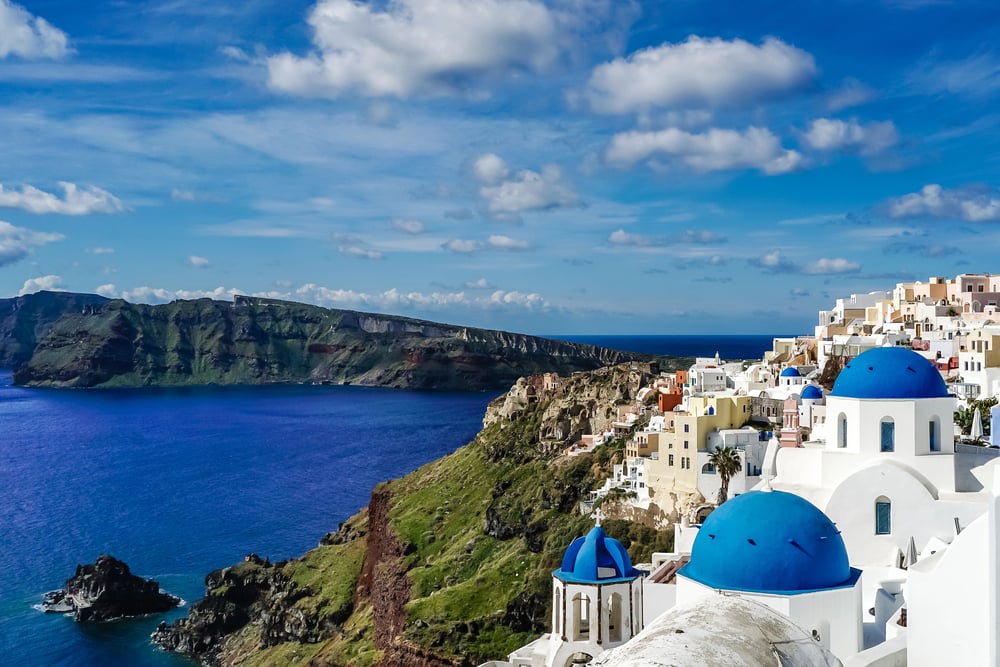
The Greek island of Santorini was created by one of the most powerful volcanic eruptions in human history. The explosion around 3,600 years ago was so massive it may have inspired the legend of Atlantis and contributed to the collapse of the Minoan civilization.
Today, the volcano’s flooded caldera creates one of the world’s most stunning natural harbors. White-washed buildings perch on cliff edges above the deep blue sea, making Santorini a premier tourist destination.
Most visitors have no idea they’re staying inside an active volcanic crater.
Eyjafjallajökull
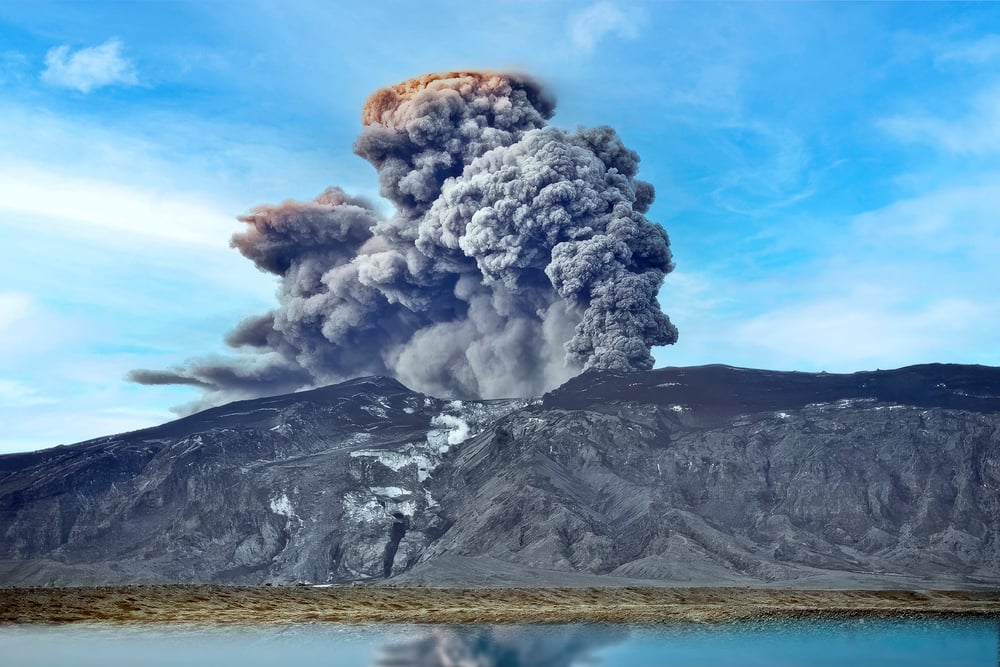
This Icelandic volcano became a household name in 2010 when its eruption shut down European air travel for six days. News anchors stumbled over the pronunciation while millions of travelers got stranded in airports.
The ash cloud contained microscopic glass particles that could melt inside jet engines. The eruption itself was relatively small, but it perfectly demonstrated how volcanic activity in remote locations can instantly disrupt our interconnected world.
Iceland sits on the Mid-Atlantic Ridge, making it one of the most volcanically active places on Earth.
Mount Pinatubo
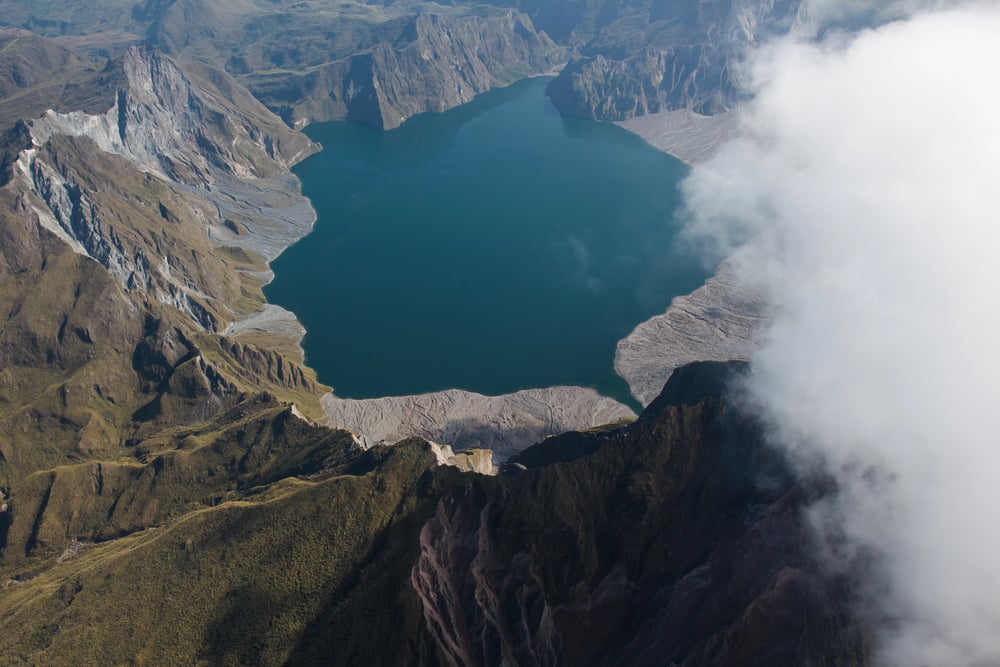
Pinatubo in the Philippines woke up in 1991 after 500 years of sleep. Fortunately, scientists detected the warning signs and helped evacuate 200,000 people before the massive eruption.
The blast injected 20 million tons of sulfur dioxide into the atmosphere, actually cooling Earth’s temperature for two years. The eruption coincided with Typhoon Yunya, creating deadly ash-laden rain that collapsed buildings.
Despite the destruction, advance warning systems prevented what could have been one of history’s deadliest volcanic disasters.
Like Go2Tutors’s content? Follow us on MSN.
Cotopaxi
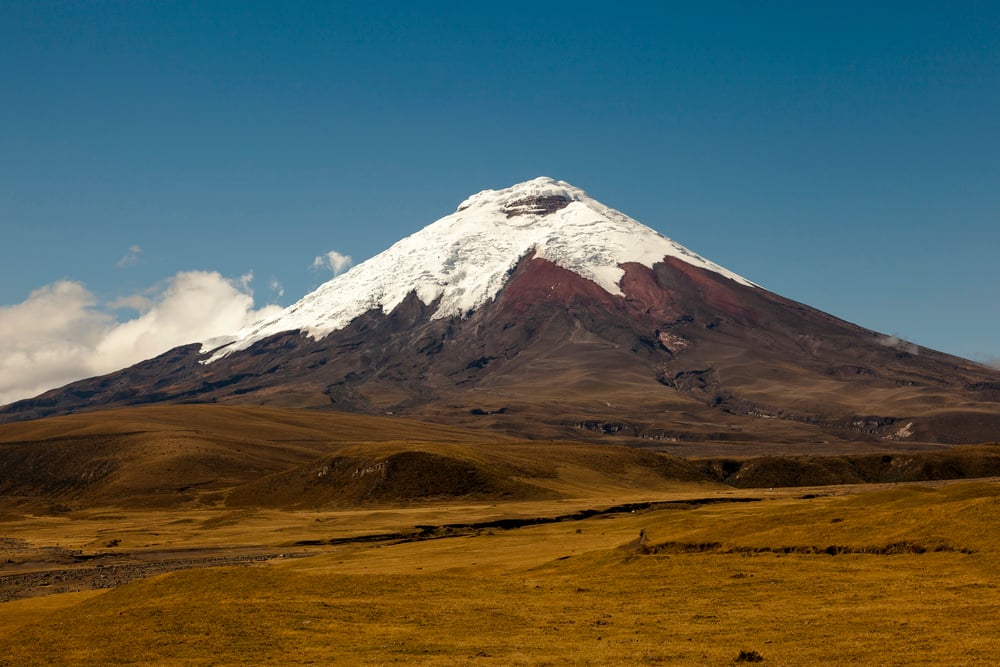
Ecuador’s Cotopaxi combines beauty with danger as one of the world’s highest active volcanoes at 19,347 feet. This perfectly symmetrical cone is covered in glaciers year-round, creating a stunning contrast between ice and fire.
The combination also makes it particularly dangerous if it erupts. Cotopaxi has erupted more than 50 times since 1738.
The volcanic heat could rapidly melt glacial ice, creating devastating mudflows called lahars that could reach populated areas within hours. Mountaineers still flock to climb this beautiful but unpredictable giant.
Villarrica
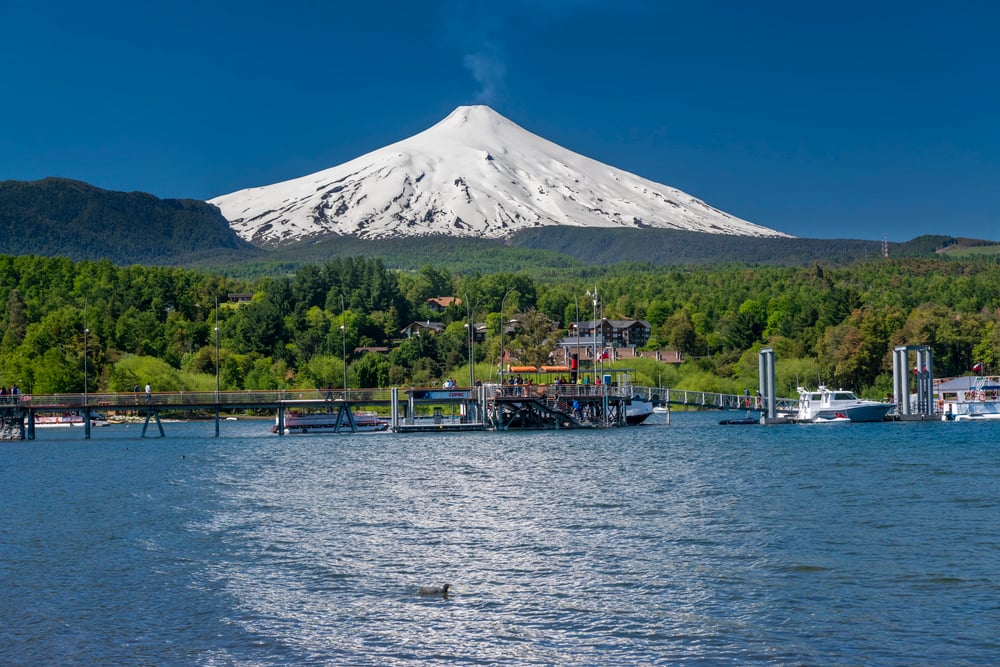
Chile’s Villarrica offers adventure seekers a rare chance to peer into an active lava lake. This consistently active volcano allows guided climbs during summer months, giving brave hikers the opportunity to witness molten rock bubbling just below the crater rim.
The surrounding area features pristine lakes and forests, making Villarrica a perfect destination for those seeking both volcanic excitement and natural beauty. The volcano is sacred to the local Mapuche people, who call it “Ruka Pillan” or “House of the Spirits.”
Mount Merapi
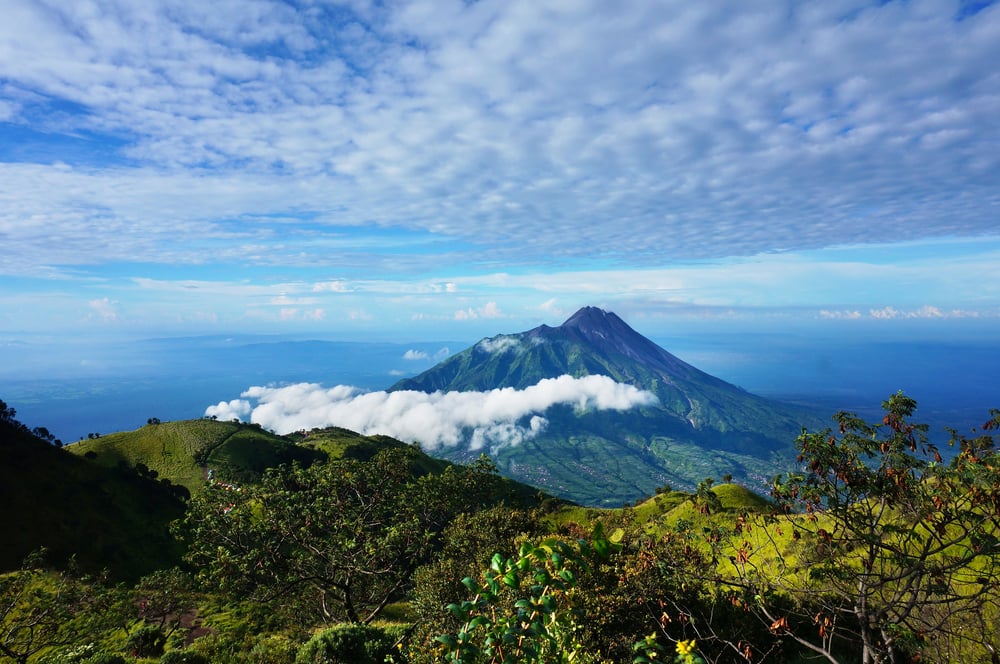
Indonesia’s Mount Merapi lives up to its name, which means “Mountain of Fire.” Located on heavily populated Java Island, this volcano threatens millions of people with its frequent explosive eruptions and deadly pyroclastic flows.
Despite the constant danger, farmers continue working the fertile volcanic slopes because the soil is incredibly productive. It’s a perfect example of the love-hate relationship humans have with volcanoes — they’re terrifying but also provide some of the world’s best farmland.
Like Go2Tutors’s content? Follow us on MSN.
Arenal
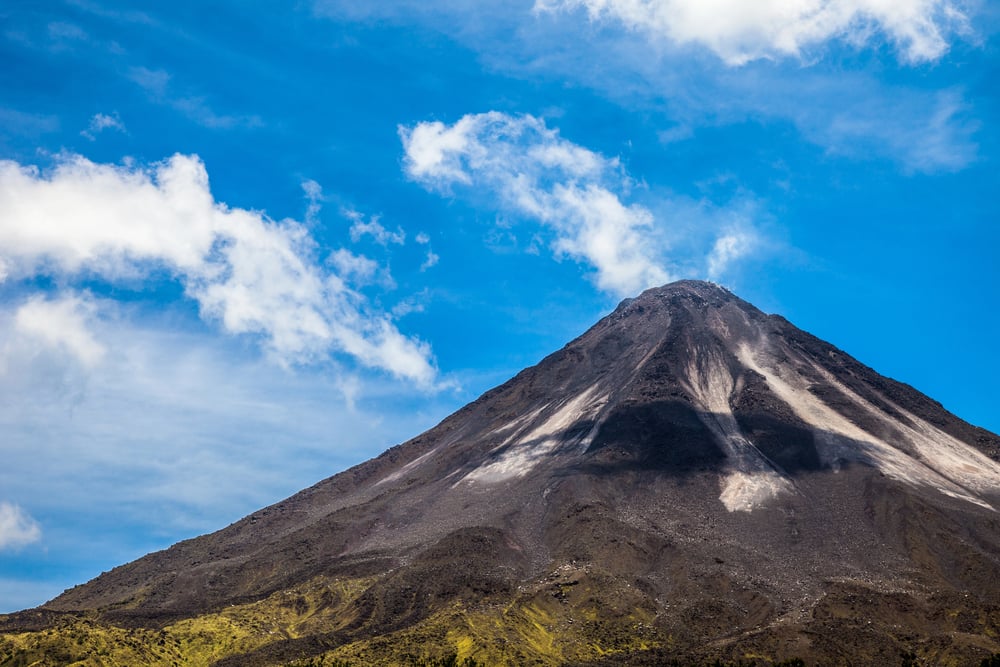
Costa Rica’s Arenal was one of the world’s most active volcanoes from 1968 to 2010, providing visitors with nightly displays of glowing lava and explosive eruptions. Adventure lodges and hot springs developed around its base, making it a major tourist attraction.
The perfectly conical volcano entered a resting phase in 2010, disappointing tourists who came expecting fireworks. But Arenal remains one of Central America’s most recognizable landmarks, and scientists expect it will eventually wake up again.
Nature’s Greatest Show
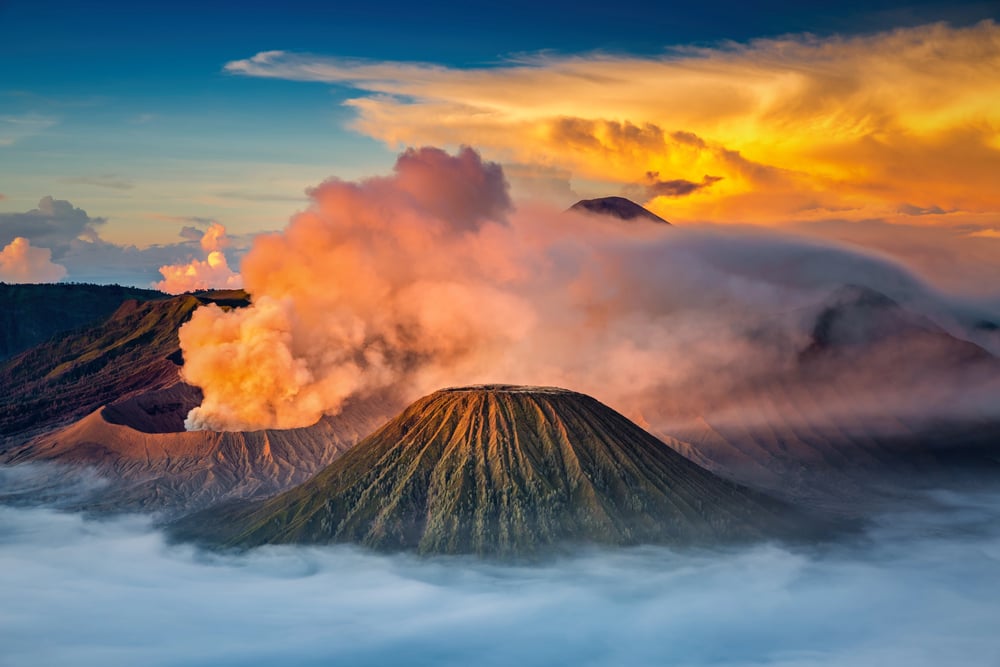
These 18 volcanoes represent just a tiny fraction of the geological forces constantly reshaping our planet. Each one has its own personality and place in human history.
Some have destroyed civilizations, others have created paradise islands. A few threaten millions of people, while others provide harmless entertainment for tourists.
What they all share is the awesome power to remind us that we’re living on a dynamic, ever-changing planet that’s very much alive. The next time you see a volcanic eruption on the news, remember that you’re watching the same forces that built the mountains and islands we call home.
More from Go2Tutors!

- 16 Historical Figures Who Were Nothing Like You Think
- 12 Things Sold in the 80s That Are Now Illegal
- 15 VHS Tapes That Could Be Worth Thousands
- 17 Historical “What Ifs” That Would Have Changed Everything
- 18 TV Shows That Vanished Without a Finale
Like Go2Tutors’s content? Follow us on MSN.