Cruise Ships That Are No Longer Running
The golden age of ocean travel has left behind a graveyard of magnificent vessels that once carried millions of passengers across the world’s seas. These floating cities, some legendary for their luxury and others notorious for their tragic ends, now exist only in photographs, documentaries, and the memories of those fortunate enough to have sailed aboard them.
While modern cruise ships grow ever larger and more technologically advanced, there’s something haunting about the ships that have been retired, scrapped, or lost to disaster.
SS Titanic
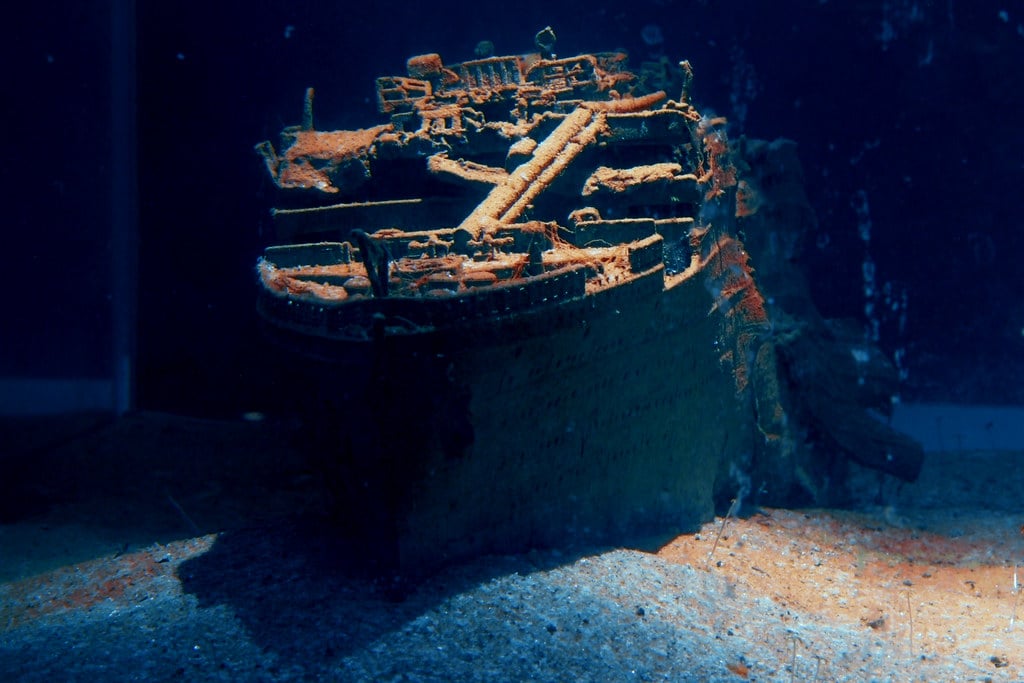
The ocean floor holds the most famous passenger ship in history. RMS Titanic sank on April 15, 1912, during her maiden voyage from Southampton to New York City.
The “unsinkable” ship struck an iceberg and took over 1,500 souls with her to the depths of the North Atlantic. What makes Titanic’s story endure isn’t just the tragedy — it’s the hubris.
The ship represented the pinnacle of Edwardian luxury and engineering confidence. First-class passengers dined in opulent restaurants while third-class immigrants sought new lives in America.
The ship’s demise became a metaphor for an entire era’s overconfidence meeting nature’s indifference.
SS Andrea Doria
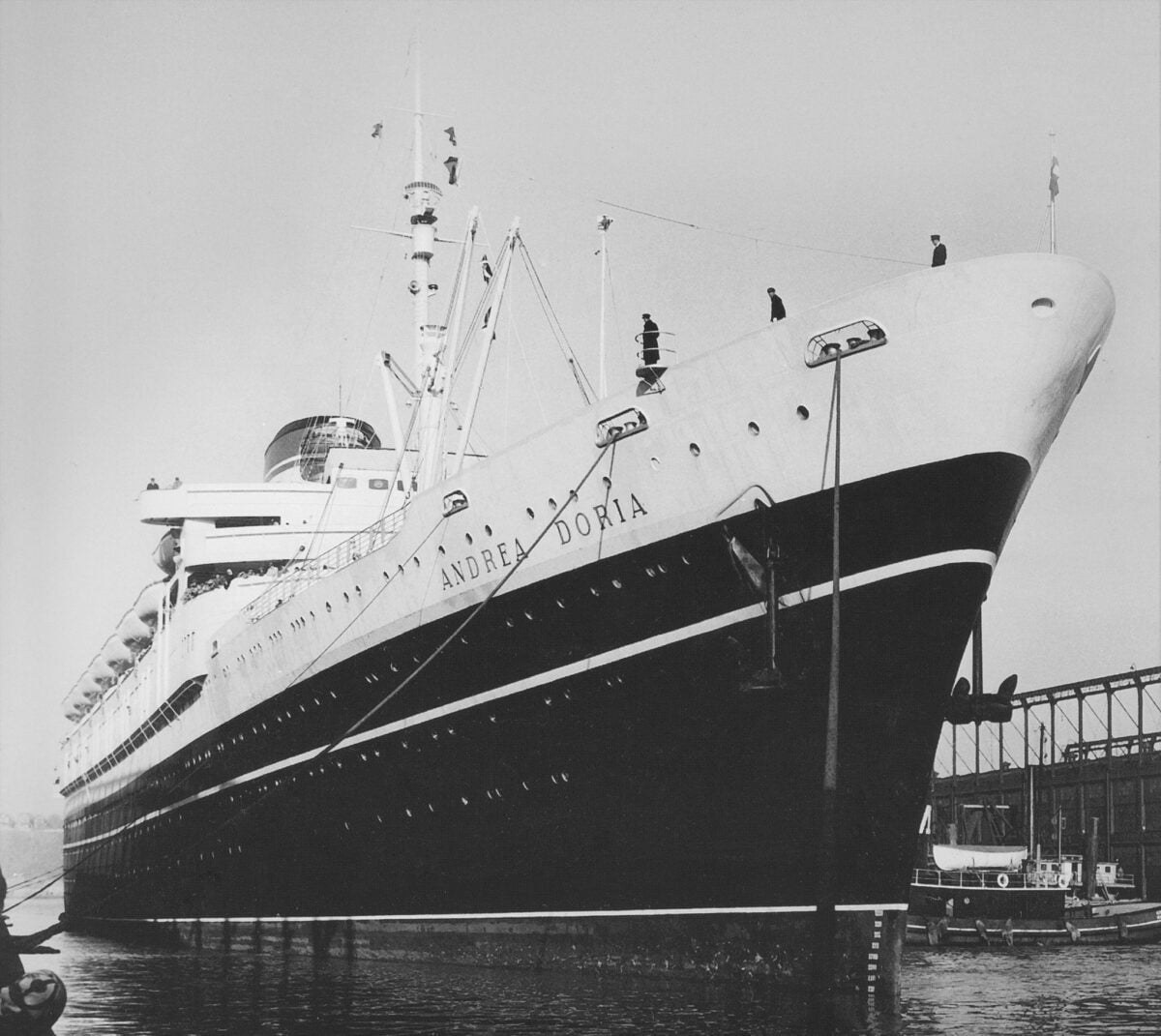
Italy’s most beautiful ocean liner met her end off Nantucket in 1956. The Andrea Doria collided with the Swedish ship Stockholm in thick fog, listing so severely that half her lifeboats became unusable.
Fifty-one people died in what became known as the last great passenger ship disaster. The Andrea Doria had been the pride of the Italian Line, featuring contemporary artwork and design that made her a floating gallery of 1950s style.
Her sinking marked the end of the transatlantic passenger ship era — jet travel was already making ocean crossings obsolete. The wreck now lies 240 feet underwater, slowly deteriorating but still drawing technical divers to what many call the “Mount Everest” of wreck diving.
Queen Elizabeth
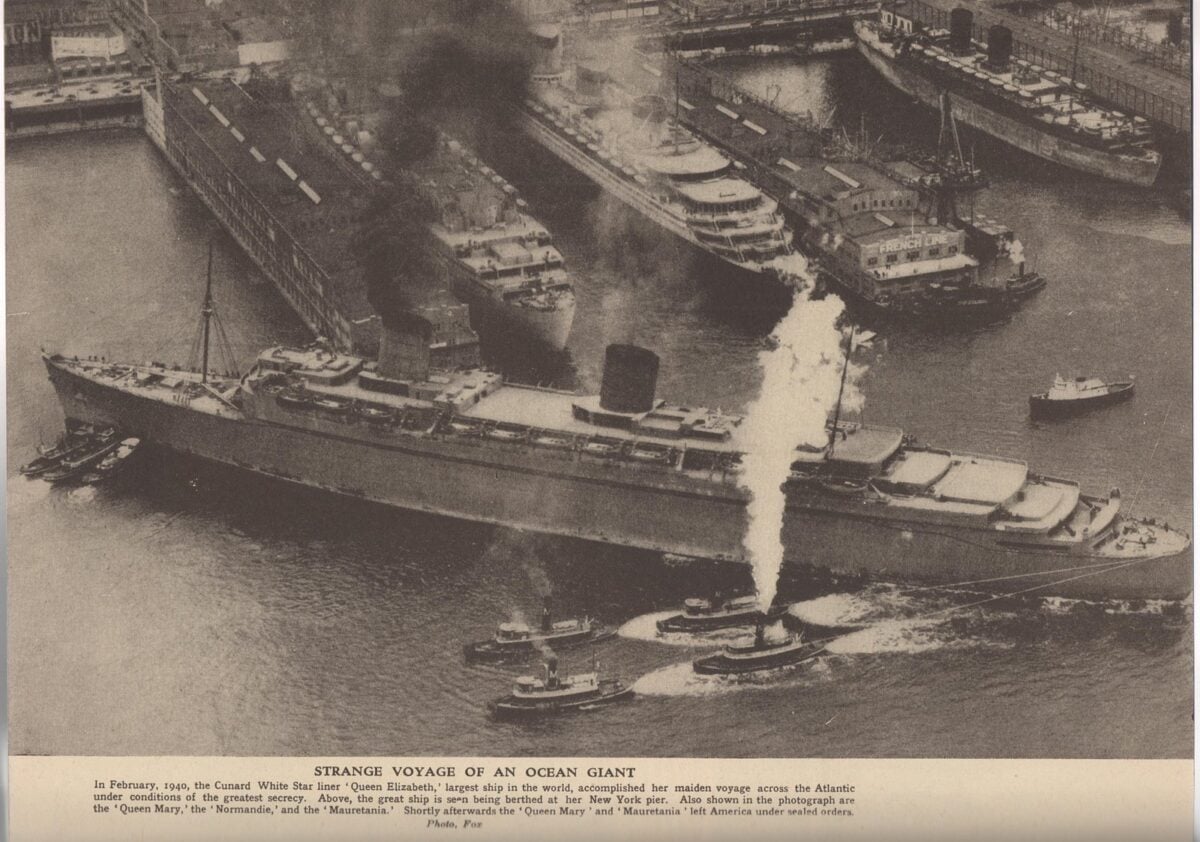
Cunard’s Queen Elizabeth was the largest passenger ship ever built when she entered service in 1940, though she spent her early years as a troop transport during World War II (and here’s where the story gets interesting — she carried over 750,000 military personnel during the war, more than any other vessel). After decades of transatlantic service, she was sold to Hong Kong businessman C.Y. Tung, who planned to convert her into a floating university called Seawise University.
But fire broke out during refitting in 1972, and the grand old ship capsized in Hong Kong Harbor — a ignominious end for what had been the world’s largest liner. The wreck remained visible for years, a rusting reminder that even the mightiest ships are temporary.
SS France
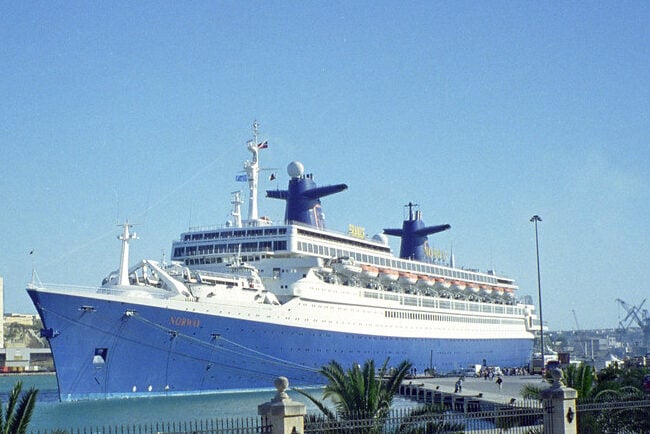
The longest passenger ship ever built deserved a better fate than the scrapyard. SS France, launched in 1961, embodied French elegance and engineering prowess.
At 1,035 feet long, she was a masterpiece of naval architecture and luxury design. France sailed the North Atlantic for just 13 years before rising fuel costs made her unprofitable.
The French government withdrew subsidies in 1974, and the ship was laid up for five years. Norwegian Cruise Line eventually bought and converted her into the SS Norway, giving her a second life in the Caribbean cruise market.
But even that chapter ended when she was sold for scrap in 2006 after an explosion damaged her beyond economical repair.
RMS Lusitania
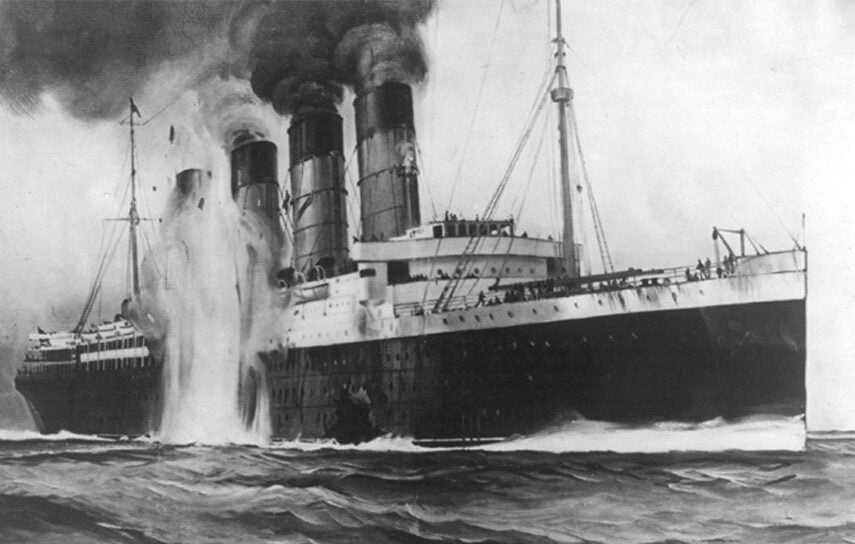
A German U-boat torpedo ended the career of one of the most luxurious liners of her era. RMS Lusitania sank off the Irish coast in 1915, taking 1,198 passengers and crew to their deaths.
The attack on what was technically a civilian vessel helped turn American public opinion against Germany in World War I. Lusitania had been built to compete with German ships for transatlantic speed records.
She was elegant, fast, and profitable — everything a passenger liner should be. The torpedo that sank her also sank the illusion that passenger ships were immune from warfare.
Her wreck lies in relatively shallow water, though diving conditions are treacherous due to strong currents and poor visibility.
SS Michelangelo
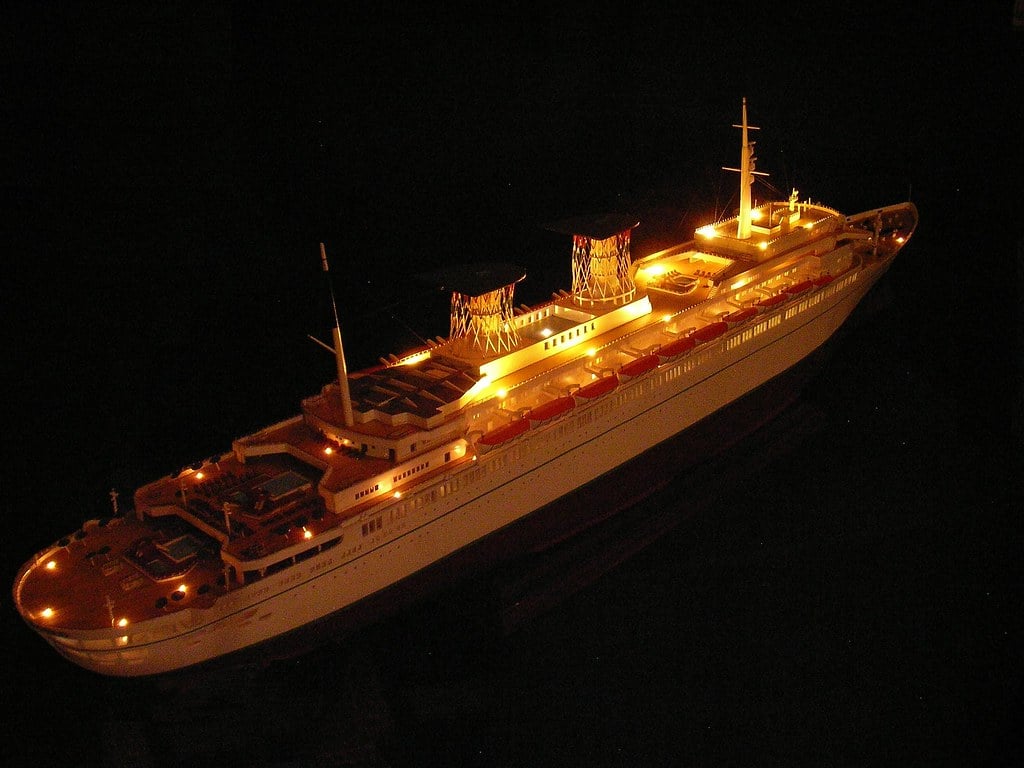
This Italian liner looked like something from a science fiction movie, and that turned out to be a problem (though not the one you’d expect — passengers found her ultra-modern design cold and uninviting, preferring the traditional elegance of older ships). Built in 1965 along with her sister ship Raffaello, Michelangelo featured radical styling with aluminum superstructure and stark, geometric lines that made her look more like a military vessel than a luxury liner. But she was fast, sophisticated, and represented Italy’s attempt to reclaim leadership in passenger shipping.
The attempt failed — both ships were withdrawn from service after just a few years and sold to Iran, where they served as naval barracks before being scrapped. Sometimes being ahead of your time means being forgotten by history.
MV Wilhelm Gustloff
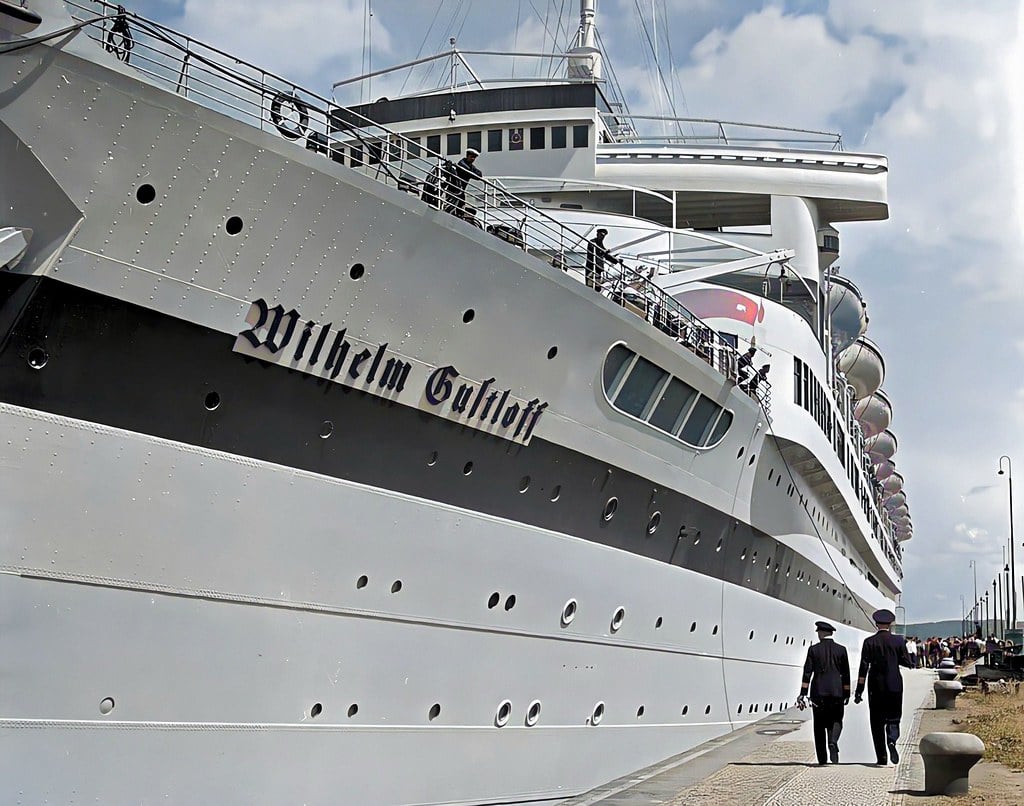
Originally built as a cruise ship for Nazi Germany’s “Strength through Joy” program, Wilhelm Gustloff became the site of maritime history’s deadliest disaster. In January 1945, while evacuating German civilians and military personnel from East Prussia, she was torpedoed by a Soviet submarine.
An estimated 9,400 people died — more than Titanic and Lusitania combined. The ship represents one of history’s most complicated maritime stories.
Built to provide affordable vacations for German workers, she became a symbol of Nazi propaganda, then a hospital ship, then a floating barracks, and finally a refugee transport. Her sinking remains largely unknown compared to other maritime disasters, partly because it occurred near the war’s end and involved German casualties.
The wreck lies in Polish waters, declared a war grave and off-limits to divers.
SS Normandie
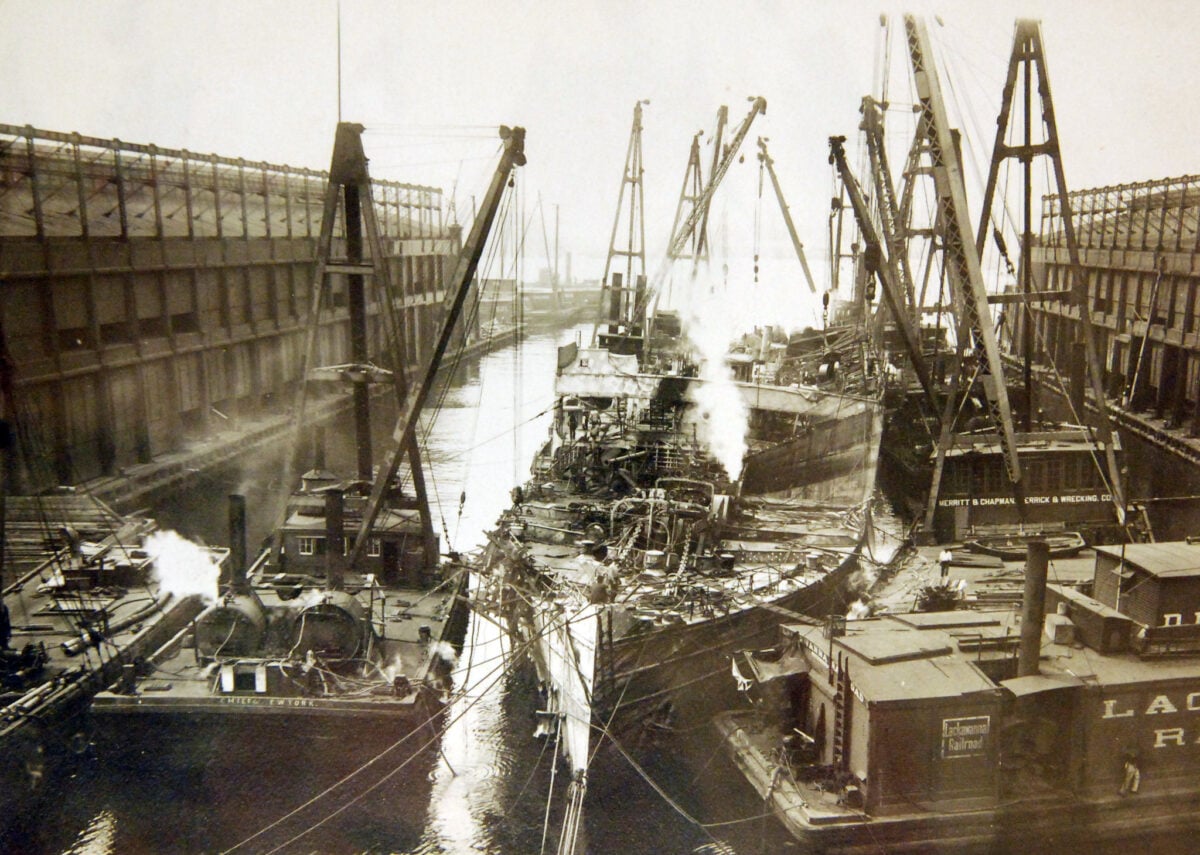
Fire and incompetence destroyed what many considered the most beautiful ship ever built. SS Normandie, launched in 1935, was Art Deco magnificence floating on water.
Her interiors rivaled the finest hotels and her speed earned the Blue Riband for fastest Atlantic crossing. During World War II, the United States seized Normandie in New York Harbor and began converting her to a troop transport.
In February 1942, sparks from a welding torch ignited life preservers, and the fire spread rapidly through the ship. Worse yet, firefighters pumped so much water into her that she capsized at the pier.
The capsized hulk was eventually righted and scrapped — a wasteful end to a masterpiece that could have been saved with basic fire safety precautions.
RMS Mauretania
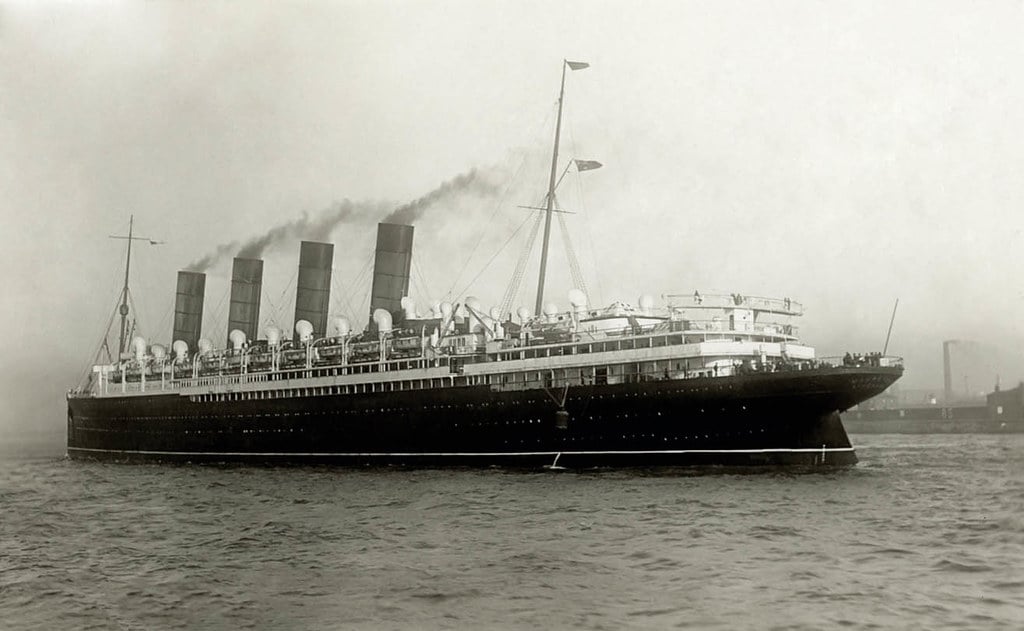
Speed was everything in the early 20th century transatlantic trade, and Mauretania owned it for over two decades. She held the Blue Riband from 1907 to 1929, making her the fastest ship on the Atlantic for longer than any vessel before or since.
But speed wasn’t enough once the Great Depression arrived. Passenger traffic dropped, newer ships offered more luxury, and Mauretania’s four-funnel profile began looking old-fashioned. Cunard retired her in 1935 and sold her for scrap.
Thousands of people visited the breaker’s yard to say goodbye to the ship that had defined an era. Her fittings were sold at auction — you can still find Mauretania artifacts in antique shops and private collections.
SS United States
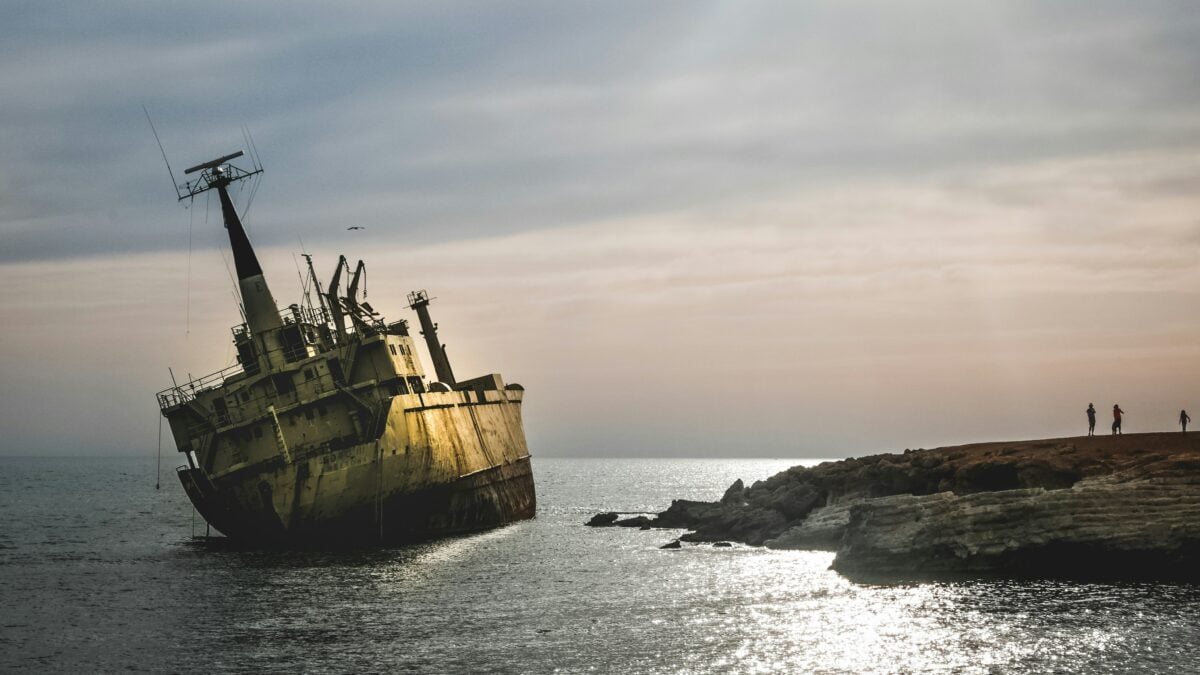
America’s fastest passenger ship sits rotting in Philadelphia, a victim of bureaucratic indifference and financial neglect. SS United States captured the Blue Riband on her maiden voyage in 1952 and never gave it up.
She was also a technological marvel, designed to be quickly converted to a troop transport if needed. The ship’s military specifications included fireproof construction — even the piano was aluminum.
But those same specifications made her expensive to operate as a cruise ship after transatlantic passenger service ended. She’s been laid up since 1969, changing hands repeatedly as various schemes to restore or convert her have failed.
The United States is now structurally unsound and facing demolition unless someone produces the estimated $300 million needed to save her.
RMS Olympic
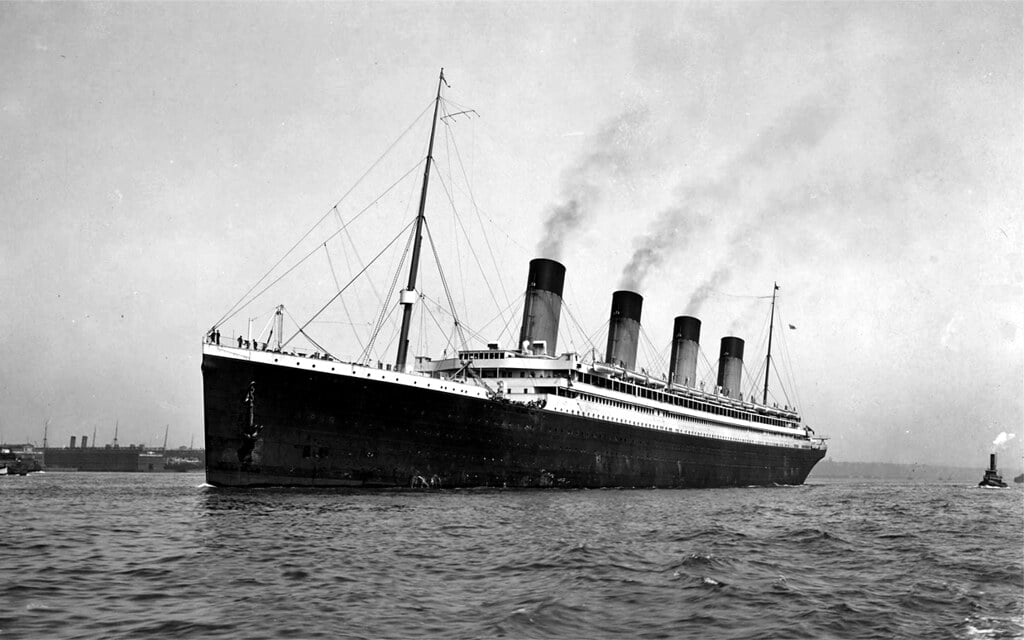
Titanic’s older sister enjoyed a long and successful career that her famous sibling never had the chance to experience. Olympic sailed for 24 years, earning the nickname “Old Reliable” for her dependable service and her ability to survive ramming incidents that would have sunk lesser ships.
Olympic’s story proves that sometimes the less famous ships lead more interesting lives. She rammed and sank a German U-boat during World War I — the only passenger liner to sink a enemy submarine. After the war, she returned to civilian service and became profitable enough to fund construction of newer Cunard ships.
She was finally scrapped in 1937, not because of any disaster or failure, but simply because newer ships made her obsolete. Her fittings live on in hotels and restaurants around the world.
MV Doulos
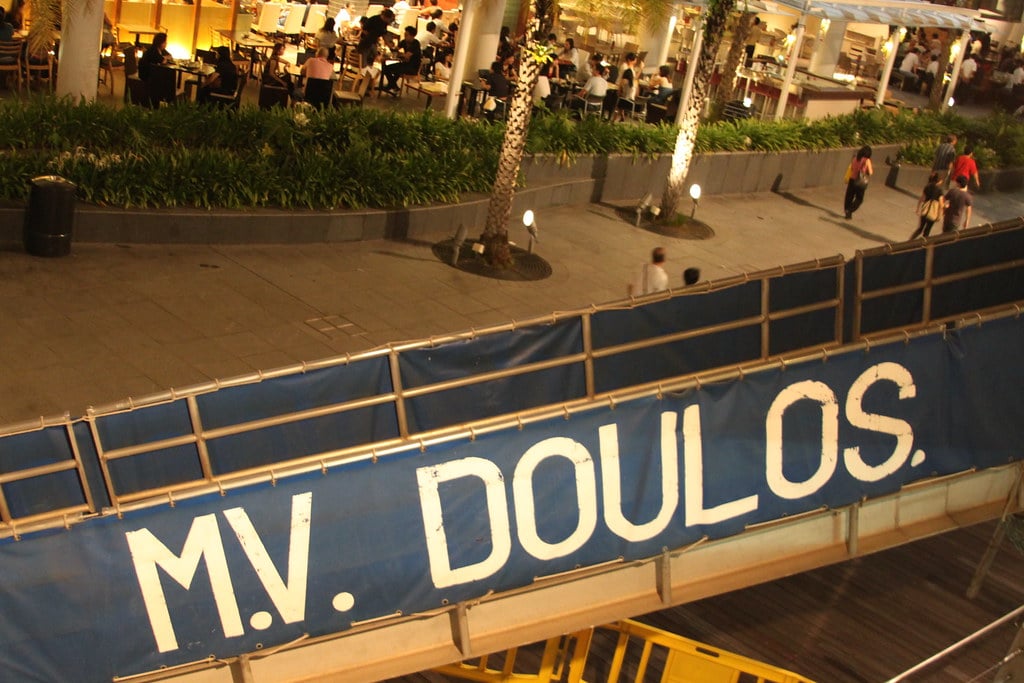
The world’s oldest active ocean-going passenger vessel finally retired in 2010 after nearly a century of service. Built in 1914 as a cargo ship, Doulos spent her final four decades as a floating library and missionary ship, visiting over 580 ports in 103 countries.
Doulos represented something unique in maritime history — a ship with a purely humanitarian mission. She carried books, medical supplies, and volunteer workers to some of the world’s most remote locations.
Her retirement wasn’t due to any dramatic incident but simple old age and new maritime safety regulations that would have required expensive modifications. She’s now permanently moored in Singapore as a floating hotel and museum.
SS Rotterdam
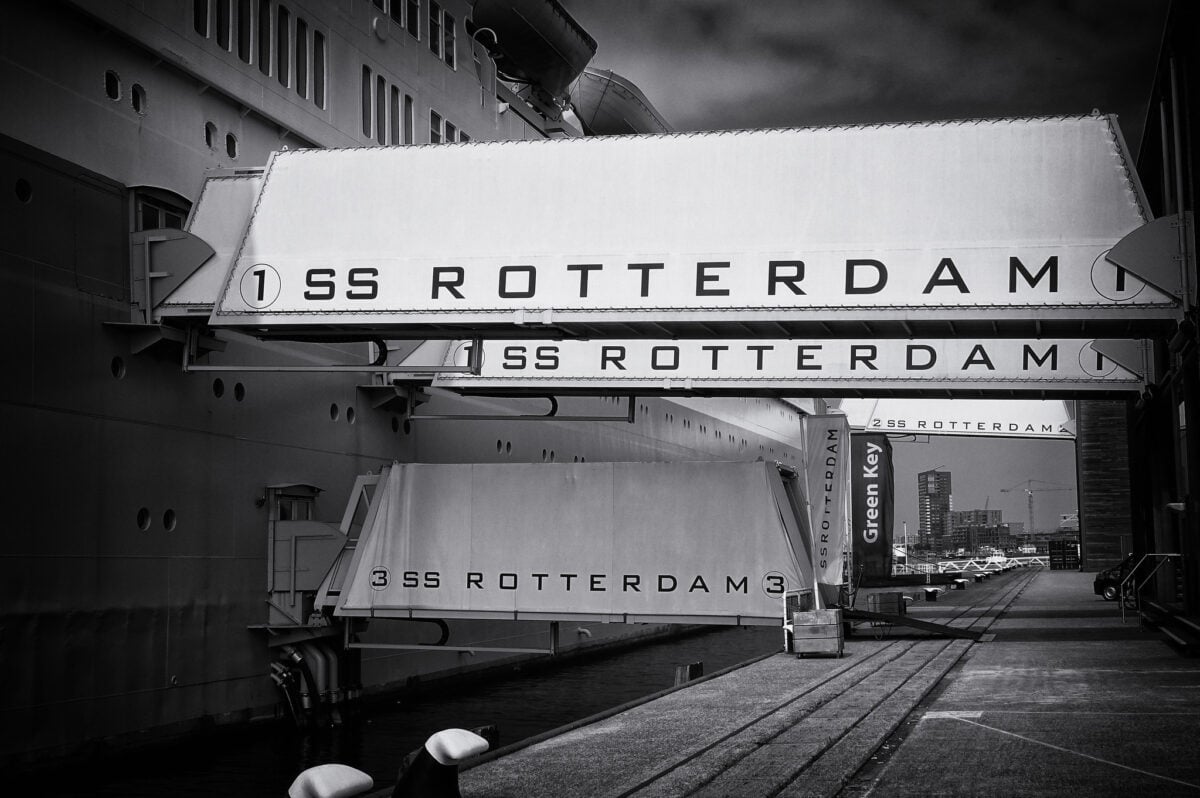
Holland America Line’s flagship from 1959 to 1997 was the last of the great ocean liners designed for regular transatlantic service. Rotterdam combined traditional ocean liner elegance with modern cruise ship amenities, making her a bridge between two eras of passenger shipping.
The ship spent 38 years in Holland America service, longer than most liners remain profitable. She sailed both transatlantic crossings and warm-weather cruises, adapting to changing passenger preferences as jet travel made ocean crossings a luxury rather than a necessity.
After retirement, she became a floating hotel and museum in Rotterdam, her namesake city. It’s a dignified end for a ship that served faithfully through the complete transformation of passenger shipping.
SS Oceanic
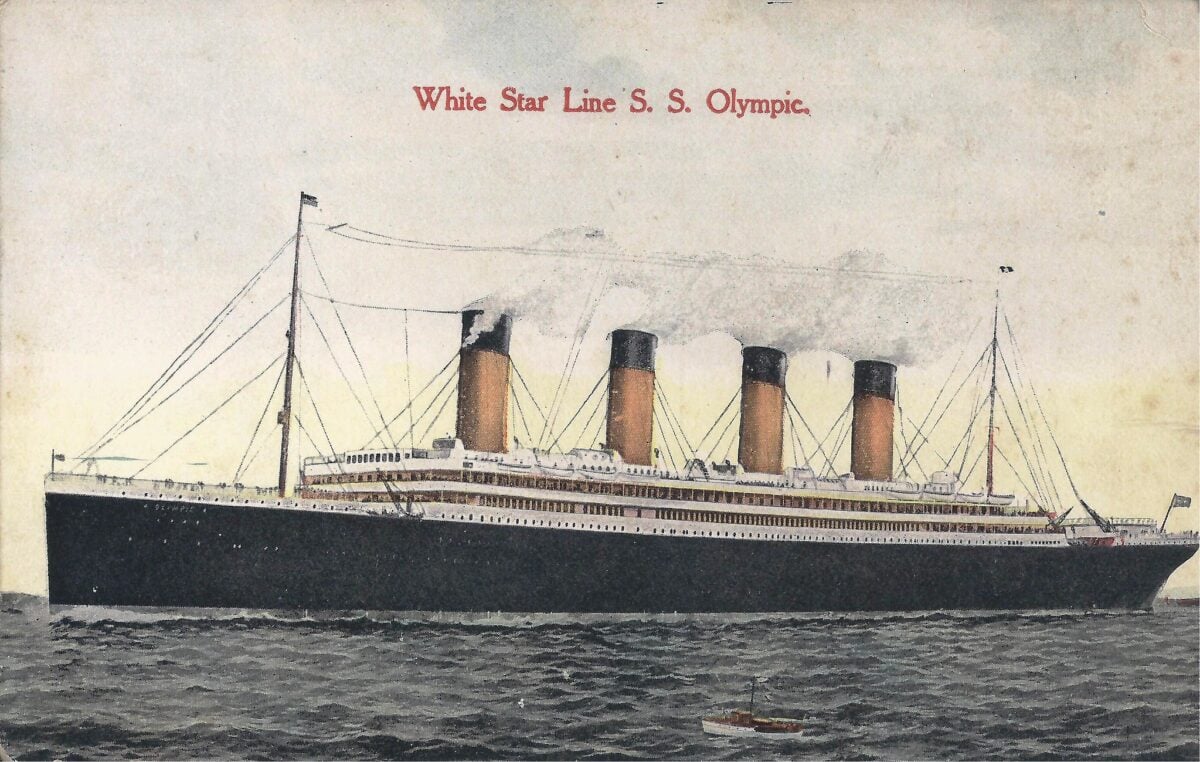
White Star Line’s Oceanic, launched in 1899, was the largest ship in the world at the time and established the template for 20th-century ocean liners. She featured innovations like electric lighting throughout and the first à la carte restaurant on an ocean liner.
Oceanic’s career ended abruptly in 1914 when she ran aground off the Scottish coast while serving as an armed merchant cruiser. The Royal Navy had requisitioned her for war service, but her peacetime officers weren’t trained for military operations in dangerous waters.
The ship became a total loss, breaking up in heavy seas before salvage operations could refloat her. Her wreck scattered across the seafloor, leaving only fragments of what had been the pride of the White Star fleet.
Dreams Never Sail Away
These vanished ships live on in ways their builders never intended. They populate novels and movies, inspire model builders and maritime historians, and remind us that even the mightiest human creations are temporary.
Some met dramatic ends that became part of maritime legend, while others simply grew old and obsolete, victims of changing technology and economics. But each carried thousands of passengers across dangerous waters, providing safe passage and memorable journeys during their years of service.
The ships are gone, but the human stories they enabled continue sailing through memory and imagination.
More from Go2Tutors!

- The Romanov Crown Jewels and Their Tragic Fate
- 13 Historical Mysteries That Science Still Can’t Solve
- Famous Hoaxes That Fooled the World for Years
- 15 Child Stars with Tragic Adult Lives
- 16 Famous Jewelry Pieces in History
Like Go2Tutors’s content? Follow us on MSN.