18 Firefighting Myths Busted
Firefighters are modern heroes who risk their lives to protect communities, but their profession is surrounded by more myths than a fairy tale collection. From Hollywood’s dramatic interpretations to old wives’ tales passed down through generations, misconceptions about firefighting have created a fog thicker than any smoke these brave professionals face.
These myths aren’t just harmless stories — they can actually put lives at risk and prevent people from making smart decisions during emergencies. Here is a list of 18 firefighting myths that need to be extinguished once and for all.
Stop, drop, and roll works for all fires

This classic fire safety rule has been drilled into our heads since childhood, but it’s not the universal solution many believe it to be. Stop, drop, and roll only works when your clothes are on fire, not when you’re dealing with chemical fires or electrical hazards.
If you’re dealing with a grease fire or electrical fire, this technique could actually make things worse by spreading the flames or putting you in more danger.
All sprinkler heads go off at once during a fire

Thanks to Hollywood movies, most people picture every sprinkler in a building activating simultaneously, creating an indoor rainstorm. In reality, fire sprinkler systems are designed to activate only where the fire is actually occurring, with each sprinkler head individually triggered by heat at temperatures around 155-165°F.
Only the sprinklers directly above the fire will activate, which prevents unnecessary water damage and focuses the suppression efforts where they’re actually needed.
Firefighters spend most of their time fighting fires

Modern firefighters are more like emergency response Swiss Army knives than just fire suppressors. They respond to medical emergencies, car accidents, hazardous material spills, water rescues, and even help get cats out of trees.
Many fire departments report that actual fire calls make up less than 10% of their emergency responses, with medical calls being their primary duty.
Water always puts out fires
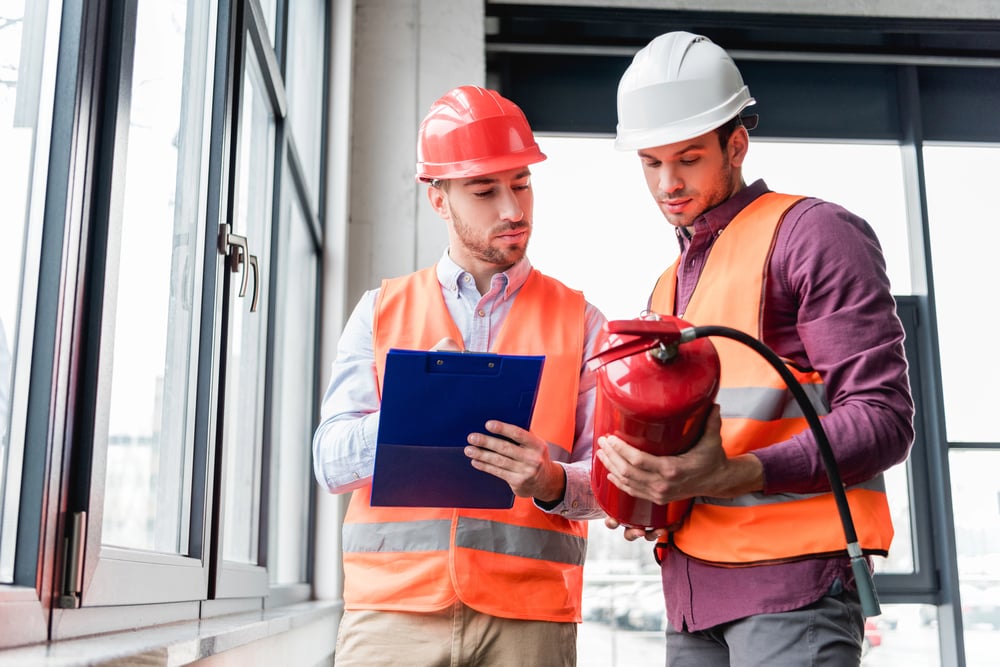
Water is the go-to fire suppressant in movies, but it’s actually dangerous to use on certain types of fires. Throwing water on a grease fire can cause the burning oil to splatter and spread the flames, while using water on electrical fires can lead to electrocution.
Class B fires (flammable liquids) and Class C fires (electrical) require specialized suppressants like foam or carbon dioxide to be safely extinguished.
You can outrun a wildfire

The idea that you can simply run faster than flames has cost lives in wildfire situations. Wildfires can travel at speeds exceeding 14 miles per hour, and in extreme conditions with strong winds, they can move at over 100 miles per hour.
A fit person’s running speed tops out around 15 miles per hour for short distances, making it nearly impossible to outrun a fast-moving wildfire on foot.
Firefighters only need to worry about flames
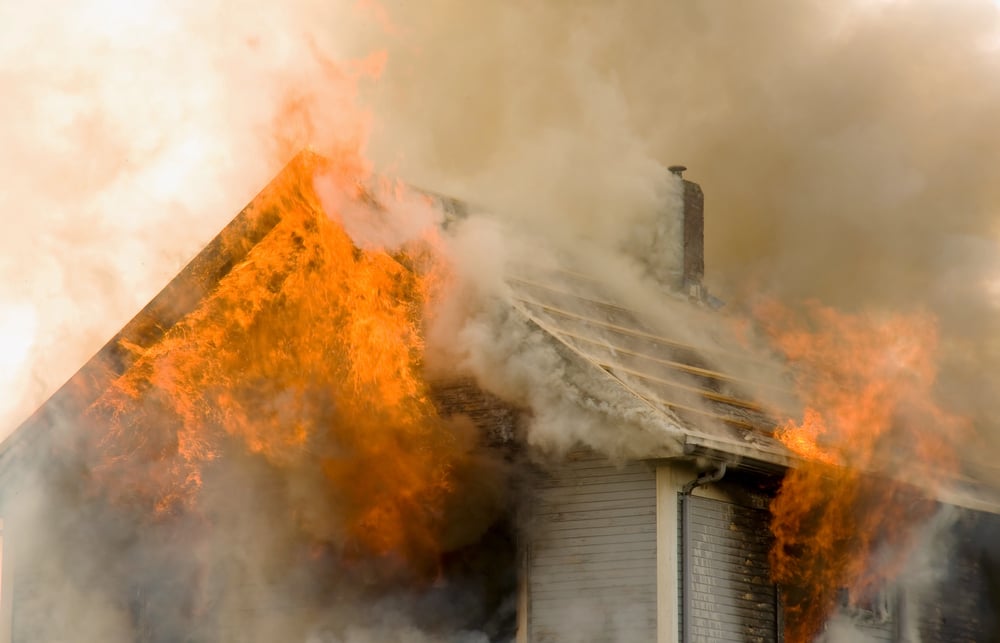
While fire itself is certainly dangerous, it’s often not the biggest killer in fire situations. Carbon monoxide and other toxic gases produced by burning materials are responsible for most fire-related deaths.
These invisible, odorless gases can incapacitate or kill people before they even see flames, which is why firefighters wear self-contained breathing apparatus even when dealing with seemingly small fires.
Early firefighters wouldn’t fight fires without insurance plaques

This persistent urban legend claims that historical fire companies would only put out fires at buildings displaying insurance company markers, but this has been thoroughly debunked. While insurance companies did have their own fire brigades in some cities, they would fight any fire that threatened to spread to insured properties.
Public safety always took precedence over insurance politics.
Fire always spreads upward

Fire does tend to rise due to heat and convection, but it doesn’t always behave predictably. Wind, building layout, available fuel, and ventilation can cause fires to spread in any direction, including downward and horizontally.
This is why firefighters never assume they’re safe just because they’re below the fire level — flames can travel through walls, floors, and ventilation systems in unexpected ways.
Smoke detectors give you plenty of time to escape
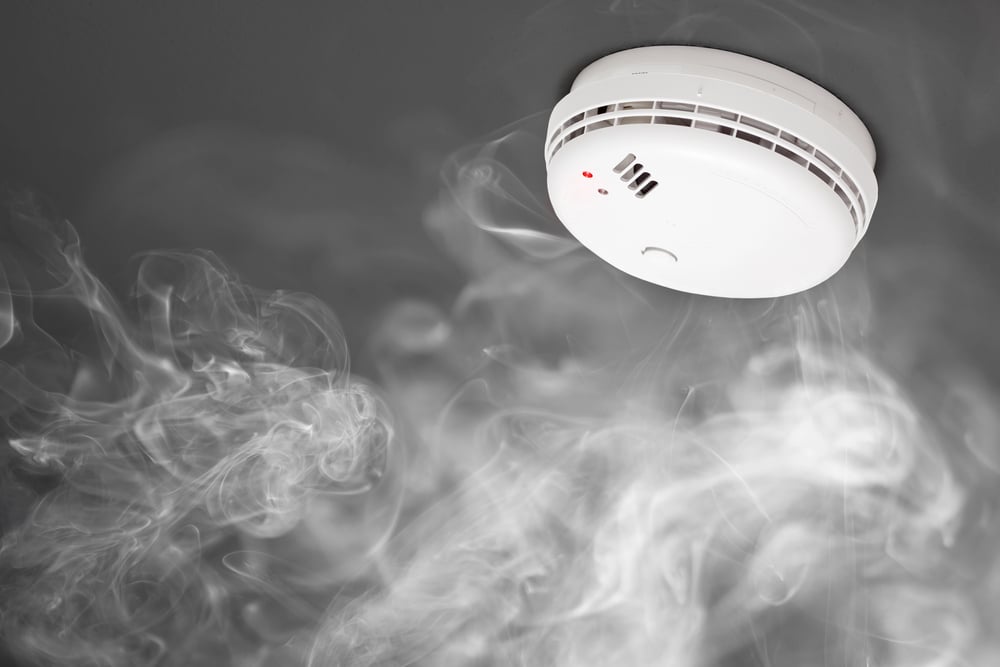
While smoke detectors are crucial safety devices, they don’t guarantee you’ll have adequate escape time. In modern homes filled with synthetic materials, fires can engulf a room in less than three minutes after the smoke alarm sounds.
The toxic smoke from burning plastics and synthetic materials can also incapacitate people much faster than smoke from natural materials, giving families mere minutes to safely evacuate.
Opening windows helps ventilate smoke during a fire

This well-intentioned action can actually turn a manageable fire into an inferno. Opening windows provides fresh oxygen to feed the flames and creates air currents that can rapidly spread the fire throughout a structure.
Professional firefighters use strategic ventilation techniques at specific times during firefighting operations, but untrained civilians should focus on getting out rather than trying to ventilate.
Wet towels over your face provide adequate protection from smoke

Covering your face with a wet towel might filter out some particles, but it won’t protect you from carbon monoxide and other deadly gases. This false sense of security can lead people to stay in dangerous situations longer than they should.
The best protection against smoke inhalation is simply getting out of the smoky environment as quickly as possible and staying low where the air is cleaner.
Firefighters always arrive within minutes
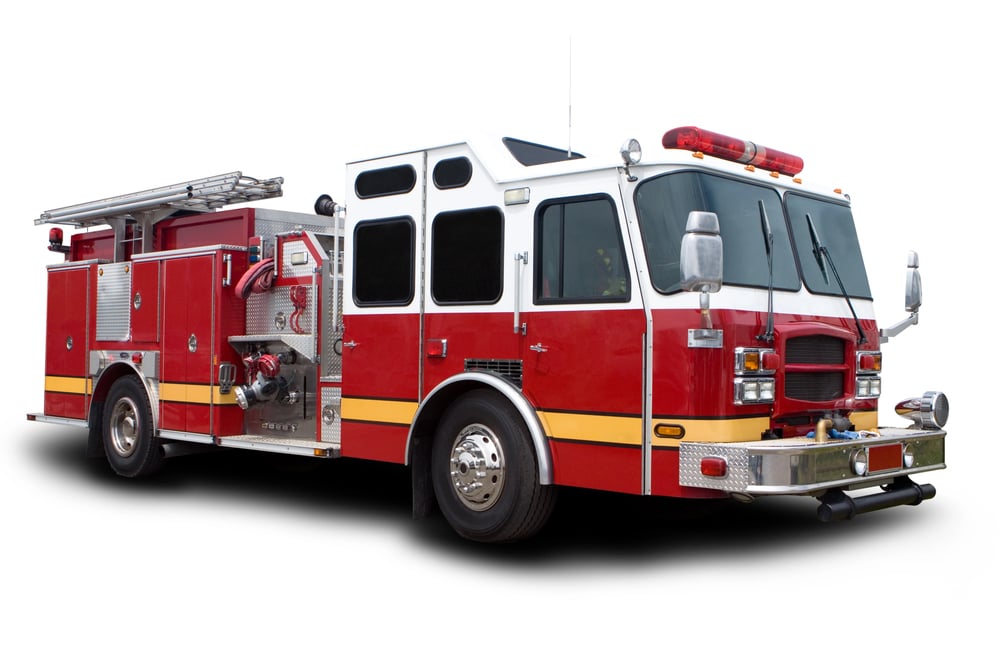
Response times vary dramatically based on location, staffing, and call volume. Rural areas might wait 20-30 minutes for fire department arrival, while some urban areas struggle with response times due to traffic and understaffing.
This reality makes it crucial for people to have their own fire safety plans and equipment rather than depending solely on professional response.
You should fight small fires yourself before calling for help
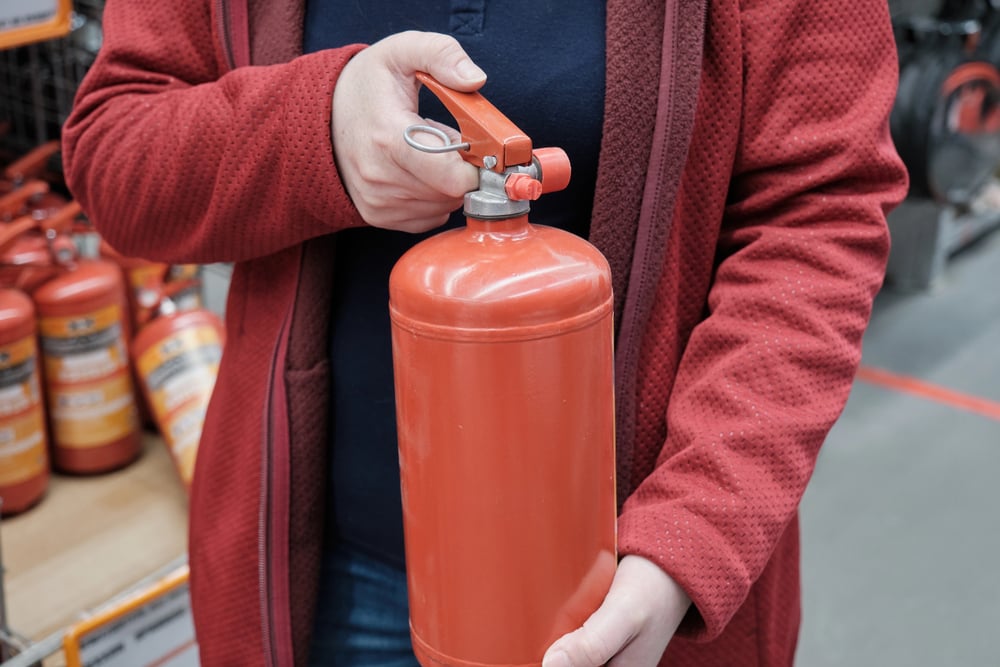
Many people think they should attempt to extinguish small fires before involving professionals, but this approach often makes situations worse. Fires can grow exponentially in seconds, and what looks manageable can quickly become life-threatening.
Fire professionals recommend calling 911 immediately, even for small fires, because trained responders can assess the situation properly and have the right equipment for safe suppression.
Closing doors won’t make much difference in a fire

Closed doors can be the difference between life and death in a house fire. A closed door can slow fire and smoke spread for 15-20 minutes, giving occupants crucial time to escape and firefighters time to arrive.
Modern fire safety education emphasizes ‘close before you doze’ because this simple action has saved countless lives by containing fires to single rooms.
Fire retardant from aircraft puts out fires
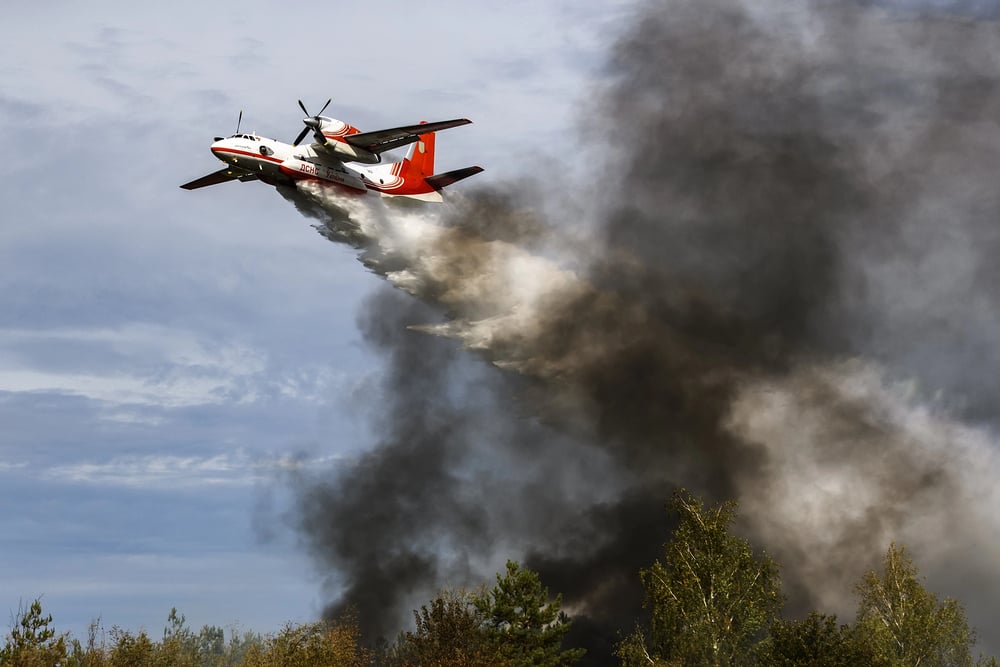
Those dramatic air drops of red fire retardant that look so impressive on television don’t actually extinguish fires. Instead, they slow down fire spread and create firebreaks that ground crews can use to contain the blaze.
The retardant works by coating vegetation and making it harder to ignite, but the actual fire suppression work still has to be done by firefighters on the ground.
Wildfires are always natural disasters

While lightning does start some wildfires, human activity causes about 85% of wildfire ignitions in the United States. Power lines, campfires, discarded cigarettes, vehicle accidents, and even arson are much more common wildfire causes than natural phenomena.
This human factor is why many ‘wildfire’ disasters are actually preventable with proper precautions and maintenance.
Modern buildings are safer from fire than older ones

Contemporary construction materials often burn hotter and faster than traditional materials, creating more dangerous fire conditions. Synthetic materials in modern furniture and building components produce more toxic smoke and can cause structural failure more quickly than natural materials.
While modern buildings have better fire detection and suppression systems, the fire behavior itself can be more dangerous.
Firefighters can save any structure if they arrive quickly enough

Some fires are simply too advanced or dangerous for safe interior operations, regardless of response time. Firefighters must constantly evaluate risk versus benefit, and sometimes the safest approach is defensive firefighting from outside the structure.
No building is worth a firefighter’s life, and modern fire service has embraced this philosophy even when it means accepting property loss.
When heroes meet reality

These myths persist because firefighting seems straightforward from the outside — point water at fire until fire goes away. But the reality involves complex chemistry, physics, and split-second decision-making under extremely dangerous conditions.
Understanding the truth behind these misconceptions helps us appreciate the skill and training that firefighters bring to their life-saving work, while also making us smarter about fire safety in our own lives.
More from Go2Tutors!

- The Romanov Crown Jewels and Their Tragic Fate
- 13 Historical Mysteries That Science Still Can’t Solve
- Famous Hoaxes That Fooled the World for Years
- 15 Child Stars with Tragic Adult Lives
- 16 Famous Jewelry Pieces in History
Like Go2Tutors’s content? Follow us on MSN.