18 Good News Stories You Need to Know
The world can feel heavy sometimes. News channels blast warnings and worries, social media feeds scroll with arguments and anxiety, and it’s easy to forget that good things happen every single day.
People help each other, scientists make breakthroughs, communities come together, and progress happens in quiet corners where cameras don’t always reach. So here’s a collection of recent good news that might have slipped past your radar.
These stories won’t fix everything, but they’re proof that humanity still has plenty of light to offer.
A paralyzed man walked again using brain implants

Doctors in Switzerland helped a man who couldn’t move his legs walk naturally again after a motorcycle accident left him paralyzed. They placed wireless implants in his brain and spinal cord that let his thoughts control his legs directly.
The patient can now walk for extended periods, climb stairs, and even navigate rough terrain. This technology could help thousands of people with spinal injuries regain movement they thought was gone forever.
Ocean cleanup removed 200,000 pounds of trash from the Pacific

The Ocean Cleanup project pulled massive amounts of plastic waste from the Great Pacific Garbage Patch this year. Their system uses floating barriers that collect trash while letting sea life pass through safely.
The collected plastic gets recycled into products like sunglasses and phone cases. Each cleanup trip brings them closer to their goal of removing 90% of ocean plastic by 2040.
A new malaria vaccine is saving children’s lives in Africa
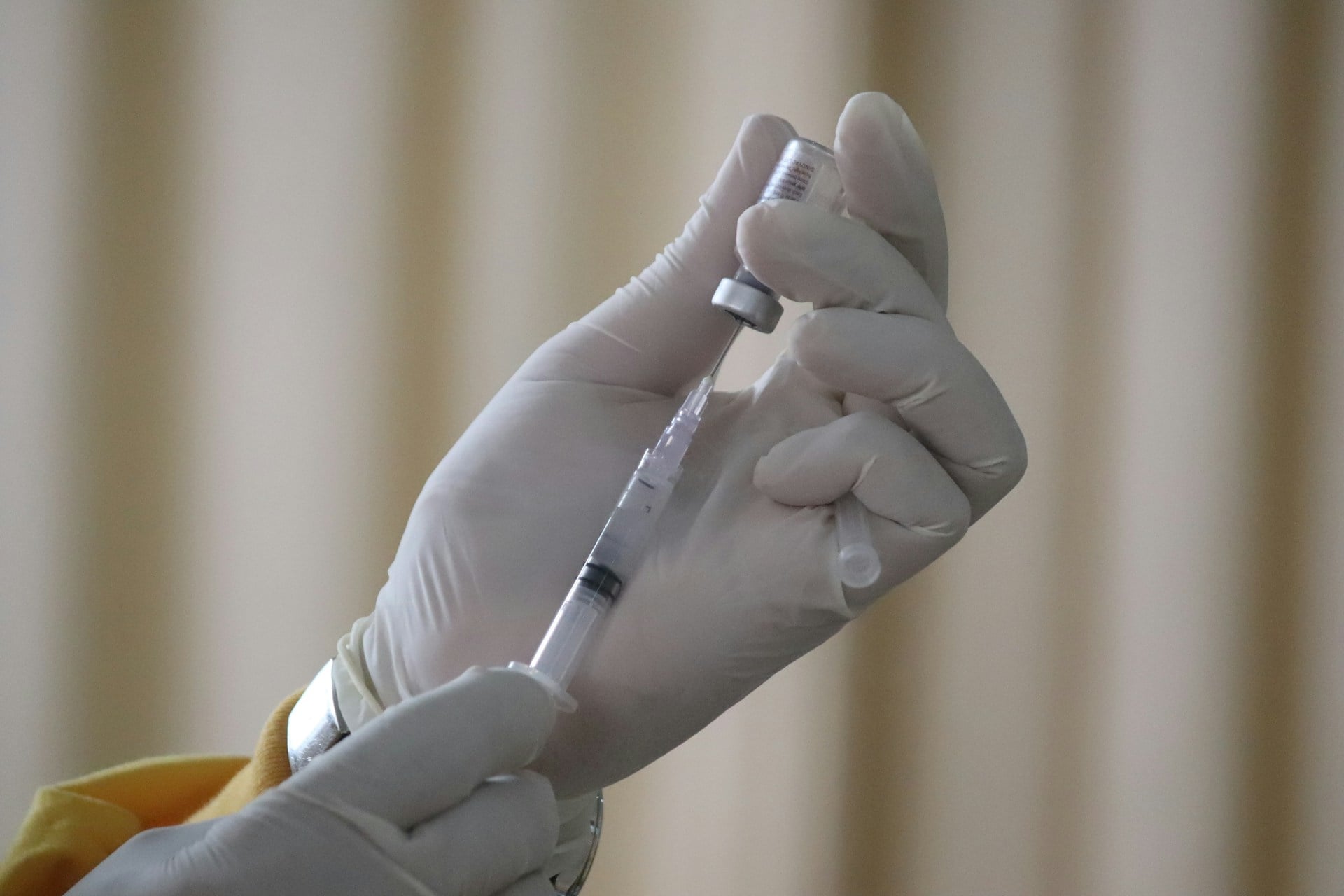
Cameroon became the first country to roll out a new malaria vaccine to babies through routine immunization programs. The vaccine prevents the disease that kills hundreds of thousands of African children each year.
Early results show it cuts severe malaria cases by about 75% in young children. Twelve other African nations are preparing to introduce the vaccine soon.
Beavers returned to London after 400 years
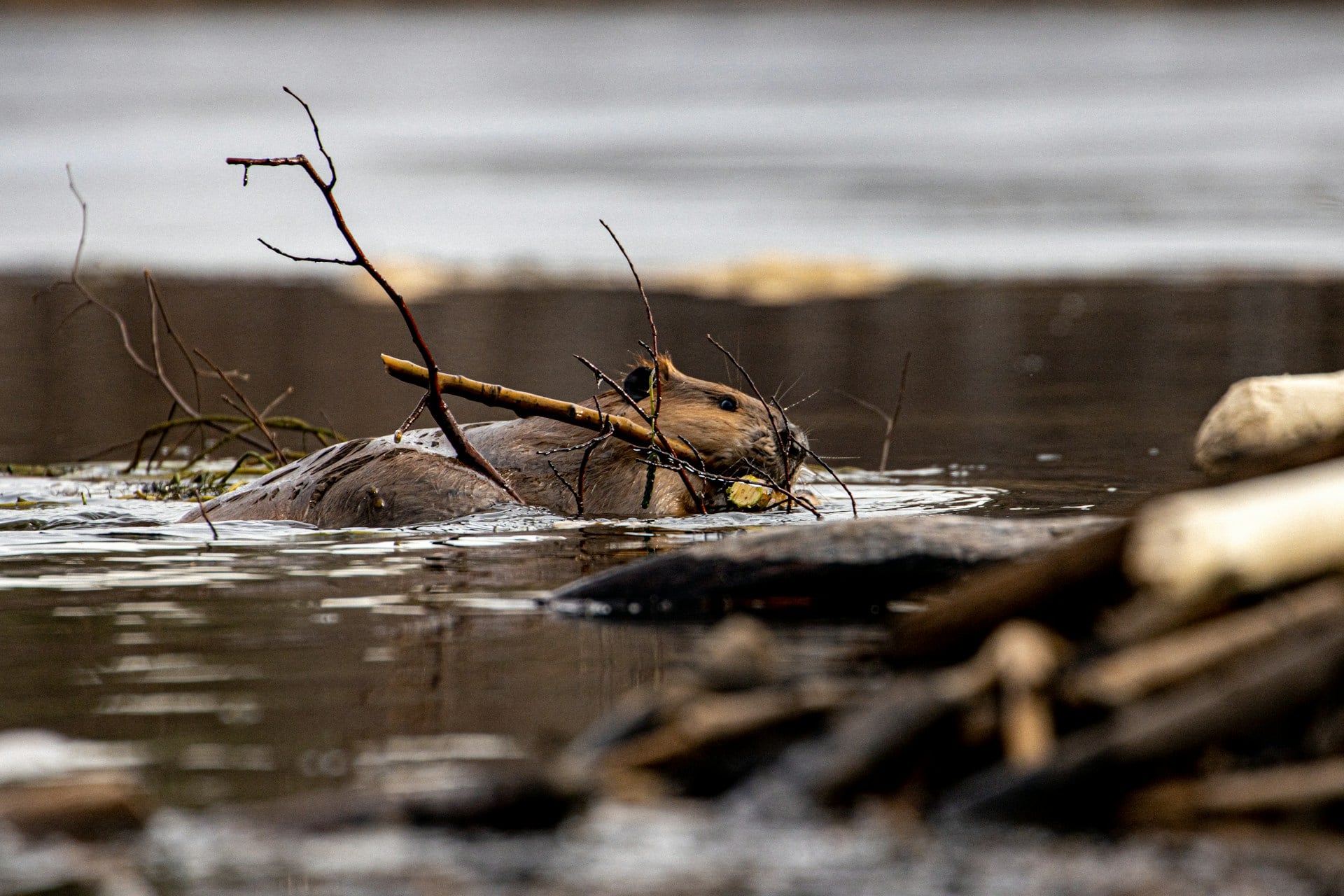
Wild beavers now live and build dams in London for the first time since the 16th century. Five beavers were released into an enclosure in a city park where they’re creating wetland habitats that help prevent flooding and support other wildlife.
The project shows how cities can make room for nature even in densely populated areas. Other British cities are watching to see if they can bring beavers back too.
Solar panels now cost 90% less than a decade ago
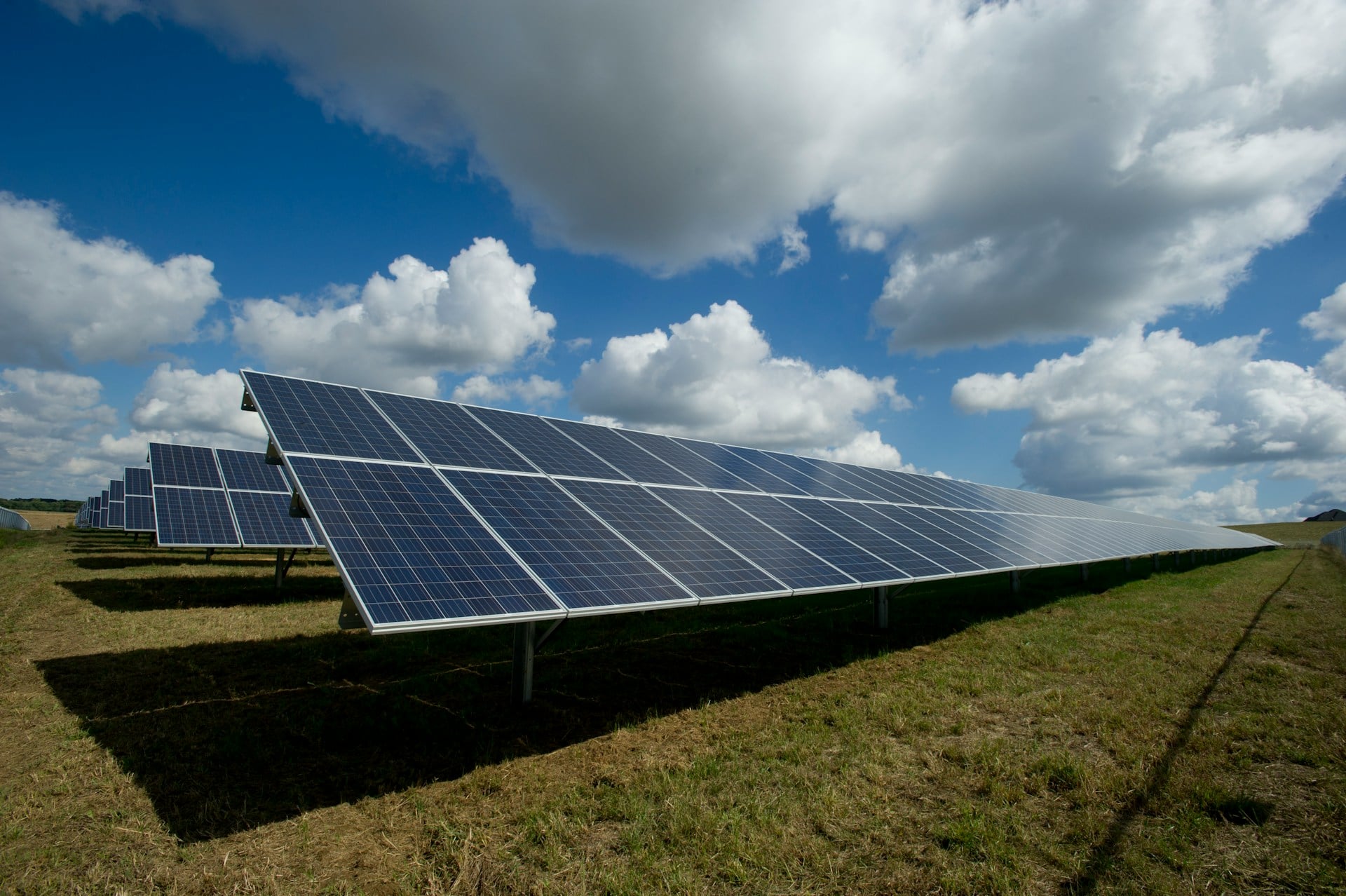
The price of solar energy has dropped so dramatically that it’s now cheaper than coal or gas in most parts of the world. Manufacturing improvements and competition drove costs down while efficiency went up.
More homeowners and businesses can afford to install solar panels than ever before. Some experts predict solar will provide most of the world’s electricity within 20 years.
A blood test can now detect Alzheimer’s years before symptoms appear
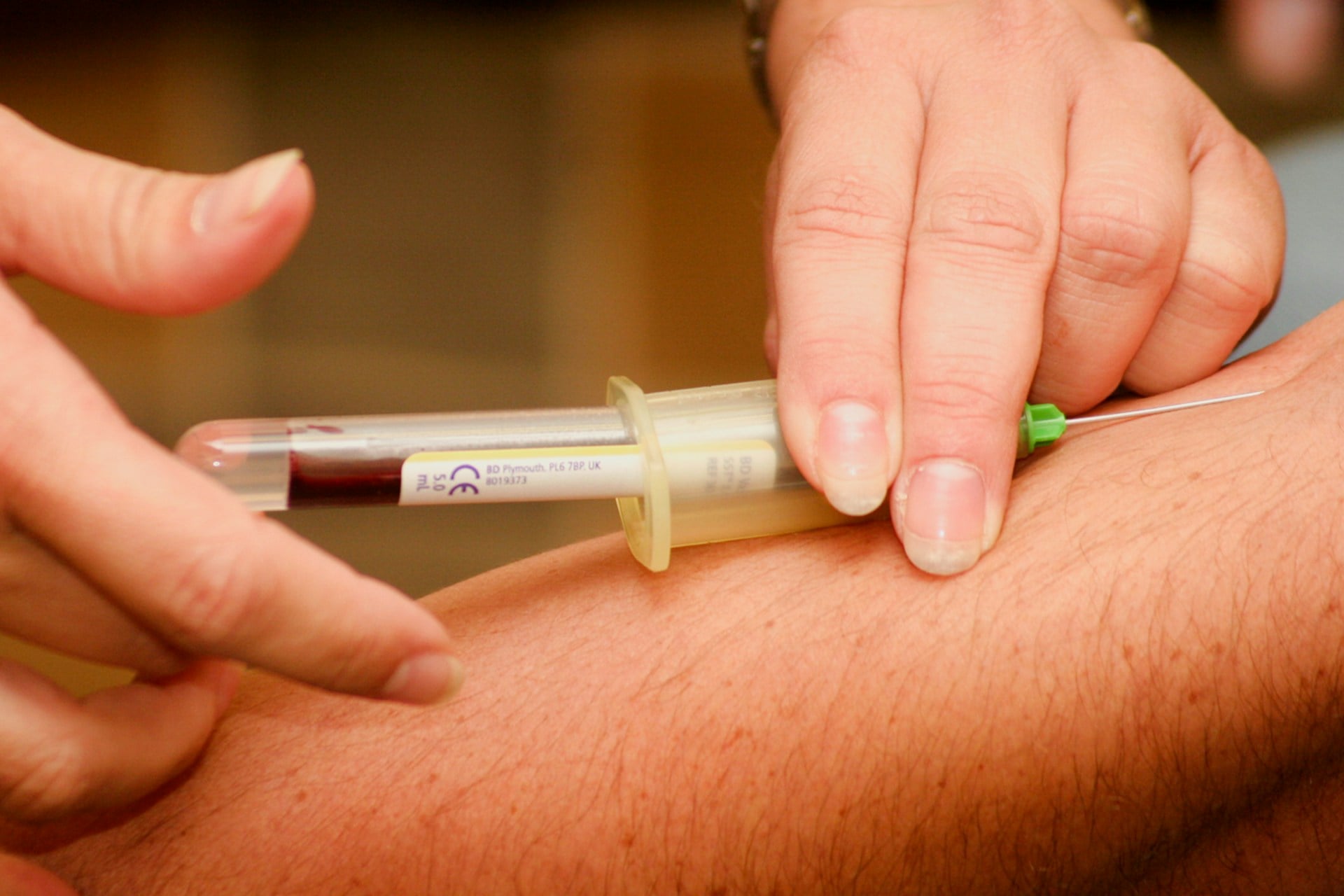
Scientists developed a simple blood test that identifies Alzheimer’s disease up to 15 years before memory problems start. The test looks for specific proteins that appear in the blood when brain damage begins.
Early detection means people can start treatments sooner and plan for their future while they’re still healthy. The test costs much less than brain scans and takes just minutes.
Wolves came back to Colorado after voters chose to bring them home

Colorado released wolves into the wild for the first time in 80 years after residents voted to restore them. Five wolves from Oregon were carefully placed in remote mountain areas where they have plenty of space and prey.
Biologists track them with GPS collars to monitor how they settle in. The wolves help balance ecosystems by controlling deer and elk populations.
A desert country now grows its own food using seawater
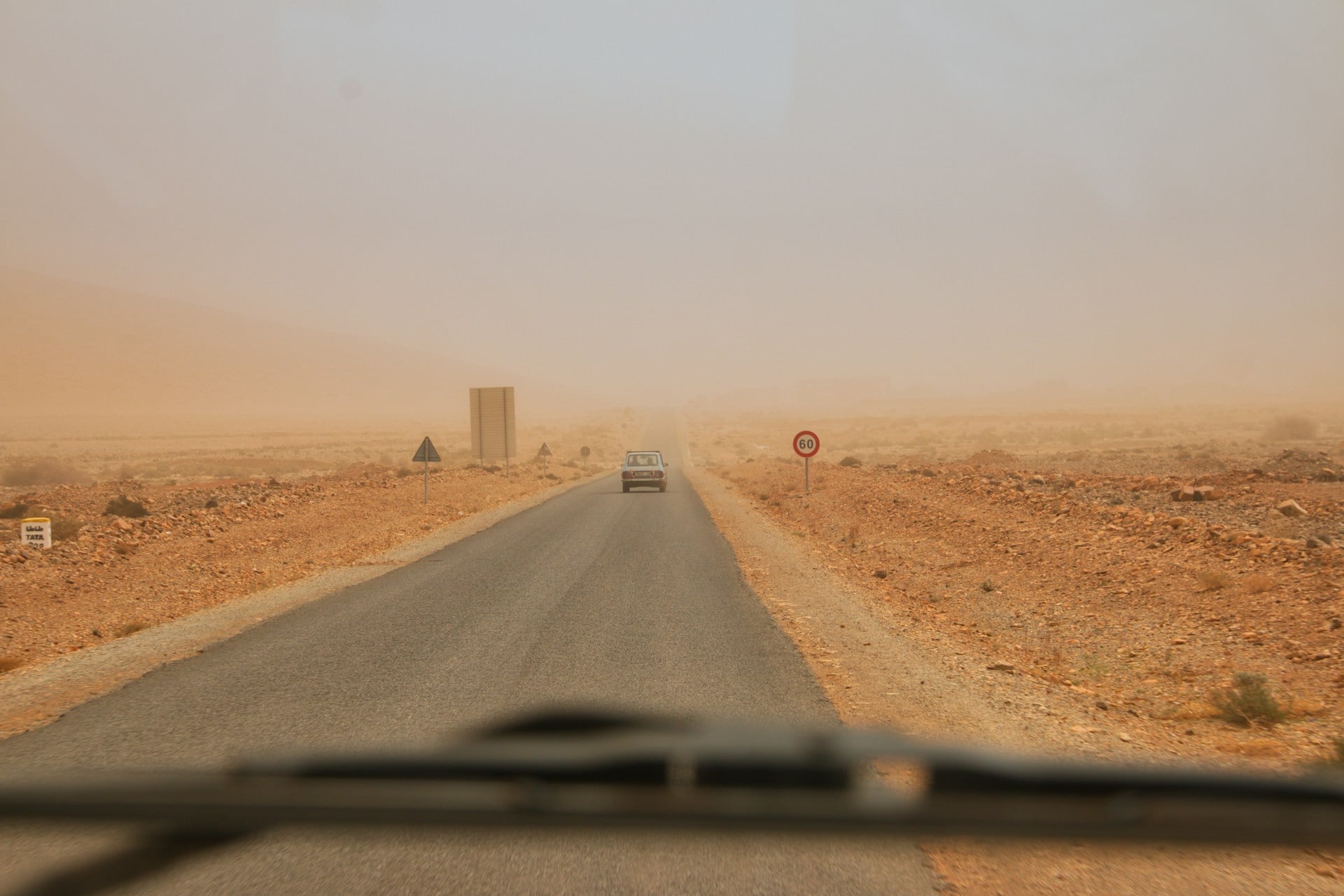
The United Arab Emirates built farms that use seawater and sunlight to grow crops in the desert. The system evaporates seawater to create fresh water and cool air for greenhouses.
These farms produce tomatoes, cucumbers, and other vegetables without using precious groundwater. Other desert nations are studying the technology to reduce their dependence on food imports.
High school students invented a soap that treats skin cancer
Three teenagers from Virginia created a soap containing compounds that fight skin cancer cells. They tested different ingredients for months until they found a combination that worked.
Their invention won several science competitions and attracted interest from medical researchers. The soap could offer an affordable treatment option that people apply at home.
Elephants are calling each other by unique names
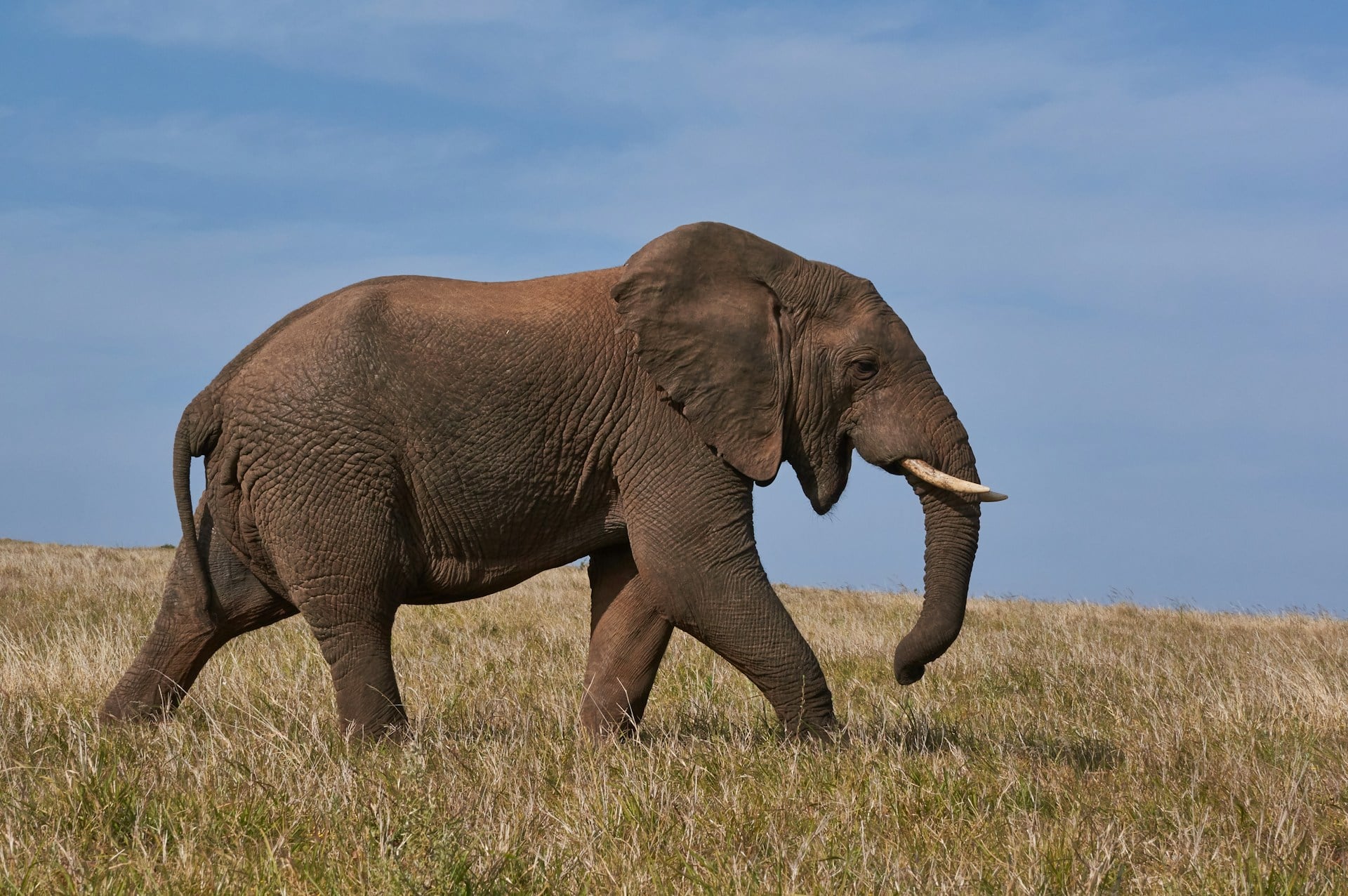
Researchers in Kenya discovered that elephants use specific calls for individual members of their herd, essentially giving each other names. The elephants recognize and respond to their own name calls even when other elephants aren’t present.
This shows a level of communication sophistication scientists didn’t expect. The finding helps us understand how these intelligent animals maintain their complex social bonds.
A program pays students to stay in school and it’s working
New Mexico now pays low-income high school students up to $1,000 per semester for good grades and attendance. The program has helped increase graduation rates and college enrollment among participating students.
Young people use the money for books, transportation, or to help their families. Other states are considering similar programs after seeing the results.
Coral reefs are growing back faster than scientists expected
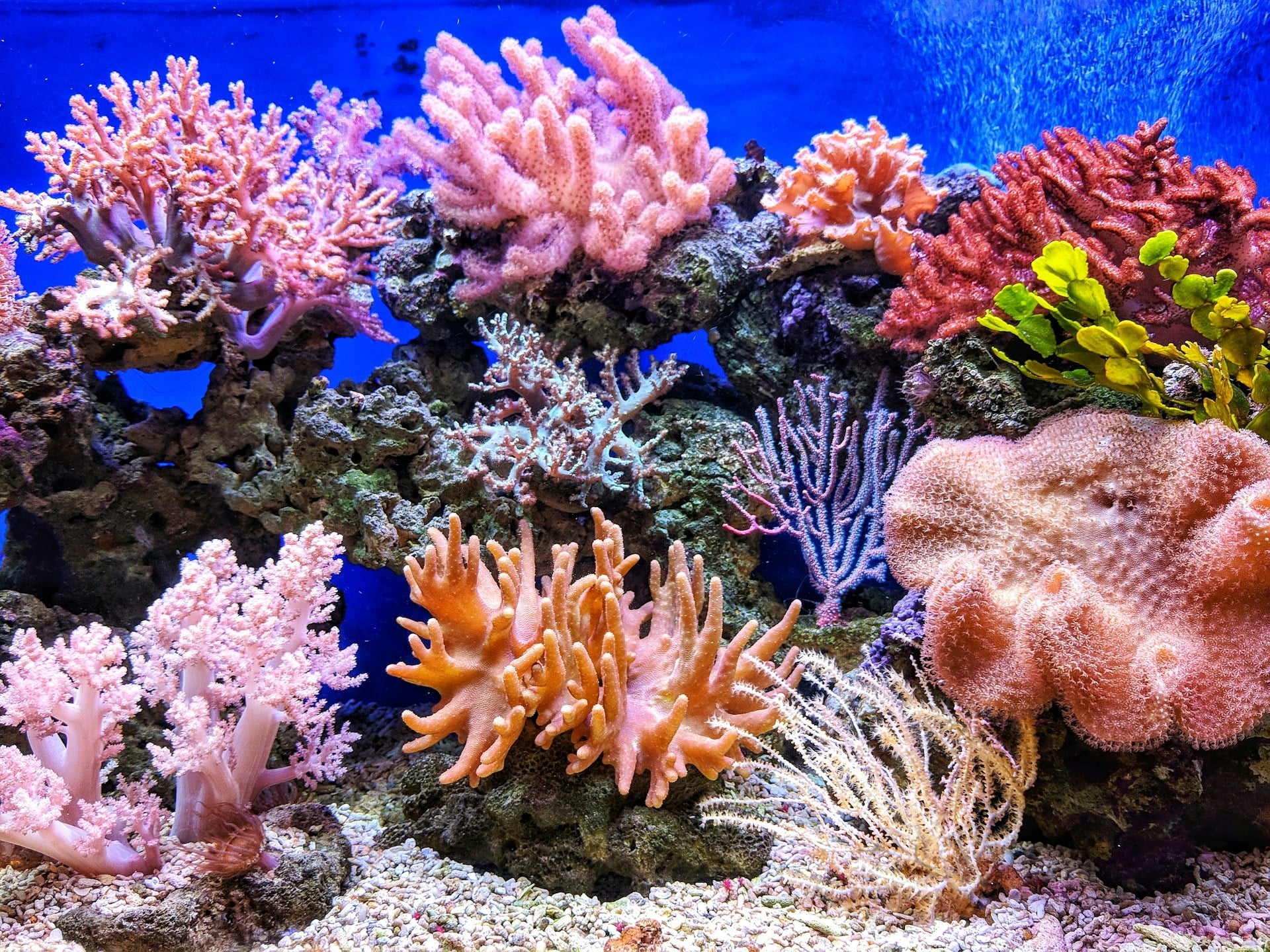
Marine biologists found that damaged coral reefs in the Florida Keys are recovering quicker than their predictions suggested. Protected areas where fishing is limited and water quality improved saw corals regrow within just a few years.
Some reefs scientists thought were dead showed new life sprouting. The recovery proves that conservation efforts can reverse damage when communities commit to protecting ocean habitats.
A new treatment helps peanut allergies disappear
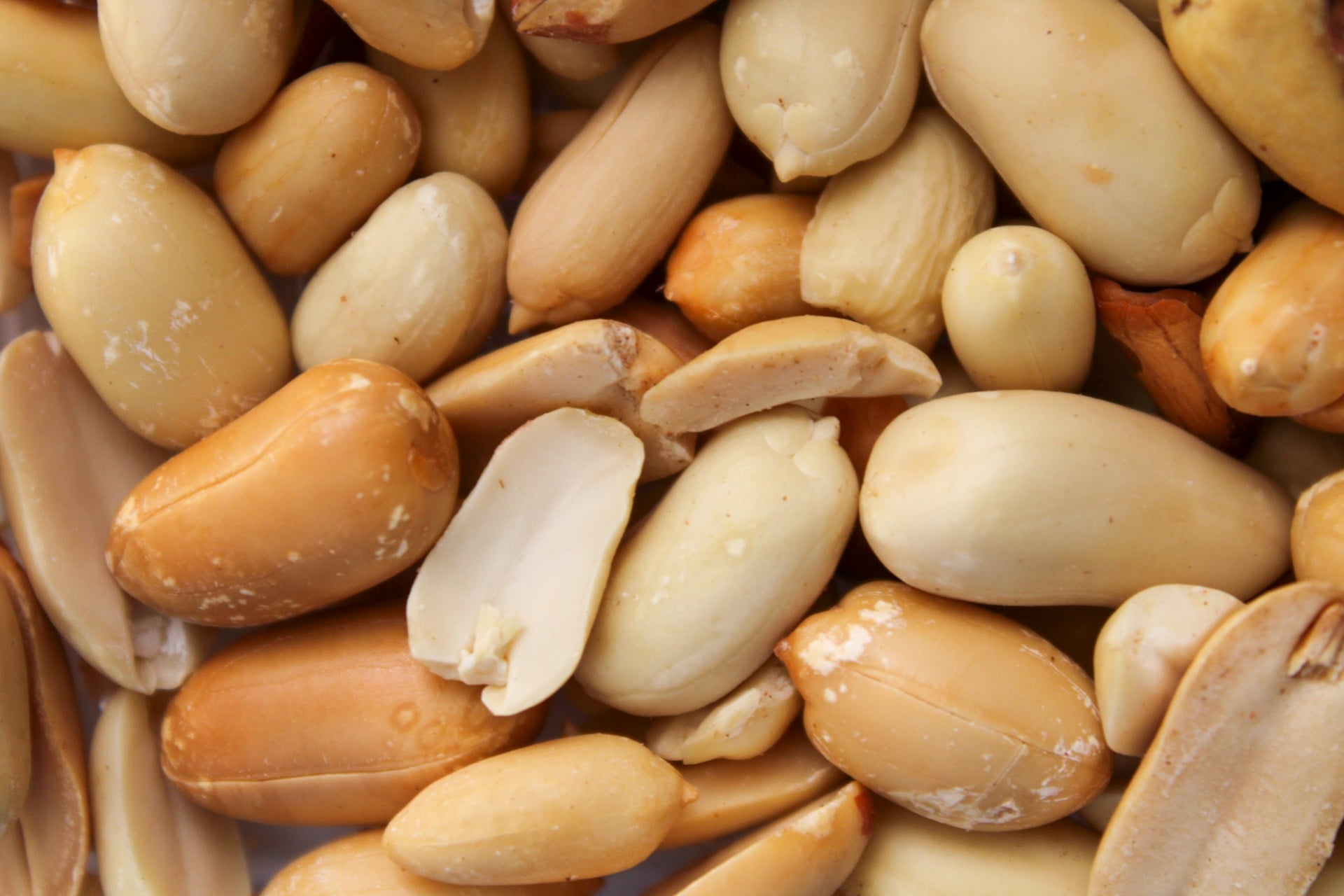
Doctors developed a therapy that lets children with severe peanut allergies eat peanuts safely. The treatment gradually exposes kids to tiny amounts of peanut protein over several months until their bodies stop reacting.
Most children who completed the program can now eat peanuts without any problems. The approach is being tested for other food allergies too.
Libraries are lending tools and equipment now

Public libraries across America now offer more than books. They lend power tools, sewing machines, musical instruments, and even cake pans to community members for free.
The programs help people who can’t afford to buy expensive equipment they might use only occasionally. Libraries report that these lending programs bring in new visitors who might not have come in for books alone.
Black rhino counts are going up again after years of falling steadily

African black rhinos are coming back after almost disappearing – numbers have jumped 16% in ten years. Because of strong anti-poaching work along with better habitat safeguards, their comeback’s been possible.
Today, more than 6,400 live freely, while in the ’90s there were under 2,500. Experts aren’t celebrating yet, still they believe growth might keep going.
Young people are drinking and using drugs less than previous generations
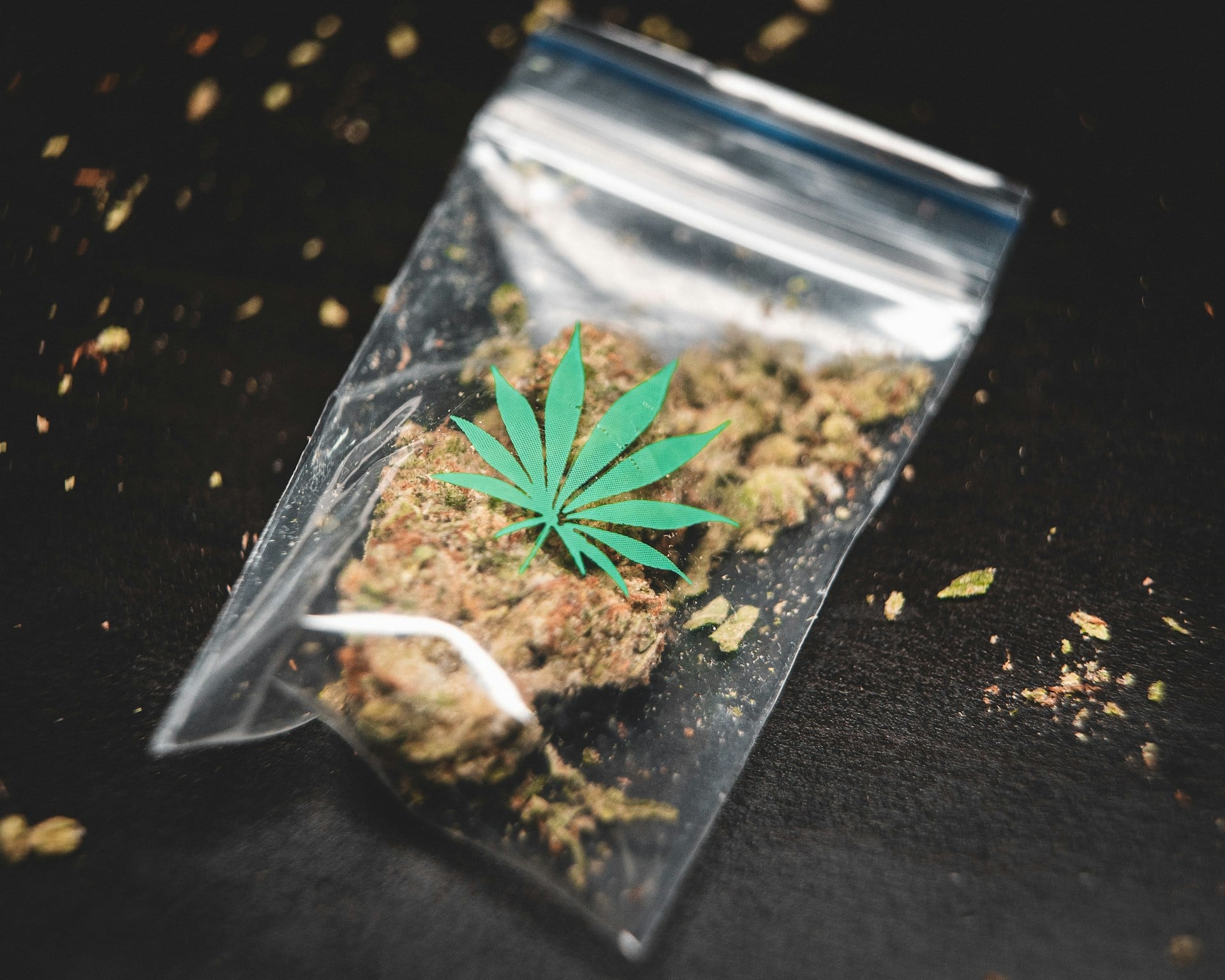
Teens these days are using booze, cigarettes, or street drugs less often than any youth group in years. Studies point out kids care more about their well-being now, plus they can easily learn online what those substances do to the body.
Hanging out doesn’t always mean partying anymore – many prefer games, apps, or just chatting offline. This shift isn’t limited to one place – it’s happening in wealthy nations worldwide.
A town brought in folks without homes to tidy up sidewalks – this shift sparked new beginnings
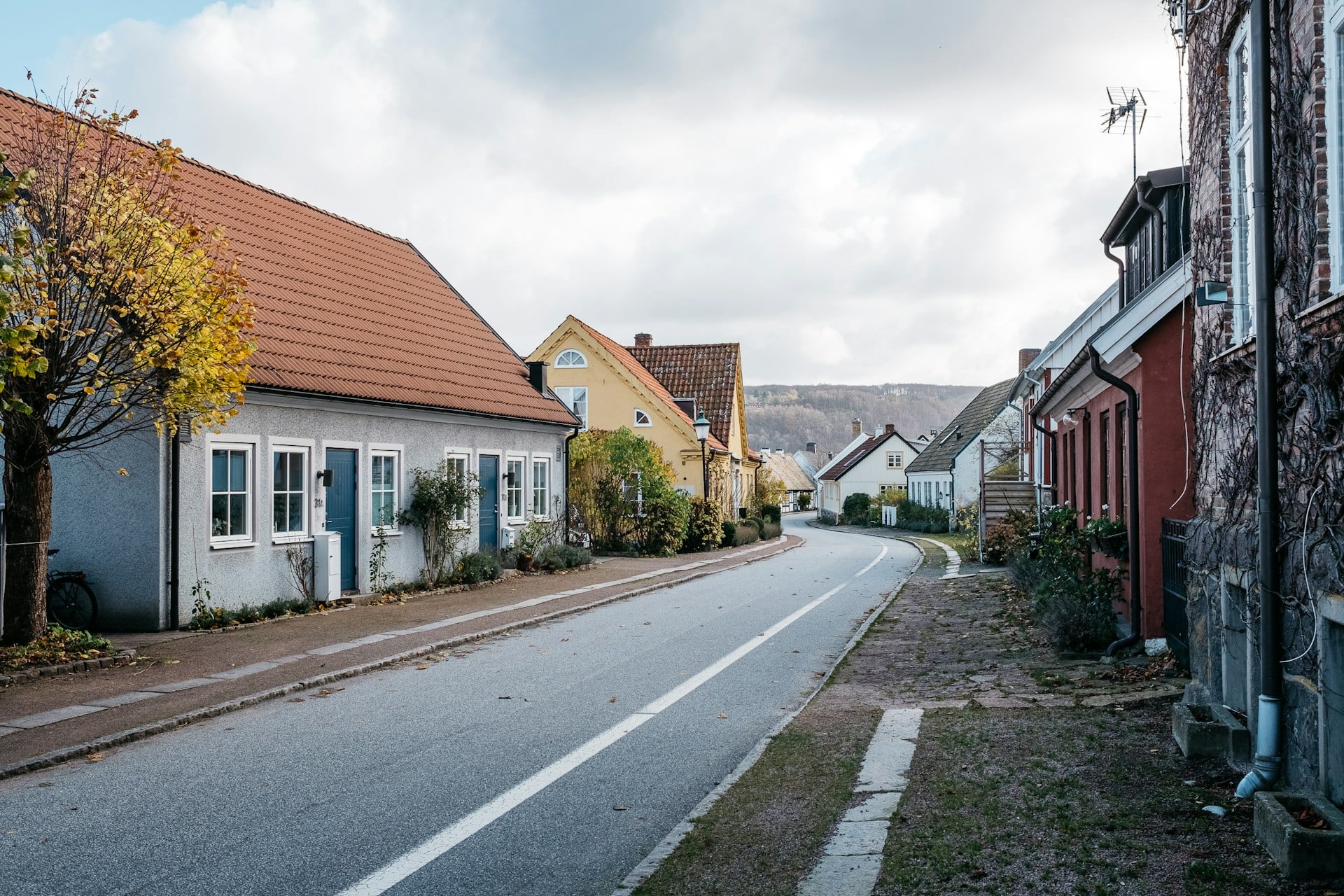
Albuquerque started a project taking homeless folks on board if they’re keen to work – then hiring them to tidy up local areas. They make money per hour while grabbing a bite, plus access support systems guiding them toward steady homes or employment gigs.
Hundreds have already landed solid places to live thanks to this setup. Once word got out about its success, different towns began mirroring the idea one by one.
Ancient forests are being restored on a massive scale
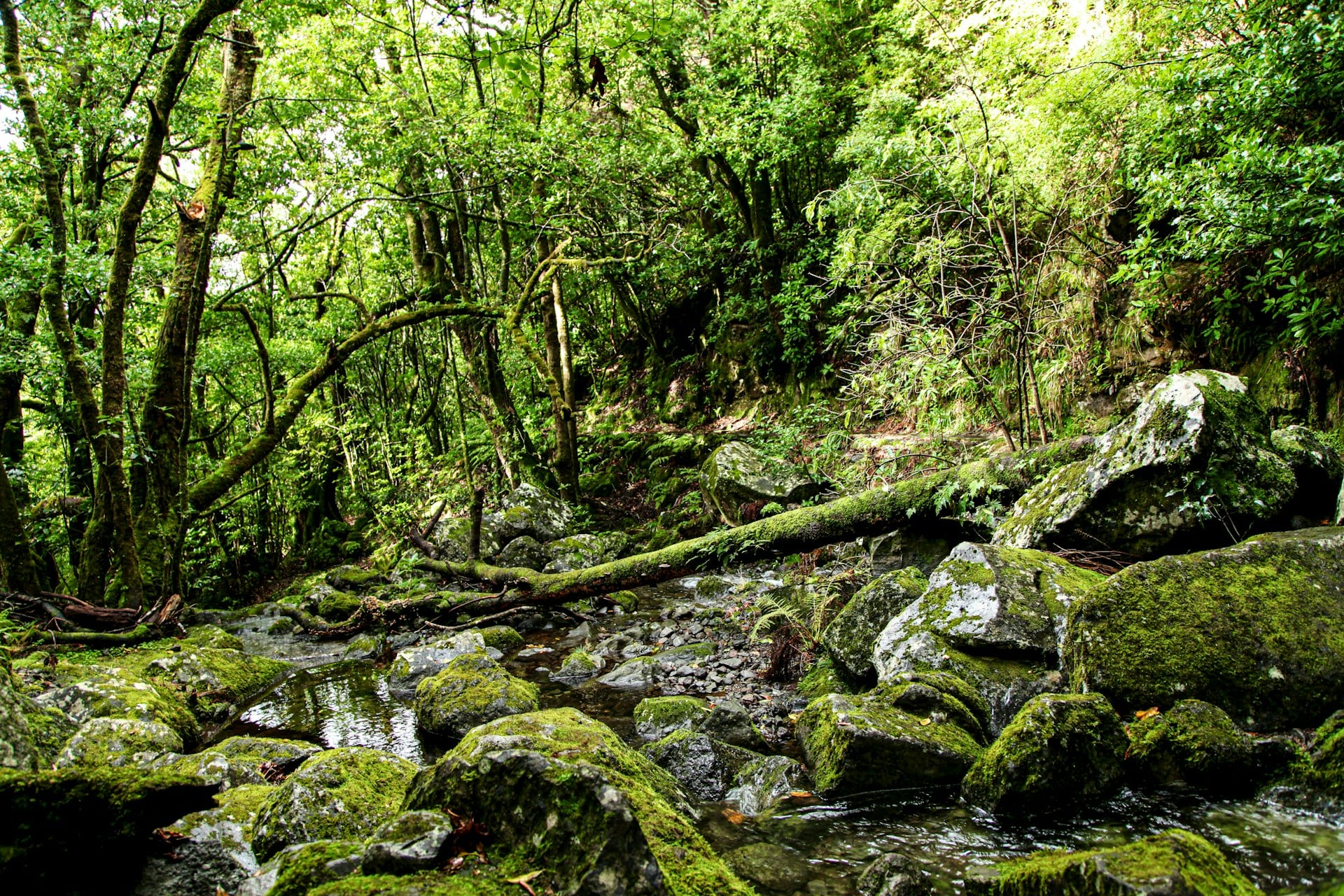
China’s spent four decades putting in countless trees – now there are woods about as big as Alabama. From space, you can see brown slopes turned lush and leafy.
These new woodlands stop dirt from washing away, filter pollution, while also giving homes to animals that vanished years ago. It proves even serious harm to nature can heal if people keep at it without quitting.
The world keeps moving forward
These tales are only a small slice of the good stuff going on nearby. Each day unfolds fresh finds, gutsy moves, or groups teaming up to fix issues.
Sure, hurdles pop up – but clever ideas and kindness show up too. Noticing wins isn’t about looking past trouble; it’s knowing answers can happen when folks put in work.
More from Go2Tutors!

- The Romanov Crown Jewels and Their Tragic Fate
- 13 Historical Mysteries That Science Still Can’t Solve
- Famous Hoaxes That Fooled the World for Years
- 15 Child Stars with Tragic Adult Lives
- 16 Famous Jewelry Pieces in History
Like Go2Tutors’s content? Follow us on MSN.