Famous Songs Banned by Radio
Radio stations have always walked a fine line between entertaining audiences and maintaining what they consider ‘acceptable’ content.
Over the decades, songs have been pulled from airwaves for reasons ranging from political controversy to misunderstood lyrics to timing that just felt wrong.
Some bans were temporary reactions to world events, while others stemmed from moral panic or genuine concerns about content.
The tracks that ended up on the banned list often became even more popular because of the controversy.
Here is a list of famous songs that radio stations refused to play.
Louie Louie

The Kingsmen’s 1963 version of this Richard Berry song became the most investigated track in American radio history.
The slurred, incomprehensible lyrics sparked fears of hidden obscene content, leading to a 31-month FBI investigation that concluded absolutely nothing because no one could figure out what the singer was actually saying.
Radio stations banned it anyway, and the drummer later admitted the only profanity came from him yelling an expletive after dropping a drumstick during recording.
A Day in the Life

The Beatles faced a BBC ban in 1967 for this Sgt. Pepper’s track, with the broadcaster claiming the lines ‘I’d love to turn you on’ and ‘found my way upstairs and had a smoke’ were obvious drug references.
Both John Lennon and Paul McCartney denied these allegations, but the BBC stood firm on keeping it off their airwaves.
The irony is that McCartney’s line about having a smoke could have just referred to a regular nicotine stick, but the BBC wasn’t taking any chances.
God Save the Queen

The Pistols released this punk anthem during the Queen’s Silver Jubilee in 1977, and it immediately became the most heavily censored record in British history according to The Guardian.
The BBC refused to play it despite the song hitting number one, and Billboard wouldn’t even list it on their charts.
The band’s critique of the monarchy during a national celebration was simply too much for broadcasters to handle, even though working-class listeners clearly connected with the message.
Relax

When Radio 1 DJ Mike Read realized what Frankie Goes to Hollywood was actually singing about in early 1984, he refused to play it on his morning show and called it ‘overtly obscene’.
The BBC quickly followed his lead with an official ban, though some evening DJs like John Peel ignored the restriction entirely.
Commercial radio stations didn’t care about the controversy at all, which probably helped the song become even more successful than it would have been otherwise.
Walk Like an Egyptian

The Bangles’ chart-topping hit got pulled from rotation twice for completely different reasons.
The BBC banned it during the 1991 Persian Gulf War to avoid tensions with the Middle East, then Clear Channel removed it from American stations after 9/11 for similar concerns.
The song itself is totally innocent and just references ancient Egypt, but the timing made radio executives nervous about potential offense.
Imagine

John Lennon’s hopeful anthem about world peace somehow ended up on Clear Channel’s list of questionable songs after the September 11 attacks.
Radio stations were advised not to play it along with 164 other tracks that mentioned anything remotely connected to the tragedy.
The decision to ban a song literally about peace and unity struck many people as deeply ironic, but broadcasters were playing it safe during an uncertain time.
Physical

Radio stations banned Olivia Newton-John’s 1981 hit because of lines like ‘let me hear your body talk’ that were considered too suggestive.
The music video didn’t help matters, featuring multiple men working out in a gym with Newton-John coaching them, including a scene where two men hold hands and walk away together.
The song became a massive success anyway, proving that controversy rarely hurts a catchy tune.
The Pill

Loretta Lynn released this country anthem about birth control in 1975, just two years after Roe v. Wade legalized abortion nationwide.
Many country radio stations, catering to socially conservative audiences, refused to play a song celebrating a woman’s choice to control her own reproduction.
The ban kept it from reaching number one on the country charts, but Lynn was already one of the biggest stars in country music and the controversy only reinforced her status as a boundary-pushing artist.
Brown-Eyed Girl
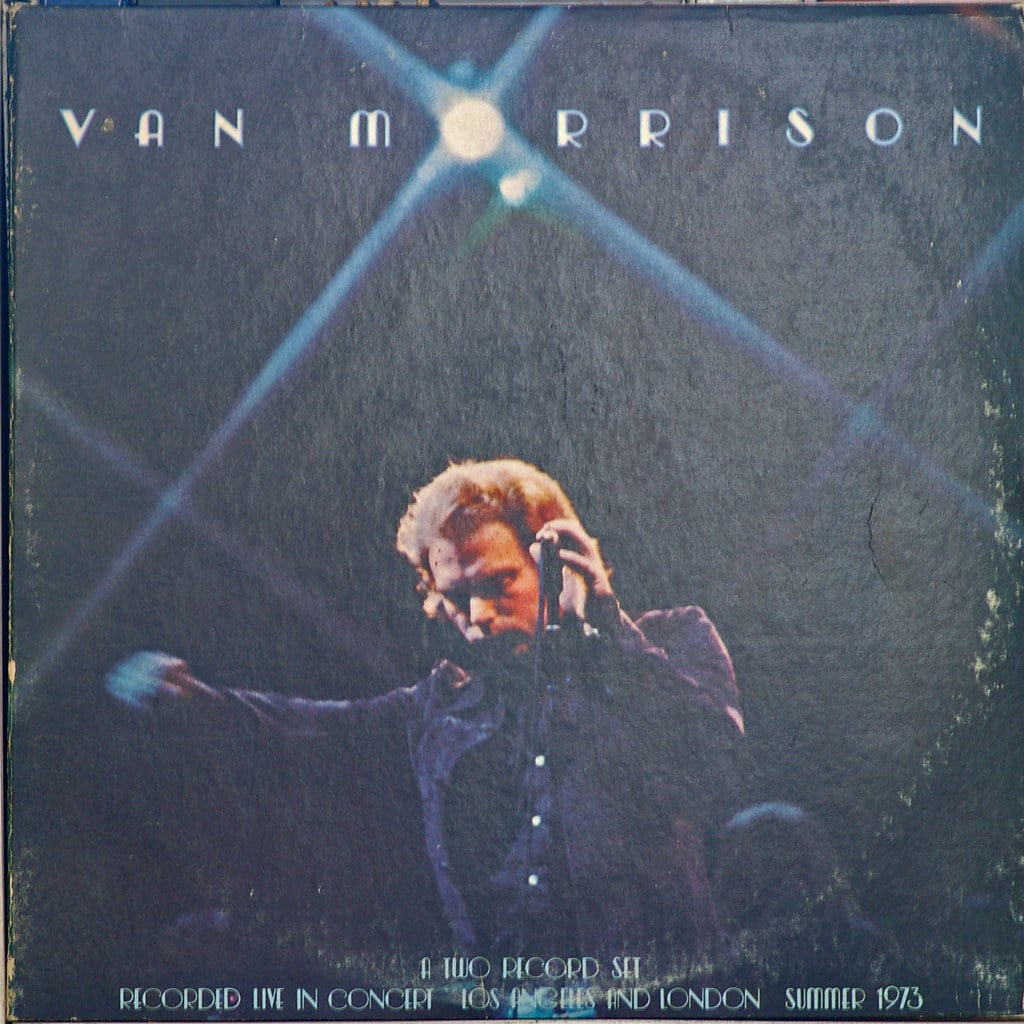
Van Morrison originally titled this song ‘Brown-Skinned Girl’ but changed it before release because interracial marriage was still illegal in 17 states in 1967.
Even with the title change, several radio stations banned it anyway for the line ‘making love in the green grass,’ which seems pretty innocent now but was considered racy for the 1960s.
Morrison’s caution about the original title was probably smart given the political climate of the time.
Lola
The Kinks had to deal with a ban for an unusual reason when the BBC refused to play this 1970 track because of one specific lyric.
The line ‘where you drink champagne and it tastes just like Coca-Cola’ violated BBC policy against product endorsement since they were a government-run station.
Ray Davies actually flew from the United States back to Britain just to re-record that single line so the song could get airplay.
Tonight’s the Night
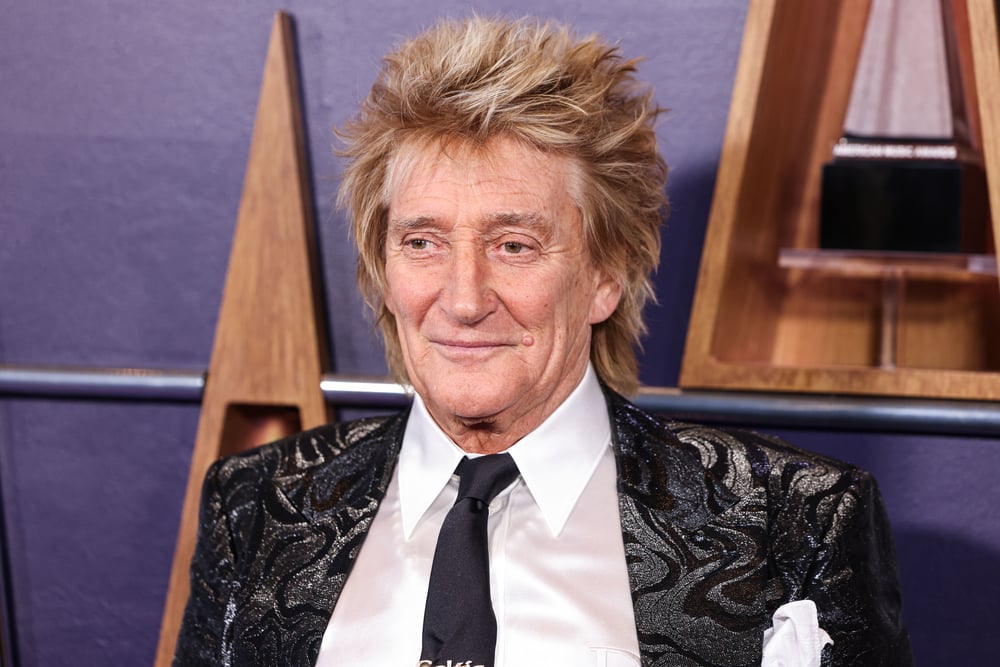
Rod Stewart’s 1976 ballad got censored and banned for its obvious references to a first-time encounter between lovers.
Some stations simply edited out the ending, while others refused to play it entirely because of lines like ‘spread your wings and let me come inside’.
The controversy didn’t stop it from becoming one of Stewart’s biggest hits, spending eight weeks at number one on the Billboard Hot 100.
Will You Still Love Me Tomorrow

The Shirelles made history in 1960 with this song about the morning after an intimate night, becoming the first black female group to hit number one on the charts.
Radio stations banned it for mild content that seems completely tame by modern standards, but it still sold over a million copies.
The song’s success despite the ban showed that audiences were ahead of radio programmers when it came to acceptable topics.
Love Me Two Times

The Doors caused such a stir with this track that Jim Morrison became the first rock star in history to be arrested during a performance.
When he started singing it at a Connecticut radio station in 1967, station management actually called the police on him, leading to charges of incitement to riot and obscenity.
The overreaction seems absurd now, but Morrison’s provocative stage presence combined with the song’s suggestive lyrics was too much for some broadcasters.
Space Oddity
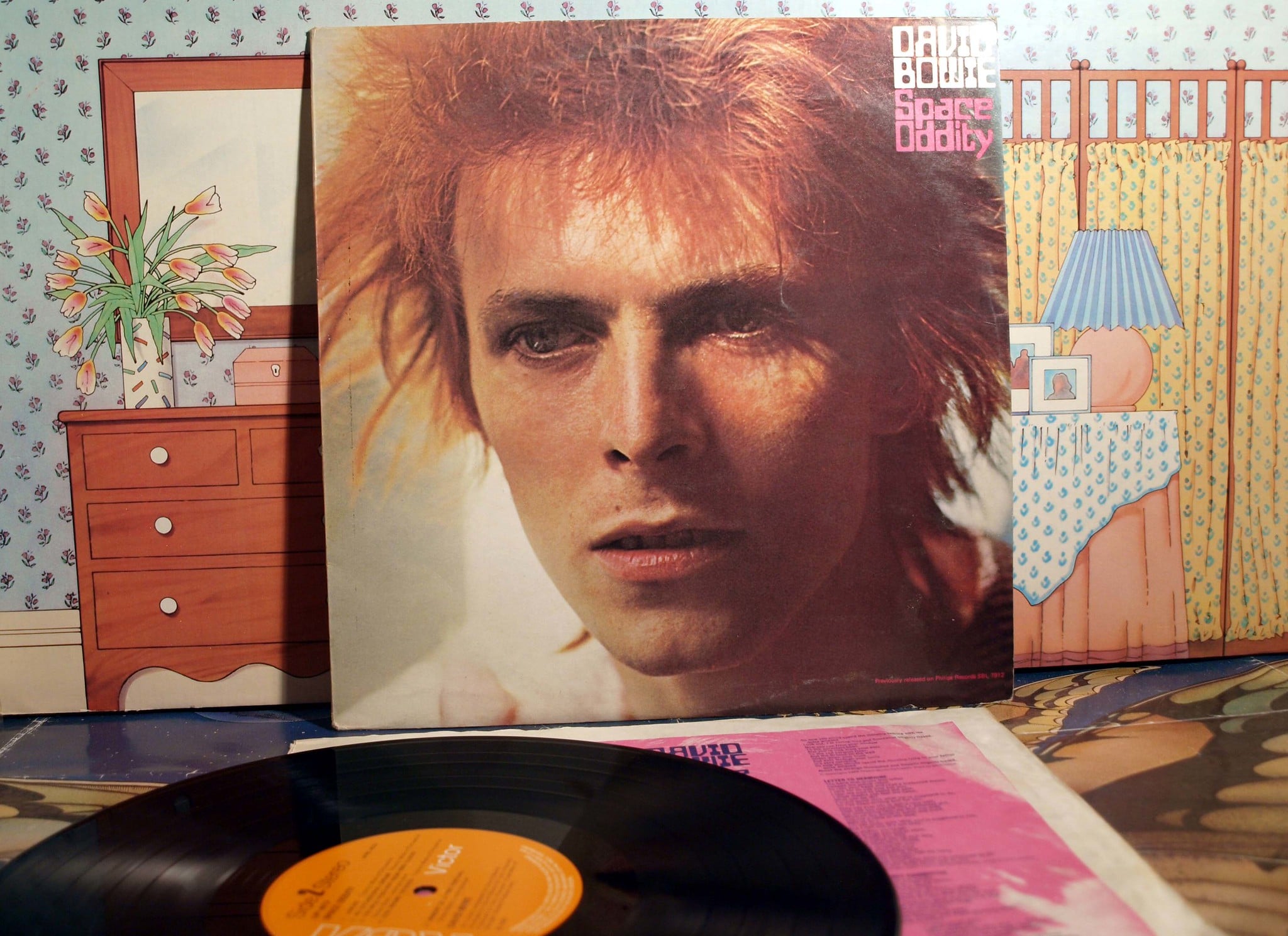
David Bowie’s 1969 single about an astronaut drifting into space faced a BBC ban during the Apollo 11 moon landing mission.
The broadcaster worried that playing a song depicting a tragic fate for an astronaut might be in poor taste while Buzz Aldrin, Neil Armstrong, and Michael Collins were actually traveling to the moon.
Once the astronauts returned safely to Earth, the ban was lifted and the song began gaining traction.
Ebeneezer Goode
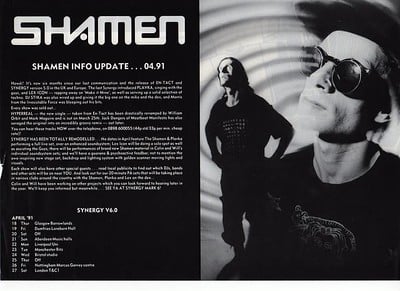
The Shamen’s 1992 rave hit got banned once the BBC realized ‘Eezer Goode’ sounded exactly like ‘E’s are good’, a reference to ecstasy pills.
The song made it to number three on the UK charts before anyone caught on to the wordplay, but once they did, it disappeared from radio playlists immediately.
The whole thing became part of a larger moral panic about acid house culture and drug use in the early 90s rave scene.
Creep
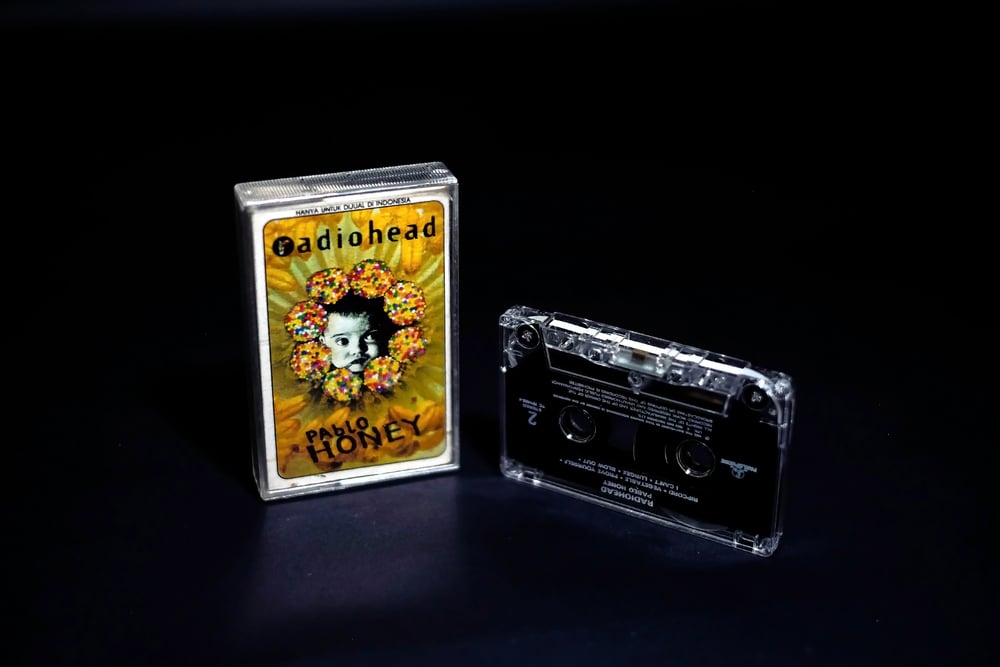
Radiohead recorded a radio-friendly version of their 1993 breakthrough hit after the Broadcasting Standards Council ruled against Radio One for playing the original during daytime hours.
The problem was Thom Yorke’s use of a four-letter expletive in the bridge, which seemed perfectly placed to express the song’s themes of alienation and self-loathing.
The cleaned-up version allowed the song to get more airplay, though many fans prefer the rawness of the original.
My Generation
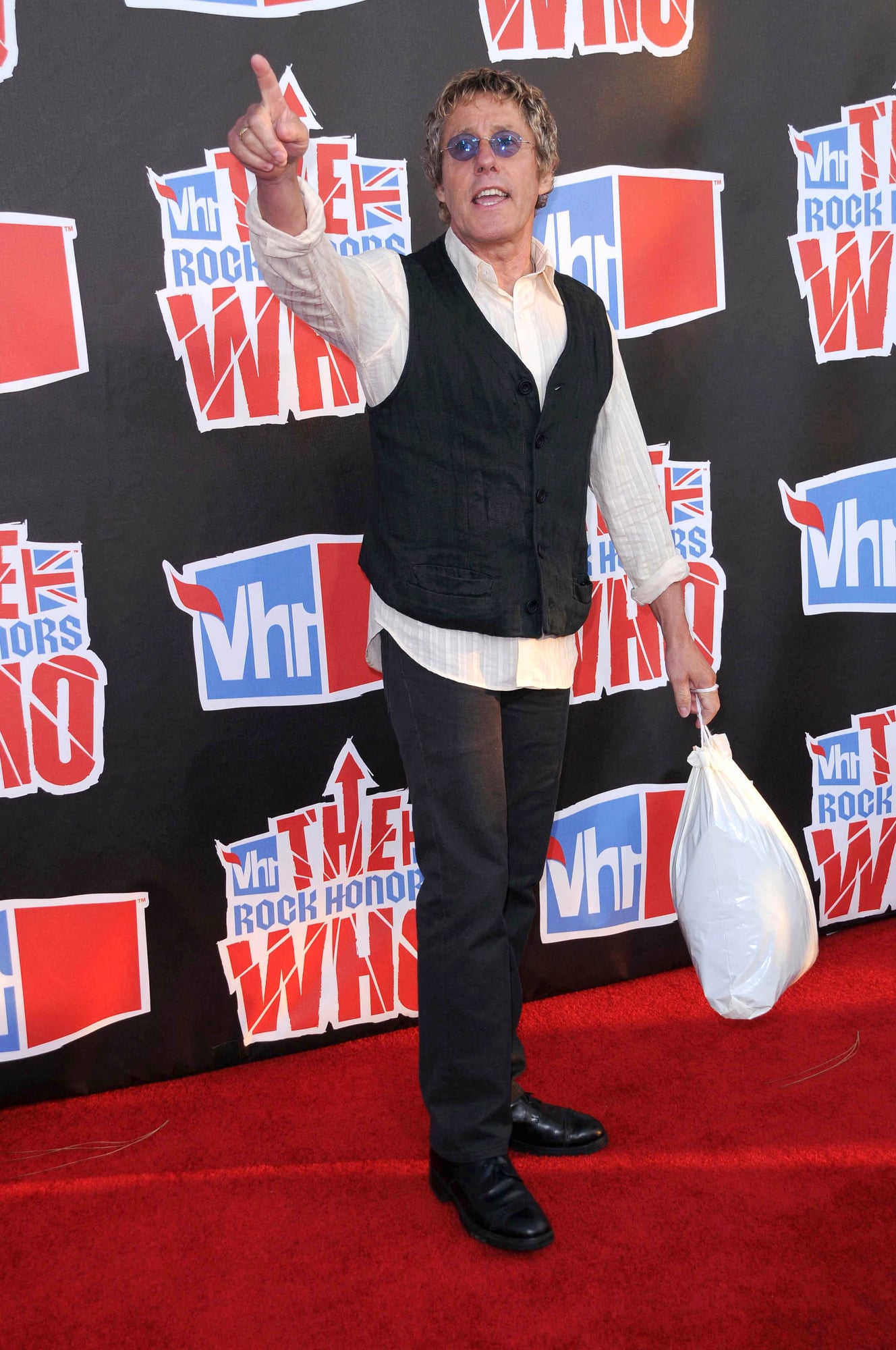
The Who’s 1965 anthem got banned by the BBC not once but twice for different reasons.
Radio programmers initially worried that Roger Daltrey’s stuttering vocals (‘f-f-f-fade away’) might offend people who actually had speech impediments.
The ban seems almost quaint now, especially given that the stuttering was meant to convey youthful frustration and rebellion rather than mock anyone.
When Censorship Creates Legends
The history of banned songs reveals more about the fears and values of each era than about the music itself.
Many tracks that caused moral panic in their time now play freely on oldies stations, their once-controversial content seeming harmless or even innocent to modern ears.
The bans rarely stopped these songs from finding their audiences, and in many cases the controversy only amplified their popularity and cemented their place in music history.
More from Go2Tutors!

- The Romanov Crown Jewels and Their Tragic Fate
- 13 Historical Mysteries That Science Still Can’t Solve
- Famous Hoaxes That Fooled the World for Years
- 15 Child Stars with Tragic Adult Lives
- 16 Famous Jewelry Pieces in History
Like Go2Tutors’s content? Follow us on MSN.