18 Luxury Items That Used To Be Basic Things
It’s wild to think that the sugar you casually sprinkle on your morning cereal once cost more than most people’s yearly income. Or that the aluminum foil in your kitchen drawer was once considered so precious it was reserved for royal ornaments.
Throughout history, what we consider everyday essentials were often the ultimate status symbols, accessible only to the wealthy elite. The transformation from luxury to necessity tells a fascinating story of human progress, technological advancement, and changing economics.
Here is a list of 18 items that were once exclusive luxuries but now fill our homes, kitchens, and daily routines without a second thought.
Salt
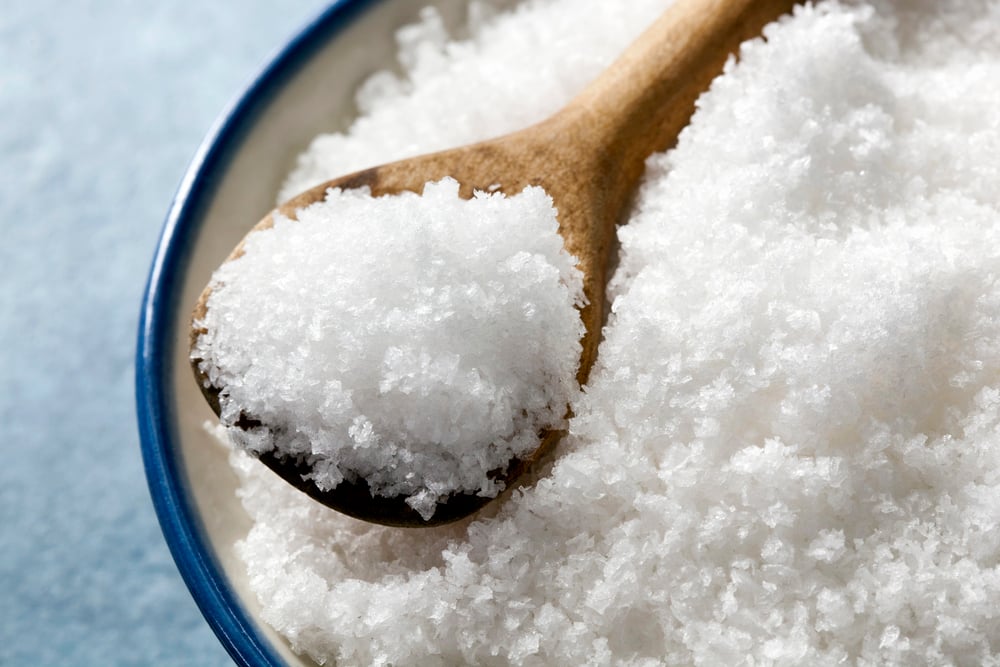
Salt used to be a huge commodity central to civilization, deemed high value for two reasons: its dietary nature and its preservative quality. Ancient civilizations literally built their wealth around salt trade routes.
At one point, salt was even used as ancient currency, giving us the phrase ‘worth his salt’ when describing someone’s value. Today, you probably have several containers of salt sitting in your pantry that cost less than a fancy coffee drink.
Sugar
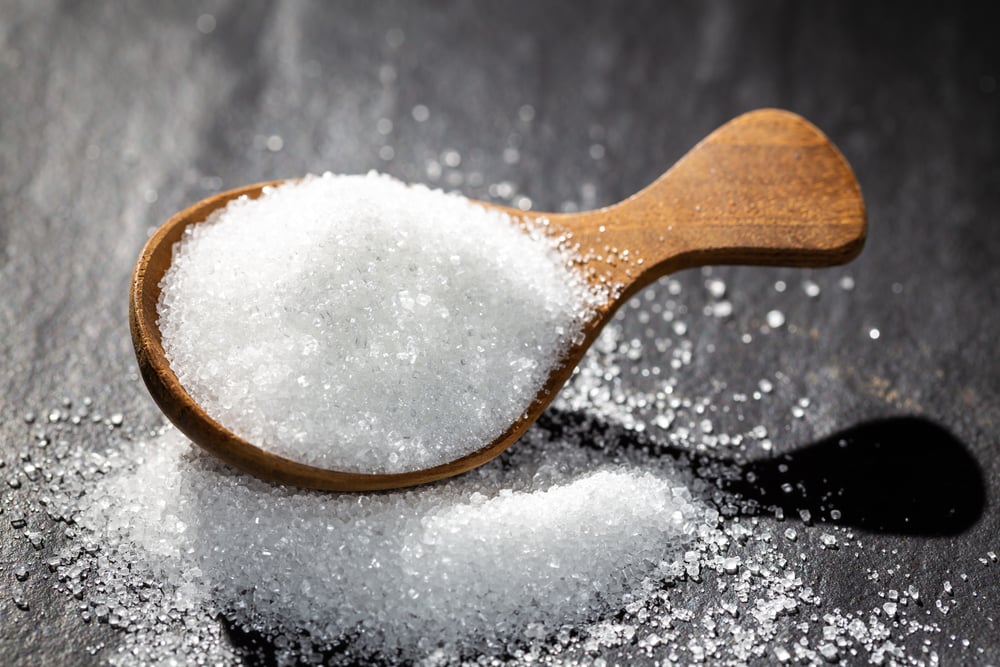
In medieval Europe, sugar was considered a fine spice and was often kept under lock and key along with other precious items. The numbers are staggering: in Britain around 1300, 1 kilogram (about 2.2 pounds) of sugar cost around £350, equal to roughly $457 today.
Even by 1750, Britain’s 120 sugar refineries combined could only produce 30,000 tons per year, keeping prices sky-high. Now sugar is so common that health experts worry about overconsumption.
Chocolate

The Aztecs believed cacao was given to them by their gods and in Aztec culture, cacao beans were considered more valuable than gold. When chocolate first came on the scene in Europe, it was a luxury only the rich could enjoy, served in ornate containers and reserved for special occasions.
The transformation came in 1828 when Dutch chemist Coenraad van Houten discovered how to make powdered chocolate, eventually leading to the mass-produced chocolate bars we grab from checkout aisles today.
Purple Dye

Tyrian purple was expensive: the 4th century BC historian Theopompus reported, ‘Purple for dyes fetched its weight in silver at Colophon’ in Asia Minor. The process was incredibly labor-intensive—twelve thousand snails of Murex brandaris yield no more than 1.4 g of pure dye, enough to colour only the trim of a single garment.
In Elizabethan England, you could be fined or even jailed just for wearing purple, as Queen Elizabeth I reserved purple silk exclusively for royalty. Today, purple fabric costs the same as any other color.
Ice

Before the invention of artificial refrigeration, ice was a luxury item, particularly in warm climates. Wealthy families would have ice shipped from frozen lakes and stored in elaborate ice houses, making cold drinks and ice cream expensive treats.
The ice trade was a massive industry that made fortunes for entrepreneurs who could transport frozen water across continents. Now we take ice for granted, dispensing it freely from our refrigerators.

Cloves were more valuable by weight than gold in Europe into the 18th century. Other spices were similarly valuable.
The spice trade literally shaped world history, driving exploration and colonization as European powers desperately sought direct routes to spice-producing regions. When the fall of Constantinople in 1453 cut off the traditional supply route of spices from South Asia, it triggered the Age of Exploration.
Your spice rack today holds what once motivated Columbus to sail west.
Tea

Tea was initially so expensive in Europe that it was kept in locked chests known as tea caddies. The tea trade eventually became a significant factor in global economics and politics, ultimately playing a role in the American Revolution—most memorably in the Boston Tea Party.
What started as an exotic luxury from China became so integral to British culture that entire wars were fought over it. Today, tea is one of the world’s cheapest beverages.
Coffee
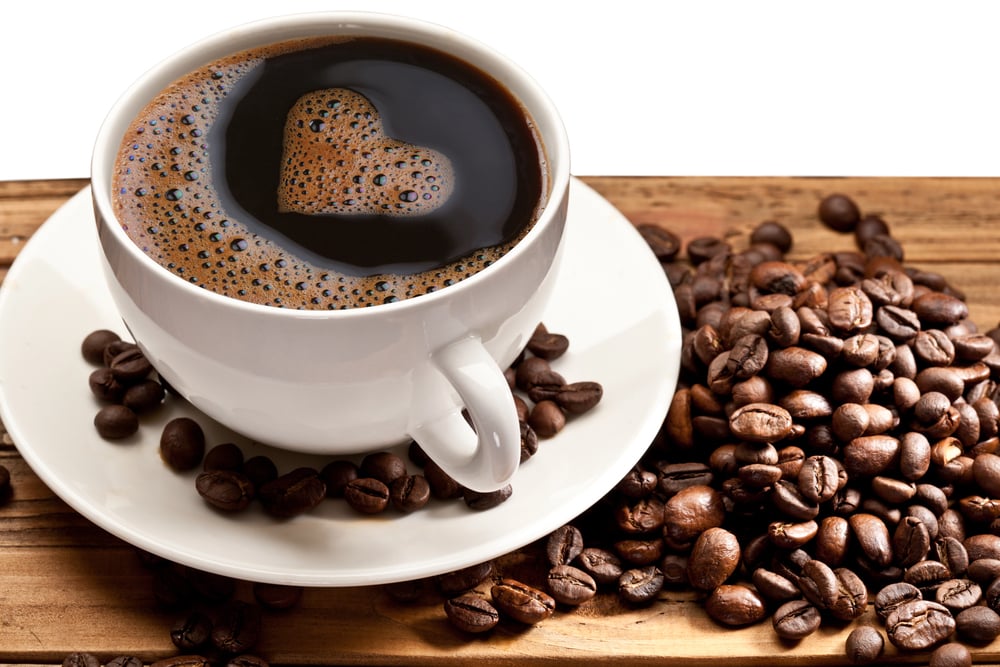
Coffee technically wasn’t even ‘a thing’ until 800 A.D. and was almost impossible to come by for most of human history. Chocolate houses for the wealthy cropped up throughout London, Amsterdam and other European cities, and the same was true for coffee houses.
These establishments were exclusive gathering places for the affluent, where business deals and political discussions happened over expensive imported beverages. Now coffee is so ubiquitous that we complain when it costs more than five dollars.
Aluminum
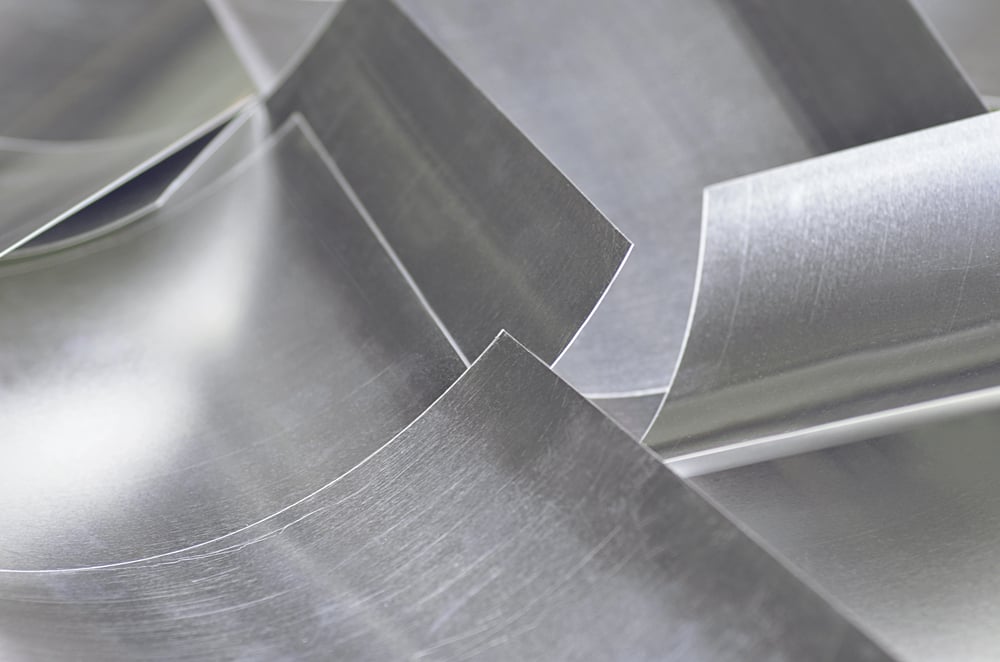
Although aluminum ore wasn’t even discovered until 1821, by the time scientists found out how to extract the metal, aluminum was considered an ‘elite’ material, intended mainly for ornaments and luxury items. Napoleon III famously served his most honored guests with aluminum cutlery while lesser guests made do with gold.
The transformation came when industrial production methods made aluminum incredibly cheap to produce. Today, we literally throw aluminum cans away without thinking twice.
Pineapples

By the 17th and 18th centuries, pineapples had become an exotic luxury in Europe and North America, available to only the wealthiest consumers. In colonial America, a single pineapple could cost the equivalent of thousands of today’s dollars.
Wealthy hosts would even rent pineapples as centerpieces for parties, returning them afterward because they were too valuable to actually eat. The tropical fruit became such a symbol of hospitality and wealth that pineapple motifs decorated everything from architecture to furniture.
Silk

For centuries, silk was literally worth its weight in silver. The Chinese closely guarded the secrets of silk production, and the finest grades of fabrics were considered worthy of the best dyes, with the cost of dyes often far exceeding the cost of the silks they colored.
The Silk Road trade routes existed primarily to transport this precious fabric across continents. Today, synthetic alternatives have made silk-like materials accessible to everyone, though genuine silk remains relatively expensive.
Pencils

When a huge graphite stockpile was found in Borrowdale, England, in 1564, its use became common because it left a darker impression than lead, but its softness and frailty made it difficult to handle without a holder. Early pencils were luxury writing instruments, with graphite being so valuable that it was sometimes stolen from mines.
Nicolas-Jacques Conté invented what is considered the modern pencil in 1795, but mass production didn’t happen until the industrial revolution. Now pencils are so cheap they’re given away as promotional items.
Ballpoint Pens

Ballpoints were somewhat luxury items until December 1950, when Marcel Bich designed something meant for everybody. The first ballpoints in the UK cost around 55 shillings, but a Bic only cost one shilling, and did the same as its expensive counterparts.
Before mass production, a quality writing instrument was a significant investment that people treasured and repaired rather than replaced. Today, we lose pens constantly and barely notice.
White Bread

Believe it or not, white bread was once the ultimate luxury food. Brown bread was considered peasant food because it was made from cheaper, unprocessed grains.
White flour required extensive processing and refining, making white bread expensive and exclusive to the wealthy. The whiter the bread, the higher your social status.
Industrialization completely flipped this dynamic, making white bread cheaper to produce than artisanal whole grain varieties.
Glass Windows

Clear glass windows were once such a luxury that wealthy homeowners would remove them when traveling to prevent theft. Most people made do with oiled paper, cloth, or wooden shutters to cover window openings.
The ability to have transparent barriers that let in light while keeping out weather was revolutionary technology available only to the elite. Window taxes in some countries further reinforced glass as a status symbol.
Today, glass is so cheap that we barely think about the miracle of transparent walls.
Wristwatches
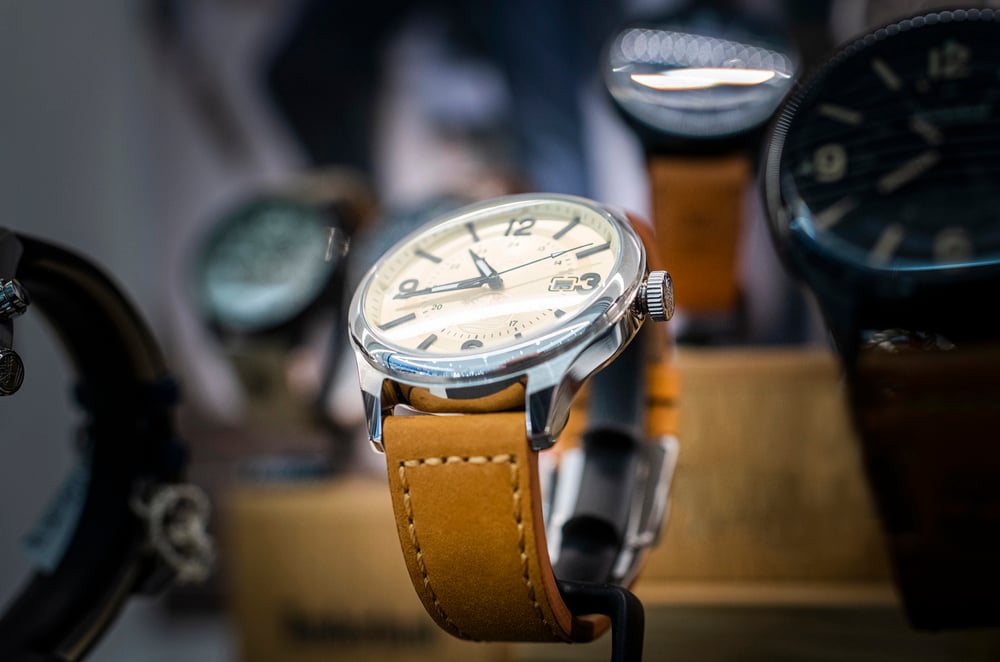
Wristwatches soon became popular among other royals and nobles—the women, anyway. It wasn’t until the late 19th century that modern warfare made the wristwatch commonplace among men.
The Queen of Naples’s unique request had become standard fare, and today’s entire $101 billion watch market has her to thank. Before mass production, owning a personal timepiece was a significant luxury.
Pocket watches were family heirlooms passed down through generations. Now we carry more accurate timekeeping in our phones than royalty could have imagined.
Refrigeration

Keeping food cold year-round was once an expensive luxury requiring ice houses, servants, and elaborate preservation systems. Wealthy families invested in underground storage chambers and paid premium prices for ice delivery services.
The ability to preserve fresh food for extended periods was a game-changer that only the affluent could afford. Electric refrigeration revolutionized this completely, making food preservation a basic household appliance rather than a status symbol.
Toilet Paper
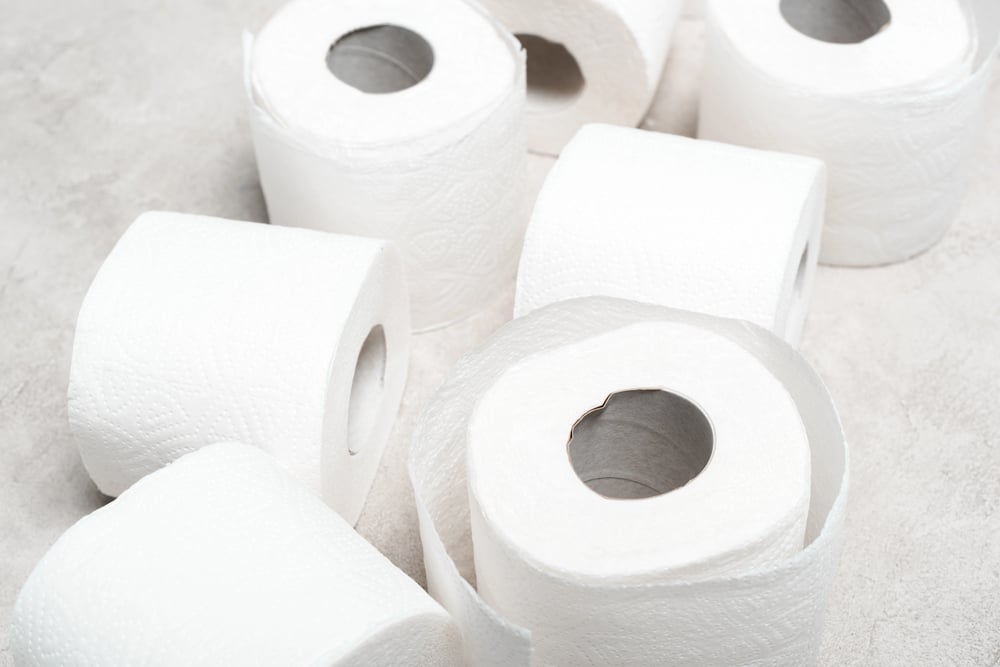
Before mass production, soft, purpose-made toilet paper was a luxury item. Most people used whatever was available—leaves, corn cobs, newspapers, or catalog pages.
The wealthy could afford specially made soft papers, while everyone else made do with rougher alternatives. The Victorians finally commercialized toilet paper, but it remained expensive until industrial production brought costs down.
Now we consider soft, multi-ply toilet paper a basic necessity rather than a luxury.
From Scarcity to Abundance
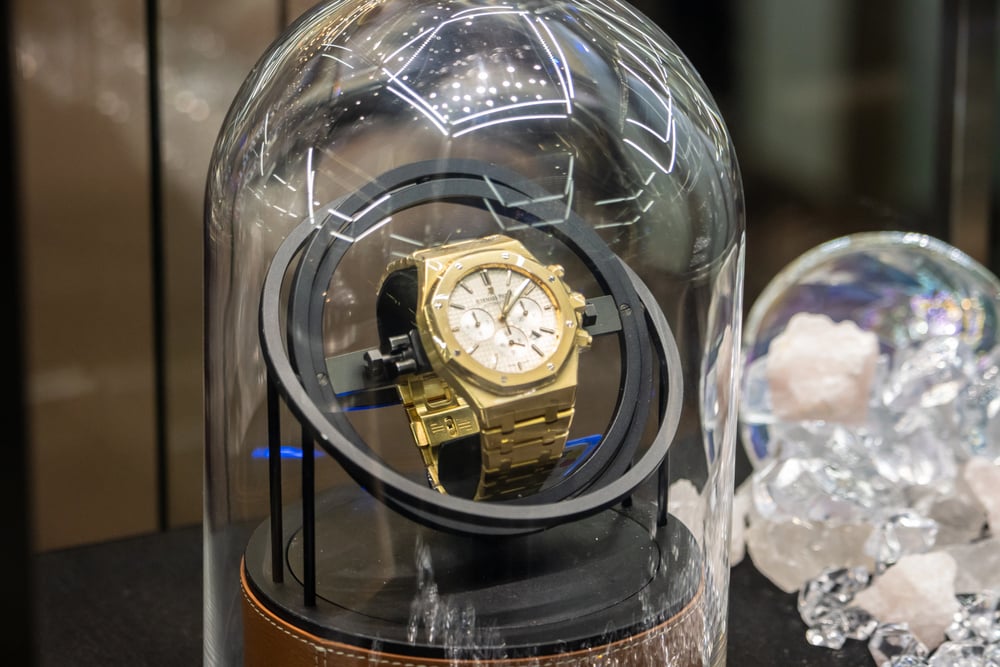
The story of these everyday luxuries reveals how dramatically our world has changed. What once required the wealth of kingdoms now sits in every home, forgotten in drawers and cabinets.
Mass production, global trade, and technological innovation transformed exclusive treasures into mundane necessities. The aluminum that once graced Napoleon’s table now wraps our leftovers, and the spices that launched a thousand ships season our Tuesday night dinner.
It’s a reminder that today’s luxuries might be tomorrow’s basics, and the things we take for granted once represented the height of human achievement and aspiration.
More from Go2Tutors!

- The Romanov Crown Jewels and Their Tragic Fate
- 13 Historical Mysteries That Science Still Can’t Solve
- Famous Hoaxes That Fooled the World for Years
- 15 Child Stars with Tragic Adult Lives
- 16 Famous Jewelry Pieces in History
Like Go2Tutors’s content? Follow us on MSN.