Misunderstood Famous Historical Figures
History has a funny way of getting things wrong. Sometimes a ruler’s enemies write the story, sometimes Hollywood takes creative liberties, and sometimes a catchy myth just sticks better than the truth.
The result is that many famous figures from the past carry reputations that don’t quite match reality. Here is a list of 14 misunderstood famous historical figures whose real stories might surprise you.
Cleopatra

Most people picture Cleopatra as an Egyptian seductress whose main claim to fame was charming Julius Caesar and Mark Antony, but she was actually the last Pharaoh of ancient Egypt who ruled an entire empire with impressive political skill. She wasn’t even Egyptian—she was Greek, descended from the Ptolemaic dynasty, though she did speak Egyptian along with up to a dozen other languages.
Her captivating personality and education in mathematics, philosophy, and astronomy made her a formidable leader, yet history often reduces her to her appearance and romantic relationships.
Marie Antoinette

The famous phrase ‘Let them eat cake’ was never uttered by Marie Antoinette but was actually attributed to Marie Thérèse, wife of Louis XIV, who reigned more than 75 years earlier. Revolutionaries used this misattribution to paint her as an uncaring, out-of-touch queen who lived in extravagance while peasants starved, fitting their agenda to justify overthrowing the monarchy.
The quote became a convenient tool for propaganda, and it stuck to her reputation ever since.
Like Go2Tutors’s content? Follow us on MSN.
Richard III
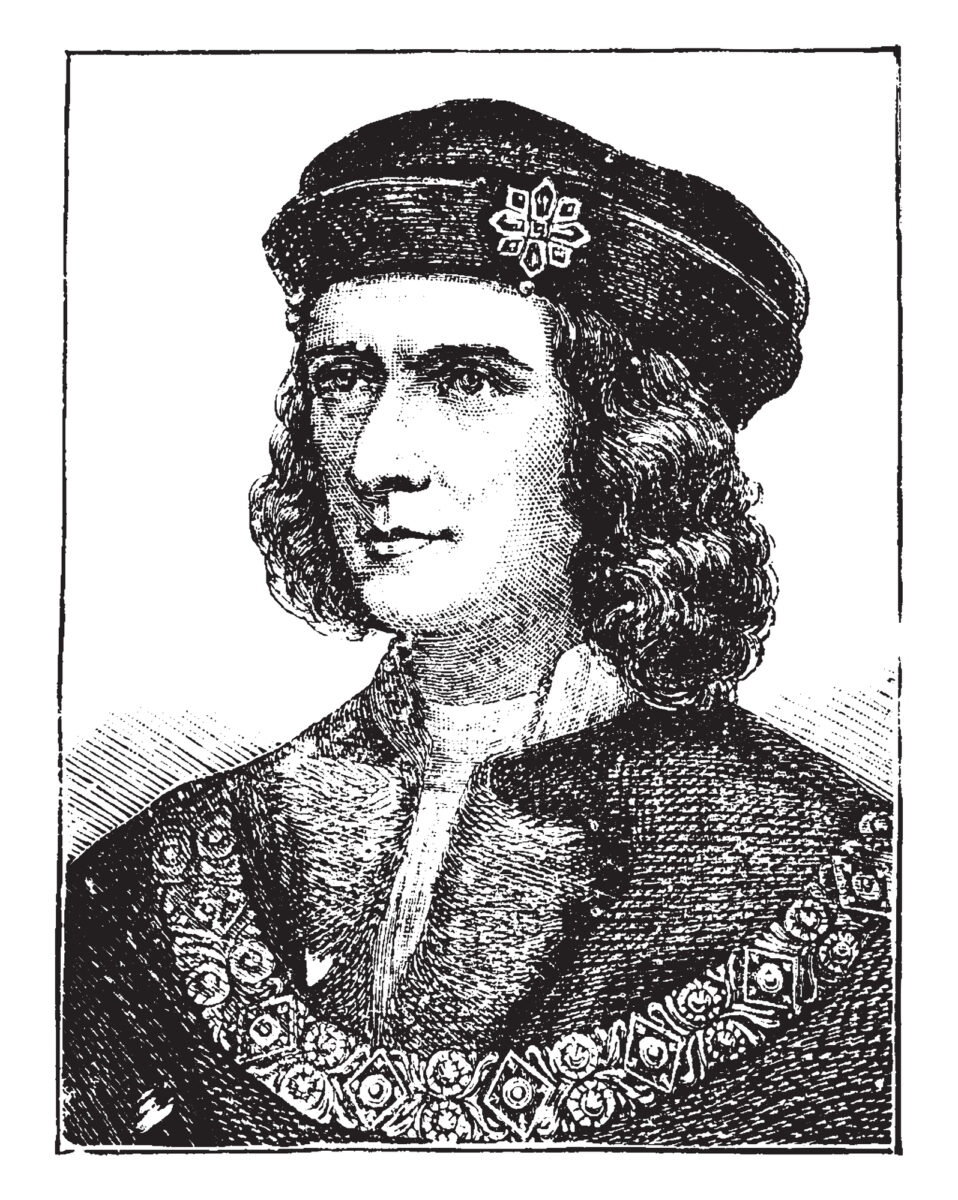
Shakespeare’s portrayal of Richard III as a murderous, hunchbacked tyrant was largely the product of Tudor propaganda designed to legitimize Henry VII’s weak claim to the throne. No portrait made during his lifetime or contemporary account suggested he was physically malformed, and there’s no conclusive evidence he committed the many murders attributed to him.
The 2012 discovery of his skeletal remains proved he had scoliosis but wasn’t the twisted villain of Tudor myth. His actual reign featured progressive laws and fair administration that earned him respect from his subjects.
Pocahontas

Thanks to Disney, Pocahontas became one of the world’s most misunderstood historical figures—she was born in 1596 with the name Ammonite and didn’t betray her family to join the European settlers. She occasionally brought food to ease tensions between her people and the colonizers and worked to create peace, but was later imprisoned by Europeans and converted to Christianity.
Contrary to popular belief, she never married John Smith but instead wed a farmer named John Rolfe before dying from illness in 1617.
Napoleon Bonaparte

At five feet five inches, Napoleon Bonaparte was actually above average height for French men of his era, making the Napoleon complex named after him based on a misconception. British propaganda during the Napoleonic Wars deliberately portrayed him as short to mock and diminish him.
The confusion also stemmed from differences between French and English measurement systems at the time, which created the illusion of a much shorter stature than reality.
Like Go2Tutors’s content? Follow us on MSN.
Vincent van Gogh
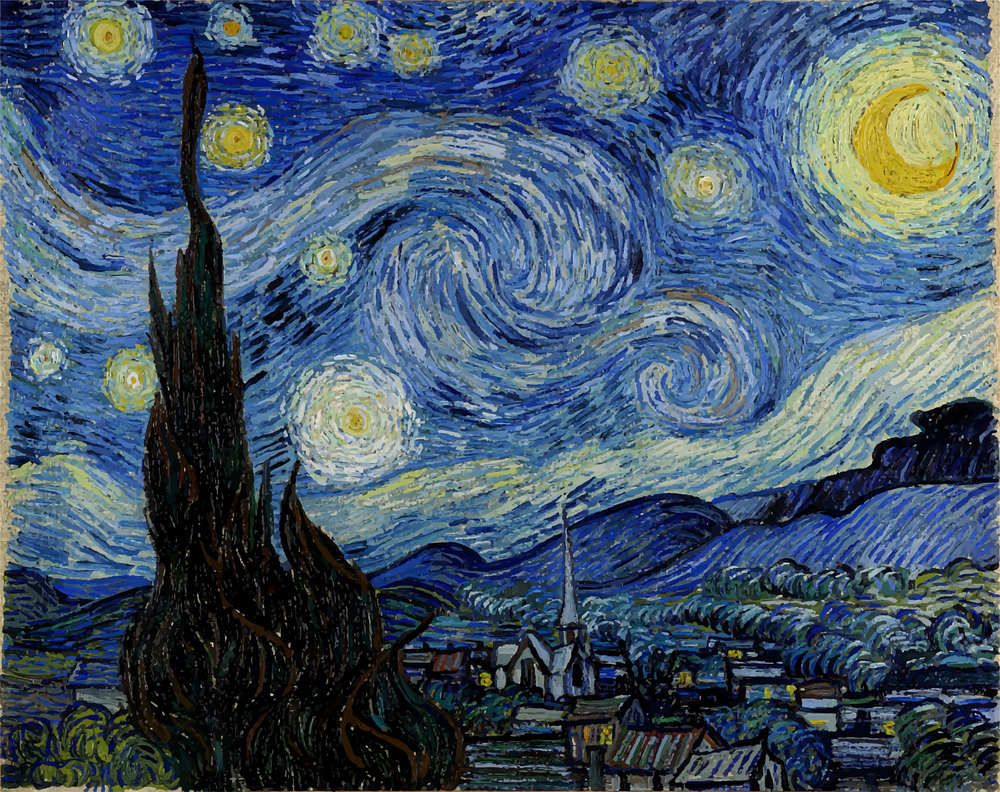
Van Gogh fits the tortured artist persona and suffered from depression while living in poverty as an unknown artist during his lifetime, creating more than 2,000 paintings but selling only one before his death. His mental health struggles and the ear-cutting incident have overshadowed his genius and revolutionary artistic vision.
Today his works sell for millions, but during his life he was dismissed and misunderstood by the art establishment.
Christopher Columbus
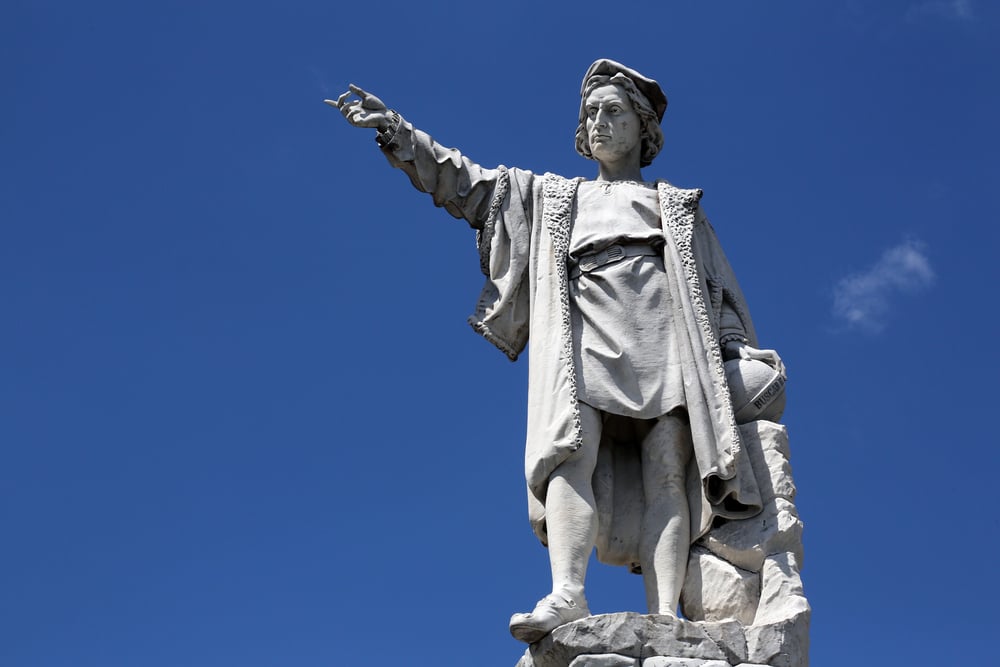
Columbus wasn’t kind to the natives he encountered, seizing many and forcing them into enslavement, and had great difficulty finding support for his journey after being rejected by Portugal, England, and France.
His efforts weren’t hampered by belief in a flat Earth but by valid concerns that the East Indies were farther than he realized—he grossly underestimated Earth’s circumference due to calculation errors. Columbus wasn’t even the first European to visit the Americas, as Leif Erikson and possibly other Vikings had explored Vinland centuries earlier.
Alexander Graham Bell
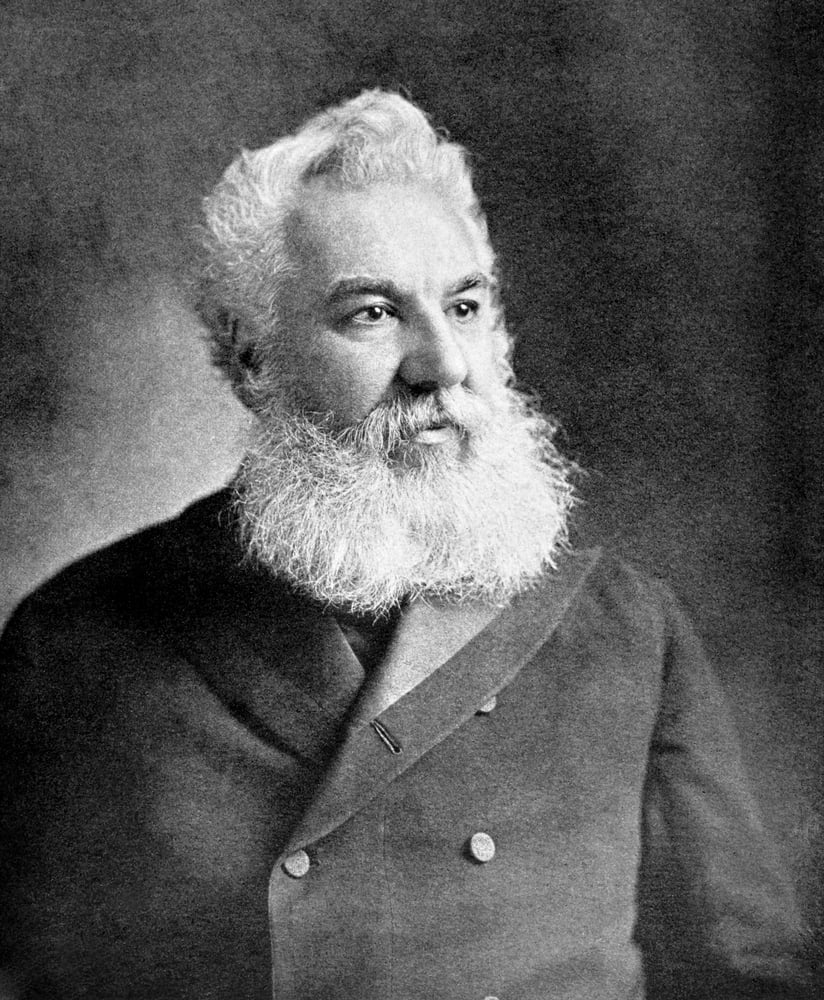
The recognized inventor of the telephone is actually a fraud—an Italian named Antonio Meucci invented a functioning telephone five years before Bell and filed a patent caveat, but couldn’t afford the official patent. As the story goes, Bell stole the invention right from under Meucci’s nose.
This misattribution has persisted in history books despite evidence of Meucci’s prior work, giving Bell credit that rightfully belonged to someone else.
Like Go2Tutors’s content? Follow us on MSN.
Vlad the Impaler
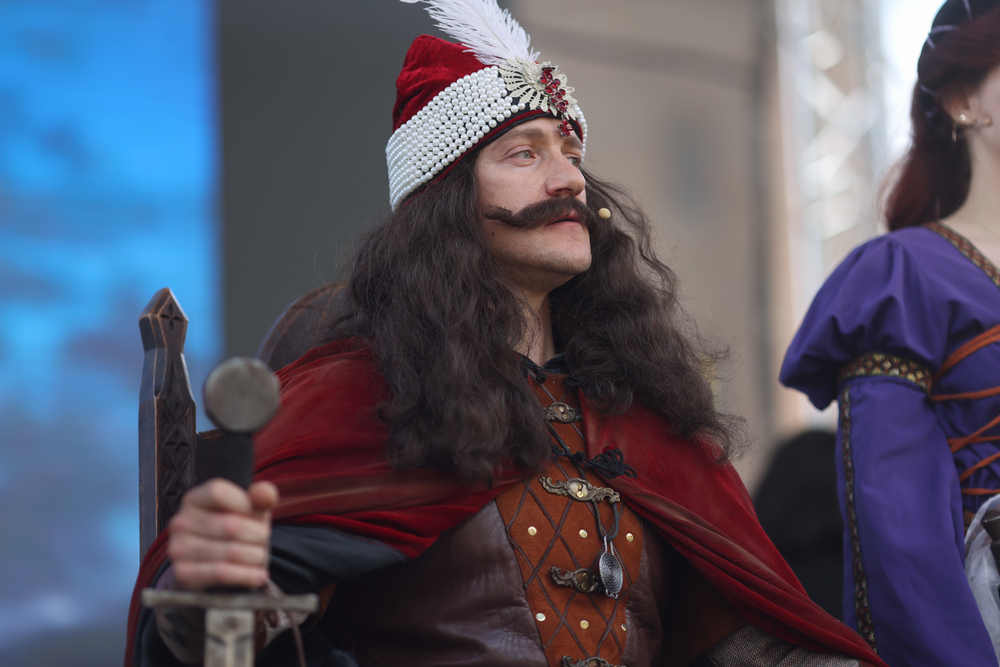
Vlad III was one of the most feared rulers in Eastern Europe during the 15th century, and while his reputation for extreme cruelty is partially deserved, he’s regarded as a national hero in Romania for defending the region against Ottoman expansion. His ruthless methods were often politically motivated and systematic rather than purely sadistic, shaped by his traumatic youth as a hostage in the Ottoman Empire.
His brutality served as psychological warfare, and the famous forest of impaled Turkish soldiers that horrified Mehmed II was a calculated military tactic that successfully repelled invasion.
Genghis Khan

While Genghis Khan’s reputation for ruthlessness is well-earned, his violence was strategic and expansionist rather than purely bloodthirsty, and his early life hardship shaped his relentless ambition. He promoted religious tolerance and established a writing script for Mongolians, showing progressive leadership qualities often overlooked.
His terror tactics functioned as psychological weapons to maintain control across vast territories, and his legacy includes administrative innovations that held his empire together.
Ulysses S. Grant
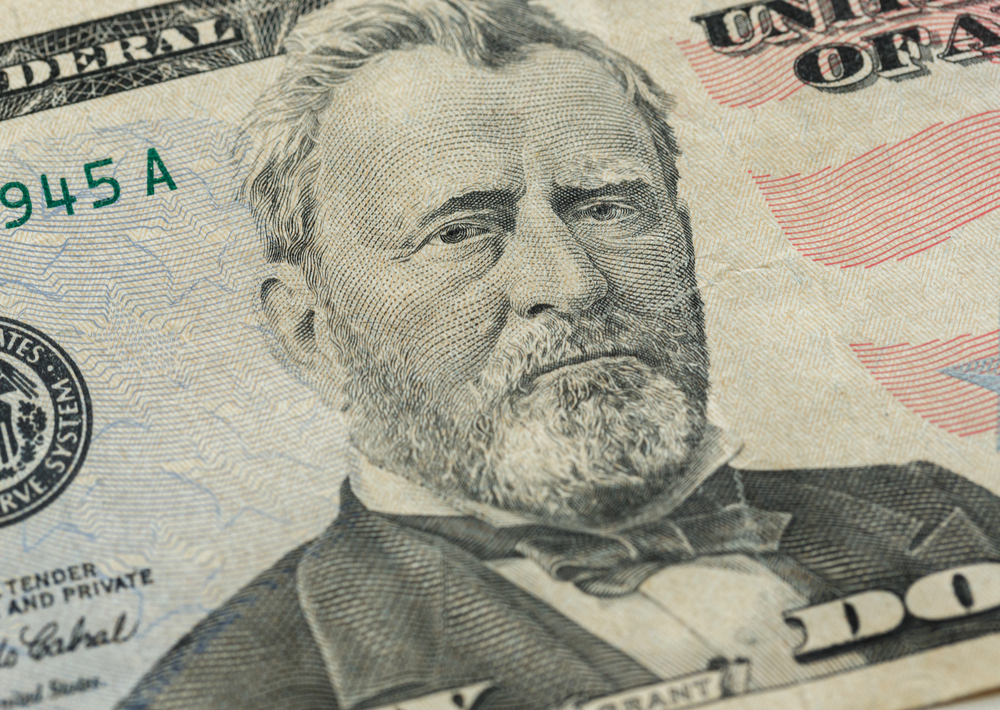
Despite the adoration Grant enjoyed during the Civil War, corruption and scandals during his presidency have forever marked historical records, with accusations of being an alcoholic and anti-Semite. Historians are now uncovering more details suggesting the charges were inflated, and Grant apparently didn’t have a close relationship with alcohol as previously claimed.
His military genius became overshadowed by political missteps and the corruption of those around him rather than his own wrongdoing.
Like Go2Tutors’s content? Follow us on MSN.
Confucius

Confucius is typically regarded as a religious figure, but the founder of Chinese philosophy actually had nothing to do with religion—Confucianism was based on typical Chinese beliefs and morals like family respect and rights of others. While many associate these morals with religions, Confucianism is known as a philosophy with no deity involved.
This misunderstanding has led many Westerners to incorrectly categorize his teachings as a faith system rather than an ethical framework.
Pontius Pilate
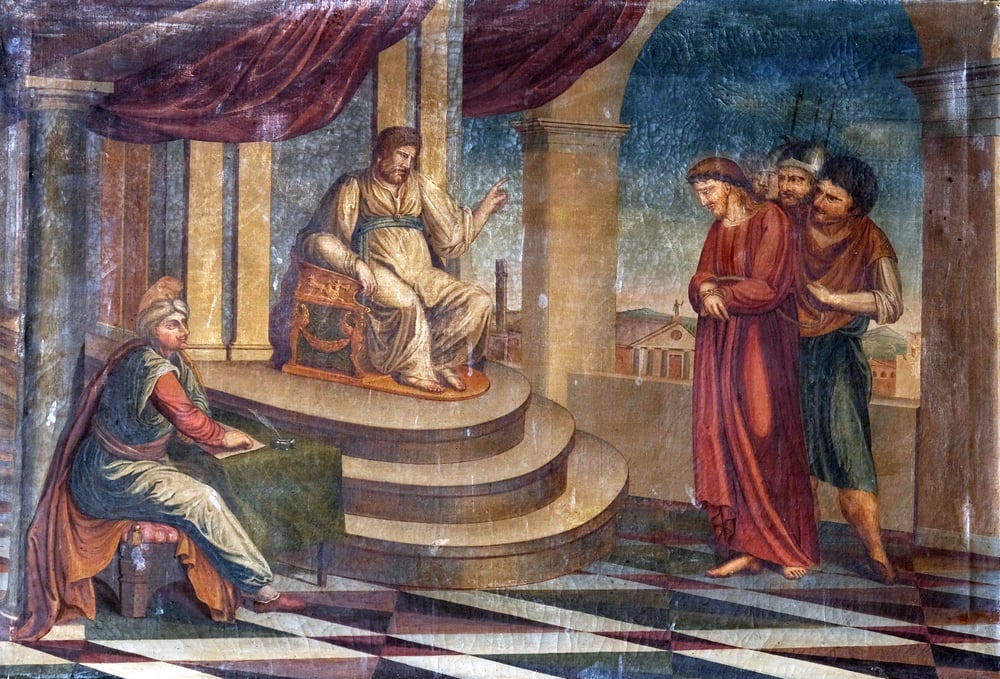
The prefect of Judea from 26 to 36 A.D. is blamed by many Christians for executing the son of God, but he actually did everything in his power to prevent it. Because he wasn’t convinced Jesus Christ was guilty of crimes against Rome or his own people, Pilate allowed people to choose which convict would be released: Barabbas or Jesus.
His attempt at finding a peaceful solution backfired, making him the scapegoat for a decision the crowd ultimately made.
Che Guevara

The charismatic Marxist revolutionary who helped overthrow the Cuban government with the Castro brothers is often seen as just a romantic freedom fighter. His image on t-shirts and posters has transformed him into a commercialized icon divorced from the complexity and controversies of his actual revolutionary activities.
The reality includes his role in executions and harsh policies that don’t fit the sanitized rebel hero image popular culture has created.
Like Go2Tutors’s content? Follow us on MSN.
From Myth to Reality

The gap between historical figures and their reputations reveals how easily truth becomes distorted over time. Whether through deliberate propaganda, cultural misunderstanding, or simple storytelling convenience, these fourteen individuals remind us that history is rarely as straightforward as it seems.
The real people behind the legends were far more complex and interesting than the simplified versions we inherited.
More from Go2Tutors!

- 16 Historical Figures Who Were Nothing Like You Think
- 12 Things Sold in the 80s That Are Now Illegal
- 15 VHS Tapes That Could Be Worth Thousands
- 17 Historical “What Ifs” That Would Have Changed Everything
- 18 TV Shows That Vanished Without a Finale
Like Go2Tutors’s content? Follow us on MSN.