16 World Heritage Sites Located in Germany
Among European nations, Germany holds a notable count of UNESCO World Heritage locations – proof of deep roots shaped by faith, commerce, creativity, and manufacturing. Not just towers or places of worship make the list.
Whole regions appear, along with old factory zones, even neighborhoods built for living. What stands out? Variety defines them more than age does.
What grabs attention first? The wild mix found across these spots. Some stand tall and bold, others sit quietly – each telling an old story in its own way.
Peek at 16 of these historic spots, spread out through the land.
Aachen Cathedral
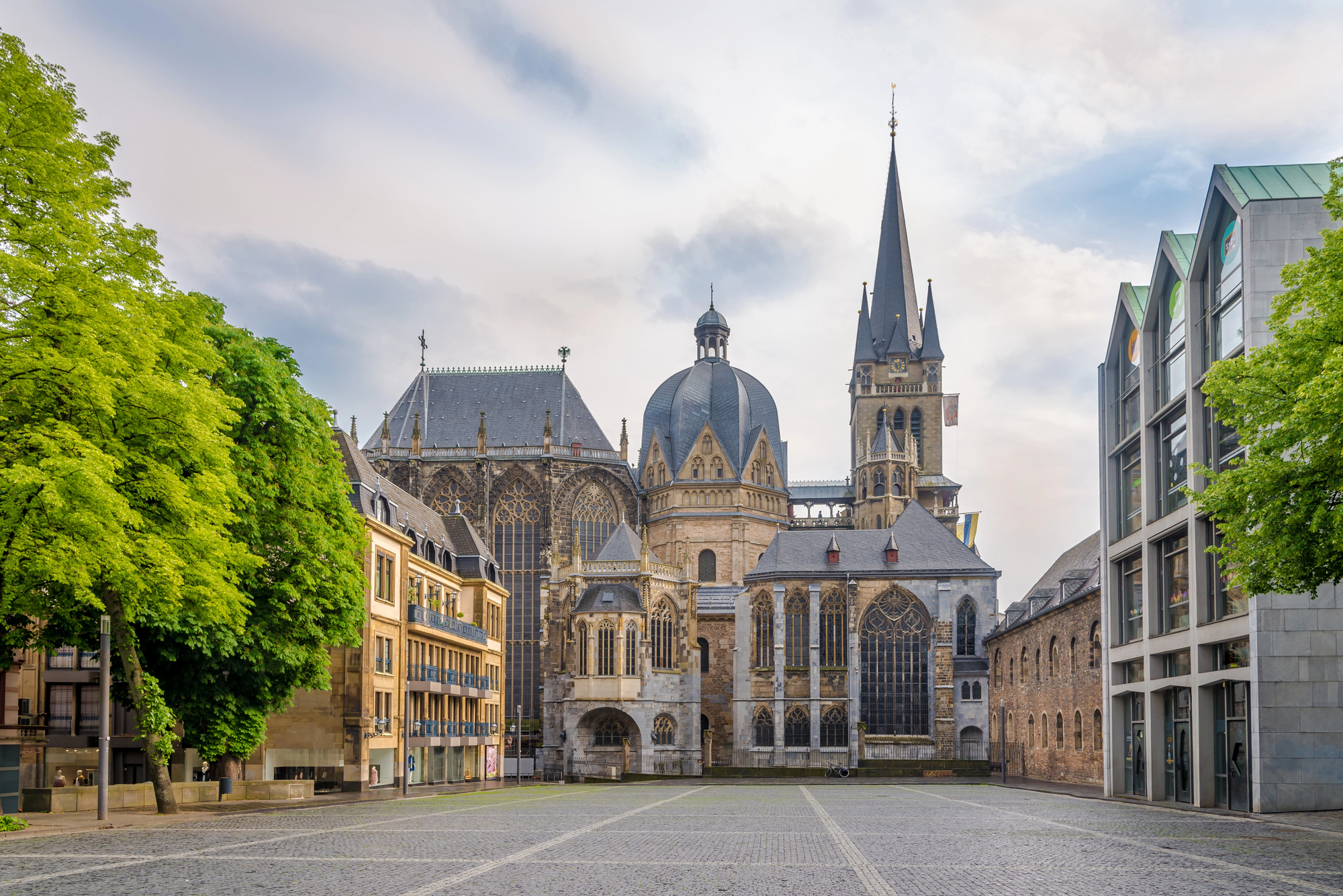
Aachen Cathedral is one of the oldest cathedrals in northern Europe, with construction beginning in the late 8th century under Charlemagne. For centuries, it served as the coronation site for German kings, giving it both religious and political significance.
Its architecture blends classical, Byzantine, and Gothic elements, reflecting how it evolved over time. Rather than feeling uniform, the cathedral reads like a timeline, with each addition marking a different era.
Cologne Cathedral
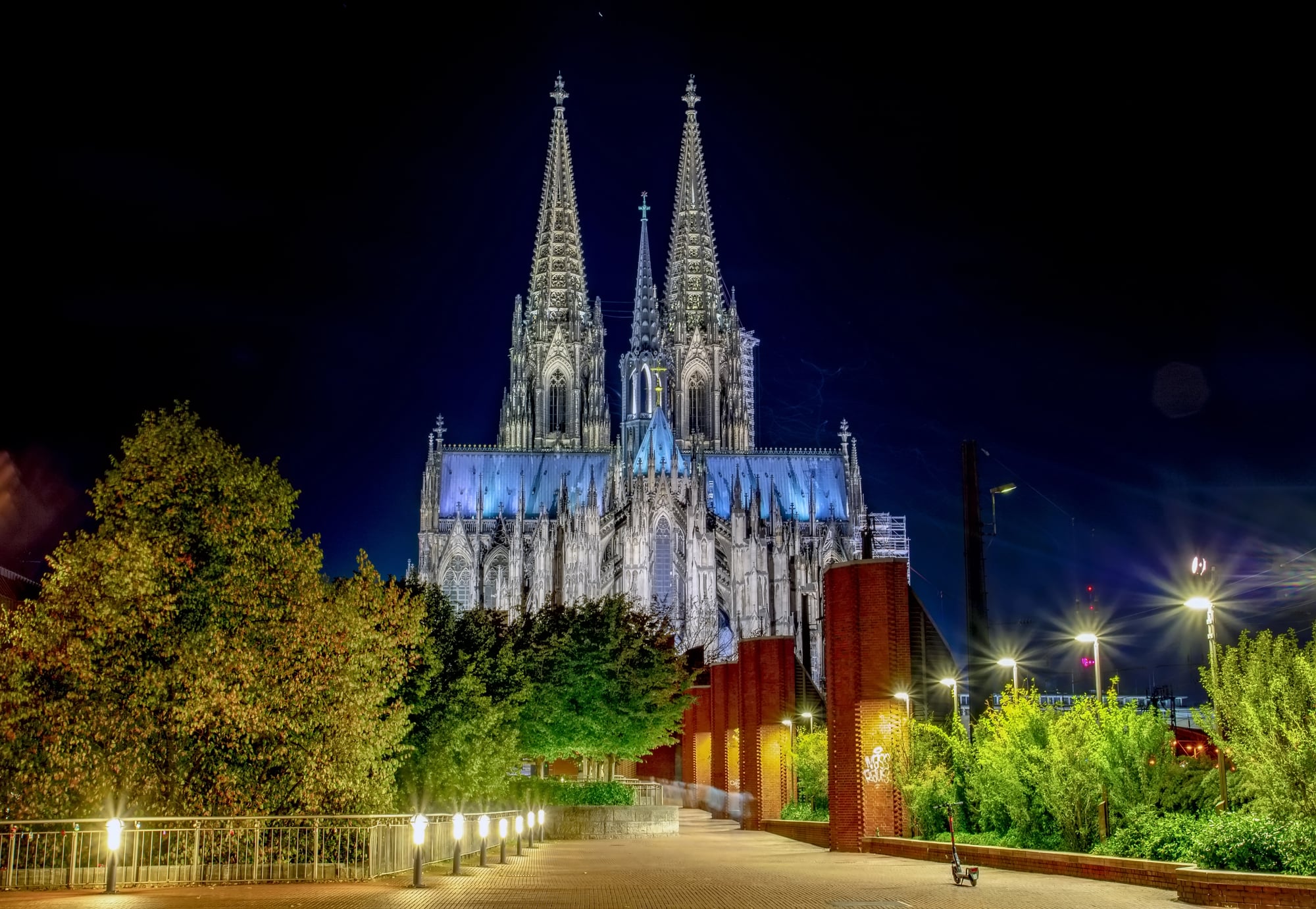
Cologne Cathedral stands as one of the most iconic examples of Gothic architecture in Europe. Construction began in the 13th century but wasn’t completed until the 19th, creating a structure that spans generations of design and craftsmanship.
Even after sustaining damage during World War II, it was carefully restored. Today, it remains a symbol of endurance and continuity, towering over the city with unmistakable presence.
Museum Island, Berlin
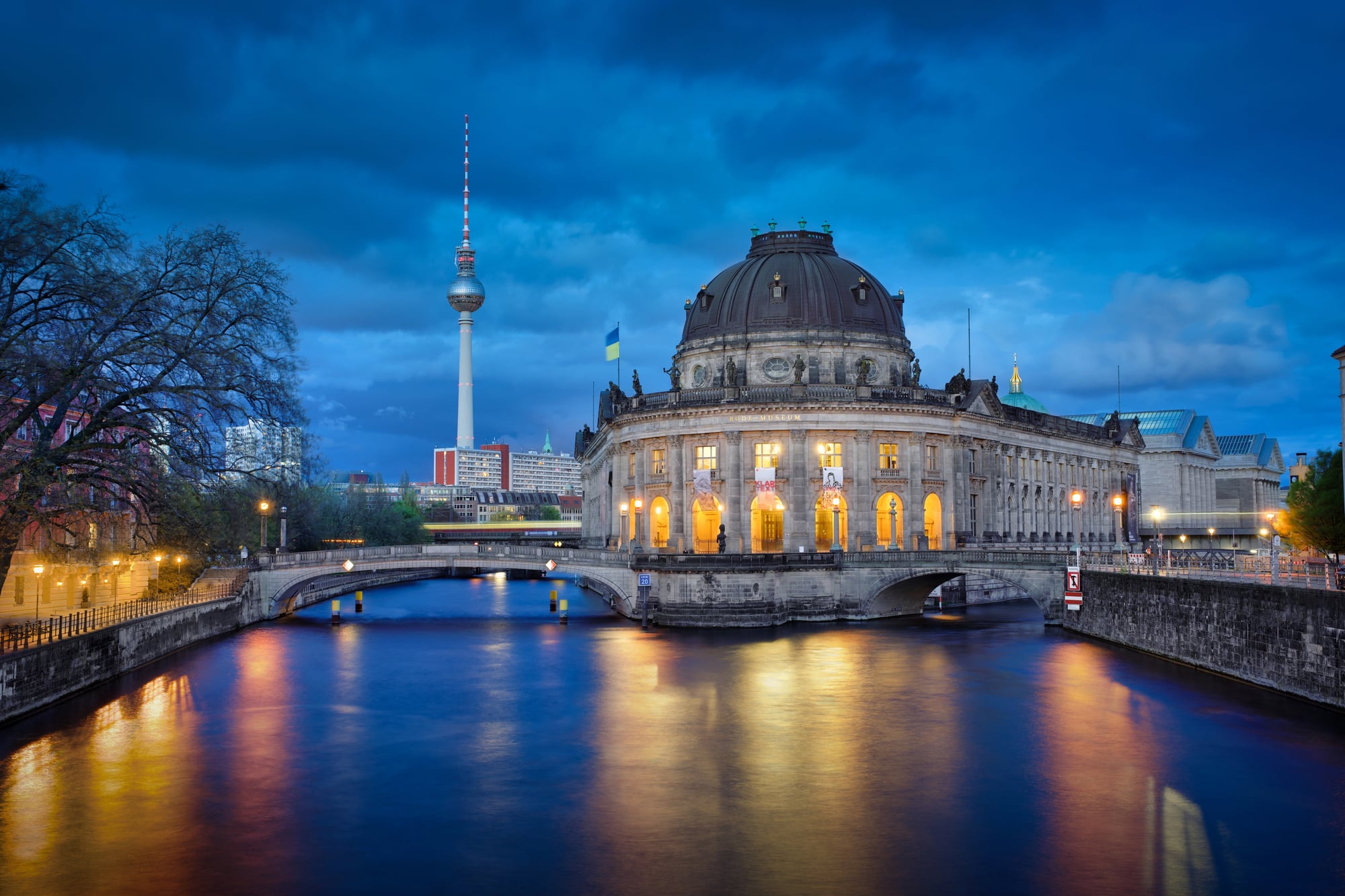
Museum Island is a unique cultural complex made up of five major museums built between the 19th and early 20th centuries. Located in the Spree River, it was designed as a unified space dedicated to art and archaeology.
Each museum reflects a different approach to displaying history, yet together they form a cohesive whole. The site captures how cultural preservation evolved over time, shaping how people engage with the past.
Neuschwanstein Castle
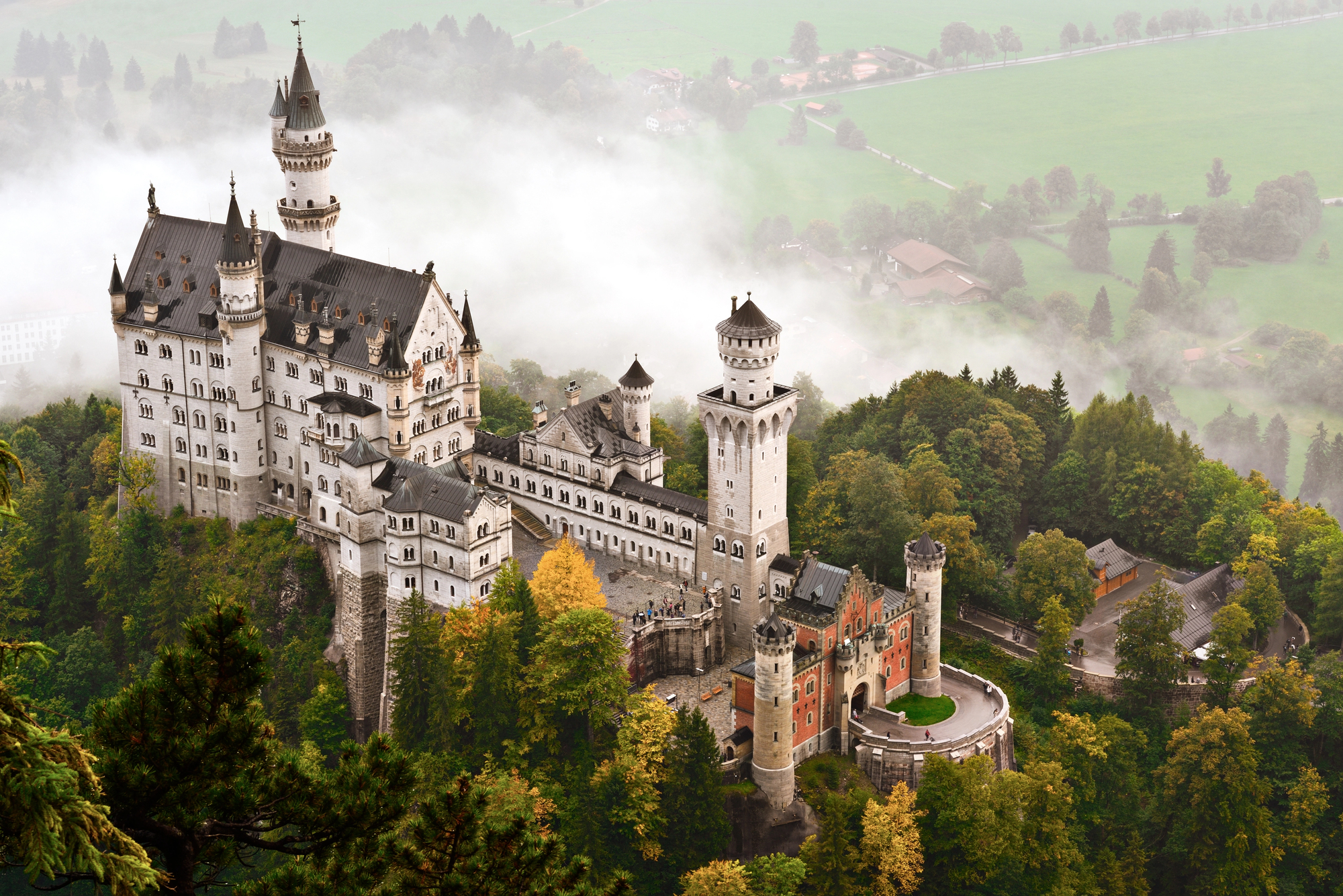
Neuschwanstein Castle is often associated with fairy-tale imagery, perched dramatically in the Bavarian Alps. Built in the 19th century by King Ludwig II, it reflects a romantic vision of medieval architecture rather than an authentic one.
Despite its relatively recent construction, the castle has had a lasting cultural impact. Its imaginative design has influenced how castles are perceived in popular culture.
Bamberg Old Town
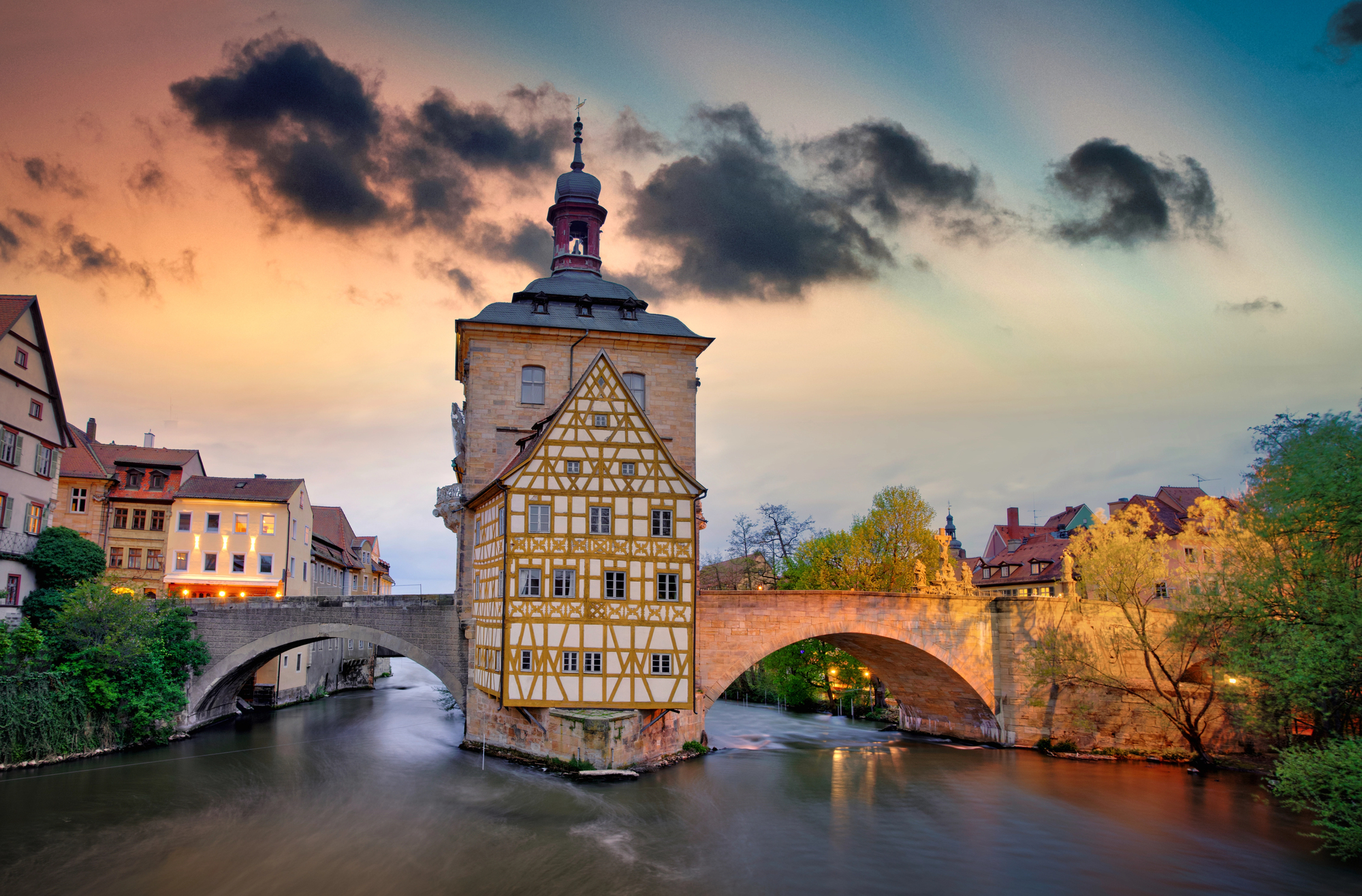
Bamberg’s old town is one of the best-preserved medieval urban areas in Europe. Unlike many historic cities, it escaped widespread destruction during World War II, allowing its original layout to remain largely intact.
Its narrow streets, historic buildings, and riverfront setting create a sense of continuity. The city feels less like a reconstruction and more like a living piece of the past.
Würzburg Residence
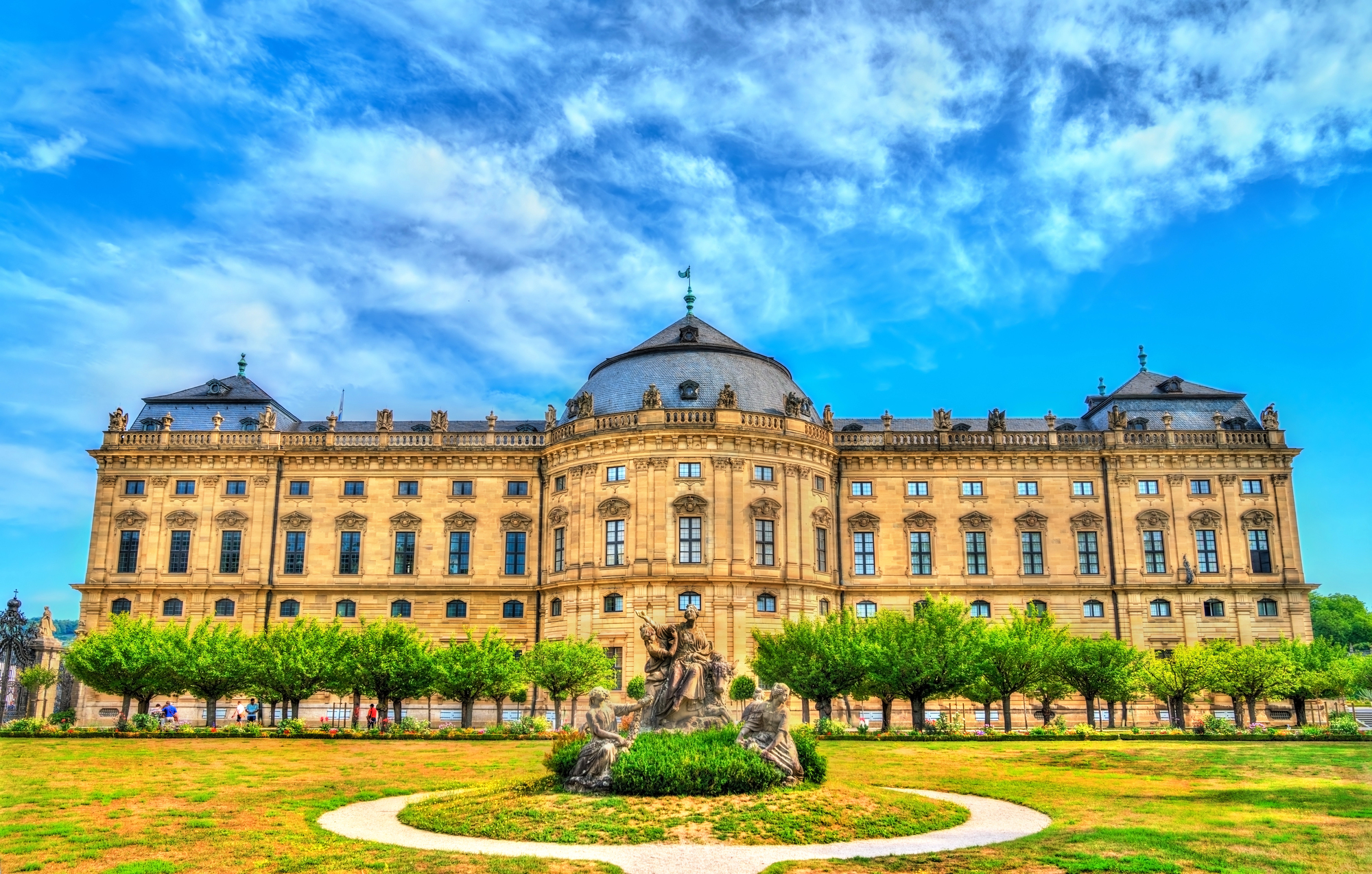
The Würzburg Residence is considered one of the finest examples of Baroque architecture in Europe. Built in the 18th century, it was designed to showcase power, wealth, and artistic achievement.
Its interiors are particularly notable, featuring elaborate frescoes and grand staircases. The building reflects a period when architecture was used to make a clear statement about influence and status.
Speyer Cathedral
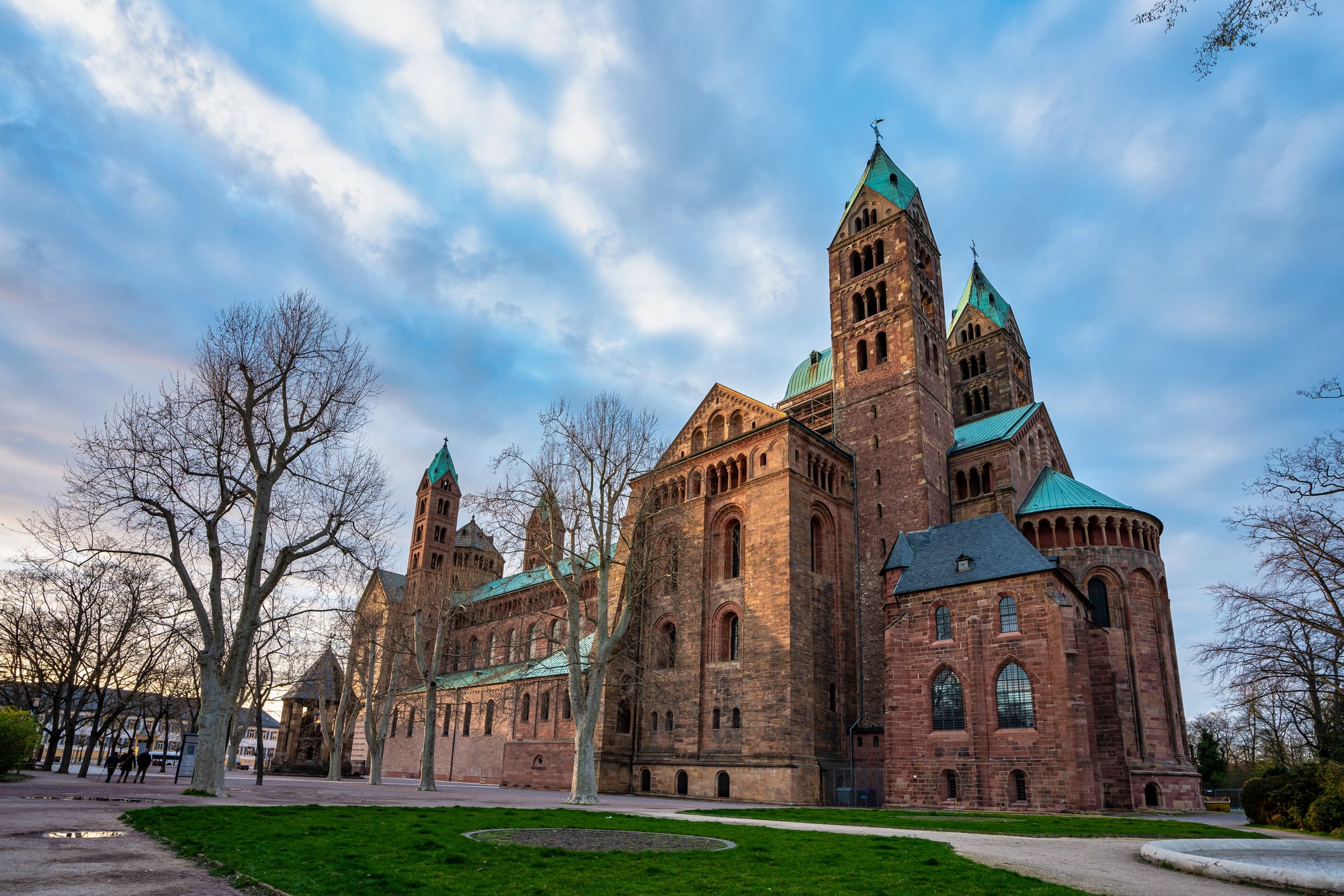
Speyer Cathedral is one of the largest and most important Romanesque churches in Europe. Constructed in the 11th century, it set a standard for church architecture that influenced many later structures.
Its design emphasizes balance and clarity rather than ornamentation. This simplicity gives the cathedral a sense of quiet strength that has endured for centuries.
Wartburg Castle
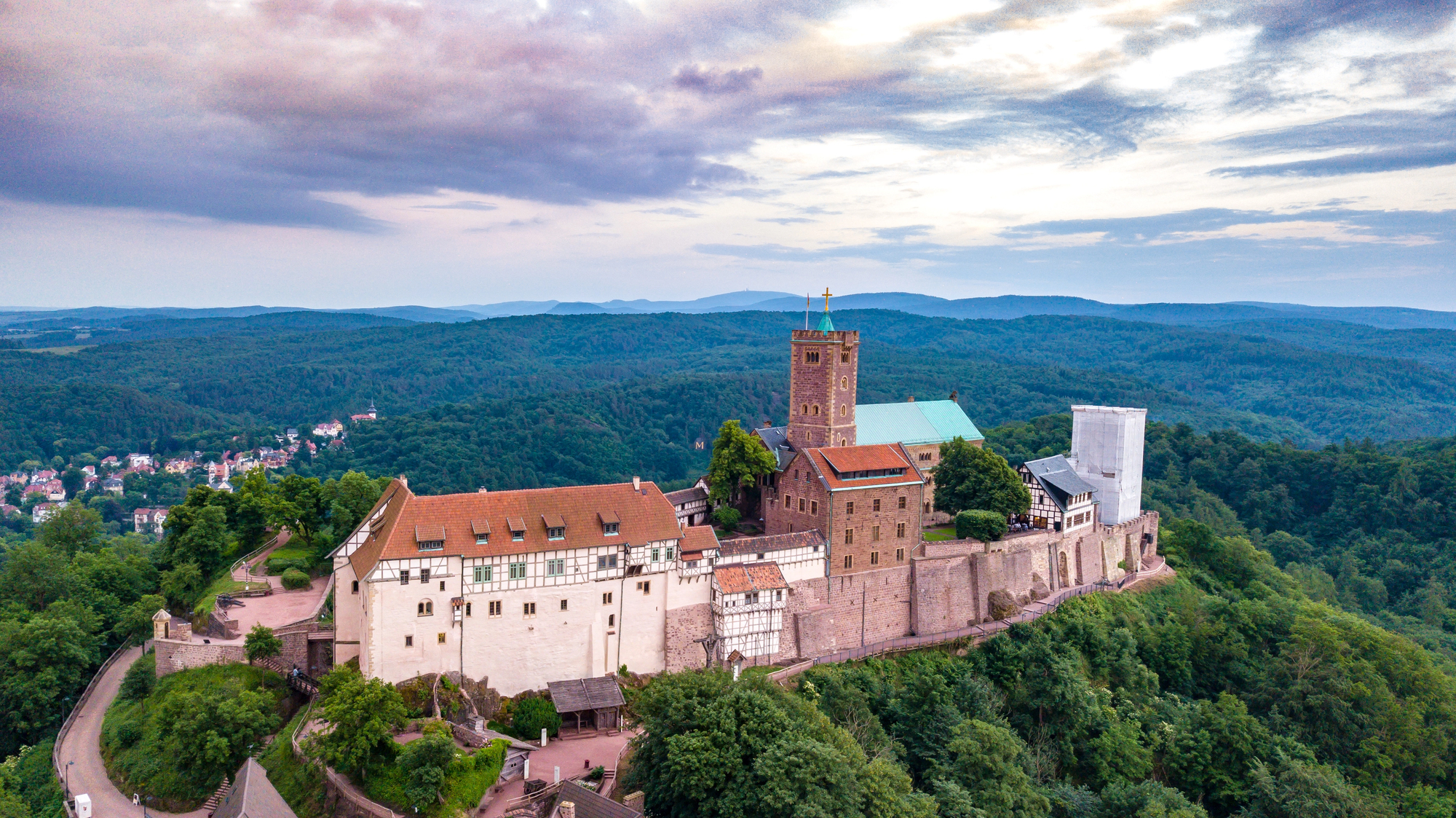
Wartburg Castle is closely linked to significant moments in European history. It is best known as the place where Martin Luther translated the New Testament into German, helping shape the development of the language.
Perched high above the surrounding landscape, the castle combines strategic importance with cultural influence. Its role extends beyond architecture into the realm of ideas and reform.
Upper Middle Rhine Valley
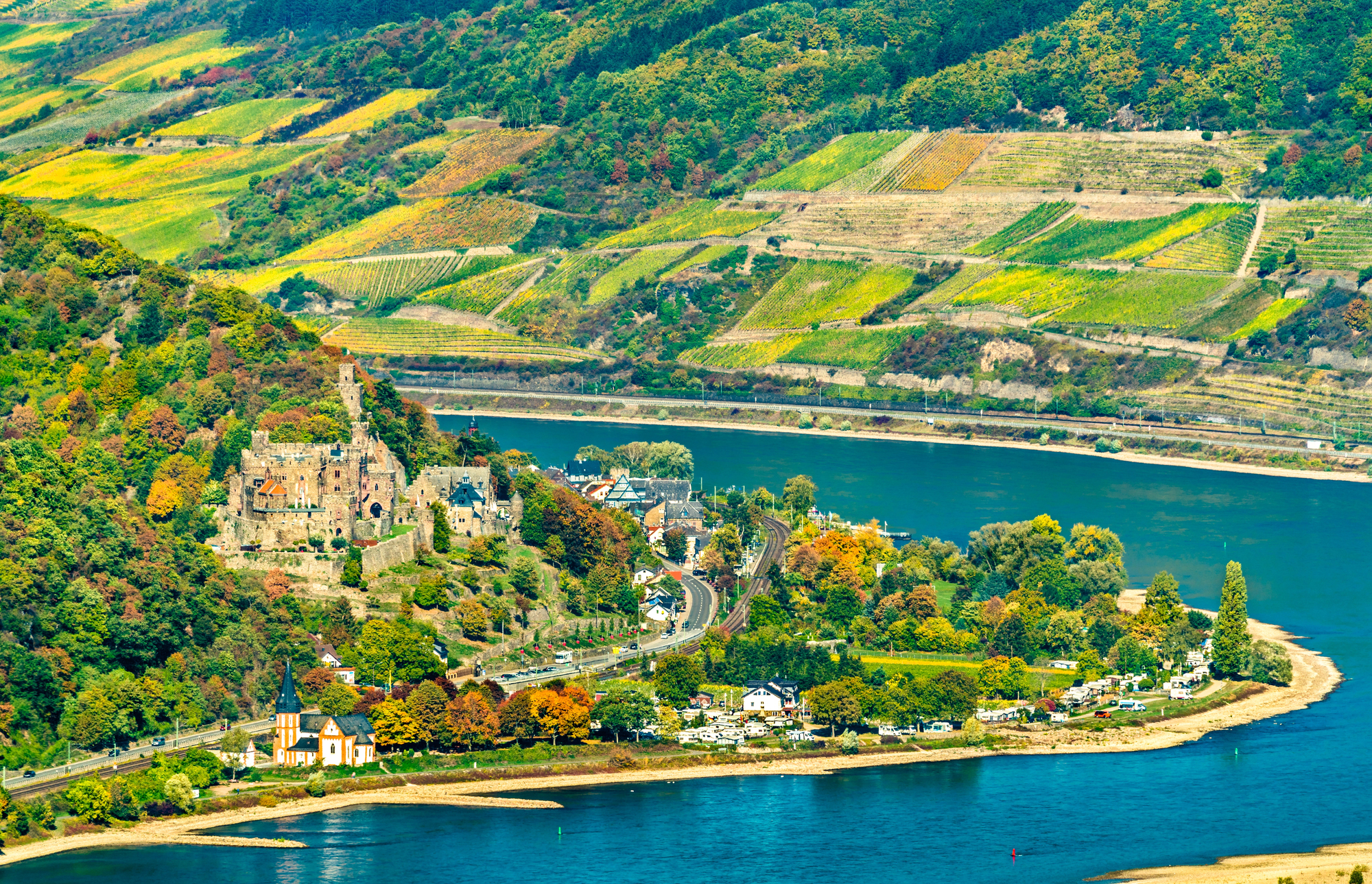
The Upper Middle Rhine Valley is a cultural landscape where natural beauty and human activity are closely intertwined. The region is known for its castles, vineyards, and historic towns along the Rhine River.
Over centuries, the landscape has been shaped by trade and settlement. The result is a setting that feels both natural and carefully developed, reflecting a long relationship between people and place.
Berlin Modernism Housing Estates
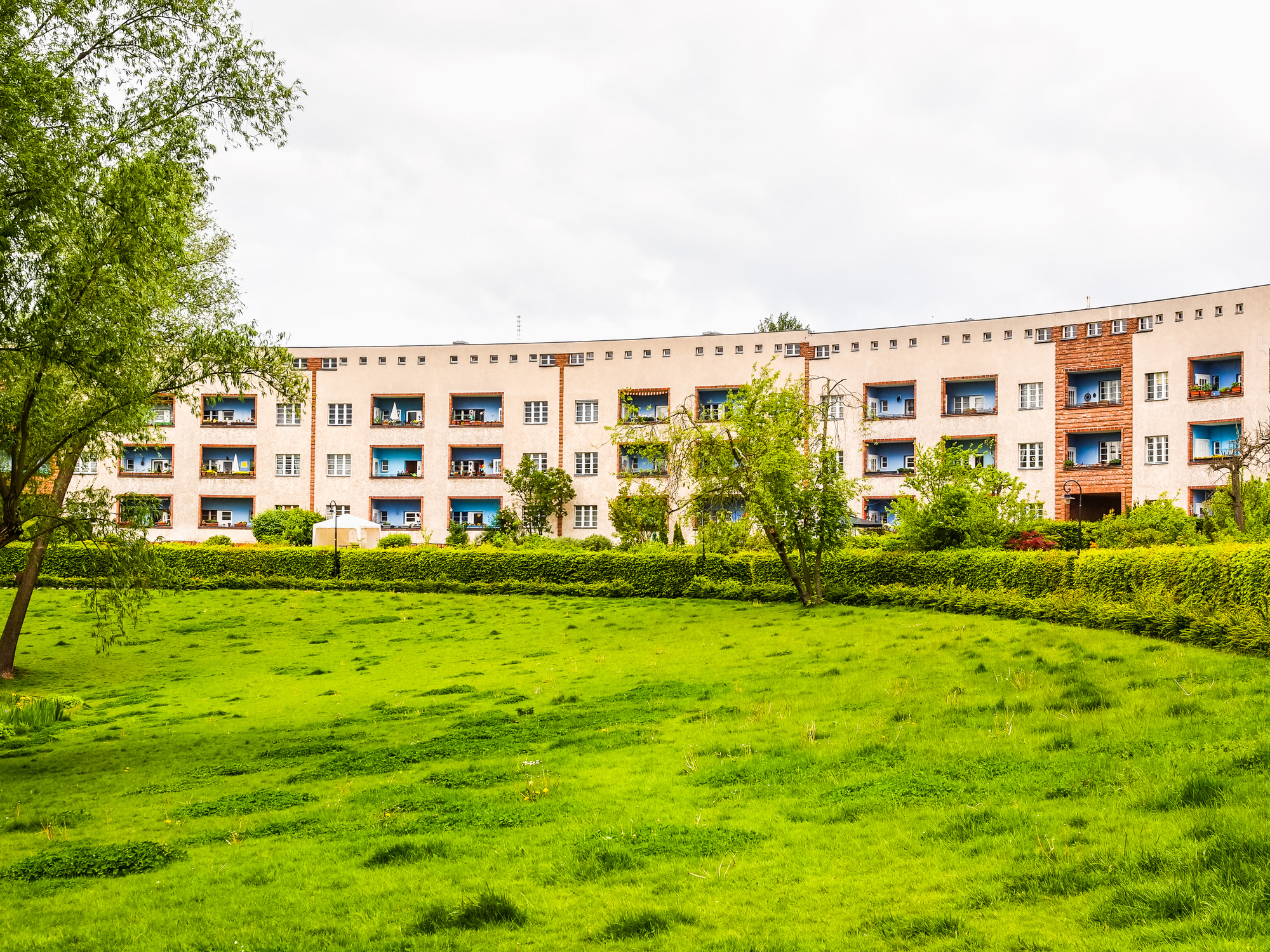
These housing estates represent a shift in architectural thinking during the early 20th century. Built during the Weimar Republic, they focused on functionality, affordability, and improving living conditions.
Their clean lines and practical design still feel modern today. The estates show how architecture can respond directly to social needs rather than simply aesthetic goals.
Sanssouci Palace, Potsdam
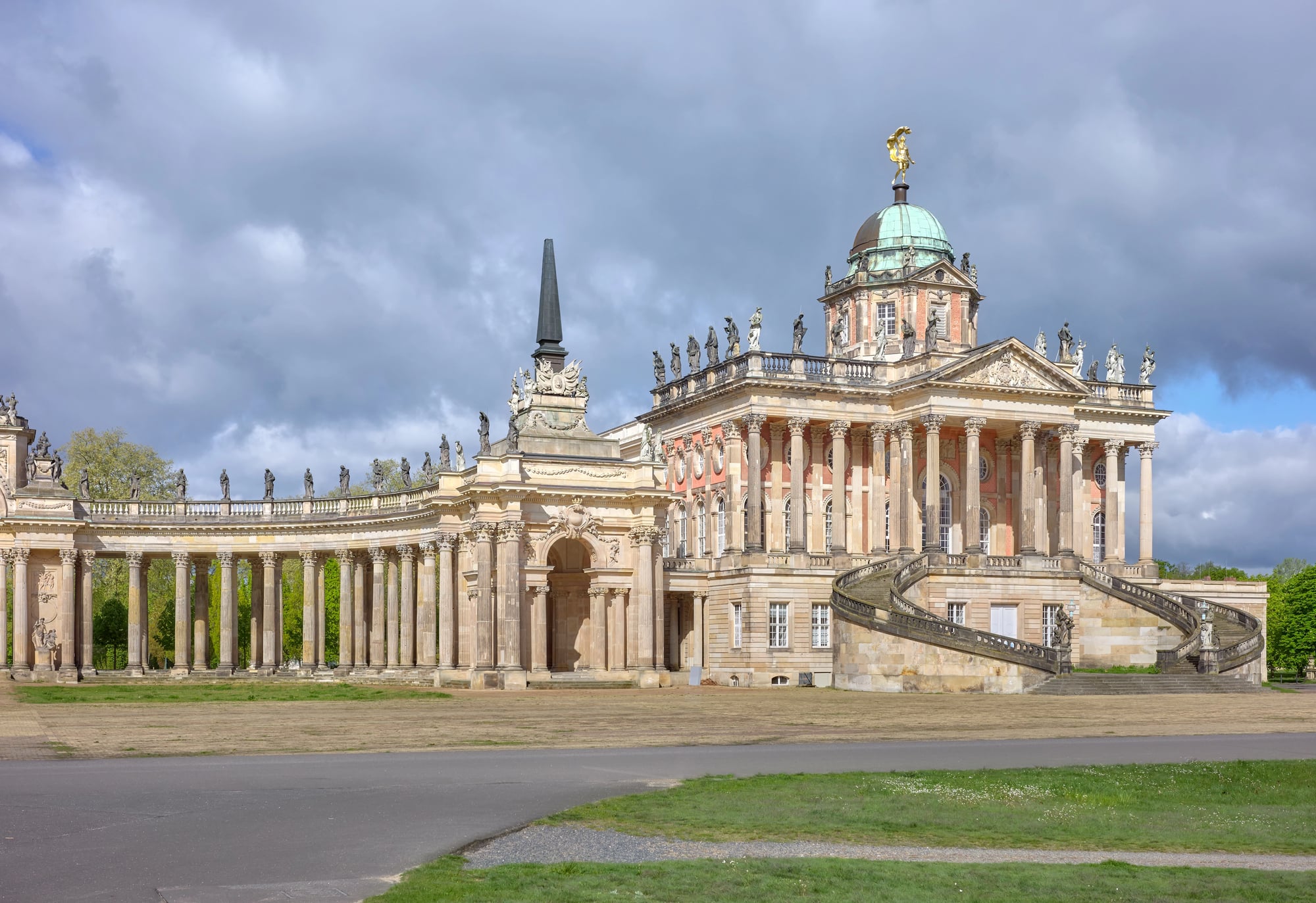
Sanssouci Palace was built as a private retreat for Frederick the Great, offering a more relaxed alternative to formal royal residences. Its design emphasizes comfort and simplicity while still maintaining elegance.
The surrounding gardens and terraces enhance this sense of ease. The palace reflects a more personal approach to architecture, where enjoyment took priority over display.
Luther Memorials, Wittenberg
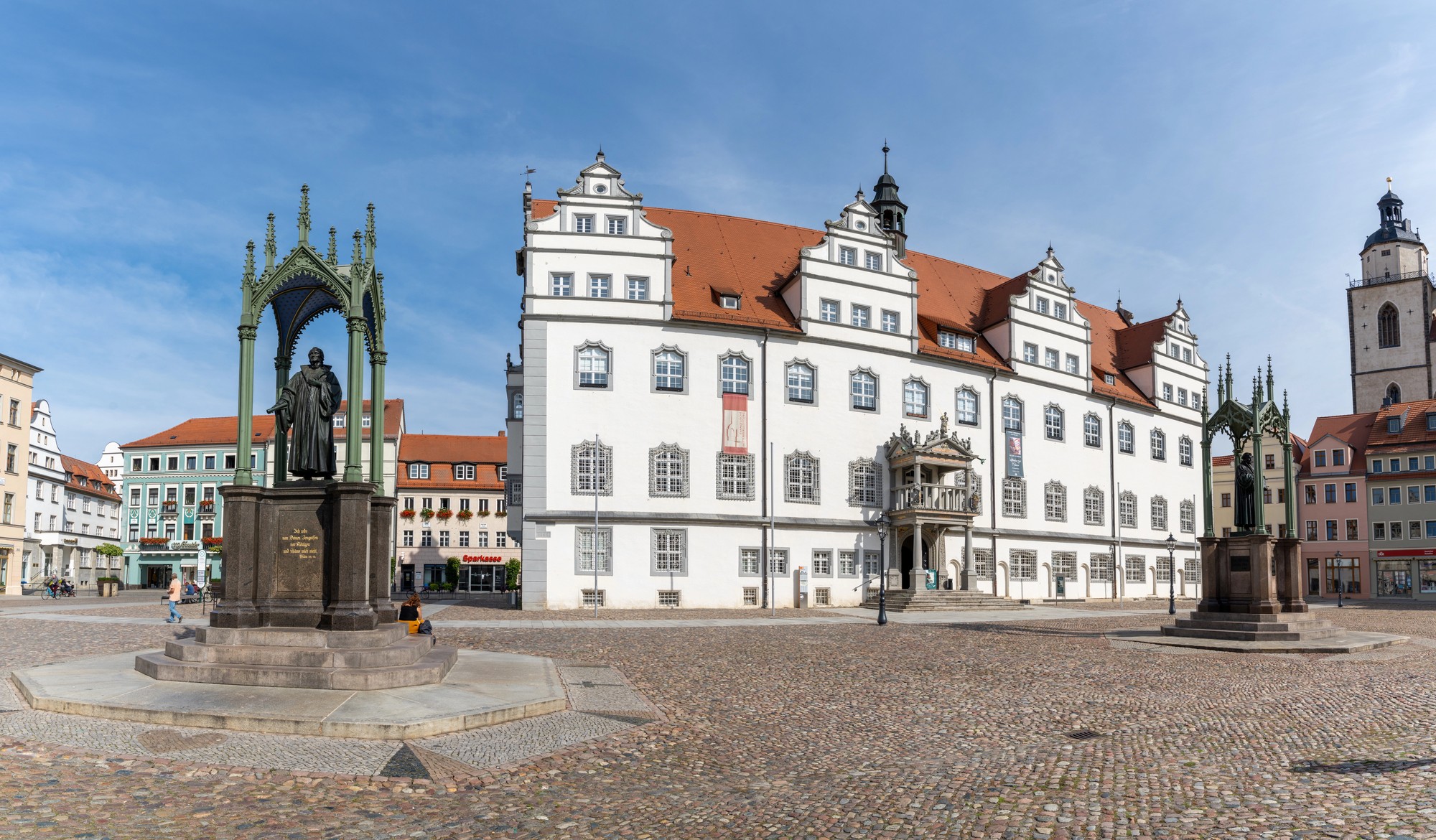
The Luther Memorials in Wittenberg are tied to the origins of the Protestant Reformation. The town became a center of religious change in the 16th century, with Martin Luther at its core.
The buildings themselves are modest, but their impact is far-reaching. They represent a turning point that reshaped religious and political life across Europe.
Maulbronn Monastery
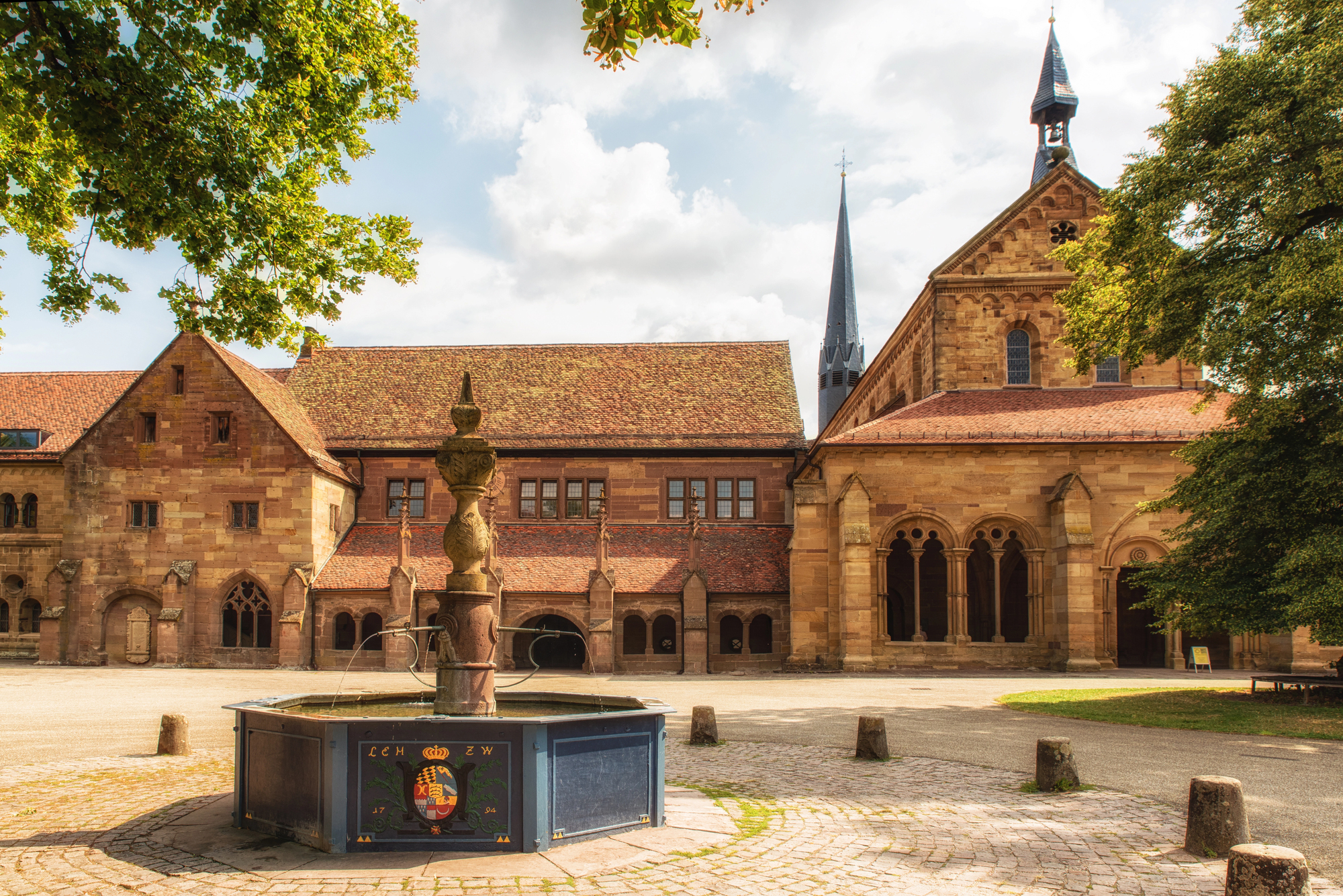
Maulbronn Monastery is one of the best-preserved medieval monastic complexes in Europe. It provides a detailed look at how monastic communities lived, worked, and organized their daily routines.
The site includes everything from living quarters to agricultural systems. Its completeness offers a rare and immersive glimpse into medieval life.
Rammelsberg Mines
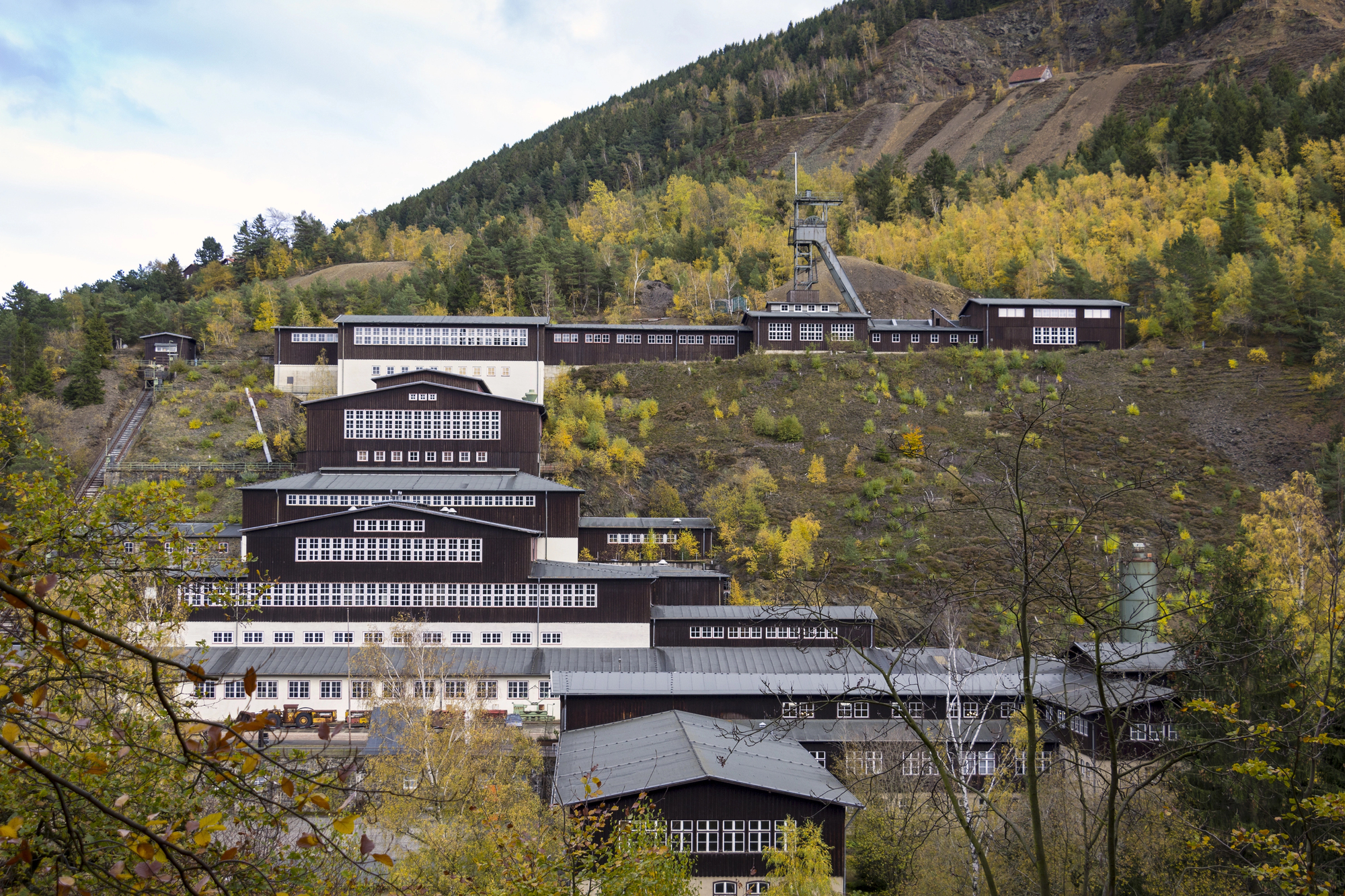
The Rammelsberg Mines highlight Germany’s long history of mining and industrial development. The site includes structures and systems that span several centuries of technological progress.
It shows how natural resources shaped economies and communities. Unlike more traditional heritage sites, it reflects the practical side of history.
Wadden Sea
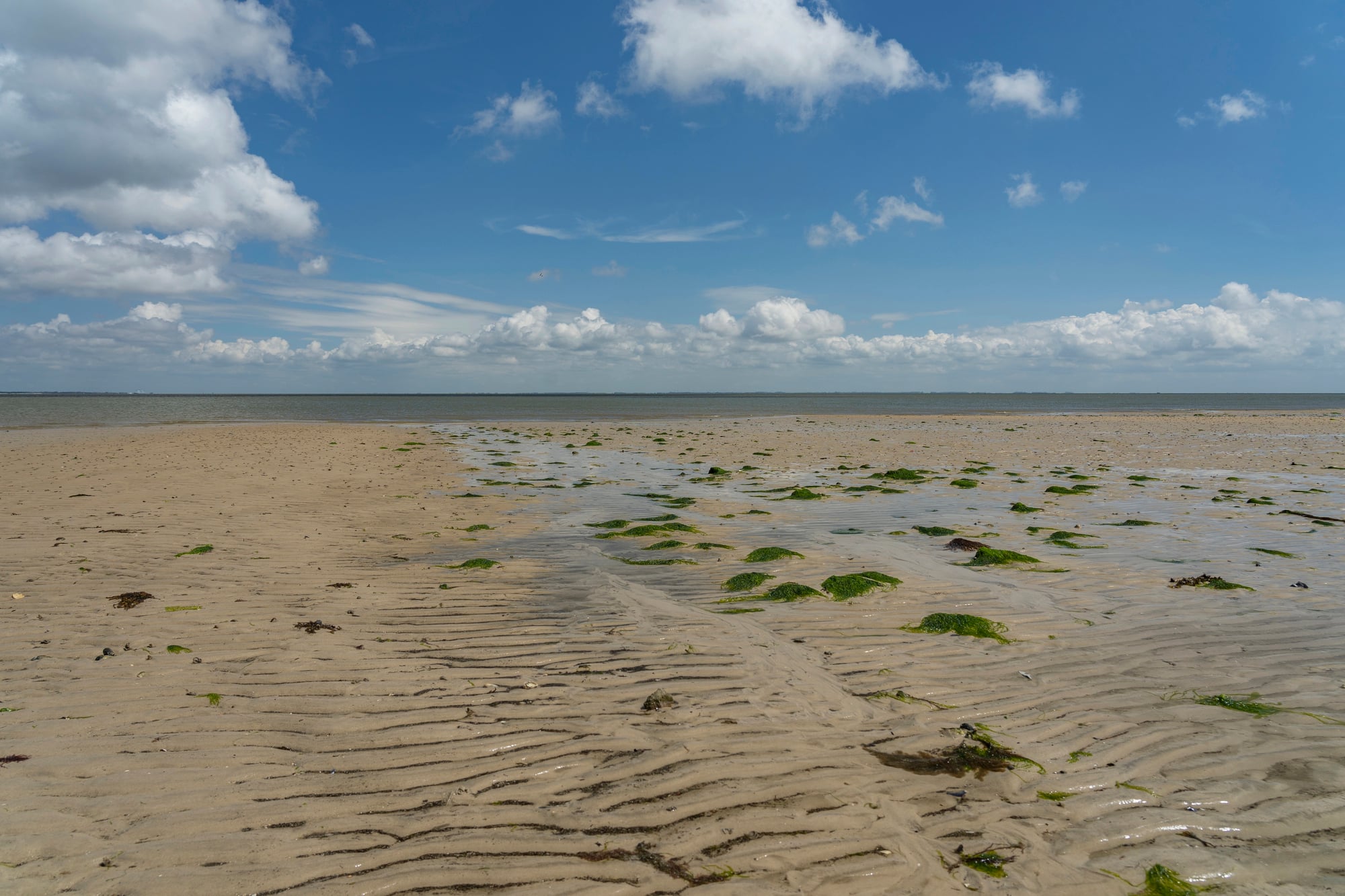
The Wadden Sea is one of the few natural World Heritage Sites in Germany. Its tidal flats create a constantly shifting landscape influenced by the movement of the sea.
This environment supports a wide range of wildlife, particularly migratory birds. Its significance lies less in visual drama and more in ecological importance.
Regensburg Old Town
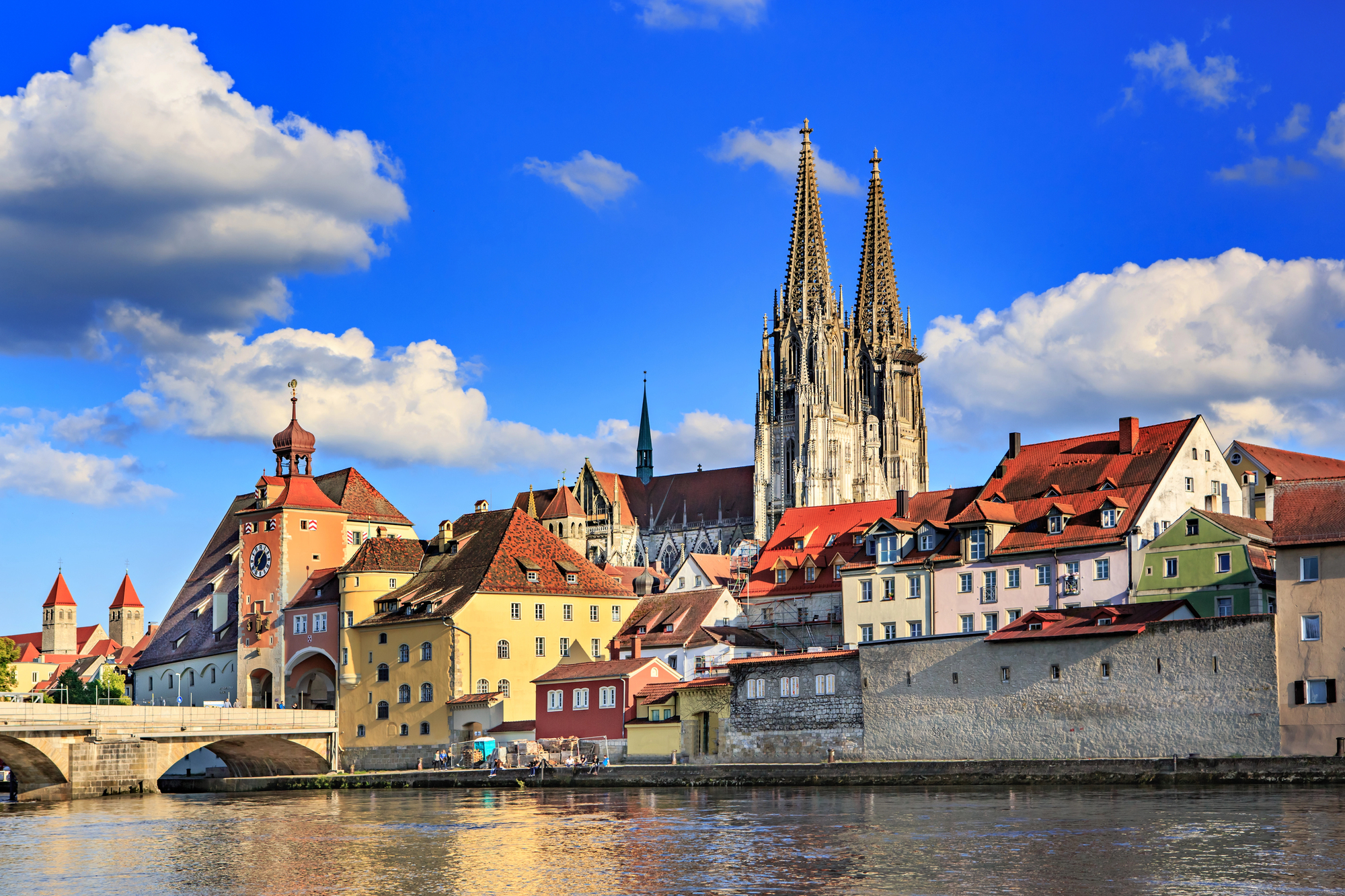
Regensburg’s old town is a remarkably well-preserved medieval city. Its buildings and layout reflect centuries of development, with influences from Roman times through the Middle Ages.
The city has maintained its historical structure while continuing to function as a modern urban center. This balance gives it a sense of continuity that feels both rare and authentic.
Where History Still Feels Present

Old churches, old factories, even quiet forests – each holds a piece of what came before. Not every story fits inside stone walls or museum displays.
Some truths sit in rusted beams, others grow under tree cover. Each place speaks without words, yet adds up to something bigger than dates in books.
What remains tells more than just victory or loss. Quiet paths through green hills say as much as carved inscriptions ever could.
Nowadays, such places feel just as familiar as they did back when first built. Because of how they shape our view of urban spaces, they stick around in public memory.
Even though times change, they still affect how people see the past. What makes them matter isn’t just old stones or faded signs – instead, it’s the quiet dialogue between now and then.
Over time, today leaves traces on yesterday, while yesterday guides what happens today.
More from Go2Tutors!

- The Romanov Crown Jewels and Their Tragic Fate
- 13 Historical Mysteries That Science Still Can’t Solve
- Famous Hoaxes That Fooled the World for Years
- 15 Child Stars with Tragic Adult Lives
- 16 Famous Jewelry Pieces in History
Like Go2Tutors’s content? Follow us on MSN.