18 Most Watched TV Events in History
There’s something special about gathering around a screen with millions of other people, all tuned into the same moment. Television has given us those rare occasions when the whole world seems to pause and watch together.
From historic moon landings to royal weddings, these broadcasts became shared experiences that connected strangers across continents. Let’s look at the TV moments that stopped the world and brought everyone together.
The Moon Landing
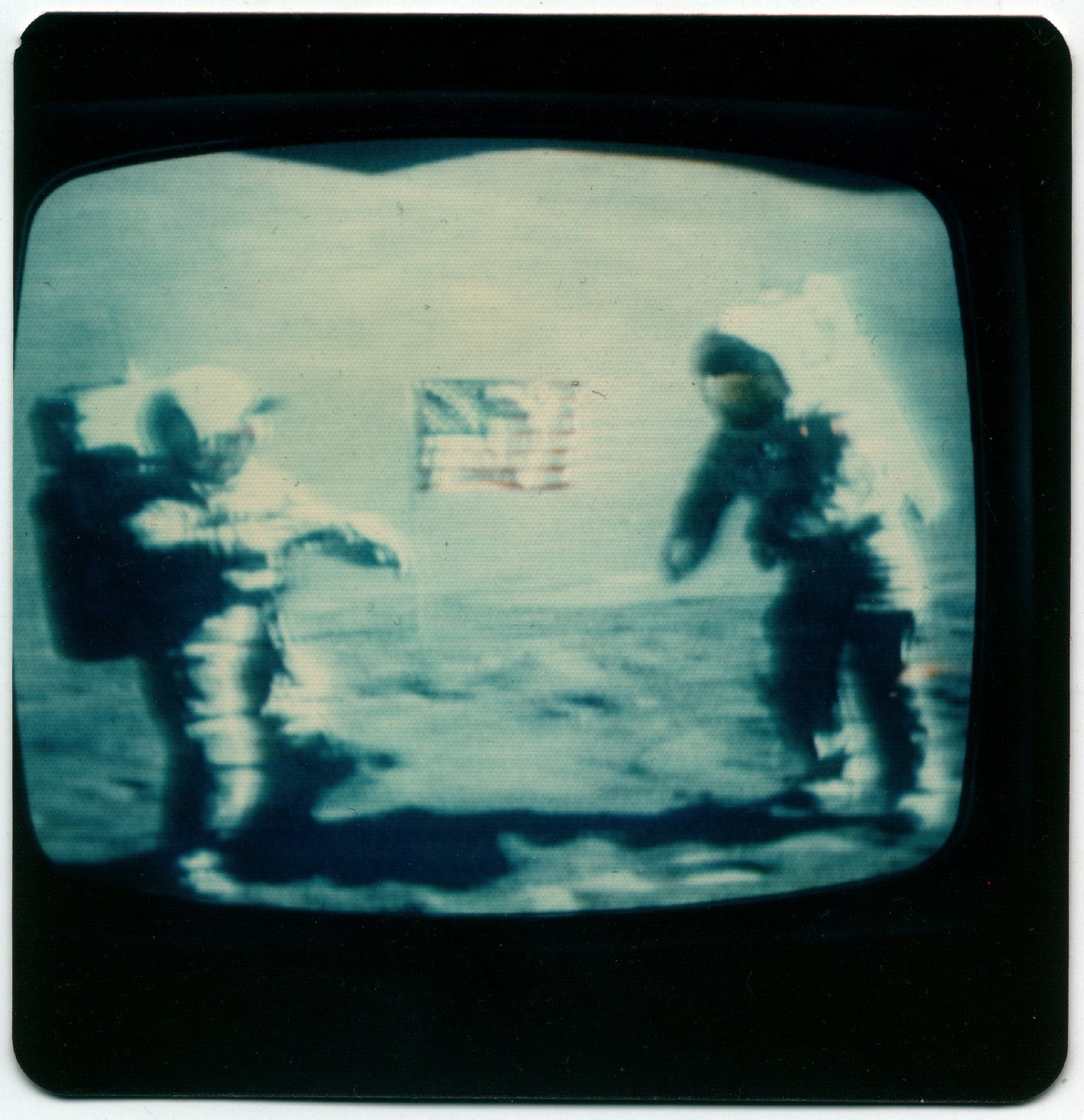
When Neil Armstrong took his first steps on the lunar surface in 1969, an estimated 650 million people watched from Earth. The grainy black-and-white footage showed humanity achieving what once seemed impossible.
Families stayed up late, schools set up special viewing areas, and even people who rarely watched TV made sure they caught this moment. Armstrong’s famous words about one small step echoed across living rooms worldwide, turning a scientific achievement into a cultural touchstone that still resonates today.
Muhammad Ali Vs. Leon Spinks II
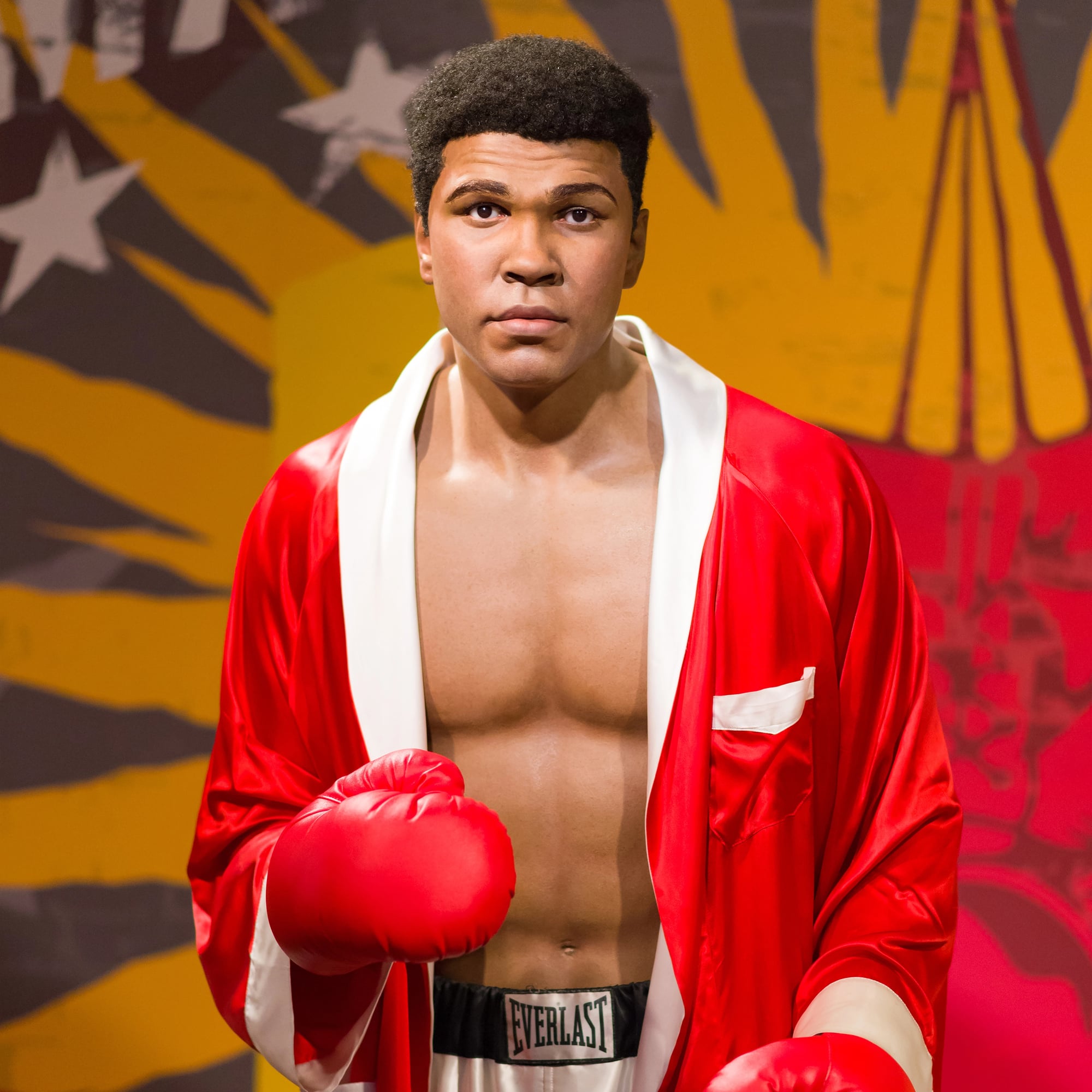
Boxing pulled in massive audiences during its golden era, and this 1978 rematch drew around 2 billion viewers globally. Ali was fighting to reclaim his heavyweight title after an upset loss to the younger Spinks seven months earlier.
The bout became more than just sports—it was a chance to see a legend prove he still had what it took. People crowded into bars, gathered at friends’ houses, and tuned in from countries where boxing wasn’t even a major sport, all wanting to witness history.
Live Aid
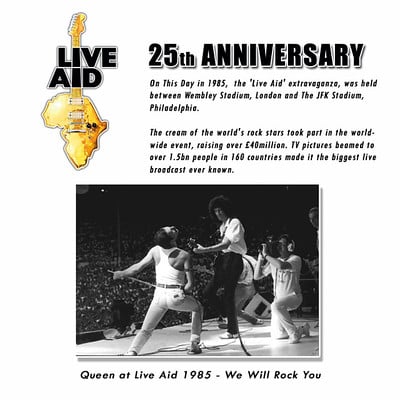
Bob Geldof’s ambitious charity concert in 1985 reached approximately 1.9 billion viewers across 150 countries. The dual-venue event featured performances at Wembley Stadium in London and JFK Stadium in Philadelphia, with satellite technology linking them together.
Queen’s iconic performance became the stuff of legend, but the real story was how music united people for a cause. Viewers called in donations while watching their favorite artists, making it feel like everyone was part of something bigger than entertainment.
The Funeral Of Princess Diana
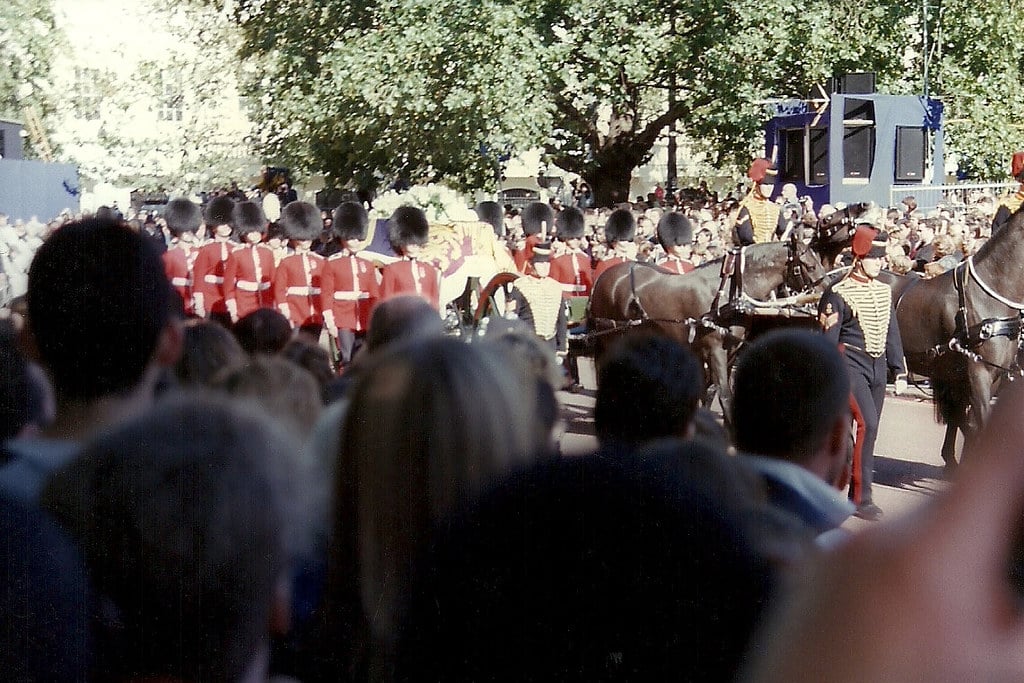
When Princess Diana died in 1997, an estimated 2.5 billion people tuned in to watch her funeral service. The outpouring of grief was unlike anything the modern world had seen, with flowers piling up outside Kensington Palace and mourners lining the procession route.
Networks cleared their schedules for hours of coverage, and even people who didn’t follow the royal family felt compelled to watch. Elton John’s tribute performance of ‘Candle in the Wind’ became one of the most emotional moments in television history.
The Wedding Of Prince Charles And Lady Diana
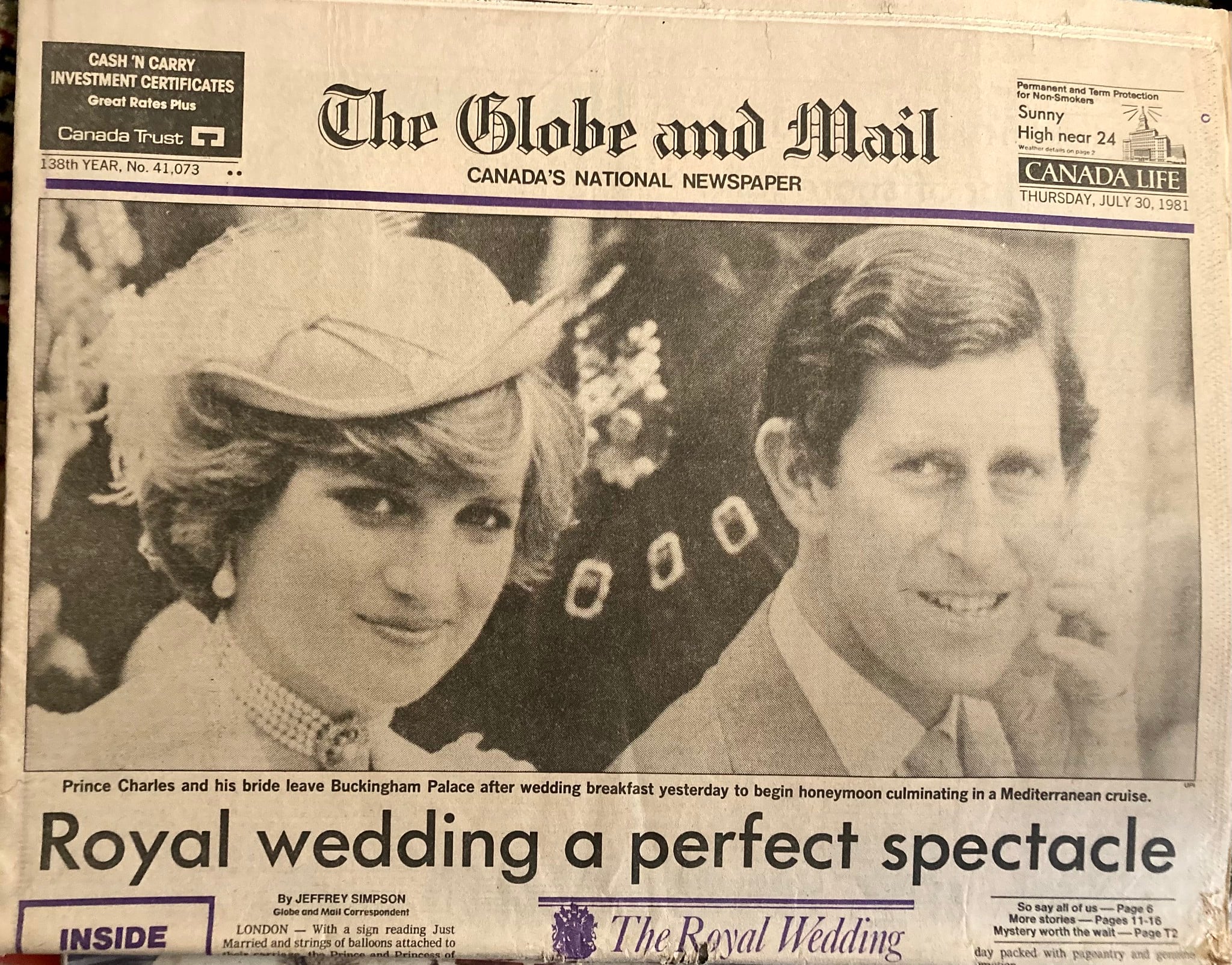
Back in 1981, roughly 750 million viewers watched Diana Spencer become the Princess of Wales. The fairy-tale wedding at St. Paul’s Cathedral featured that famous 25-foot train and a kiss on the Buckingham Palace balcony that cameras captured for the ages.
People woke up at odd hours depending on their time zone just to see the dress and ceremony. The broadcast turned Diana into a global icon overnight and set the standard for how royal weddings would be covered for decades to come.
The Opening Ceremony Of The Beijing Olympics
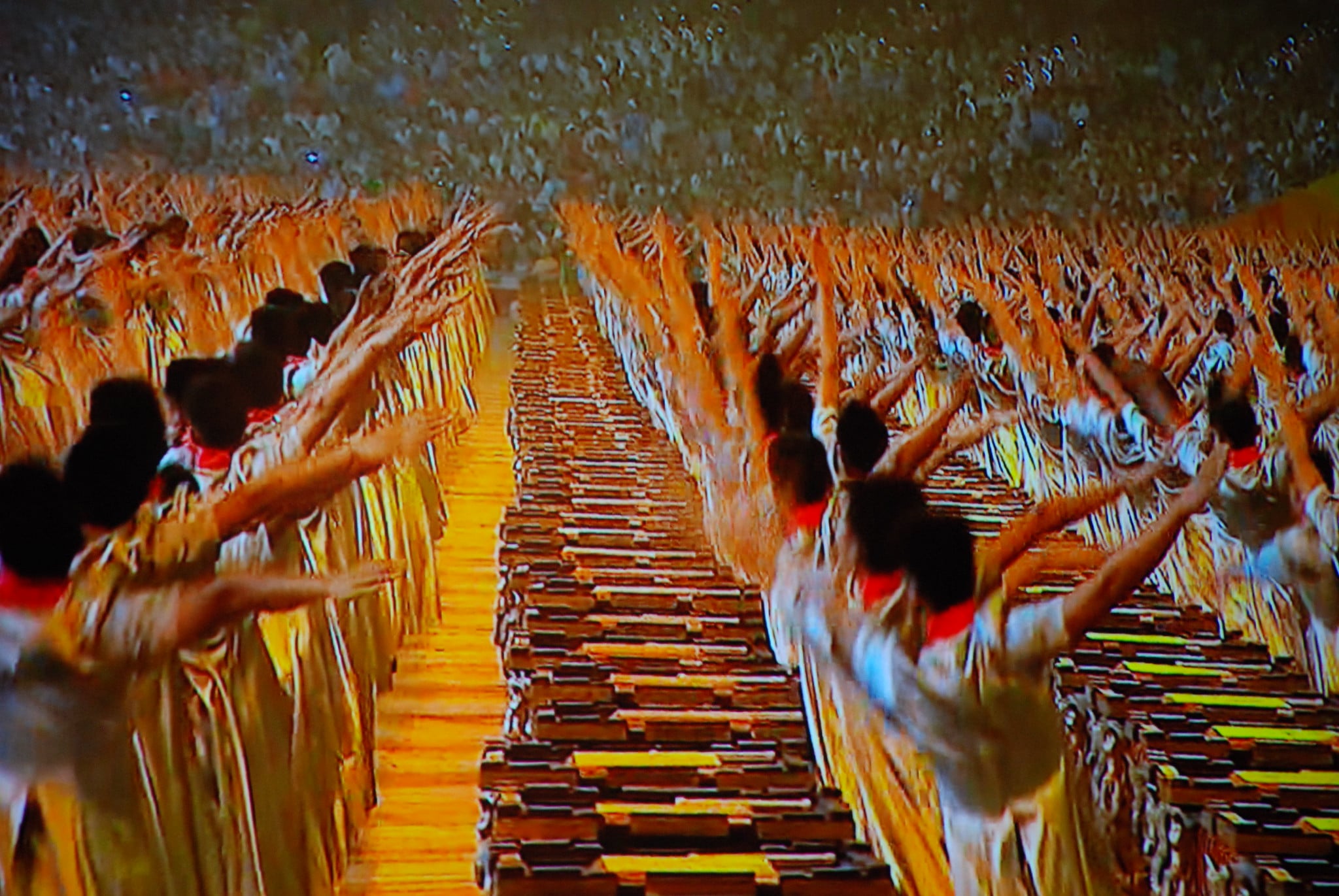
China pulled out all the stops in 2008, and roughly 1 billion people watched the spectacular opening ceremony. The performance featured thousands of synchronized drummers, stunning visual effects, and a level of precision that left audiences worldwide in awe.
Director Zhang Yimou created a show that blended ancient Chinese history with modern technology in ways nobody expected. The ceremony lasted over four hours but held viewers’ attention through sheer spectacle and ambition.
FIFA World Cup Finals
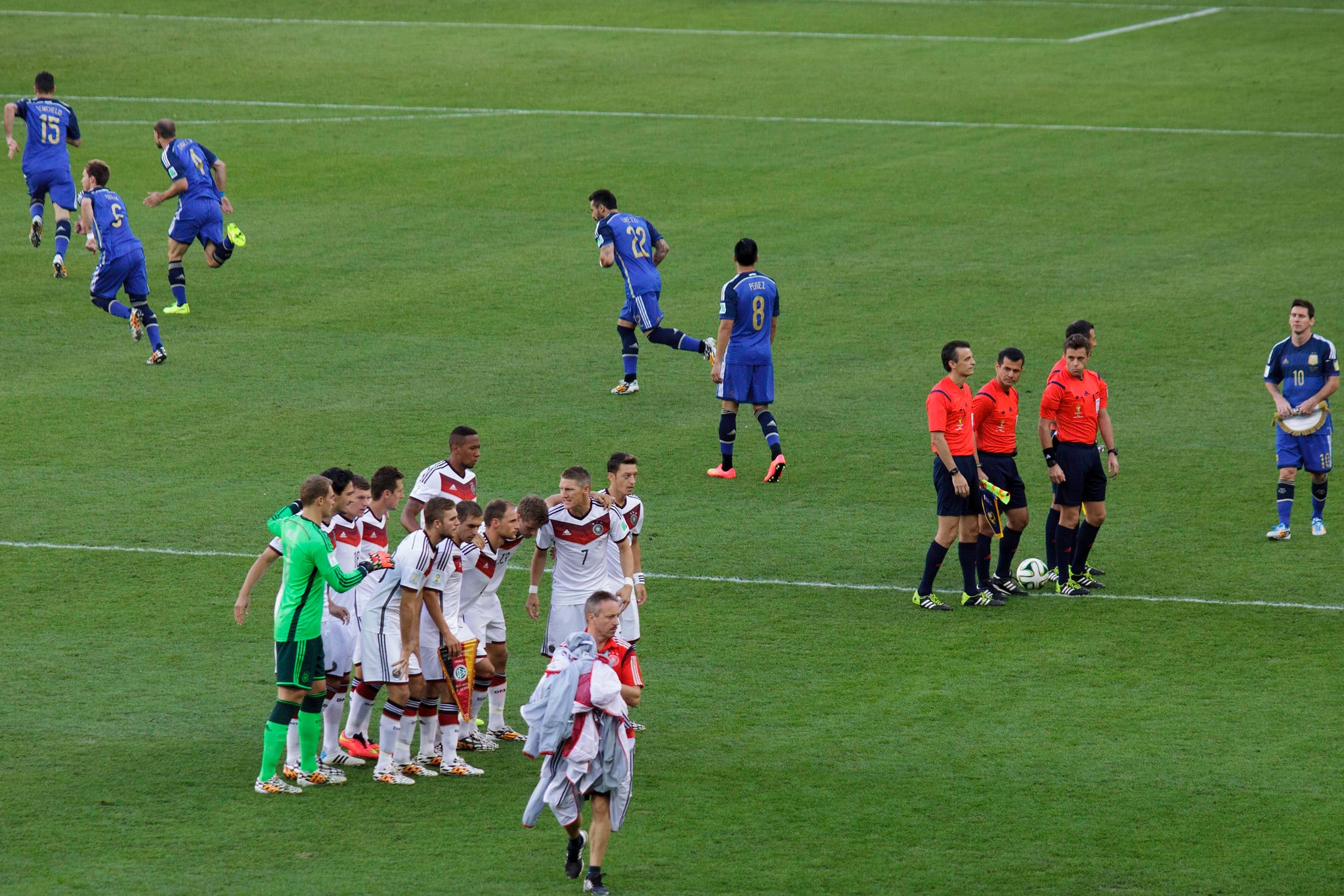
Multiple World Cup final matches have crossed the billion-viewer mark, with the 2014 Germany vs. Argentina match reaching about 1 billion people. Soccer’s biggest stage consistently draws audiences that dwarf most other events because the sport has true global reach.
Entire nations effectively shut down during these matches, with public screenings in city squares and workplace productivity dropping to zero. The 90 minutes of play become a shared experience that transcends language and culture.
The Funeral Of Pope John Paul II
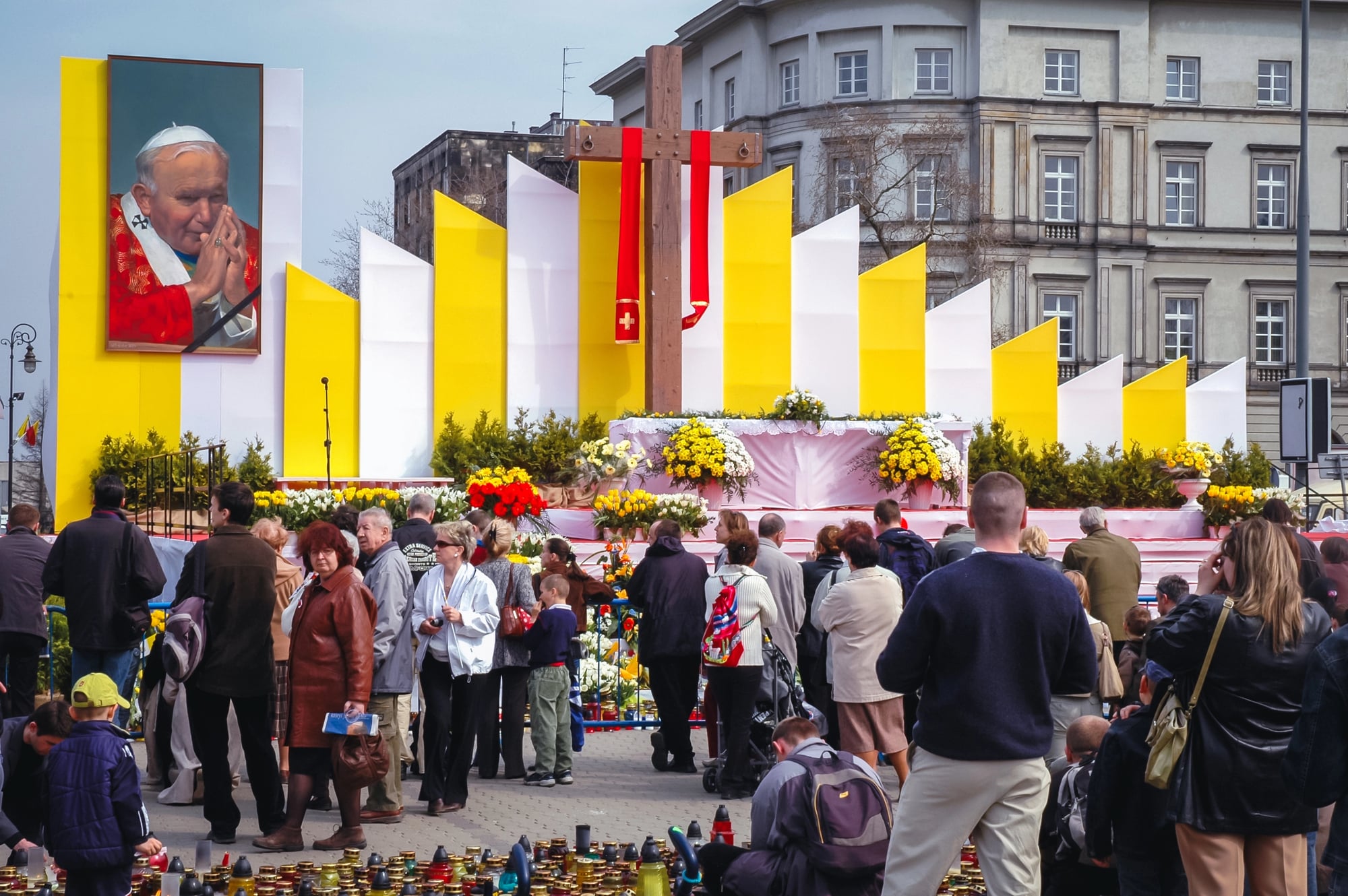
When Pope John Paul II died in 2005, an estimated 2 billion people watched his funeral service from Vatican City. The beloved pontiff had traveled more extensively than any pope before him, building personal connections with Catholics and non-Catholics alike across the globe.
World leaders, royalty, and ordinary faithful gathered in Rome while billions more watched from home. The coverage went on for hours as mourners filed past the pope’s body and cardinals prepared for the ceremony.
Prince William And Catherine Middleton’s Wedding
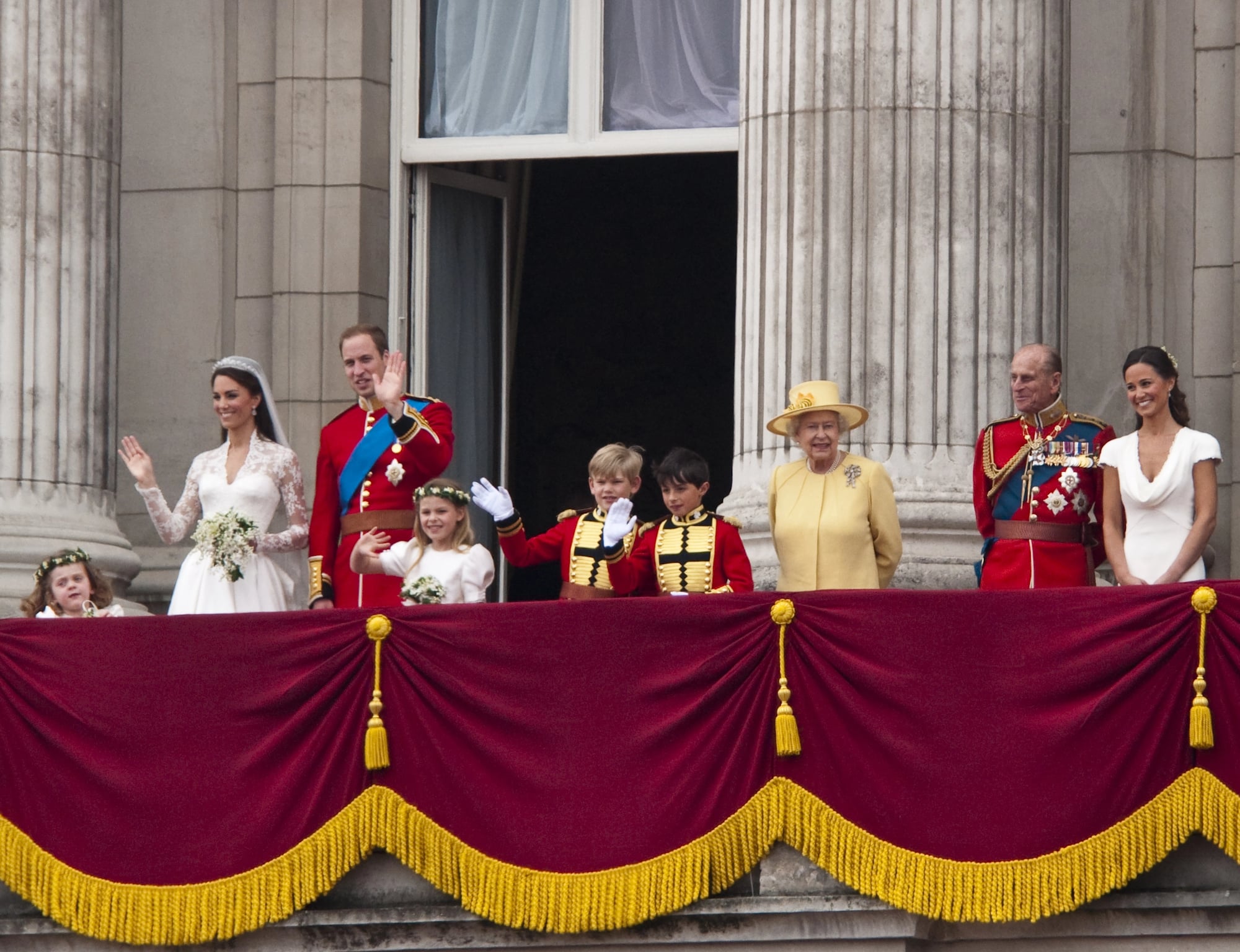
The 2011 royal wedding drew roughly 2 billion viewers worldwide, proving that fascination with British royalty hadn’t faded. Kate Middleton’s dress became an instant topic of conversation, and the ceremony at Westminster Abbey featured all the pageantry people expected.
Americans set their alarms for the early morning broadcast, while British pubs opened at dawn for viewing parties. The event felt more accessible than previous royal weddings, partly because William seemed more relatable than earlier generations of royals.
Apollo 13’s Safe Return
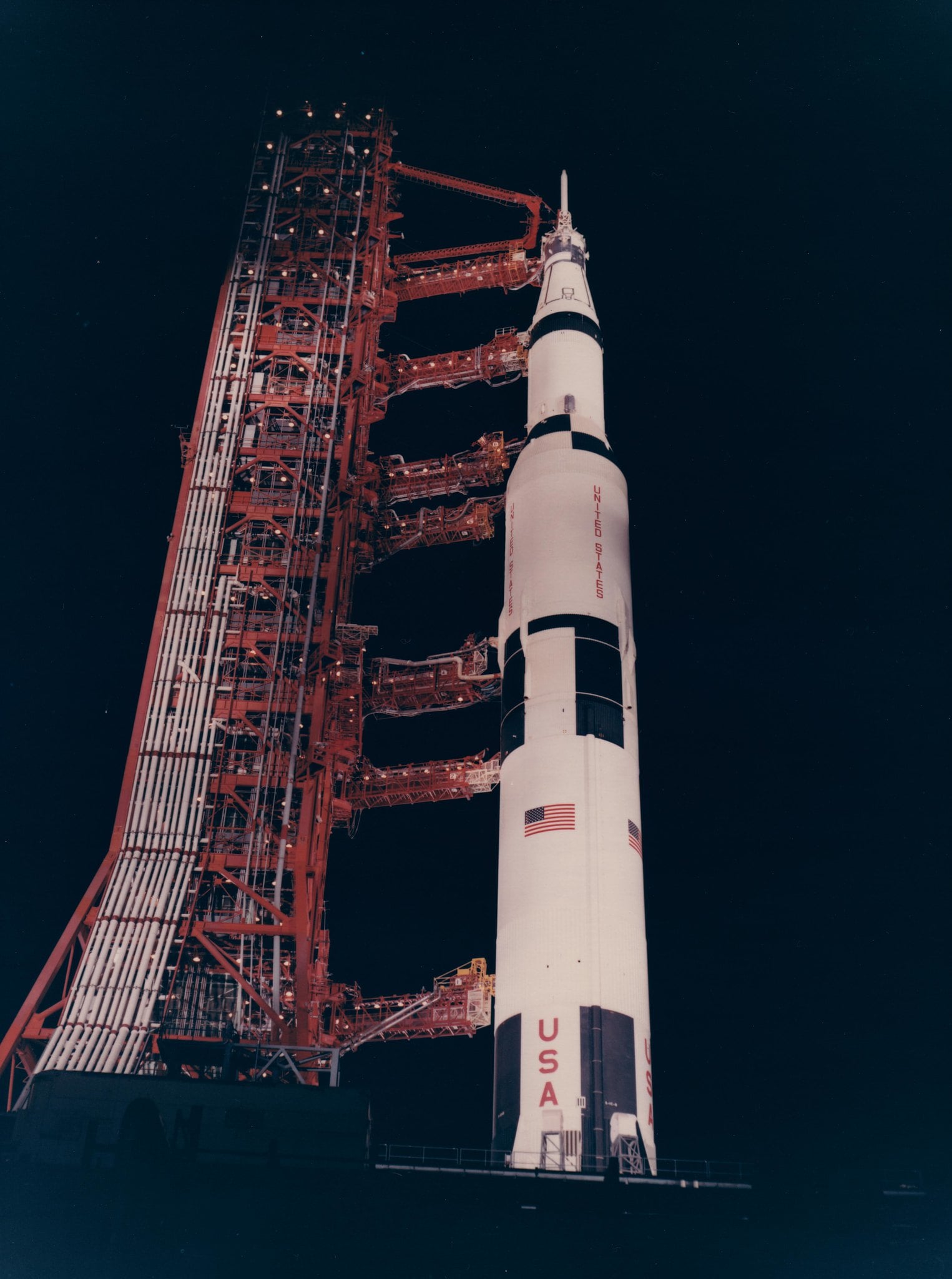
When the damaged spacecraft carrying three astronauts made its critical reentry in 1970, around 1 billion people held their breath watching. The mission had gone disastrously wrong, and nobody knew if the crew would survive coming back through Earth’s atmosphere.
Networks provided continuous coverage of the rescue efforts, turning a potential tragedy into a nail-biting drama. The successful splashdown became a testament to human ingenuity and courage under pressure.
The OJ Simpson Car Chase
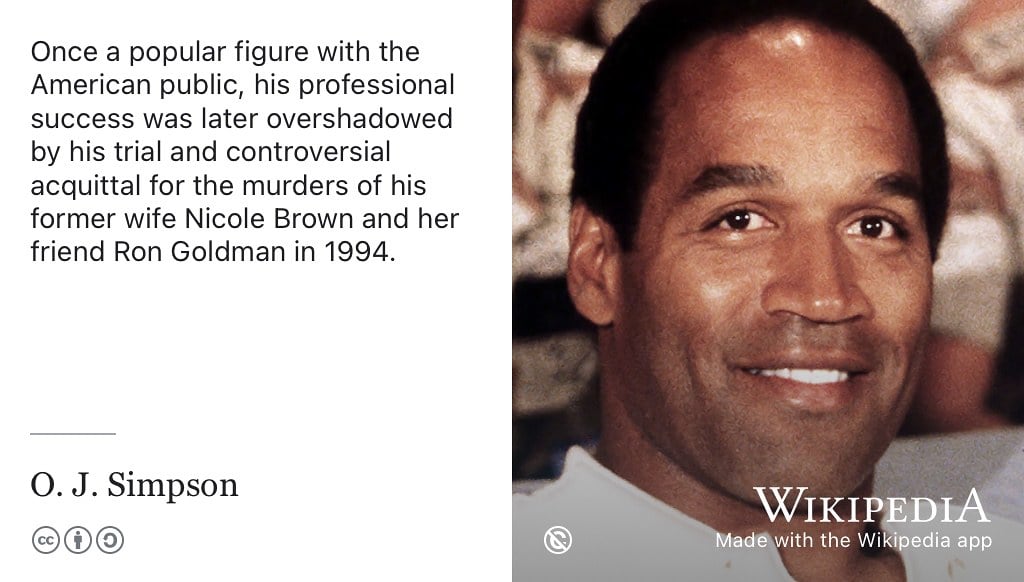
In 1994, roughly 95 million Americans watched live as police followed OJ Simpson’s white Ford Bronco along Los Angeles freeways. Networks interrupted NBA Finals coverage to show the bizarre, slow-speed pursuit that stretched for hours.
People called friends to make sure they were watching, and the surreal scene became a cultural moment that defined the decade. The chase set the stage for what would become the trial of the century and changed how news covered breaking events.
The Wedding Of Prince Harry And Meghan Markle
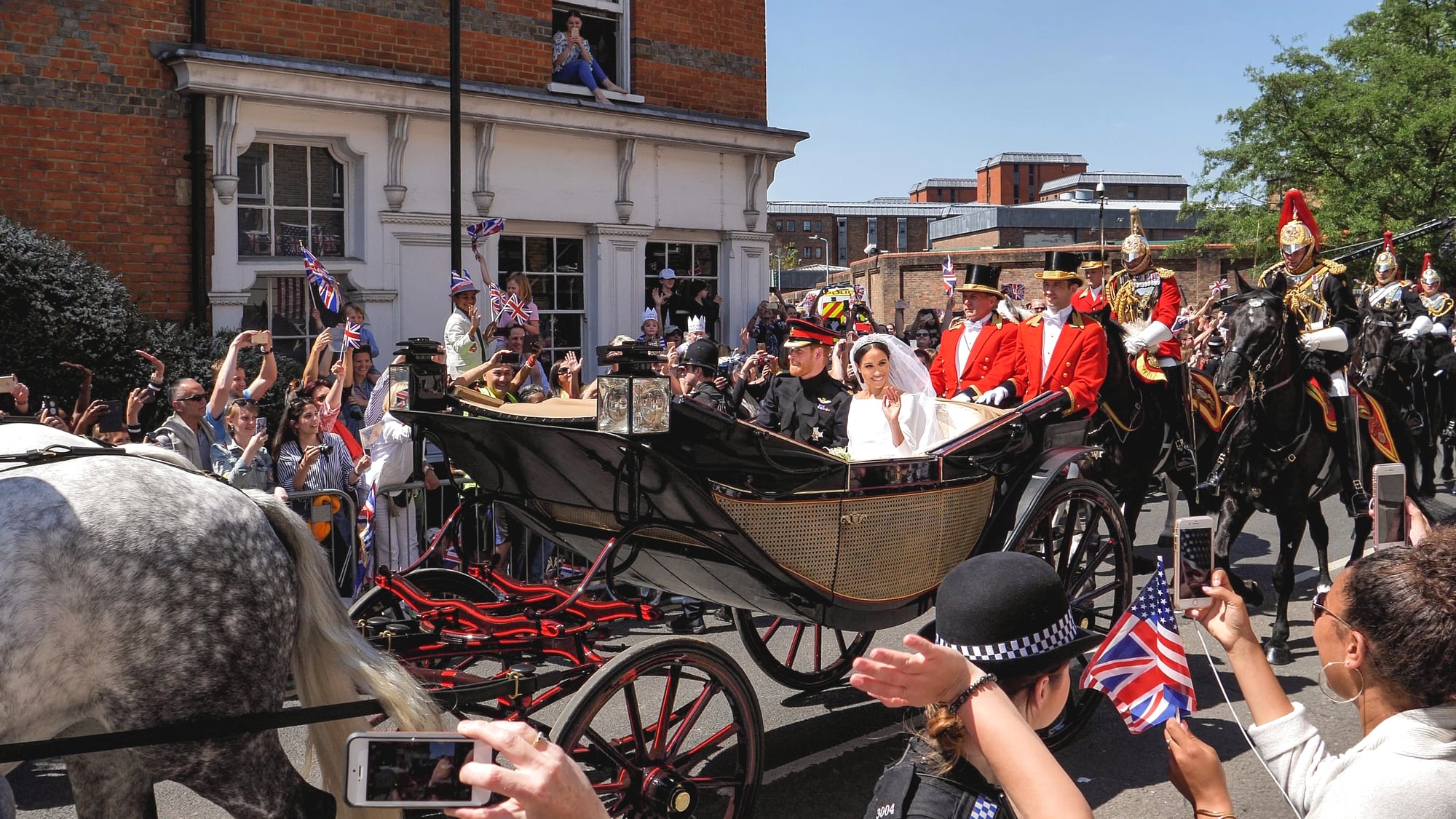
This 2018 ceremony at Windsor Castle attracted about 1.9 billion viewers globally, partly because it represented something different for the royal family. Meghan brought American glamour and a multicultural background that made the event feel more modern and inclusive.
The gospel choir and passionate sermon by Bishop Michael Curry surprised traditional audiences and sparked countless conversations. Networks devoted entire days to coverage, analyzing every detail from the dress to the guest list.
Roots Finale
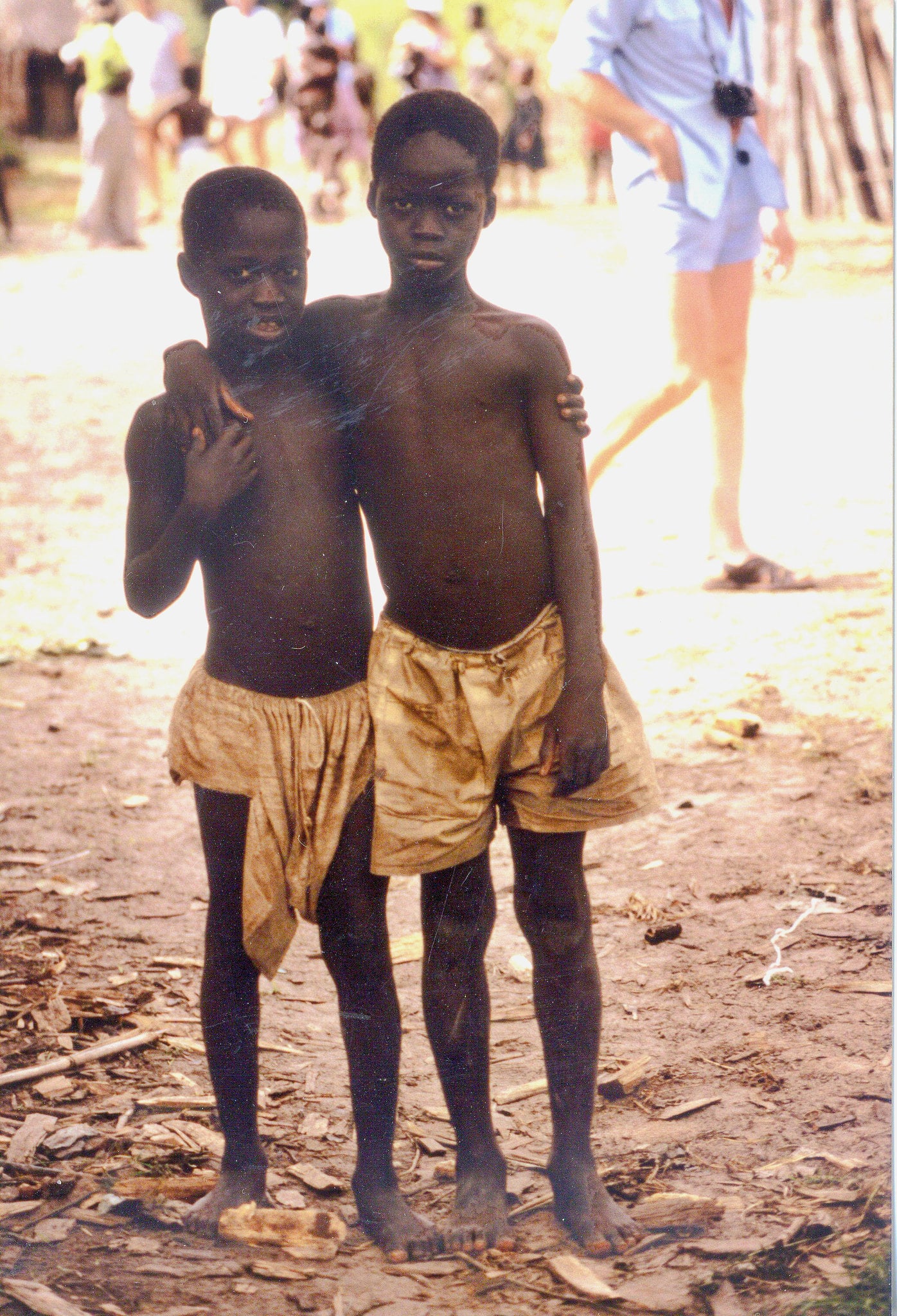
When the final episode of this groundbreaking miniseries aired in 1977, approximately 100 million Americans tuned in. The show tackled slavery and African American history in ways that mainstream television had never attempted before.
Families watched together over eight consecutive nights, and the finale became the second-most-watched U.S. broadcast up to that point. The series sparked national conversations about race and history that extended far beyond the television screen.
The First Super Bowl
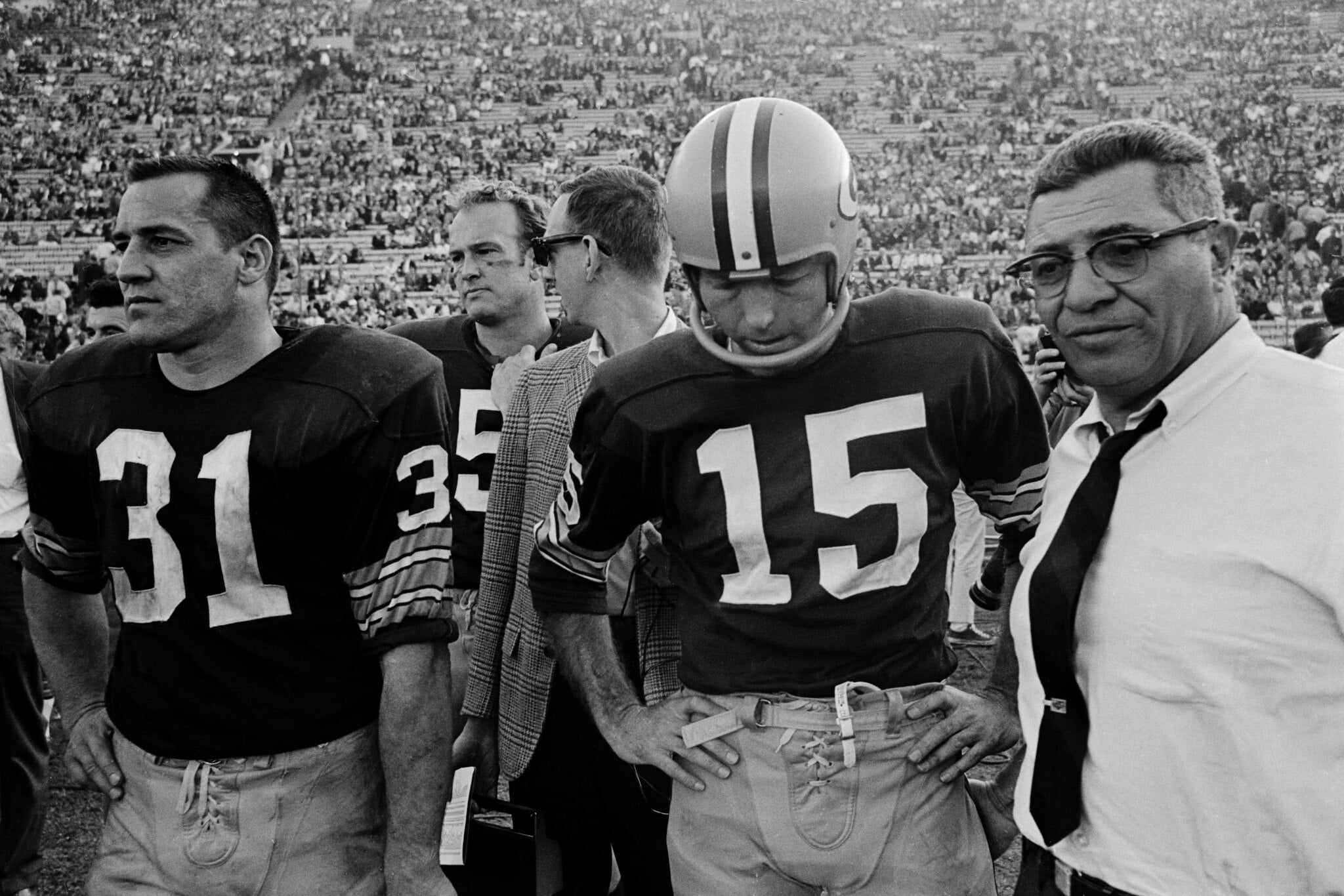
Back in 1967, about 51 million Americans watched as the Green Bay Packers defeated the Kansas City Chiefs in what wasn’t even called the Super Bowl yet. The game aired on both NBC and CBS simultaneously, an arrangement that would never happen today.
Ticket prices were around ten dollars, and the stadium wasn’t even sold out. Nobody could have predicted that this championship game would evolve into the massive cultural phenomenon it became.
Rescue Of The Chilean Miners
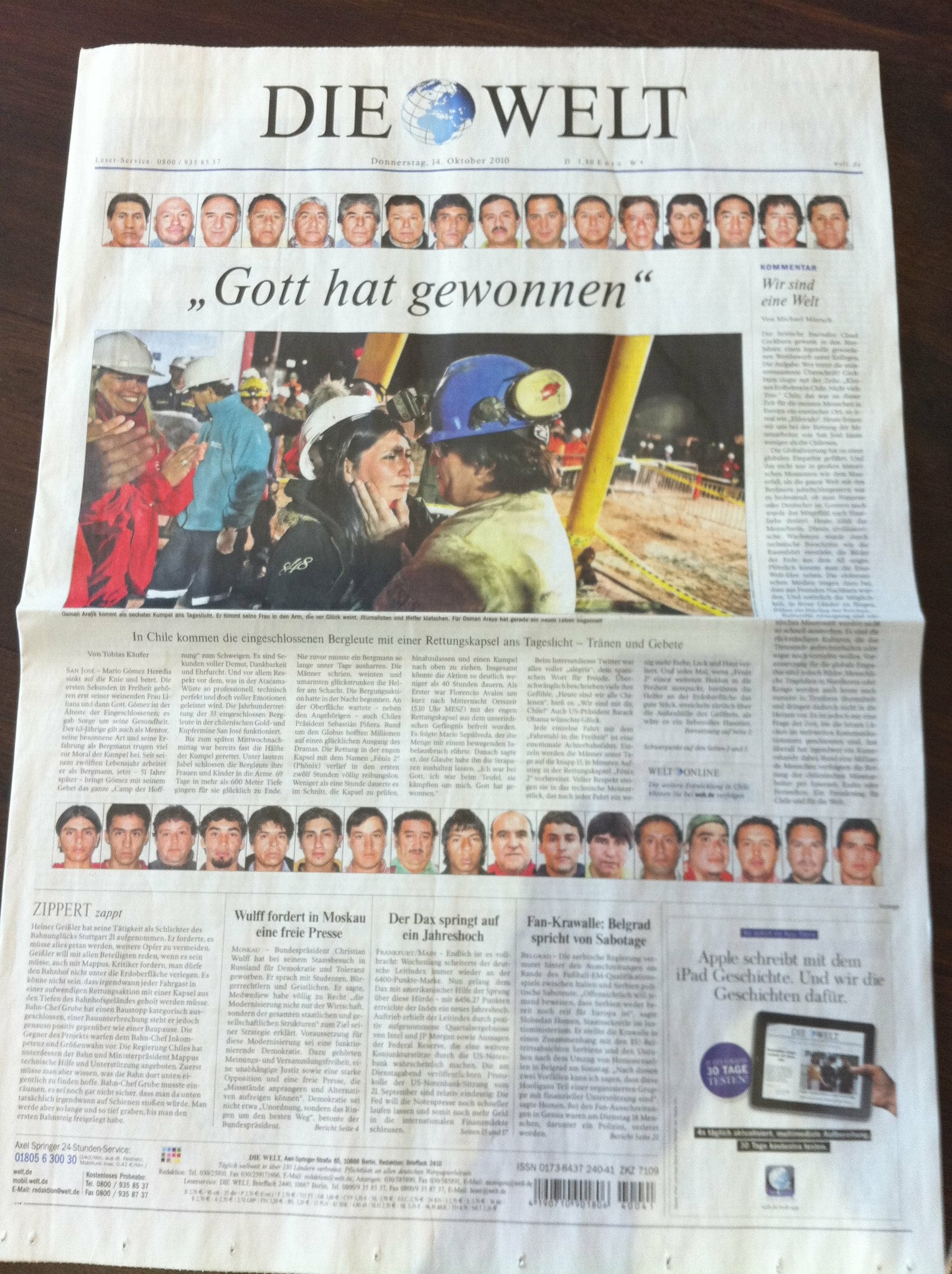
When 33 miners emerged from their underground prison in 2010 after 69 days, roughly 1 billion people watched the dramatic rescue unfold live. The capsule bringing each man to the surface one by one created hours of compelling television as the world collectively held its breath.
Networks stayed with the story through the night, showing emotional reunions with families and the relief on each miner’s face. The rescue demonstrated how modern technology and human determination could overcome seemingly impossible odds.
MAS*H Series Finale
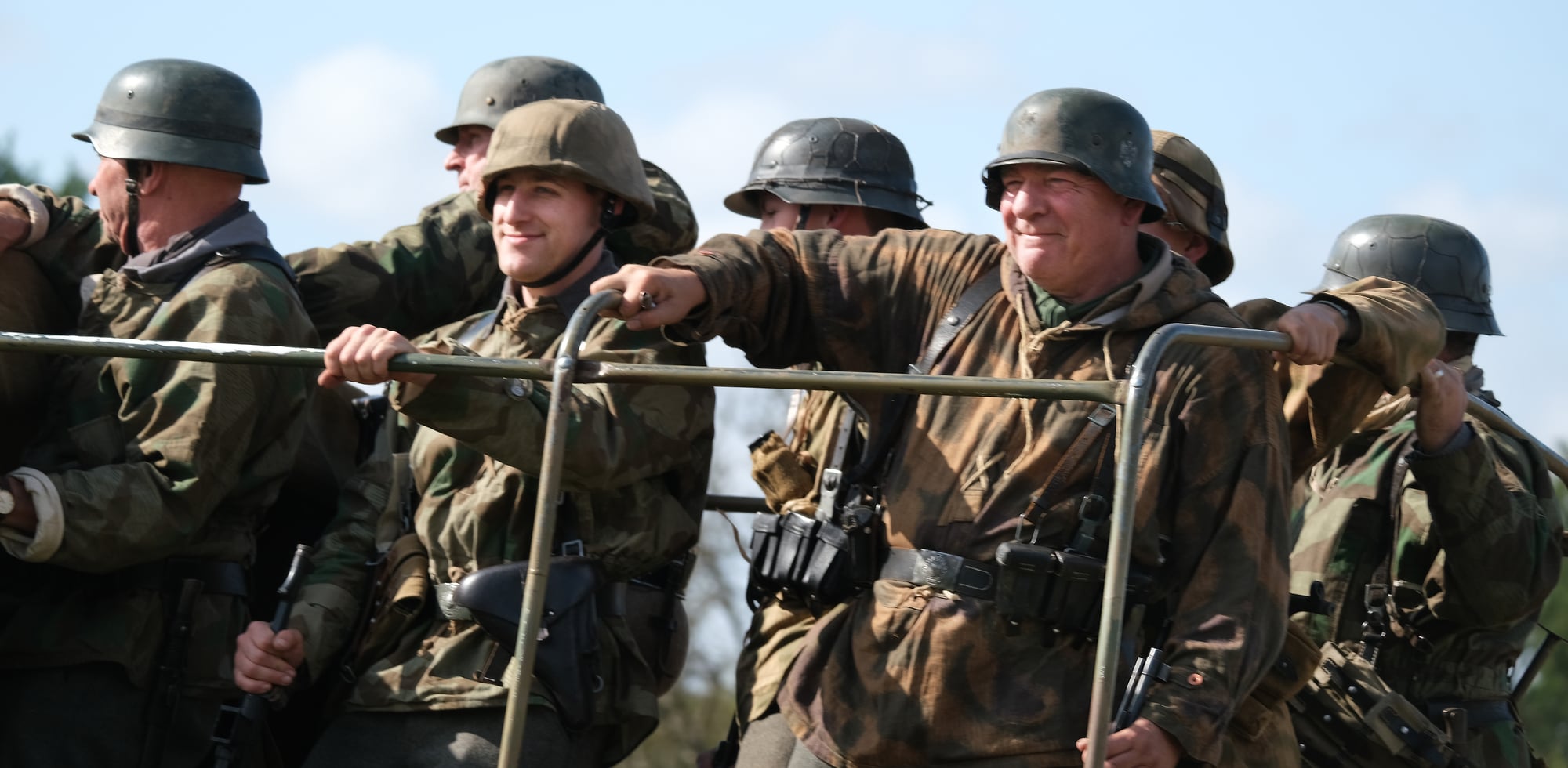
The 1983 farewell to the 4077th Mobile Army Surgical Hospital drew 125 million viewers in the U.S. alone, making it the most-watched scripted television episode in American history. The two-and-a-half-hour finale brought closure to characters that audiences had lived with for 11 years.
Stores reported decreased business during the broadcast, and phone usage dropped significantly as people stayed glued to their sets. The emotional ending gave viewers a satisfying conclusion to a show that had balanced comedy with serious commentary about war.
The Challenger Disaster
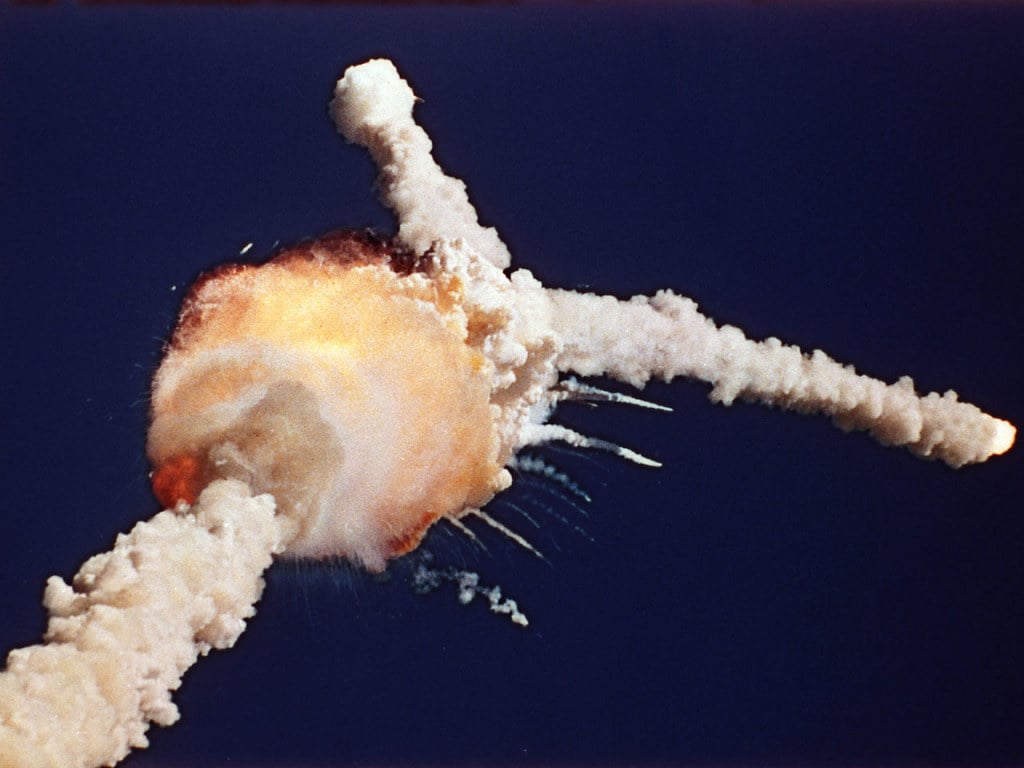
Right after liftoff, the Space Shuttle Challenger broke apart seventy three seconds into flight in 1986. Because Christa McAuliffe, a schoolteacher, was aboard, countless people saw it unfold in real time.
Classrooms everywhere had gathered around TVs to watch history – then witnessed heartbreak instead. Footage of the explosion kept airing, again and again, while confusion spread across the country.
Even though shuttle missions felt ordinary by then, this moment proved they still carried great risk.
The Shooting Of Ronald Reagan
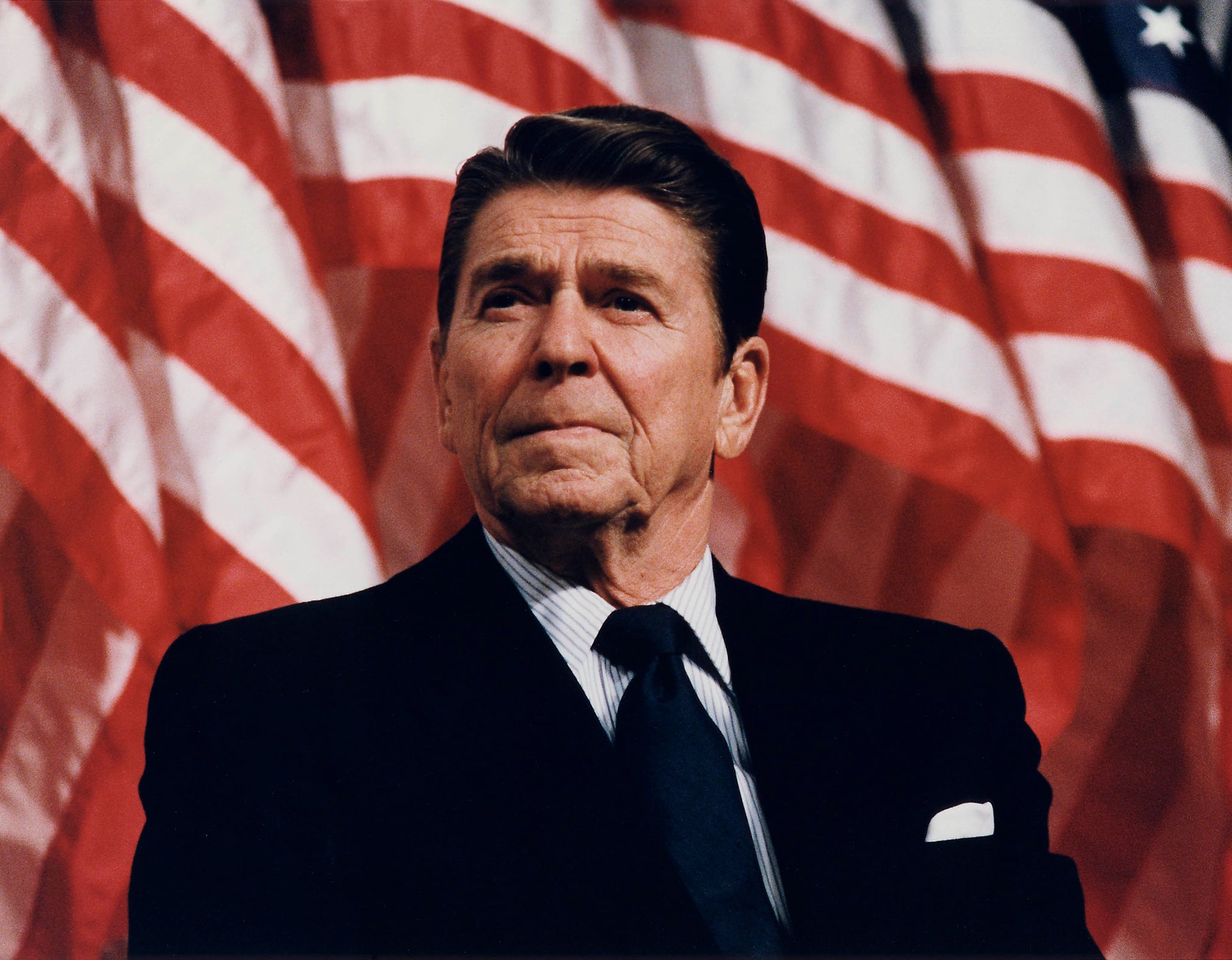
Right after John Hinckley Jr. opened fire on President Reagan in 1981, TV channels shifted without pause into nonstop reporting – people across the country sat fixed to their sets. Because early details were unclear – nobody knew at first exactly who got hurt or how bad it was – the suspense stretched on, hour after tense hour.
Even while wounded, Reagan joked with hospital staff, then later shared light words with his wife, revealing steady nerves amid chaos. Through that moment, broadcast television proved itself still the main window through which citizens witnessed history crack open.
From Spectacle To Smartphone

Back then, folks tuned in all at once, same show, same minute – everyone sharing that instant, like a national heartbeat. These days, screens scatter attention; people pick what to watch when it suits them, thanks to endless apps and feeds.
One big living room moment? Rare now, even if some game or finale pulls us back for a night. Numbers from before – the kind you could hardly believe – are gone for good, replaced by quiet solo scrolling through options no two people see alike.
More from Go2Tutors!

- The Romanov Crown Jewels and Their Tragic Fate
- 13 Historical Mysteries That Science Still Can’t Solve
- Famous Hoaxes That Fooled the World for Years
- 15 Child Stars with Tragic Adult Lives
- 16 Famous Jewelry Pieces in History
Like Go2Tutors’s content? Follow us on MSN.