14 Strange Ways People Told Time Before Clocks
Long before digital watches and grandfather clocks became household staples, our ancestors had to get creative with tracking time. These ingenious—sometimes downright odd—timekeeping methods helped organize daily life using whatever resources were available.
Here’s a look at 14 unusual ways people kept track of hours before modern timepieces came along.
Sundials

Sundials were more than just garden ornaments, despite being the most well-known example of an ancient timepiece. While travelers carried little pocket sundials, other societies built enormous sundials into the sides of hills.
Seasonal changes, which took into consideration the sun’s shifting trajectory throughout the year, were especially ingenious designs. In certain communities in North Africa, designated individuals would stand in predetermined locations and use their own shadows to indicate the passing of time.
Water Clocks

The Greeks and Egyptians of antiquity depended on containers with small holes that allowed water to flow steadily. These containers, called clepsydras, had time markings on the inside walls so that people could check the lowering water level to see what time it was.
Surprisingly dependable for their time, they performed flawlessly at night or in overcast conditions, unlike sundials.
Burning Knotted Ropes

Timekeepers in ancient China used carefully prepared ropes with knots knotted at predetermined intervals. After being burned, these ropes would smolder gradually, not catch fire, and each knot that vanished would indicate that another time period had passed.
Even though it wasn’t very accurate by today’s standards, this system worked well enough to organize everyday tasks in farming communities.
Candle Clocks

Tall candles had metal pins inserted at predetermined intervals by medieval timekeepers. These pins would “ping” into metal dishes below as the wax melted away, informing people that another hour had gone by.
In some more complex versions, distinct scented waxes were used for different parts of the day, so that people could literally smell the time of day without even looking at the candle.
Incense Sticks
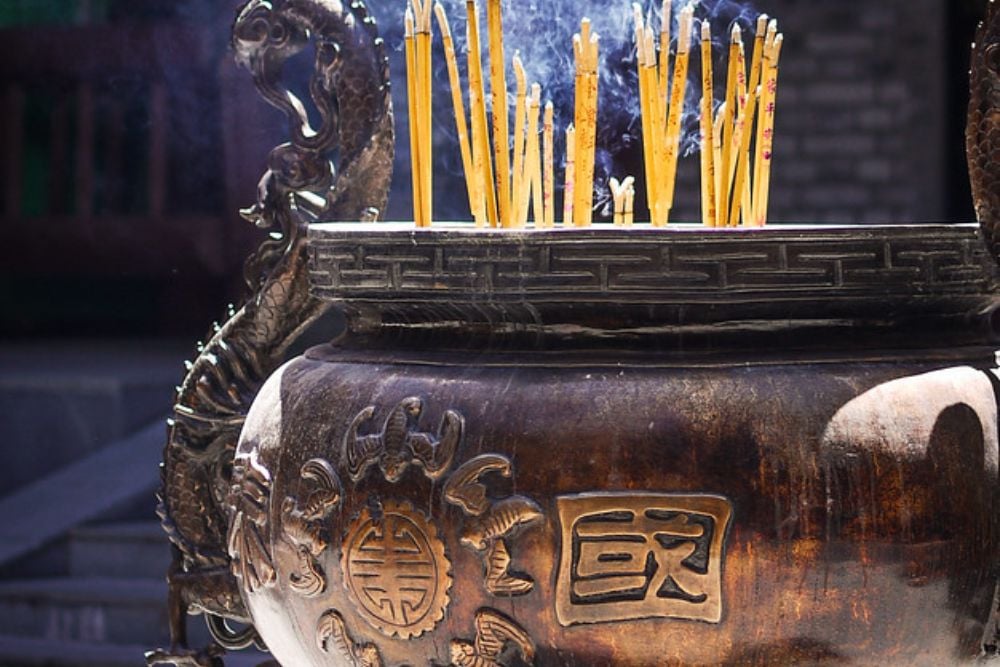
Throughout Asia, precisely crafted incense sticks burned at consistent rates to indicate the hours that passed. As the incense burnt through, the most advanced versions included threads strung across the incense path, each of which held tiny weights that would fall into chimes.
Temples frequently employed intricate incense trail designs that could use a variety of smells and noises to mark the passing of time for an entire day.
Merkhet
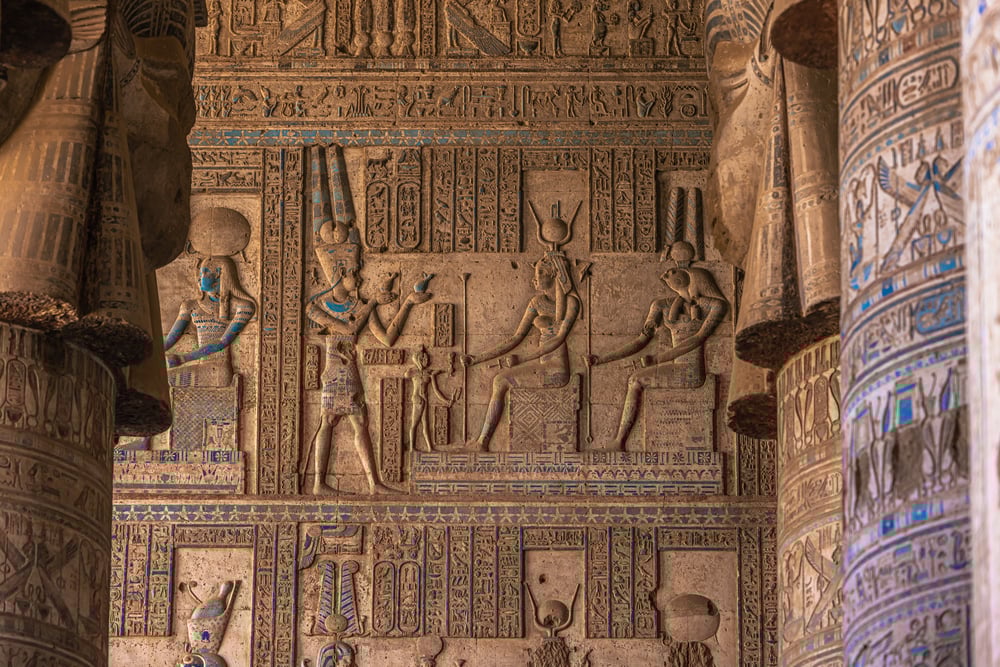
This fascinating Egyptian astronomical tool doesn’t get nearly enough credit in timekeeping history. Consisting of a straight measuring rod and plumb line, the merkhet allowed trained observers to track specific stars as they crossed the night sky.
By aligning the device with the North Star and monitoring other celestial movements, Egyptian timekeepers could divide nighttime into remarkably accurate segments.
Stomach Rumbling

It sounds primitive, but some Pacific island communities traditionally structured their day according to predictable hunger pangs. Morning hunger typically struck around dawn, midday hunger around noon, and evening hunger as the sun began setting.
While not precise enough for modern scheduling, this bodily clock served its purpose in societies where specific hour designations weren’t crucial.
Oil Lamps

Middle Eastern civilizations developed specialized oil lamps with calibrated chambers showing how much oil should burn within certain timeframes. The craftsmen behind these devices carefully selected specific oils known for their consistent burn rates—often mixing them with salt or other additives to ensure dependability.
During important religious ceremonies, these lamps helped ensure rituals happened at the proper intervals.
Sand Glasses
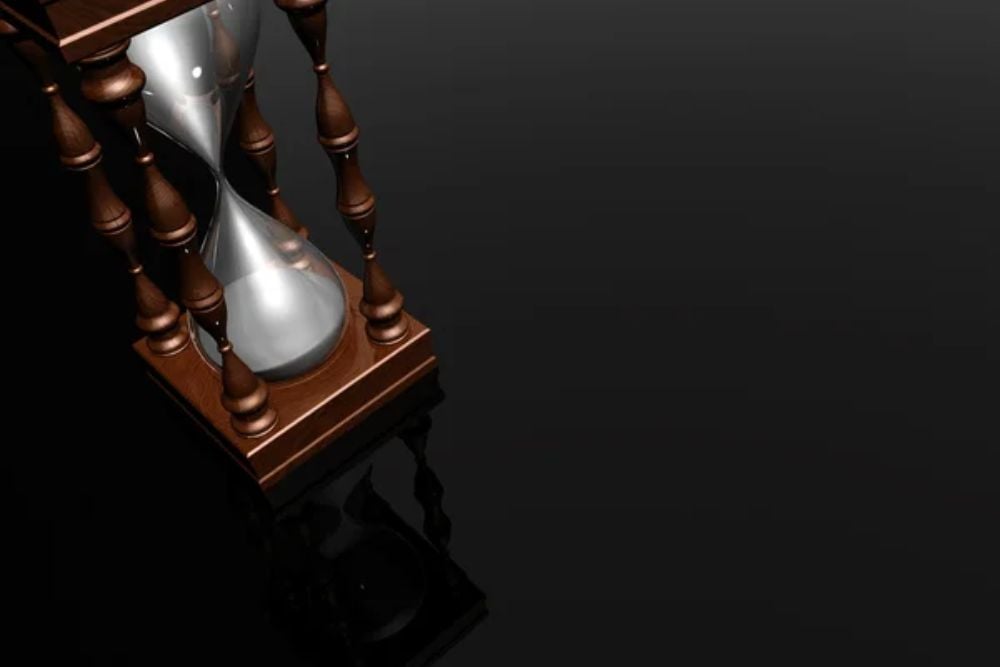
Before the hourglass became standardized, various sand timers measured different durations—not just the single hour we associate with them today. Sailors used sand glasses to time watch shifts, while cooks employed smaller versions for consistent cooking times.
The quality of sand mattered tremendously—it couldn’t be too moist or too dry, and grains needed a uniform size for accurate measurements.
Fire Clocks

Japanese timekeepers developed wooden blocks with precisely carved grooves of different depths. When lit, fire would travel along these channels at predictable rates—with wider or deeper sections burning more slowly.
These blocks required extensive calibration depending on the season and local humidity levels, and skilled timekeepers adjusted their designs accordingly.
Water Wheel Clocks
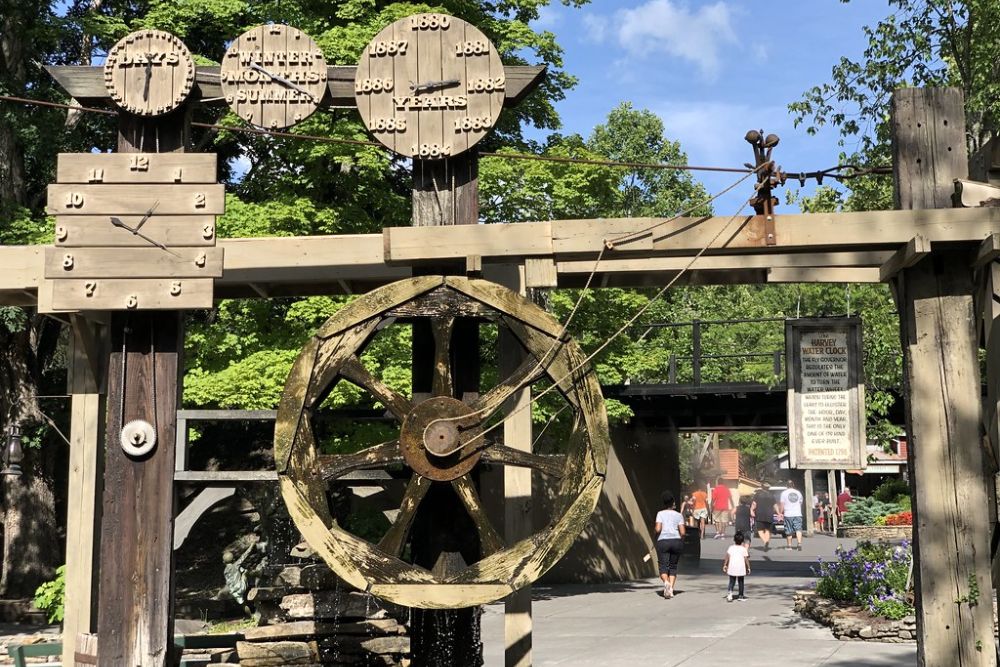
Chinese engineers created intricate water-powered wheels that rotated at controlled speeds as water flowed through them. Connected to these wheels were mechanical figures that would move, ring bells, or display the time in creative ways.
Su Song’s famous 11th-century astronomical clock tower—standing over 30 feet tall—used this technology to track not just hours but celestial movements with remarkable precision.
Animal Behavior

Farming communities worldwide noticed that many animals follow surprisingly reliable schedules. Beyond the familiar rooster’s dawn announcement, observers noted that certain birds sing at specific hours, cows naturally gather for milking at regular intervals, and some flowers open and close at particular times each day.
These natural timers helped structure agricultural activities long before mechanical clocks became available.
Flower Clocks
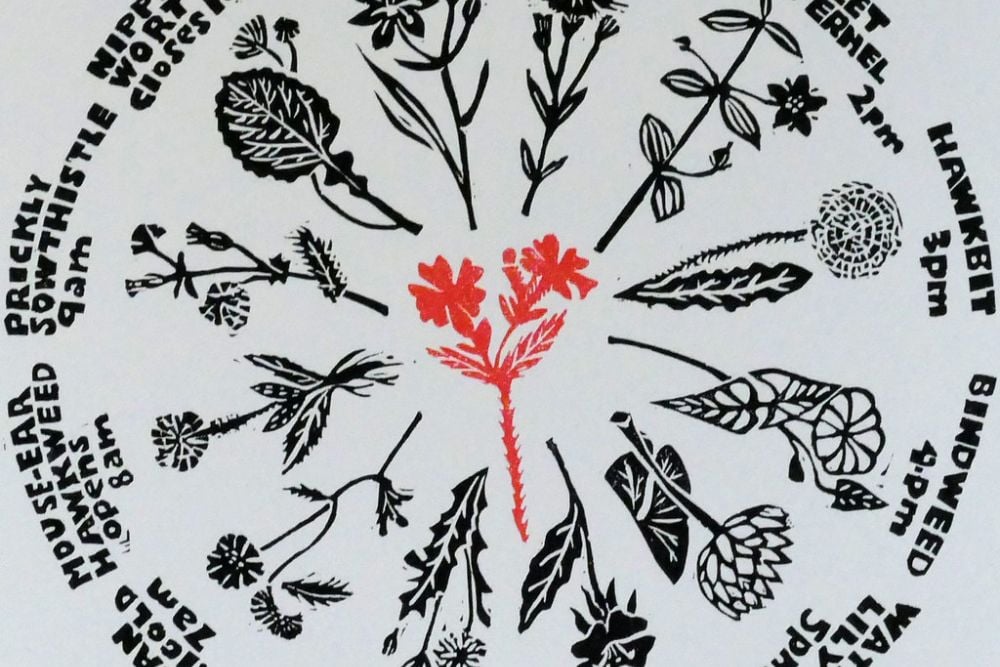
Carl Linnaeus—the father of modern taxonomy—created perhaps the most beautiful timekeeping method when he designed his “horologium florae” or flower clock garden. He carefully arranged plants that open or close their blooms at specific hours in a circular pattern.
A person walking around this living clock could tell the approximate time by observing which flowers were currently open or closed—combining science with natural beauty.
Bladder Clocks

Perhaps the strangest timekeeping method relied on the human body’s predictable processing of liquids. Mongolian travelers reportedly drank specific amounts of water before long journeys, knowing their bodies would signal the passage of time through natural urges.
Ship captains and caravan leaders supposedly trained themselves to such precision that they could estimate multi-hour periods this way—though you won’t find this method recommended in any modern time management guides!
The Human Timepiece Journey

The evolution of timekeeping reveals our deep-rooted need to structure our days and coordinate with others. While atomic clocks now measure time with mind-boggling precision, these ancient methods highlight human ingenuity at its finest.
Using simple materials—water, fire, sand, plants, and even their own bodies—our ancestors created surprisingly effective systems that laid the groundwork for today’s precise chronometers. Their creative solutions remind us that innovation often emerges from working with whatever resources happen to be available.
More from Go2Tutors!

- The Romanov Crown Jewels and Their Tragic Fate
- 13 Historical Mysteries That Science Still Can’t Solve
- Famous Hoaxes That Fooled the World for Years
- 15 Child Stars with Tragic Adult Lives
- 16 Famous Jewelry Pieces in History
Like Go2Tutors’s content? Follow us on MSN.