18 Theories About the Real Robin Hood
Robin Hood remains one of history’s most puzzling mysteries. The legendary outlaw who supposedly stole from the rich to aid the poor has fascinated people for centuries, but was he actually based on a real figure? For decades, historians and amateur sleuths have sifted through medieval records, court documents, and old ballads in search of answers.
The challenge lies in separating fact from folklore. Over more than 600 years, Robin’s story has been retold, exaggerated, and reimagined countless times. Below are 18 theories about who the real Robin Hood might have been.
Robert Hod of York (1225)
— Photo by philopenshaw
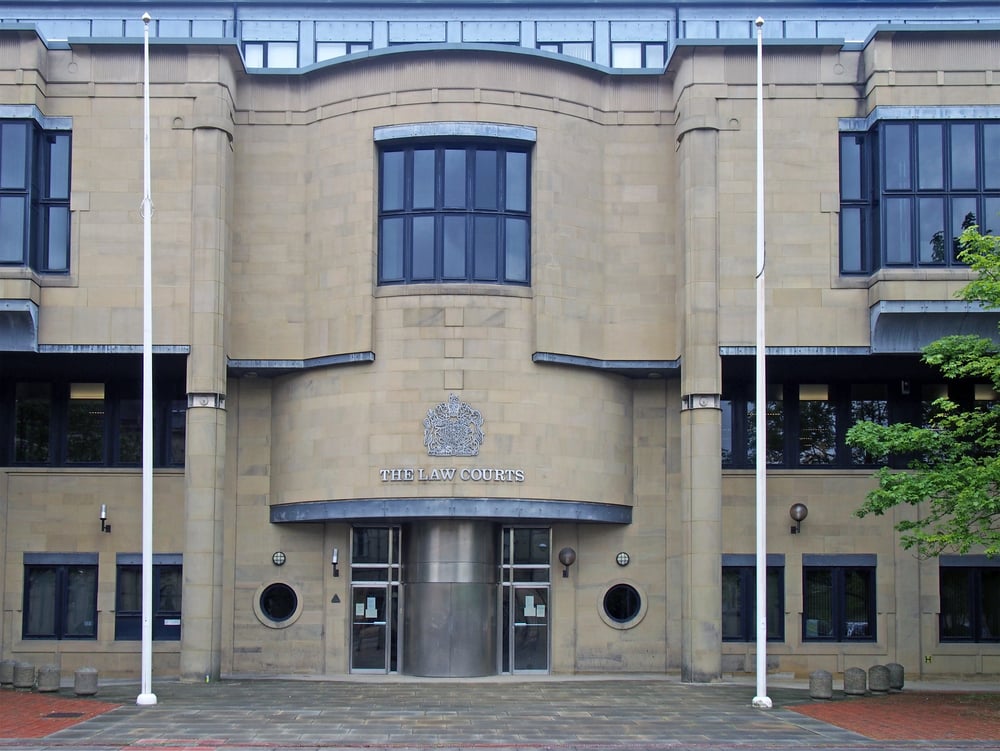
One of the earliest names linked to Robin Hood appears in Yorkshire court records from 1225. A “Robert Hod, fugitive,” had his belongings seized by royal justices after failing to pay debts worth 32 shillings and 6 pence. Researcher L.V.D. Owen discovered this reference in 1936. Later documents also call him “Hobbehod.” Since the debt was owed to St. Peter’s in York, he may have been a tenant of the archbishopric. The timing is telling—during Henry III’s reign, when heavy taxation turned outlaws into unlikely folk champions for ordinary people.
Robert Hood of Wakefield

Historian Joseph Hunter traced Robin Hood to a Robert Hood living in Wakefield around 1316–1317. Hunter believed this man to be the same “Robyn Hode” who later served King Edward II in 1323. The theory suggests he joined the Earl of Lancaster’s rebellion, was outlawed after Lancaster’s defeat in 1322, and later pardoned. Records mention that Robert Hood had a wife named Matilda and lived near Barnsdale Forest—a location that appears in early ballads, unlike the later association with Sherwood Forest. With Hood families long tied to Wakefield, this theory is geographically convincing.
Roger Godberd
— Photo by njarvis
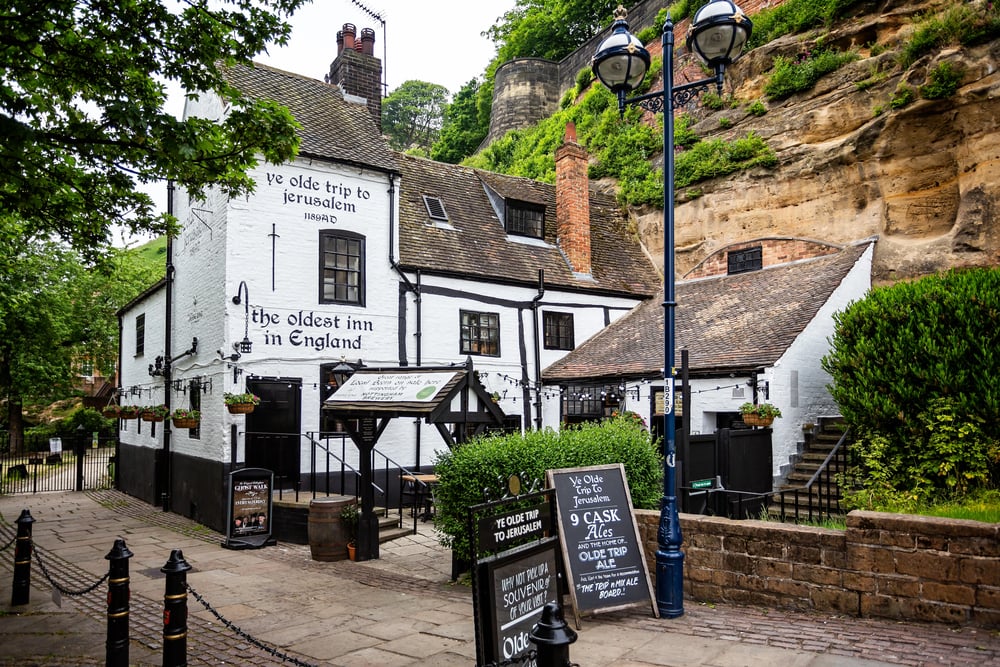
Roger Godberd, a 13th-century outlaw, also has striking similarities to the legend. Initially on good terms with the Sheriff of Nottingham, he fell out with him during a local power struggle. After being prosecuted, Godberd fled to the forests and lived as a bandit until he received a royal pardon. Historian David Baldwin notes that Godberd was a staunch supporter of Simon de Montfort, meaning his outlawry dates to the 1260s. Like Robin Hood, he clashed with authority, lived in the woods, and eventually found forgiveness.
Robert de Kyme

A Saxon nobleman, Robert de Kyme, was outlawed in 1226 for robbing the king and disturbing the peace. His lands had been seized by the Earl of Huntington, and de Kyme supposedly retreated to the forest in retaliation. He was outlawed again in 1265 after the Battle of Evesham. With his Saxon background in a Norman-dominated England, de Kyme fits the archetype of the dispossessed noble that later Robin Hood stories embraced.
Robin de Deyville
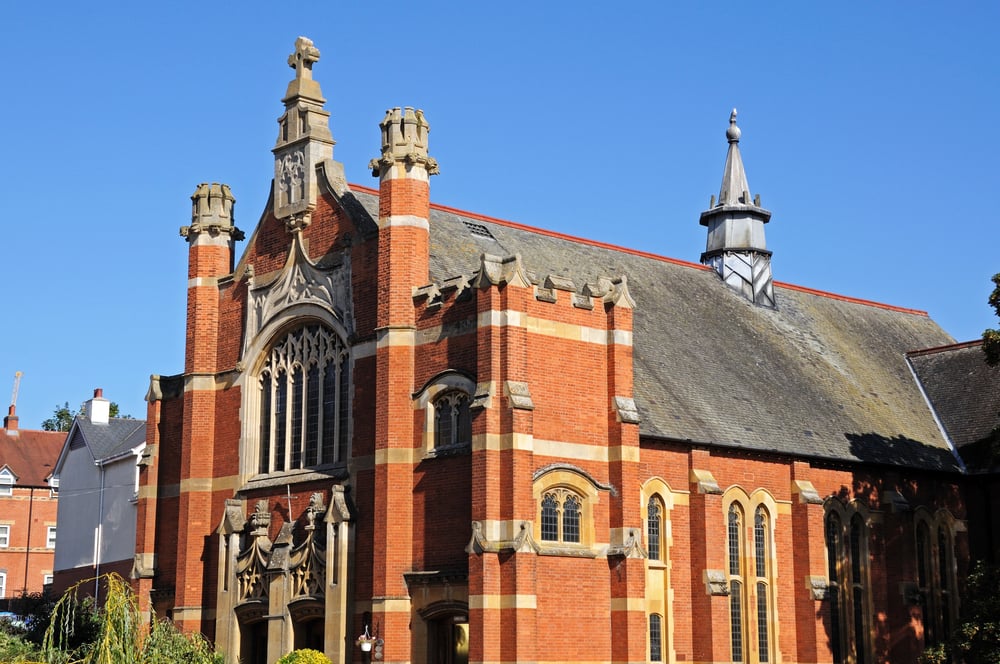
Robin de Deyville was a supporter of Simon de Montfort in the 13th century. After Montfort’s defeat at Evesham, he turned outlaw, living in the forests. This theory casts Robin Hood as a political rebel rather than a common thief, fitting the pattern of nobles who resisted royal power and paid the price.
The Deyville Brothers Theory
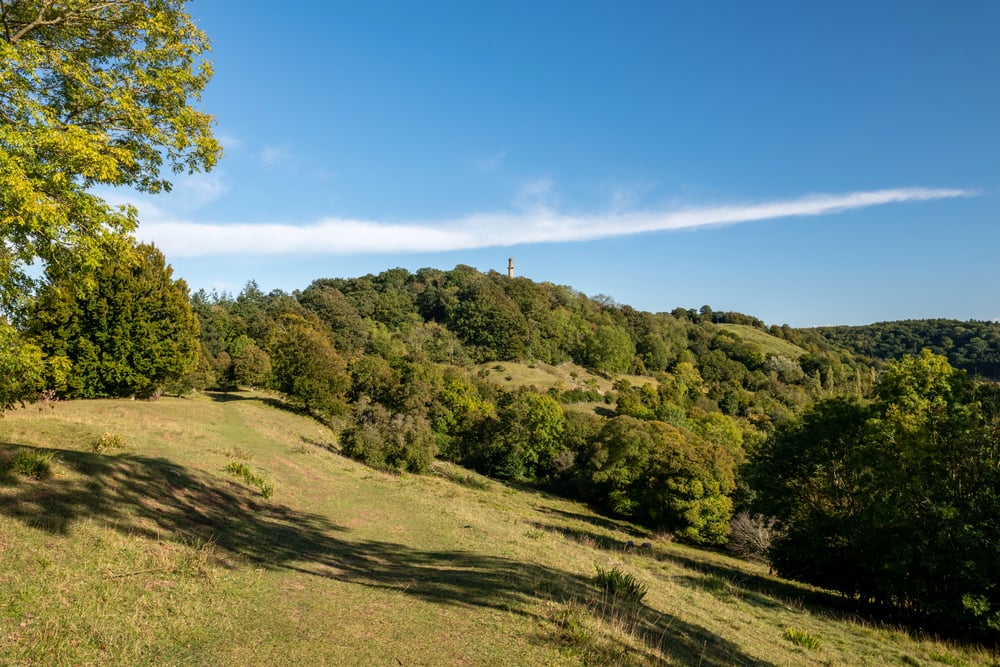
Historian Oscar de Ville studied John and Robert Deyville, both active during the Second Barons’ War. After Evesham, they controlled properties in Barnsdale and owned a fortified home at Hood Hill in North Yorkshire. The Hood Hill link is intriguing—Robin’s surname may have come from a location, not clothing. Their resistance and strong Yorkshire ties make this theory persuasive.
Earl David of Huntington

Some point to Earl David of Huntington as inspiration, noting that chroniclers like Fordun, Wyntoun, and Major—all of whom mentioned Robin Hood—had connections to him. David had links to Nottingham and to Gisburne, possibly influencing the creation of Guy of Gisborne in the tales. His prominence would explain why Scottish writers took notice, and why later dramatists gave Robin noble roots.
The Generic Outlaw Theory
The name “Robin Hood” may have been less a person and more a label. Medieval records show various “Robehod,” “Robbehod,” and “Robinhood” figures in places from Berkshire to York as early as the 1260s. By the 19th century, researchers agreed the name might have been a generic alias for criminals. In this view, Robin Hood wasn’t one man at all but a recurring outlaw identity.
Willikin of the Weald
William of Cassingham, or “Willikin of the Weald,” fought against French invaders in the early 13th century when Prince Louis of France tried to seize the English crown. Leading skilled longbowmen from the forested Weald of Kent, he raided French forces and returned plunder to locals. His story—a forest fighter opposing corrupt power during King John’s reign—echoes Robin Hood closely, and some believe he may be the original model.
The Mythological Forest Spirit Theory
Dating back to 1584, Reginald Scot suggested Robin Hood was linked to the goblin Hudgin or Hodekin, and even to the fairy Robin Goodfellow. Others connect him to lingering Celtic pagan traditions, noting his signature green attire resembles fairy lore. This theory casts Robin Hood not as a man at all, but as a woodland spirit woven into English folklore.
The Puck Connection

A related idea is that Robin Hood was simply another form of Puck, the mischievous sprite. Both figures defy authority, play tricks, and side with ordinary folk, suggesting that Robin’s earliest tales may have blended with wider traditions of supernatural tricksters.
Robert Hood of Cirencester
Between 1213 and 1216, Robert Hood, a servant of the Abbot of Cirencester, killed a man named Ralph in the abbot’s garden. Some link this outlaw to Robin Hood’s famous defiance of the church. Historian J.C. Holt, however, dismissed this theory, pointing out that Cirencester is far from Robin’s traditional haunts in Yorkshire and Nottinghamshire. Still, the early date and anti-clerical angle are worth noting.
The Rockingham Forest Robin

In 1354, records mention a Robin Hood jailed in Rockingham for forest offenses. But since this was so close in time to the first literary mention of Robin Hood (1377), most scholars believe this was simply someone borrowing the outlaw’s name rather than the origin of the legend.
Robert Bruce Connection Theory
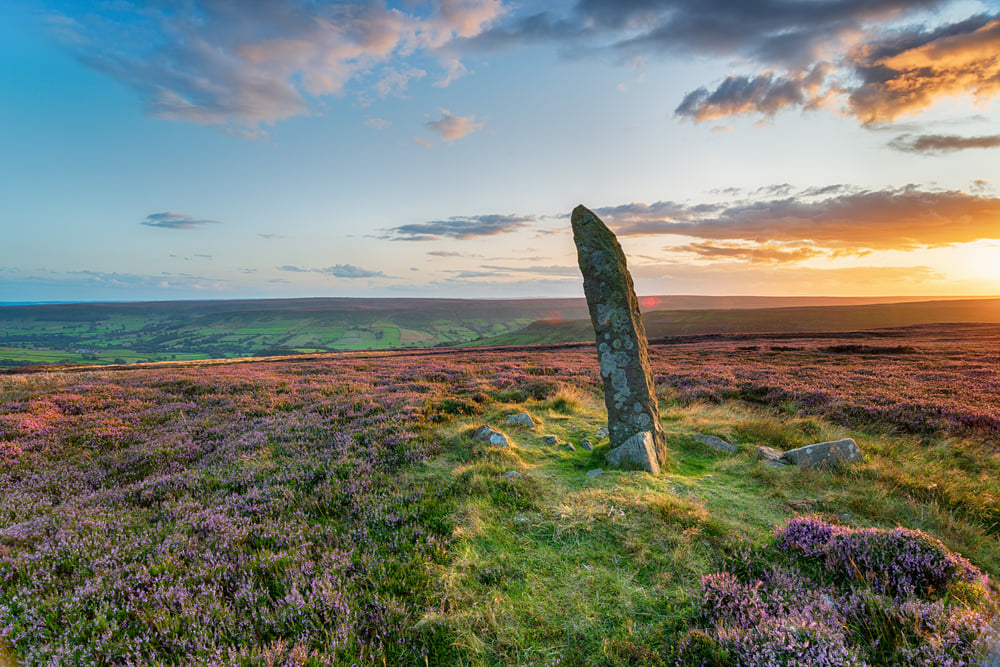
Earl David’s daughter Isabella married into the Bruce family, who held power in Guisborough (also called Gisburne). This could explain Robin Hood’s foe, Guy of Gisborne, as a fictionalized version of these family conflicts. The Huntington-Bruce ties may have seeped into the legend.
The Crusader Theory
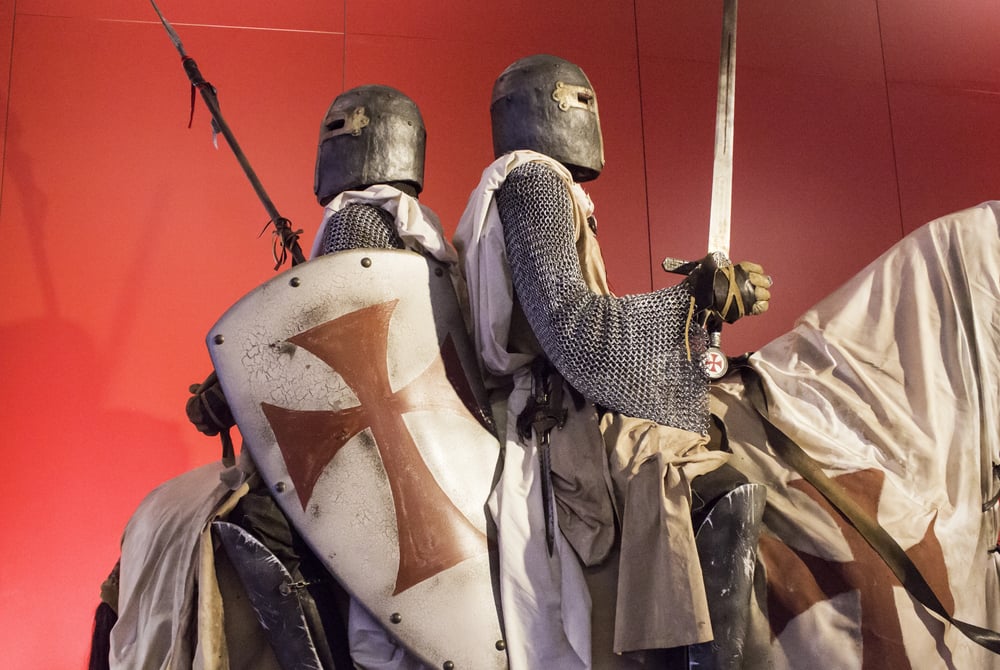
Later retellings, especially Sir Walter Scott’s Ivanhoe, reimagined Robin as a Crusader returning from the Holy Land to find his estate seized. This idea reflects 19th-century romanticism rather than medieval sources. The first such depiction appeared in John Major’s 1521 history, long after the earliest ballads. No real crusader named Robert Hood has ever been identified.
The Composite Character Theory

With so many candidates, many scholars believe Robin Hood was never just one man. Instead, the stories likely drew on several different rebels, outlaws, and folk heroes. Over time, these strands merged into the single figure we know today.
The Court Entertainer Theory
— Photo by yegorov.nick
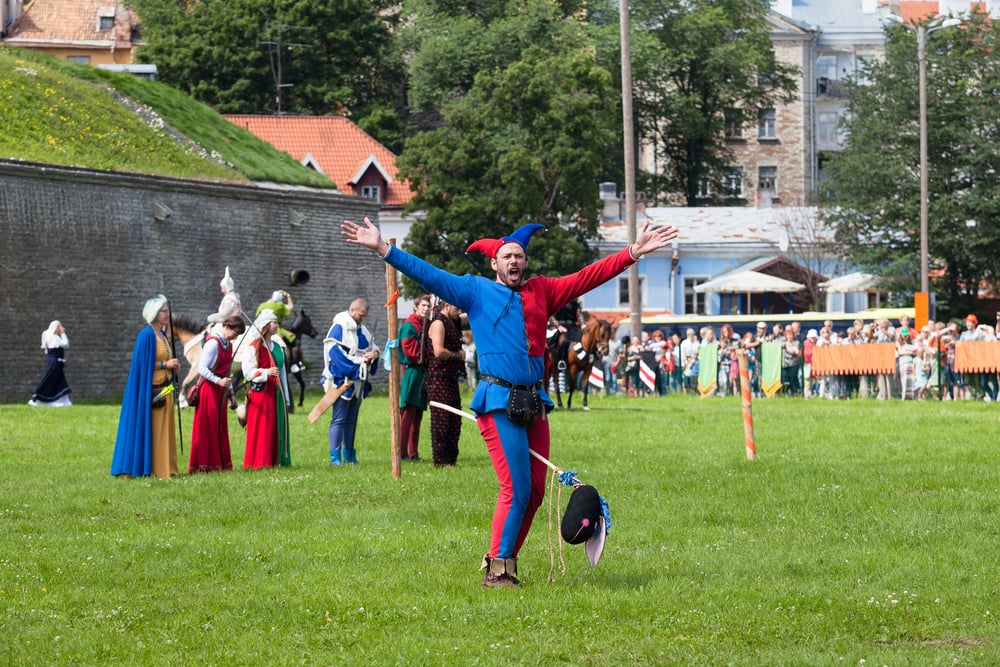
Some argue Robin Hood was purely fictional, invented by minstrels and entertainers who spun outlaw tales for audiences hungry for drama. Like today’s pop culture, these performances blended fact, rumor, and imagination into enduring stories.
The Political Propaganda Theory

A modern view suggests Robin Hood’s legend was crafted to serve political needs. Early ballads show him as a yeoman, a hero for commoners. Later stories transformed him into a nobleman, appealing to the gentry. This flexibility hints at deliberate storytelling, turning Robin into a political symbol rather than a grassroots legend.
Echoes Across Time

In the end, searching for the “real” Robin Hood tells us more about ourselves than about him. Whether he was Robert Hod of York resisting taxes, Roger Godberd clashing with Nottingham’s sheriff, or Willikin defending England against invaders, each candidate embodies the timeless dream of someone standing up to corrupt power. Perhaps Robin’s greatest truth is not whether he lived, but why his legend still thrives: because people will always hope for a champion of the powerless.
More from Go2Tutors!

- 16 Historical Figures Who Were Nothing Like You Think
- 12 Things Sold in the 80s That Are Now Illegal
- 15 VHS Tapes That Could Be Worth Thousands
- 17 Historical “What Ifs” That Would Have Changed Everything
- 18 TV Shows That Vanished Without a Finale
Like Go2Tutors’s content? Follow us on MSN.



