15 Plants that Eat Meat to Survive
Most people think of plants as peaceful, green organisms that quietly make their own food from sunlight. But nature has a darker side where some plants have turned the tables completely, becoming hunters instead of the hunted. These carnivorous plants have evolved incredible traps and digestive systems that would make any predator jealous.
These remarkable plants didn’t develop their meat-eating habits out of bloodlust, but out of necessity. They typically grow in nutrient-poor soils where traditional plants struggle to survive, so they’ve adapted to get their nitrogen and phosphorus from a more mobile source: animals.
Here is a list of 15 fascinating plants that have mastered the art of turning insects, small animals, and even rodents into their next meal.
Venus Flytrap
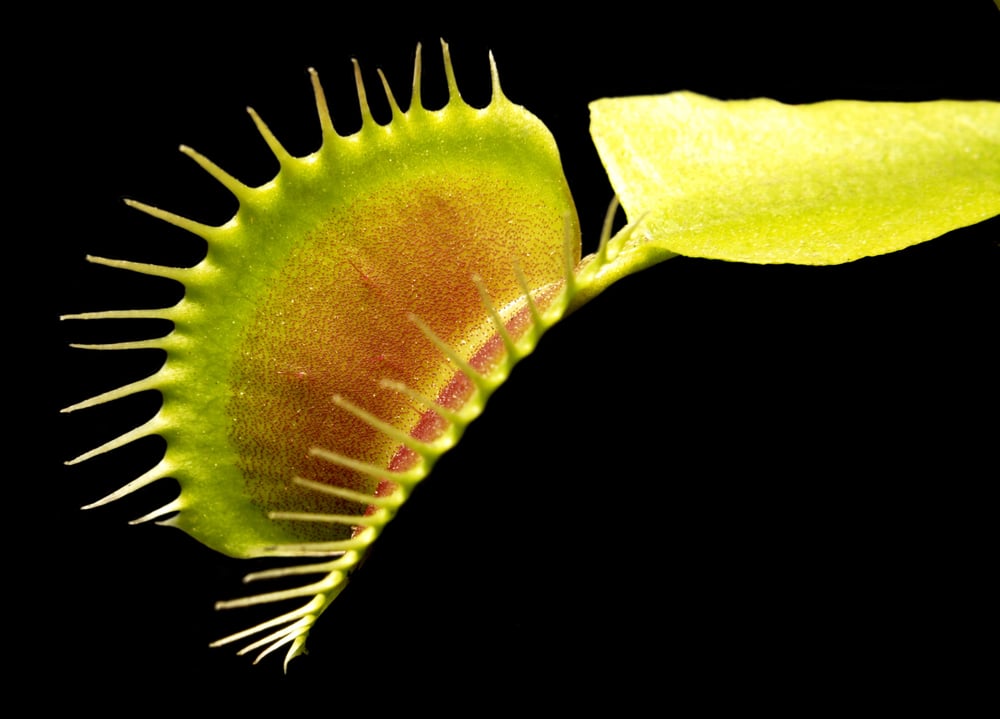
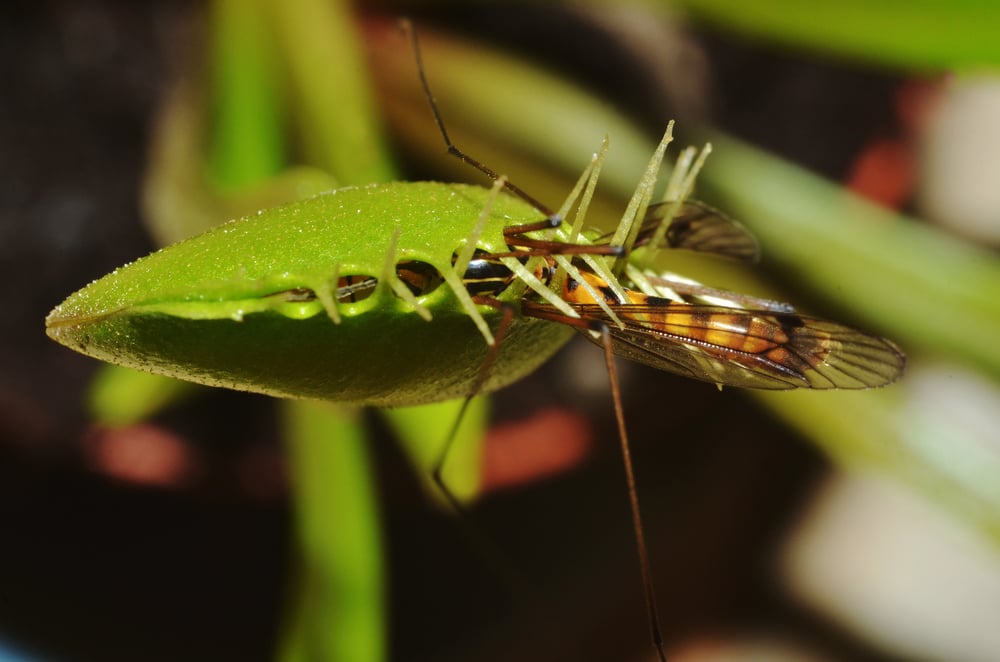
The Venus flytrap is probably the most famous carnivorous plant on Earth, and for good reason. This North Carolina native has modified leaves that look like tiny green mouths complete with spiky ‘teeth’ around the edges.
When an unsuspecting insect touches two of the trigger hairs inside the trap within about 20 seconds, the mouth snaps shut faster than you can blink, trapping its victim inside for a slow digestive death.
Nepenthes rajah
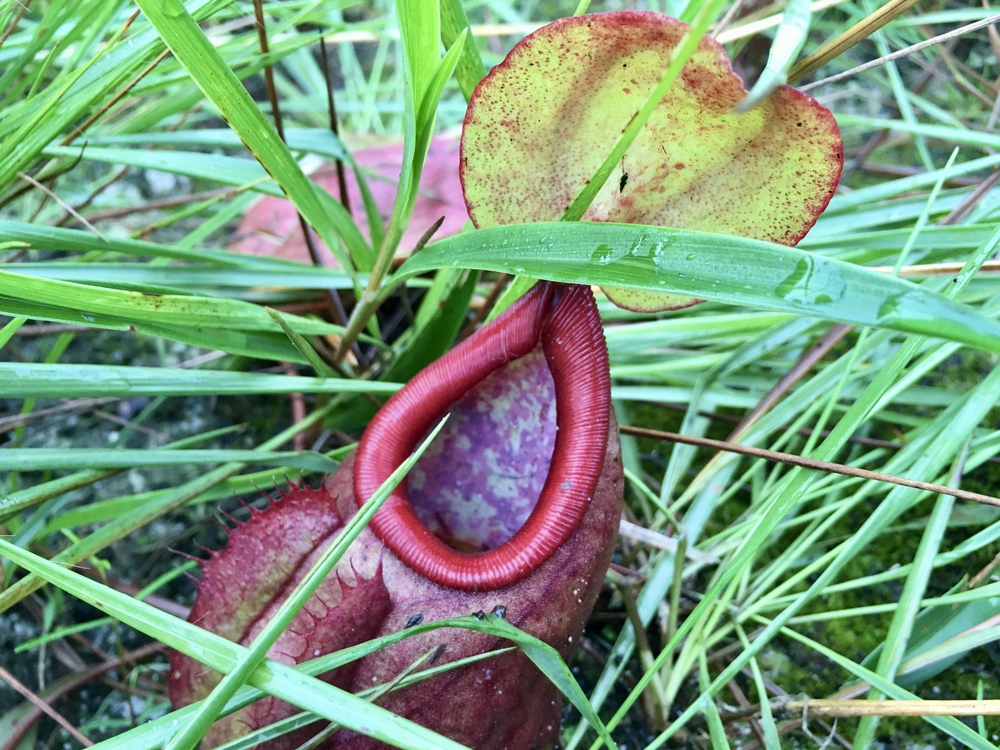
If you thought the Venus flytrap was impressive, meet the heavyweight champion of carnivorous plants. This giant montane pitcher plant from Borneo produces pitchers that can hold over 3 liters of water – that’s nearly a gallon.
These massive traps don’t just catch insects; they’ve been found with rats, frogs, and even small birds floating in their digestive soup.
Sundew
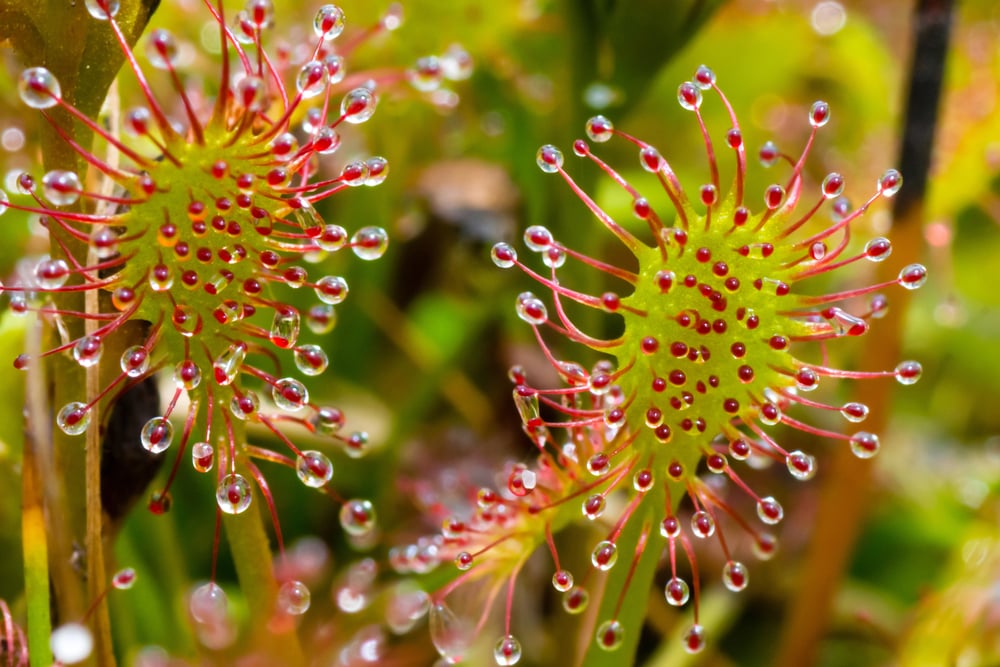
Sundews might look delicate and beautiful with their glistening, jewel-like appearance, but they’re actually efficient killing machines. Their leaves are covered in hundreds of tiny tentacles that ooze sticky droplets, making the plant look like it’s covered in morning dew.
When insects land on these ‘dewdrops’ thinking they’ve found water, they get stuck in what’s essentially nature’s flypaper and slowly get digested alive.
Purple Pitcher Plant
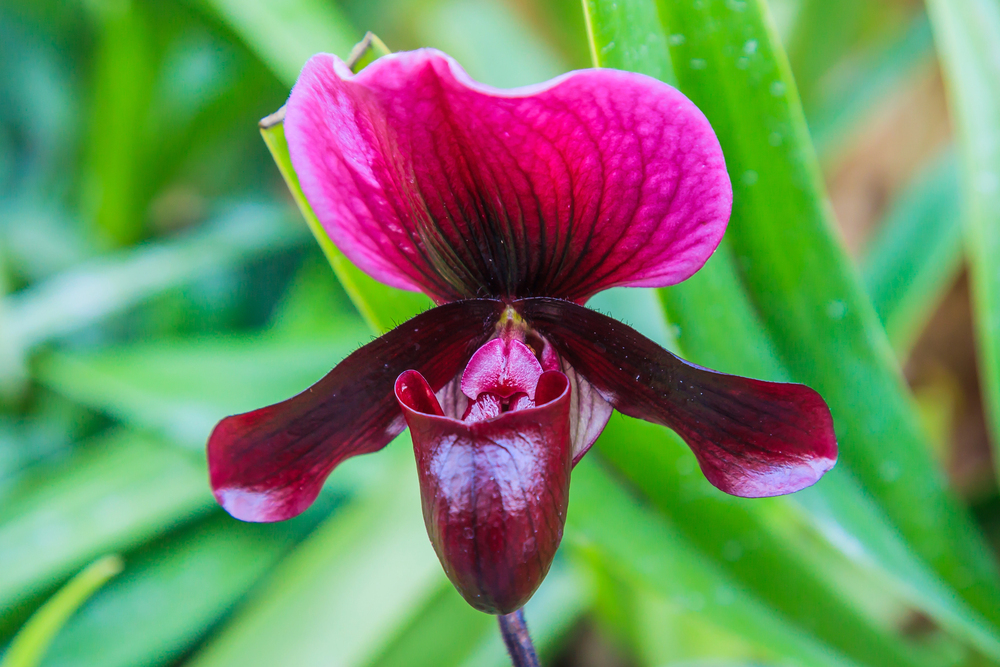
The purple pitcher plant takes a more passive approach to hunting, but it’s no less deadly. These North American natives have tall, tube-shaped leaves that fill with rainwater and digestive enzymes.
Insects are lured to the rim by sweet nectar, but the slippery edges send them tumbling into the watery death trap below where they can’t climb back out, and communities of bacteria and invertebrates help break down the prey.
Cobra Plant
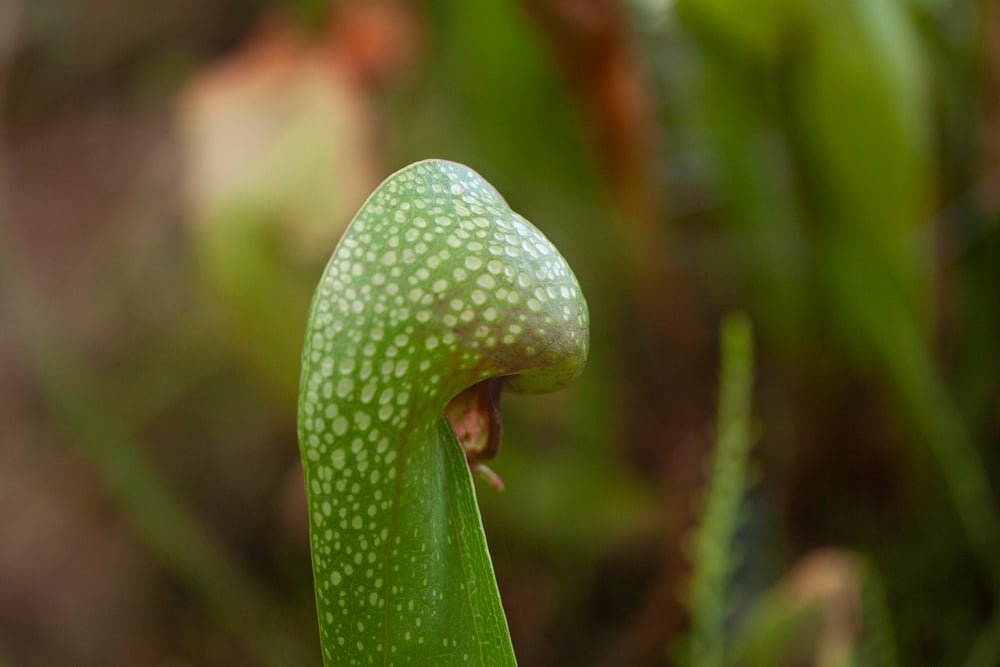
Looking like a hooded cobra ready to strike, this California native has one of the most sinister appearances in the plant kingdom. The cobra plant’s victims enter through an opening at the bottom of the hood, thinking they’re heading toward light from translucent windows in the leaves.
Instead, they find themselves trapped in a maze of downward-pointing hairs with no way out
Bladderwort
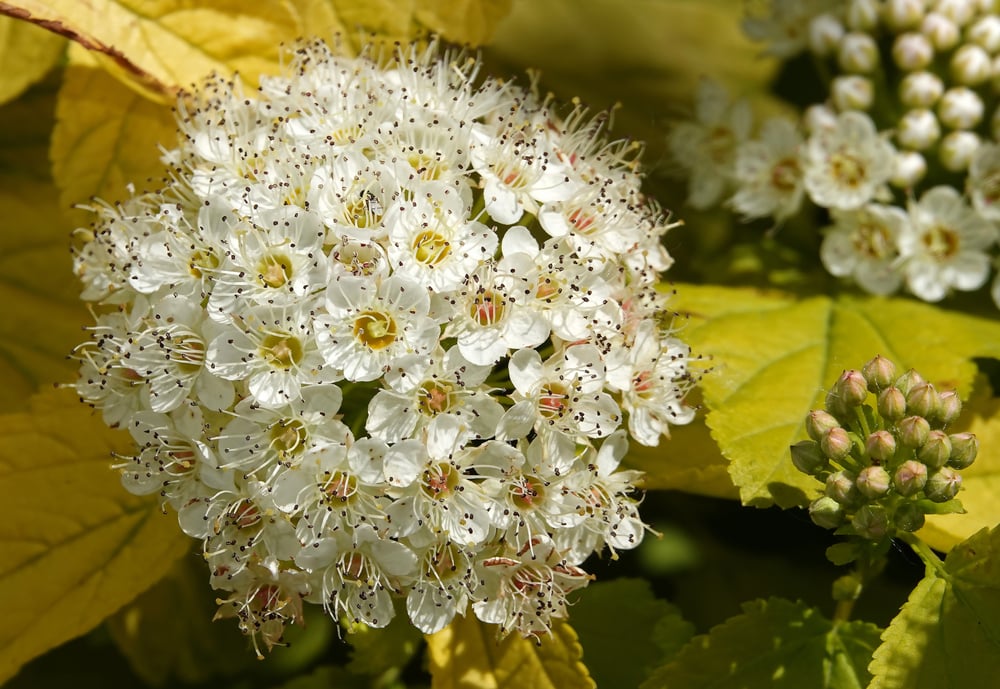
Don’t let the innocent name fool you – bladderworts are speed demons of the carnivorous plant world. These aquatic plants have tiny bladders that create a vacuum, and when microscopic creatures trigger the trap door, they get sucked inside in less than a millisecond.
It’s like nature’s own version of a high-powered vacuum cleaner, but for tiny water animals.
Common Butterwort
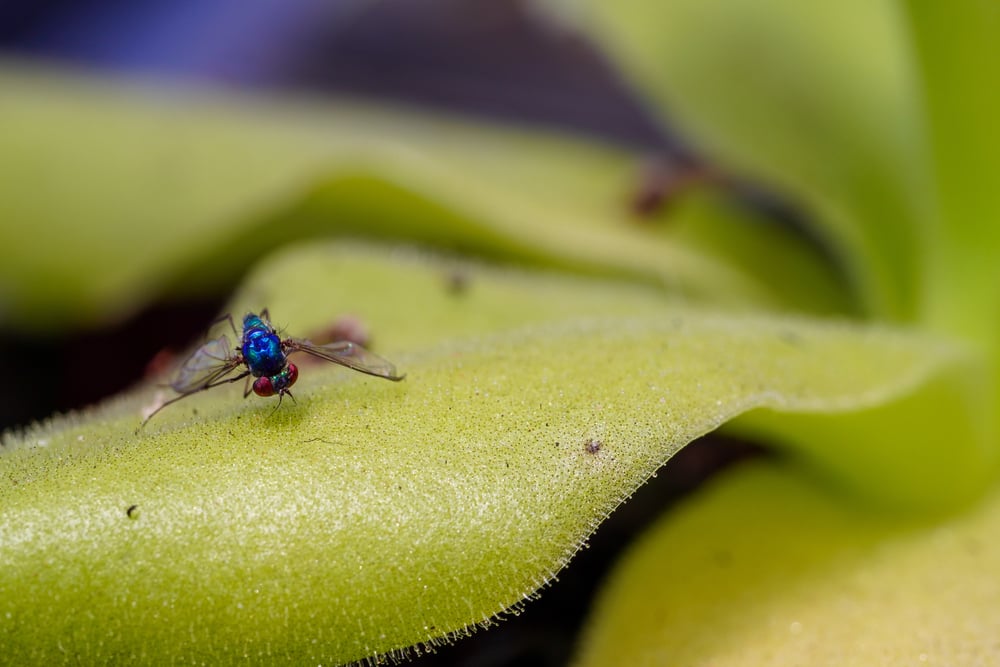
Butterworts might have a gentle-sounding name, but their leaves are covered in tiny glands that produce a slippery, greasy surface perfect for trapping small insects. The plant gets its name from the buttery feel of its leaves, which have historically been used to curdle milk.
Once an insect lands on the slick surface, it can’t get enough traction to escape and becomes the plant’s next meal.
Attenborough’s Pitcher Plant
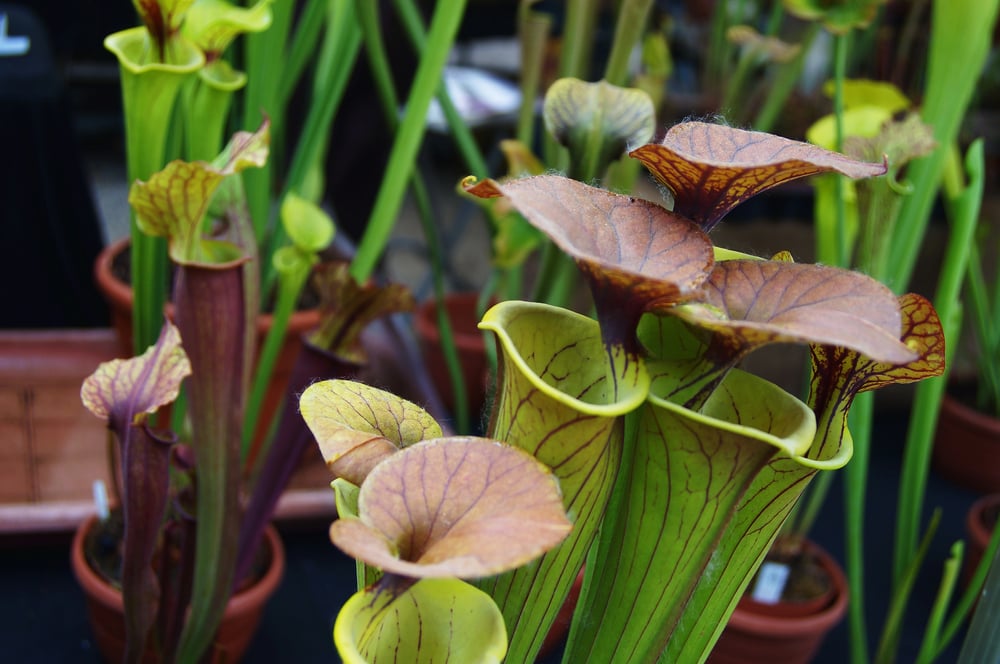
Named after the famous naturalist David Attenborough, this critically endangered plant from the Philippines produces some of the largest pitchers in the world. Found only on a single mountain peak, these plants can catch and digest small rodents in their enormous traps.
The pitchers can grow up to 12 inches in diameter, making them large enough to swallow a baseball.
Australian Sundew
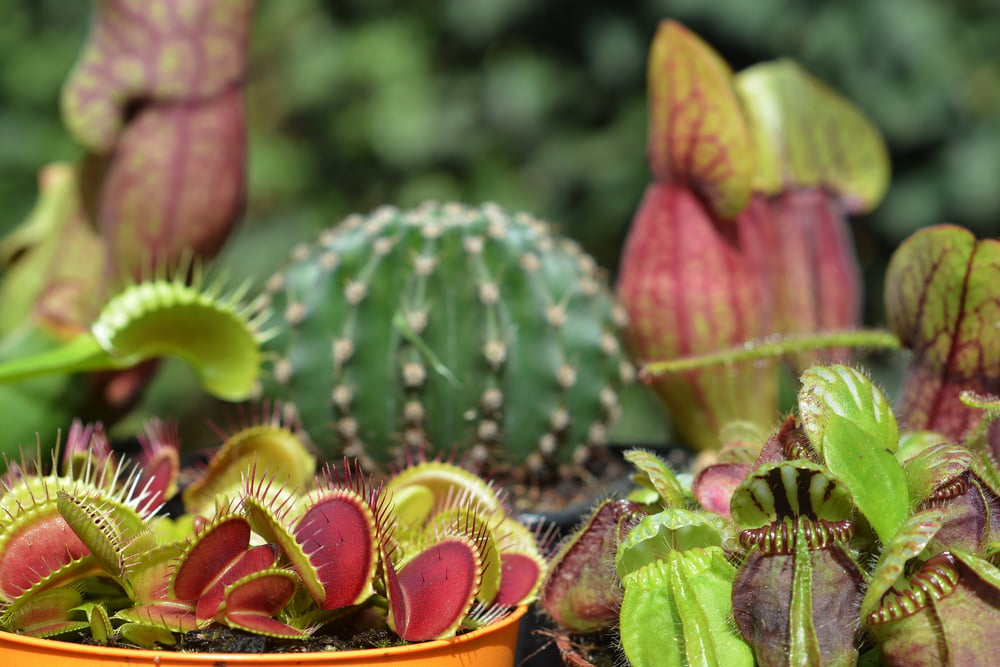
Australia’s sundews come in dozens of varieties, but they all share the same basic hunting strategy: sticky tentacles that catch and hold prey. Some Australian species are so small they specialize in catching gnats, while others occasionally trap small frogs, though vertebrate captures are rare and usually accidental.
The really clever part is how the tentacles slowly curl around their victims like tiny fingers, ensuring nothing escapes.
Rainbow Plant
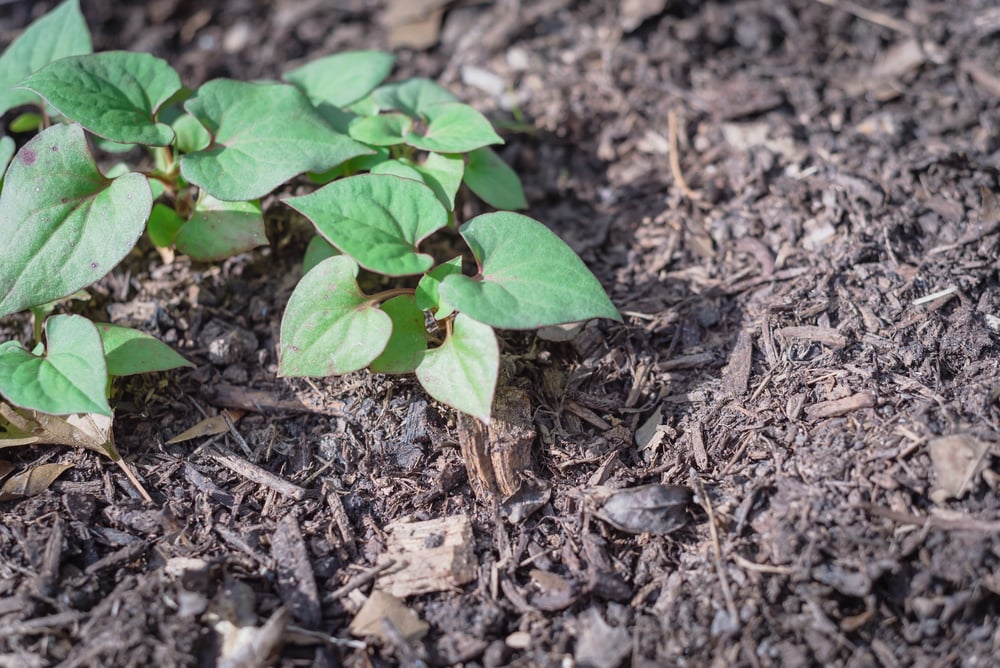
The rainbow plant from Australia gets its name from the way its sticky leaves shimmer with all the colors of the spectrum in bright sunlight. This beautiful display is actually a deadly lure created by countless droplets of glue-like mucilage.
Flying insects mistake the colorful sparkles for flowers or water drops, only to become permanently stuck to what amounts to nature’s most attractive death trap.
Yellow Pitcher Plant
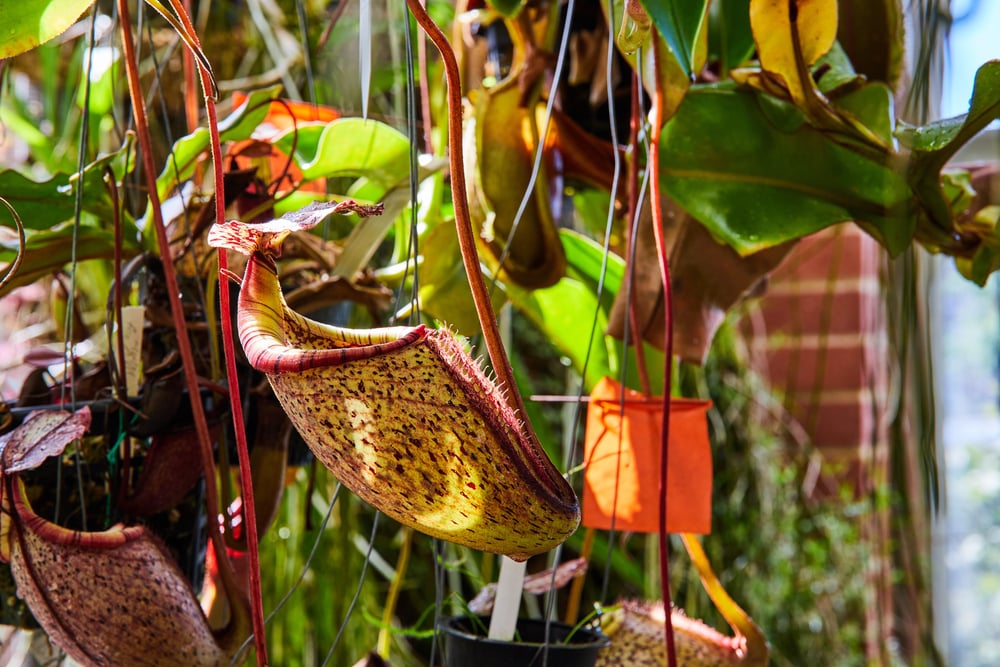
The yellow pitcher plant is like a biological hotel where insects can check in but never check out. These tall, trumpet-shaped plants from the southeastern United States lure insects with bright colors and sweet nectar around the rim.
Once inside, the insects find themselves sliding down slippery walls into a pool of digestive fluid, with no way to climb back up the smooth interior.
Waterwheel Plant
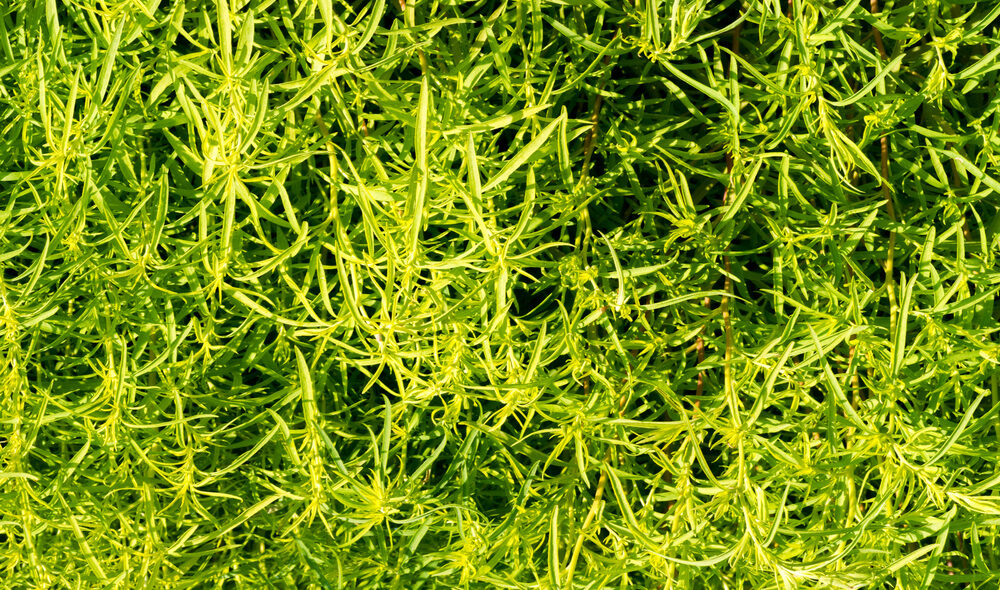
Think of the waterwheel plant as the Venus flytrap’s aquatic cousin. This underwater hunter has small snap traps arranged in whorls around its floating stems, looking like tiny green waterwheels.
When small aquatic creatures brush against the trigger hairs, the traps snap shut in about a tenth of a second, making it one of the fastest-moving plants on the planet.
Corkscrew Plant
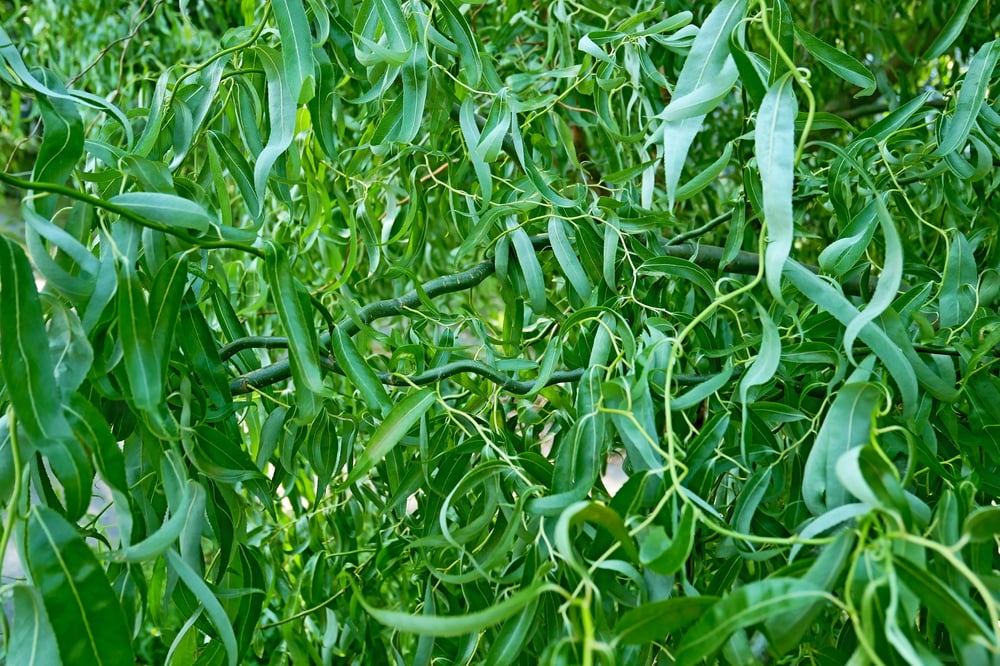
The corkscrew plant has one of the most unusual hunting strategies in the plant kingdom – it catches its prey underground. This small plant has specialized leaves that grow down into the soil like tiny corkscrews, creating lobster-trap-style tunnels lined with downward-pointing hairs.
Microscopic soil creatures can crawl in easily, but the hairs prevent them from backing out.
Low’s Pitcher Plant
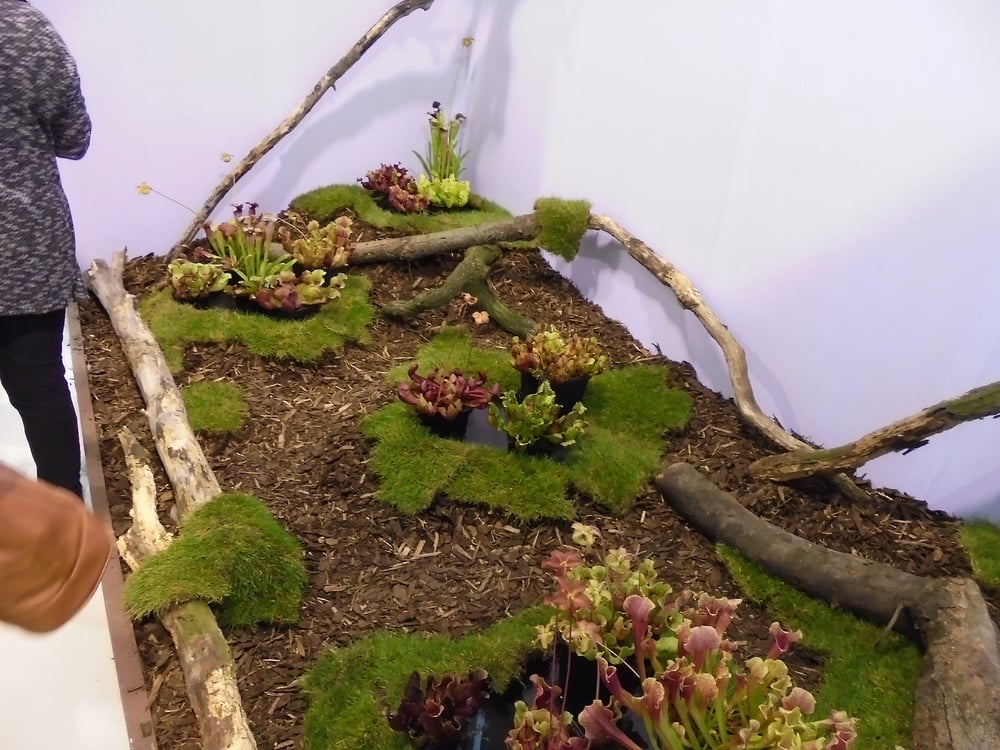
Low’s pitcher plant has developed a surprisingly sophisticated relationship with tree shrews. The plant produces nectar that acts as a natural laxative, encouraging the shrews to use the pitcher as a toilet while they feed.
While the plant still catches insects like other pitcher plants, it gets an extra boost of nitrogen-rich fertilizer from the shrew droppings, proving that sometimes cooperation works better than outright predation.
Dewy Pine
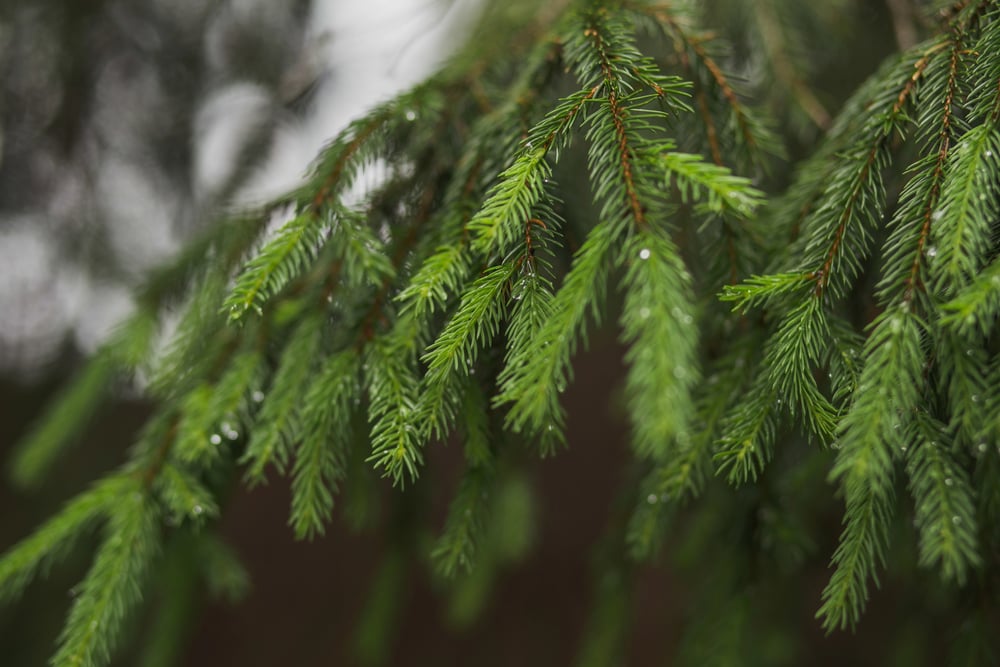
The dewy pine from Portugal and Morocco is the desert rebel of the carnivorous plant world. While most meat-eating plants live in wet, boggy conditions, this unusual species thrives in dry, rocky hillsides.
Its long, narrow leaves are covered in sticky glands that catch insects, but unlike other carnivorous plants, it can’t move its leaves to help with digestion – it relies entirely on the stickiness to do the job.
Nature’s Perfect Predators
These carnivorous plants prove that evolution can produce some truly remarkable solutions to survival challenges. From the lightning-fast snap traps of Venus flytraps to the patient pitcher traps that can digest small mammals, each species has developed its own deadly specialty.
What makes these plants even more impressive is that they’ve maintained their ability to photosynthesize while adding carnivory to their survival toolkit, essentially becoming nature’s ultimate multitaskers.
More from Go2Tutors!

- The Romanov Crown Jewels and Their Tragic Fate
- 13 Historical Mysteries That Science Still Can’t Solve
- Famous Hoaxes That Fooled the World for Years
- 15 Child Stars with Tragic Adult Lives
- 16 Famous Jewelry Pieces in History
Like Go2Tutors’s content? Follow us on MSN.



