18 Unexpected Personal Interests of Powerful Historical Leaders
Out there, power turns figures into icons. Movies and school books show rulers through battles, uprisings, laws – what follows after.
Big choices crowd out almost anything personal, so small routines fade behind the noise.
Still, the past tells a messier story. Off duty, some of history’s toughest rulers picked up brushes, scribbled verses, pored over beetles, or got lost in building designs.
Far from making them gentler in command, these quirks highlight an odd gap – private obsessions beside public force. Peering behind the scenes shows what powerful figures really did when no one was watching, century after century.
Adolf Hitler And Painting
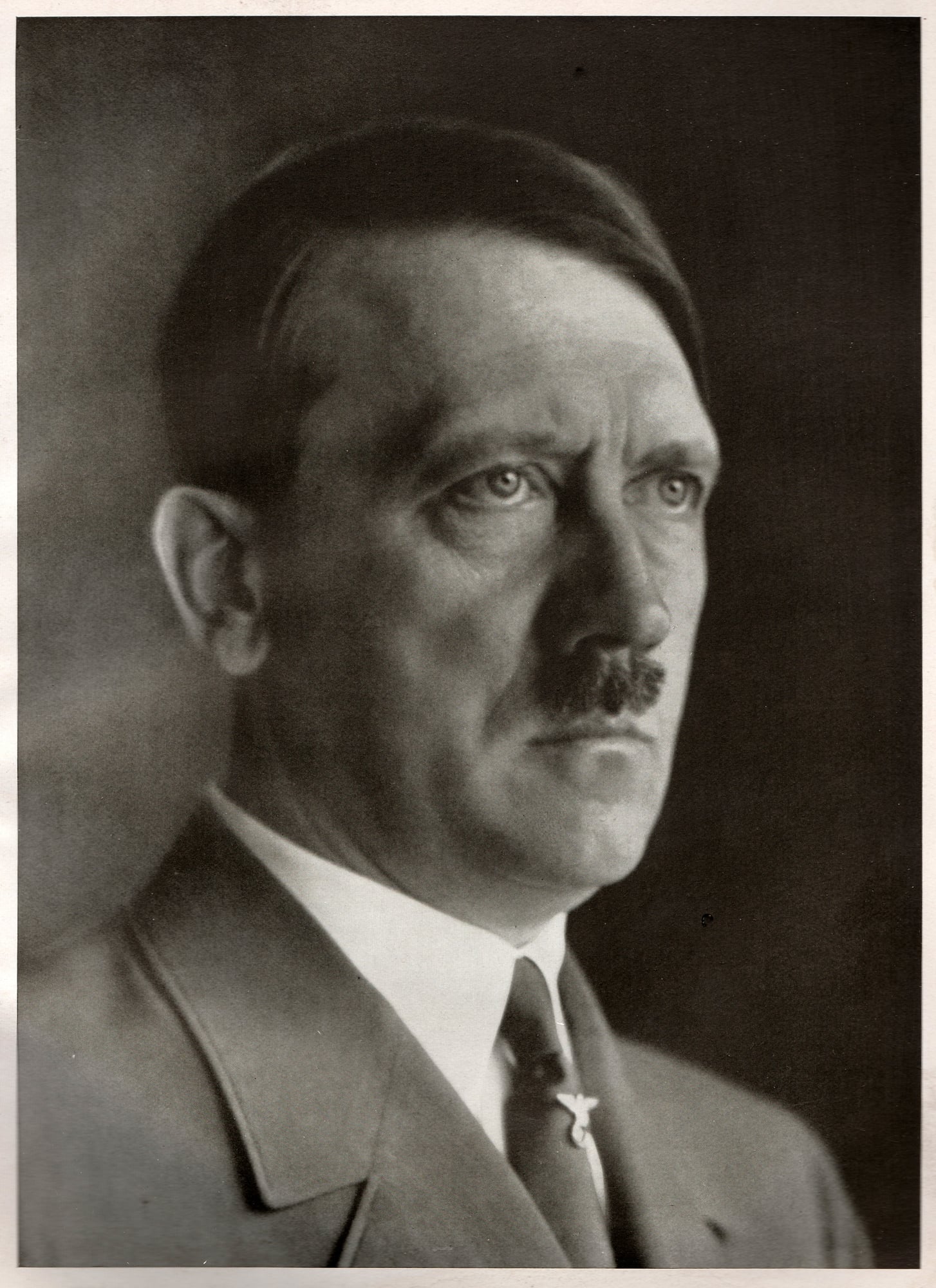
Before rising to power in Germany, Adolf Hitler aspired to be an artist. He applied twice to the Academy of Fine Arts Vienna and was rejected both times.
In his early years, he painted watercolor cityscapes and architectural scenes, many of which still exist.
Art remained a lifelong fixation. As leader of Nazi Germany, he involved himself heavily in architectural planning, favoring grand neoclassical designs.
His personal artistic ambitions, while unsuccessful, shaped aesthetic policies across the regime.
Winston Churchill And Painting

In stark contrast politically, Winston Churchill also found solace in painting. The British Prime Minister began painting in his 40s and continued throughout his life, completing more than 500 works.
He described painting as a mental refuge from the pressures of leadership. Landscapes and still life scenes filled his canvases, offering a calm counterbalance to wartime decision-making.
Joseph Stalin And Poetry

Before consolidating power in the Soviet Union, Joseph Stalin wrote romantic poetry in his youth. Some of his poems were published in Georgian literary journals during the 1890s.
The reflective tone of his early writing contrasts sharply with the harsh political system he later oversaw. The shift from aspiring poet to authoritarian ruler underscores how personal interests can diverge dramatically from public legacy.
Mao Zedong And Swimming
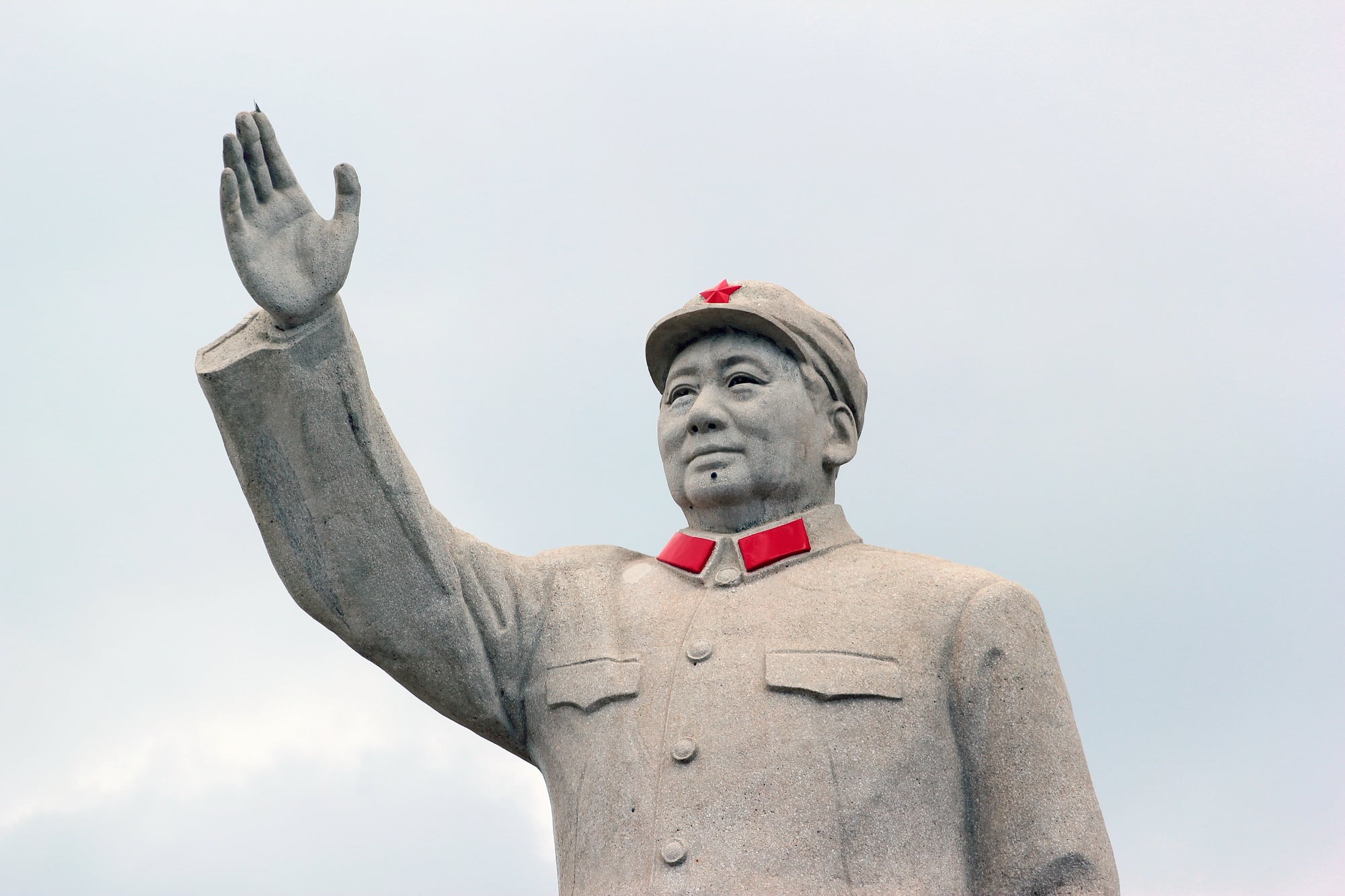
Mao Zedong cultivated a public image of physical endurance through swimming. He frequently swam in rivers, including the Yangtze, even into his later years.
These swims were not purely recreational. They carried symbolic weight, reinforcing an image of vitality and resilience.
Still, swimming remained one of his genuine personal interests outside formal political settings.
Napoleon Bonaparte And Mathematics

Napoleon Bonaparte possessed a deep interest in mathematics and science. He supported scientific expeditions, most famously the 1798 campaign to Egypt that included scholars and researchers.
He studied geometry and engineering principles, appreciating their strategic applications. His fascination with precision extended beyond the battlefield into intellectual pursuits.
Saddam Hussein And Novel Writing

Saddam Hussein reportedly authored several novels during his presidency in Iraq. These works, published under his name or attributed pseudonymously, contained allegorical political themes.
The novels often framed heroic leaders navigating betrayal and adversity. While critics debated authorship details, the regime promoted them as reflections of cultural leadership beyond politics.
Kim Jong-Il And Film Collecting

Kim Jong-il, former leader of North Korea, was widely known for his passion for cinema. He reportedly amassed a film collection numbering in the thousands.
He wrote about filmmaking theory and took direct interest in domestic film production. His fascination with movies influenced North Korea’s tightly controlled media industry.
Genghis Khan And Falconry

Genghis Khan, founder of the Mongol Empire, participated in traditional steppe activities including falconry. Hunting with trained birds of prey was both a practical skill and cultural pastime.
Falconry required patience and close observation, qualities also useful in military leadership. The practice remained embedded in Mongol aristocratic life.
Queen Elizabeth I And Astrology

Queen Elizabeth I of England consulted astrologers during her reign. Astrology played a more accepted role in Renaissance court life than it does today.
Her adviser John Dee served as both scholar and astrologer. Celestial calculations influenced timing decisions in ways that blended science and belief.
Theodore Roosevelt And Taxidermy
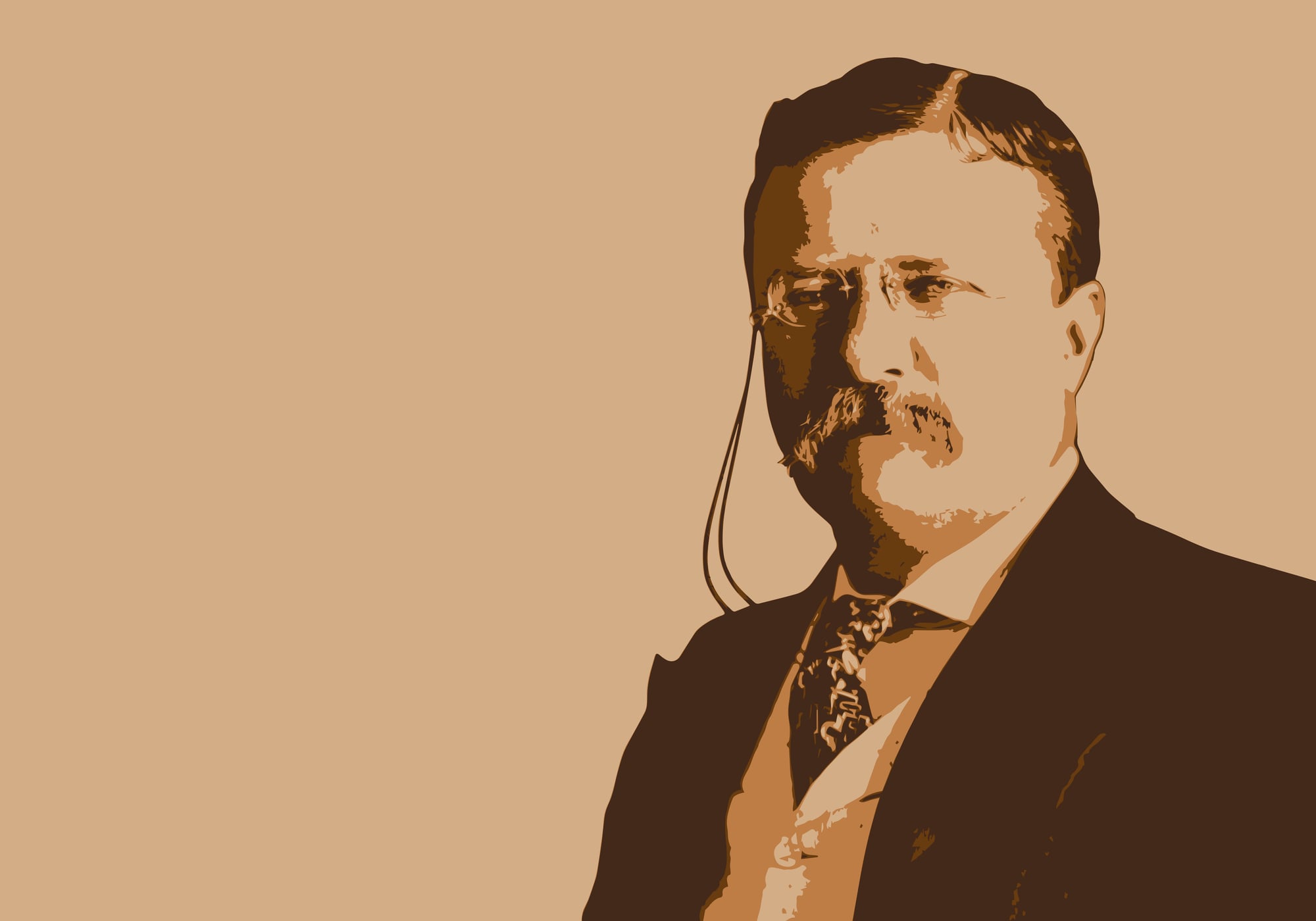
Theodore Roosevelt developed an early interest in natural history and taxidermy. As a child, he created what he called a ‘Roosevelt Museum of Natural History’ in his home.
His passion for wildlife conservation later shaped American environmental policy. The youthful hobby evolved into national conservation efforts.
Ivan The Terrible And Religious Rituals

Ivan IV of Russia engaged deeply in religious practices. He spent extended hours in prayer and participated intensely in Orthodox rituals.
His spiritual focus coexisted with periods of extreme political violence. The combination reflects the complex intersection of faith and authority in 16th-century Russia.
Charles II Of England And Chemistry
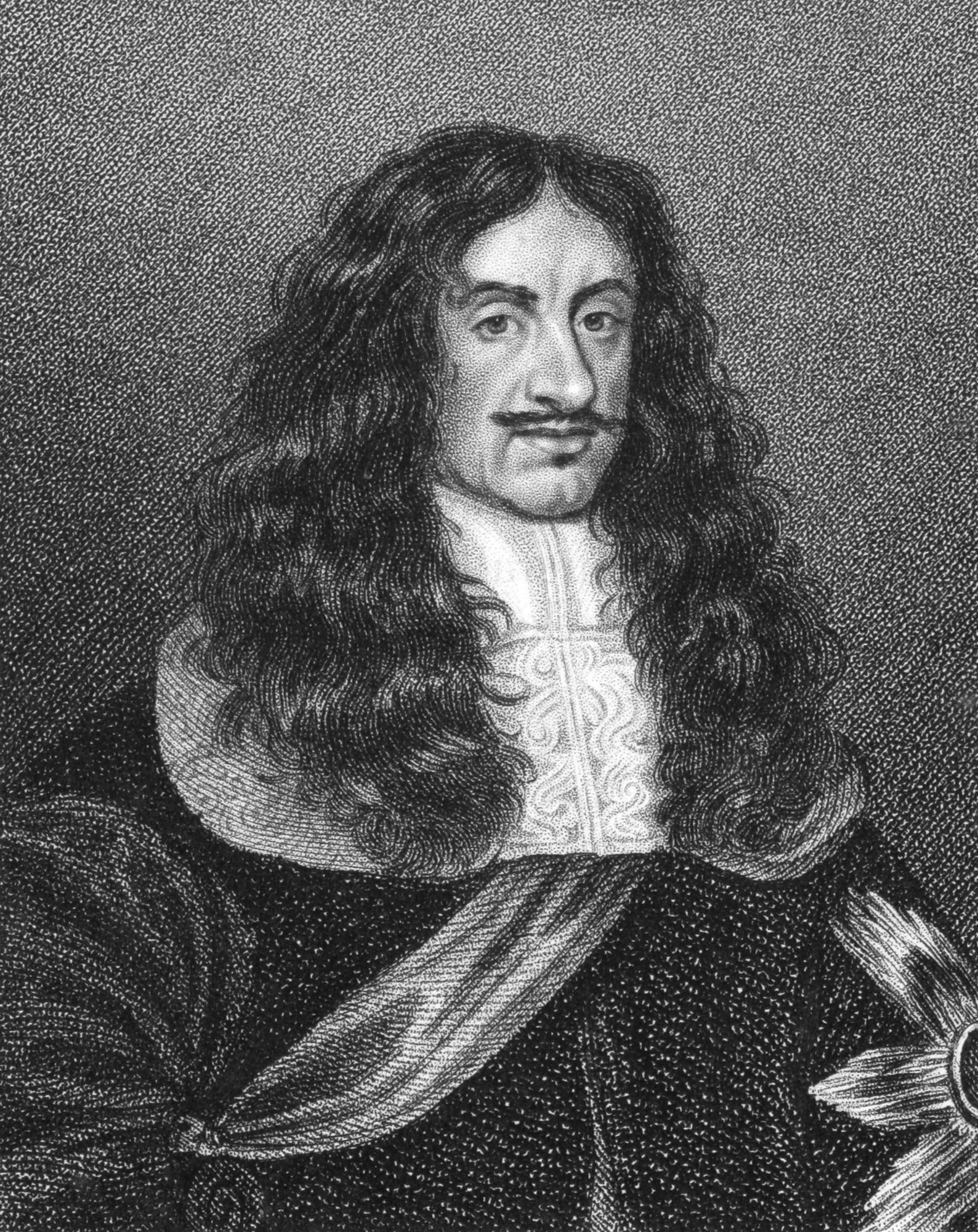
Charles II maintained a private laboratory where he conducted chemical experiments. His interest in early chemistry aligned with the scientific curiosity emerging during the Restoration period.
The king’s fascination with experimentation earned him the nickname ‘the Merry Monarch,’ though his scientific interests were taken seriously at court.
Benito Mussolini And Fencing
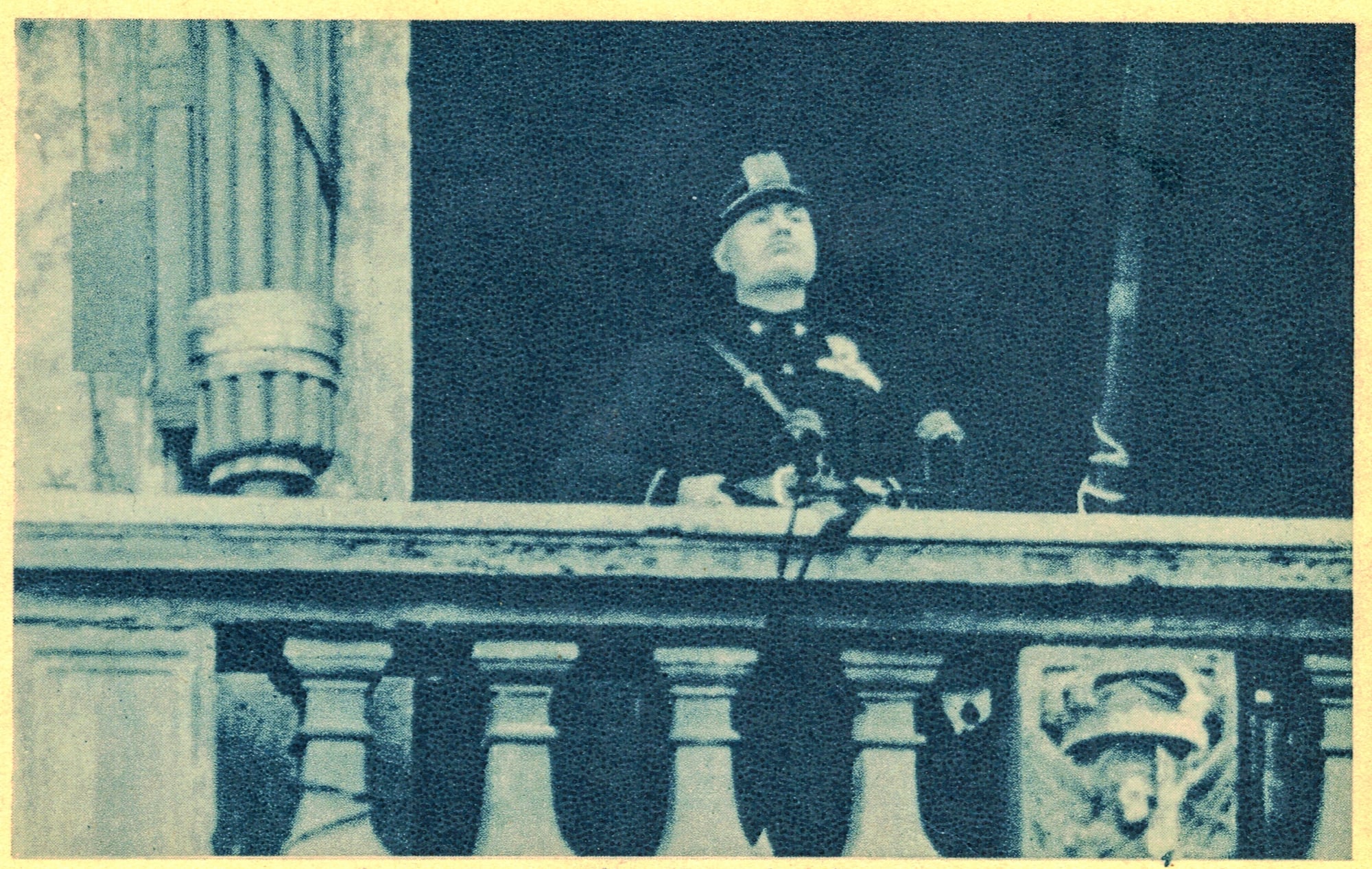
Benito Mussolini practiced fencing and maintained interest in physical training. The sport symbolized discipline and strength, qualities he promoted publicly.
Fencing offered structured competition outside political arenas. The emphasis on agility and precision mirrored the image he sought to project.
Catherine The Great And Art Collecting

Catherine II of Russia amassed an extensive art collection that formed the foundation of the Hermitage Museum. She corresponded with Enlightenment thinkers and acquired European masterpieces.
Her passion for art reshaped Russia’s cultural landscape. The collection remains one of the largest and most significant in the world.
Abraham Lincoln And Wrestling
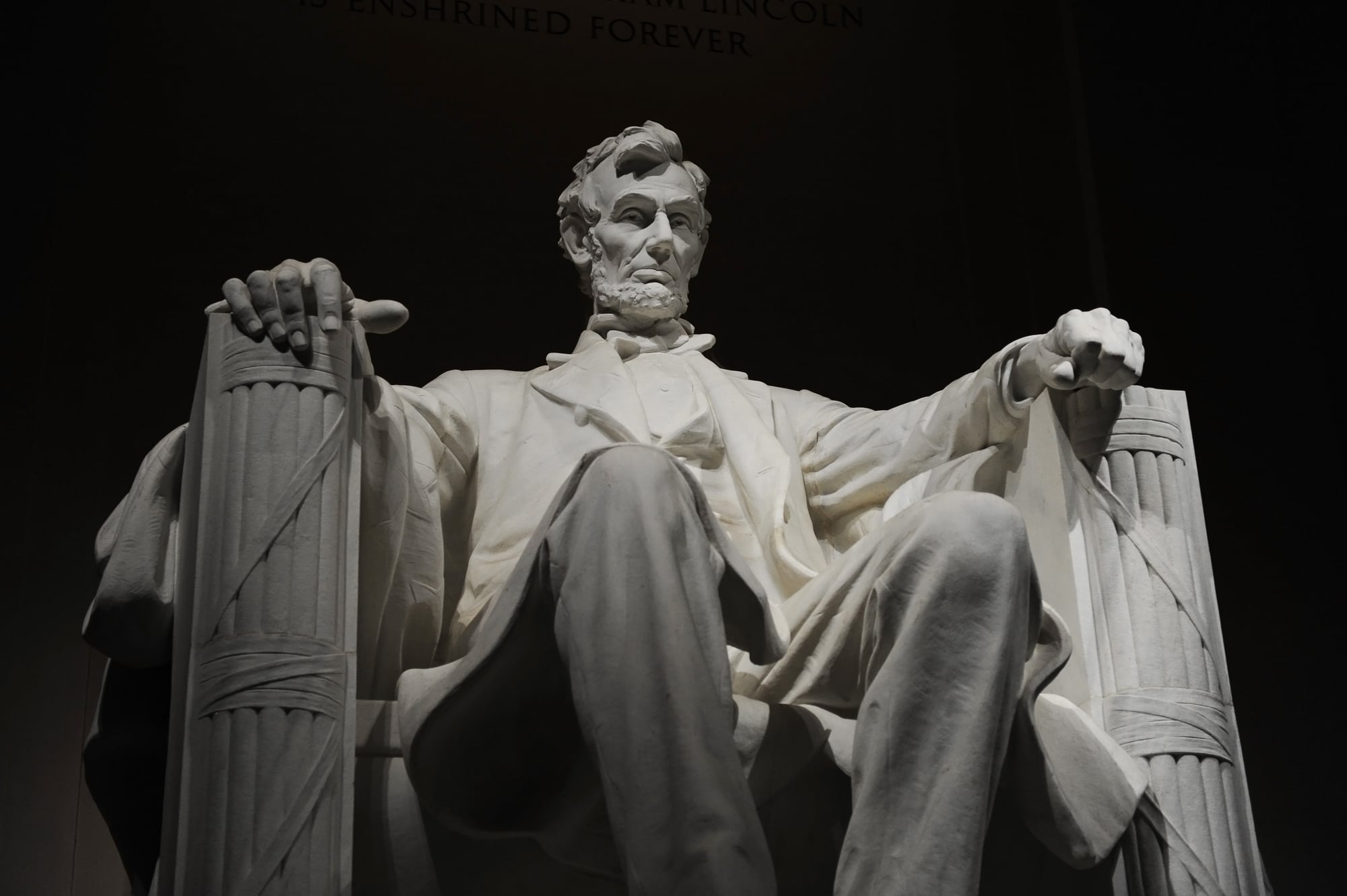
Before entering politics, Abraham Lincoln was known for his wrestling ability. He reportedly participated in numerous matches during his youth in Illinois.
The sport contributed to his local reputation for strength and resilience. Wrestling culture was common in frontier communities and carried social prestige.
Ho Chi Minh And Poetry

Ho Chi Minh wrote poetry throughout his life, including during imprisonment. His poems often reflected themes of endurance and national identity.
Literary expression provided an outlet during turbulent periods. The creative discipline contrasted with the intensity of revolutionary leadership.
Peter The Great And Shipbuilding

Peter the Great of Russia developed hands-on experience in shipbuilding. He traveled to Western Europe incognito to learn naval construction techniques.
He worked directly in shipyards, absorbing technical skills that later strengthened Russia’s navy. The hobby aligned directly with state-building ambitions.
Ulysses S. Grant And Horse Training
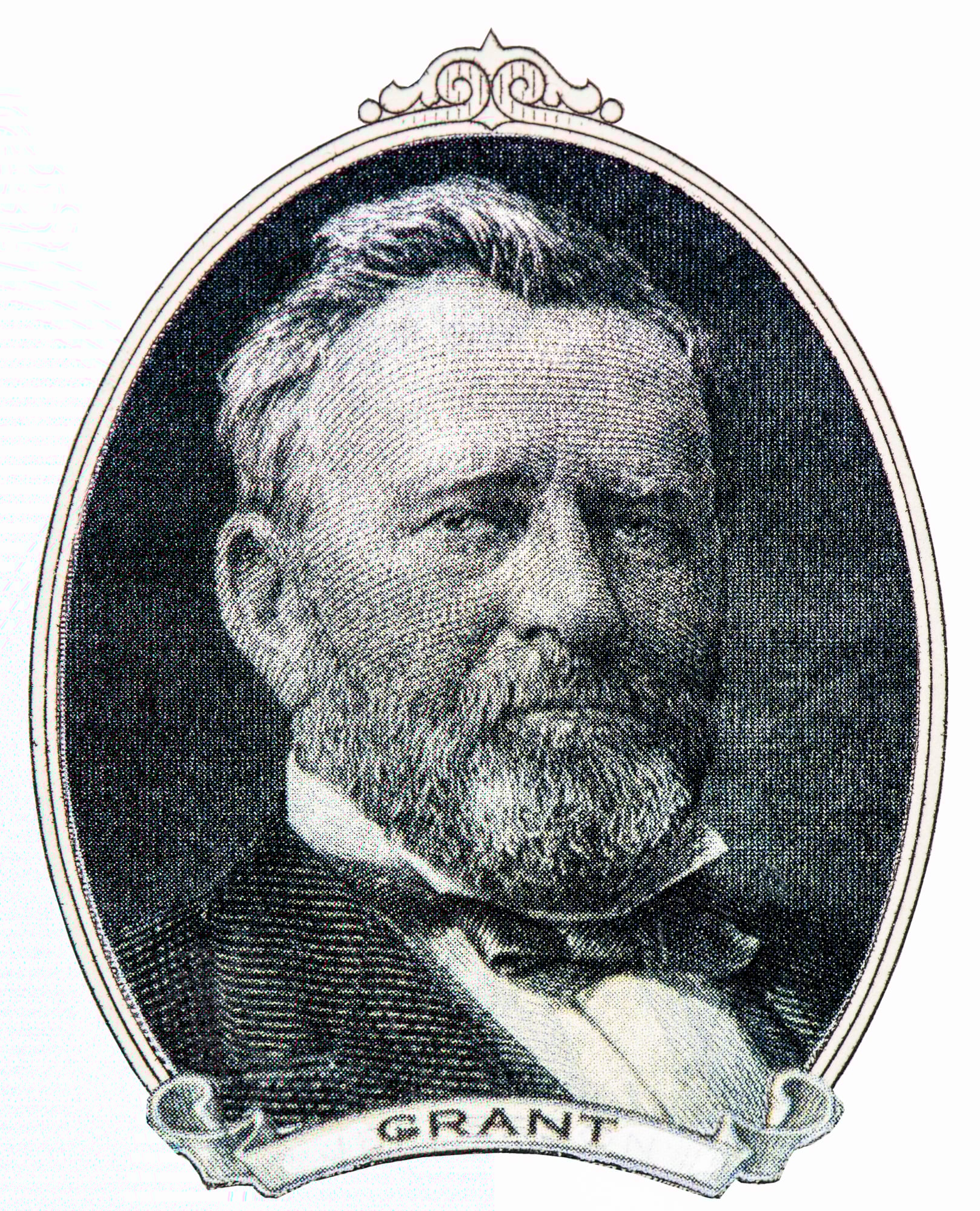
Ulysses S. Grant displayed exceptional skill in handling horses from a young age. His calm demeanor and control impressed peers long before his Civil War leadership.
Horsemanship translated naturally into military logistics and battlefield movement. The interest was practical but also deeply personal.
Power And Private Contrasts

Outcomes stick in memory more than daily habits when it comes to rulers of old. Yet how they spent quiet hours shows sides that get missed in tidy summaries.
A brushstroke, a verse, an experiment, a grapple – none changed how history judged them. But each adds a wrinkle where smooth stories once sat.
A closer look at how power plays out in public versus private reveals something deeper. Not losing oneself happens alongside taking charge.
Seeing into their more hidden interests won’t justify what happened long ago, yet it brings back awareness – even strong leaders balanced duty with inner wonder.
More from Go2Tutors!

- The Romanov Crown Jewels and Their Tragic Fate
- 13 Historical Mysteries That Science Still Can’t Solve
- Famous Hoaxes That Fooled the World for Years
- 15 Child Stars with Tragic Adult Lives
- 16 Famous Jewelry Pieces in History
Like Go2Tutors’s content? Follow us on MSN.