18 Unusual Ancient Payment Methods Used
Before Bitcoin and credit cards, humans got creative with money. Ancient civilizations turned everything from seashells to squirrel pelts into legal tender, proving that value is just a shared agreement among people.
Below are 18 bizarre payment methods that once ruled the economic world.
Cowrie Shells
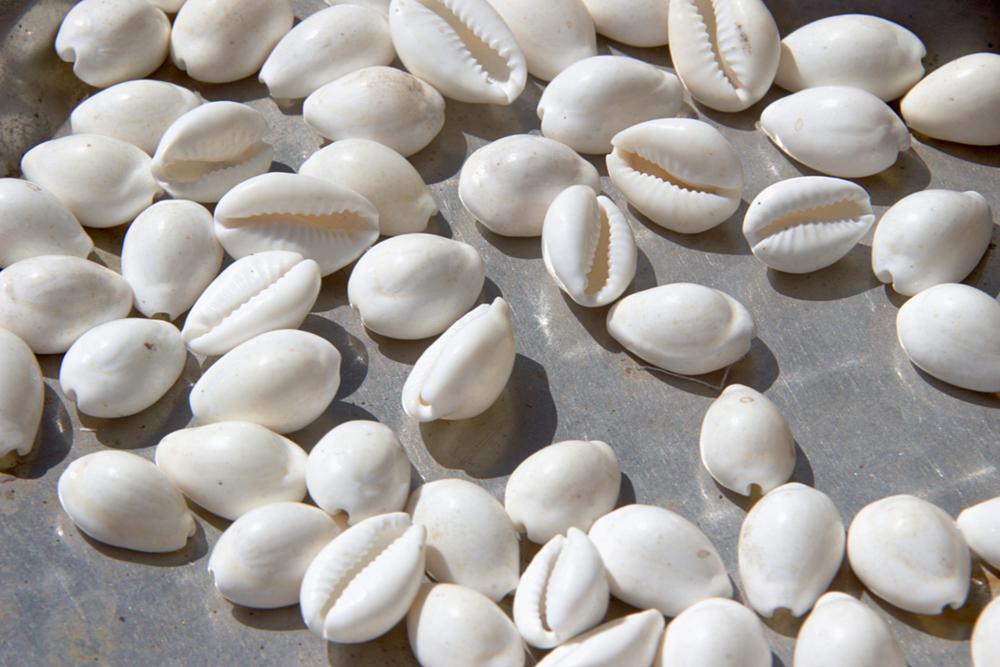
The world’s longest-used currency wasn’t metal or paper—it was shells. Cowrie shells, first used as money about 1200 BCE, dominated trade for over 4,000 years across Africa, Asia, and even parts of Europe.
These small, durable shells had everything good money needed: they were uniform, portable, and nearly impossible to counterfeit. Plus, you could wear them as jewelry when not spending them.
Cocoa Beans
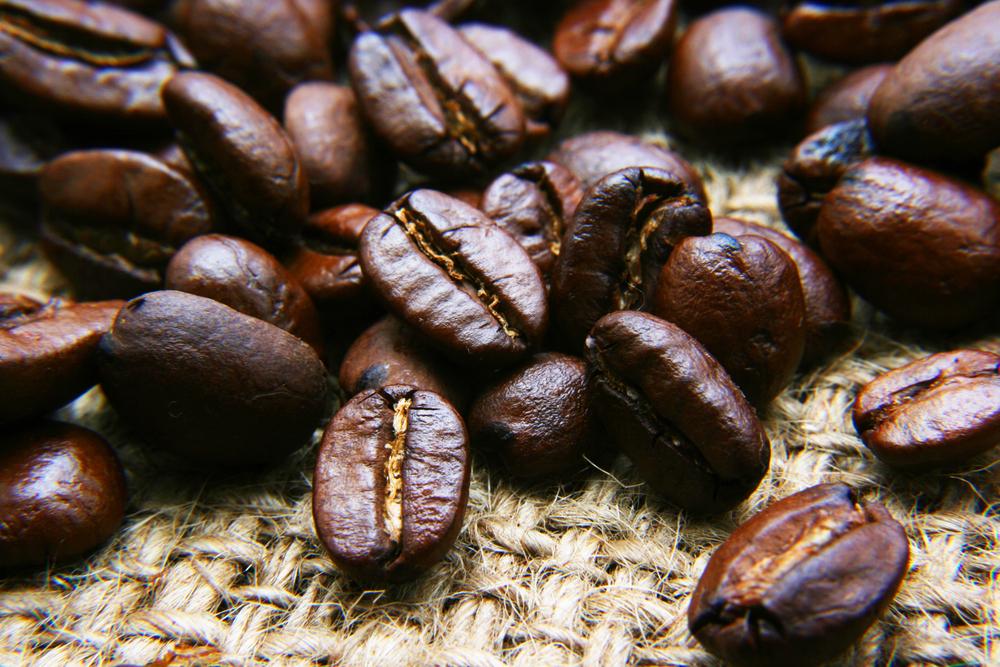
Money really did grow on trees in ancient Mesoamerica. A turkey, for instance, could be exchanged for 100 beans in Aztec society.
Conquered provinces were required to deliver tens of thousands of cacao beans to the capital as tribute. The system had one major flaw.
Counterfeiters would hollow out real beans and stuff them with dirt. Because organic currency can rot, crack, or get nibbled by insects.
Giant Stone Discs
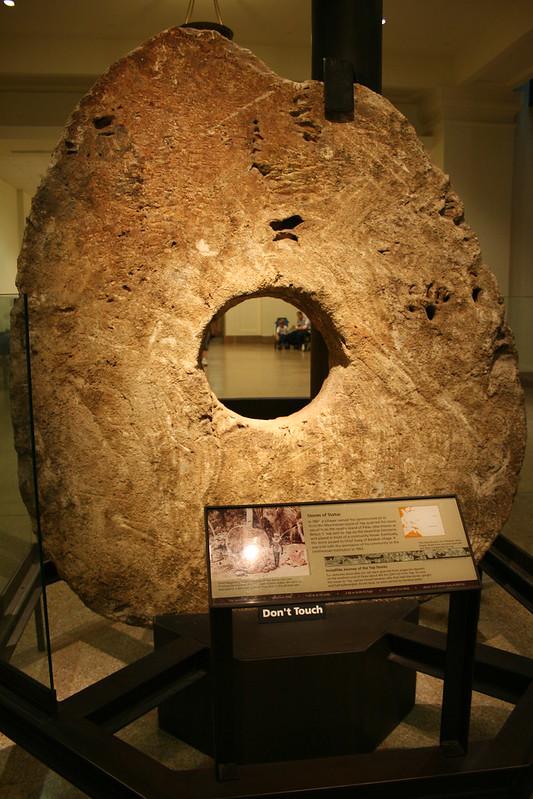
On the Pacific island of Yap, bigger truly was better. These gargantuan stones, pictured above, were carved from a single piece of limestone.
They each had a signature opening in the middle, measured up to 12 feet across, and weighed over 8 tons. Moving these “coins” required canoes and multiple people.
But here’s the twist—ownership could change without physically moving the stone. Everyone just agreed on who owned what.
Wampum Beads

Native Americans created one of history’s most sophisticated currencies from seashells. Wampum was legal tender in New England from 1637 to 1661 and continued being used well into the 18th century.
Making wampum was brutally difficult. Beads were cut out of seashells and “wrought as smooth as glass…[then, with] a nail stuck in a cane or reed…they roll it continually on their thighs with their right hand, holding the bit of shell with their left”.
Tea Bricks
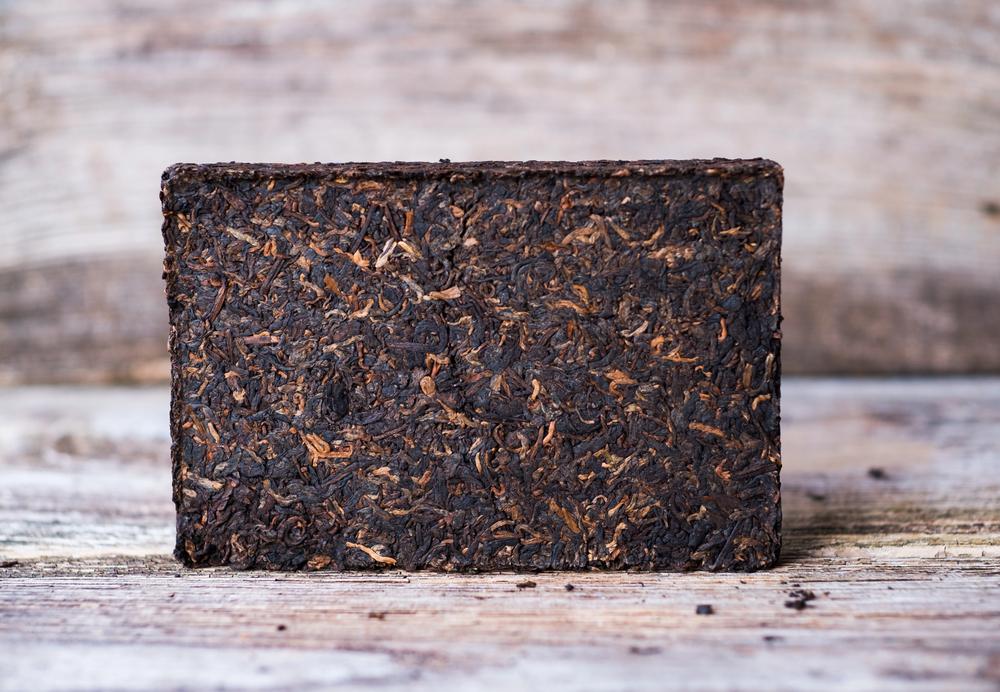
In ancient China, you could literally drink your money. From the 9th century all the way until the 19th, tea was so valuable that it was used as money throughout Asia. The people of China, Mongolia, and Tibet, in particular, made “tea bricks” by compressing tea leaves and casting them in a metal mold.
These bricks were perfect for nomads. When you got hungry or thirsty, you could brew or even eat your currency. Talk about liquid assets.
Salt Blocks
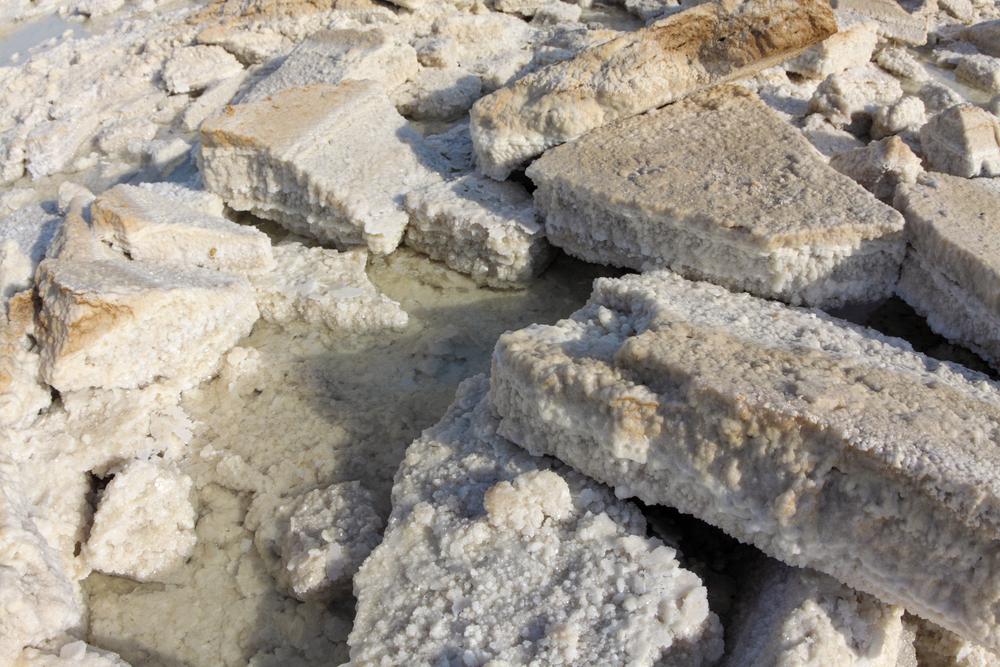
Before refrigeration, salt meant the difference between life and starvation. According to legend, Roman soldiers were paid in salt. The word for salt in Latin is “sal,” which is thought to have evolved into the word “salarium,” from which we get the word “salary” today.
The phrase “worth your salt” comes from Greek slave traders who literally bartered salt for human beings.
Cattle
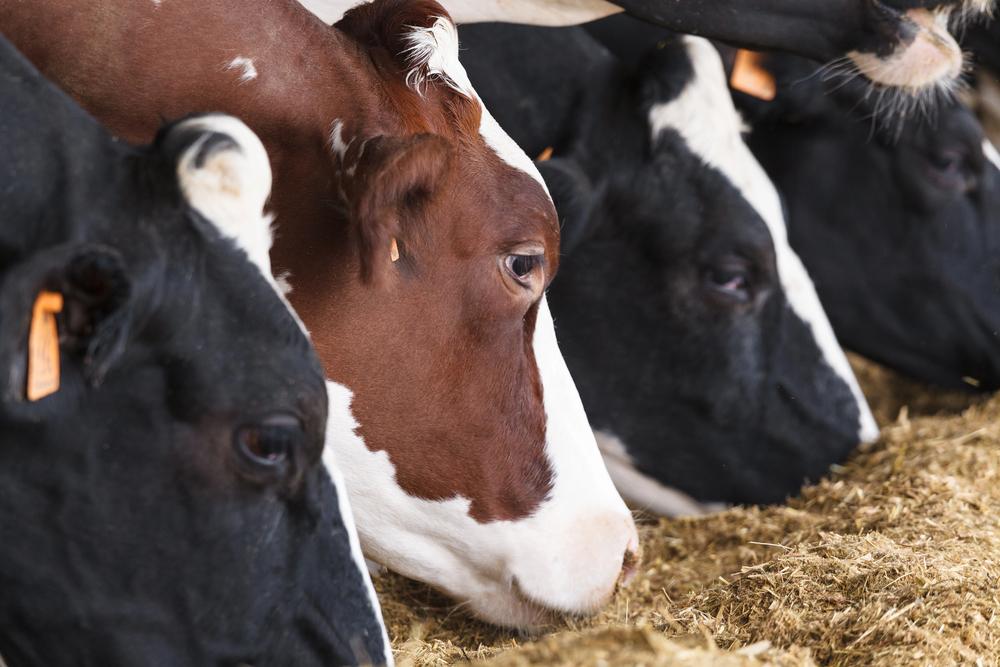
Ireland used cows as currency well into the medieval period. Cattle were undoubtedly the longest-used currency, stretching right into early modern times around 1400 CE.
The English word “chattels” (movable property) shares the same root as “cattle.” But imagine trying to pay for groceries with a cow. The logistics alone must have been nightmare-inducing.
Iron Spade Money
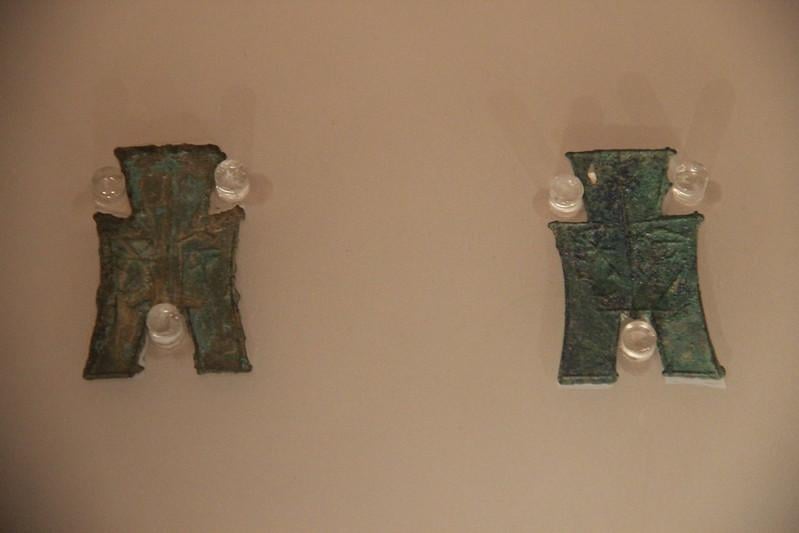
China got creative with farm tools as currency. Large bronze blades were early forms of coins and were very common throughout ancient China. Approximately 2,500 years ago, a Chinese prince allowed his troops to use their knives as payment for goods when money was scarce.
They were fitted with ring shapes so soldiers could carry them on belts. Functional money that could also till your fields.
Squirrel Pelts and Claws

Medieval Russians had an unusual relationship with squirrels. Unfortunately for squirrels, Russians had taken a liking to trading squirrel pelts during the Middle Ages.
And the Russians, not a group to waste anything, used the claws and snouts for pocket change. Nothing like paying for bread with squirrel nose coins.
Kissi Pennies

In West Africa, iron became art and money. These long strips of iron were modeled by blacksmiths into a distinct “T” shape. On one end there was an “ear”, which resembled the shape of a spade or hoe.
On the other end was a “foot”. If a kissi penny broke, it couldn’t be used again without an elaborate ceremony involving a witch doctor. That’s what you call high-maintenance currency.
Katanga Crosses

The Democratic Republic of Congo created currency that doubled as religious symbols. This X-shaped trinket is known as a Katanga Cross.
It originated in the mining region of Katanga in the Democratic Republic of Congo. These crosses were the region’s primary form of currency and likely the most widely known form of ancient African currency.
Made from copper and weighing up to 2.5 pounds, they could be melted down into tools when not being spent. Practical and spiritual.
Feathers
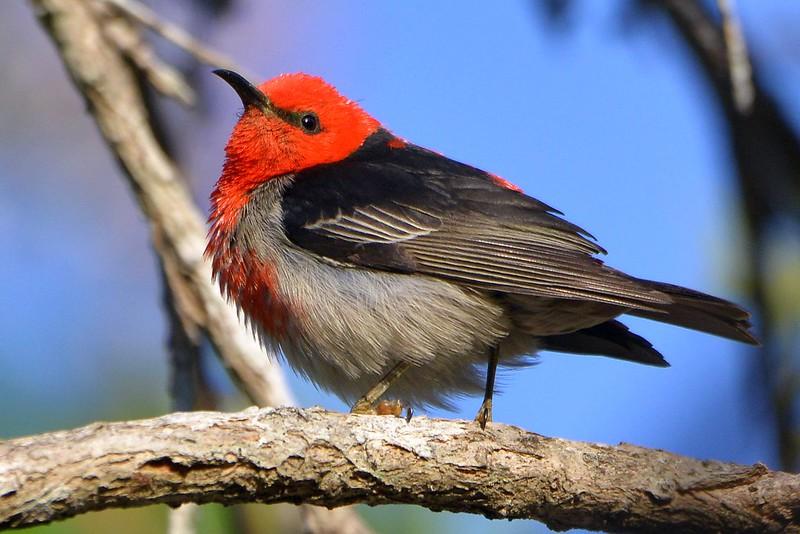
In the Solomon Islands, beauty paid the bills. Long coils of red feathers from scarlet honeyeater birds, used as a symbol of wealth and social status, requiring extensive labor and skill to produce.
And in Central America, the metallic green and blue feathers shimmer in the light and it’s clear why this bird was so treasured— he is a tropical beauty. Found in the rain forests of Central America, the endangered bird held much significance for Mayan civilization.
It was illegal to kill the bird, but its feathers were once used as currency, usually to purchase gold.
Parmigiano Cheese
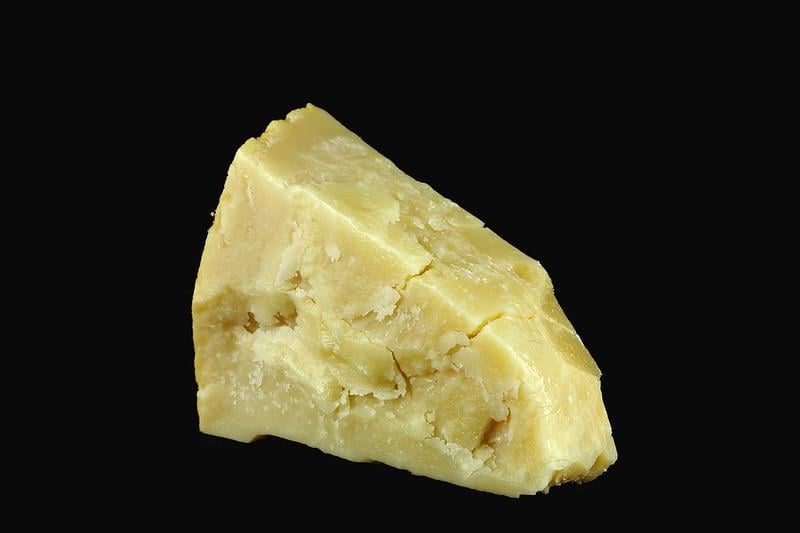
Italy took “aged like fine wine” to a whole new level. Another form of edible currency was Parmigiano cheese. At one point this beloved cheese was actually accepted as bank collateral in Italy.
Imagine walking into a bank with a wheel of cheese for a loan application. “Sir, your credit is quite good.”
Whale Teeth

Fijians valued marine mammal dental work above precious metals. Another currency from nature was whale teeth, which were used by Fijians.
These massive teeth served as both currency and status symbols. Not exactly pocket change, but certainly conversation starters.
Potlatch Gifts
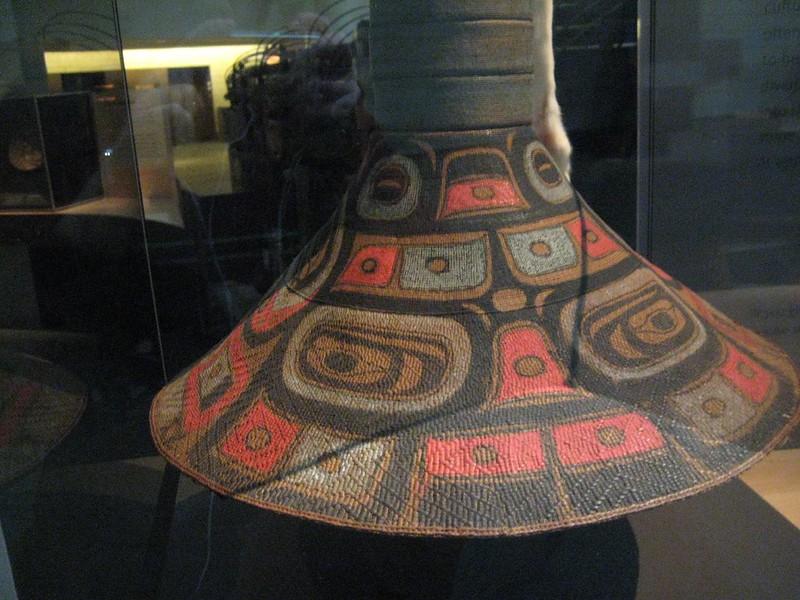
Native American communities turned gift-giving into competitive economic events. A “Potlatch” was an extravagant celebration in the ancient world where people would exchange almost anything in the spirit of gift giving.
Oftentimes, the initially light-spirited occasion would escalate into a competition of wealth and vanity, with each person trying to outdo the next with a more impressive gift. They were eventually outlawed in North America by the late 19th century.
Metal Tool Money

China pioneered practical currency with knife and spade money. Metal tool money, such as knife and spade monies, was also first used in China. These early metal monies developed into primitive versions of round coins.
The currency literally had cutting-edge technology built in.
Barley Grains

Ancient Mesopotamia used food as the foundation of its economy. The temple (which financed and controlled most foreign trade) fixed exchange rates between barley and silver, and other important commodities, which enabled payment using any of them.
This early standardization helped develop writing systems and accounting—all thanks to grain.
Livestock as Living Savings Accounts

Before banks, your portfolio walked around on four legs. Used in rural communities for trade, highlighting the agrarian economy and the importance of livestock, valued by freshness and quality.
At least your investments could reproduce themselves naturally. Try getting that return on a modern savings account.
The Universal Language of Value
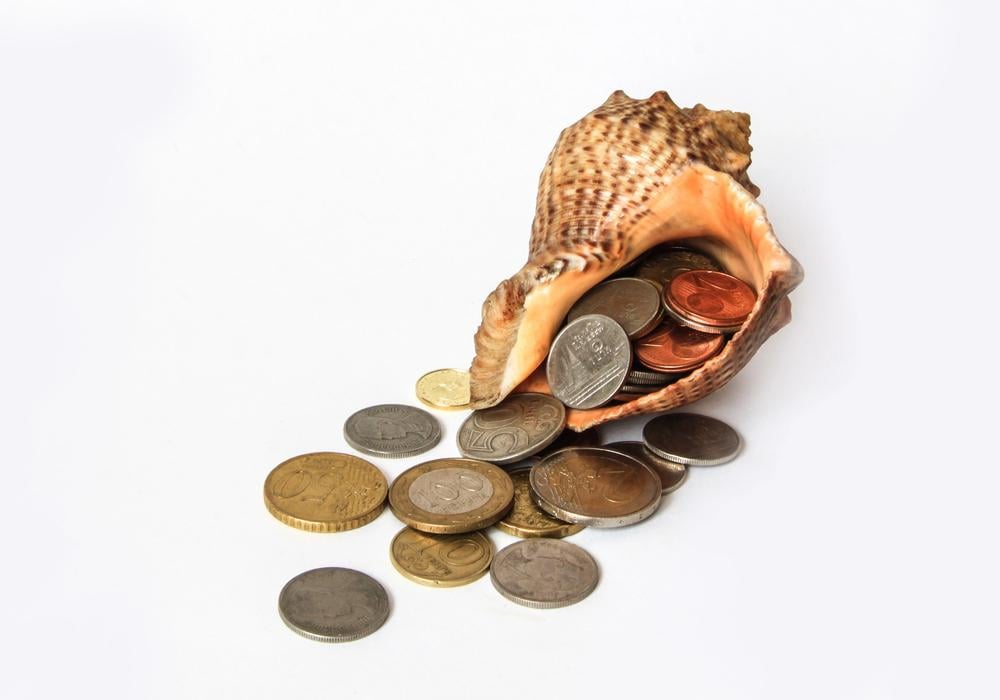
These bizarre currencies prove that money is ultimately just a shared belief. Whether shells, chocolate, or giant stones, each society decided what had value and built entire economies around those agreements.
Modern digital payments might seem revolutionary, but they’re just the latest chapter in humanity’s ongoing experiment with imaginary value systems that somehow work because we all agree they should.
More from Go2Tutors!

- The Romanov Crown Jewels and Their Tragic Fate
- 13 Historical Mysteries That Science Still Can’t Solve
- Famous Hoaxes That Fooled the World for Years
- 15 Child Stars with Tragic Adult Lives
- 16 Famous Jewelry Pieces in History
Like Go2Tutors’s content? Follow us on MSN.
Like Go2Tutors’ content? Follow us on MSN.