15 Art Techniques That Were Trade Secrets
Throughout history, master artists and craftsmen have jealously guarded their most valuable knowledge, passing down techniques through generations like precious family heirlooms. These closely held methods weren’t just about creating beautiful art—they were the difference between success and failure, between fame and obscurity in competitive artistic markets.
From the luminous glazes of Renaissance painters to the mysterious blue pigments of ancient civilizations, artistic secrets have shaped the course of art history. Here is a list of 15 art techniques that were once trade secrets, revealing how knowledge was power in the world of creative expression.
Sfumato
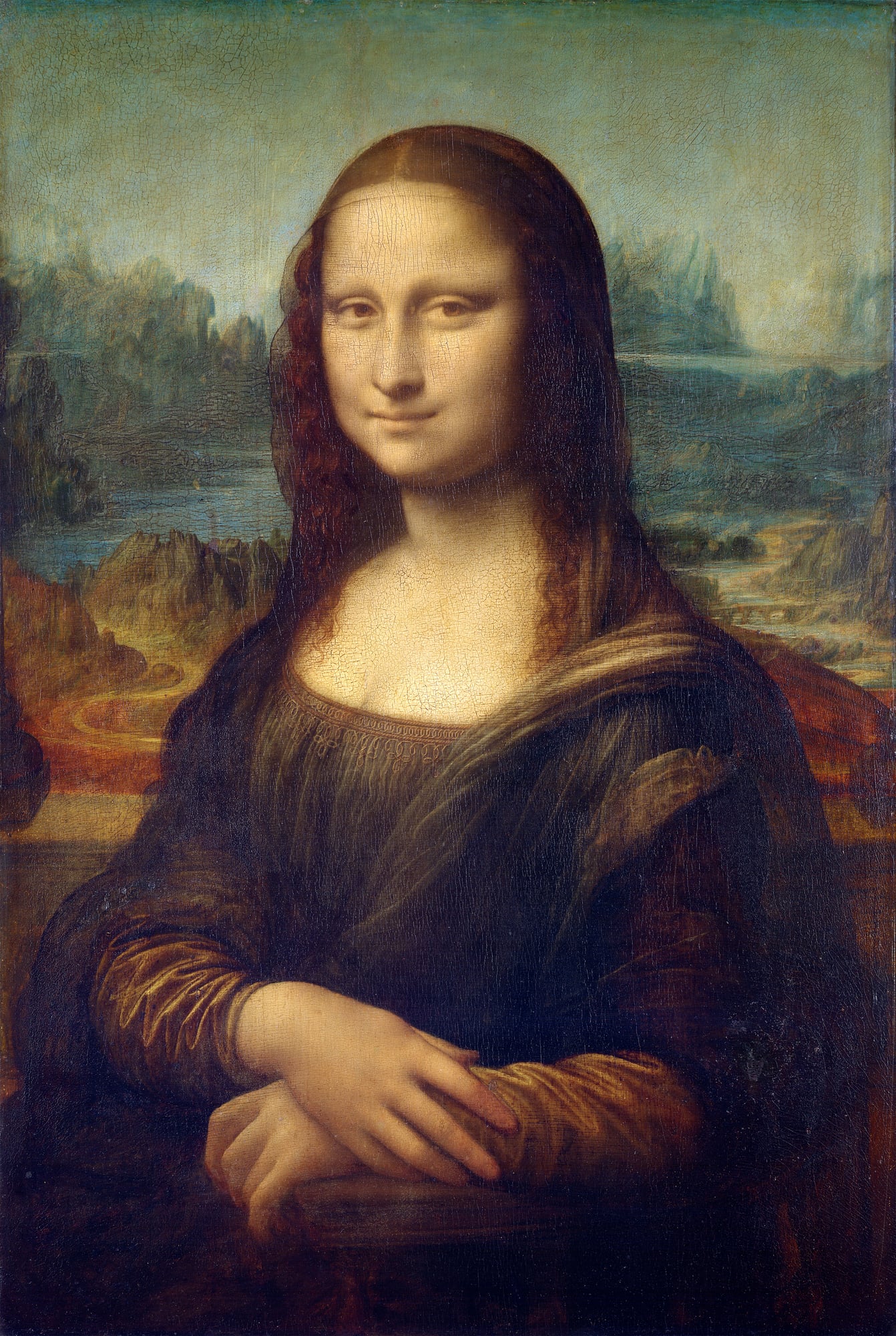
Leonardo da Vinci’s smoky, ethereal painting technique remained one of art’s greatest mysteries for centuries. The master achieved those impossibly soft transitions between colors and tones by applying dozens of transparent glazes, each thinner than a human hair.
Modern analysis reveals he used his fingertips to blend wet paint, creating gradations so subtle they seem to emerge from mist itself.
Venetian Glass Making
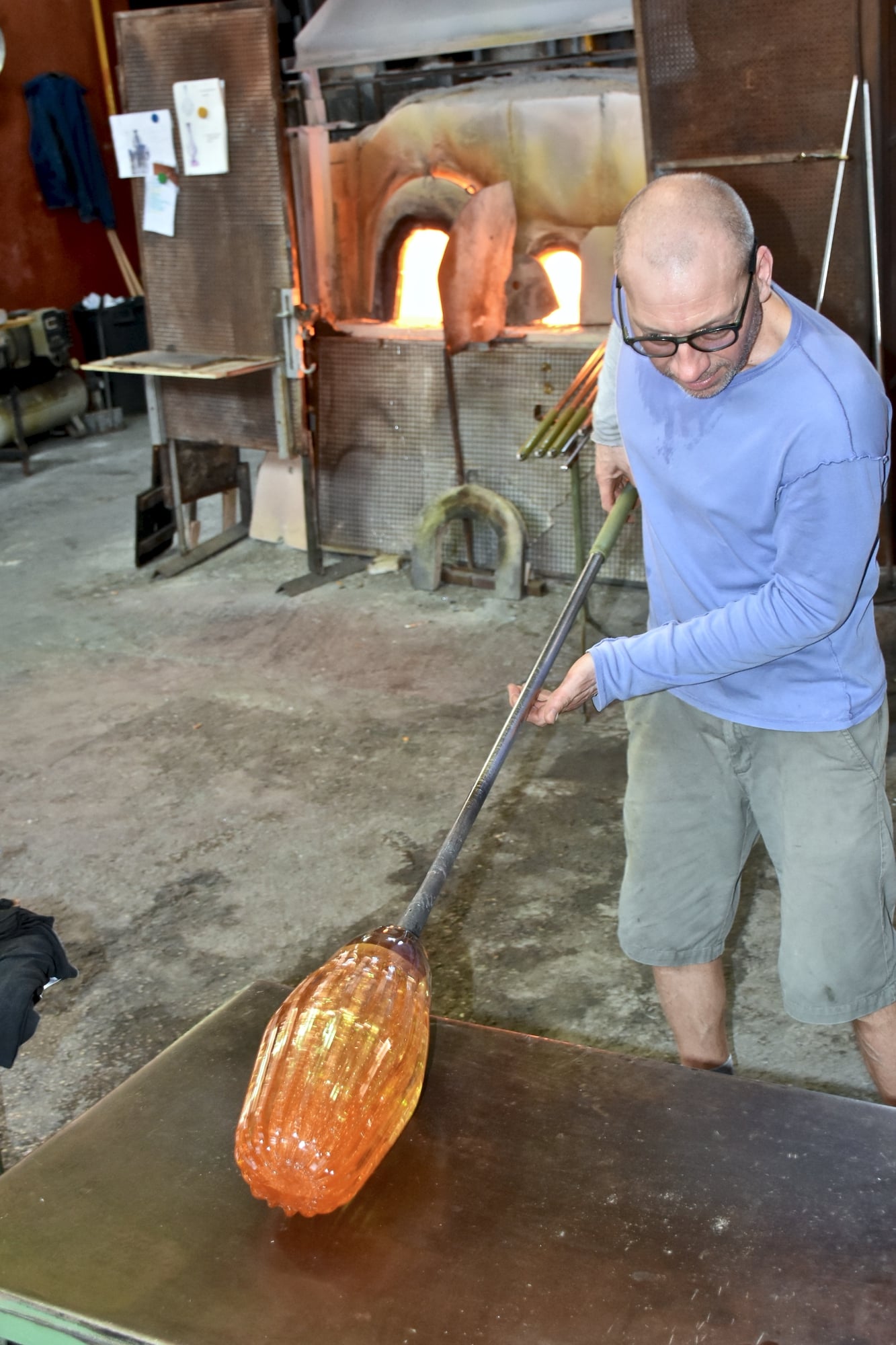
The glassmakers of Murano island were literally prisoners of their own success—Venice made it illegal for them to leave the island or share their techniques with outsiders. Their secret involved a specific type of sand from the Ticino River and precise temperature control that took decades to master.
Even today, some Venetian glass techniques remain family secrets passed down through generations of master craftsmen.
Like Go2Tutors’s content? Follow us on MSN.
Ultramarine Blue Production
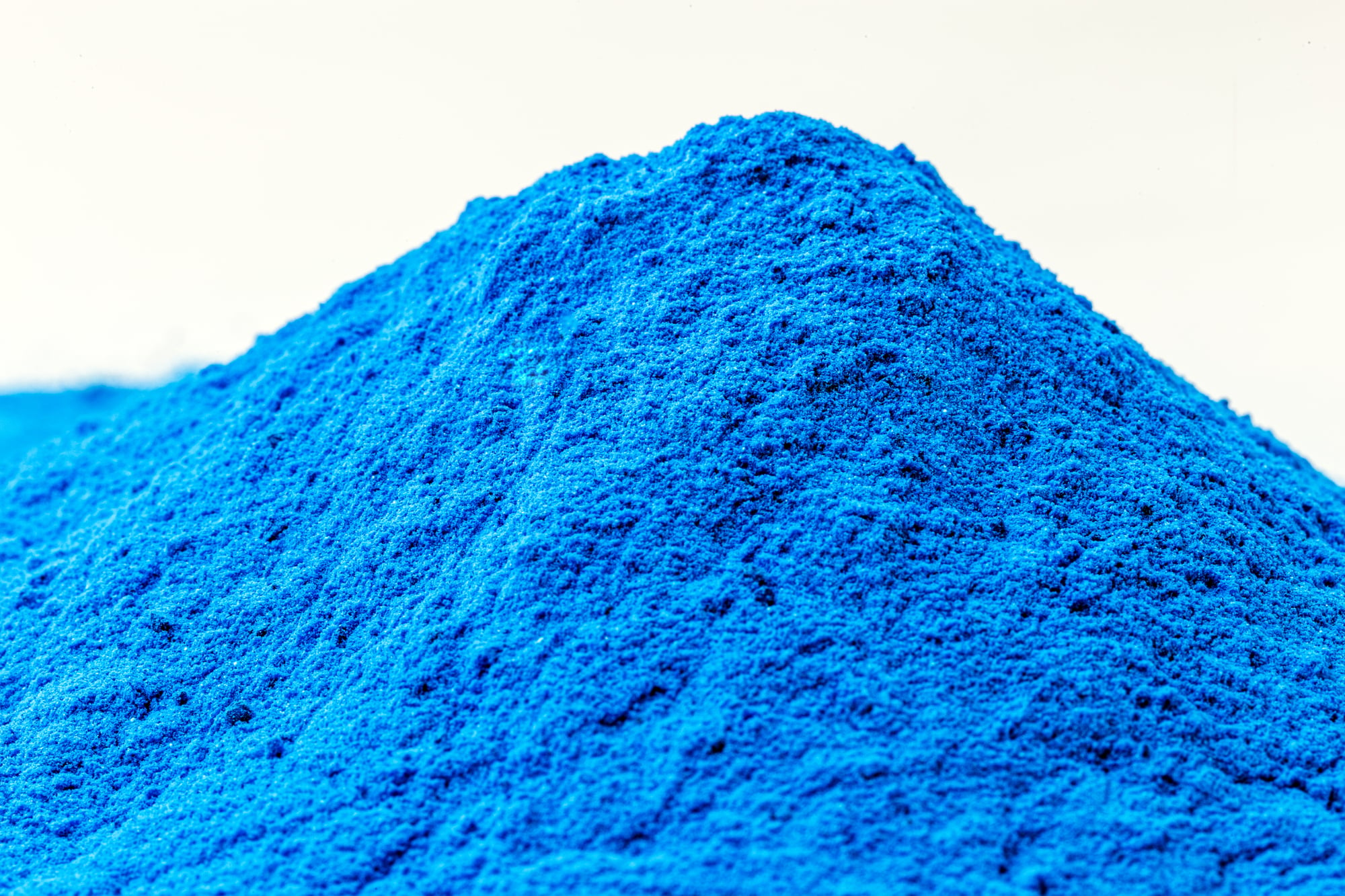
Medieval painters would literally mortgage their homes to afford genuine ultramarine blue, made from crushed lapis lazuli imported from Afghanistan. The Venetians developed a complex purification process involving wax, oils, and lye that took weeks to complete and was known only to a handful of specialists.
A single ounce of this pigment cost more than gold, making blue the most prestigious color in any painting.
Japanese Sword Folding
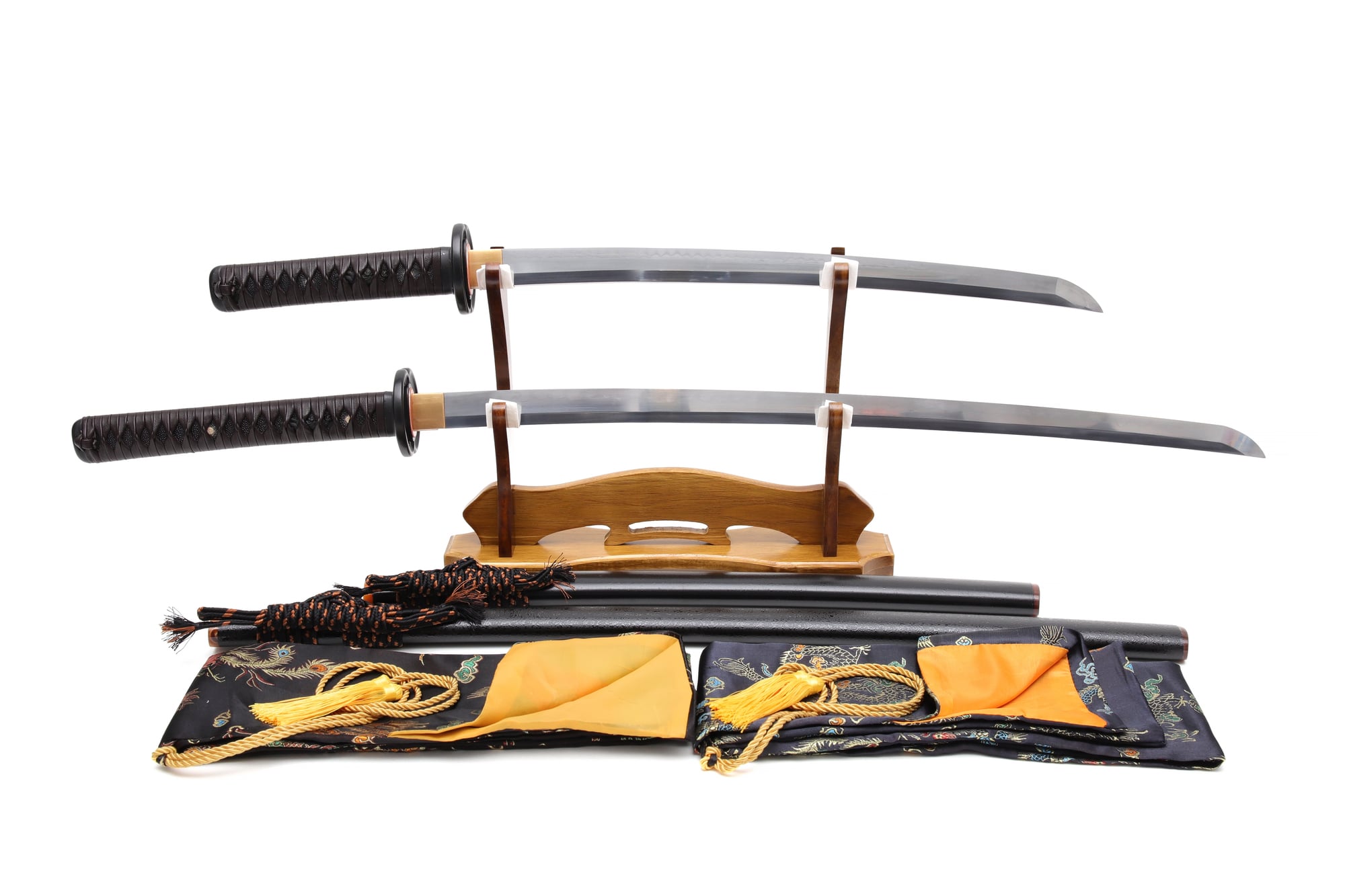
The legendary sharpness of samurai swords came from a folding technique that created thousands of layers in the steel, but the exact process was a deadly secret. Master swordsmiths would fold the metal up to 16 times, creating over 65,000 layers that gave the blade its distinctive grain pattern and incredible strength.
The timing of each fold, the temperature of the forge, and even the specific coal used were closely guarded family traditions.
Stradivarius Varnish
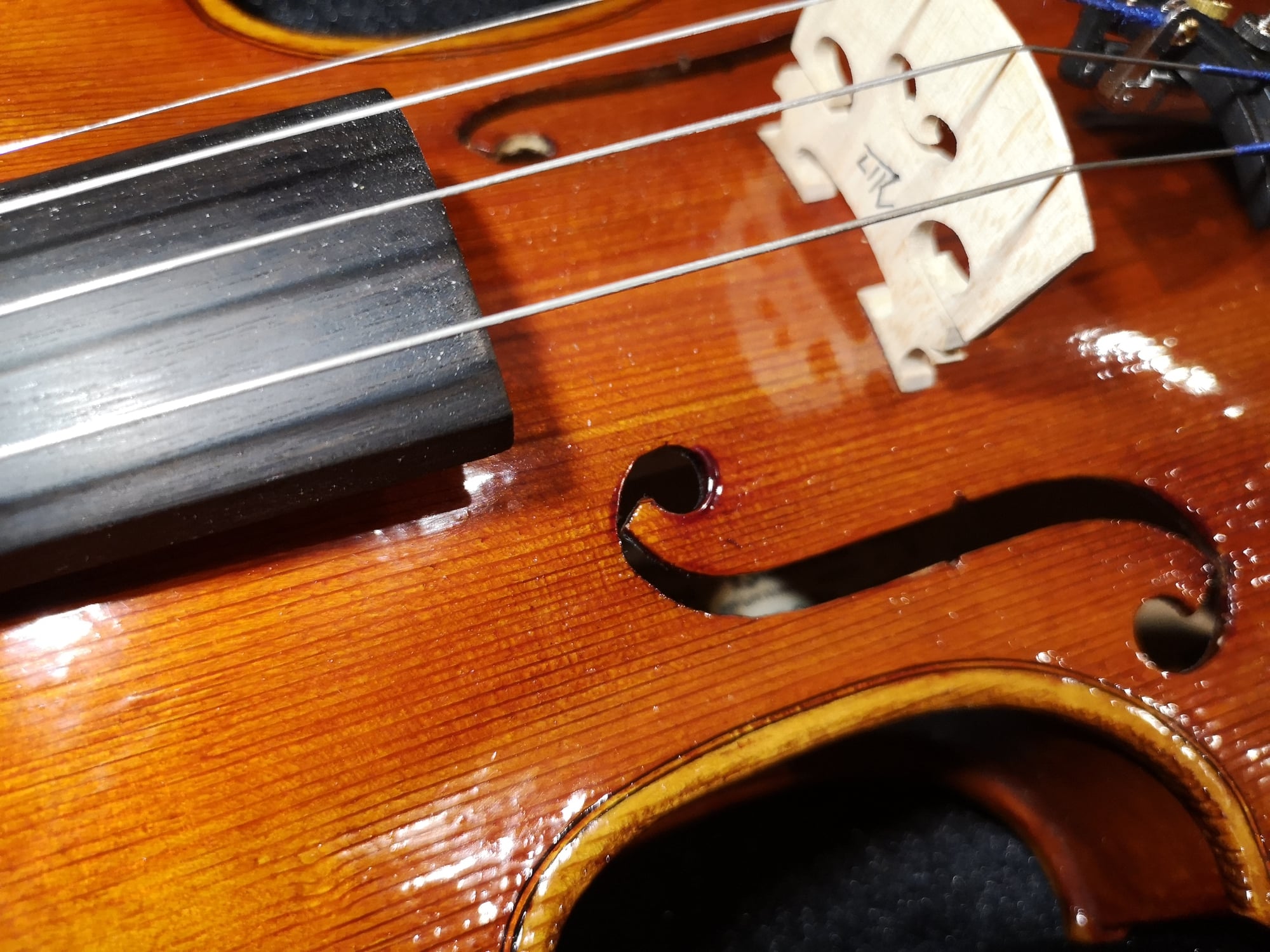
Antonio Stradivari’s violin varnish has puzzled scientists for over 300 years, despite countless attempts to recreate its unique properties. Recent research suggests he used a combination of Arabic gum, honey, and egg white, applied in multiple coats with specific drying times between each layer.
The varnish not only protected the wood but actually enhanced the instrument’s acoustic properties in ways that modern chemistry still doesn’t fully understand.
Like Go2Tutors’s content? Follow us on MSN.
Chinese Porcelain Firing
European potters spent centuries trying to crack the secret of Chinese porcelain, which seemed impossibly thin yet stronger than their own earthenware. The Chinese carefully guarded their use of kaolin clay and petuntse stone, fired at precisely 2,300 degrees Fahrenheit in kilns that maintained exact temperatures for days.
When Europeans finally discovered the process in the 1700s, it launched an industrial revolution in ceramics.
Fresco Painting
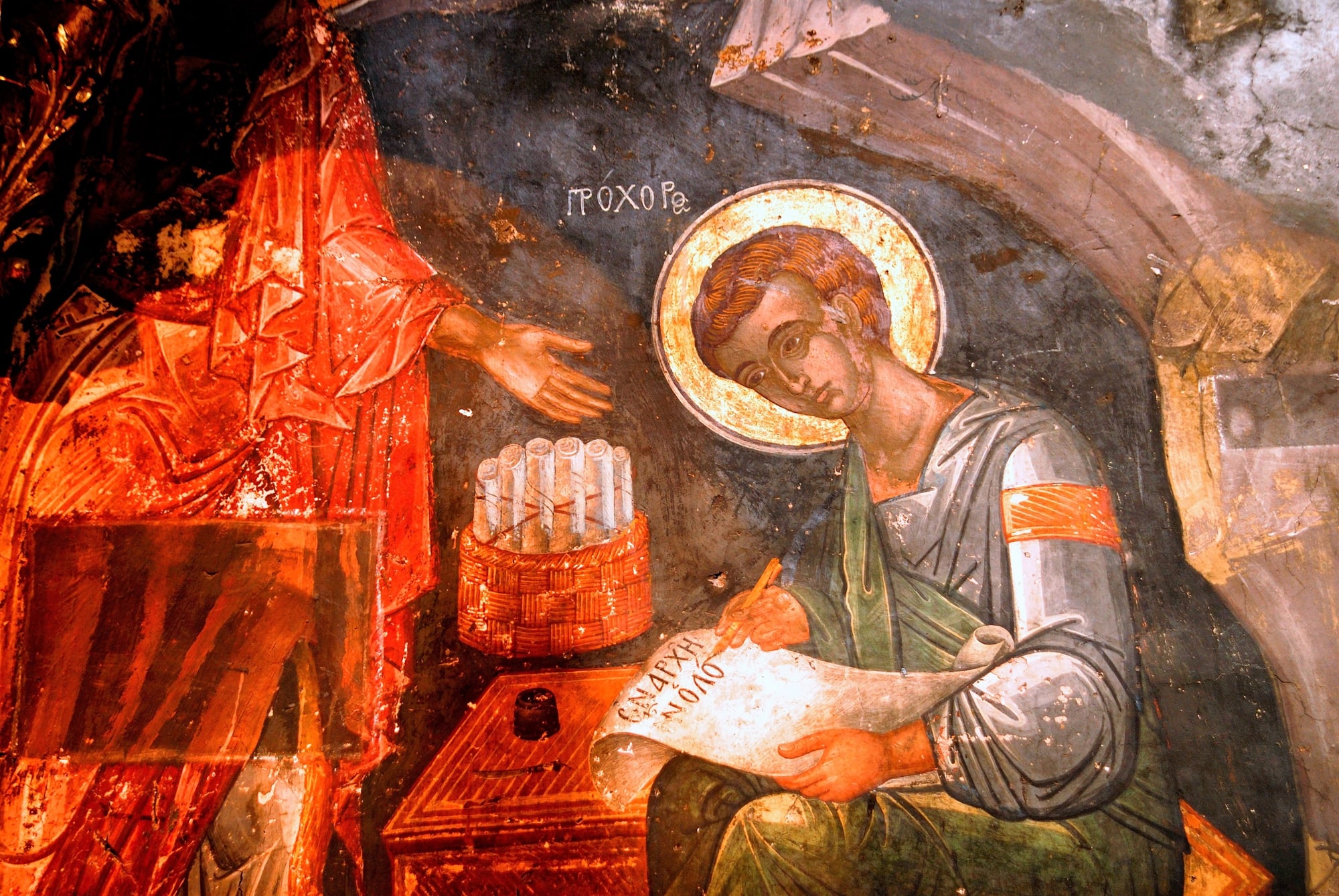
The masters of Renaissance fresco painting worked with techniques so precise that a single mistake could ruin months of work. They mixed their pigments with lime water and applied them to wet plaster, knowing they had only hours before the surface dried and became impossible to modify.
The secret lay in understanding exactly how different pigments reacted with the alkaline plaster—knowledge that could only be gained through years of expensive trial and error.
Damascus Steel Forging
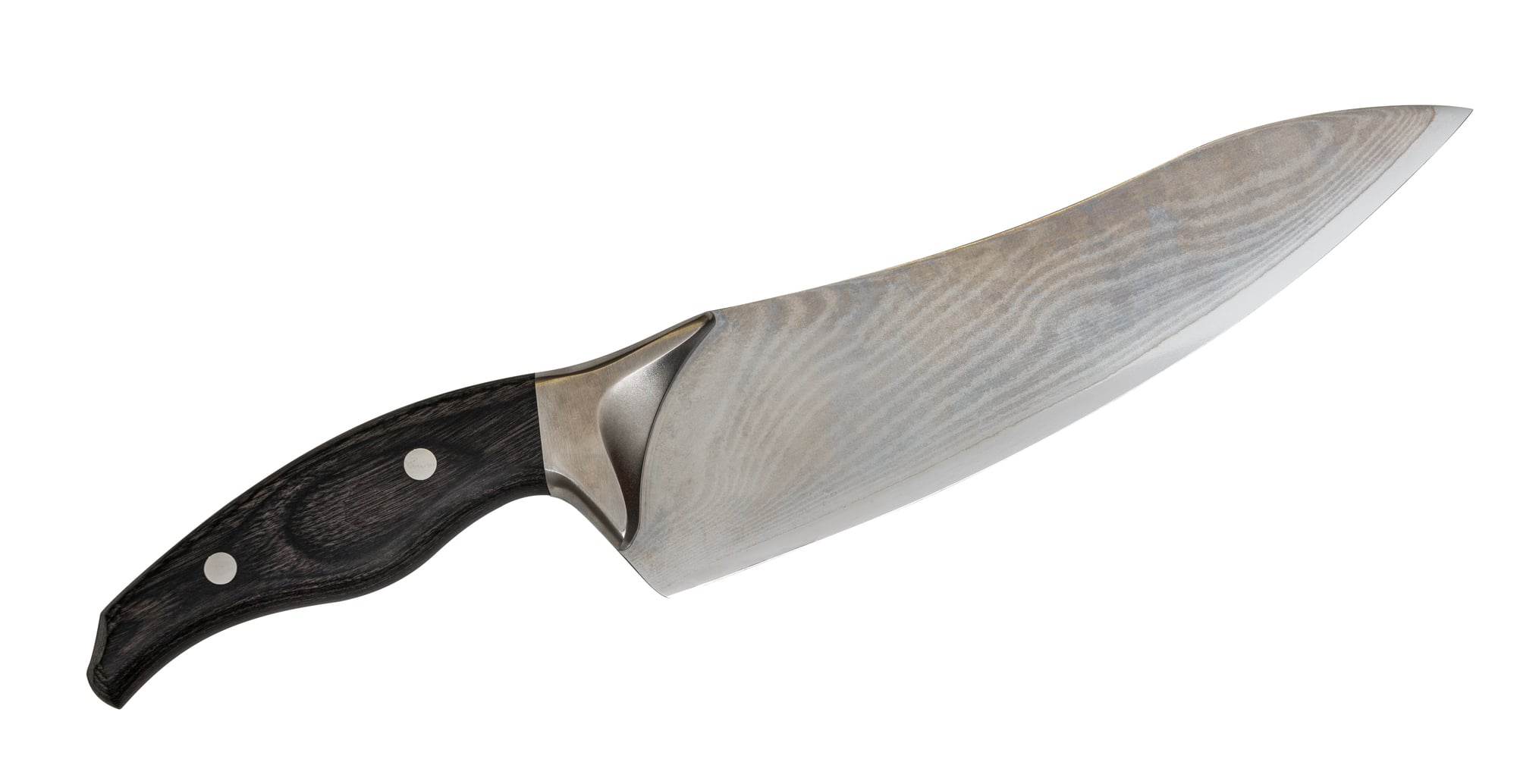
The legendary Damascus steel, with its distinctive watered pattern, was forged using techniques that died out completely by the 18th century. Modern metallurgists believe the steel contained carbon nanotubes and carbide nanowires, created through a process involving specific ores from India and a forging technique that has never been successfully recreated.
The blades could allegedly cut through European swords and slice silk scarves with equal ease.
Like Go2Tutors’s content? Follow us on MSN.
Tempera Paint Preparation
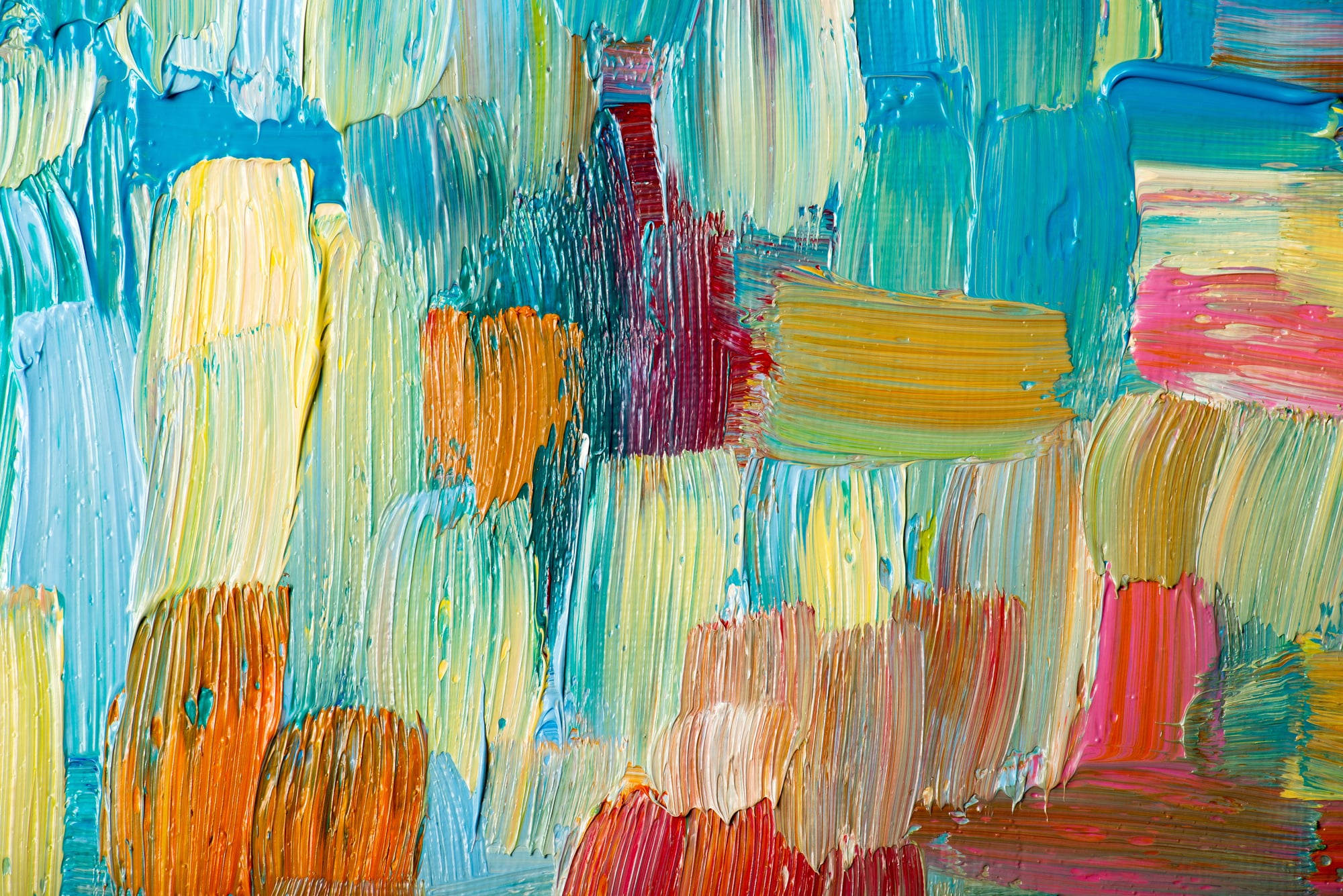
Before oil paints became common, masters like Botticelli and early Michelangelo used egg tempera with techniques so specific that apprentices spent years learning just the paint preparation. The process involved separating egg yolks, mixing them with precise amounts of vinegar and water, then combining this with powdered pigments in ratios that varied depending on the color and intended use.
Each master had slightly different formulas that they protected fiercely.
Cloisonné Enameling
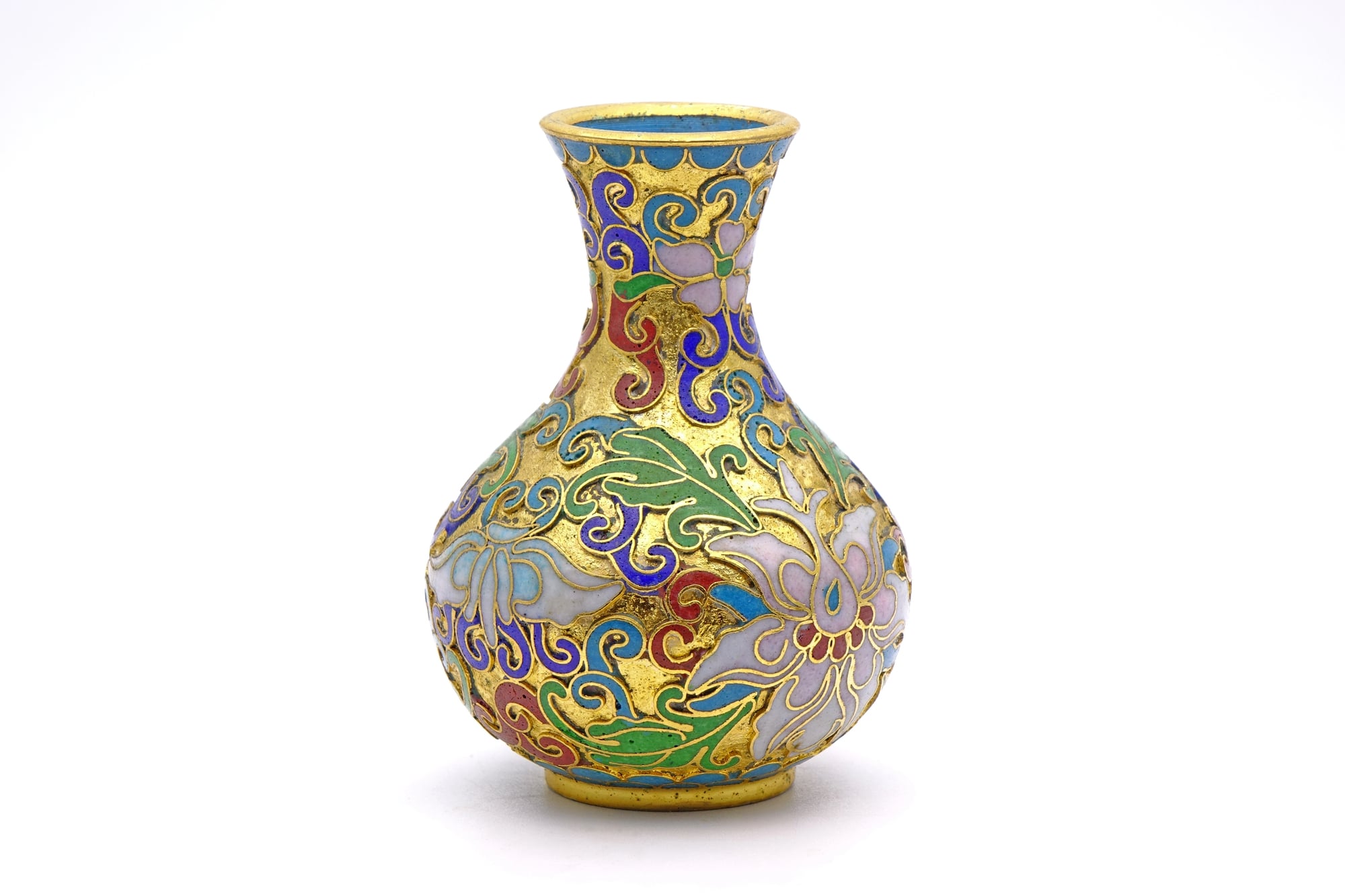
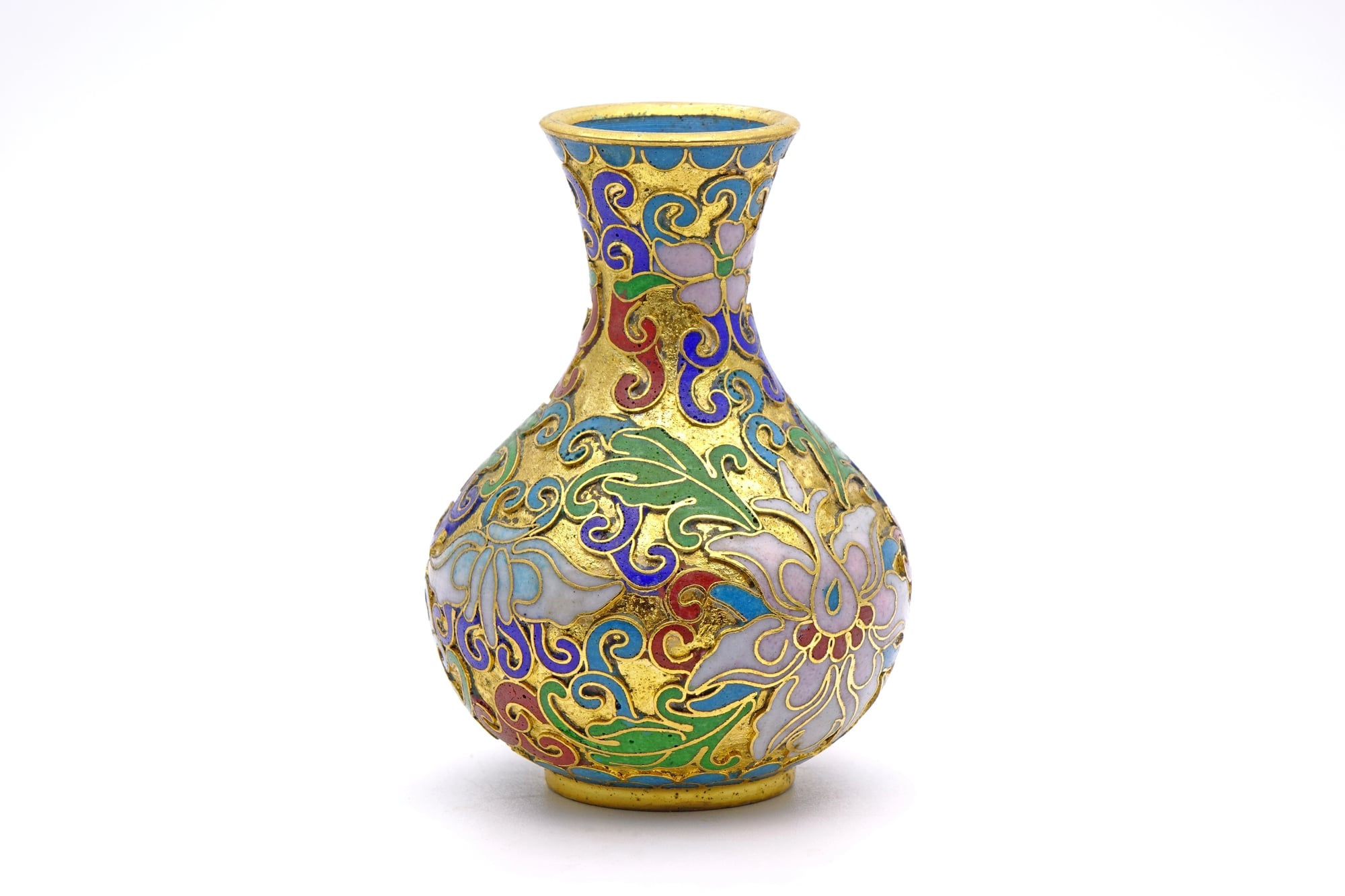
Byzantine and Chinese artisans developed cloisonné techniques that required not just artistic skill but knowledge of metallurgy and chemistry that took decades to master. The process involved creating tiny metal walls to separate different colored glass enamels, then firing the piece at temperatures that would melt the glass without destroying the metal framework.
The exact firing schedules and enamel formulations were closely guarded trade secrets.
Lacquerware Production
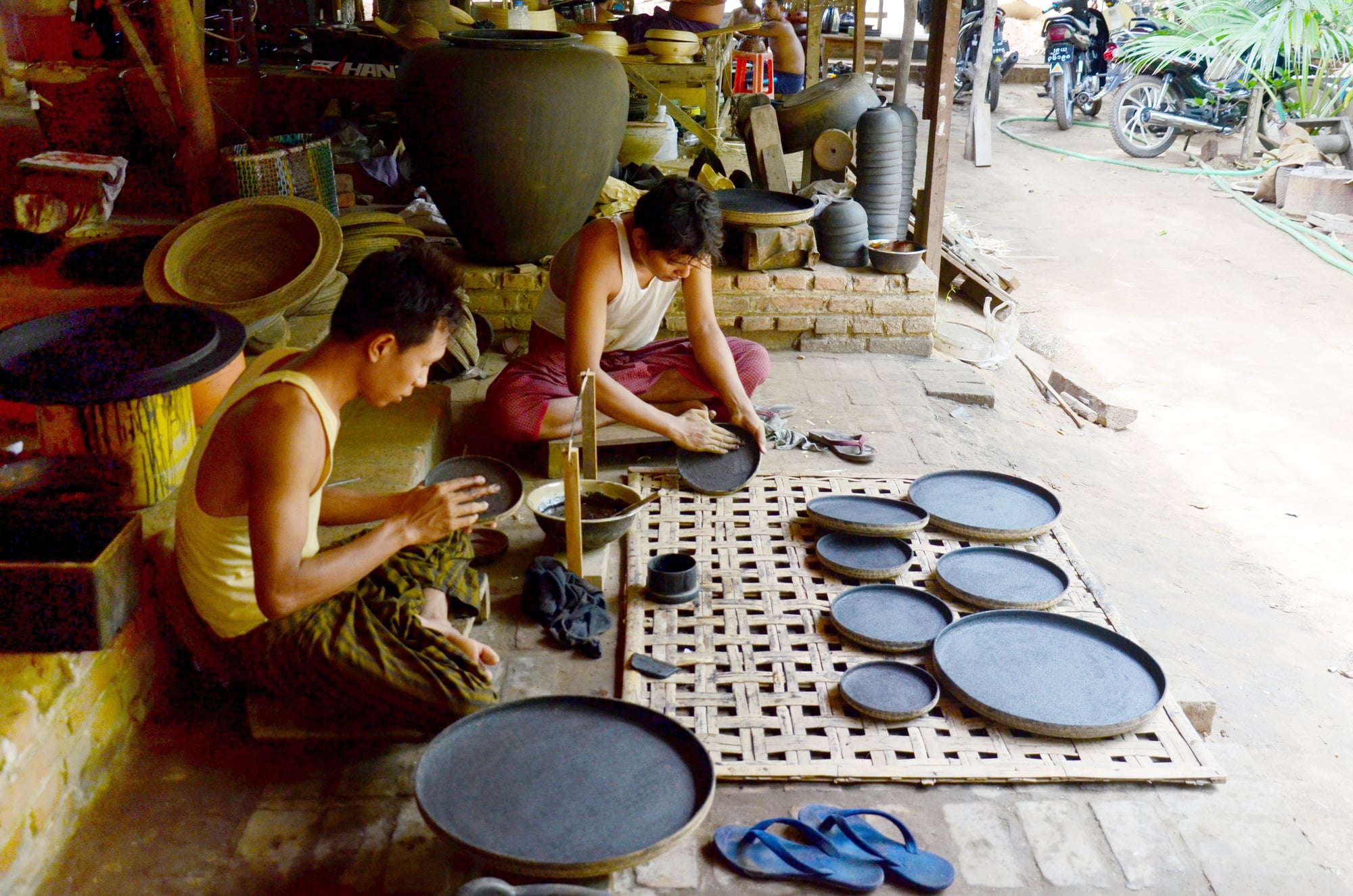
Japanese and Chinese lacquerware required techniques so complex and time-sensitive that masters often worked in complete secrecy. The process involved applying up to 30 coats of tree sap-based lacquer, with specific drying times and humidity levels required between each application.
The entire process could take months for a single piece, and the slightest variation in technique would ruin the final product.
Like Go2Tutors’s content? Follow us on MSN.
Oil Painting Glazing Methods
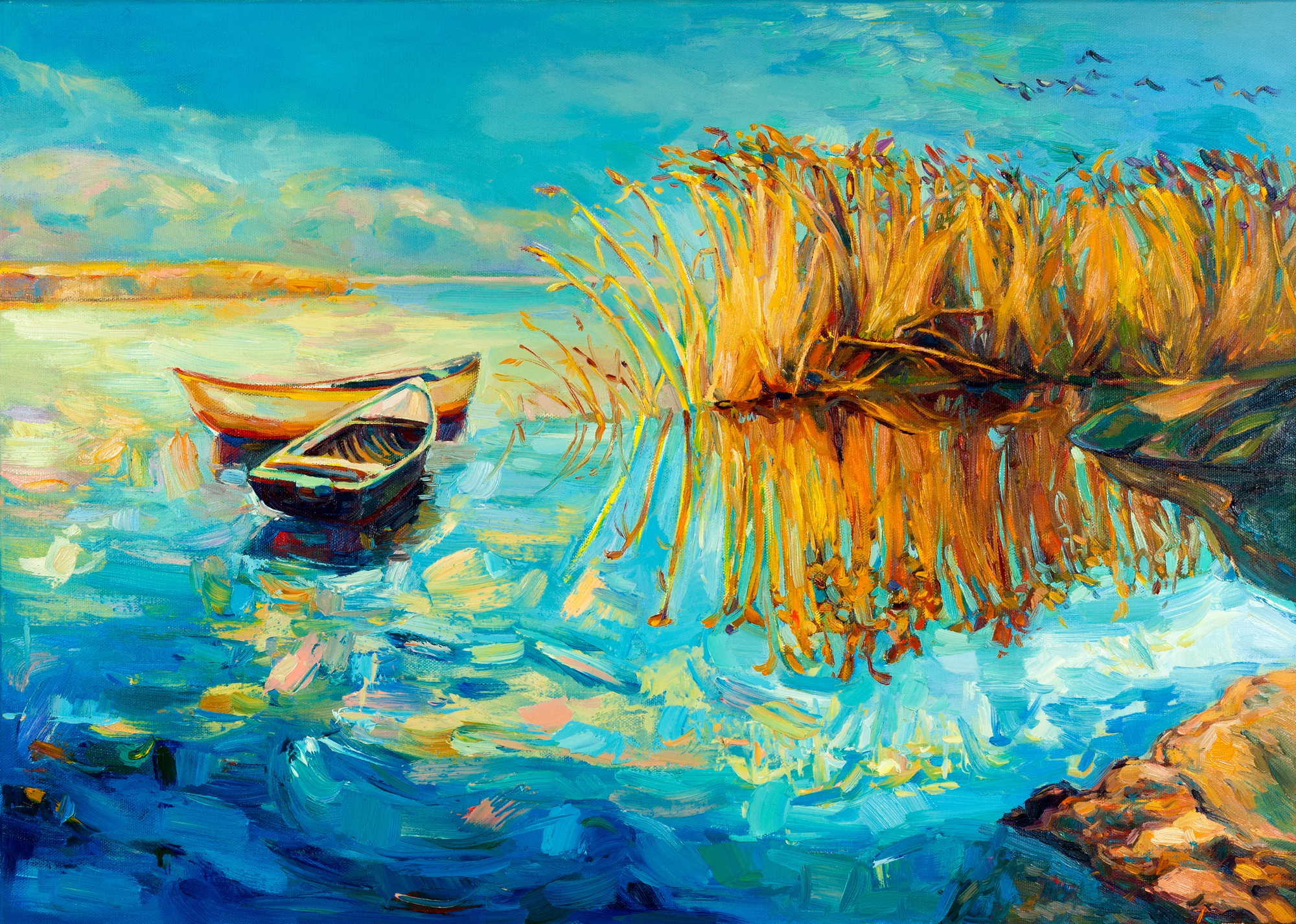
The Flemish masters like Jan van Eyck developed oil painting techniques that created colors of unprecedented brilliance and depth. Their secret involved building up translucent glazes over detailed underpainting, using specific oil mediums that dried at different rates to prevent cracking.
The exact proportions of stand oil, varnish, and turpentine in their mediums remained workshop secrets for generations.
Millefiori Glass Canes
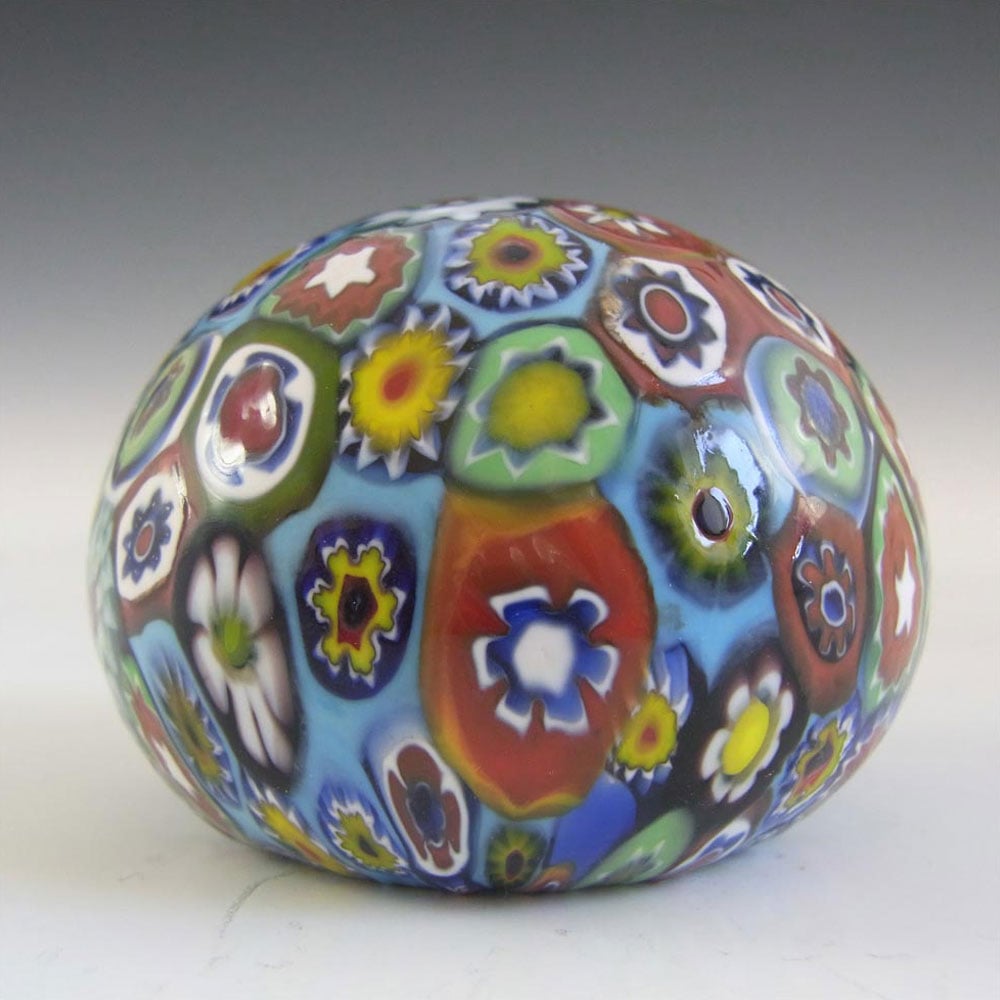
Venetian glassmakers created intricate millefiori patterns by bundling colored glass rods in specific arrangements, then heating and stretching the entire bundle to create thin canes with complex internal patterns. The process required perfect timing and temperature control—too hot and the colors would muddy together, too cool and the glass would crack.
Master glassmakers kept their color formulas and bundling patterns as closely guarded family secrets.
Manuscript Illumination Gold Leaf
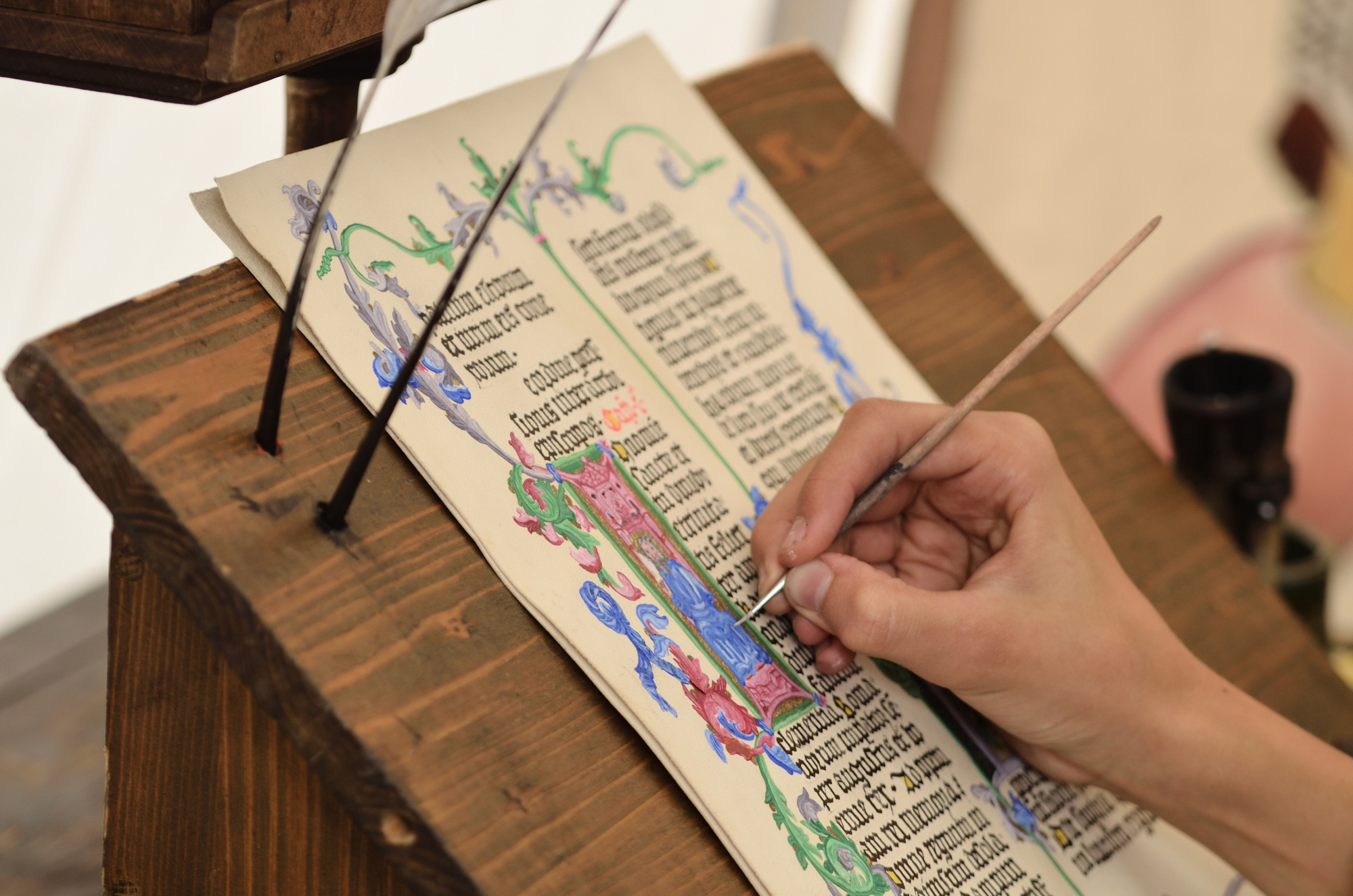
Medieval manuscript illuminators used gold leaf application techniques that made their work glow like captured sunlight. The secret involved preparing the parchment with a mixture of gum arabic, honey, and fish glue, creating a surface that would hold the impossibly thin gold leaf without wrinkling or tearing.
The exact consistency of this mixture and the timing of its application were workshop secrets that determined the quality of the finished manuscript.
Like Go2Tutors’s content? Follow us on MSN.
Ceramic Glaze Formulation
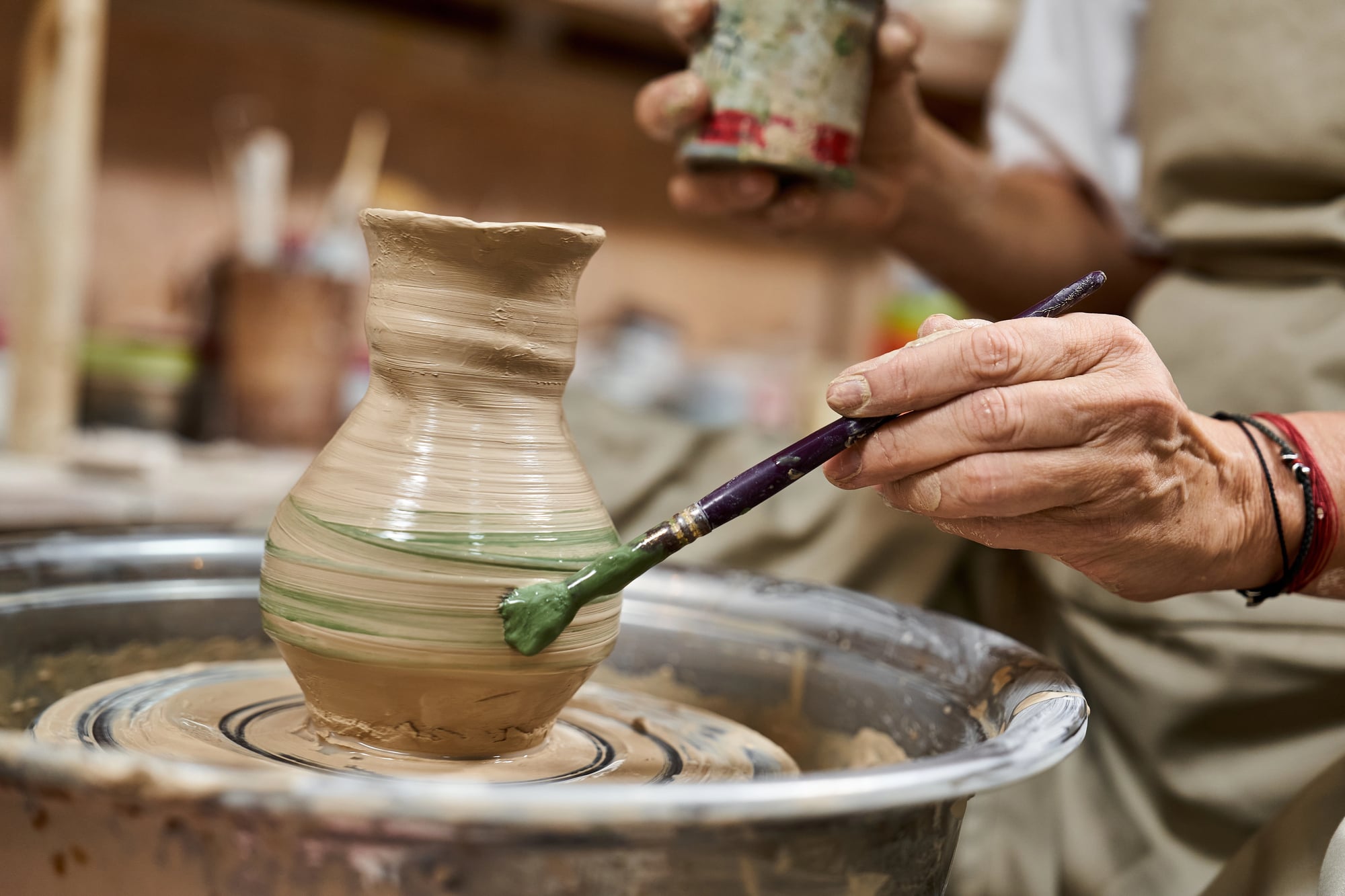
Chinese ceramicists developed glazes that could create everything from mirror-like blacks to deep blood reds, but the exact formulations were so closely guarded that many techniques were lost when their creators died. These glazes required precise combinations of minerals fired at specific temperatures with controlled cooling cycles that could take days.
A single degree difference in firing temperature could mean the difference between a masterpiece and a worthless pot.
The Thread That Binds Past to Present
These once-secret techniques remind us that artistic mastery has always been about more than inspiration—it required technical knowledge, scientific understanding, and years of dedicated practice. Today’s artists work with materials and methods that would seem like magic to their historical counterparts, yet they face the same fundamental challenge of transforming raw materials into expressions of human creativity.
The democratization of artistic knowledge through modern education and communication has opened doors that were once locked behind guild walls, allowing creativity to flourish in ways the old masters could never have imagined.
More from Go2Tutors!

- 18 Unexpectedly Valuable Collectibles You Might Have Lying Around
- 20 Little-Known Historical Battles That Had Huge Consequences
- 20 Historical Artifacts That Scientists Can’t Explain
- 15 Inventions That Were Immediately Banned After Being Created
- 20 Actors Who Were Almost Cast in Iconic Roles
Like Go2Tutors’s content? Follow us on MSN.