18 Vintage American Toys Every Kid Once Wanted
There was a time when Christmas morning meant crowding around a tree filled with boxes containing toys that would define an entire generation. These weren’t digital downloads or subscription services — they were physical objects that sparked imagination, caused playground arguments, and created memories that lasted decades.
Some required batteries, others needed assembly, and a few came with warnings that parents cheerfully ignored. But they all shared something modern toys rarely achieve: the power to make every kid in America want exactly the same thing at exactly the same time.
Slinky

Walk down any set of stairs, and somewhere in your memory, a metal coil is tumbling end over end in perfect rhythm. That’s what the Slinky did to an entire culture.
The toy arrived by accident when an engineer knocked a tension spring off his workbench. Pure physics became pure magic.
And yet the Slinky taught kids something profound without trying: gravity always wins, but the journey down can be beautiful.
G.I. Joe
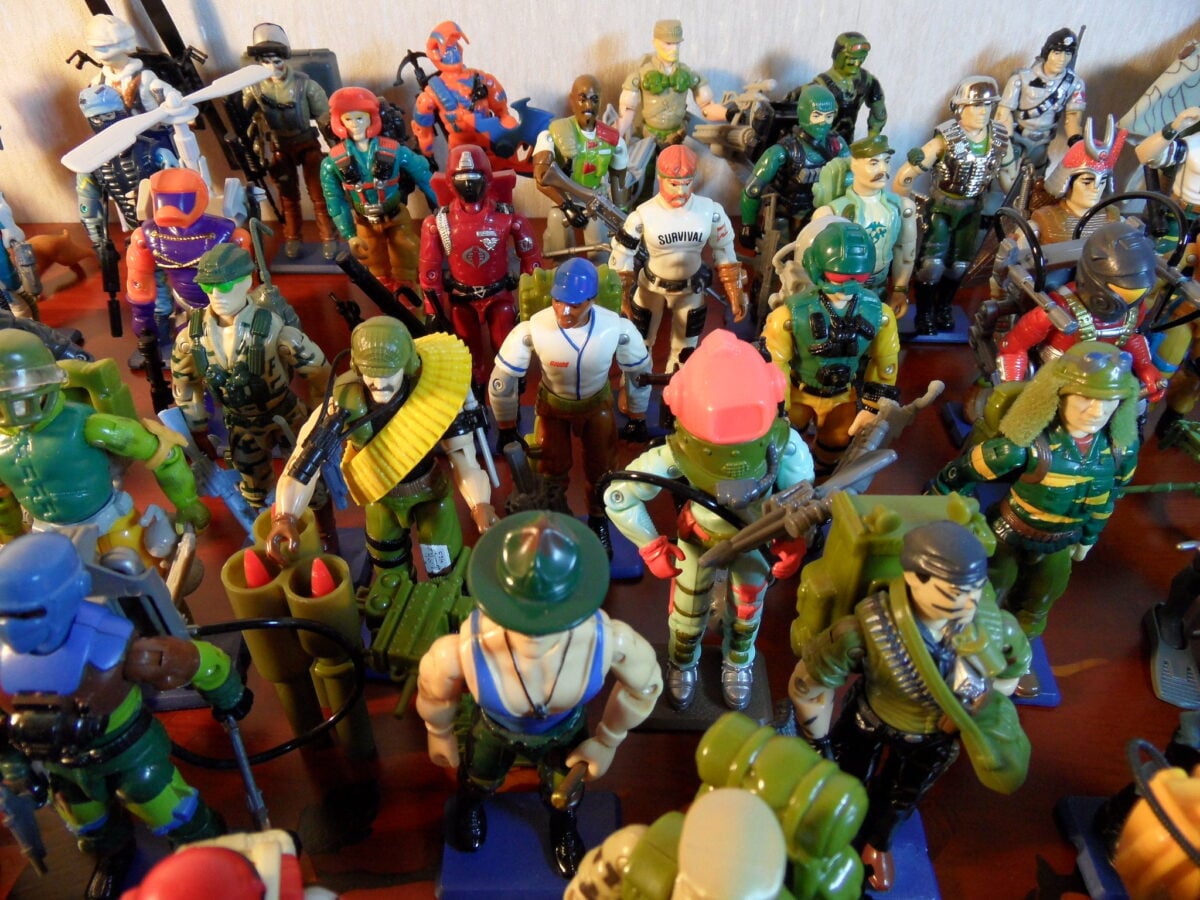
G.I. Joe wasn’t a doll. Every kid who owned one knew this fundamental truth, even if the distinction made no logical sense.
At 12 inches tall with moveable joints and an endless wardrobe of military gear, Joe represented something bigger than plastic and fabric. He was possibly personified — astronaut one day, deep-sea diver the next.
The marketing called him “America’s moveable fighting man,” but kids understood better: he was whoever you needed him to be, which turned out to be everything.
Easy-Bake Oven
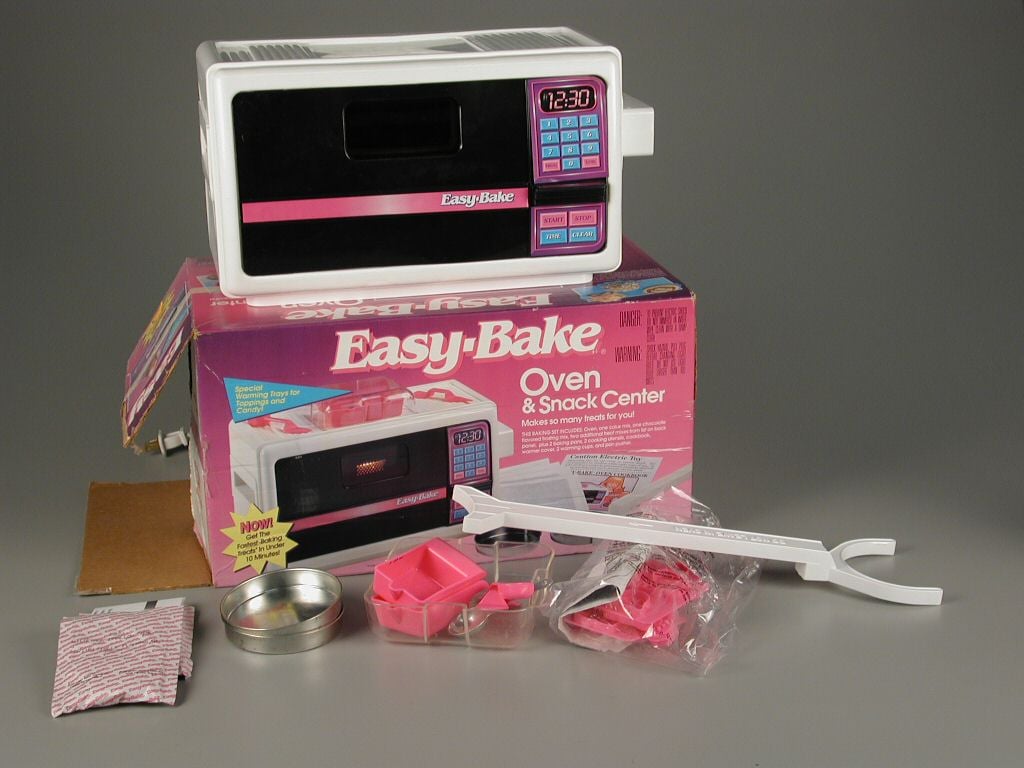
Picture a light bulb masquerading as a kitchen appliance, and somehow making it work. The Easy-Bake Oven took the most mundane household task — baking — and transformed it into childhood alchemy, where cake mix and patience produced something that actually resembled food (most of the time).
Kids learned to manage expectations early, because while the promise was birthday cake, the reality was usually something closer to edible cardboard. But it was their edible cardboard, created without adult supervision in a space that belonged entirely to them.
And if you’ve ever watched a six-year-old’s face when their tiny cake actually rises, you understand why this contraption sold millions despite producing results that would embarrass most toasters.
Hot Wheels
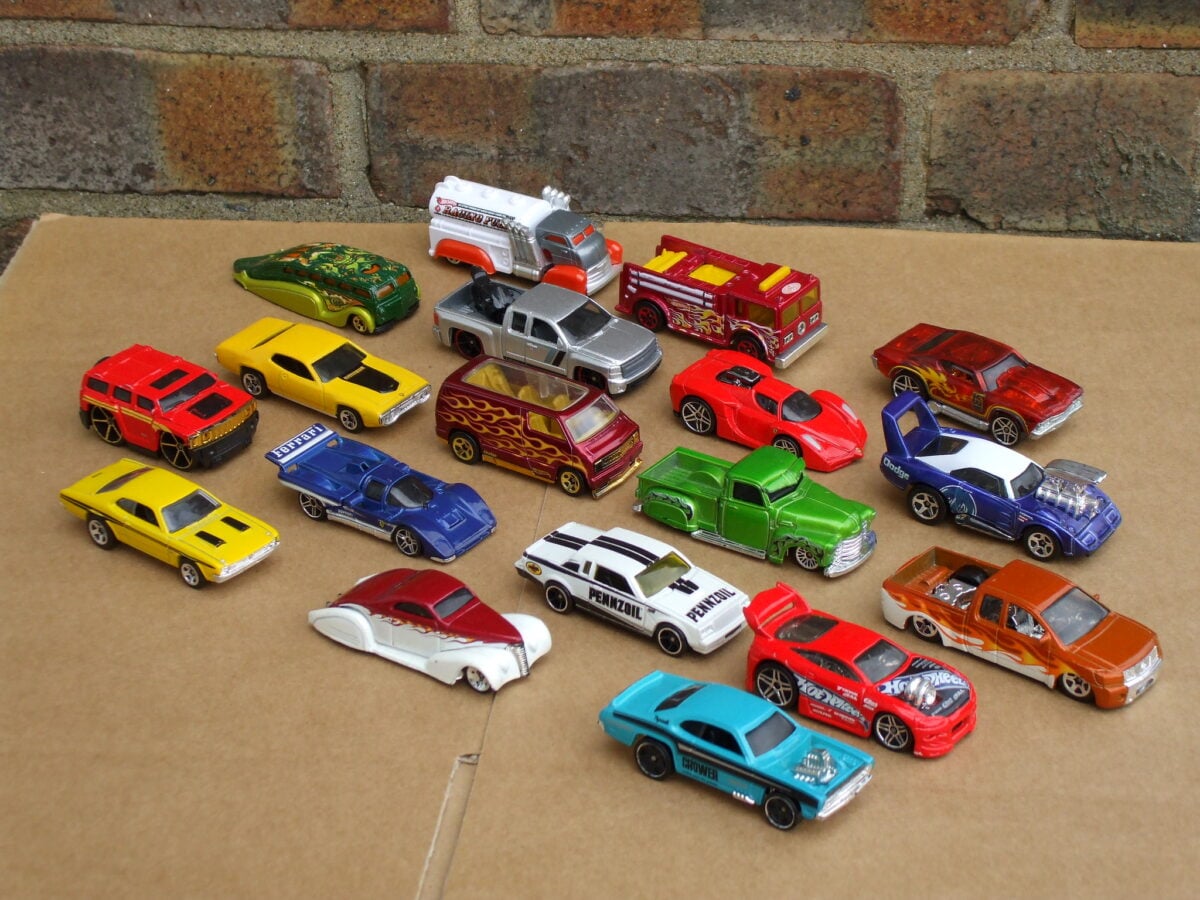
Hot Wheels didn’t just make toy cars — they made physics accessible to eight-year-olds who had never heard the word “velocity.” Those orange track pieces could transform any living room into a testing ground for concepts that wouldn’t appear in science class for another decade.
Speed, momentum, friction, gravity — all learned through trial and error with die-cast metal cars that cost pocket change. The genius wasn’t in the cars themselves, but in making every surface a potential racetrack.
Rock ‘Em Sock ‘Em Robots
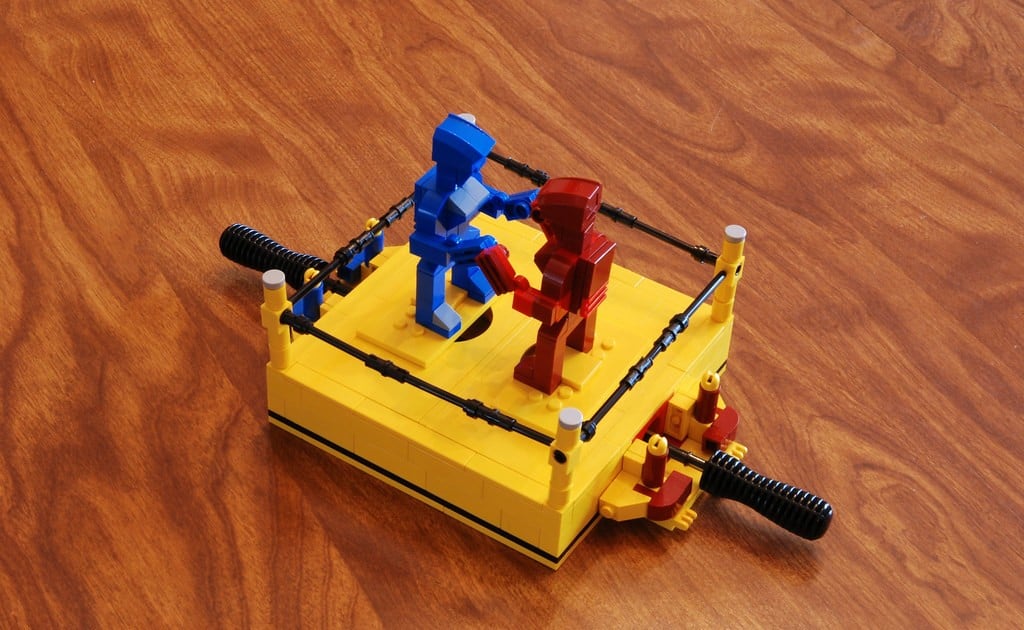
Boxing without consequences — that was the entire appeal, and it was enough. Two plastic robots, one red, one blue, throwing punches until somebody’s block got knocked off.
The metaphor was obvious, the execution flawless. Kids learned strategy, timing, and most importantly, that victory was temporary. Your robot might be champion now, but the reset button meant another match was always just seconds away.
Democracy in action, with more violence.
Barbie
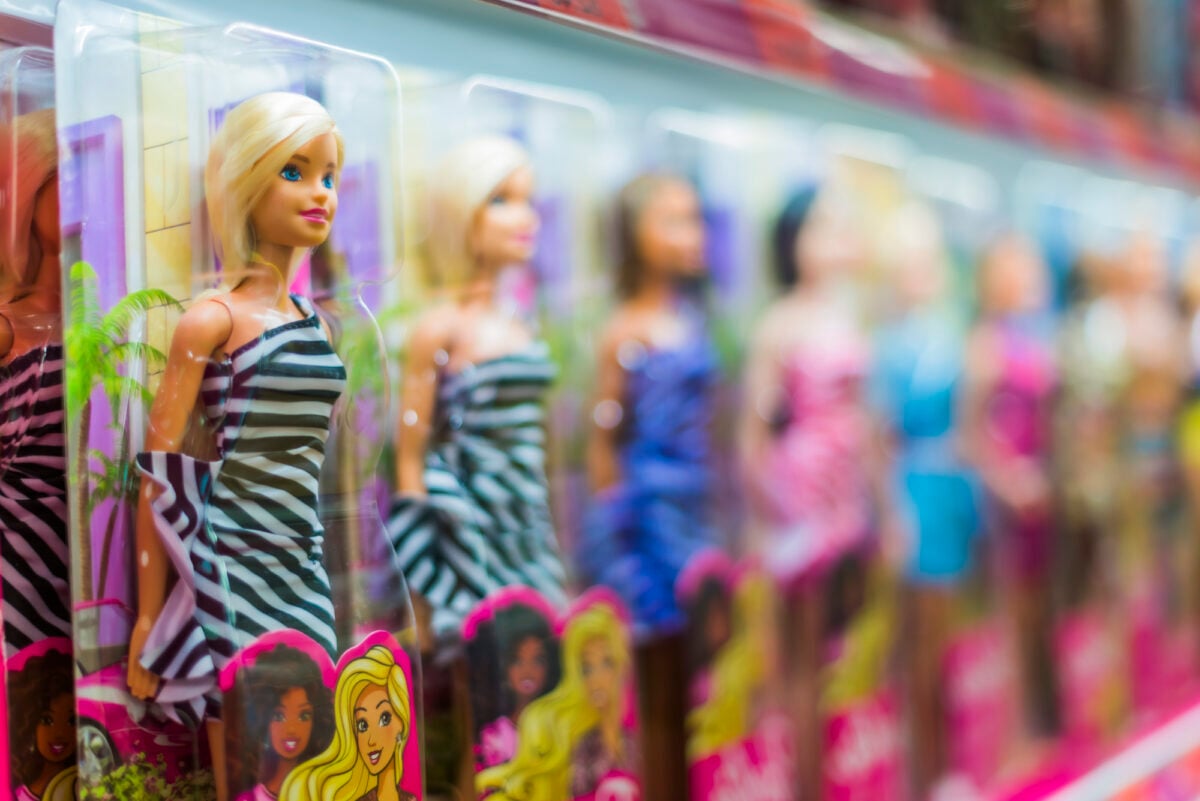
Barbie arrived in 1959 carrying more baggage than any 11.5-inch piece of plastic should reasonably bear, but that weight came later — after the thick pieces and cultural analysis and endless debates about beauty standards (all valid, but missing something essential about what actually happened in bedrooms across America). What happened was storytelling, pure and complex, with a protagonist who could be reshaped endlessly because her world had no rules except the ones kids invented.
Career changes happened daily, relationships formed and dissolved between breakfast and lunch, and entire civilizations rose and fell in the space between a child’s dresser and their bed. So yes, Barbie became a lightning rod for every anxiety about femininity and aspiration and impossible beauty.
But she also became something simpler and more profound: a canvas for imagination that happened to come with really good hair.
Etch A Sketch
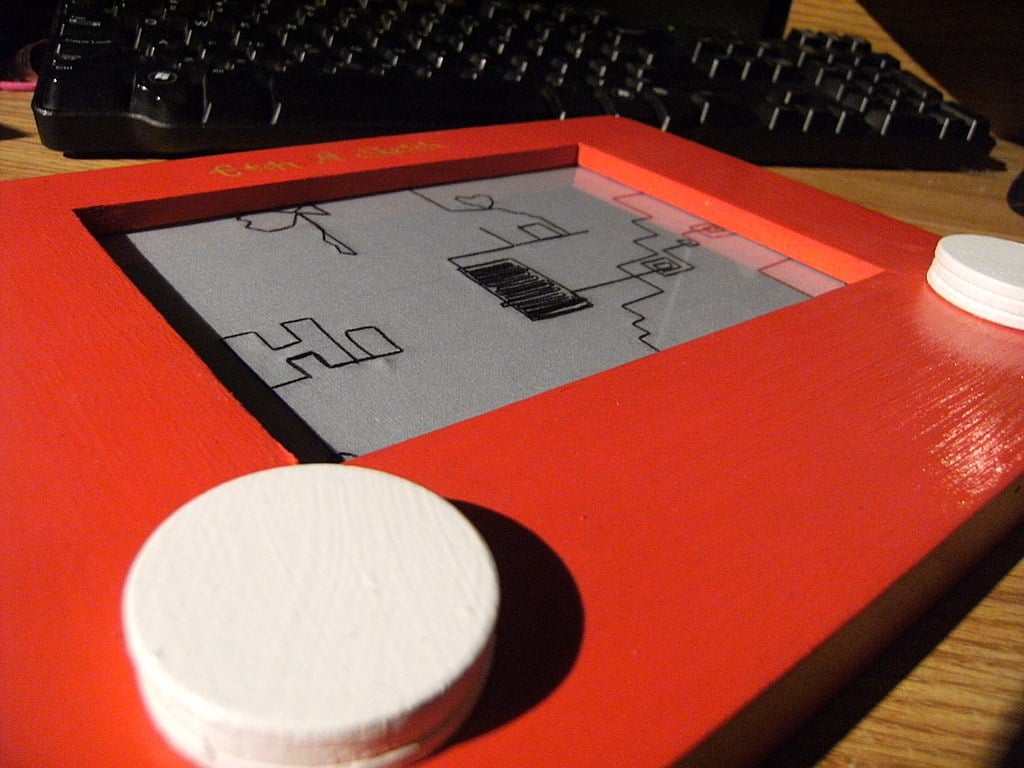
The Etch A Sketch was drawing for perfectionists and masochists — which turned out to be most kids. Two knobs controlled everything, horizontal and vertical, like learning to write with your hands tied behind your back.
Curves required patience and planning. Diagonal lines demanded coordination most adults didn’t possess.
And when frustration finally won, one shake erased hours of work completely. It was cruel and brilliant in equal measure.
View-Master
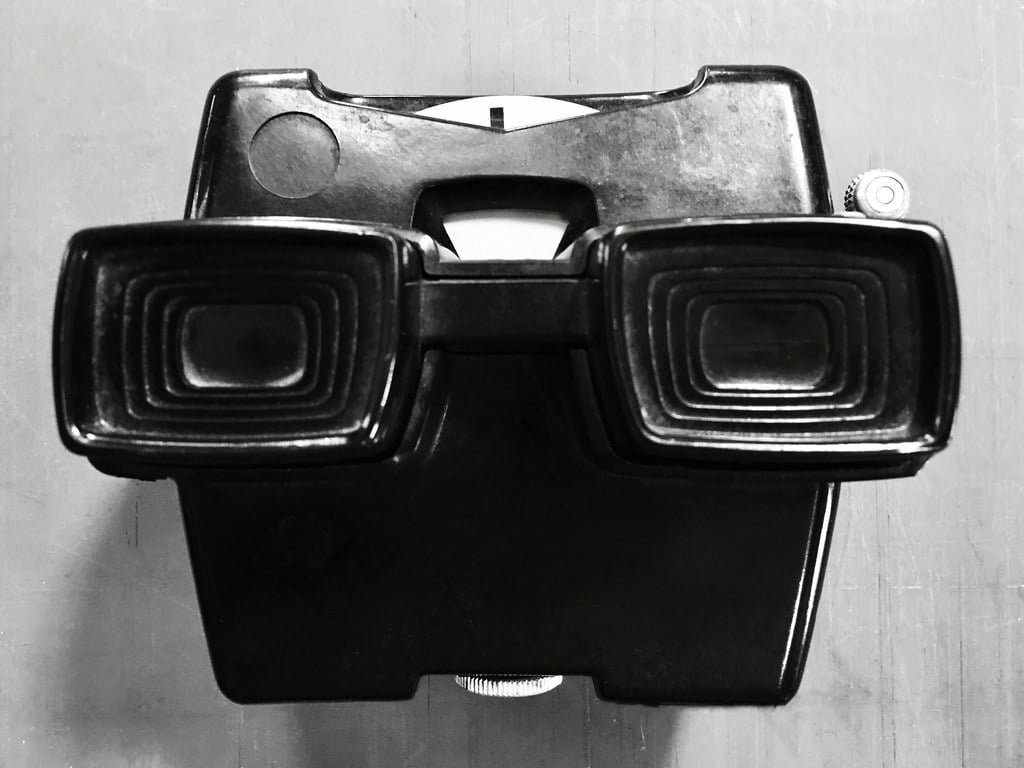
Before virtual reality, there was the View-Master — a plastic stereoscope that transported kids to distant places with the click of a lever. Each reel contained seven pairs of photographs that created the illusion of depth, turning flat images into windows to other worlds.
National Parks, Disney movies, far-off countries — all compressed into circular cardboard discs that fit in your palm. The magic wasn’t just visual; it was tactile, requiring the deliberate action of advancing to the next scene, like being the projectionist of your own private movie theater.
That mechanical click became the sound of anticipation, because you never quite knew what the next image would reveal, even when you’d seen the reel a dozen times before.
Spirograph
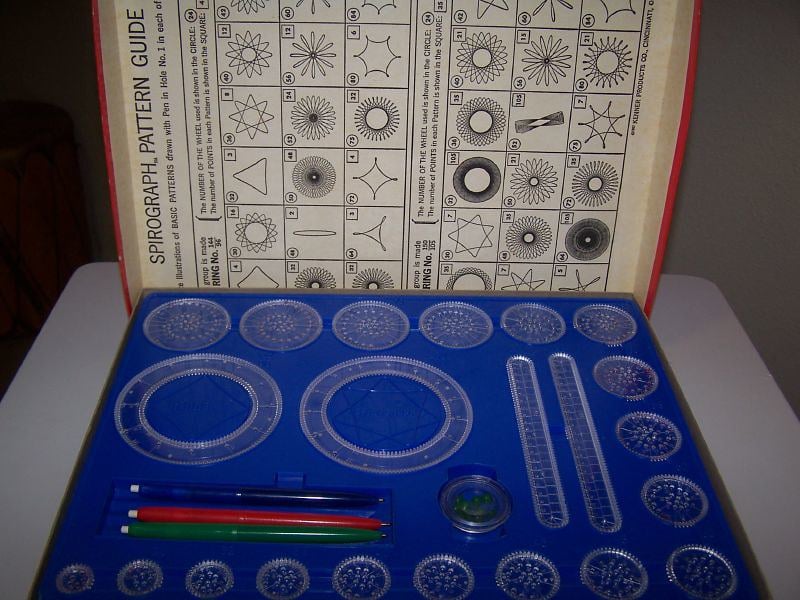
Spirograph turned geometry into art, though most kids didn’t realize they were learning math. Plastic gears, colored pens, and infinite patience created patterns that seemed impossible by hand.
The process was meditative — watching curves emerge as the small gear traveled around the larger one. Results varied wildly based on pen pressure, gear selection, and whether you could keep your hand steady for three full rotations.
But when everything aligned, the drawings looked like something a machine would make. Which they were.
Lincoln Logs
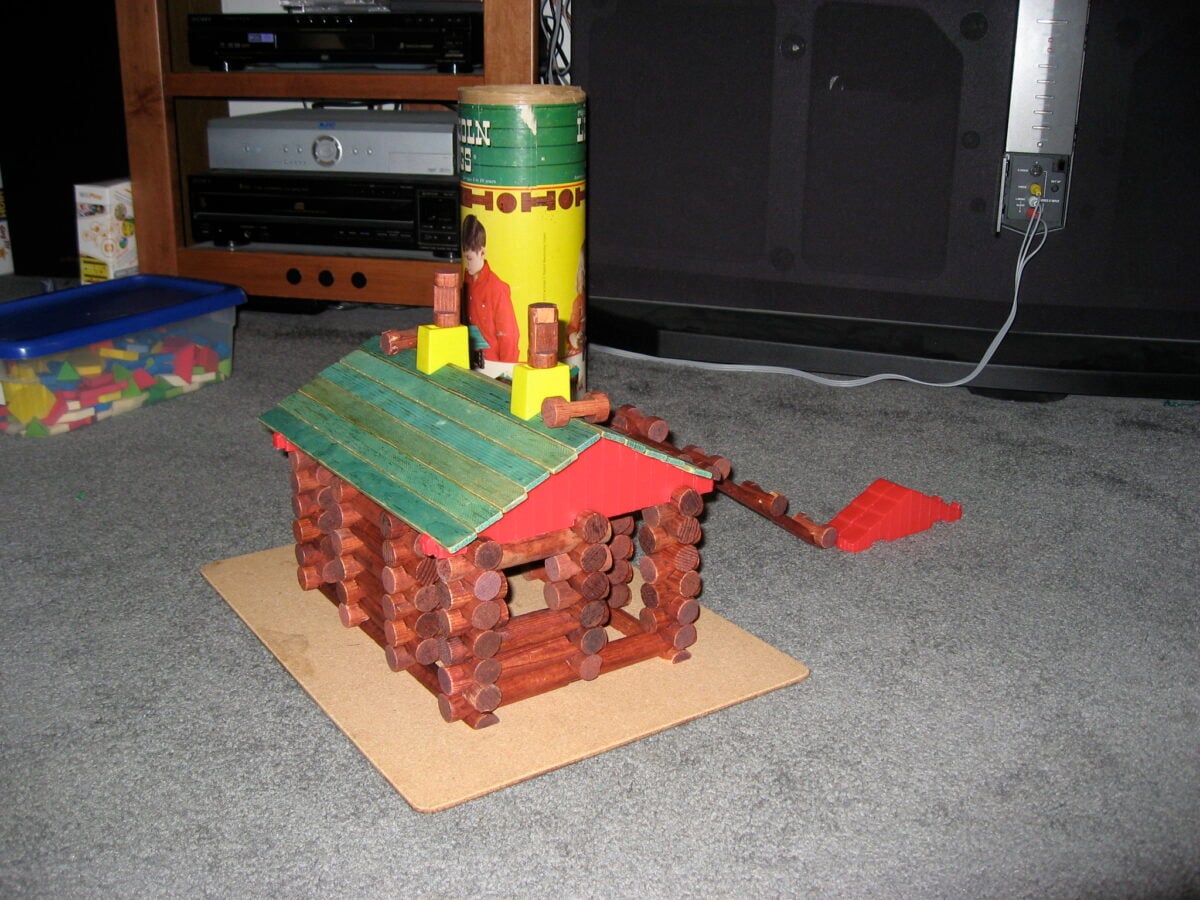
Lincoln Logs promised architectural achievement and delivered splinters — but somehow that felt appropriate for a toy inspired by Abraham Lincoln’s childhood. Those interlocking wooden logs came with plans for cabins, forts, and other frontier structures, but the real education happened when kids ignored the instructions completely.
Foundation principles, load distribution, structural integrity — all learned through trial and error as makeshift buildings collapsed under their own ambition. The wood smelled like possibility, and even the simplest construction felt like claiming territory.
Erector Set
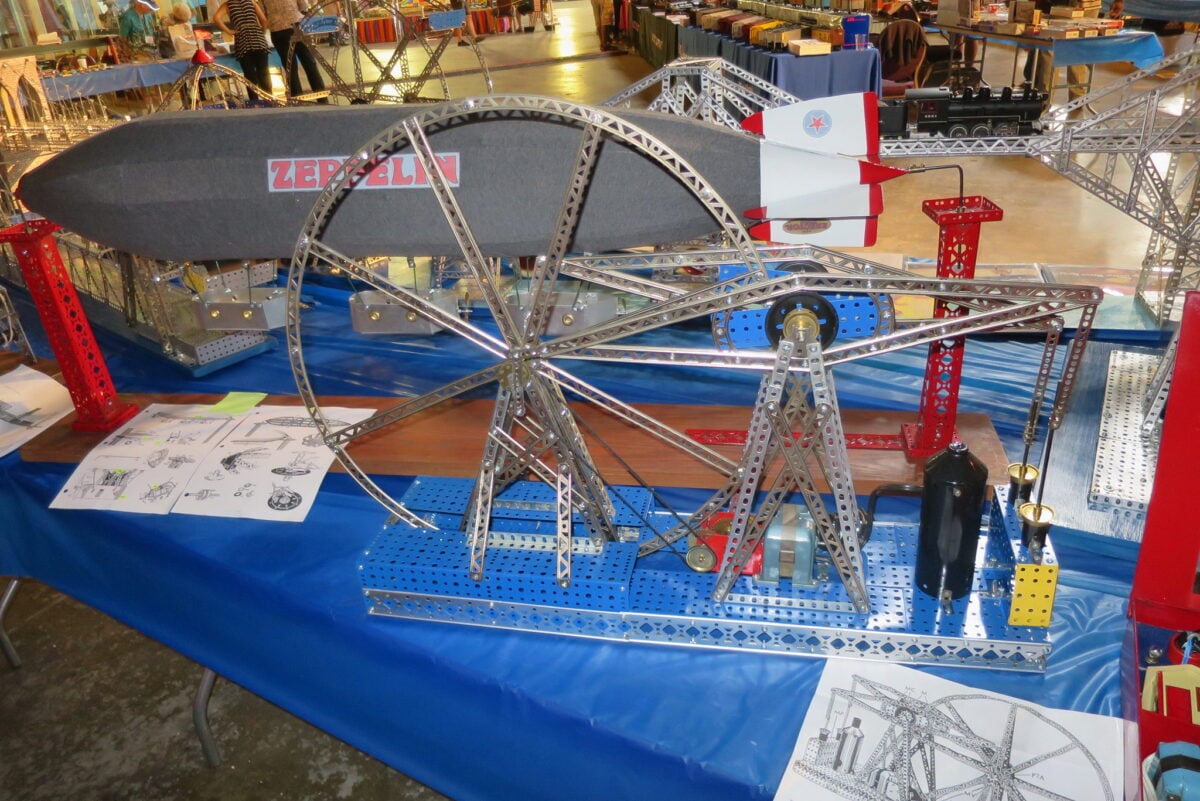
The Erector Set was engineering for kids who didn’t know they wanted to be engineers yet, complete with metal beams, nuts, bolts, and enough small parts to vacuum up for the next decade (because some always went missing, no matter how carefully you sorted them back into the compartmented box afterward). This wasn’t about following instructions — though the manual showed impressive bridges and cranes that looked nothing like what most kids actually built. Instead, it was about understanding that complex things were just simple things connected cleverly, and that the satisfaction of turning a tiny screwdriver until two pieces locked together perfectly was its own reward.
So kids learned patience, planning, and the particular frustration of having a vision that exceeded their current inventory of parts. But they also learned something more valuable: that building something with your hands changes how you see everything else that’s been built around you.
Mr. Potato Head
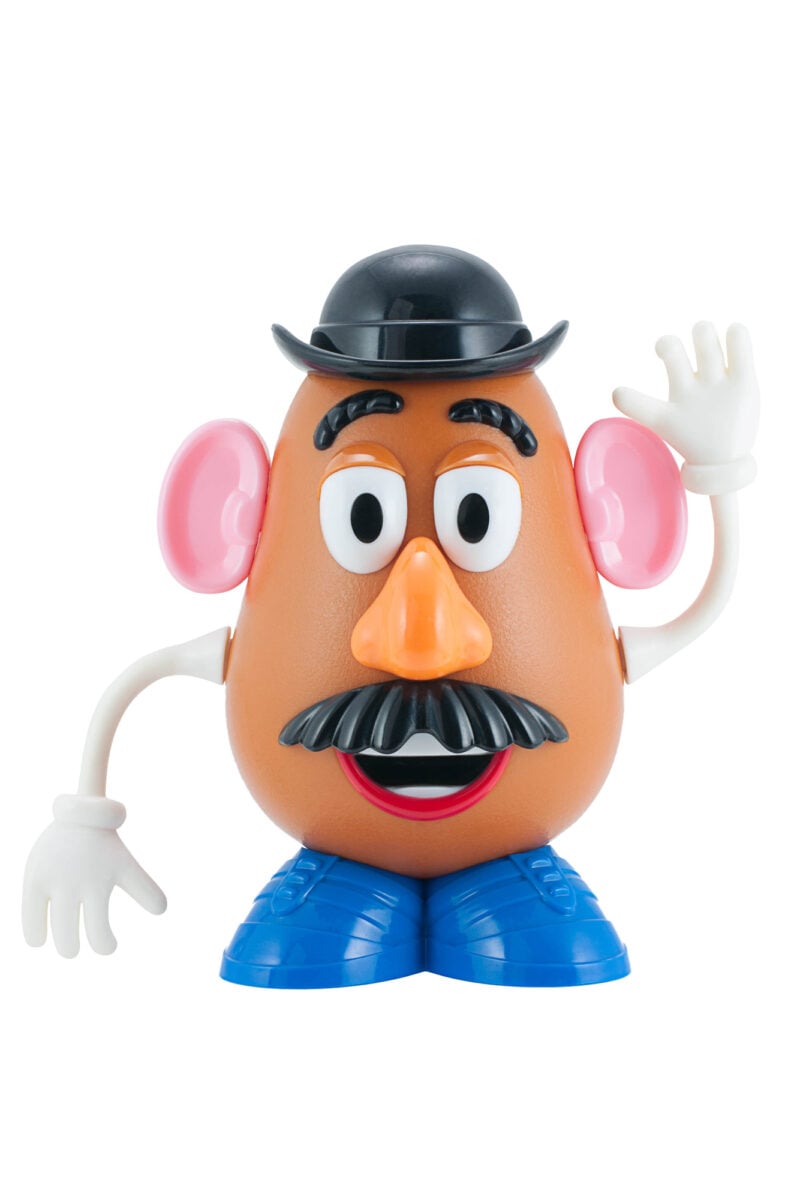
Mr. Potato Head started as a collection of plastic features that kids stuck into actual potatoes. The mess was considerable, the smell after a few days was unforgettable, and parents quickly demanded alternatives.
Hasbro eventually provided a plastic potato body, which solved the practical problems but lost something in translation. The original version taught kids that faces were just features arranged in space — move the eyes higher, put the nose where the mouth should go, and suddenly you understood portraiture better than most art students.
Abstraction through vegetables.
Yo-Yo
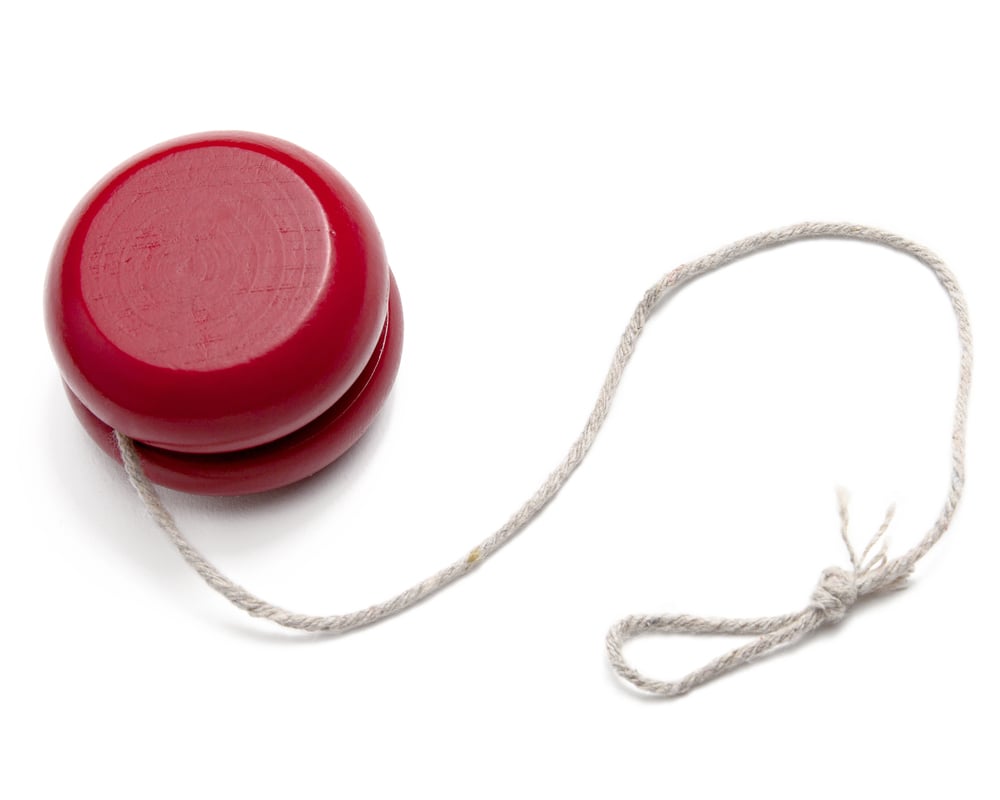
The yo-yo was simple physics disguised as a toy, and like most simple things, it was harder to master than it looked. String, wood, and gravity created endless possibilities — if you could manage the timing. “Walk the Dog,” “Around the World,” “Rock the Baby” — tricks that sounded easier than they were.
Most kids never progressed beyond basic up-and-down motion, but that didn’t matter. The yo-yo taught patience, persistence, and the particular satisfaction of making something return to your hand through skill rather than luck.
Raggedy Ann and Andy
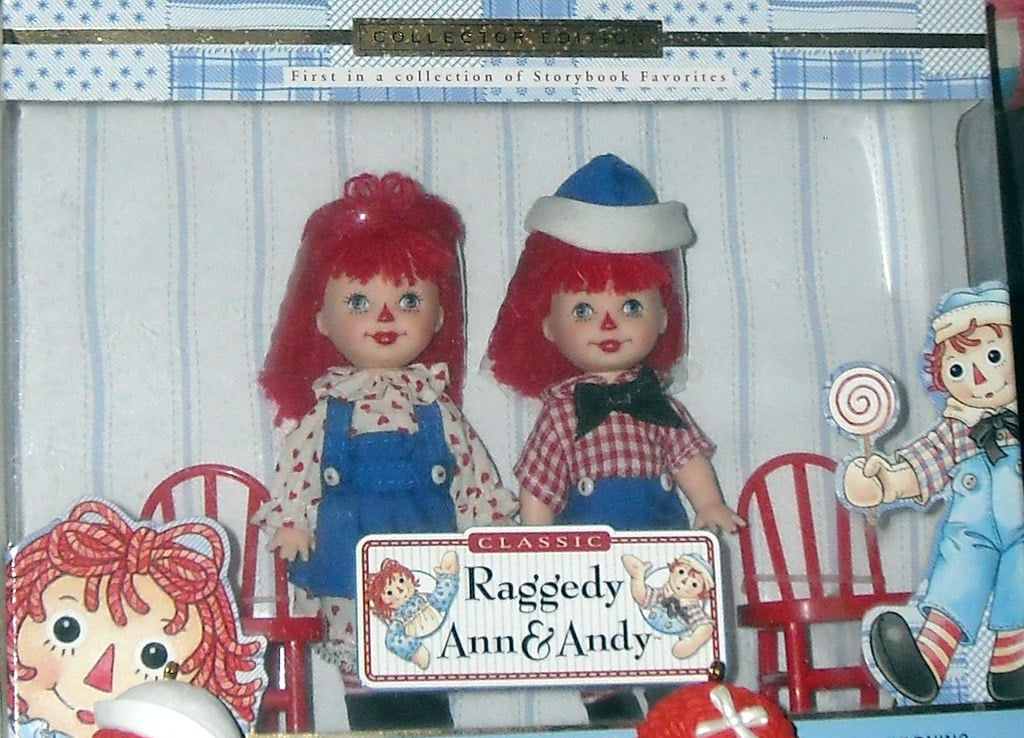
Raggedy Ann and Andy were toys that looked like they’d already been loved to death, which was exactly the point. Red yarn hair, button eyes, and a permanent smile that suggested either blissful ignorance or profound wisdom — depending on your perspective.
These dolls came with their own mythology, complete with hearts made of candy and adventures that happened when people weren’t watching. Unlike other toys that encouraged active play, Raggedy Ann and Andy specialized in comfort.
They were there for conversations, bedtime fears, and the kind of loyalty that only comes from being completely defenseless.
Tonka Trucks
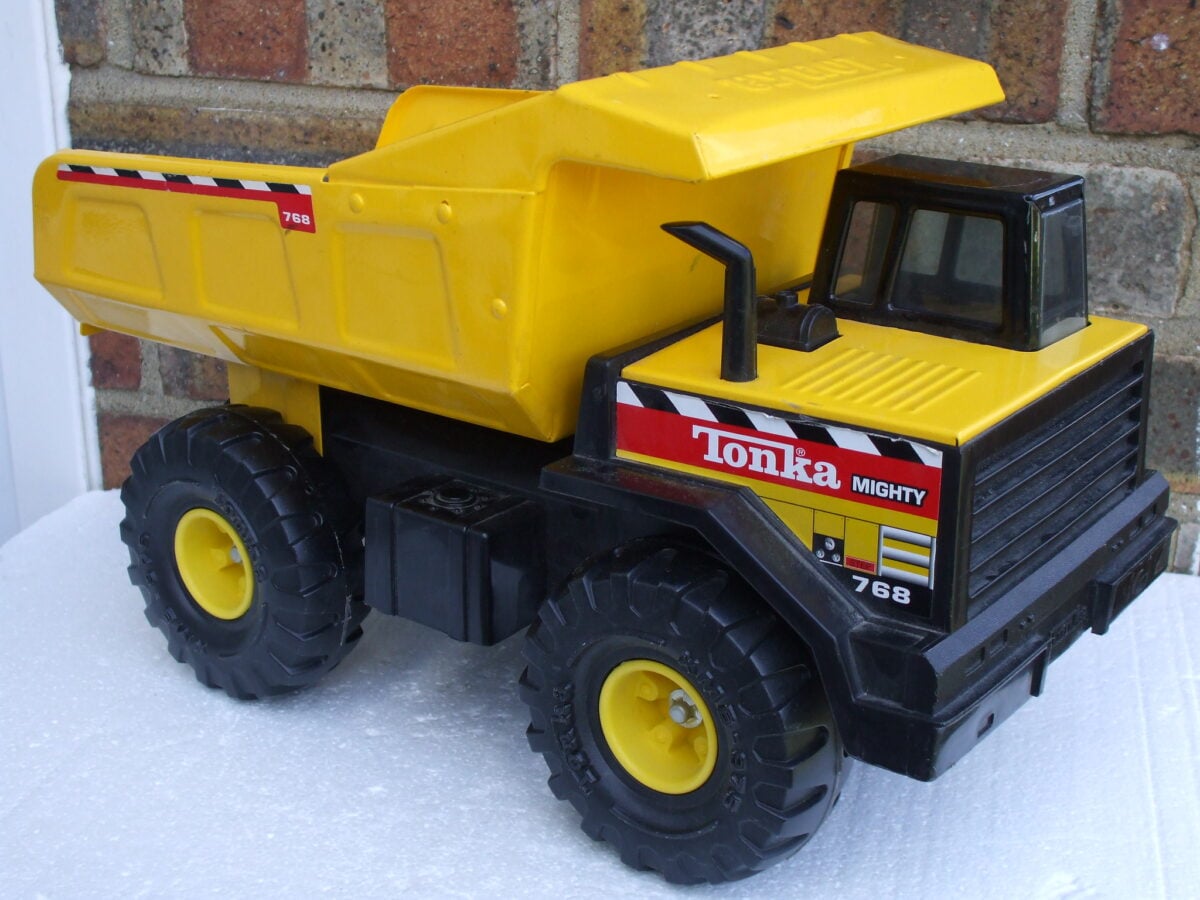
Tonka Trucks were built like actual construction equipment, just smaller and more likely to survive a nuclear blast. That yellow metal could withstand sandbox burial, backyard excavation projects, and the kind of destruction that would total a real vehicle.
The trucks had weight — physical and metaphorical. They demanded respect, returned it with years of faithful service, and taught kids that quality meant something you could feel in your hands.
No batteries, no electronics, just steel that refused to quit.
Silly Putty
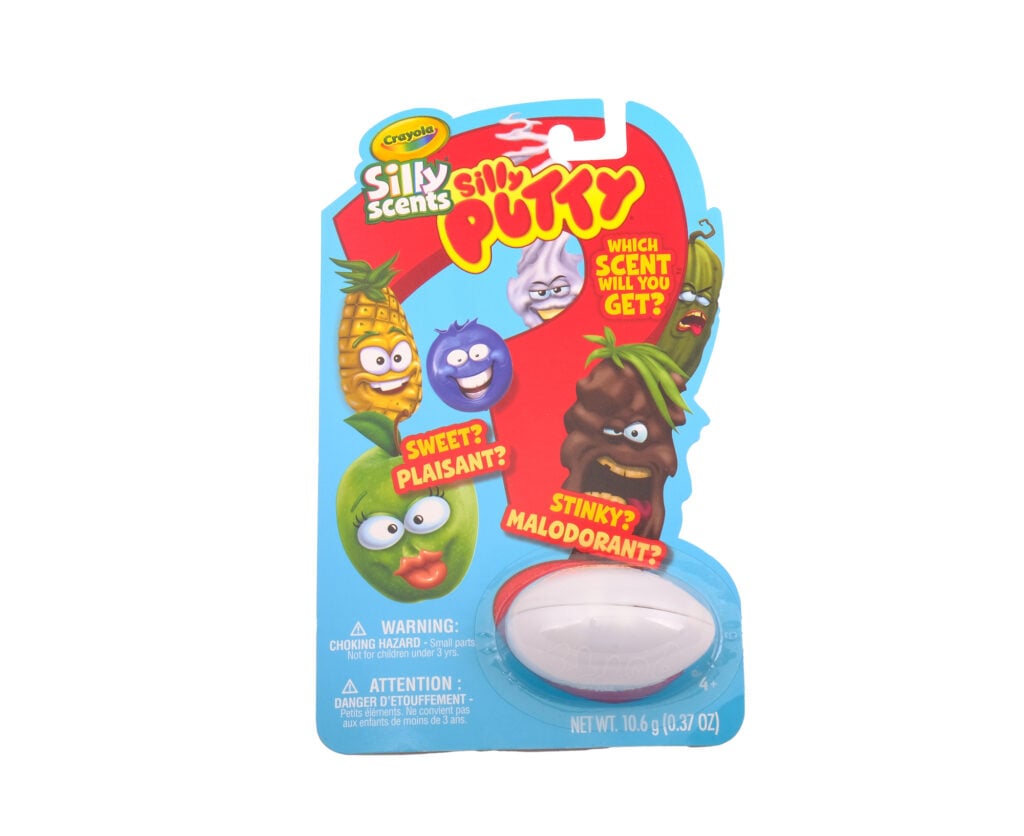
Silly Putty started as a failed attempt to create synthetic rubber during World War II and ended up teaching kids about material properties they wouldn’t encounter in chemistry class for another decade. The pink blob could copy newspaper comics, stretch like candy, bounce like a rubber orb, or break like glass — all depending on how you handled it.
It was a matter that refused to behave predictably, which made every interaction an experiment. Scientists accidentally created a toy that demonstrated viscosity, elasticity, and plasticity without using any of those words.
Matchbox Cars
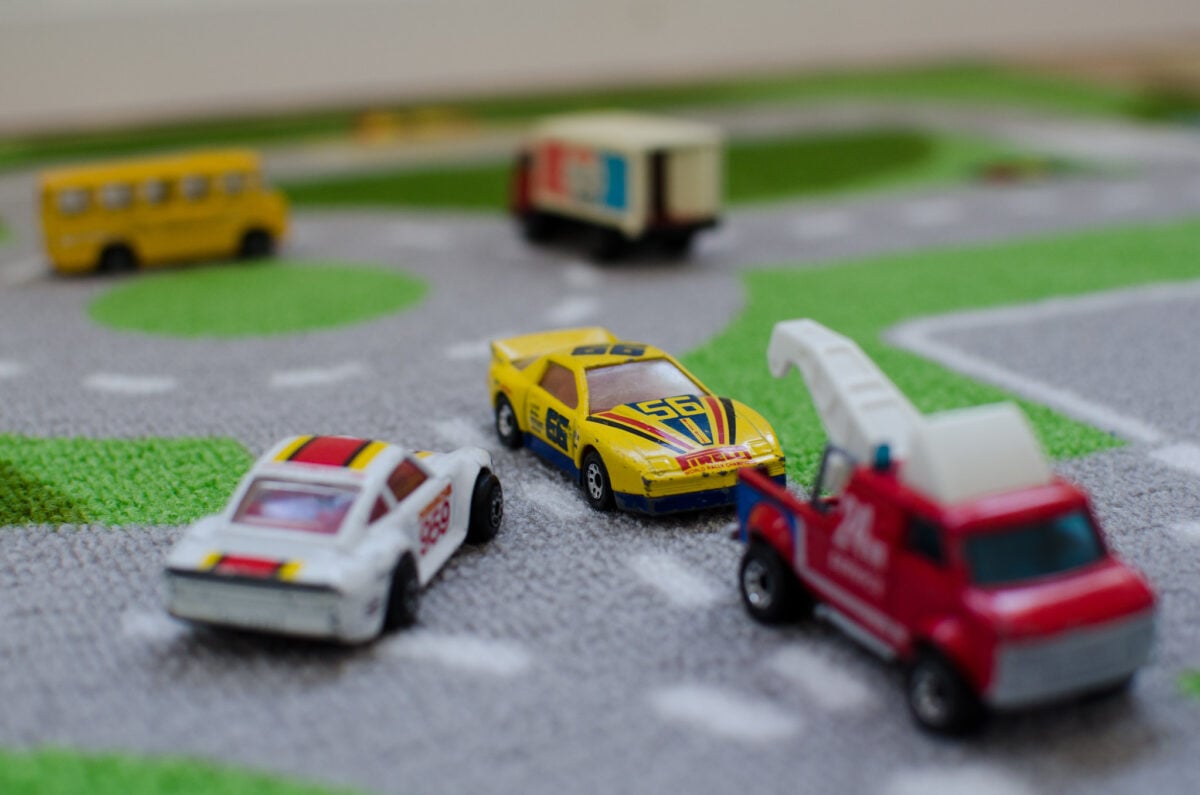
Matchbox cars were precision in miniature — die-cast vehicles so detailed they looked like someone had simply shrunk real cars to pocket size. Each one came in a box roughly the size of a matchbox (hence the name), and collecting them became an exercise in automotive education.
Kids learned to distinguish between a Jaguar and a Ferrari, a fire engine and an ambulance, often before they could spell the words. The cars were small enough to carry everywhere, sturdy enough to survive playground trading, and realistic enough to fuel imagination that went far beyond mere transportation.
Slime

Green, gooey, and completely disgusting — Slime was everything parents didn’t want in their house, which made it irresistible to kids. The appeal was purely visceral: something that felt gross but wasn’t actually harmful.
It stretched, bounced, made satisfying noises when squeezed, and inevitably ended up in places it shouldn’t be. Mattel marketed it as a toy, but kids understood it better as controlled chaos — a way to be slightly rebellious without actually breaking any important rules.
The Magic Lives On
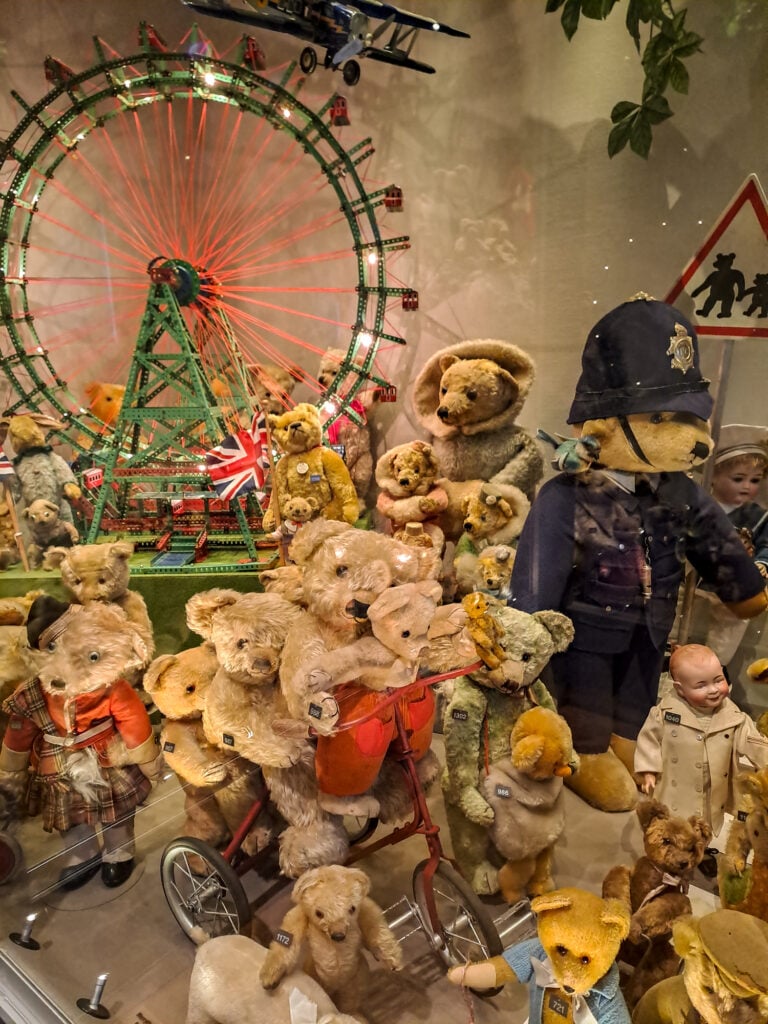
These toys shared something that’s hard to manufacture: the ability to surprise their owners. Not once, but repeatedly, as kids discovered new ways to play, break, and reimagine objects that seemed simple on the surface.
They required participation rather than passive consumption, and most importantly, they failed in interesting ways. A broken Slinky still moved down stairs.
A crashed Hot Wheels car just needed a push to race again. A collapsed Lincoln Log cabin became the foundation for something entirely different.
That resilience — both physical and imaginative — created bonds that lasted long after childhood ended, which explains why so many adults still smile when they encounter these toys in antique shops or their parents’ attics.
More from Go2Tutors!

- The Romanov Crown Jewels and Their Tragic Fate
- 13 Historical Mysteries That Science Still Can’t Solve
- Famous Hoaxes That Fooled the World for Years
- 15 Child Stars with Tragic Adult Lives
- 16 Famous Jewelry Pieces in History
Like Go2Tutors’s content? Follow us on MSN.