First Fashion Icons Who Set Global Trends
Now, fashion shifts fast. One moment it’s a photo online – suddenly everyone seems to wear the same thing.
This pace didn’t exist once. Back then, stars changed styles just by stepping outside.
Cameras captured them, magazines carried those images far. Movies brought their clothes into homes across nations.
Without saying much, they shifted how people dressed. Out of nowhere, those first fashion trailblazers didn’t just wear clothes – they changed shapes.
Fabrics once seen as strange became everyday, thanks to them. Elegance got a new face; so did defiance, along with the idea of being current.
Because of their moves, today’s endless loop of trends found its starting point. A few early trendsetters shaped styles that traveled well past their immediate worlds.
One by one, they stood out – not loudly, but surely – changing how people saw clothing. Their choices caught on slowly, then everywhere.
Each move sparked imitation without trying. These figures didn’t shout; they simply wore what felt right.
Influence grew through quiet consistency. Looks started small, yet spread wide.
Moment by moment, new norms took hold.
Marie Antoinette
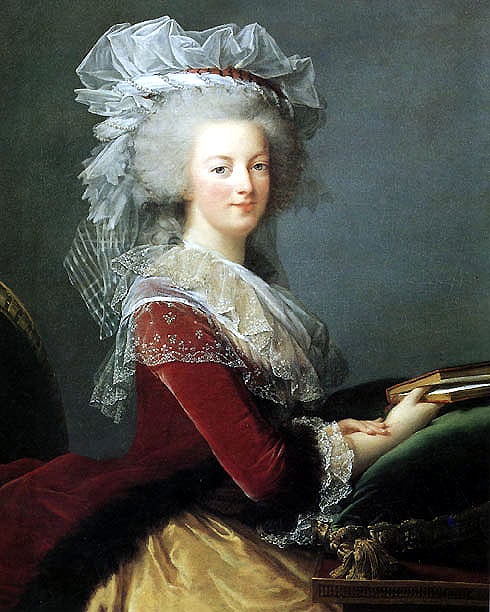
Long before mass media, Marie Antoinette influenced European fashion from the palace at Versailles. Her elaborate gowns, towering hairstyles, and preference for pastel silks set courtly standards that other aristocrats rushed to imitate.
Even the width of a skirt or the height of a coiffure could signal allegiance to her style. Still, her influence extended beyond extravagance.
She also popularized simpler muslin dresses inspired by rural aesthetics, shifting elite tastes toward a softer silhouette. That pivot demonstrated how one public figure could redirect fashion norms across borders, even in an era dependent on word of mouth and portraiture.
Sarah Bernhardt
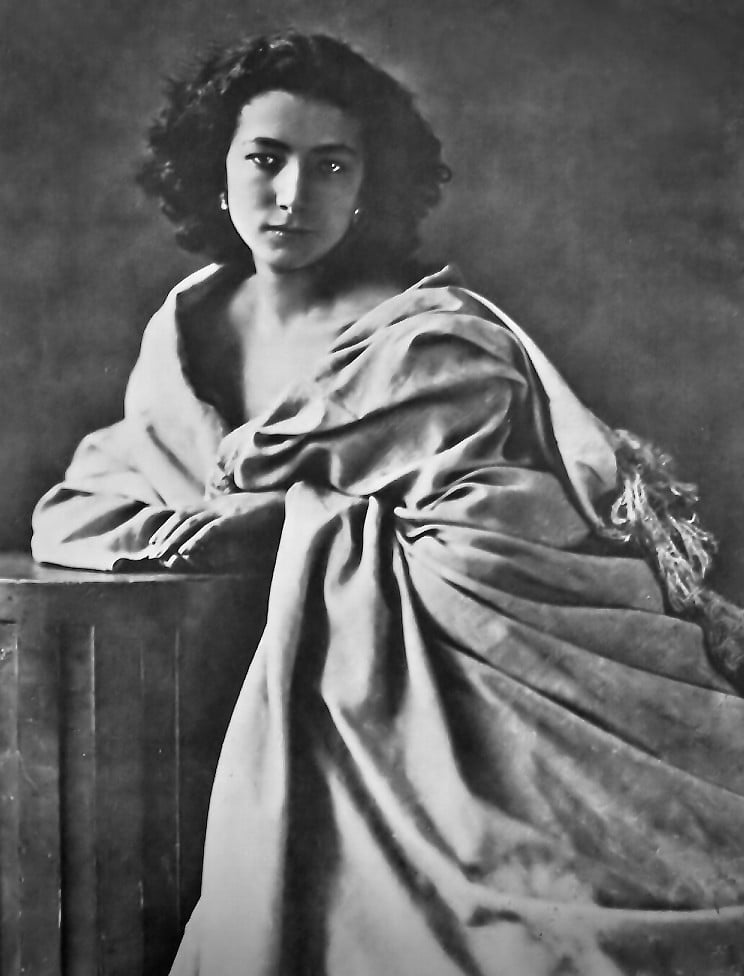
In the late nineteenth century, actress Sarah Bernhardt became one of the first international style figures thanks to global theater tours and early photography. Her dramatic stage costumes and flowing silhouettes shaped perceptions of artistic glamour.
Fans followed her look as closely as her performances. Bernhardt blurred the line between costume and daily dress.
Her embrace of unconventional cuts and fabrics helped normalize theatricality in mainstream fashion. She demonstrated that celebrity, amplified by emerging media, could influence wardrobes far beyond a single city.
Coco Chanel

Coco Chanel transformed fashion in the early twentieth century by redefining comfort as elegance. She replaced rigid corsetry with relaxed tailoring and introduced knit fabrics into high fashion.
Her designs emphasized clean lines and functional simplicity. What made Chanel an early global icon was not only her design skill but her personal branding.
She wore her own creations publicly, turning herself into a living advertisement. Through boutiques in Paris and beyond, her aesthetic spread internationally, proving that modernity itself could be stylish.
Josephine Baker

Josephine Baker became a fashion icon during the 1920s and 1930s, particularly in Paris. Her stage presence, bold costumes, and glamorous offstage wardrobe captured attention across Europe and the United States.
She embraced silhouettes that emphasized movement and confidence. Beyond spectacle, Baker influenced evening wear and hair trends, helping popularize sleek, sculpted styles associated with the Jazz Age.
Her global tours ensured that her look was not confined to one region. She embodied how performance and fashion could merge into a powerful cultural statement.
Katharine Hepburn

Katharine Hepburn challenged conventional femininity in the 1930s by openly wearing trousers at a time when they were considered unconventional for women. Her tailored slacks and crisp shirts projected independence rather than rebellion.
The shift may seem subtle now, but it helped normalize trousers as everyday attire for women. Through film and press coverage, her wardrobe choices reached audiences worldwide.
Hepburn proved that a confident public image could reshape gendered expectations in dress.
Audrey Hepburn

Audrey Hepburn’s partnership with designer Hubert de Givenchy turned cinematic style into a global template for elegance. The slim black dress she wore in Breakfast at Tiffany’s became a shorthand for understated sophistication.
Her influence extended beyond a single garment. Ballet flats, cropped trousers, and minimalist tailoring became staples after appearing in her films.
Because Hollywood films circulated internationally, Hepburn’s wardrobe traveled across continents, cementing her as a foundational global fashion reference.
James Dean
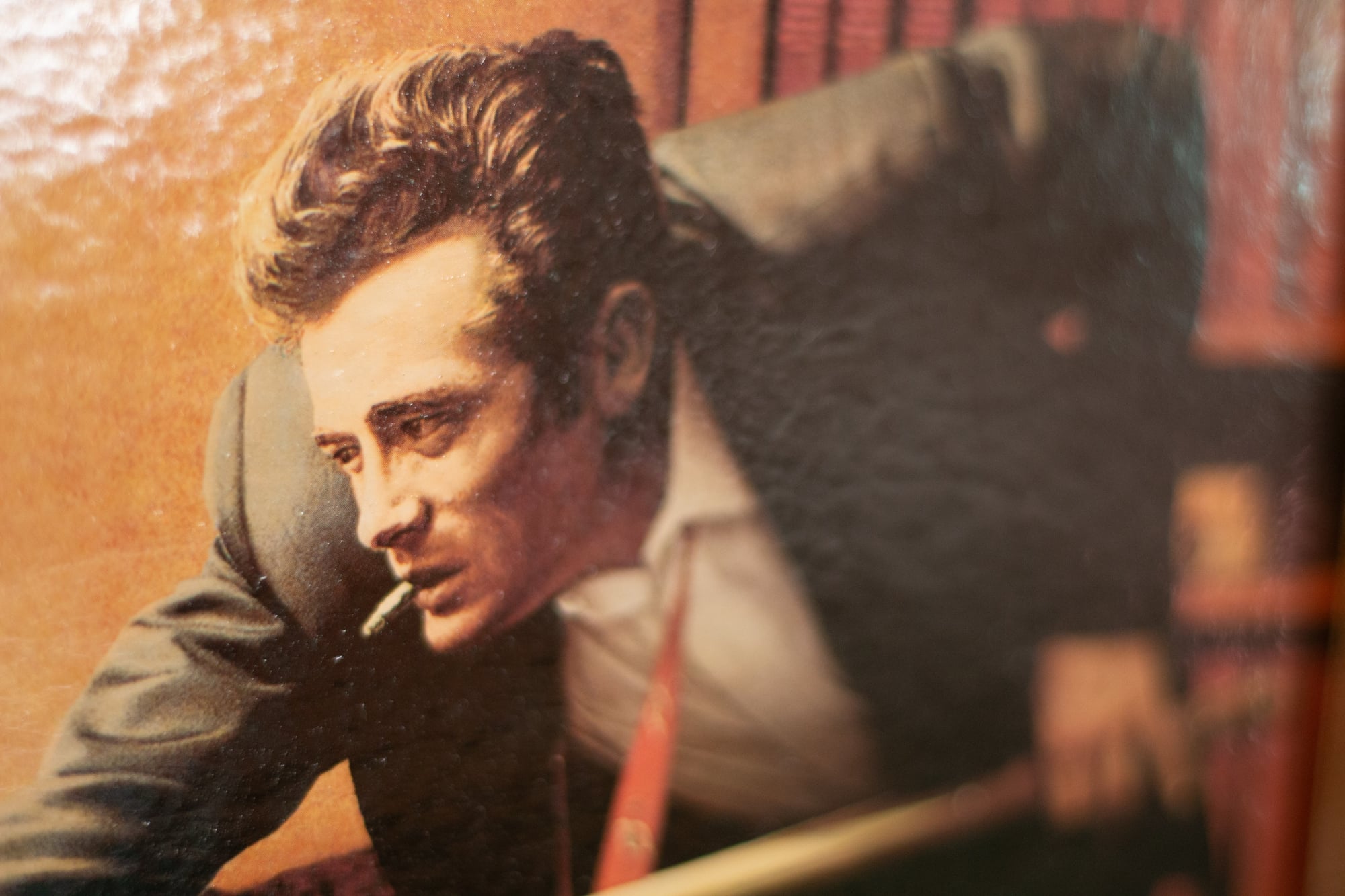
James Dean’s impact on fashion was rooted in simplicity. His white T-shirt, denim jeans, and leather jacket combination in the 1950s reshaped casual menswear.
What had been considered workwear became aspirational through association. Dean’s style communicated authenticity and quiet defiance.
The look spread quickly among young people seeking alternatives to formal postwar dress codes. His influence demonstrated how minimalism, when paired with charisma, could set lasting global trends.
Princess Diana

Princess Diana emerged as a global fashion force in the 1980s and 1990s. Her wardrobe evolved publicly, moving from romantic royal silhouettes to sleek, contemporary tailoring.
Each shift was closely documented by international media. Designers experienced immediate demand spikes after she wore their pieces.
Her choices influenced everything from evening gowns to casual sportswear. Diana’s reach proved that royalty, amplified by modern press coverage, could set trends on a worldwide scale.
Madonna

Madonna redefined fashion influence in the 1980s by treating style as reinvention. Lace gloves, layered jewelry, and corset-inspired stage costumes became instantly recognizable.
Her image was bold, deliberate, and constantly evolving. What set her apart was speed.
Each album cycle introduced a new visual identity, encouraging audiences to experiment. Through music videos and global tours, her fashion statements crossed borders rapidly, reflecting a new era where image and sound were inseparable.
David Bowie

David Bowie’s influence on fashion transcended gender norms and traditional silhouettes. His stage personas incorporated bold tailoring, metallic fabrics, and avant-garde shapes.
Rather than reflecting trends, he created them. Bowie’s global tours and media appearances ensured that his style resonated internationally.
Designers drew inspiration from his willingness to blur boundaries. His impact illustrates how fashion can evolve most dramatically when identity itself becomes fluid.
Why These Figures Mattered
Each of these early fashion icons operated within emerging media systems. Portraiture, film, magazines, television, and live performance carried their images far beyond their immediate environments.
Visibility transformed personal taste into collective aspiration. Their influence was not accidental.
It relied on repetition, accessibility, and the willingness of audiences to emulate what they admired. In that sense, they were precursors to modern influencers, though their platforms were analog rather than digital.
How Global Trendsetting Began

Global fashion trends did not emerge overnight. They developed alongside improvements in communication and transportation.
As images traveled faster, so did ideas about dress. What began in royal courts or film studios could shape wardrobes on other continents within months.
These early icons helped prove that style is a language. When spoken clearly enough, it transcends geography.
Their choices continue to echo in modern fashion cycles, where revival and reinterpretation are constant.
When Influence Became Industry

Out of nowhere, certain figures began turning heads just by stepping outside. Not only did they dress distinctively, but their choices sparked waves far beyond closets.
Because of them, what people wore started steering what people bought – everywhere. Soon enough, creators of clothing lines took notice.
So did magazines, labels, companies – all watching closely. Power shifted quietly into the hands of those simply showing up as themselves.
Faster than ever, trends now zip through screens, but rest on an old truth those trailblazers lived. What catches the eye pulls people in.
That pull shapes choices. Only the timing has shifted.
Long before likes and shares, bold figures laid the base – knowing fabric could shift culture.
More from Go2Tutors!

- The Romanov Crown Jewels and Their Tragic Fate
- 13 Historical Mysteries That Science Still Can’t Solve
- Famous Hoaxes That Fooled the World for Years
- 15 Child Stars with Tragic Adult Lives
- 16 Famous Jewelry Pieces in History
Like Go2Tutors’s content? Follow us on MSN.