17 Unexpected Firsts in Places You’d Least Expect Them
Most people think history’s big moments happen in famous cities or prestigious universities. Wrong. Many world-changing firsts actually occurred in places nobody would guess. Paris and London get the glory, but sometimes it’s Wyoming or Bhutan that changed everything.
Let’s look at 17 surprising firsts from unexpected places that prove greatness can emerge anywhere.
Wyoming Women’s Vote
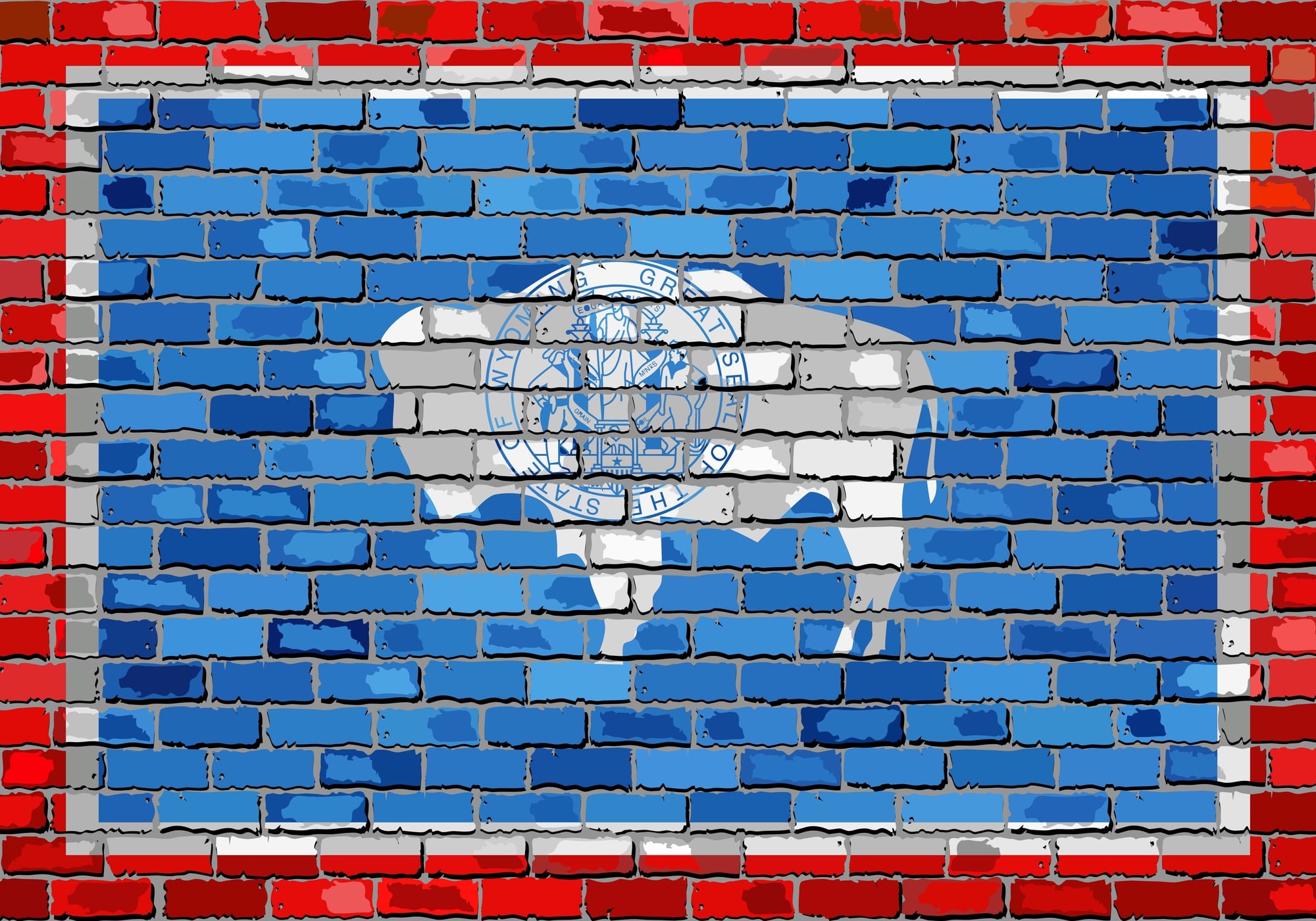
Wyoming gave women the right to vote in 1869. Yeah, Wyoming—not New York or Boston.
This rough-and-tumble frontier beat “civilized” America to women’s suffrage by 51 years. Men in East Coast suits debated the issue while Wyoming cowboys just went ahead and did it.
They nicknamed their territory “The Equality State” for a reason.
Icelandic Parliament
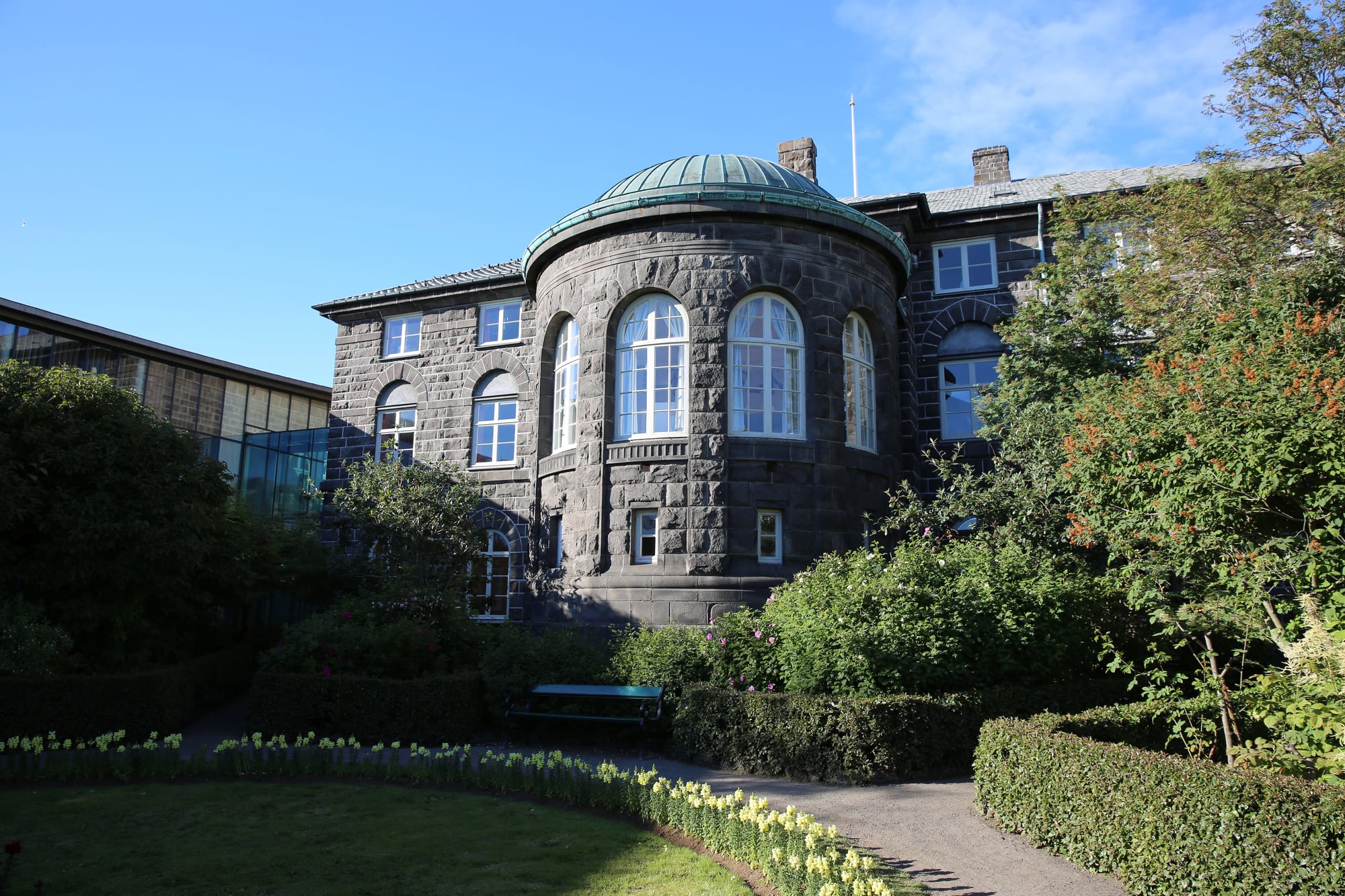
Iceland started the world’s oldest continuous parliament way back in 930 CE. Not Rome. Not Greece. Iceland.
Their Althing has been making laws for over 1,000 years—centuries before most European countries figured out democracy. Kings still claimed divine right elsewhere while Icelanders were already voting.
Like Go2Tutors’s content? Follow us on MSN.
First Cell Phone Call

The first public cell phone call happened on a random sidewalk in New York. Motorola engineer Martin Cooper stood on a Manhattan street corner in 1973, holding what looked like a brick to his ear.
He called his rival at Bell Labs to brag. Nobody walking past knew they were witnessing the birth of mobile communication.
Antarctica’s Internet Café

Scientists at McMurdo Station opened Antarctica’s first internet café in 2005. People checking email in -40 degree weather—crazy!
Penguins outside, researchers inside sending emails home. The world’s harshest continent connected to the digital world years after tropical islands and major cities, proving even isolation can’t stop connectivity.
Burkina Faso’s Star Architect
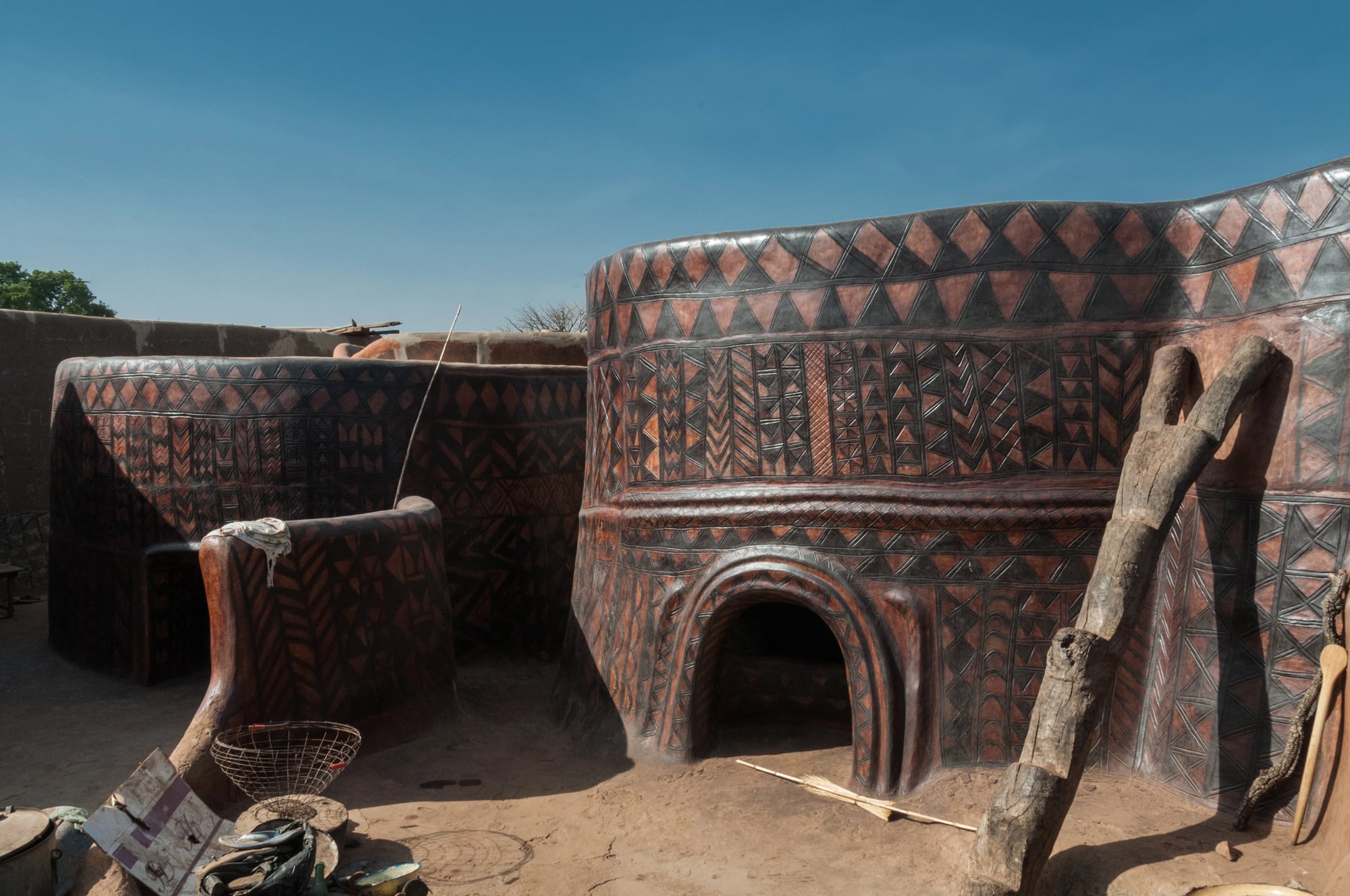
The first African to win architecture’s Pritzker Prize comes from tiny Burkina Faso. Diébédo Francis Kéré grew up without electricity or running water, yet his designs influence architects worldwide.
He builds schools and community centers using local materials in new ways. Prestigious universities didn’t produce this genius—a remote West African village did.
Like Go2Tutors’s content? Follow us on MSN.
Persian Postal System
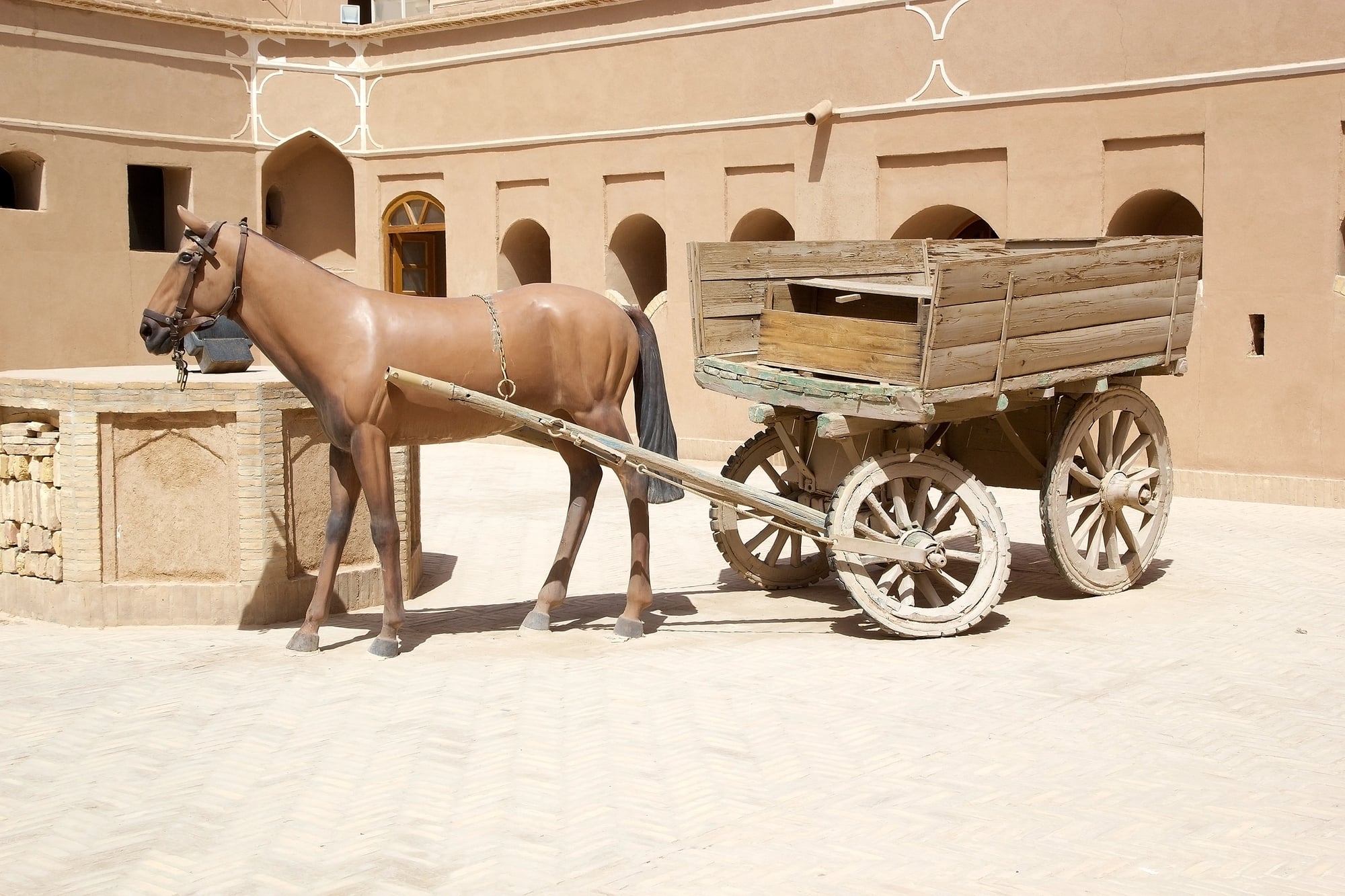
Ancient Persia created the first real postal service around 550 BCE. Not England or France—Persia.
Cyrus the Great built relay stations about 14 miles apart across thousands of miles. Messengers could cover 250 miles daily using this system!
Nothing came close until the telegraph arrived 2,000+ years later.
Bhutan’s Carbon Negative Status
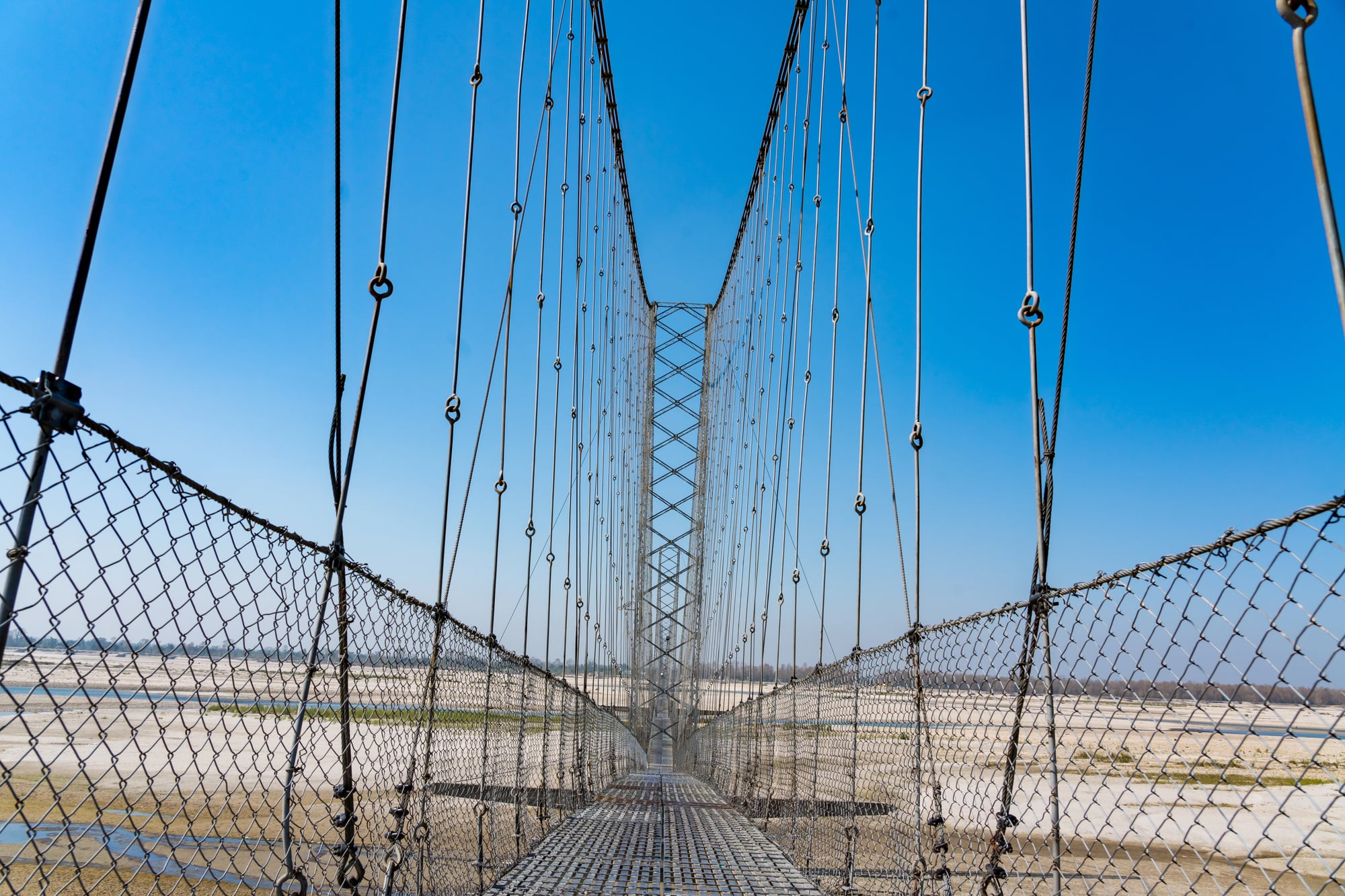
Tiny Bhutan became the first carbon-negative country, not wealthy Scandinavia. This small Himalayan kingdom absorbs more carbon than it produces through strict forest protection laws.
They’ve achieved what rich nations keep promising to do. A country with limited resources outperforms environmental superpowers through commitment, not cash.
New Zealand’s Peak Politics
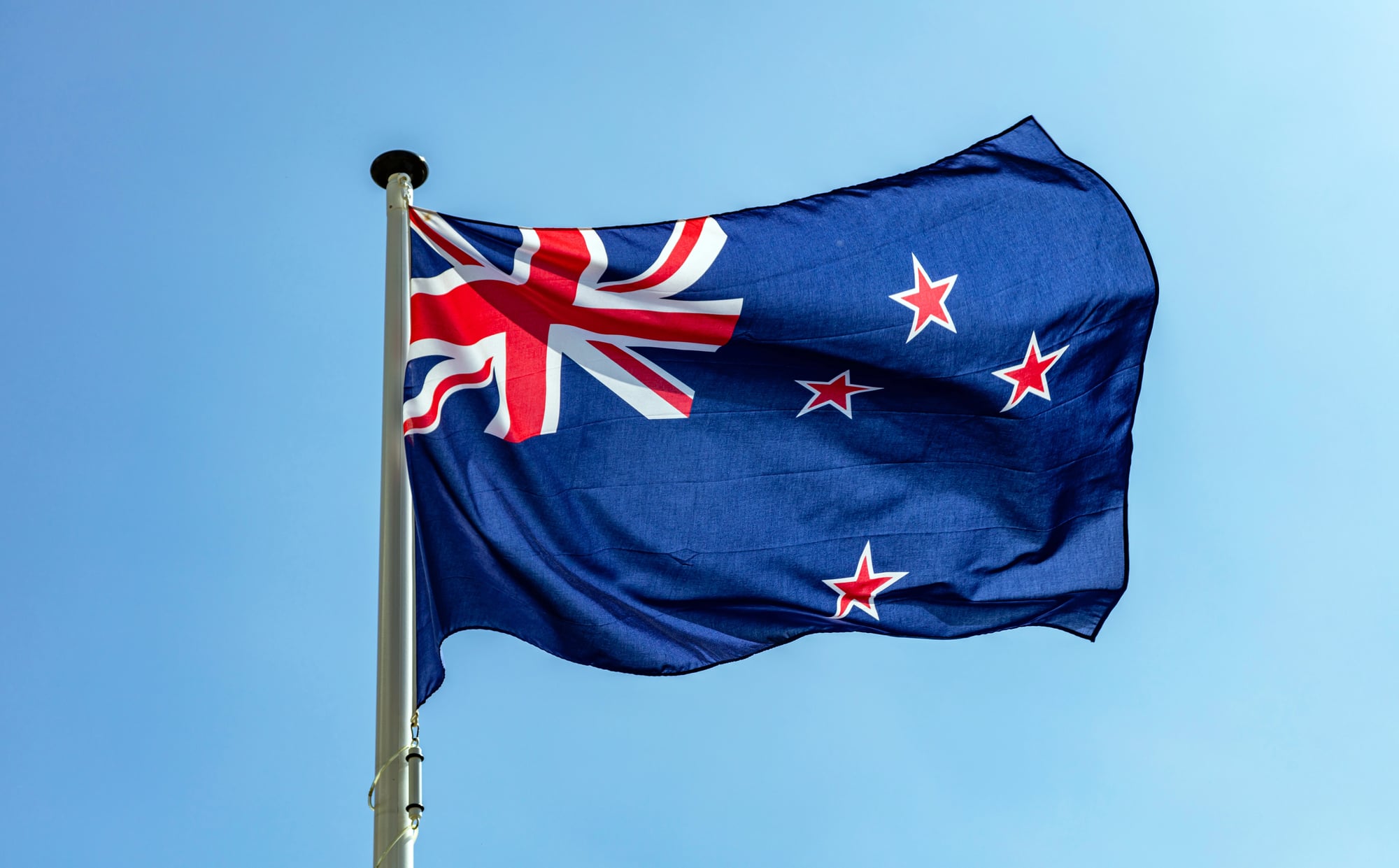
Remote New Zealand gave women voting rights in 1893. European powers and America were still fighting the idea when this distant island nation just made it happen.
Kiwi women voted 27 years before American women could. A Pacific island outpaced self-proclaimed progressive societies on gender equality.
Like Go2Tutors’s content? Follow us on MSN.
Mayan Astronomy
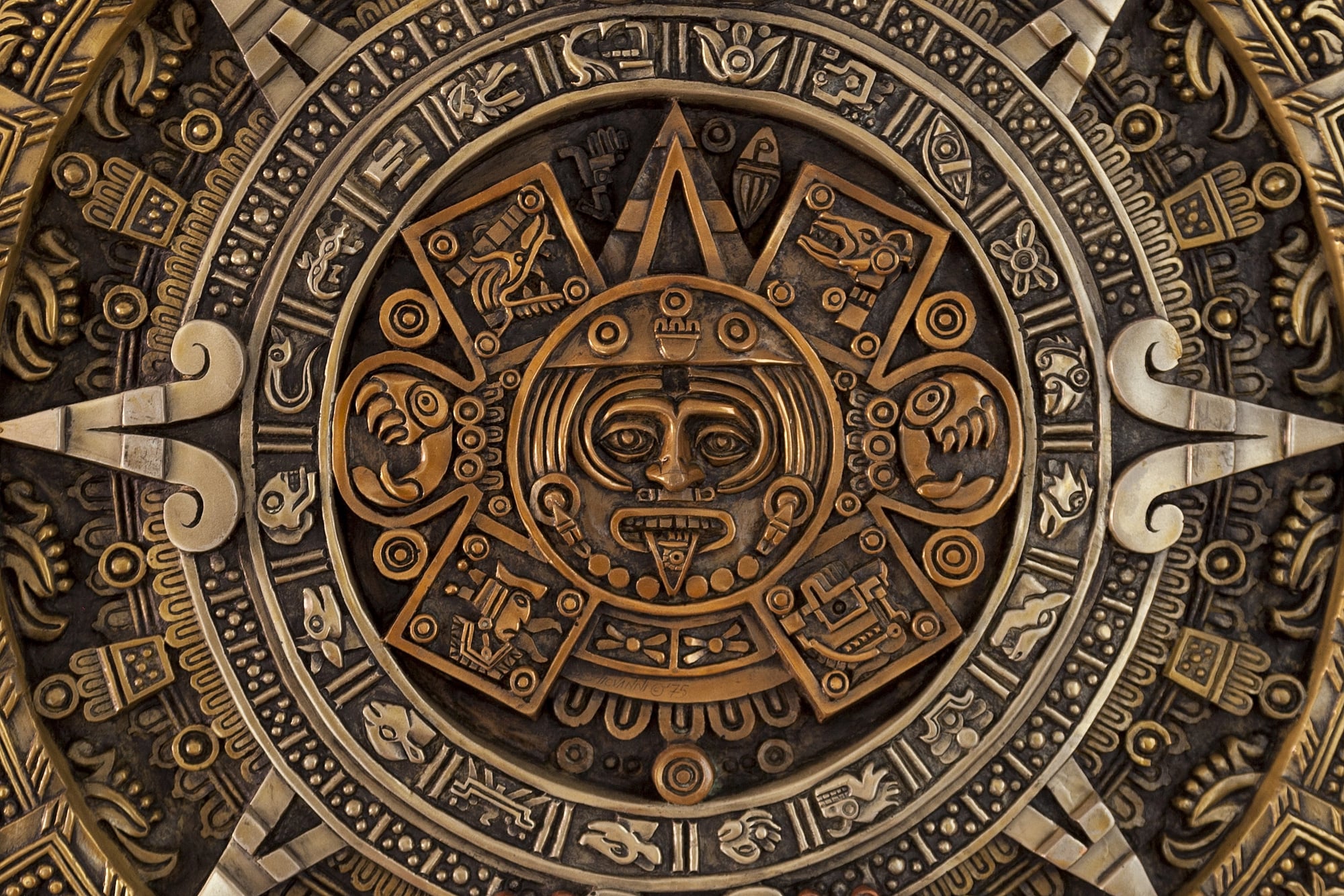
Mayan astronomers calculated celestial movements with incredible precision from jungle observatories. Their Venus calculations were spot-on without telescopes or computers.
European astronomers would need centuries to catch up. These sophisticated mathematical achievements came from Central American rainforests, not university towers.
Cuban Medical Innovations
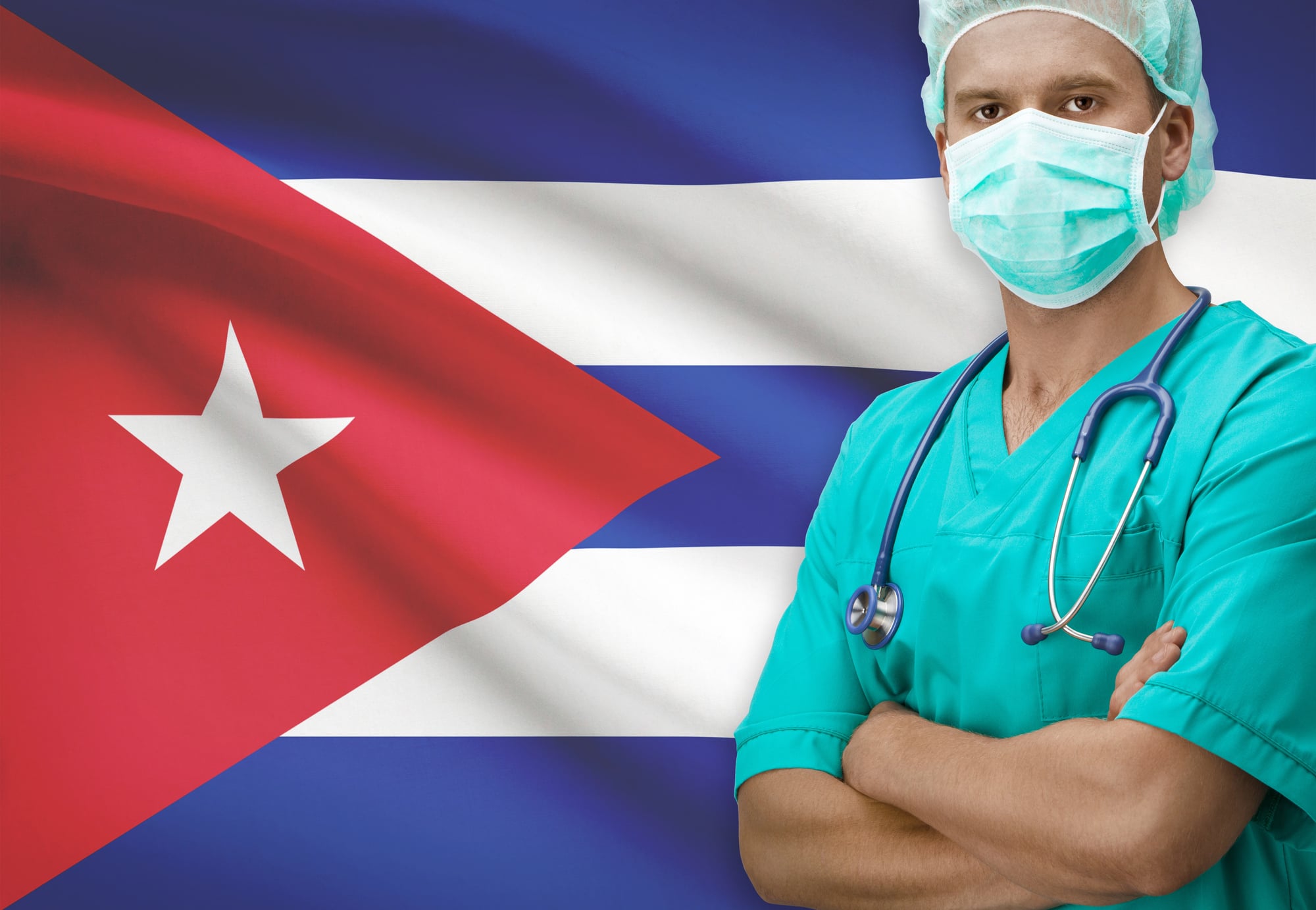
Cuba developed the first effective meningitis B vaccine during the 1980s. Despite trade restrictions and limited resources, Cuban scientists created what wealthy pharmaceutical giants couldn’t.
They’ve since produced other vaccines and treatments that save lives worldwide. Economic limitations pushed creativity rather than hindering it.
Estonian Digital Citizenship

Estonia became the digital government pioneer—not Japan or South Korea. After the Soviet occupation, this small Baltic nation reinvented itself as a digital society.
They created the world’s first e-residency program allowing remote access to government services. The former communist territory transformed into the model modern democracies now try to copy.
Like Go2Tutors’s content? Follow us on MSN.
Aboriginal Astronomy Complex
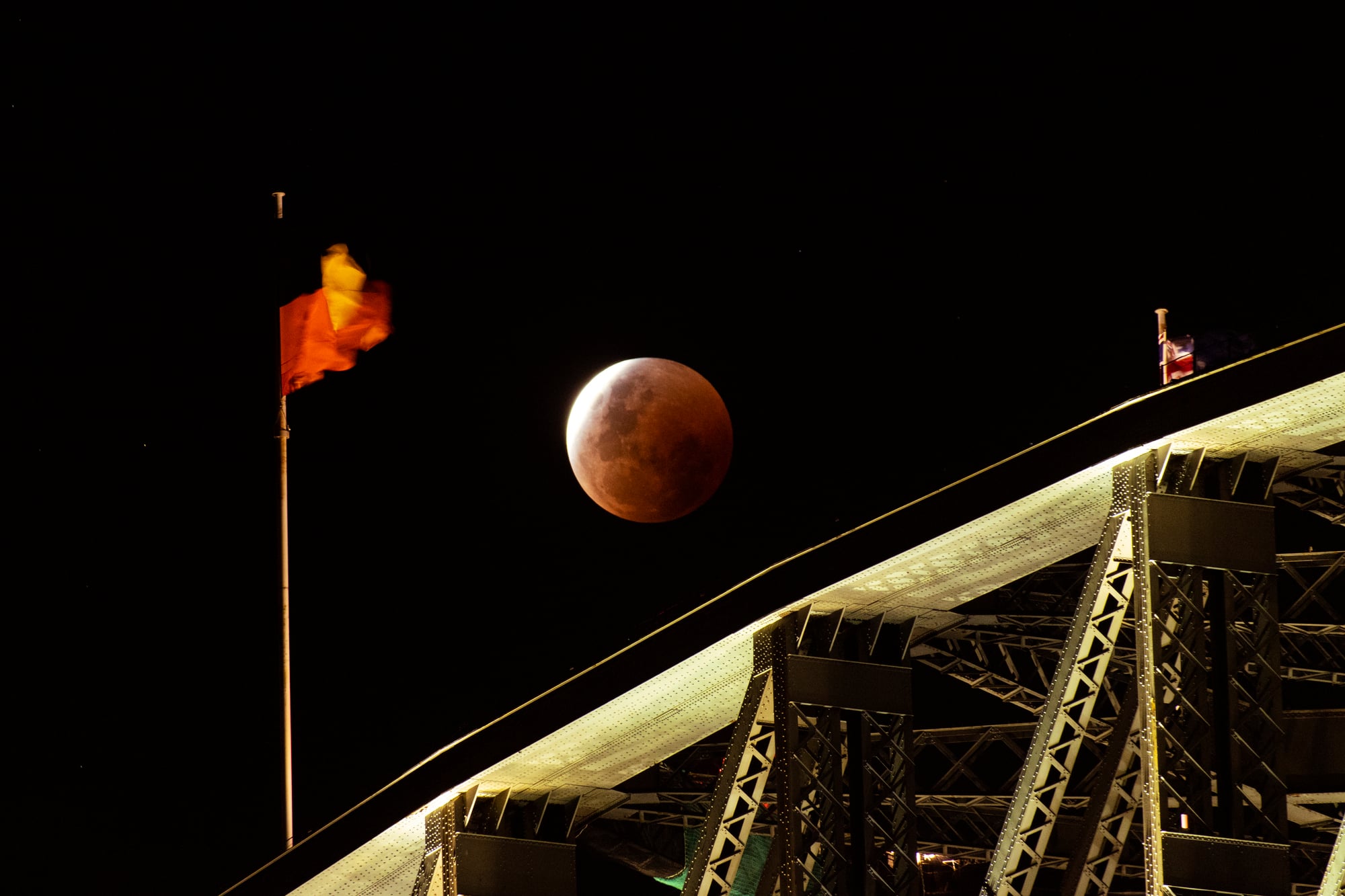
Australian Aboriginals built Wurdi Youang, an astronomical site, 11,000 years ago. Stone circles accurately tracking solstices and equinoxes existed in Australia millennia before Stonehenge.
Indigenous astronomers created precise seasonal calendars when much of Europe was still figuring out basic agriculture. This profound scientific understanding came from one of Earth’s oldest continuous cultures.
Mongolian Mail System
Genghis Khan created history’s fastest pre-industrial mail service across Asia. The Mongolian Yam system placed stations every 25 miles throughout the largest land empire ever.
Messages traveled up to 250 miles daily between China and Eastern Europe. Medieval Europeans couldn’t imagine such efficient communication across a continent.
The “barbarian” conquerors created better infrastructure than “civilized” kingdoms.
Costa Rican Military Abolition
Costa Rica permanently abolished its military in 1949. While neighbors fought civil wars, this Central American nation invested in education instead of weapons.
They dismissed their army after a brief civil war—something unimaginable elsewhere in the region. This bold move created decades of stability during Latin America’s most turbulent period.
Like Go2Tutors’s content? Follow us on MSN.
Zimbabwe’s Ancient Metropolis

Great Zimbabwe housed 18,000 people in sophisticated stone structures built without mortar. This massive complex demonstrates advanced engineering existed in southern Africa centuries before colonial contact.
The walls still stand after 600 years. Europeans refused to believe Africans built it, creating false theories rather than acknowledging the obvious local achievement.
Finnish Baby Boxes

Finland began giving new parents baby supply boxes in the 1930s—during economic hardship. These boxes, which double as cribs, contain everything newborns need.
Finland wasn’t rich when they started this program, but they prioritized children’s health anyway. This practical approach, which started when Finland was still poor, helped create one of the world’s lowest infant mortality rates.
Inuit Navigation Tools
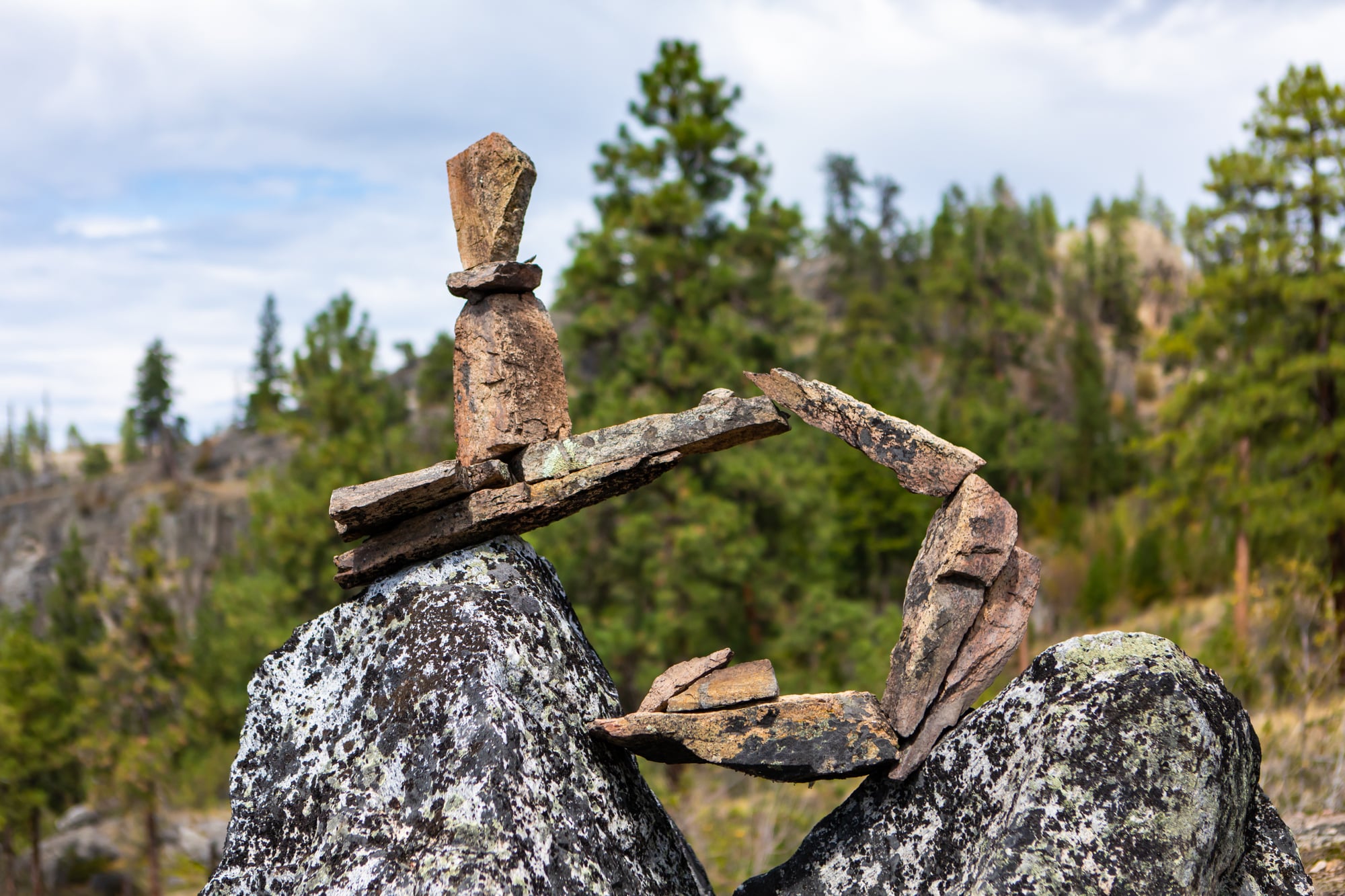
Inuit people carved driftwood into accurate coastal maps that functioned in Arctic conditions. These three-dimensional maps worked where paper would freeze and magnetic compasses would go haywire.
European explorers got lost while indigenous navigators thrived using knowledge developed over generations. The harshest environment on Earth produced some of the most innovative navigation tools.
Like Go2Tutors’s content? Follow us on MSN.
Innovation Happens Everywhere

Innovation springs from necessity more often than from luxury. The most groundbreaking ideas frequently emerge from unexpected places where unique challenges demand creative solutions.
History’s most important firsts rarely happen where textbooks suggest. When we look beyond traditional power centers, we discover brilliance flourishes everywhere—reminding us tomorrow’s big breakthrough might come from the last place we’d expect.
More from Go2Tutors!

- 18 Unexpectedly Valuable Collectibles You Might Have Lying Around
- 20 Little-Known Historical Battles That Had Huge Consequences
- 20 Historical Artifacts That Scientists Can’t Explain
- 15 Inventions That Were Immediately Banned After Being Created
- 20 Actors Who Were Almost Cast in Iconic Roles
Like Go2Tutors’s content? Follow us on MSN.