16 Iconic Animal Stars from Classic Movies and TV Shows
Some actors become legends with a single role. Others build careers across decades.
Then there are the animal stars — the four-legged, finned, and feathered performers who captured hearts with nothing more than their natural instincts and a little Hollywood magic. These creatures didn’t need dialogue to become household names. They just needed to be themselves, and somehow that was enough to make them unforgettable.
From the golden age of cinema to the early days of television, animal actors carved out their own corner of entertainment history. Their stories are often more fascinating than the movies and shows that made them famous.
Lassie
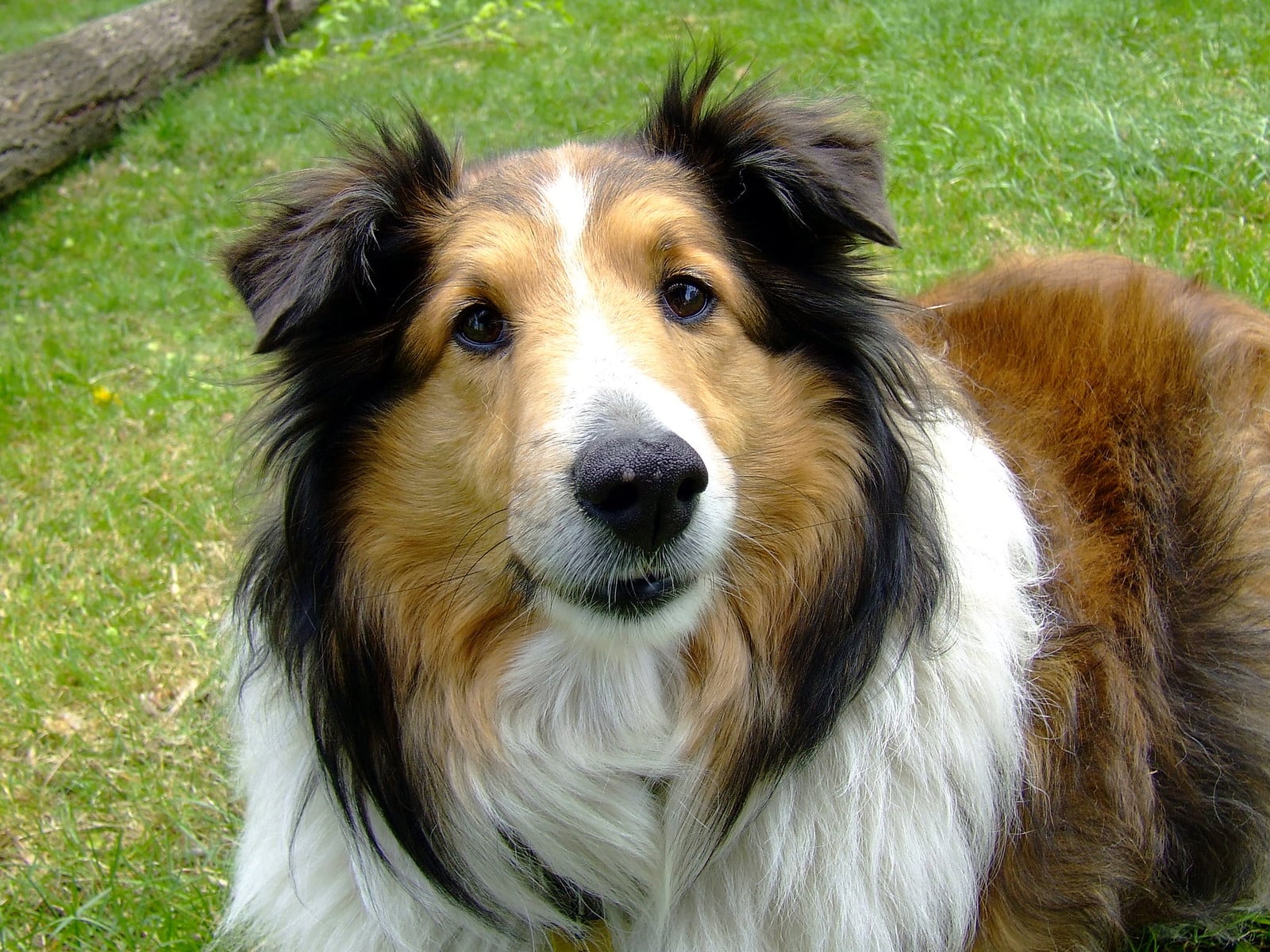
Lassie never existed. The most famous dog in television history was actually a rotating cast of male Rough Collies, each one trained to embody the perfect combination of loyalty, intelligence, and heroic timing that made millions of kids wish they had a dog just like that.
Rin Tin Tin
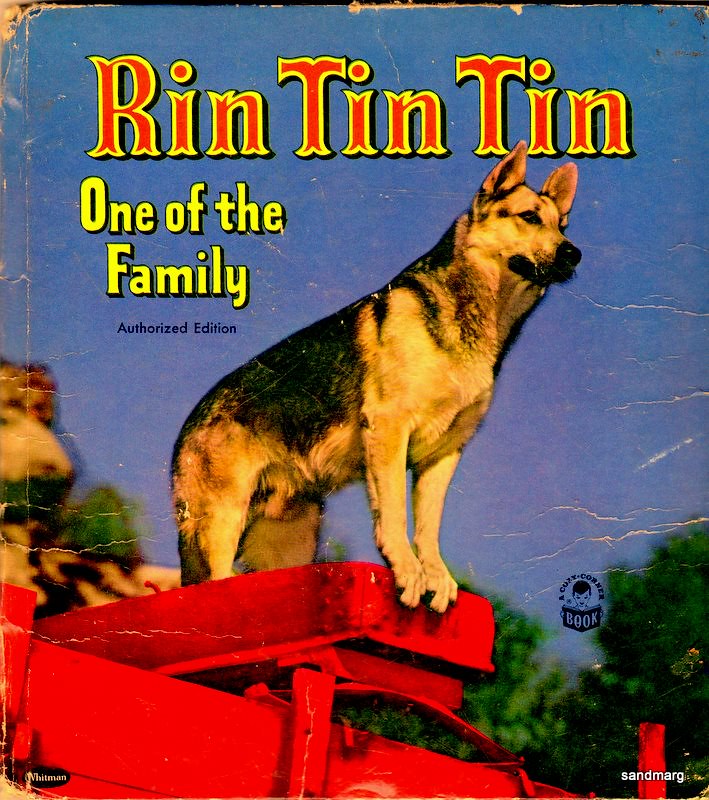
A German Shepherd found as a puppy in the ruins of World War I France became Warner Brothers’ biggest star in the 1920s. Rin Tin Tin appeared in 27 films and reportedly received more fan mail than any human actor at the studio.
His success essentially saved the struggling company from bankruptcy — which is more than most leading men can claim.
Toto
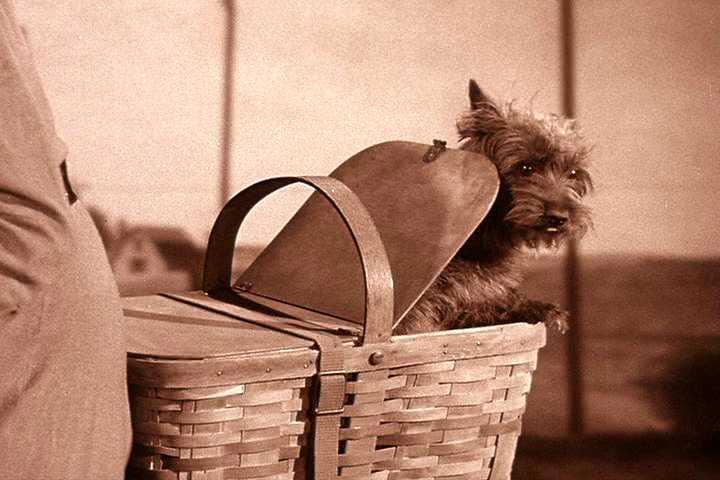
Terry, a female Cairn Terrier, played the most crucial supporting role in “The Wizard of Oz” (and she did it for $125 a week while Judy Garland made $500). But here’s what the movie doesn’t tell you: Terry was actually injured during filming when one of the Winkie guards accidentally stepped on her, and she spent two weeks recovering while a double filled in.
So even in the 1930s, Hollywood had its occupational hazards — though getting stepped on by a flying monkey seems particularly specific to that era. And yet Terry’s performance as Toto carries the entire emotional weight of Dorothy’s journey, because without that small, determined presence pulling at your heartstrings (literally, in some scenes, pulling at Dorothy’s dress), the yellow brick road becomes just another long walk with strangers.
The dog makes it a quest worth taking.
Flipper
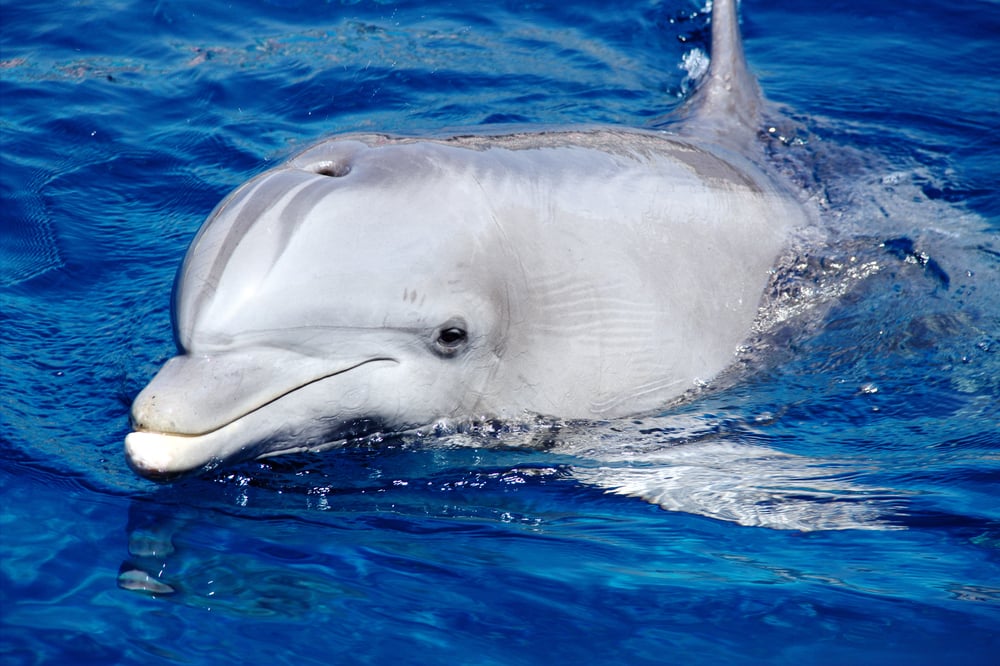
The dolphin who made every kid want to live near the ocean was actually several dolphins working in shifts. The main performer was a bottlenose dolphin named Mitzi, though the role required multiple animals because dolphins, unlike human actors, can’t be convinced to work 12-hour days just for the craft of it.
Mr. Ed
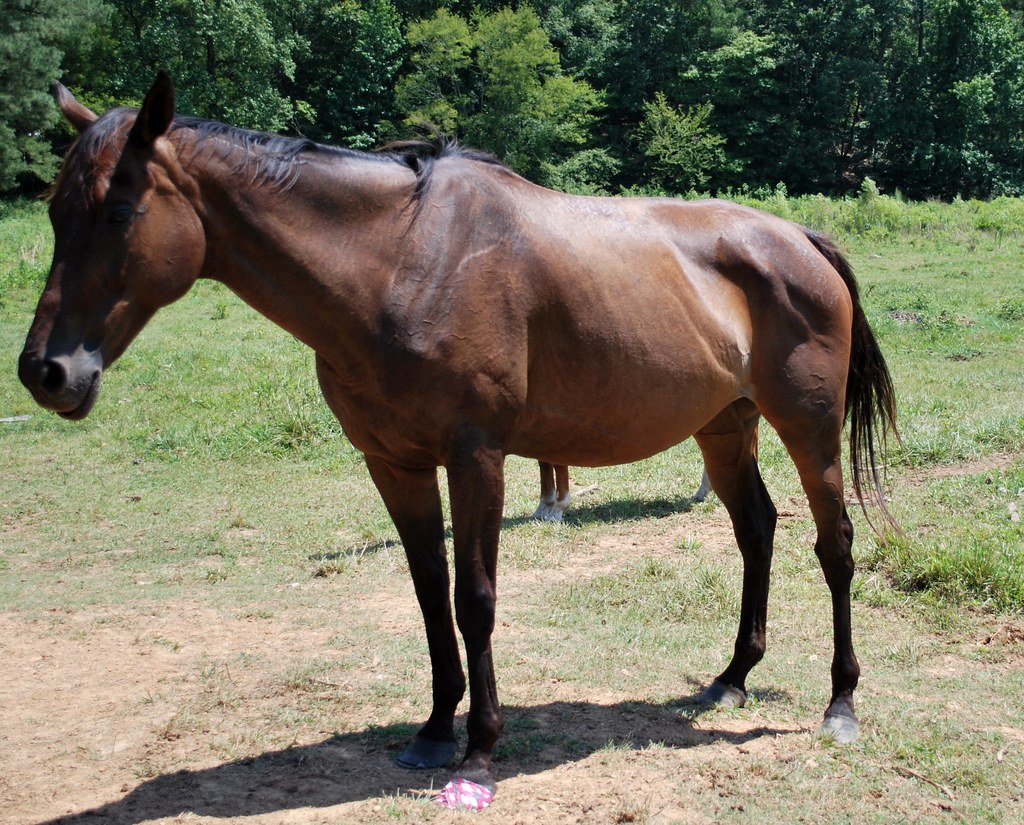
Here’s the thing about Mr. Ed: the horse was genuinely talented, but not at talking. The famous moving lips were achieved through a combination of techniques that remain somewhat mysterious to this day.
Some say peanut butter, others claim fishing line. The horse himself — a palomino named Bamboo Harvester — took his secrets to the grave.
Gentle Ben
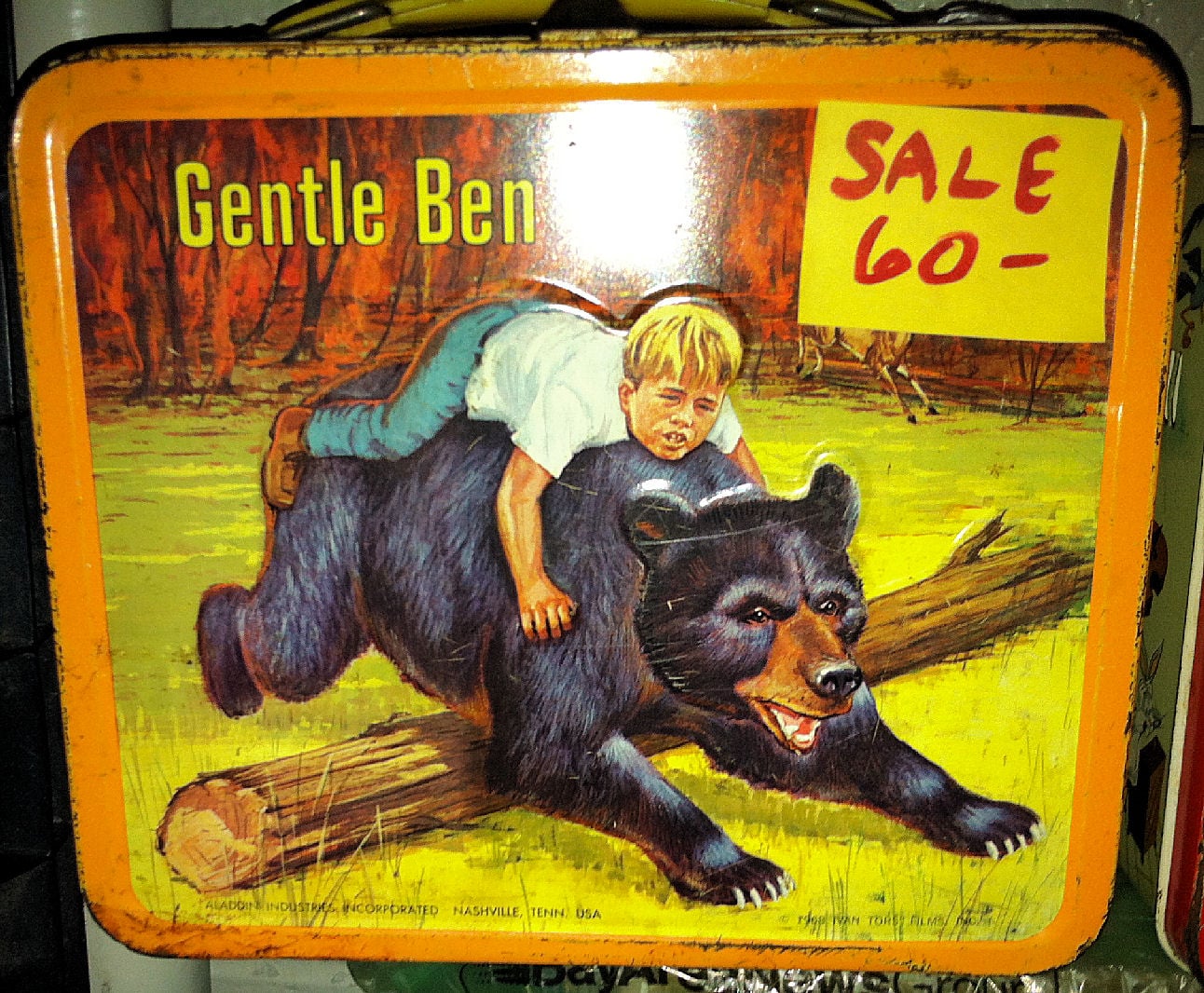
Bears don’t naturally radiate the warm, protective energy that made Ben such a beloved television companion, but somehow the American black bear who played this role managed to convince an entire generation that having a 600-pound best friend was not only possible but preferable to human friendship. The bear’s real name was Bruno, and he lived at the Olympic Game Farm in Washington state, where he apparently enjoyed a retirement filled with salmon and the occasional visiting family who recognized him from his television days.
Which beats most Hollywood retirement plans. Bears in entertainment require a particular kind of suspension of disbelief — you have to forget that this creature could end the show’s run with one well-timed swipe.
But Bruno carried that responsibility with the kind of professional grace that most human actors never achieve.
Benji
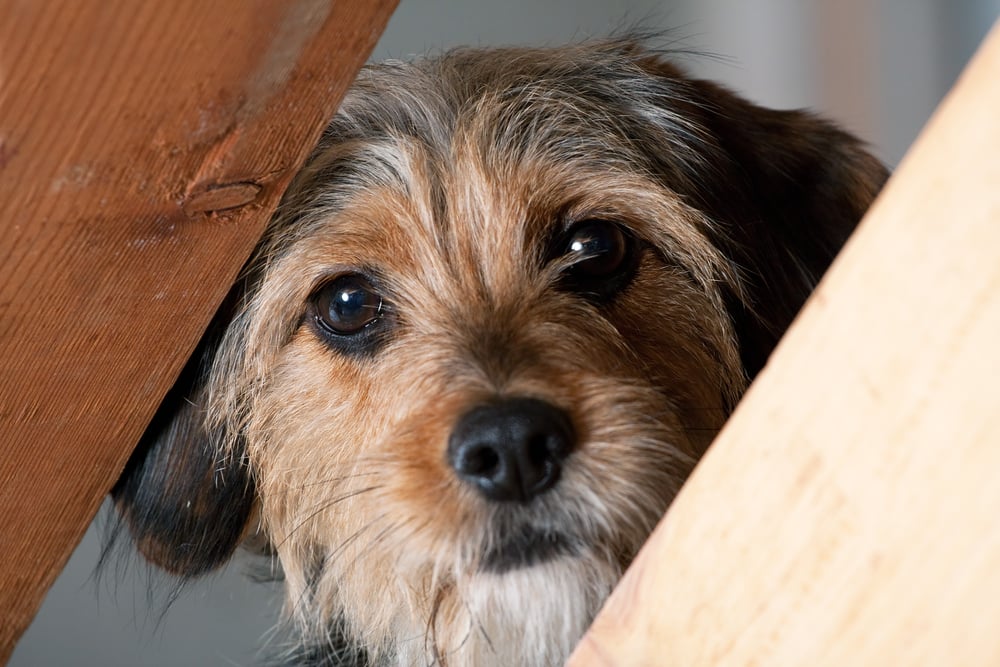
Benji was the ultimate underdog story — literally. A mixed-breed mutt with no particular pedigree became one of the most recognizable dogs in movie history.
The original Benji was played by a dog named Higgins, who had previously appeared on the TV show “Petticoat Junction” as simply “Dog.”
Morris the Cat
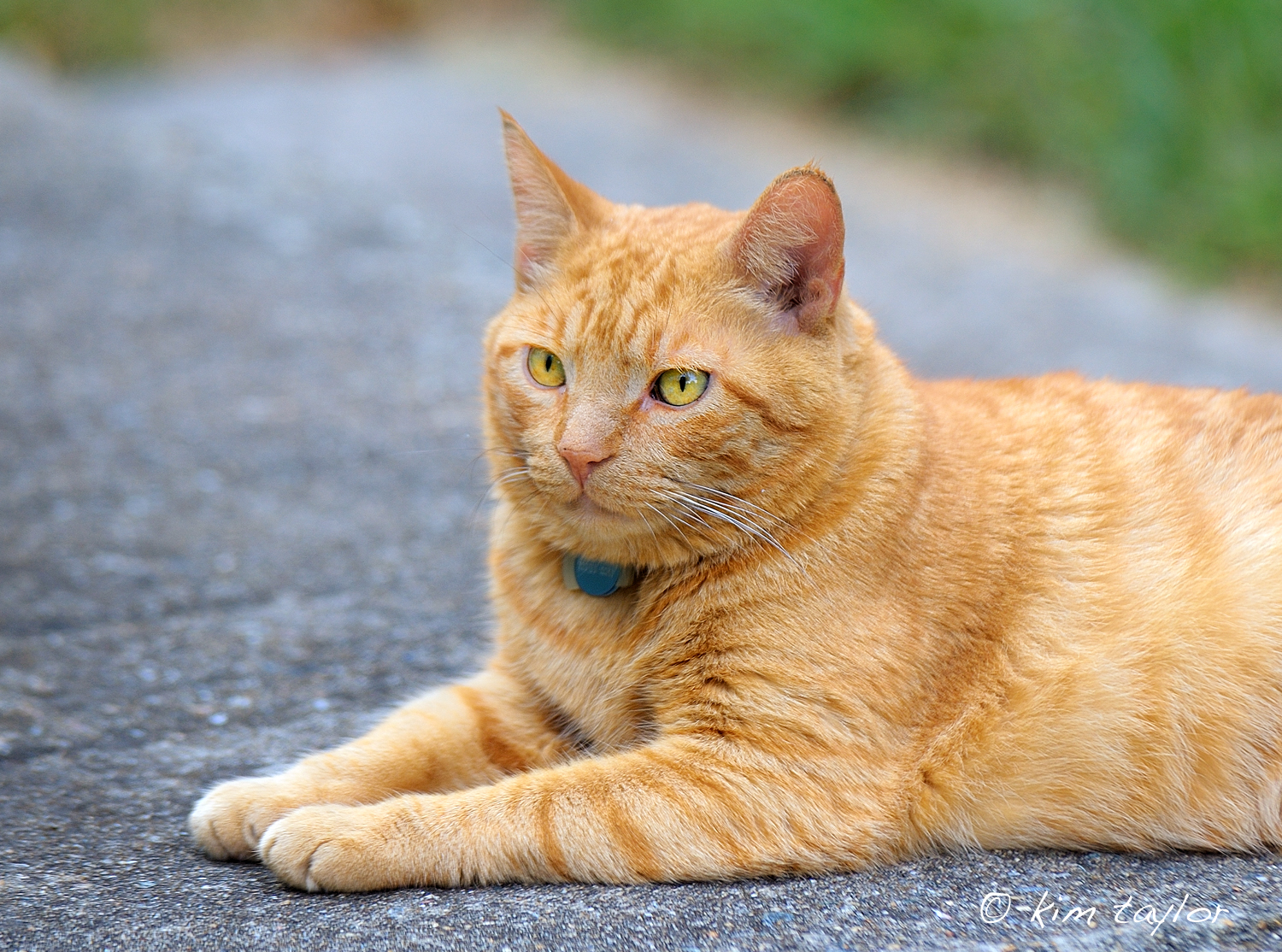
The most finicky cat in advertising history was actually a rescue from an animal shelter in Chicago. Morris became the face of 9Lives cat food through a combination of natural charisma and what can only be described as feline attitude.
He was orange, overweight, and utterly convinced of his own superiority — which made him perfect for television.
Trigger
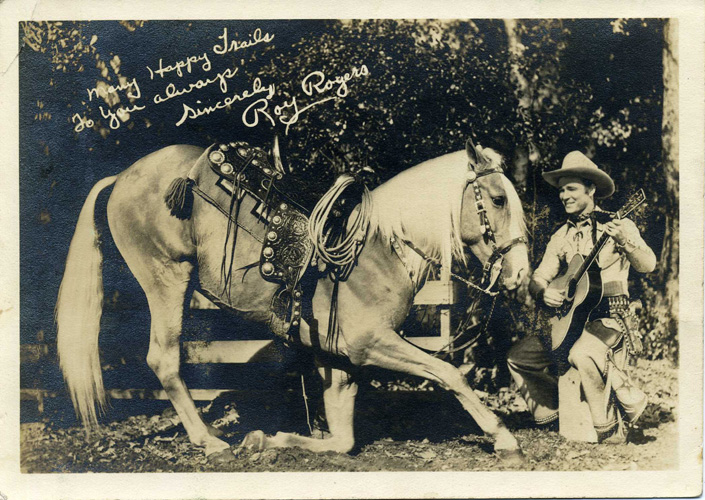
Roy Rogers’ golden palomino was supposedly so intelligent he could untie knots, count with his hooves, and walk on his hind legs for extended periods. Whether Trigger actually possessed these abilities or was simply very well trained remains a matter of some debate, but there’s no questioning his screen presence.
When Roy Rogers died, Trigger was taxidermied and displayed in the Roy Rogers Museum, because apparently some Hollywood partnerships are meant to last forever. The horse lived to be 33, which is ancient in horse years and suggests that whatever training methods Roy Rogers used, they agreed with Trigger’s constitution.
So many animal stars burn out early, but Trigger seemed to genuinely enjoy the spotlight — or at least tolerate it better than most leading men tolerate their directors.
Judy the Chimp
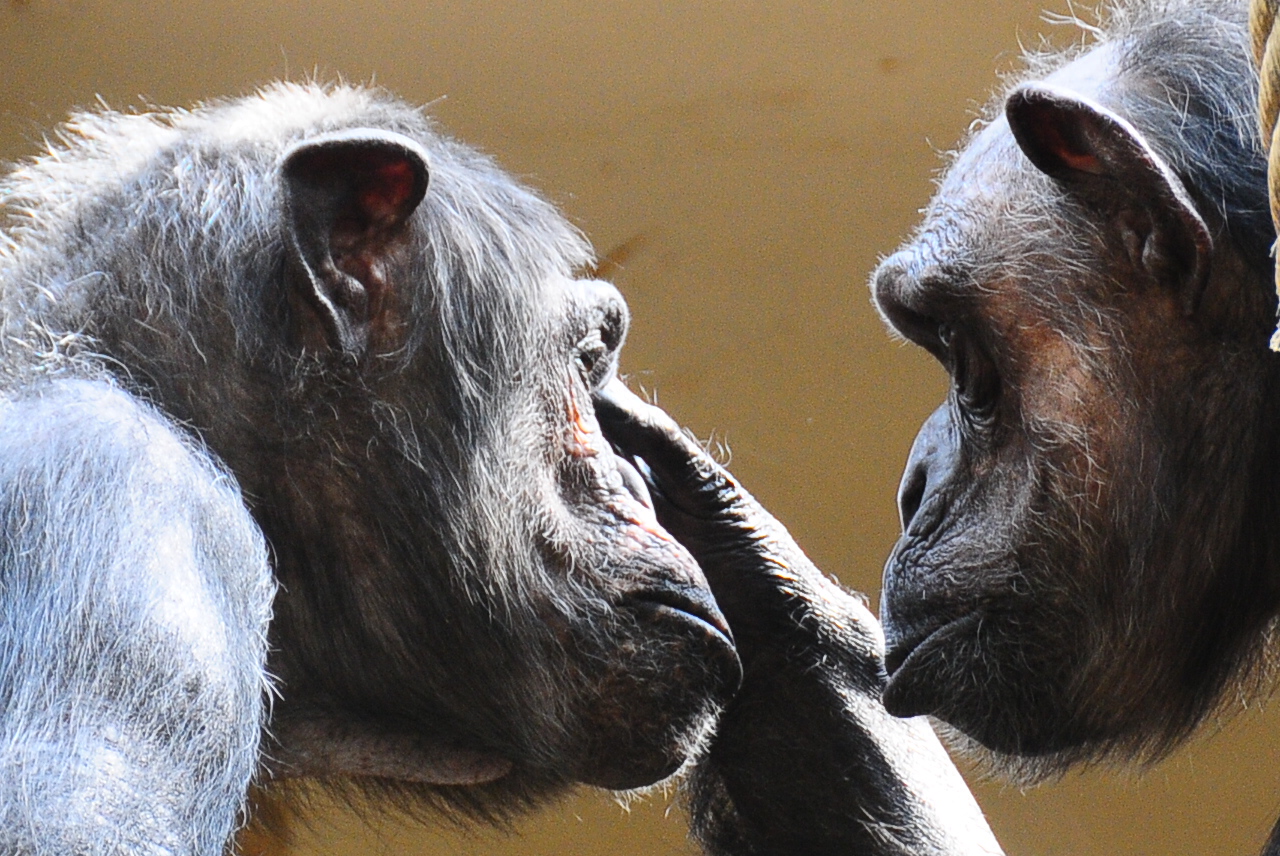
Long before anyone worried about the ethics of using primates in entertainment, Judy appeared in dozens of films throughout the 1930s and 1940s. She appeared in various film productions during the early Golden Age of Hollywood and demonstrated a natural comedic timing that most human actors spend years trying to develop.
Her appearances in adventure films showcased the kind of physical comedy and emotional expressiveness that made her a memorable performer of her era.
Arnold Ziffel
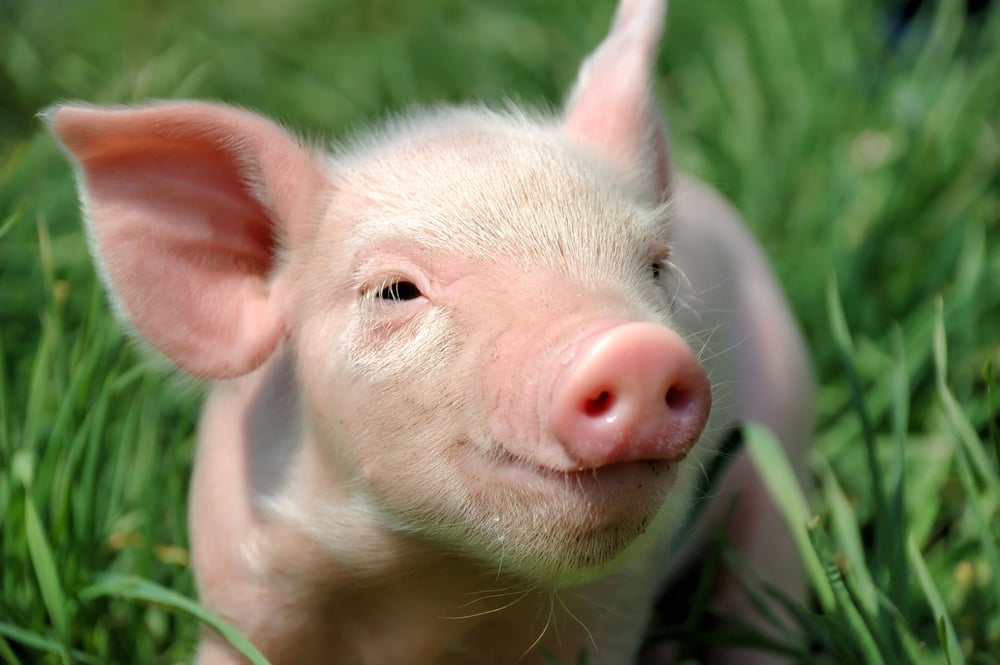
The pig from “Green Acres” who watched television, attended school, and generally acted more civilized than most of the human characters on the show. Arnold was actually played by several different pigs throughout the series run, though the role’s requirements — mainly looking dignified while surrounded by absurd human behavior — seemed to come naturally to each one.
Champion the Wonder Horse
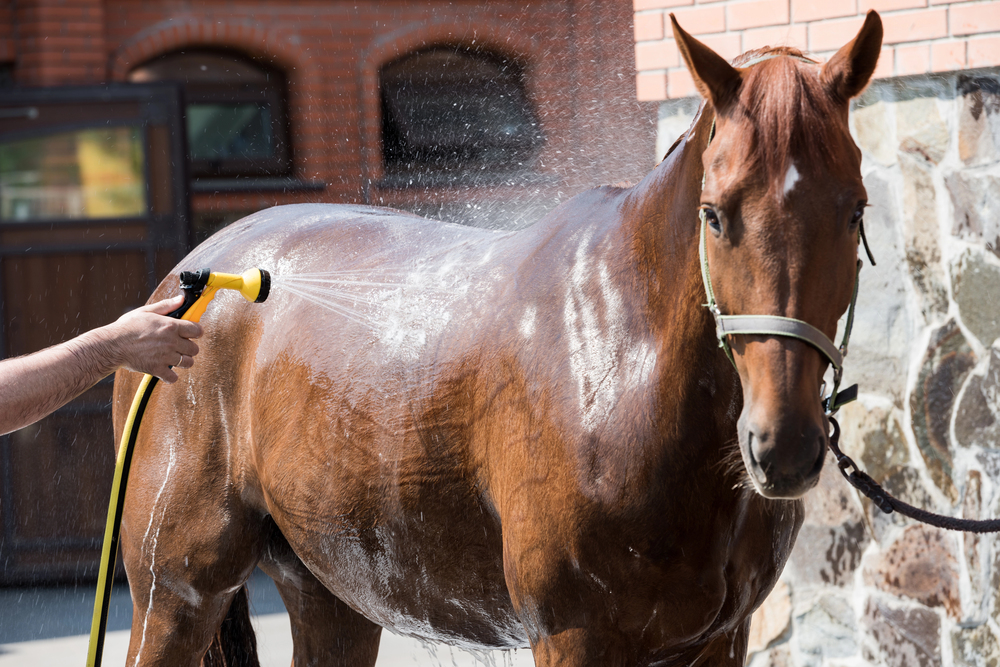
Gene Autry’s horse was billed as “the World’s Wonder Horse” and lived up to the marketing. Champion could perform tricks that seemed to defy both physics and common sense, including jumping through flaming hoops and performing what amounted to equine ballet routines.
The original Champion appeared in dozens of films and even had his own comic book series, because in the 1950s, a horse’s merchandising potential was apparently limitless. The horse’s intelligence became part of his legend — stories circulated about Champion solving problems on set and anticipating Autry’s commands before they were given.
Whether this was genuine intuition or simply the result of extensive training, Champion’s performances had a natural quality that made the stunts look effortless. Which is more than can be said for most action stars, even the human ones.
Silver
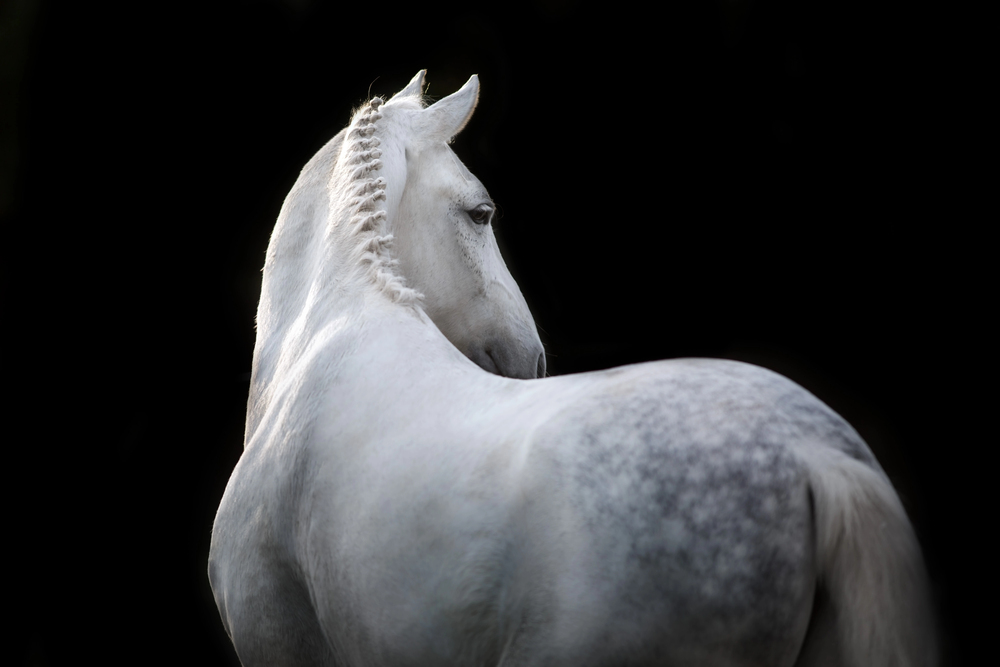
The Lone Ranger’s white stallion was famous for rearing up on his hind legs while his masked rider delivered justice across the American West. Silver was actually played by several different horses over the years, but the role’s requirements remained consistent: look majestic, respond to “Hi-yo, Silver! Away!” with appropriate dramatic flair, and somehow make a grown man in a mask seem heroic rather than ridiculous.
Buck
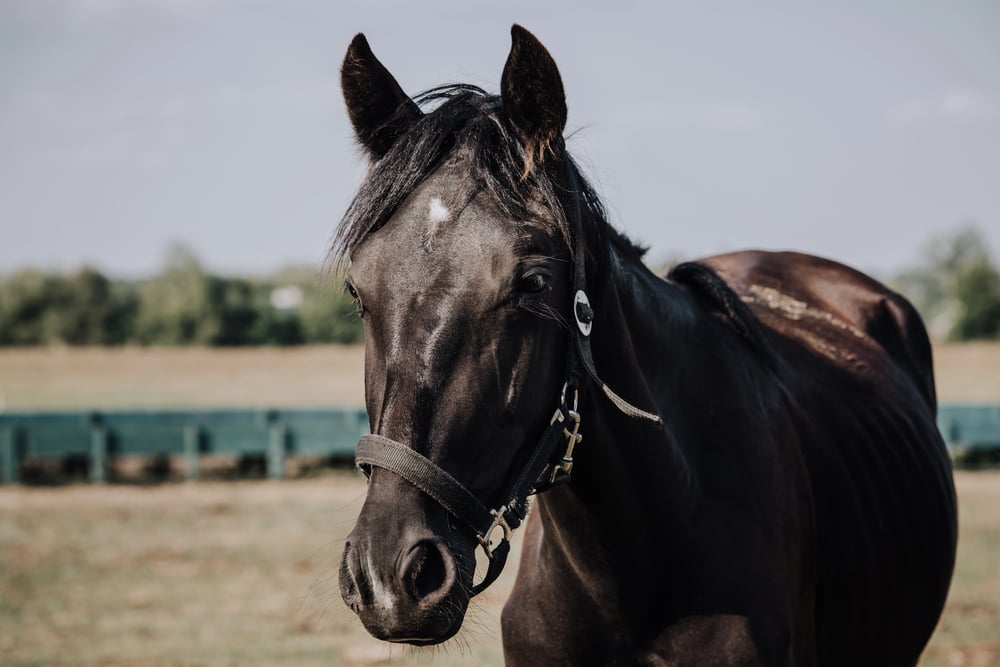
Matt Dillon’s horse on “Gunsmoke” worked for 20 years on television, which is longer than most human actors manage to hold down a steady job. Buck appeared in nearly every episode and became so associated with the show that when “Gunsmoke” ended, Buck was retired to a California ranch where he lived out his days as something of a celebrity pensioner.
The horse’s steady presence anchored countless scenes of frontier justice and small-town drama. Buck never upstaged James Arness, but he never disappeared into the background either — a perfect supporting performance that lasted two decades.
Free Willy’s Keiko
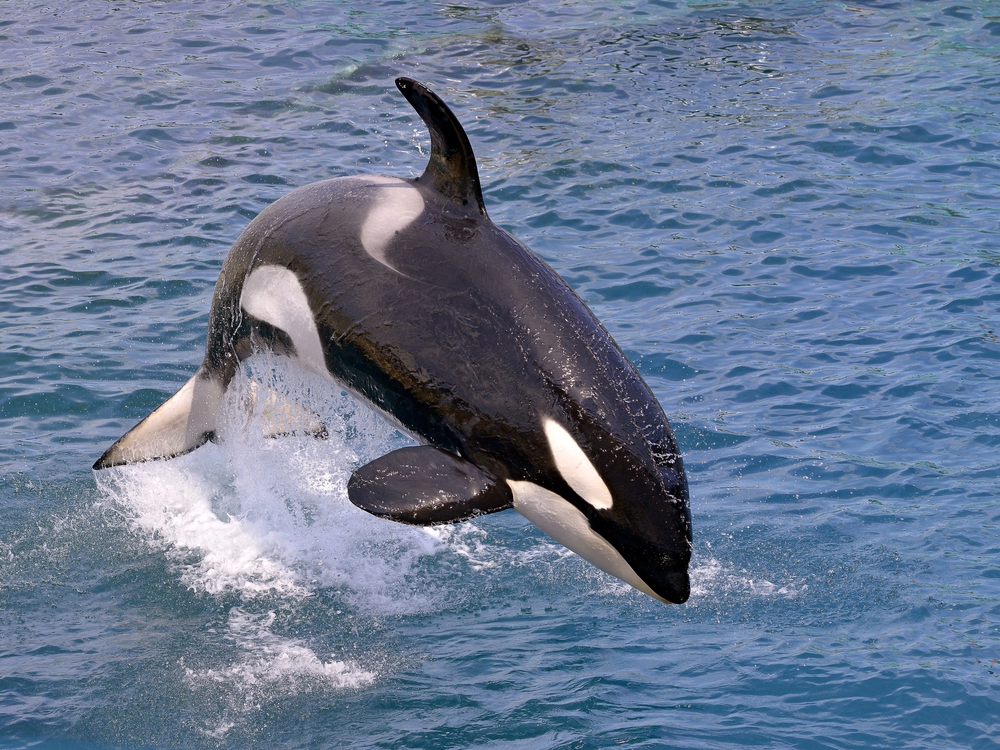
The orca who starred in “Free Willy” became the center of one of Hollywood’s most ambitious real-life sequels. After the movie’s success, a campaign to actually free Keiko from his Mexican marine park captivity raised $20 million to relocate him to increasingly natural environments, eventually releasing him into Icelandic waters in 2002.
Keiko lived for approximately eighteen months in the wild before his death in 2003, which represented a significant achievement in marine mammal rehabilitation even though the outcome differed from the movie’s hopeful ending.
Skippy
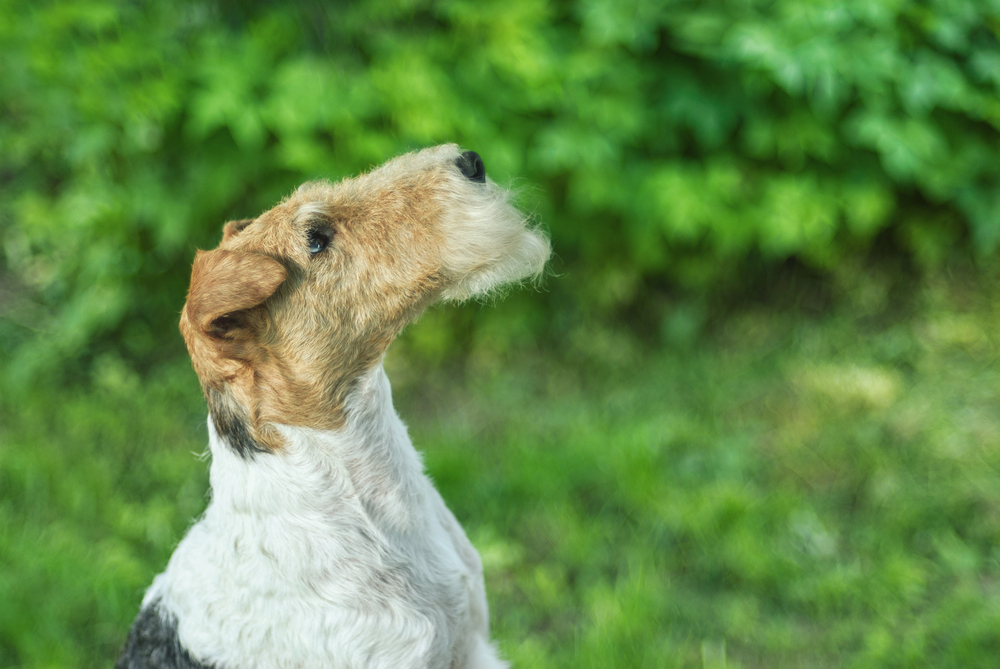
The wire fox terrier who played Asta in “The Thin Man” movies brought screwball comedy timing to what was essentially a supporting role. Skippy appeared in six films and demonstrated the kind of scene-stealing ability that made him as memorable as William Powell and Myrna Loy.
His performance was built on reaction shots and physical comedy, proving that sometimes the best acting happens without any dialogue at all. Skippy’s career spanned the golden age of Hollywood comedy, and his work alongside some of the era’s biggest stars established a template for animal actors in sophisticated adult entertainment.
Not every animal performer has to be the star — sometimes being the perfect comedic foil is enough to secure your place in film history.
When the Cameras Stopped Rolling

These animal stars shared something their human counterparts rarely achieved: complete authenticity. They couldn’t fake emotions or phone in performances.
Every moment on screen was exactly what it appeared to be — a creature being itself within the structure of someone else’s story. That honesty might be why their performances still feel genuine decades later, long after the human stars of their era have been forgotten or reduced to trivia questions.
Their legacy isn’t just entertainment history. It’s a reminder that sometimes the most memorable performances come from those who never intended to perform at all.
More from Go2Tutors!

- The Romanov Crown Jewels and Their Tragic Fate
- 13 Historical Mysteries That Science Still Can’t Solve
- Famous Hoaxes That Fooled the World for Years
- 15 Child Stars with Tragic Adult Lives
- 16 Famous Jewelry Pieces in History
Like Go2Tutors’s content? Follow us on MSN.