16 Kids’ Books That Sparked Controversy
Throughout history, books have faced challenges and bans for all sorts of reasons – from political ideologies to religious concerns. While some book banning discussions involve serious cultural debates, others leave most people scratching their heads in bewilderment.
The world of children’s literature has particularly seen some truly baffling censorship attempts that range from misunderstandings to downright absurd interpretations. Here is a list of 16 children’s books that faced bans or challenges for reasons that might leave you chuckling in disbelief.
Where the Wild Things Are
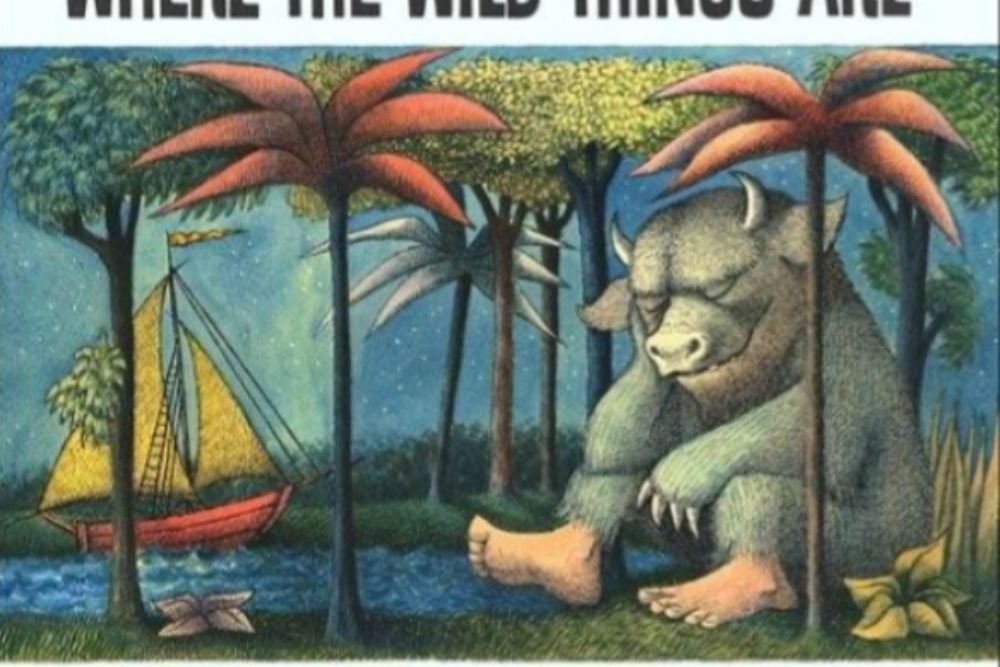
Maurice Sendak’s beloved classic about a boy named Max who journeys to a land of wild creatures was banned by many libraries in the 1960s. Adults worried the book would frighten children and promote disobedience since Max misbehaves yet receives dinner anyway.
Some schools objected to the supernatural elements and feared the story encouraged children to use their imagination too much. The idea that excessive imagination could be dangerous seems particularly ironic for a children’s book meant to celebrate the wonder of creative thinking.
Winnie the Pooh

A.A. Milne’s honey-loving bear and friends were banned in parts of Poland after officials declared Pooh an inappropriate role model due to his lack of pants and unclear gender. Some regions in Russia also restricted the book because they believed talking animals were unnatural and potentially confusing to young readers.
The fact that generations of children managed to grow up reading about a pantless bear without suffering psychological damage apparently didn’t factor into these decisions.
The Lorax
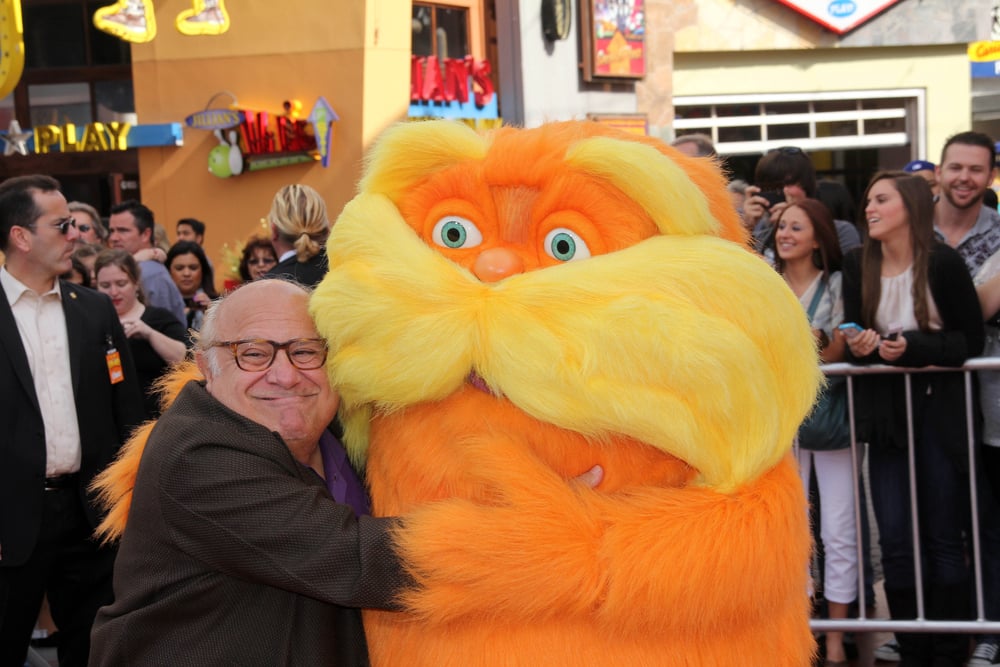
Dr. Seuss’s environmental tale faced bans in California and Oregon logging communities who felt it unfairly demonized the timber industry. School officials worried the book would turn children against their parents who worked in logging.
Some districts even created their own counter-narrative called ‘The Truax’ that presented the timber industry’s perspective, fearing a children’s book about fictional trees might spark family rebellions.
Charlotte’s Web
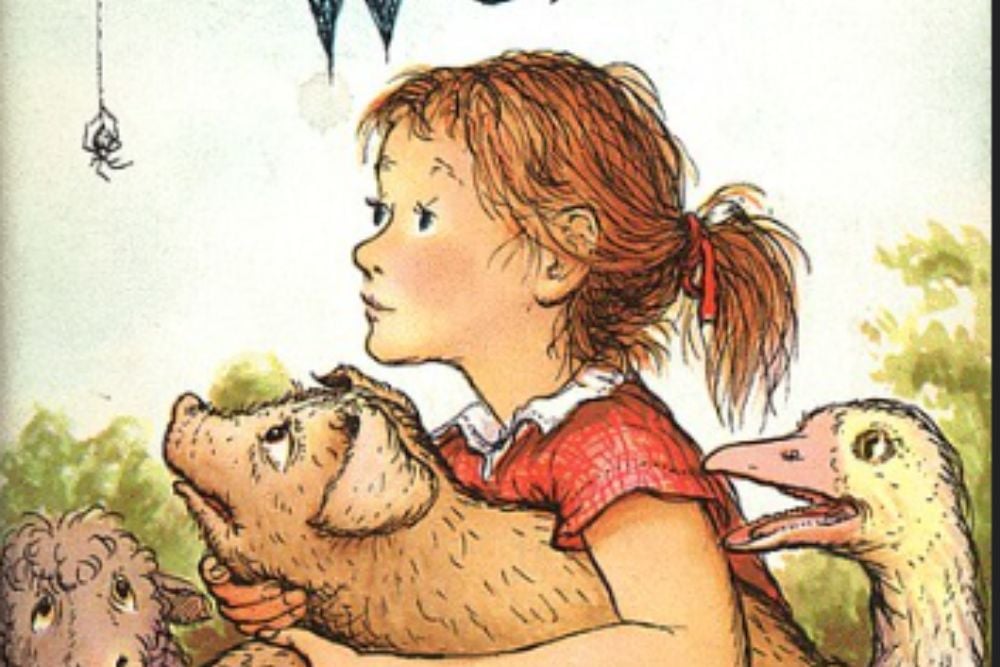
E.B. White’s classic fable about friendship between a pig and a spider has faced multiple challenges over the years. Some schools in England banned it because they worried that talking animals would confuse children about reality.
A Kansas school district removed it because a parent complained that animals talking seemed to promote witchcraft and occult themes. The timeless tale of friendship and sacrifice was apparently too dangerous for impressionable minds who might start expecting barnyard animals to strike up conversations.
Brown Bear, Brown Bear, What Do You See?

This simple picture book by Bill Martin Jr. was banned by the Texas State Board of Education in 2010 due to an unfortunate name confusion. The board mistakenly believed the author was the same Bill Martin who wrote a book about Marxism, so they removed this children’s classic about colored animals from approved reading lists.
No one apparently bothered to verify that children’s author Bill Martin Jr. and philosophy professor Bill Martin were entirely different people before making the decision.
The Diary of Anne Frank
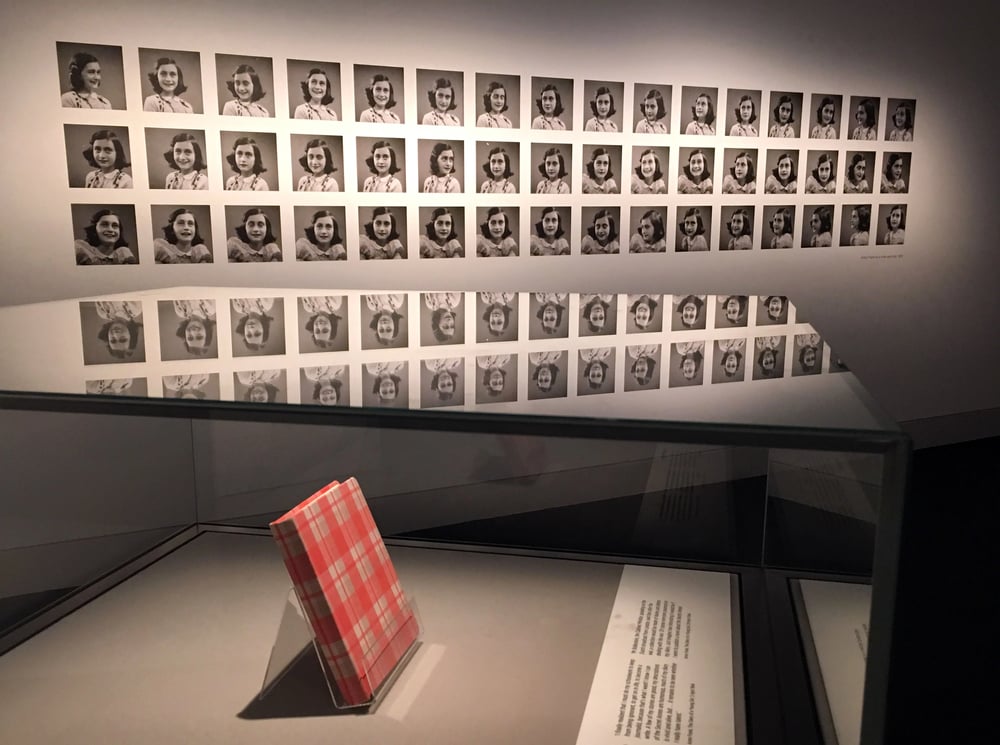
Various versions of this historical document have faced challenges for being ‘too depressing’ for young readers. A school in Alabama banned it for ‘complaining too much’ while others objected to Anne’s mentions of her changing adolescent body.
Some schools created controversies over which translation to use, preferring versions that omitted Anne’s thoughts about puberty. The idea that a firsthand account of the Holocaust should be cheerful or that a teenage girl shouldn’t acknowledge physical development reveals more about the adults doing the banning than the content itself.
James and the Giant Peach
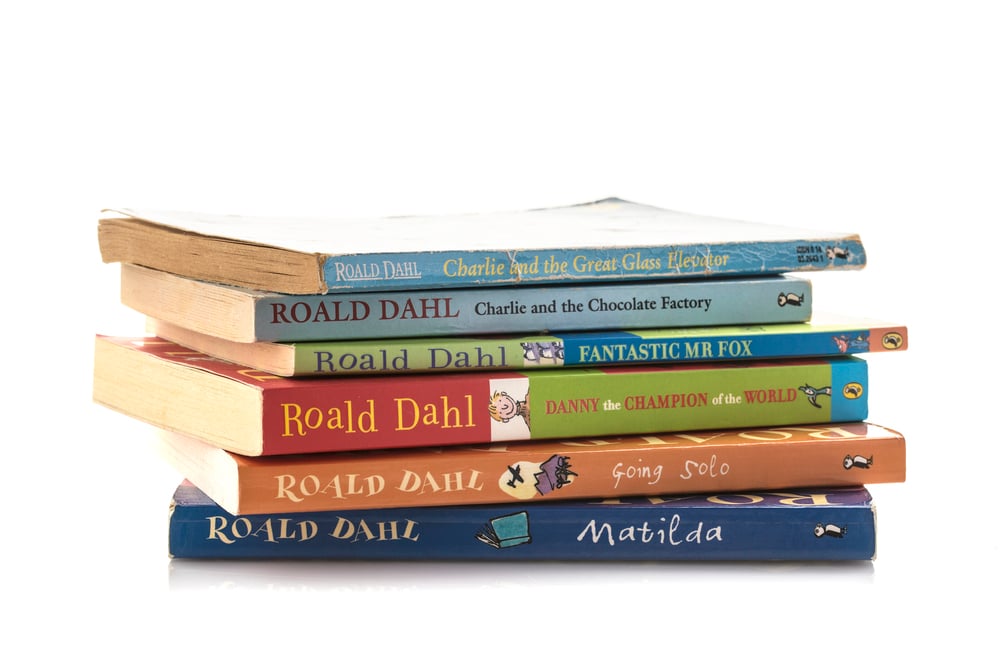
Roald Dahl’s adventure story about an orphan boy traveling in an enormous fruit has been banned for multiple peculiar reasons. Some schools objected to the word ‘ass’ being used to refer to a donkey, while others worried about magical elements promoting witchcraft.
One school in Wisconsin banned it because a scene features a spider licking her lips, which they interpreted as having inappropriate connotations. The creativity applied to finding objectionable content seems vastly more imaginative than anything in the book itself.
The Wonderful Wizard of Oz
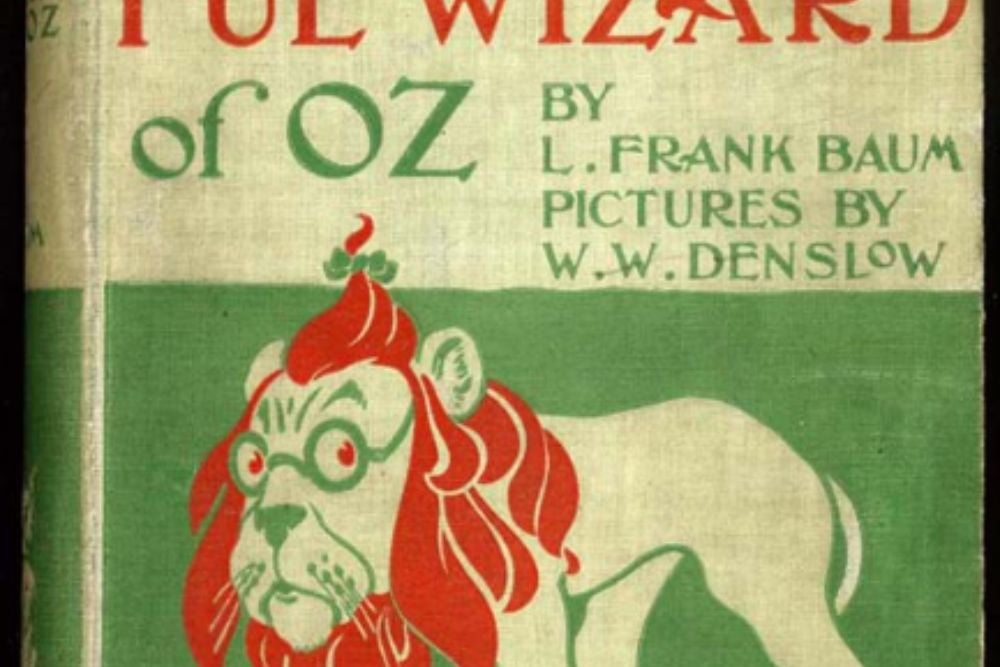
L. Frank Baum’s classic adventure faced bans in various American libraries for depicting women in strong leadership roles. Some religious groups objected to the presence of good witches, arguing that all witches are inherently evil.
Libraries in Detroit banned it for having ‘no value for children today’ and for making ‘light of a serious problem like cyclones.’ Apparently, the possibility of children thinking tornadoes were fun outweighed the book’s lessons about friendship, courage, and self-discovery.
Harriet the Spy
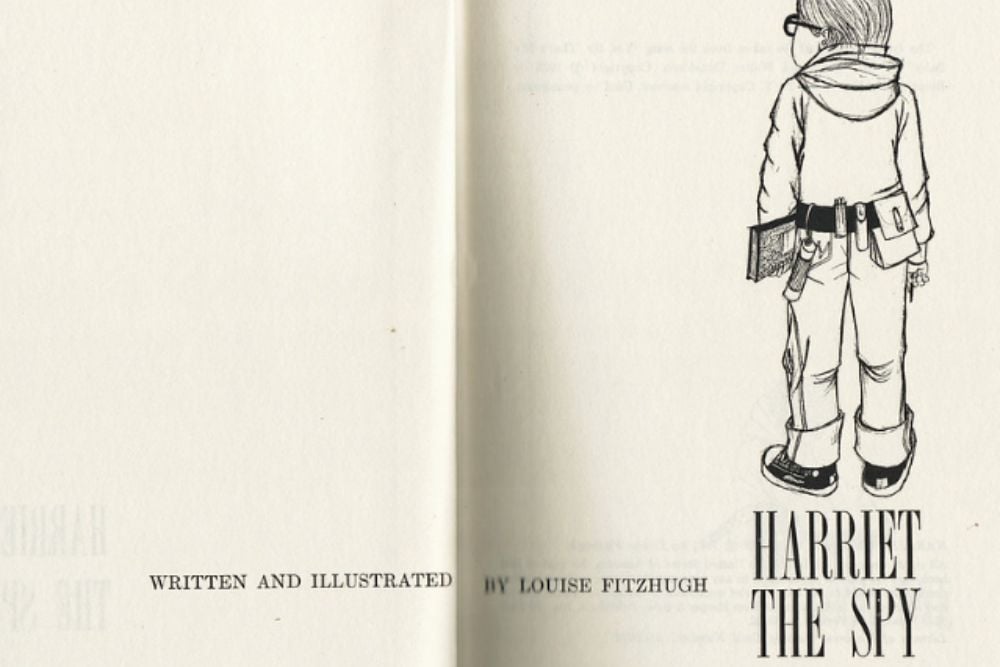
Louise Fitzhugh’s novel about an eleven-year-old girl who keeps notes on everyone she observes was banned by many schools for encouraging children to spy, lie, and talk back to adults. Some parents worried that Harriet’s sometimes harsh observations would teach children to be judgmental or disrespectful.
The book’s valuable lessons about empathy and understanding different perspectives were overshadowed by concerns that children might start carrying notebooks and jotting down observations about their neighbors.
Green Eggs and Ham
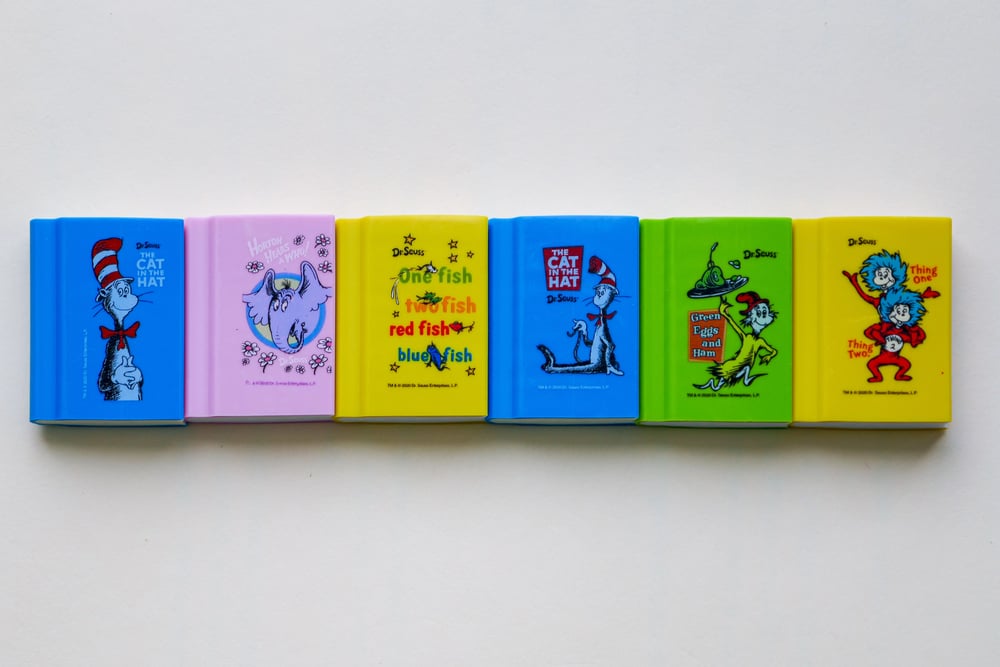
Dr. Seuss’s simple rhyming book about trying new foods was banned in China from 1965 to 1991 for portraying ‘early Marxism’ and depicting activities that would ‘corrupt children’s minds.’ The ban was eventually lifted when Seuss died in 1991. How a story about someone learning to like green eggs and ham represented Marxist ideology remains one of the great mysteries of literary censorship, demonstrating how even the most innocent stories can be twisted into political statements.
Sylvester and the Magic Pebble
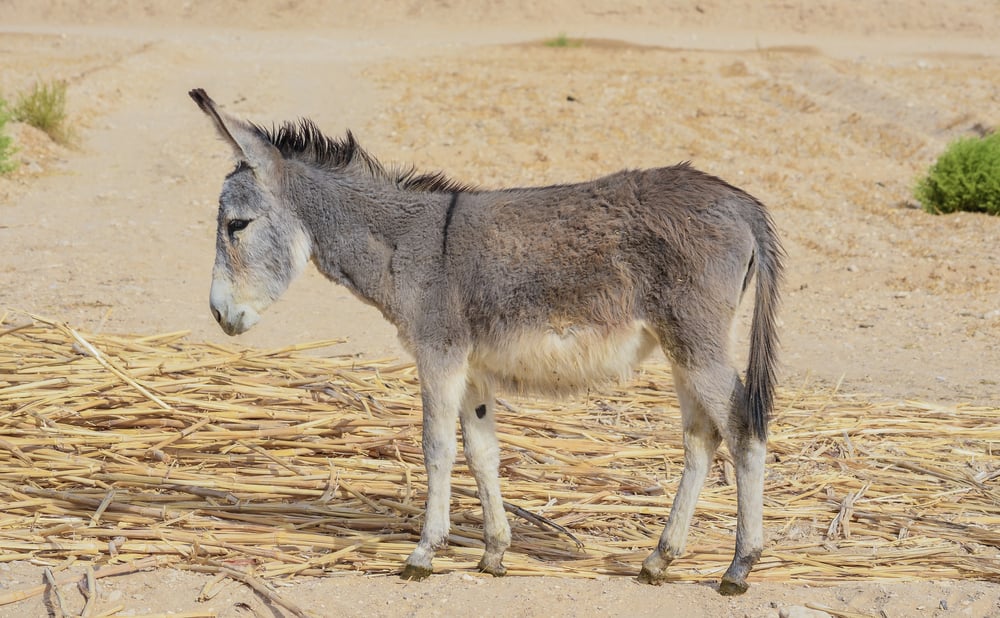
William Steig’s Caldecott Medal-winning book about a donkey who turns into a rock was banned from numerous schools because it portrayed police officers as pigs. The anthropomorphic animal characters included police officers who happened to be pigs, which some considered disrespectful to law enforcement.
The fact that nearly all characters in the book were animals, and pigs are commonly used in children’s stories, apparently didn’t matter to those who found this parallel offensive.
Charlie and the Chocolate Factory

Roald Dahl’s fantastical candy adventure was banned by various libraries concerned about the book’s ‘poor philosophy of life.’ Some objected to the punishments of badly behaved children as too cruel, while others worried about the portrayal of the Oompa-Loompas as exploited workers.
A Colorado library banned it because it supposedly embodied a ‘poor philosophy of life’ that encouraged greediness. The book’s lessons about the consequences of bad behavior were apparently less important than concerns about talking squirrels and chocolate rivers.
Where’s Waldo?
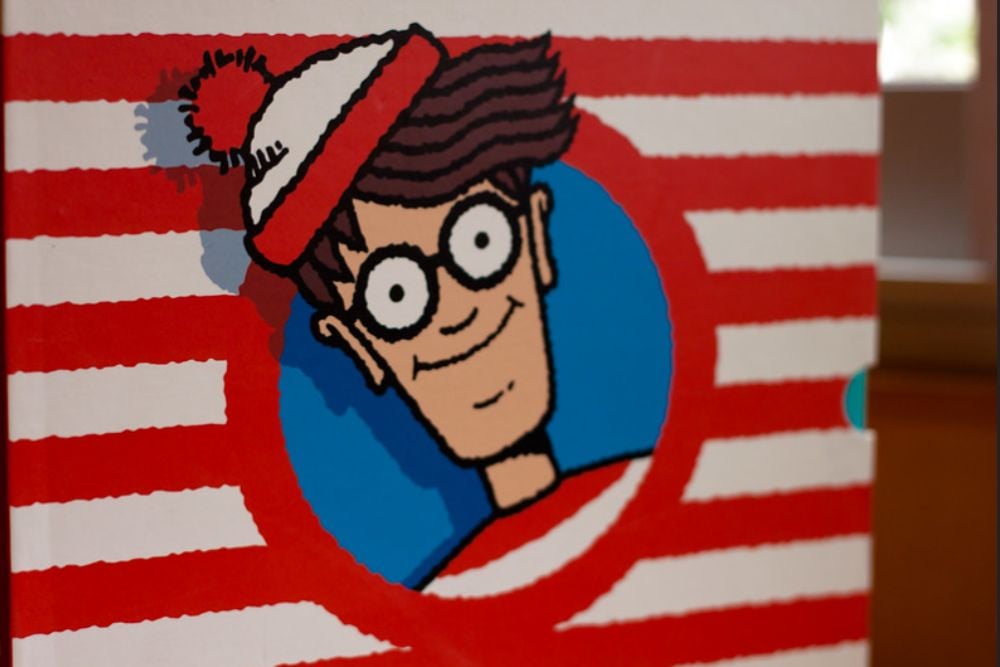
This seek-and-find picture book series by Martin Handford faced bans because of a tiny illustration in one crowded beach scene. Eagle-eyed censors spotted a woman sunbathing who appears to be topless, though the image is smaller than a grain of rice when printed.
Several school districts removed all Waldo books from their libraries despite the fact that finding this tiny figure within the bustling scenes requires more effort than most children would ever invest. The idea that this microscopic drawing posed a threat to childhood innocence seems vastly disproportionate.
The Giving Tree

Shel Silverstein’s poignant story about a tree that gives everything to a boy has been banned for being ‘anti-forestry’ and encouraging environmental destruction. Conversely, other groups have banned it for promoting an unhealthy selfless relationship that demeans the tree.
The book has simultaneously been banned for being too environmentalist and not environmentalist enough, proving that sometimes you simply can’t win in the world of book censorship. A simple allegory about giving became a battleground for multiple contradictory interpretations.
Bridge to Terabithia
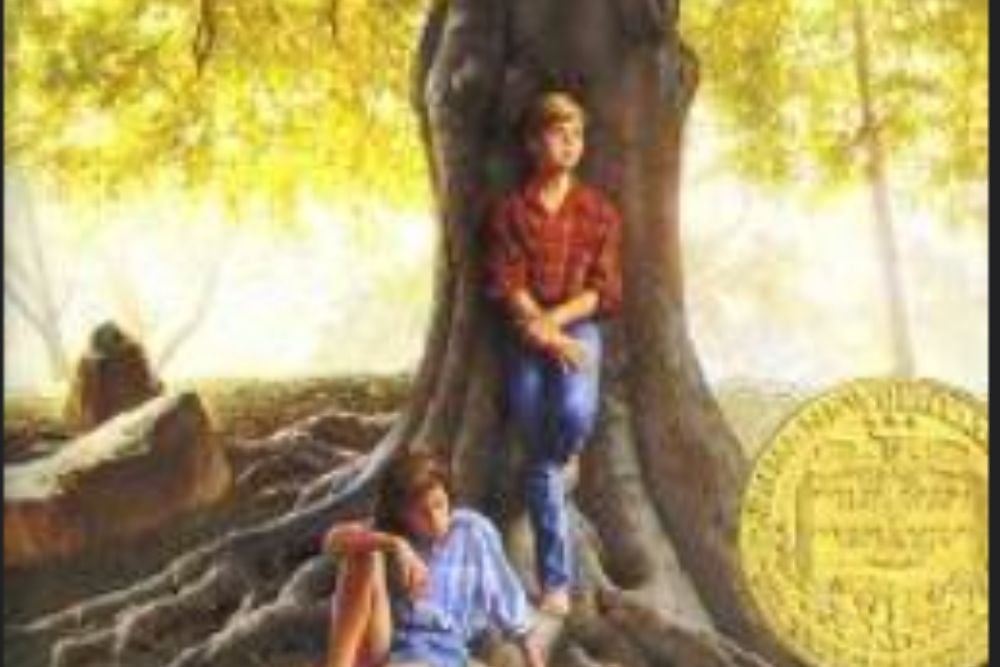
Katherine Paterson’s Newbery Medal-winning novel about friendship and loss was banned in many schools for featuring a child’s death, which some adults deemed too emotionally challenging for young readers. Others objected to the use of phrases like ‘Oh Lord’ and ‘gosh’ as inappropriate language or religious references.
Some schools removed it because the main characters created an imaginary world, which was interpreted as promoting witchcraft or fantasy over reality. The book’s genuine exploration of grief and friendship was overshadowed by concerns about children encountering difficult emotions.
And Tango Makes Three
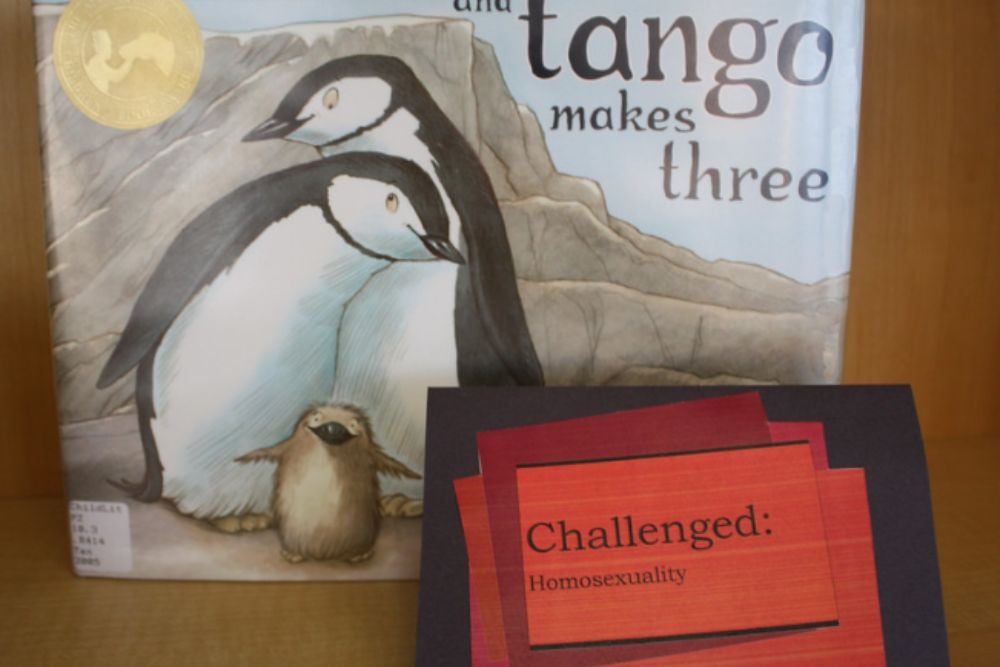
This picture book by Justin Richardson and Peter Parnell about two male penguins who raise a baby penguin has topped banned book lists repeatedly since its 2005 publication. Based on a true story from New York’s Central Park Zoo, the book has been banned for ‘promoting alternative lifestyles,’ ‘anti-family messages,’ and ‘promoting homosexuality.’
Some schools moved it to restricted sections requiring parental permission. The fact that the book simply tells a true story about actual penguins didn’t deter those who felt that zoo animals needed to conform to their particular notions of family structure.
When Censorship Misses the Story
These amusing cases of book banning reveal how adults often underestimate children’s ability to distinguish fantasy from reality and extract meaningful lessons from stories. Many banned books continue thriving despite – or perhaps because of – attempts to restrict them.
The panic around children’s literature often says more about adult anxieties than any actual harmful content in the books themselves. When we examine these cases of overzealous censorship, we’re reminded that stories help children process the world around them, and limiting access to diverse perspectives only narrows their understanding rather than protecting them from harm.
The legacy of these banned books shows that meaningful stories have a way of reaching readers despite barriers placed in their path.
More from Go2Tutors!

- The Romanov Crown Jewels and Their Tragic Fate
- 13 Historical Mysteries That Science Still Can’t Solve
- Famous Hoaxes That Fooled the World for Years
- 15 Child Stars with Tragic Adult Lives
- 16 Famous Jewelry Pieces in History
Like Go2Tutors’s content? Follow us on MSN.