19 Companies That Were Once Giants but No Longer Exist
Once upon a time, certain companies seemed utterly unstoppable. They dominated their industries, employed thousands, and became household names across America. Yet the business world shows no mercy, even to its mightiest players.
Market shifts, technological advancement, and sometimes just plain bad management can transform yesterday’s powerhouse into today’s fading memory. Here is a list of once-dominant companies that have vanished from the corporate landscape, serving as reminders that no business empire lasts forever.
Blockbuster Video
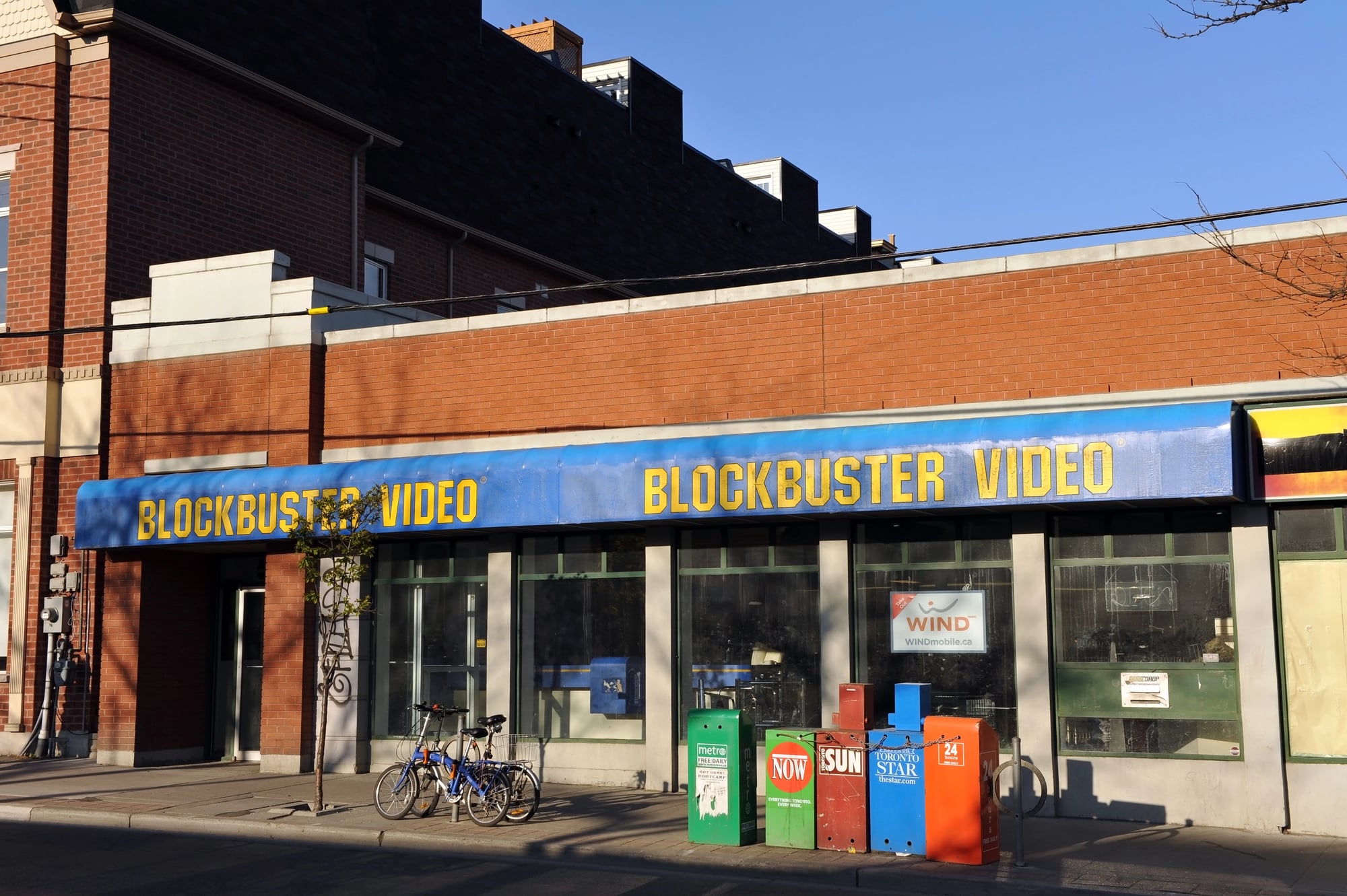
The blue and yellow storefronts once ruled weekend entertainment in America. At its peak, Blockbuster operated over 9,000 stores worldwide and employed more than 84,000 people.
The company turned down a chance to buy Netflix for $50 million in 2000, a decision that stands as one of the most regrettable in business history. Digital streaming rendered their business model obsolete practically overnight.
Pan American World Airways
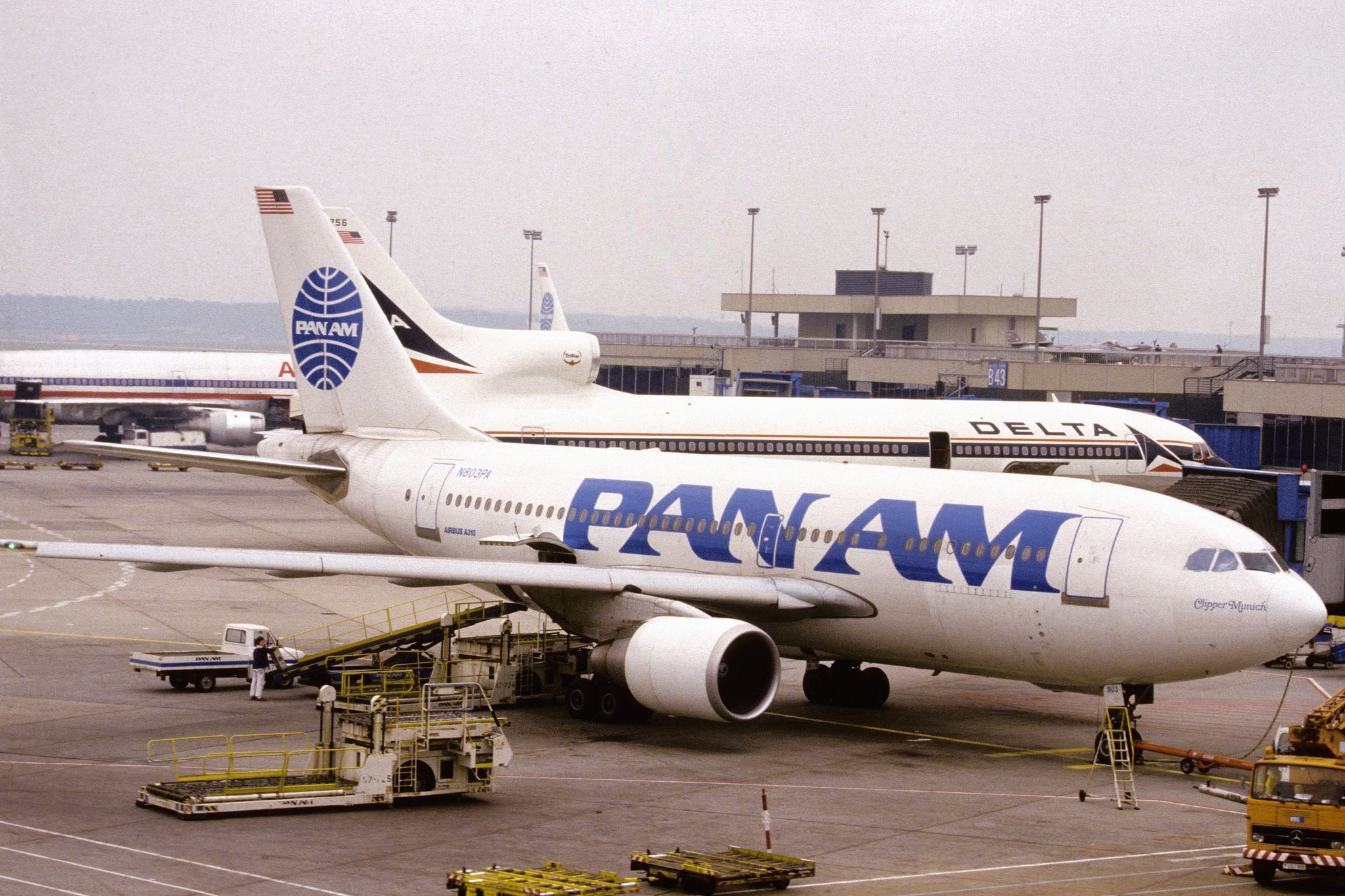
Pan Am wasn’t just an airline; it was America’s unofficial flag carrier and a symbol of luxury travel. The iconic blue globe logo represented international adventure during the golden age of air travel.
Financial troubles following the 1973 oil crisis and the tragic Lockerbie bombing in 1988 pushed the company into a decline it couldn’t recover from, finally ceasing operations in 1991.
Borders Books

The cozy armchairs and coffee aroma made Borders a beloved destination for book lovers across America. Founded in 1971, the chain expanded to over 600 stores at its height.
The company failed to adapt to the digital revolution, investing heavily in music sales just as iTunes was taking off and dismissing e-books while Amazon’s Kindle gained traction. Borders closed its final chapter in 2011.
Toys “R” Us
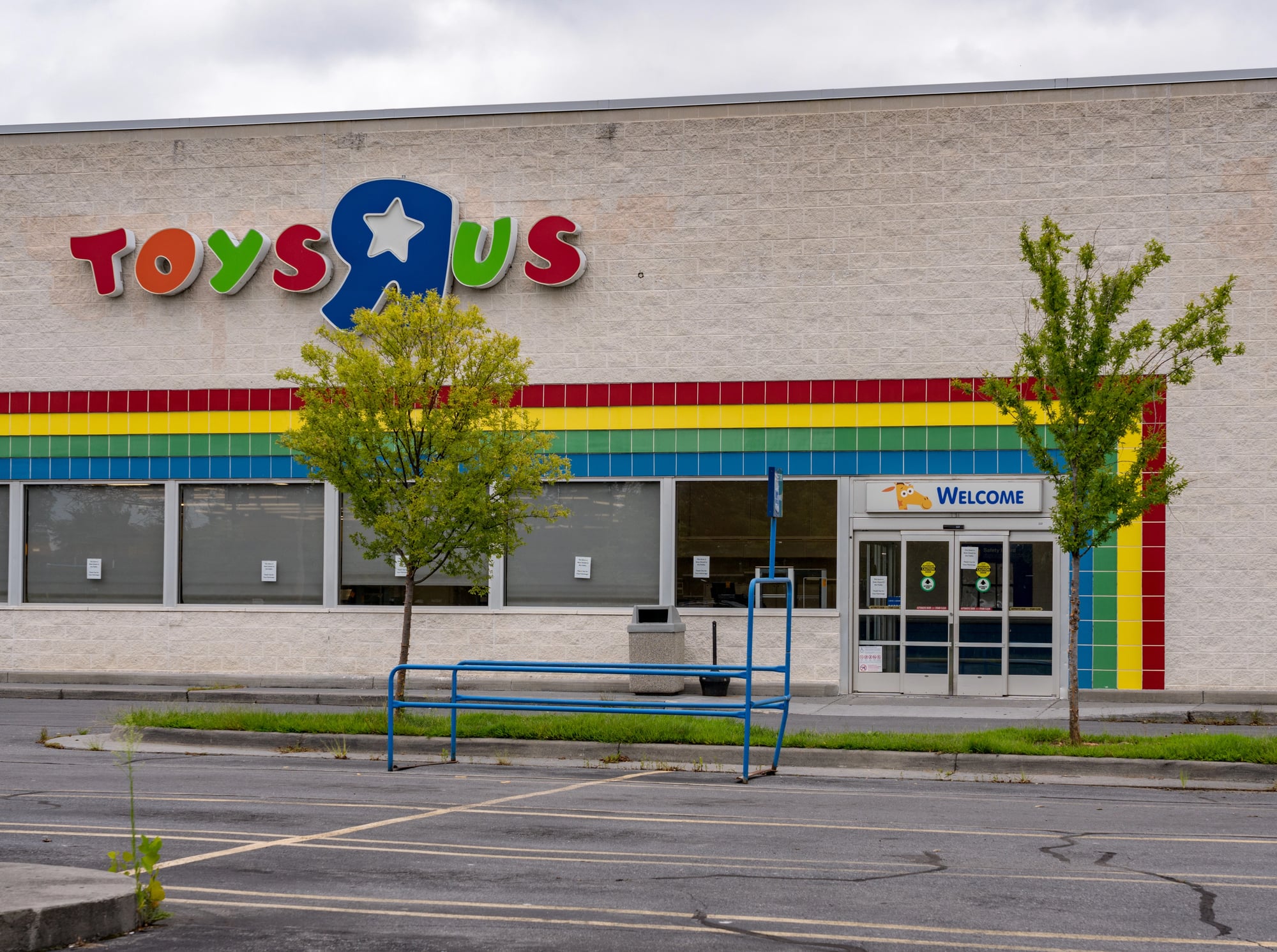
The magical toy paradise with the backward R dominated children’s retail for generations. Kids across America dreamed of racing through those endless aisles filled with everything from bicycles to board games.
A leveraged buyout left the company drowning in debt, and competition from big-box retailers and online shopping delivered the final blow. Though the name survives in some markets, the U.S. retail giant collapsed in 2018.
Compaq

This computer manufacturer once gave IBM a serious run for its money. Founded in 1982, Compaq produced the first IBM-compatible portable computer that resembled a sewing machine more than today’s sleek laptops.
The company became the youngest-ever firm to join the Fortune 500. After acquiring Digital Equipment Corporation in 1998, Compaq itself was swallowed by HP in 2002, and the brand gradually faded away.
Circuit City
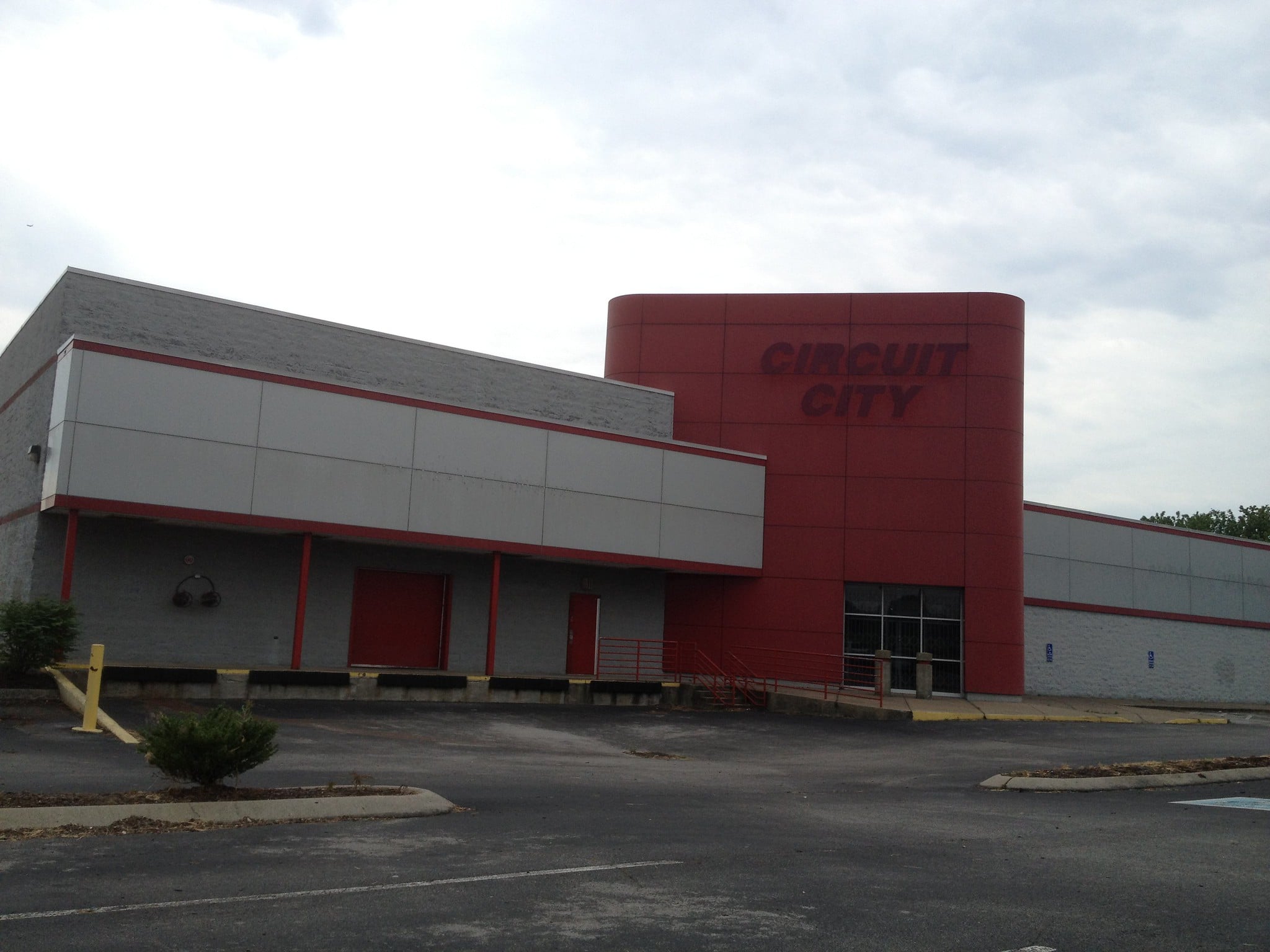
The red and white storefronts were electronic paradise for tech enthusiasts and home entertainment shoppers. Founded in 1949, Circuit City pioneered the electronic superstore concept and grew to over 700 locations.
Management missteps, including firing experienced staff to cut costs and declining to purchase an early Netflix, led to their downfall. The retail giant powered down for good in 2009.
Tower Records
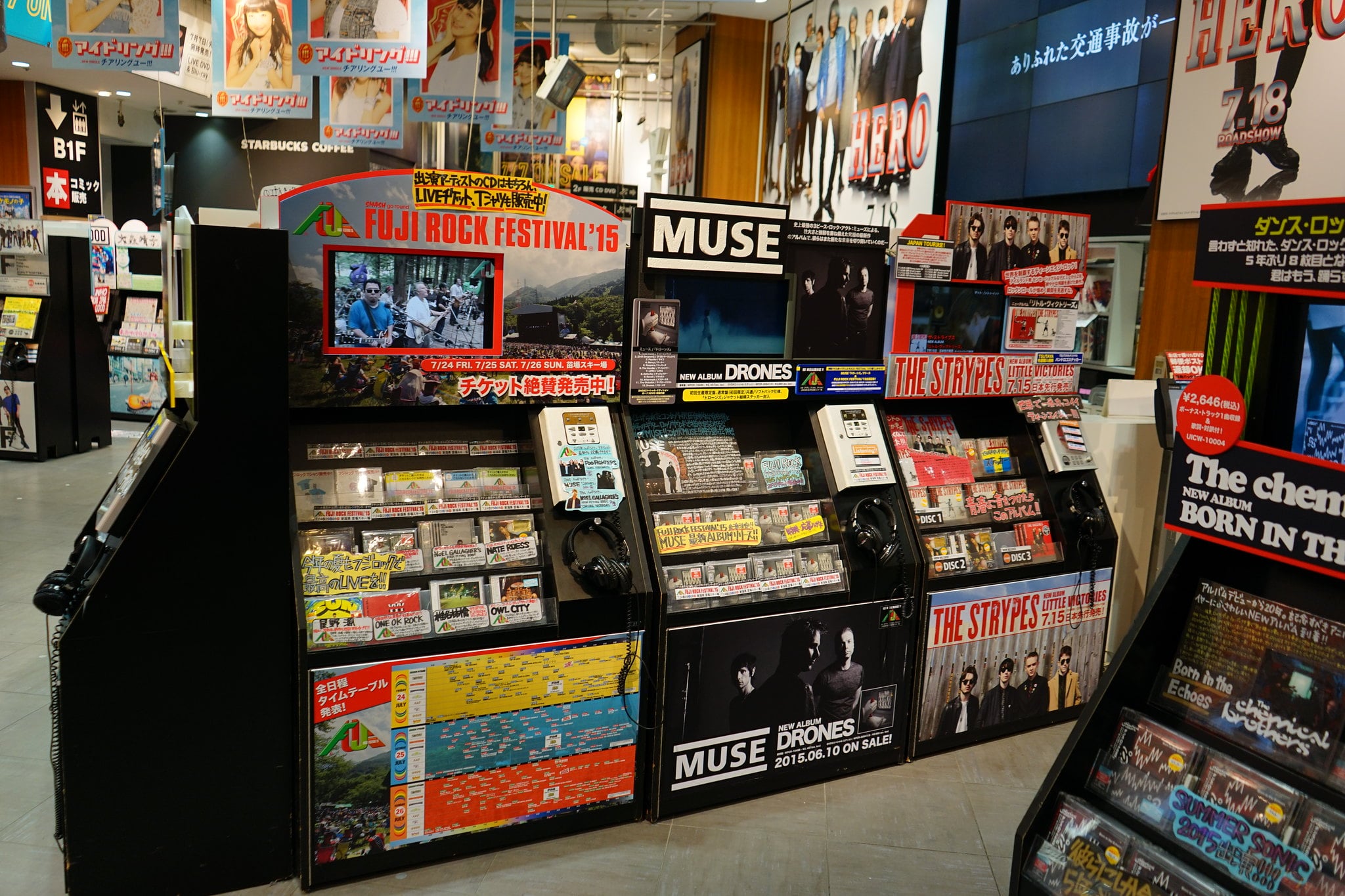
Those iconic yellow and red signs marked the coolest place to discover music for decades. Founded in 1960, Tower Records expanded to over 200 stores across 15 countries.
Browsing their massive selection was a cultural experience, with stores often staying open until midnight. Digital downloads and changing music consumption habits dismantled their business model. The company played its final tune in 2006, though the brand continues in some international markets.
Enron

This energy company became the poster child for corporate fraud and accounting scandals. At its peak, Enron employed over 20,000 people and claimed revenues of nearly $101 billion.
The Houston-based firm was named America’s Most Innovative Company for six consecutive years by Fortune magazine. When their elaborate accounting fraud was exposed, investors lost billions and thousands of employees lost their jobs and retirement savings when the company imploded in 2001.
Eastern Air Lines
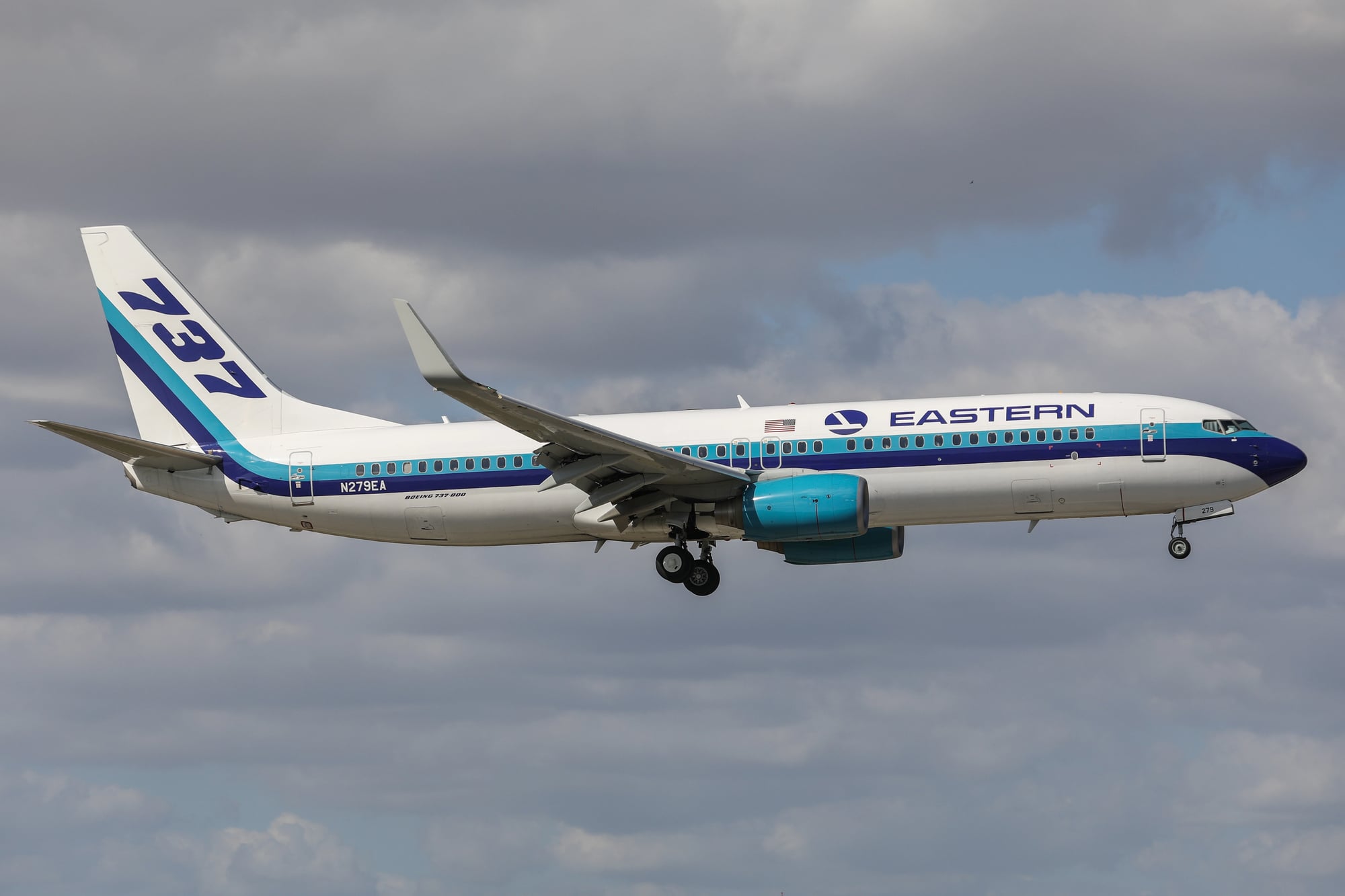
The Wings of Man carried passengers across the skies for nearly 65 years. Founded in 1926, Eastern grew to become one of America’s ‘Big Four’ airlines, known for their distinctive blue and white aircraft.
Labor disputes, deregulation challenges, and the leadership of controversial former astronaut Frank Borman contributed to their turbulent final years. The once-mighty airline made its final landing in 1991.
F.W. Woolworth Company
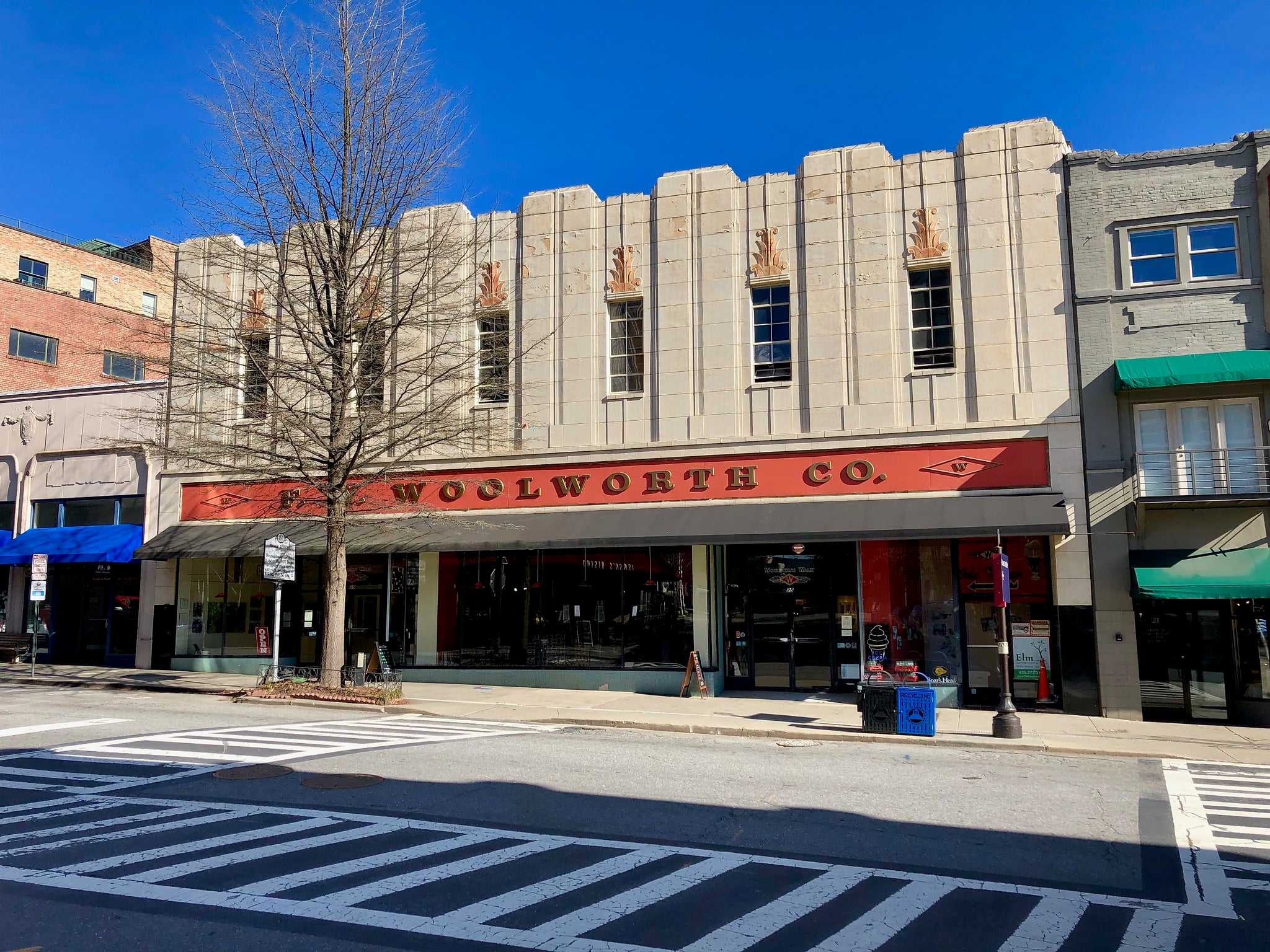
This retail pioneer literally changed how Americans shopped with its revolutionary fixed-price system. The company’s distinctive red-front stores anchored downtown shopping districts across America for over a century.
Their iconic Art Deco headquarters in New York, the Woolworth Building, was once the tallest building in the world. Facing competition from discount retailers, the last Woolworth’s five-and-dime closed in 1997, though the corporate entity transformed into Foot Locker.
Montgomery Ward
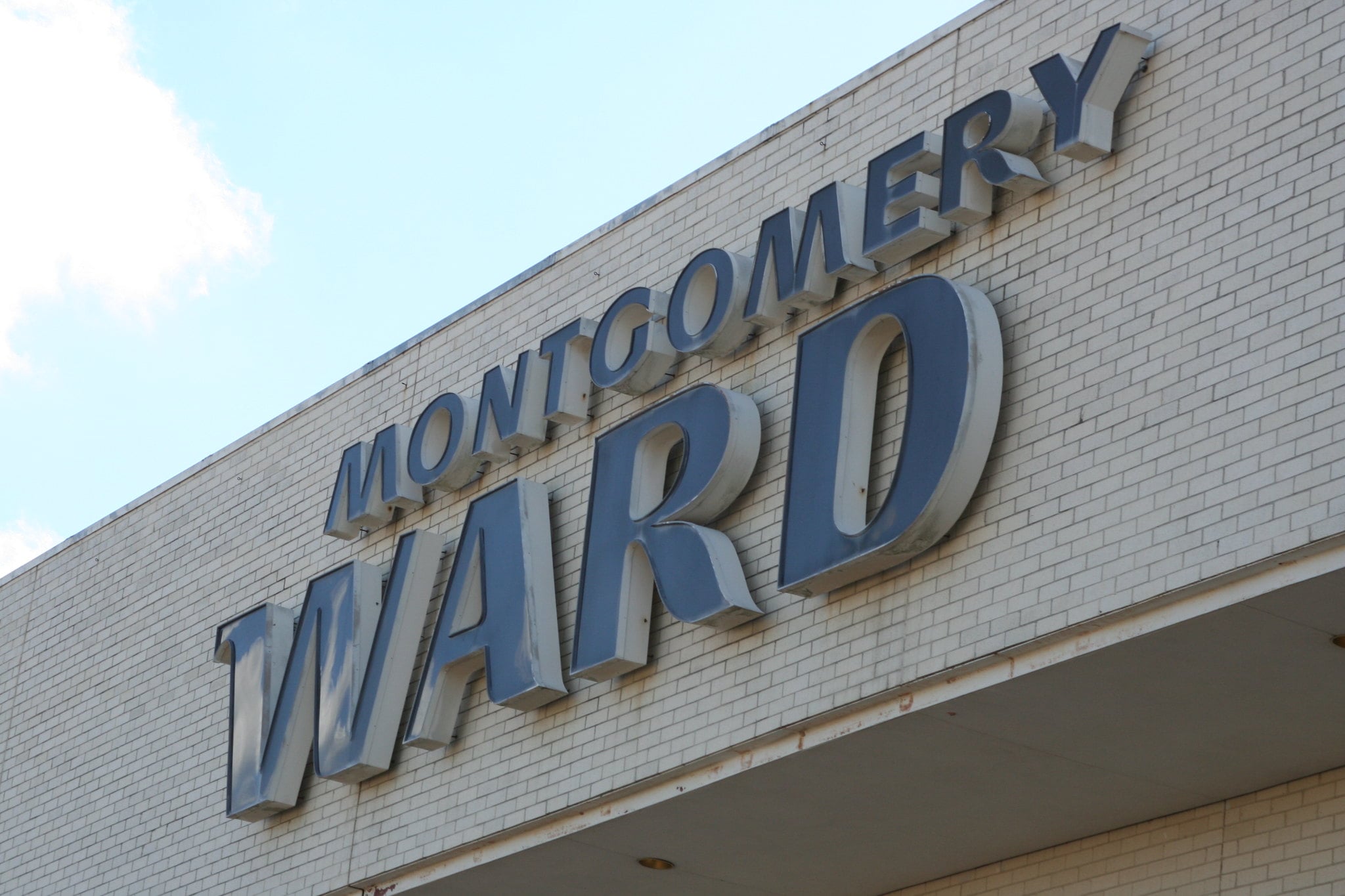
This retail giant was actually America’s first mail-order catalog business, predating Sears. Founded in 1872, Monkey Ward grew into a beloved department store chain with hundreds of locations nationwide.
The company even created Rudolph the Red-Nosed Reindeer as a Christmas promotion in 1939. After several attempts at reinvention, including an online-only revival, the 128-year-old retailer closed its doors for good in 2001.
Kodak
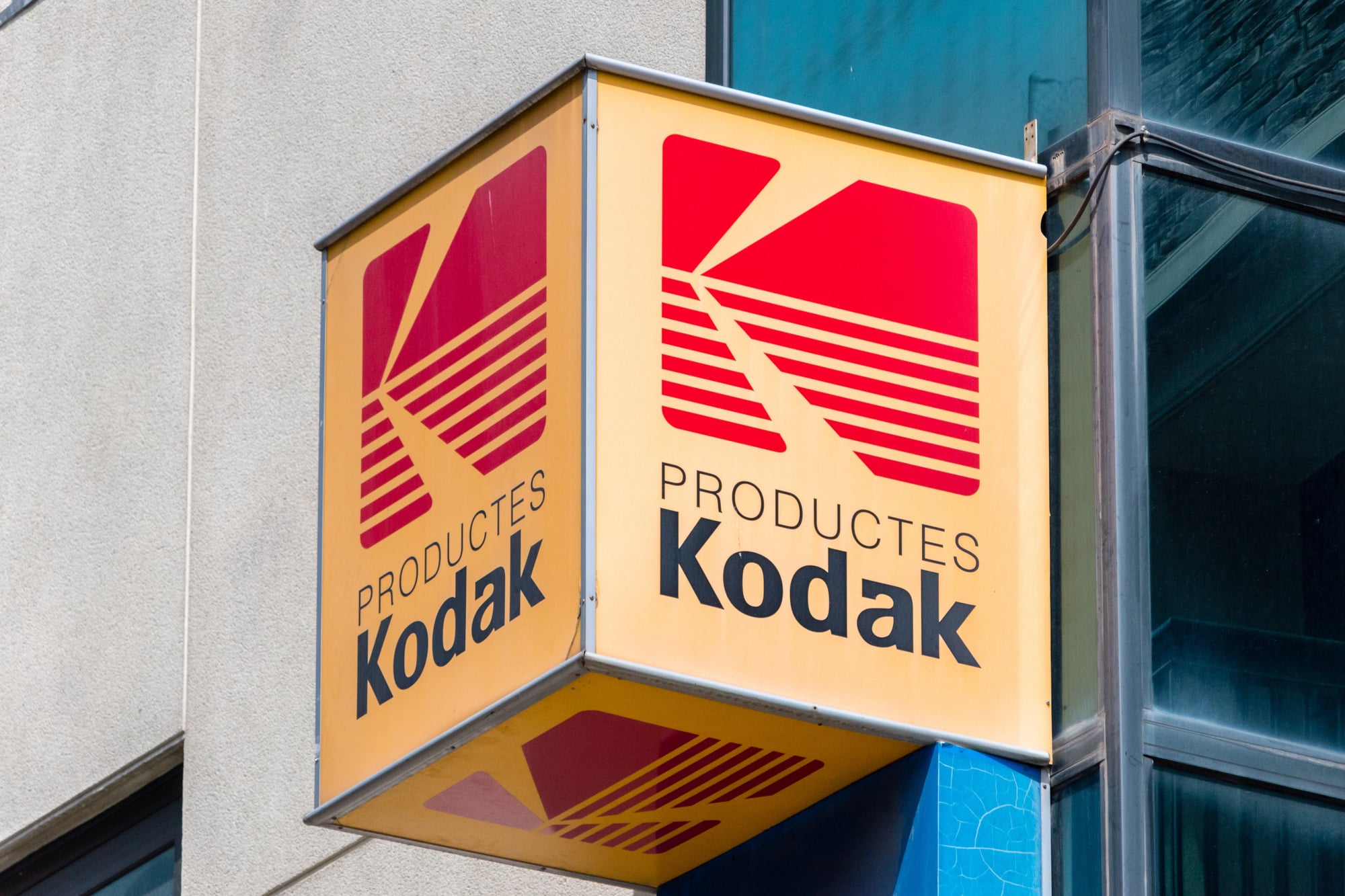
This photography pioneer essentially created amateur photography and became one of America’s most trusted brands. Founded in 1888, Kodak’s yellow boxes were found in households worldwide, with their landmark 1984 Super Bowl commercial directed by Ridley Scott considered one of the greatest ads ever made.
Ironically, Kodak invented the digital camera in 1975 but failed to embrace the technology that would eventually replace film. After years of decline, the company filed for bankruptcy in 2012 but emerged as a much smaller operation.
Bethlehem Steel

Once America’s second-largest steel producer, this industrial powerhouse literally built the nation’s skyline. The company supplied steel for iconic structures including the Golden Gate Bridge, Chrysler Building, and Hoover Dam.
At its peak during WWII, Bethlehem Steel employed over 300,000 workers at plants across the country. Foreign competition, labor costs, and failure to modernize facilities led to the company’s gradual decline and bankruptcy in 2001.
TWA
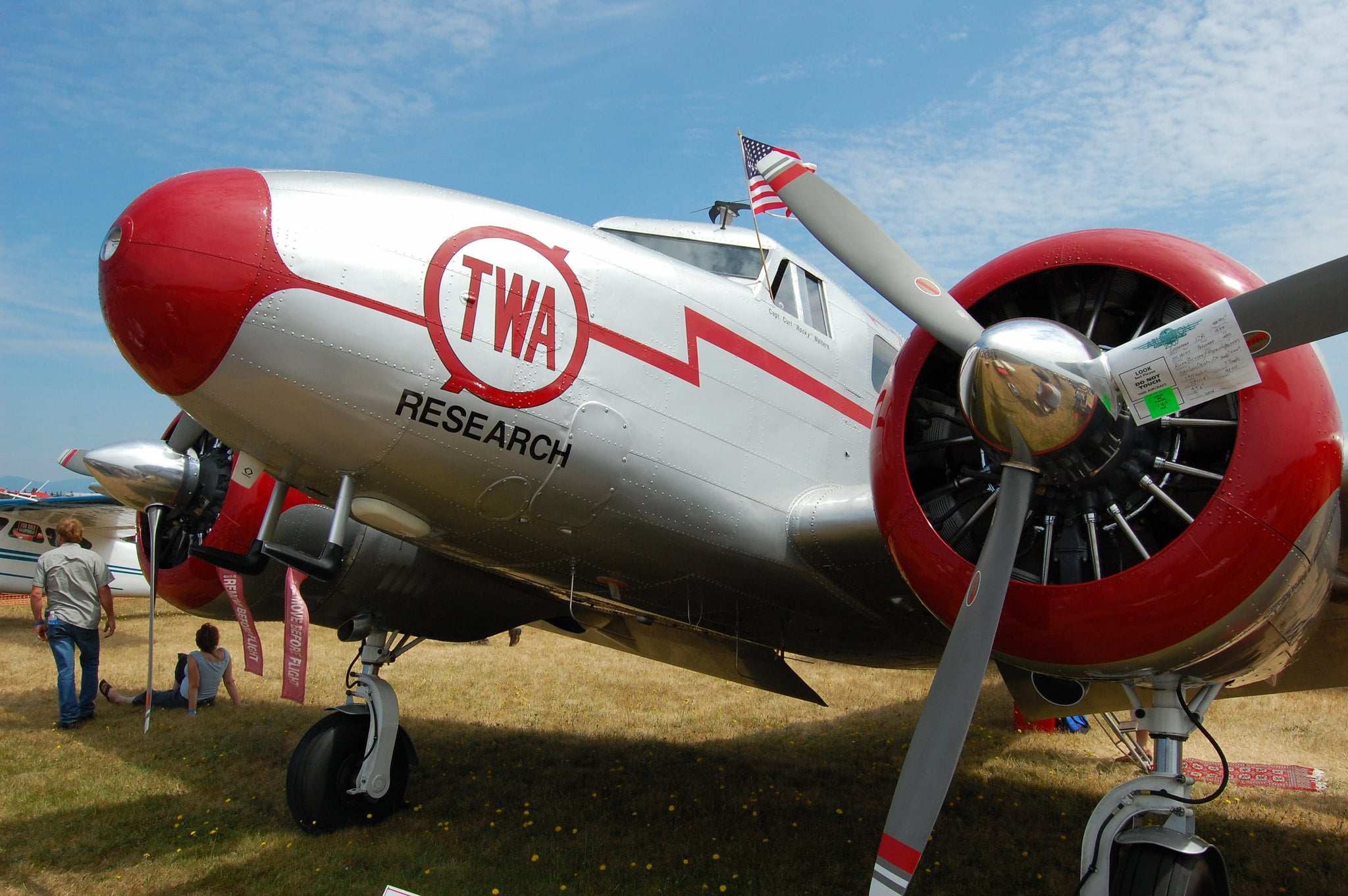
This iconic airline represented the glamour of air travel during the jet age. Founded in 1930, Trans World Airlines became known for its distinctive red and white livery and globe logo.
Businessman Howard Hughes owned the airline for many years, adding to its mystique and celebrity associations. Financial troubles and a series of tragedies, including the infamous Flight 800 disaster, contributed to the airline’s struggles. TWA made its final flight in December 2001 after being acquired by American Airlines.
General Foods

This food industry giant brought beloved brands like Maxwell House, Jell-O, and Birds Eye into American kitchens. The company’s roots date back to the 1890s with the creation of Postum cereal by C.W. Post.
Through acquisitions and innovation, General Foods became a dominant force in packaged foods throughout most of the 20th century. Philip Morris (later Altria Group) purchased the company in 1985 and merged it with Kraft Foods in 1990, dissolving one of America’s most recognizable food corporations.
Polaroid

This company made instant photography magical with its revolutionary cameras that produced photos on the spot. Founded in 1937, Polaroid became a cultural phenomenon, with its signature white-bordered instant photos representing immediate memories for generations.
The distinctive whir of a Polaroid camera ejecting a developing photo was instantly recognizable. Despite pioneering instant photography, the company failed to adapt to digital technology and filed for bankruptcy twice, in 2001 and 2008.
PaineWebber
This financial services firm helped Americans invest their money for nearly 120 years. Founded in 1880, PaineWebber grew to become one of the nation’s leading brokerage firms, managing assets for wealthy individuals and institutions.
Facing increasing competition from larger players, the company was acquired by UBS in 2000 for $10.8 billion and the PaineWebber name gradually disappeared from the financial landscape.
E.F. Hutton
This brokerage firm became known for its memorable advertising campaign about everyone listening when they spoke. Founded in 1904, E.F. Hutton became one of the most respected names on Wall Street, known for its refined image and wealthy clientele.
A check kiting scandal tarnished their reputation in the 1980s, leading to a merger with Shearson Lehman in 1987 and the eventual disappearance of the once-prestigious name.
DeLorean Motor Company
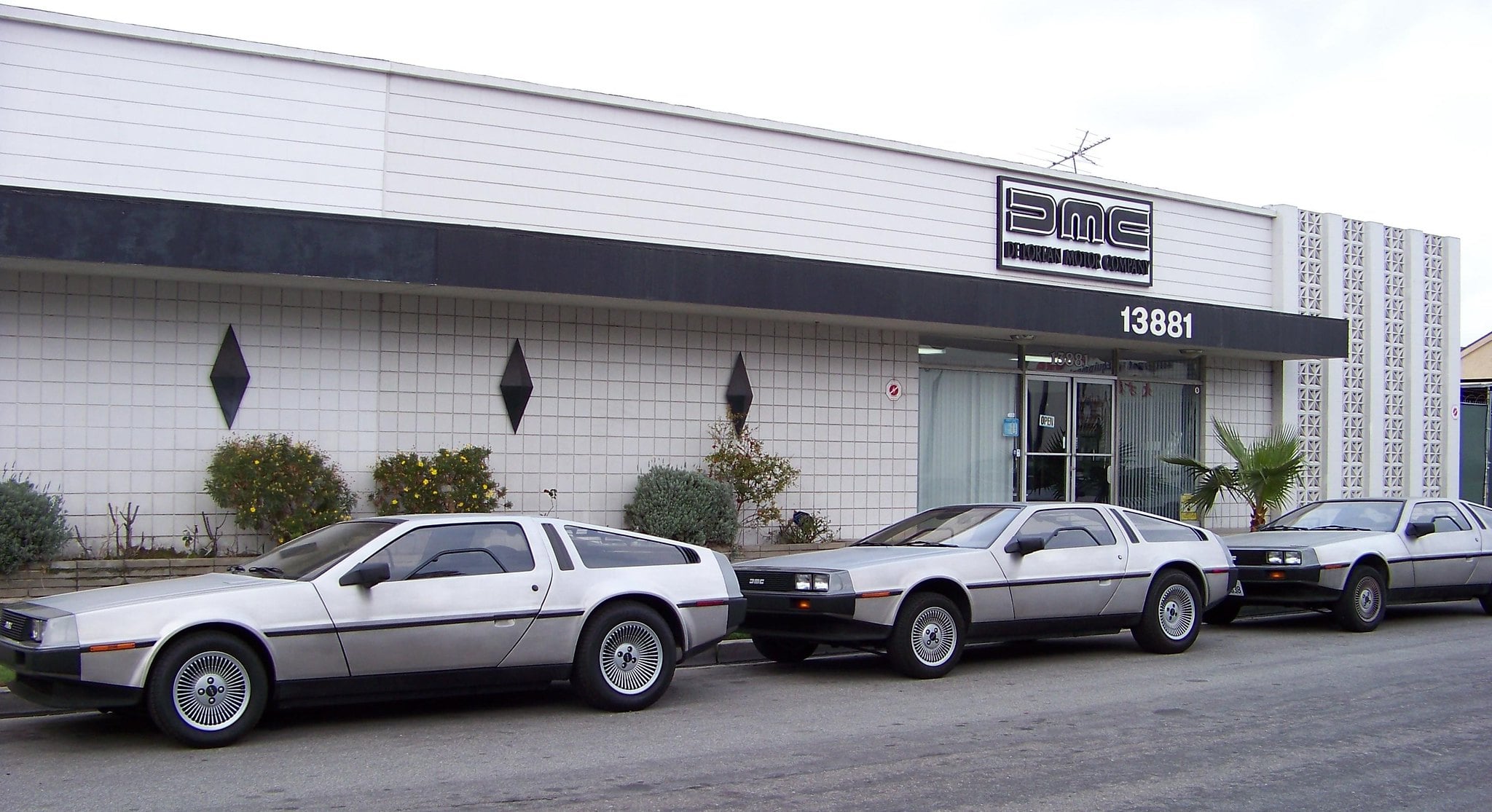
This automotive upstart created one of the most recognizable cars in history with its stainless steel body and gull-wing doors. Founded by former GM executive John DeLorean in 1975, the company produced just one model—the DMC-12.
Despite its futuristic design and starring role in the Back to the Future films, only about 9,000 cars were produced before financial problems and a drug trafficking scandal involving DeLorean himself drove the company into bankruptcy in 1982.
The Ghosts of Business Past

These fallen corporate titans remind us that market dominance is often temporary, regardless of how invincible a company might seem. Their stories reveal common threads: failure to innovate, inability to recognize changing consumer preferences, and the dangers of excessive debt.
Today’s corporate leaders would be wise to study these cautionary tales. Even the mightiest businesses must adapt or risk joining this list of once-great companies that now exist only in memory and business textbooks.
More from Go2Tutors!

- The Romanov Crown Jewels and Their Tragic Fate
- 13 Historical Mysteries That Science Still Can’t Solve
- Famous Hoaxes That Fooled the World for Years
- 15 Child Stars with Tragic Adult Lives
- 16 Famous Jewelry Pieces in History
Like Go2Tutors’s content? Follow us on MSN.



