19 Burial Practices That Revealed Cultural Values
Death remains humanity’s shared experience, though how different cultures approach it unveils their core beliefs about existence, what follows, and what holds genuine importance. Ancient civilizations through contemporary societies have used burial practices as cultural mirrors, reflecting values, anxieties, and aspirations for whatever lies beyond.
These funeral traditions show just how deeply death rituals connect to the societies that shaped them. Here’s a list of 19 burial practices that revealed cultural values throughout history and across continents.
Ancient Egyptian Mummification

Egypt’s intricate mummification process exposed a civilization fixated on bodily preservation for eternal existence. The physical form wasn’t just important — it was absolutely essential for the soul’s afterlife journey, which drove Egyptians to perfect preservation methods taking up to 70 days.
This obsession demonstrated their profound belief that earthly life and death were simply different phases of the same continuous journey.
Viking Ship Burials

Norse warriors received ship burials complete with weapons, tools, and riches — a practice reflecting their seafaring culture and heroic afterlife expectations. These weren’t simple funerals but elaborate preparations for another voyage, one that required the same gear that served them in life.
The tradition revealed how Vikings valued bravery above all, viewing death as just another adventure requiring proper preparation.
Chinese Terracotta Warriors
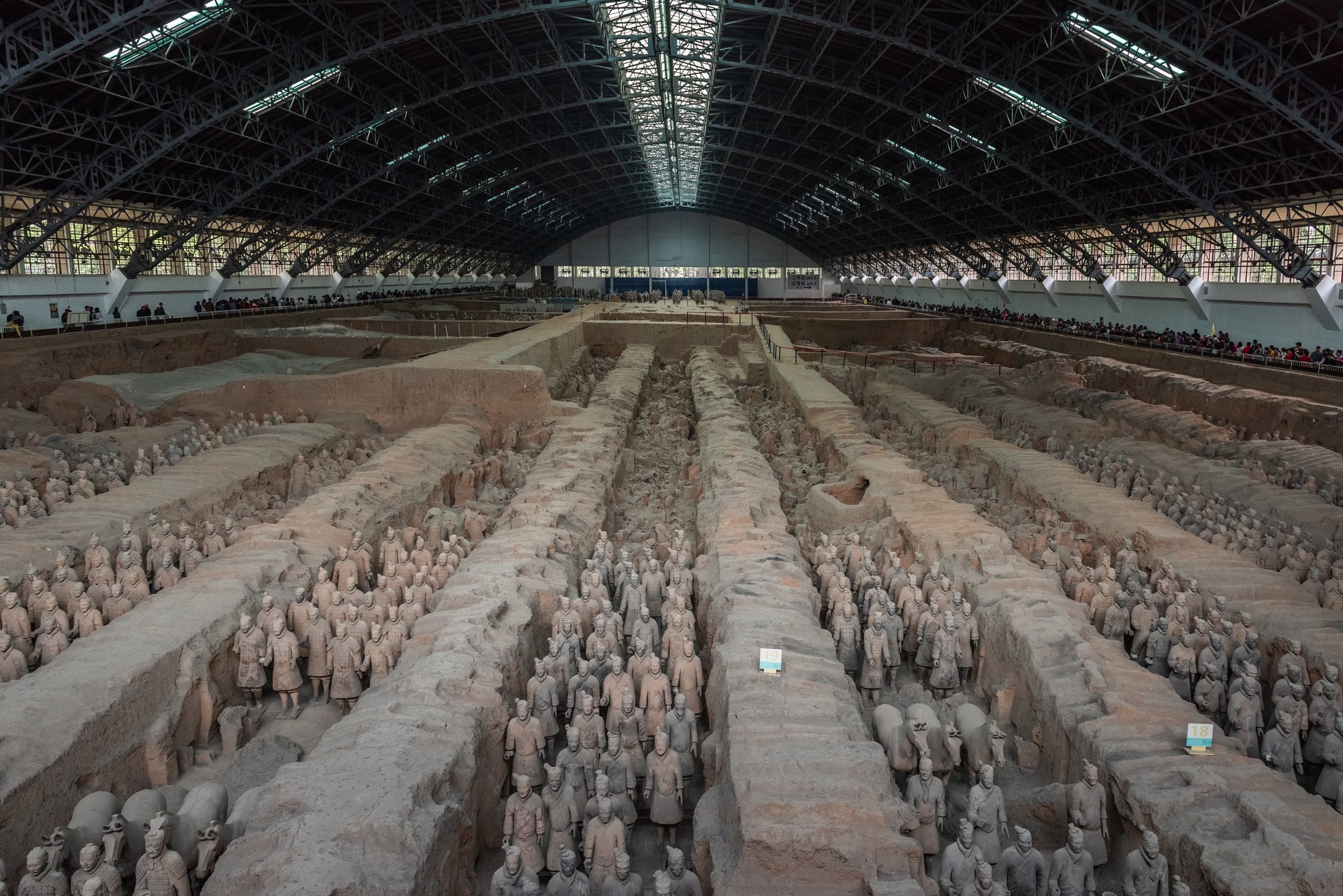
Emperor Qin Shi Huang’s tomb — guarded by thousands of individually crafted terracotta soldiers — showcased Chinese beliefs about maintaining imperial power beyond death. Every warrior received unique features and details, reflecting meticulous craftsmanship and military reverence.
This colossal project demonstrated how ancient Chinese society regarded their emperor as divinely appointed, with authority transcending mortal boundaries.
Tibetan Sky Burials
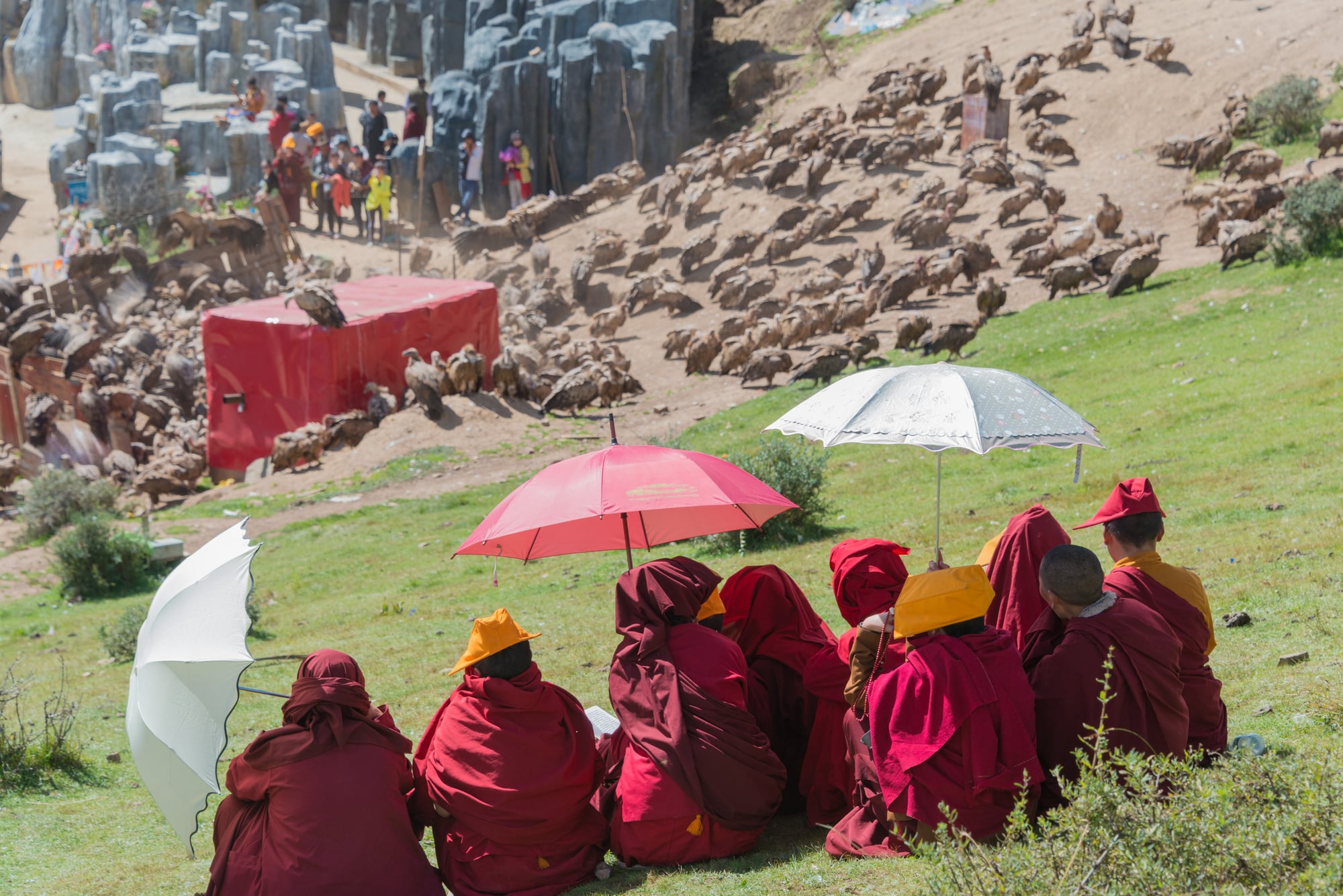
Leaving bodies on mountaintops for vultures reflects Tibetan Buddhist philosophy about physical impermanence and life’s cyclical nature. This practice shows deep environmental respect while addressing practical concerns — traditional burial often proved impossible in harsh mountain terrain.
Geography and spirituality merged here, creating death rituals that honored both religious beliefs and natural limitations.
Roman Cremation Roads

Romans constructed elaborate roadways lined with tombs and cremation sites beyond city limits — essentially creating parallel communities for the dead. These necropoli maintained social hierarchies through monument grandeur, with elaborate structures reflecting the deceased’s living status.
The approach revealed Roman dedication to public memory and lasting legacy, even extending civic organization into death.
Polynesian Platform Burials
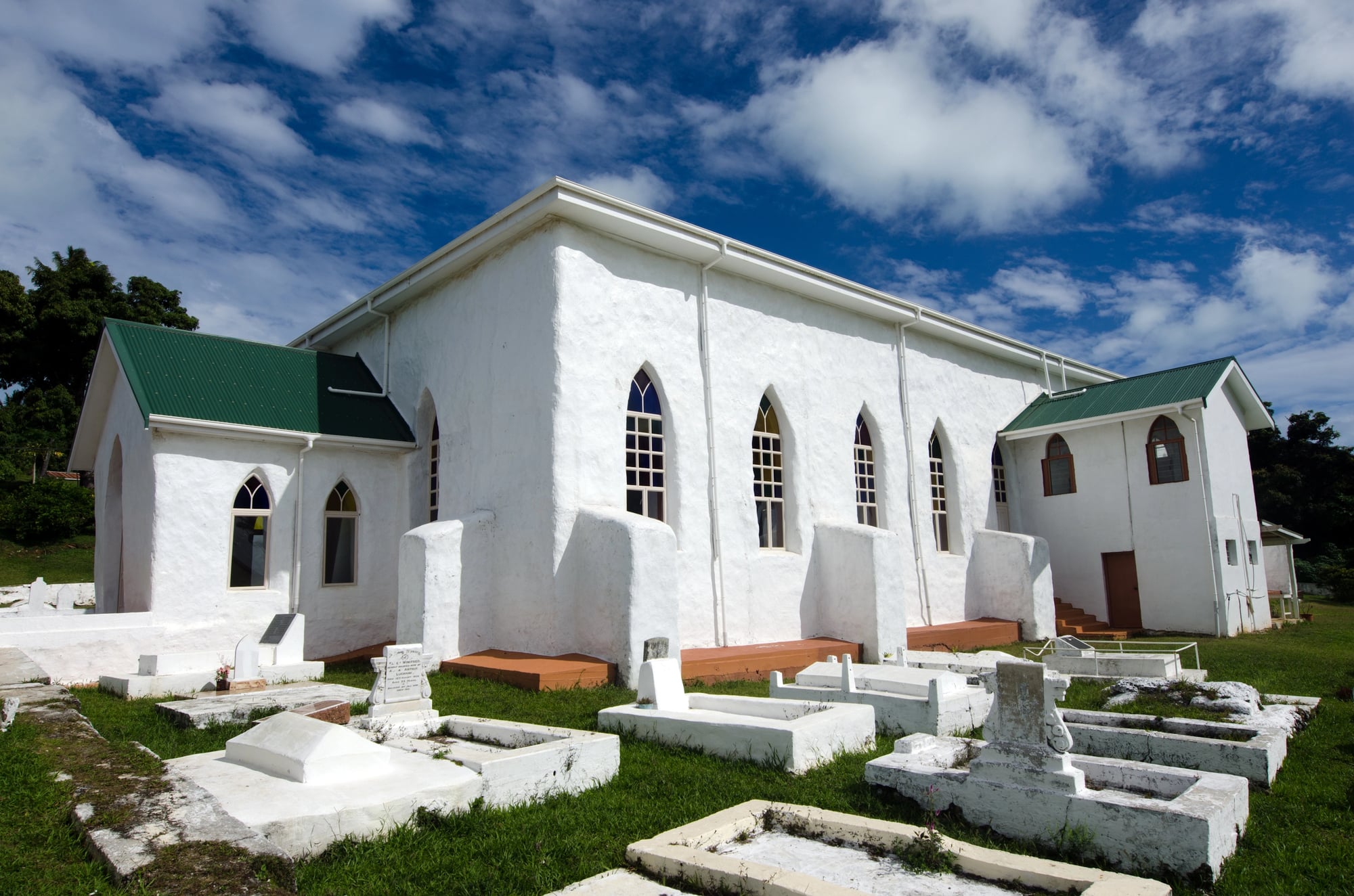
Pacific Island cultures built stone platforms called marae for their dead, accompanied by ceremonies and offerings that became community focal points. These sacred spaces hosted regular gatherings and ancestor worship, treating death as transformation rather than termination.
Polynesian emphasis on community continuity and ancestral respect shaped practices that kept the dead actively involved in tribal life.
Native American Scaffold Burials

Plains tribes elevated their dead on wooden platforms — bringing them closer to the spirit world while protecting bodies from ground predators. This method balanced spiritual beliefs with environmental practicality, working alongside natural processes rather than against them.
Indigenous cultures often merged practical needs with sacred obligations, creating death rituals that respected both spiritual requirements and ecological realities.
Japanese Buddhist Cremation

Buddhism’s influence introduced cremation to Japan, reflecting cultural acceptance of impermanence and earthly detachment. The practice became so embedded that it’s now used in over 99% of Japanese funerals, showing how foreign concepts can become fundamentally local.
Japan’s ability to adopt and integrate new ideas while preserving cultural identity appears clearly in this transformation.
Scythian Kurgan Burials

These steppe nomads buried elite members in massive earth mounds filled with gold, horses, and occasionally sacrificed servants — revealing values around wealth, mobility, and social hierarchy. Despite their nomadic lifestyle, Scythians created permanent monuments for important deaths.
The practice showed how mobile cultures could still invest in lasting memorials when honoring their most valued members.
Celtic Bog Bodies

Peat bog preservation, sometimes involving ritual sacrifice, revealed Celtic beliefs about sacred landscapes and natural element power. These burials often showed ritualistic treatment — suggesting the deceased served as offerings to bog spirits or deities.
Celts viewed certain natural locations as spiritual gateways, places where the living world touched the realm of spirits and gods.
Zoroastrian Sky Exposure

Zoroastrians place their dead on Towers of Silence for bird consumption, reflecting beliefs that earth, fire, and water are too sacred for death contamination. This practice demonstrates profound respect for natural elements alongside the belief that bodies merely house souls temporarily.
Religious purity laws shaped funeral practices in ways that prioritized spiritual cleanliness over conventional burial methods.
Inca Mummy Bundles

The Inca preserved dead relatives in seated positions wrapped in fine textiles, creating mummy bundles treated as living ancestors participating in ceremonies. These preserved family members were consulted for major decisions and brought out during festivals.
Death represented a status change rather than an ending, with ancestors maintaining active roles in community life and decision-making processes.
European Charnel Houses
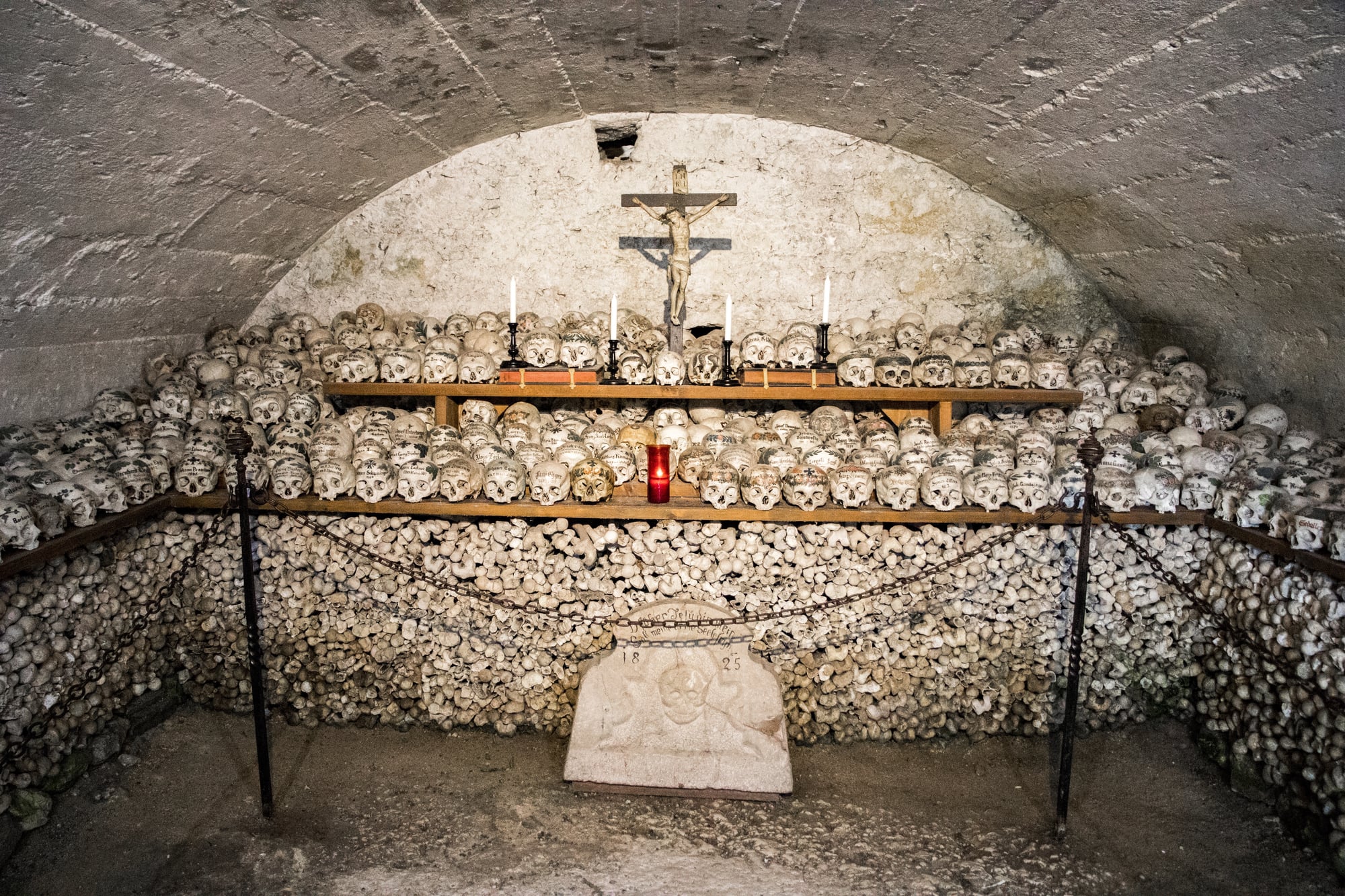
Medieval Europeans created elaborate bone displays in church crypts and ossuaries, transforming death into artistic expression and religious meditation. These bone churches served as mortality reminders while demonstrating Christian beliefs in resurrection and eternal life.
Medieval society used death as both teaching tool and spiritual reflection source, turning human remains into contemplative art.
Maasai Exposure Burials
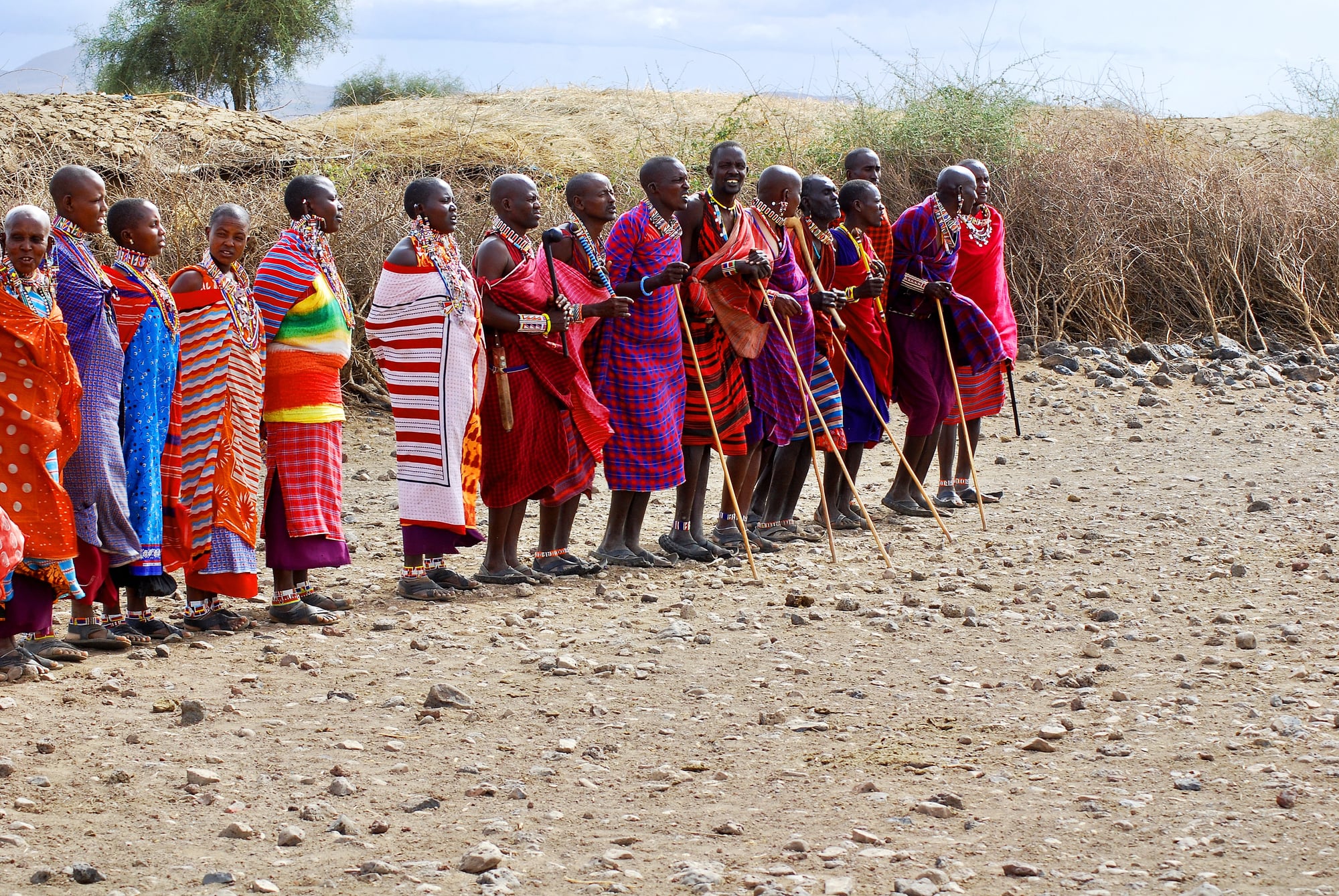
The Maasai traditionally left their dead exposed to elements, believing earth burial would contaminate soil needed for cattle. This practice reflects their deep pastoralist connections and beliefs that land must remain pure for the living.
Economic needs and spiritual beliefs aligned here, creating death rituals that prioritized community survival over individual commemoration.
Australian Aboriginal Smoke Ceremonies

Aboriginal Australians developed complex smoke ceremonies helping spirits reach the Dreamtime, involving entire communities in elaborate rituals lasting multiple days. These practices showed beliefs in life’s interconnectedness and proper spiritual transition importance.
Indigenous cultures treated death as community responsibility rather than private family matter, requiring collective participation for successful completion.
Mexican Day of the Dead Traditions

Mexican Día de los Muertos celebrations treat death as life’s natural part deserving honor rather than fear, with families creating elaborate altars and sharing meals with deceased relatives. Pre-Columbian death beliefs merged with Catholic traditions, creating something entirely unique.
The celebration shows how cultures can transform grief into joy while maintaining connections that transcend death’s boundary.
Balinese Ngaben Cremation
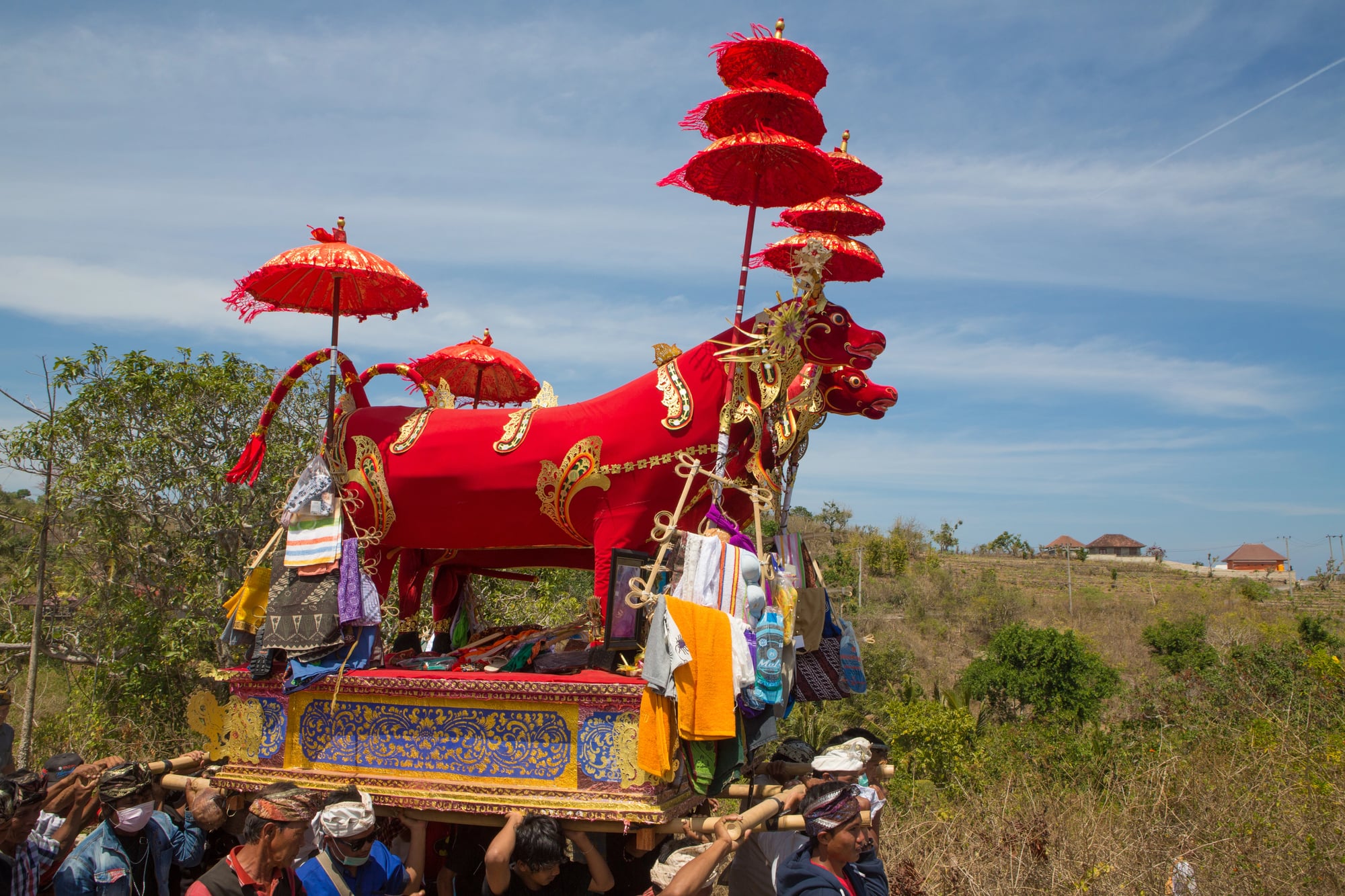
Balinese Hindu cremation ceremonies are elaborate community events that can cost families everything they own, reflecting beliefs that proper death rituals are essential for soul liberation. These ceremonies often involve entire villages and may be delayed for years until families can afford appropriate send-offs.
Some cultures prioritize spiritual obligations over economic concerns, viewing proper death rituals as non-negotiable requirements.
Ethiopian Rock-Hewn Churches
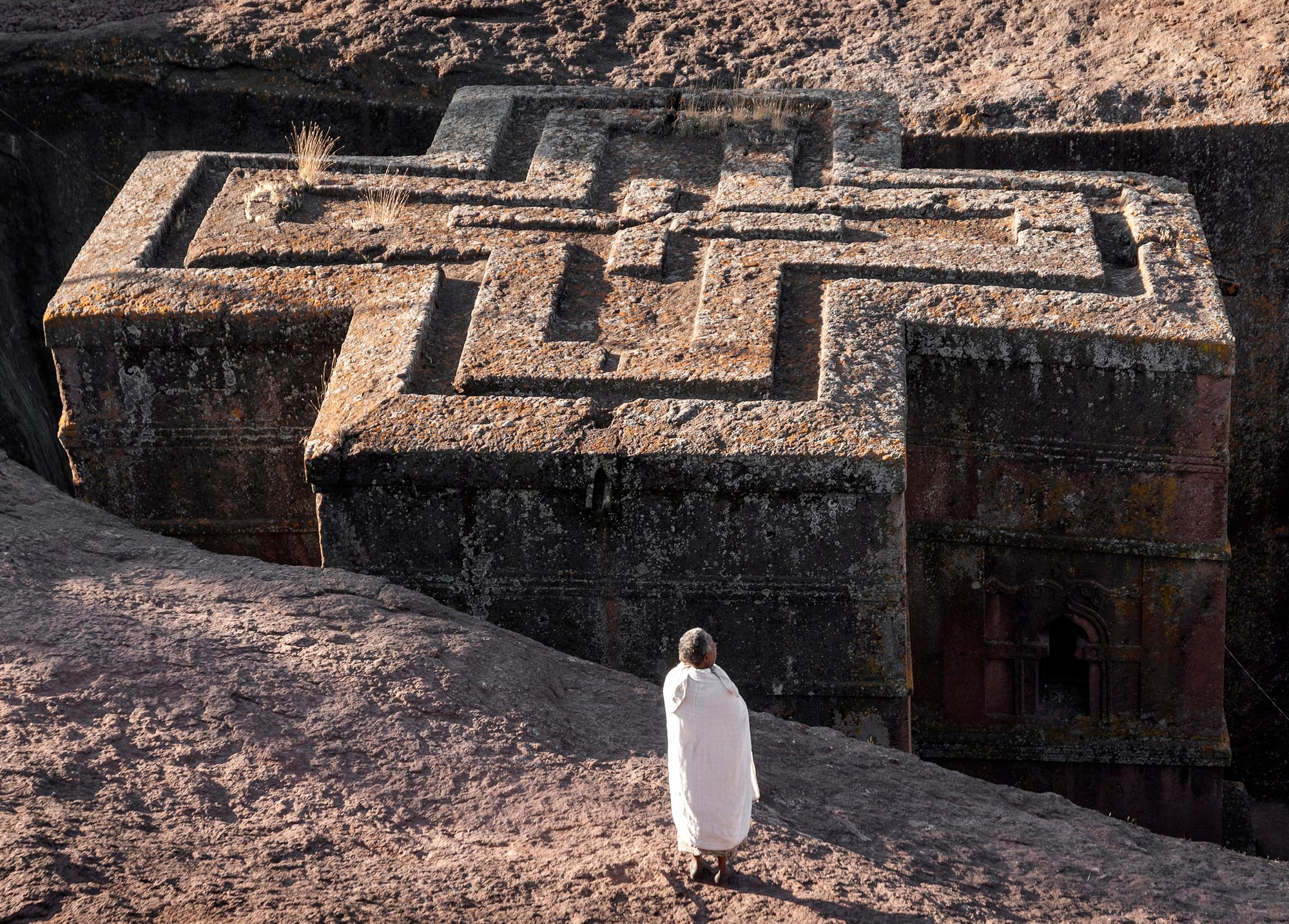
Ethiopia’s elaborate churches carved into rock faces, often serving as burial sites, demonstrate Christian beliefs about permanence and death’s sacred nature. These incredible structures required generations to complete, showing long-term cultural thinking and spiritual dedication.
Architectural ambition combined with religious devotion created lasting monuments that served both practical and symbolic purposes.
Sardinian Giant Tombs
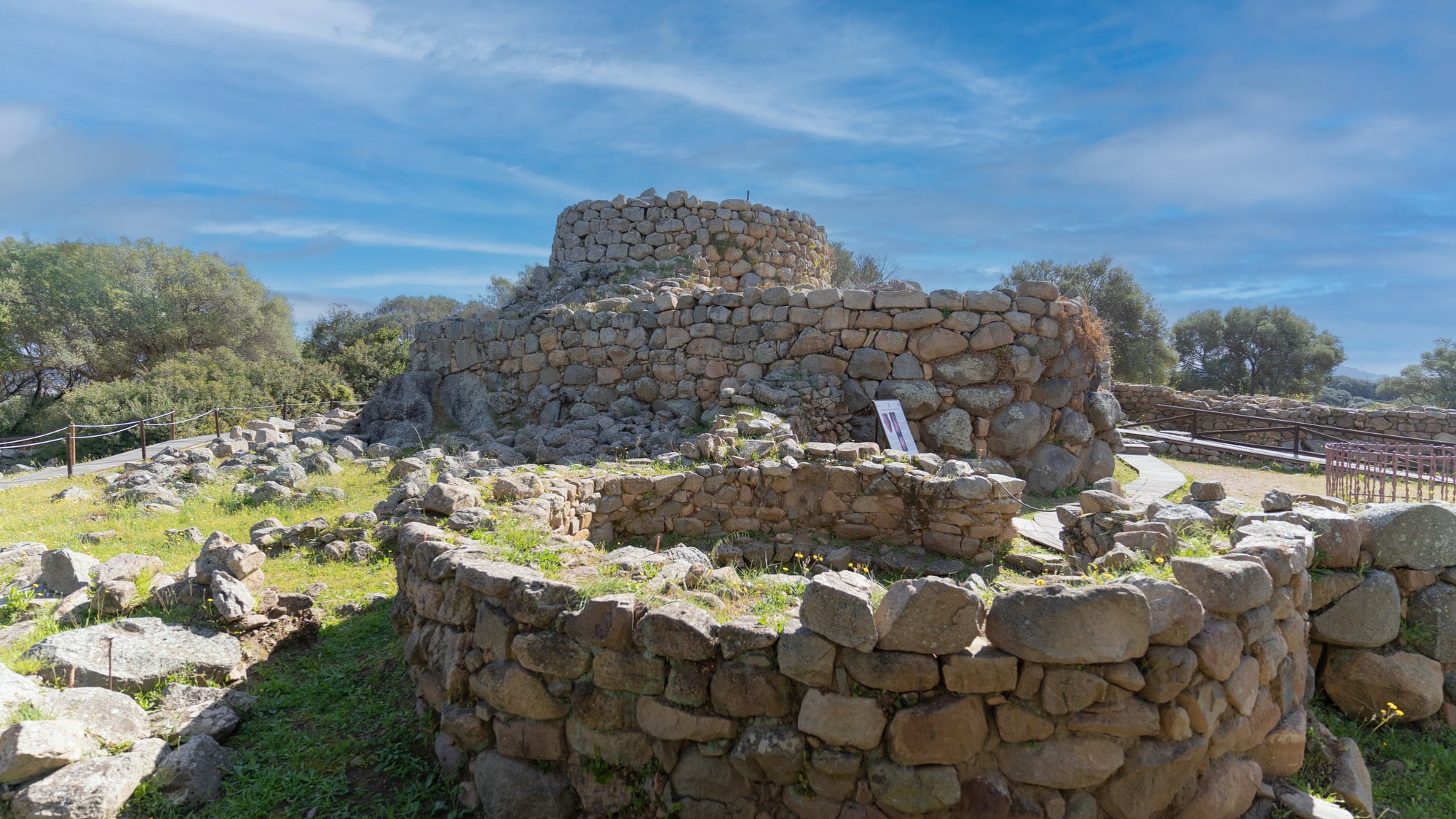
Prehistoric Sardinians built massive stone tombs housing entire communities, reflecting beliefs in collective afterlife and maintaining social bonds beyond death. These structures required enormous communal construction efforts, showing how death rituals could strengthen community ties among the living.
Funeral architecture served dual purposes as practical burial space and cultural unity symbol.
Death as Cultural Mirror

These varied burial practices show us that death treatment reveals everything about life perspectives, community values, and meaning-making. Modern Western society often sanitizes or conceals death, yet these historical examples demonstrate that many cultures embraced it as natural transition deserving elaborate attention and respect.
Each practice reflects not just afterlife beliefs but fundamental values about family, community, nature, and what makes existence worthwhile. How we honor our dead ultimately reveals what we believe makes life worth living.
More from Go2Tutors!

- The Romanov Crown Jewels and Their Tragic Fate
- 13 Historical Mysteries That Science Still Can’t Solve
- Famous Hoaxes That Fooled the World for Years
- 15 Child Stars with Tragic Adult Lives
- 16 Famous Jewelry Pieces in History
Like Go2Tutors’s content? Follow us on MSN.



