19 Fashion Trends That Started in Movies
Hollywood has always been more than just entertainment—it’s been a powerful fashion laboratory where costume designers accidentally create the next big trends. When audiences fall in love with a character, they often want to dress like them too. What starts as a wardrobe choice for a fictional character can suddenly appear in store windows across the country within months of a film’s release.
The most successful movie-inspired trends feel effortless and authentic, making viewers believe they could easily incorporate these looks into their own lives. Here is a list of 19 fashion trends that jumped from the silver screen straight into everyday wardrobes.
Ray-Ban Wayfarers from Risky Business
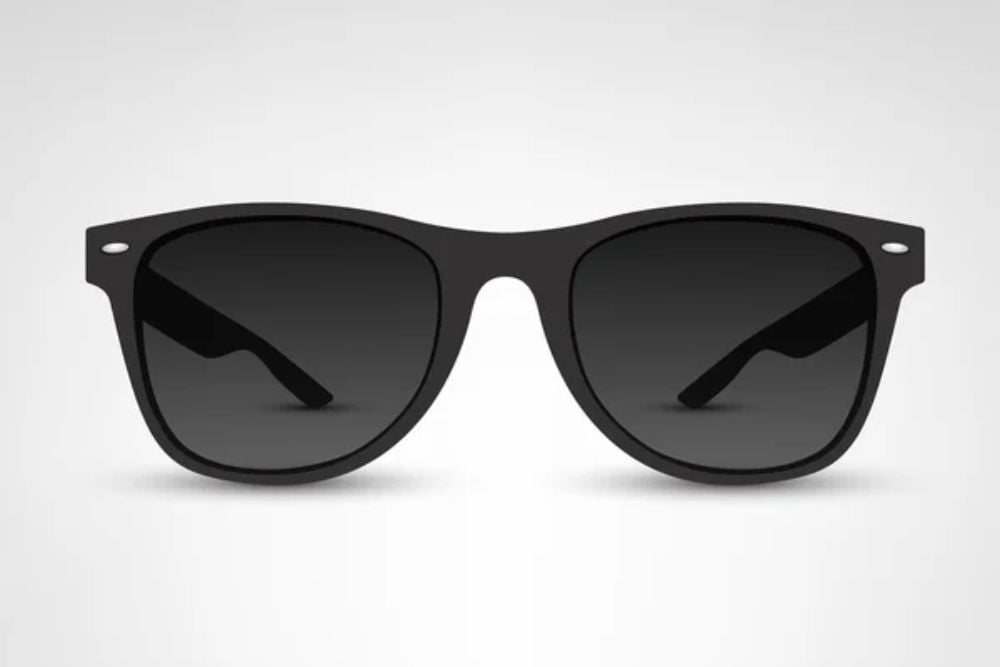
Tom Cruise sliding across the floor in his underwear while wearing Ray-Ban Wayfarers turned a declining eyewear style into an instant classic. The 1983 film single-handedly saved the Wayfarer from discontinuation, with sales jumping 50% the year after the movie’s release.
Those black-framed sunglasses became the ultimate symbol of cool confidence that countless people wanted to capture.
Annie Hall’s Menswear-Inspired Look
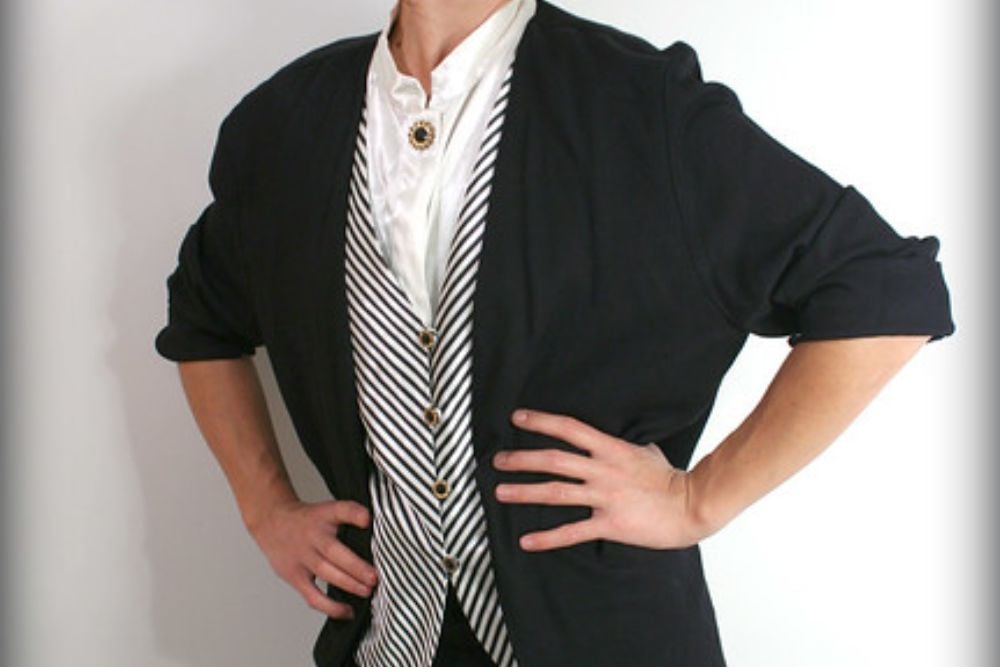
Diane Keaton’s character transformed how women approached professional and casual dressing by mixing traditionally masculine pieces with feminine touches. Oversized blazers, wide-leg trousers, and vests became acceptable women’s wear almost overnight after the 1977 film premiered.
The androgynous aesthetic that felt revolutionary on screen quickly became a staple in women’s fashion that continues today.
Like Go2Tutors’s content? Follow us on MSN.
Top Gun Aviator Jackets
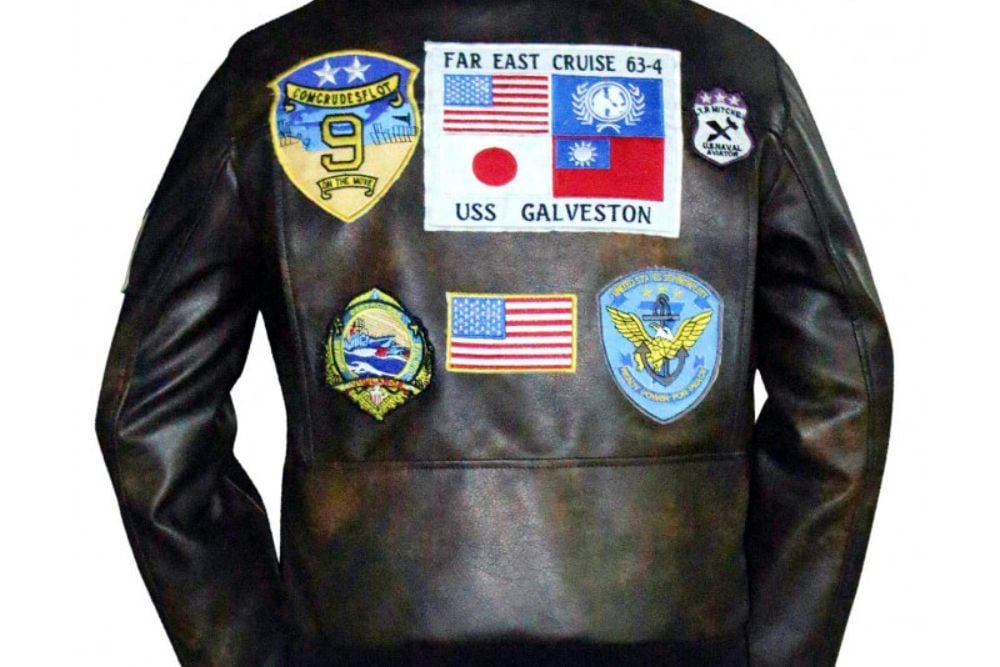
The brown leather bomber jacket Tom Cruise wore as Maverick became an instant must-have item that defined 1980s masculine style. Military surplus stores couldn’t keep aviator jackets in stock as men everywhere wanted to channel that fighter pilot attitude.
The trend expanded beyond leather to include various bomber-style jackets that remain popular decades later.
Pretty Woman’s Thigh-High Boots

Julia Roberts strutting down Rodeo Drive in thigh-high boots created a fashion moment that redefined how these once-controversial shoes could be worn. The 1990 film made the boots seem glamorous and empowering rather than purely provocative.
Women began incorporating thigh-highs into their wardrobes, pairing them with everything from mini dresses to oversized sweaters.
The Matrix’s Long Black Coats

Keanu Reeves and the cast of The Matrix made floor-length black coats an essential part of the late 1990s gothic and alternative fashion scene. The flowing trench coats suggested both mystery and power, appealing to people who wanted to project an air of dangerous sophistication.
Fashion retailers quickly created more affordable versions of these dramatic outerwear pieces.
Like Go2Tutors’s content? Follow us on MSN.
Clueless Plaid and Preppy Style

Alicia Silverstone’s character Cher popularized the preppy Beverly Hills aesthetic with her coordinated plaid outfits and knee-high socks. The 1995 film brought back argyle patterns, pleated skirts, and blazers in a way that felt fresh rather than dated.
Teenage girls everywhere began experimenting with mix-and-match plaids and preppy accessories.
Grease’s Leather and Denim

John Travolta’s Danny Zuko made the greaser look appealing to a whole new generation with his slicked-back hair and leather jacket combination. The 1978 musical brought 1950s style back into mainstream fashion, complete with high-waisted jeans and fitted t-shirts.
The rebellious leather jacket became a wardrobe staple that transcended age and gender boundaries.
Breakfast at Tiffany’s Little Black Dress
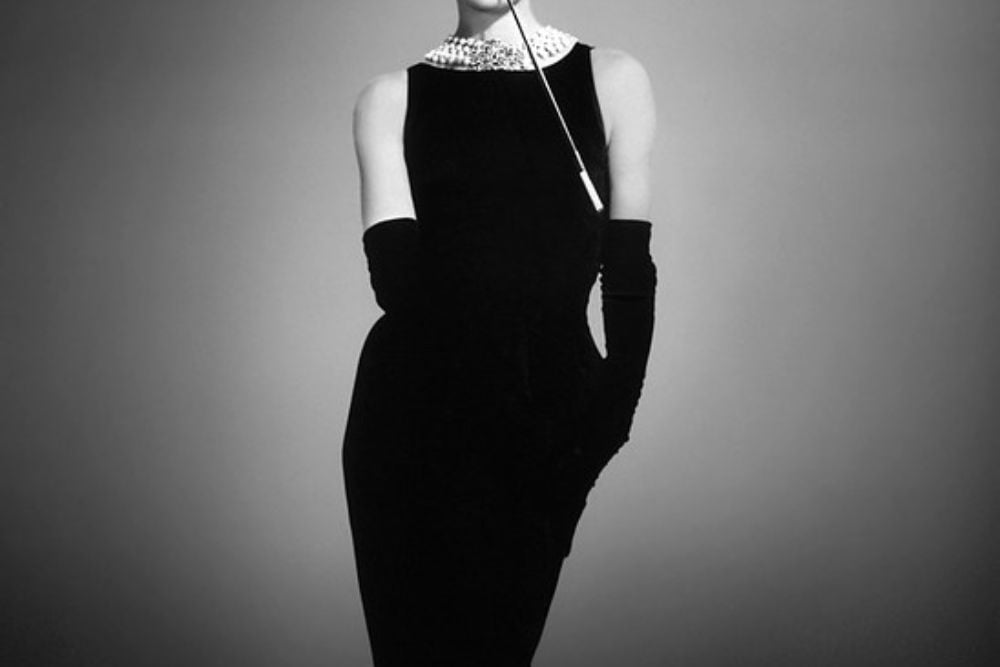
Audrey Hepburn’s elegant black Givenchy dress established the little black dress as an essential piece in every woman’s wardrobe. The 1961 film demonstrated how one perfect dress could be both sophisticated and timeless.
Women began seeking out their versions of that effortless elegance that Hepburn embodied so perfectly.
Like Go2Tutors’s content? Follow us on MSN.
Saturday Night Fever’s Disco Style

John Travolta’s Tony Manero introduced mainstream America to disco fashion with his wide-lapeled shirts and fitted pants. The 1977 film popularized the polyester suit, platform shoes, and open-collar shirts that defined late 1970s nightlife style.
Men who had never set foot in a disco began adopting elements of this flashy, confident aesthetic.
Dirty Dancing’s Off-Shoulder Tops

Jennifer Grey’s character popularized the off-shoulder top that became synonymous with 1980s casual style. The 1987 film showed how this simple style could be both comfortable and flirtatious.
Women began seeking out tops that offered that same effortless, slightly undone look that worked for both dancing and everyday wear.
Ghost’s Pottery Scene Fashion

Demi Moore’s simple tank tops and flowing skirts in Ghost created a minimalist aesthetic that influenced early 1990s fashion. The 1990 film demonstrated how understated pieces could be incredibly romantic and appealing.
Women gravitated toward this pared-down style that emphasized natural beauty over elaborate clothing.
Like Go2Tutors’s content? Follow us on MSN.
Flashdance’s Ripped Sweatshirts

Jennifer Beals accidentally created a trend when her character’s sweatshirt was cut to reveal one shoulder during dance scenes. The 1983 film sparked a craze for deliberately distressed and modified clothing that suggested both athleticism and rebellion.
Young people began customizing their sweatshirts to achieve that same edgy, artistic look.
Indiana Jones’s Fedora and Leather Jacket

Harrison Ford’s adventurous archaeologist made the fedora and brown leather jacket combination an enduring symbol of rugged masculinity. The hat in particular experienced a massive revival as men sought to capture some of that swashbuckling confidence.
Vintage-style fedoras became acceptable everyday wear rather than formal accessories.
Pulp Fiction’s Casual Cool

John Travolta and Samuel L. Jackson’s characters popularized the black suit with a casual shirt combination that became a staple of 1990s men’s fashion. The 1994 film showed how formal pieces could be worn in relaxed, unconventional ways.
Men began experimenting with mixing dress clothes and casual elements to achieve that same effortless cool.
Like Go2Tutors’s content? Follow us on MSN.
Basic Instinct’s Power Dressing

Sharon Stone’s character embodied the ultimate power-dressing aesthetic with sharp blazers, short skirts, and confident accessories. The 1992 film reinforced the idea that clothing could be a form of psychological armor in professional settings.
Women embraced this assertive style that projected strength and control in corporate environments.
Blade Runner’s Futuristic Street Style
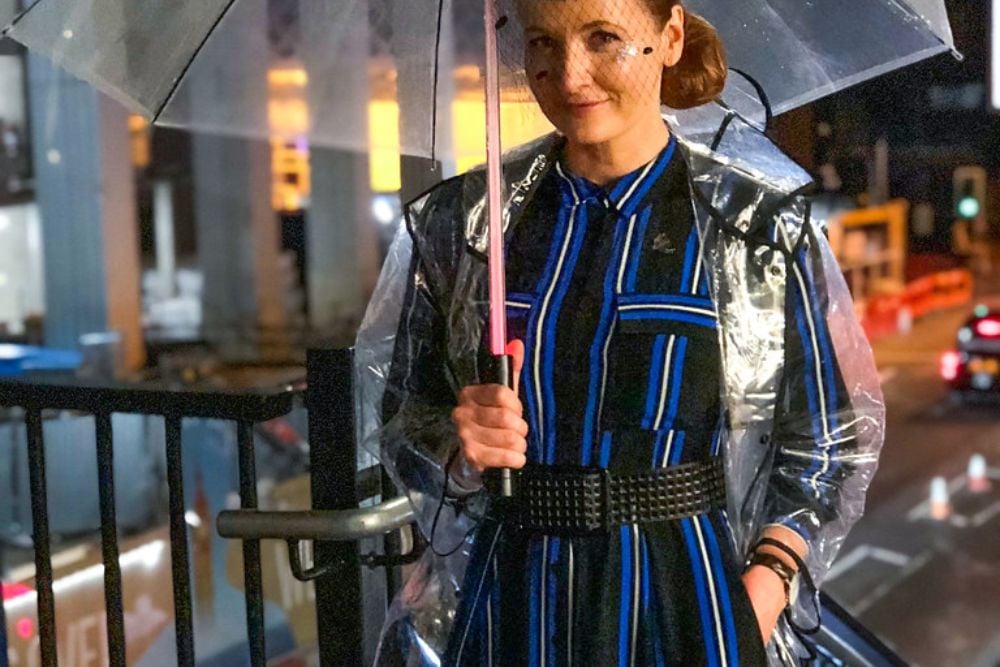
The film’s blend of punk, industrial, and high-tech fashion elements influenced alternative fashion movements throughout the 1980s and beyond. Designers began incorporating metallic fabrics, unusual textures, and geometric shapes inspired by the movie’s dystopian aesthetic.
The film proved that science fiction could be a legitimate source of fashion inspiration.
Wall Street’s Power Suits
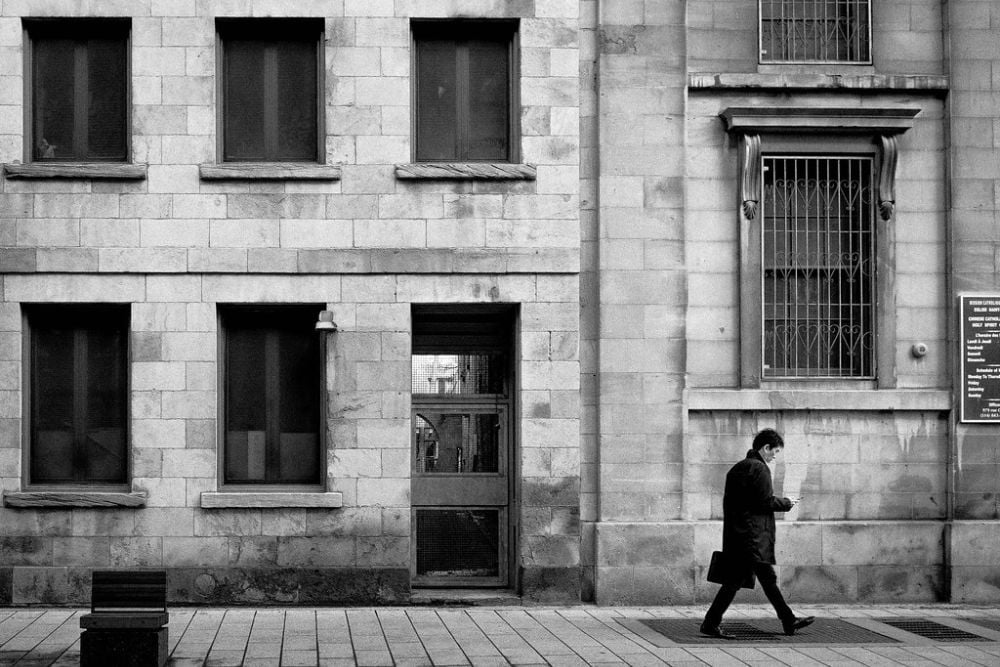
Michael Douglas’s Gordon Gekko popularized the broad-shouldered, pinstriped power suit that defined 1980s business fashion. The 1987 film made these exaggerated silhouettes seem essential for anyone seeking financial success.
Both men and women began adopting elements of this aggressive, wealth-projecting style.
Like Go2Tutors’s content? Follow us on MSN.
Sixteen Candles’s Preppy Casual
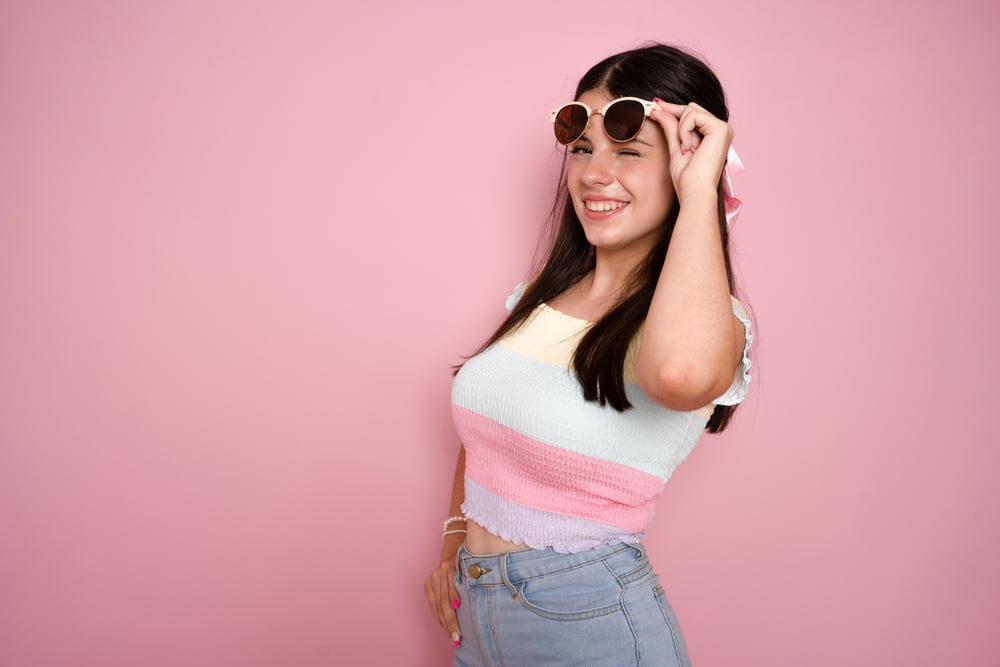
Molly Ringwald’s character helped define the preppy-casual look that became standard for American teenagers in the 1980s. The 1984 film showcased how traditional preppy elements could be mixed with more relaxed pieces.
Students everywhere began incorporating button-down shirts, cardigans, and khakis into their everyday wardrobes.
The Devil Wears Prada’s High Fashion
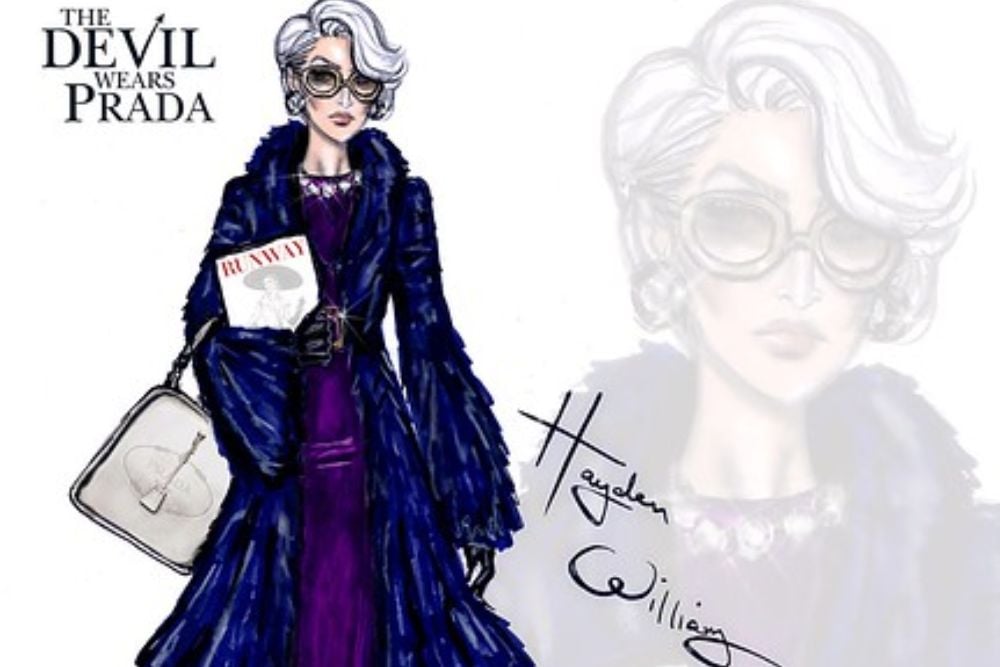
Meryl Streep’s Miranda Priestly brought high fashion terminology and aesthetics to mainstream audiences, influencing how people thought about designer clothing. The 2006 film made fashion magazines and luxury brands seem more accessible and relevant to everyday consumers.
People began paying more attention to fashion details and designer names.
When Fiction Becomes Reality
These movie-inspired trends prove that fashion often needs a compelling story to capture the public’s imagination. Characters who embody confidence, rebellion, or aspiration can influence clothing choices far more effectively than traditional advertising campaigns.
Understanding how cinema shapes fashion helps explain why certain styles feel instantly familiar and desirable. The next time a movie character’s outfit catches your attention, remember that you might be witnessing the birth of the next major fashion trend.
Like Go2Tutors’s content? Follow us on MSN.
More from Go2Tutors!

- 16 Restaurant Chains That Went Too Fast
- 12 Things Sold in the 80s That Are Now Illegal
- 15 Strange Things People Have Tried to Ban (And Failed)
- 16 Collectibles People Tossed Out Too Soon
- 17 Myths from Your Childhood That Were Actually Based on Real Things
Like Go2Tutors’s content? Follow us on MSN.