19 Largest Private Islands Off the US Coast
Waves kiss a shoreline that snakes across continents, hugging saltwater on two sides. Hidden among tidal curves are pockets of earth few ever walk upon.
Not just remote but stitched into wild tides, each holds quiet forests, open skies, wherever imagination finds room to stretch. Peering into the largest privately owned islands scattered across U.S. coastal waters reveals some striking sights.
Some rise quietly beneath wide skies while others hide behind thick tree lines near busy shores.
Drummond Island
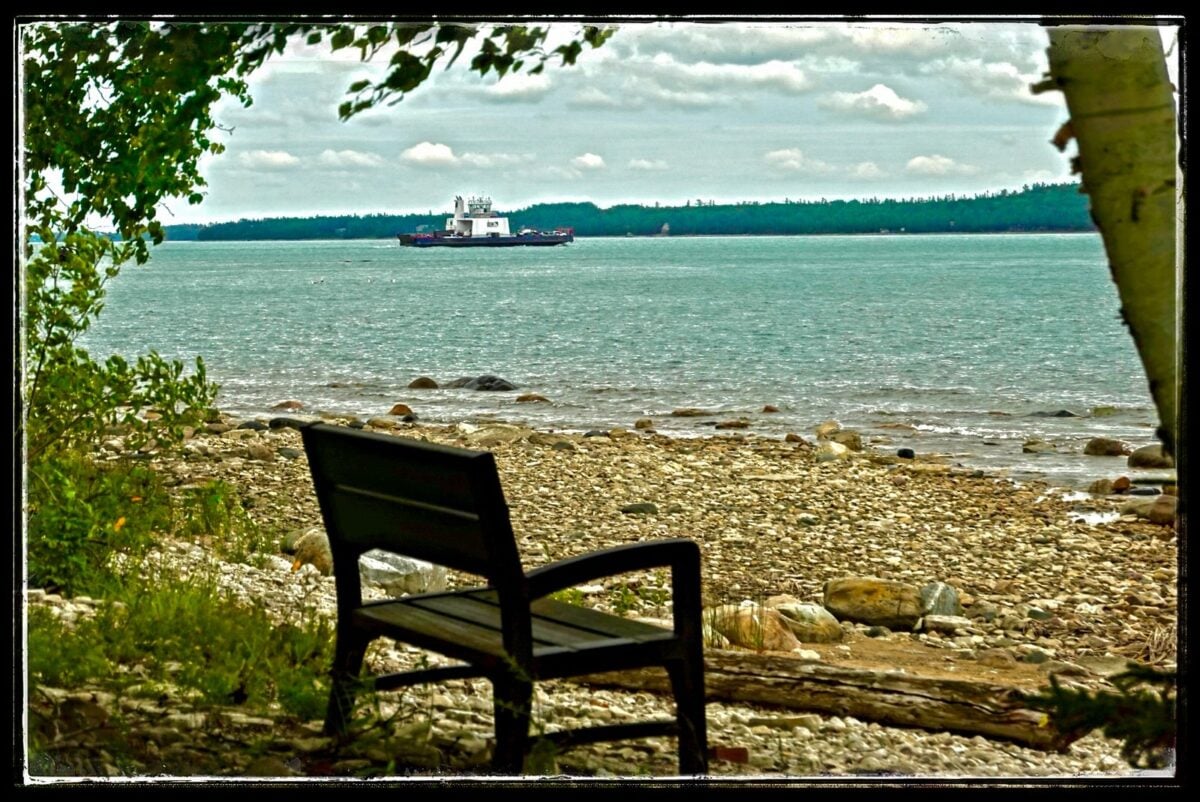
Drummond Island lies within Lake Huron in Michigan, covering about 136 square miles where wild land meets open water. South of the Canadian line, it holds thick woods, stony shores, along with birds, deer, and other creatures moving through.
Some areas belong to owners who keep them closed off, yet people still live there throughout every season. Winter locks much under ice, while summer turns everything lush and alive, pulling travelers in from nearby states without warning.
Long Island
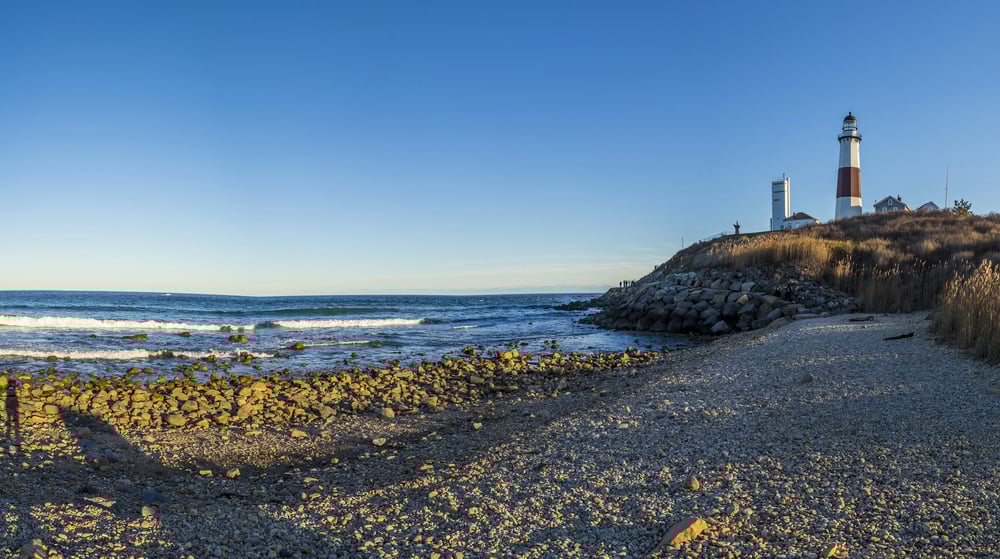
Away from the well-known Long Island in New York lies a vast Alaskan expanse spanning roughly 83 square miles. Located in the southeastern corner of the state, jagged peaks plunge into ocean waters here.
Dense woodlands cover nearly every inch of ground, while damp fog rolls through on many days. People rarely settle in this region, so wild forces shape life instead of towns or roads.
Cumberland Island
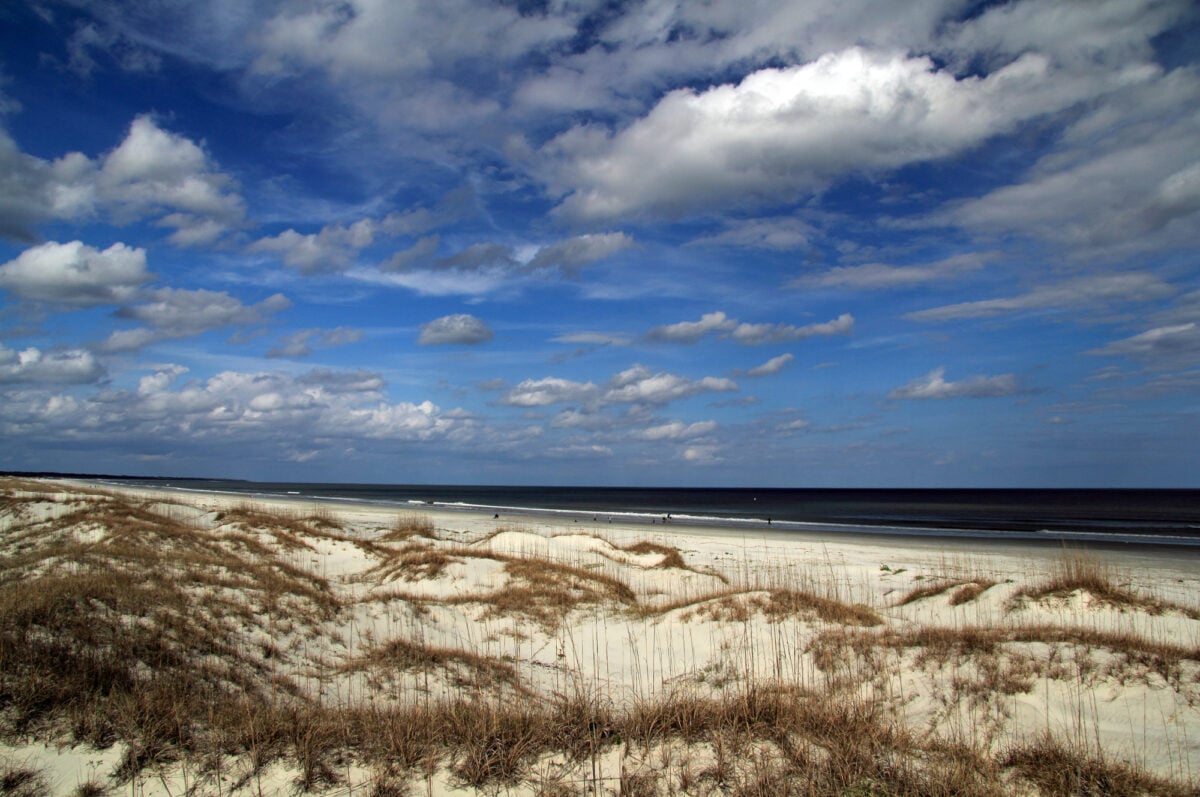
One mile at a time, Georgia’s Cumberland Island stretches out over about 36 square miles – often called one of the prettiest places along the eastern shoreline. From towering oaks, Spanish moss drapes low, swaying when the wind picks up.
Horses move without fences, crossing sandy shores like they’ve always belonged there. Crumbling homes stand where rich families once hosted lavish gatherings long ago.
Ownership began with the Carnegies, who shaped large estates now eaten by vines and salt air. Some plots stay closed off, held tight by heirs or history, yet wide stretches open to anyone willing to take the ferry.
Shelter Island
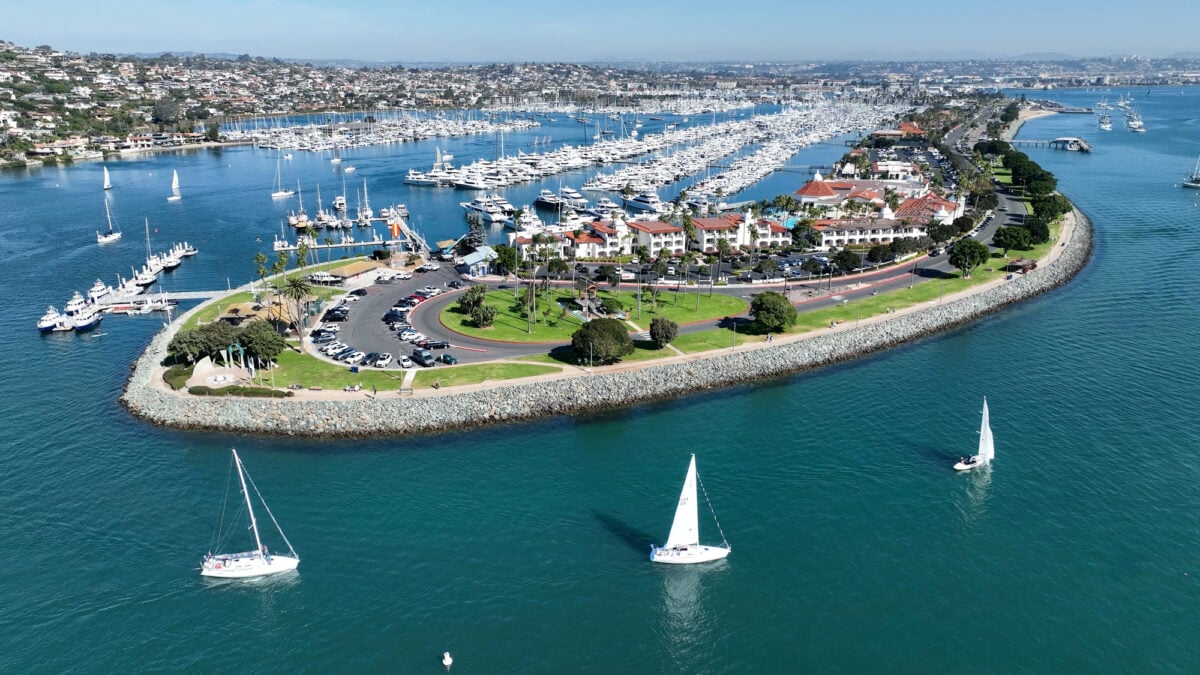
Halfway between Long Island’s twin peninsulas lies Shelter Island, twelve square miles of gentle slopes and calm coves. Though near the bustling Hamptons, it stays hushed, untouched by rush.
Summer houses first rose in the 1800s, drawn by wealthy visitors who still return each warm season. A brief trip on a boat is needed to arrive – this small barrier keeps most outsiders at bay.
That slow approach guards the ease locals hold dear.
Jekyll Island
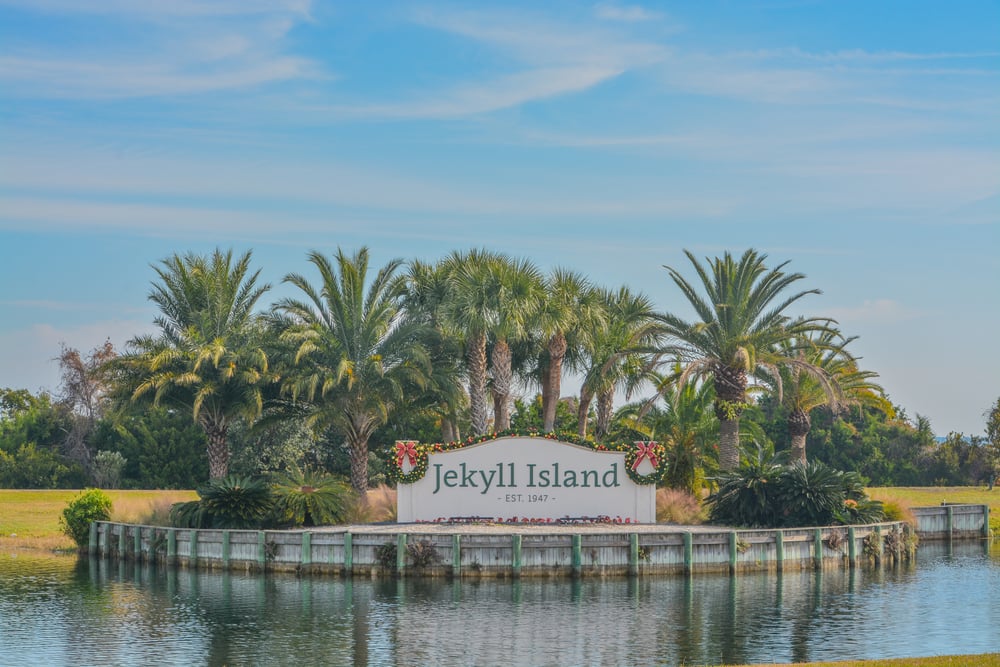
Spread across about nine square miles, this stretch of land off Georgia’s coast holds stories tucked into its marshes and live oaks. Back when carriages ruled the roads, fortunes shaped its shores – winter escapes drawn up by titans of industry.
Among them, names like Rockefeller and Vanderbilt settled in, crafting lavish homes where high society gathered each season. Their footprints lingered long after steam trains faded.
Much later, ownership shifted toward public hands under state care. Yet pockets of old property still stand apart, quiet echoes of times built on wealth and winter light.
Kiawah Island
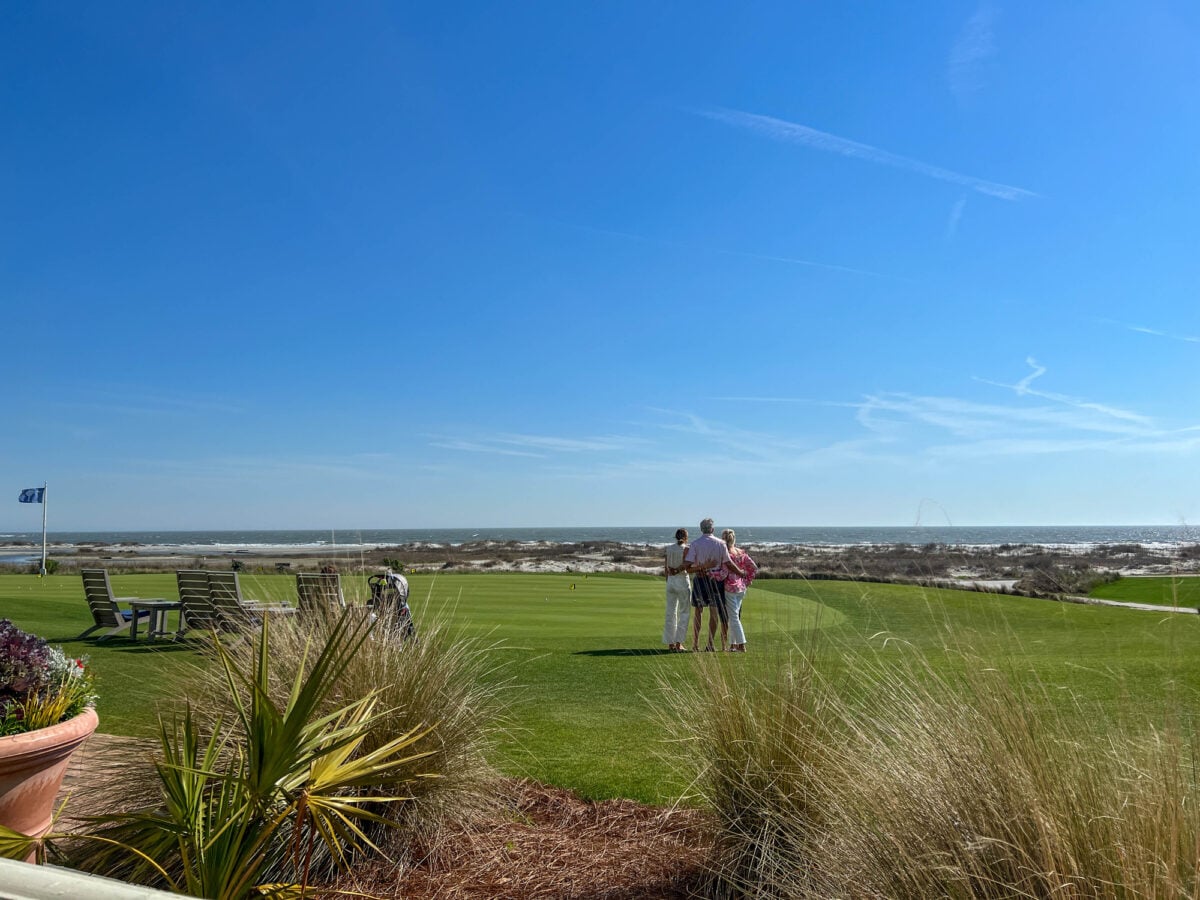
South Carolina’s Kiawah Island stretches across about 13 square miles of pristine coastline. The island gained fame for its world-class golf courses, but the natural environment deserves equal attention.
Maritime forests grow thick inland, while loggerhead turtles nest on the beaches each summer. Private homes and resorts occupy much of the developed areas, though conservation efforts have protected significant portions of the original habitat.
James Island
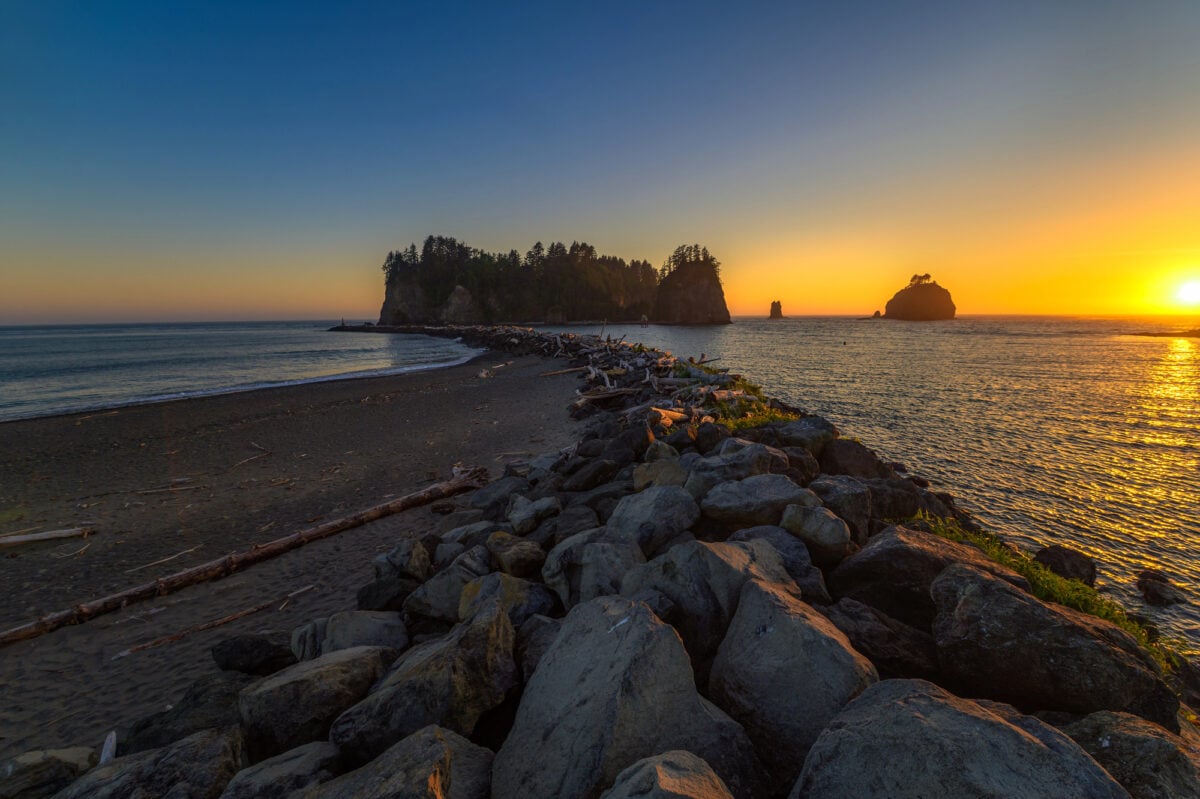
Positioned in Georgia’s coastal waters, James Island covers approximately 6 square miles of marshland and high ground. The island’s history stretches back to the plantation era, though those days have long since passed.
Today, private owners maintain the property, which features a mix of open fields, dense woods, and winding tidal creeks. The isolation here feels complete, with mainland civilization seeming like another world entirely.
Fisher Island
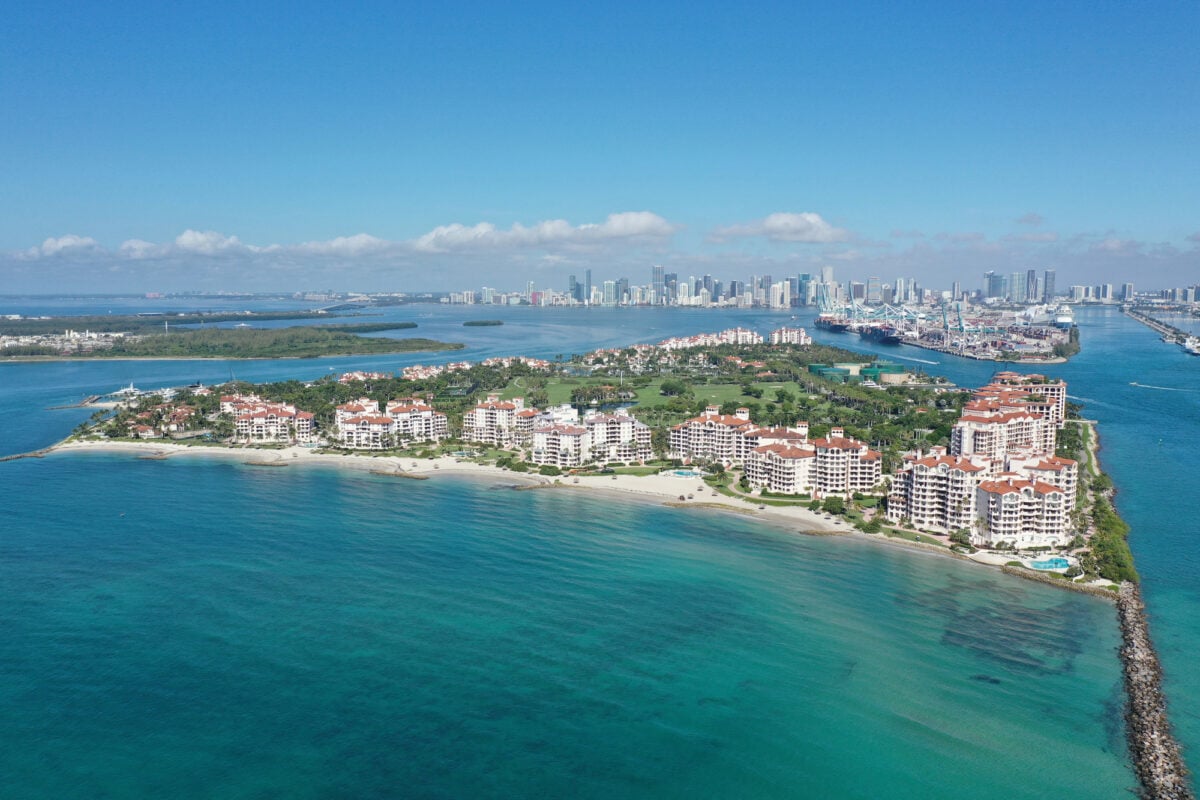
Just off the coast of Miami Beach, Fisher Island occupies only about one-third of a square mile, but it packs impressive wealth into that small space. The island ranks as one of the most expensive ZIP codes in America, accessible only by ferry or private boat.
Residents enjoy private beaches, golf courses, and marina facilities that cater to yachts of all sizes. The tropical climate and ocean views make this tiny island feel like a permanent vacation spot.
Allan Island
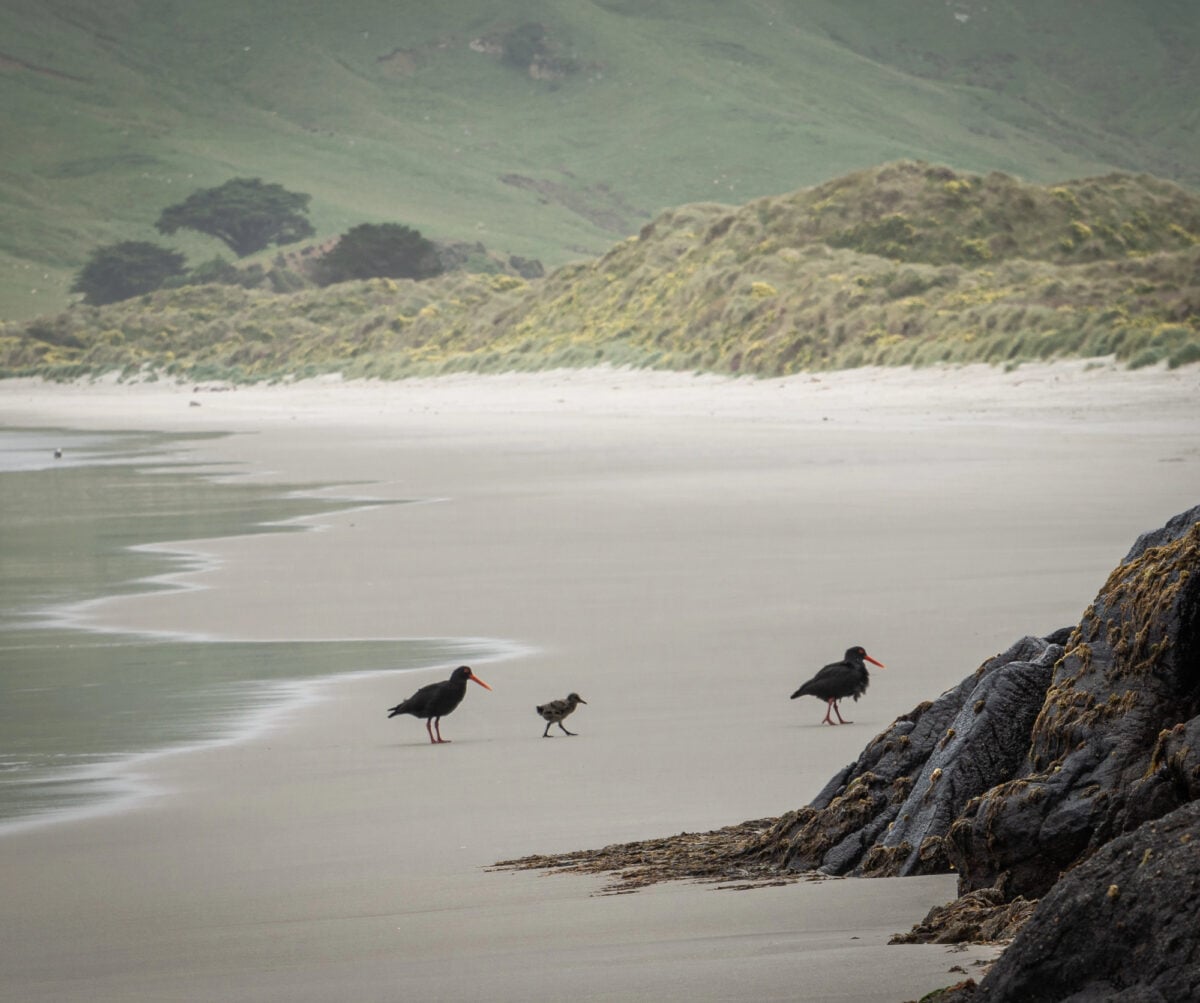
Washington State’s Allan Island sits in the San Juan archipelago, covering roughly 292 acres of forested land. The island features a protected harbor, several buildings, and enough seclusion to satisfy anyone seeking privacy.
One owner spent years developing the property, adding amenities while preserving the natural beauty that makes the Pacific Northwest so appealing. The cool, misty climate and evergreen forests create an atmosphere that feels both peaceful and slightly mysterious.
Palmetto Bluff
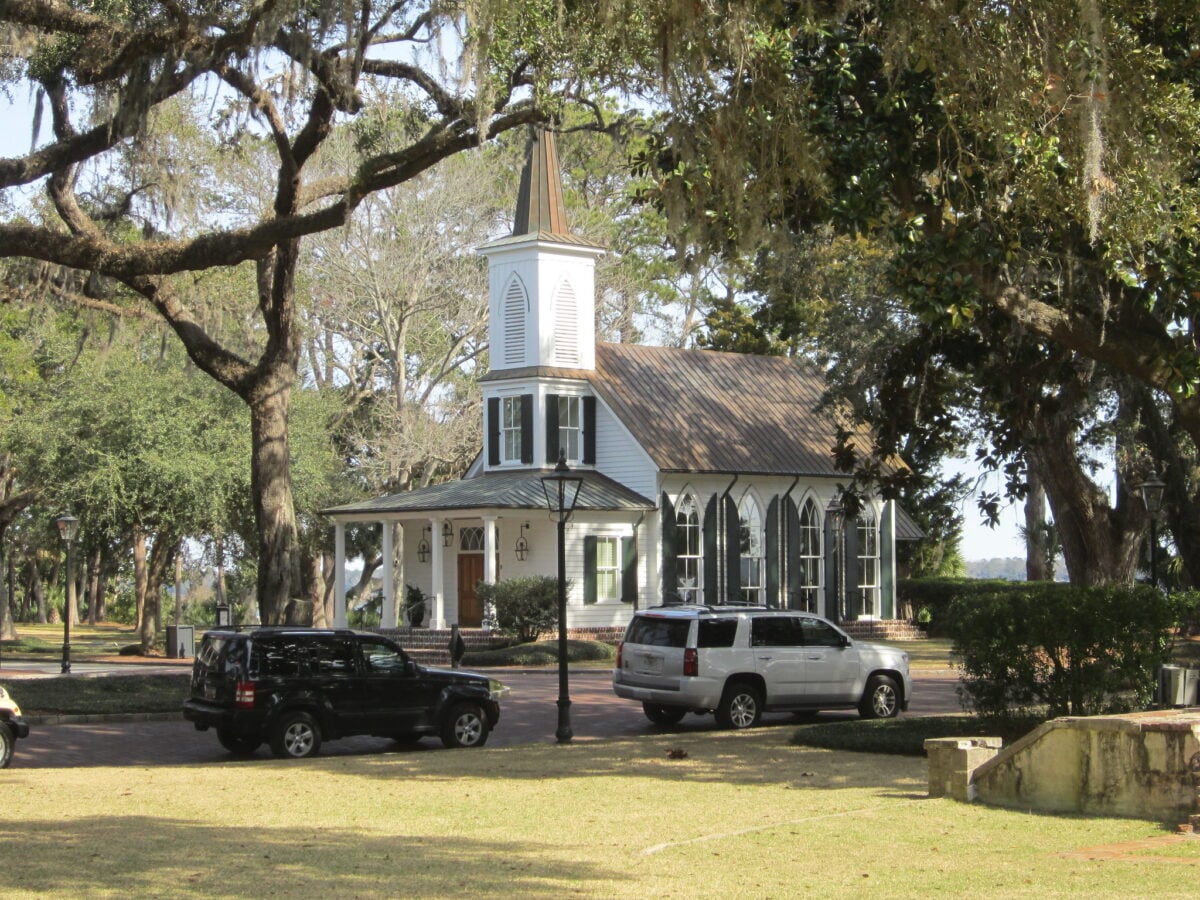
Though technically a peninsula in South Carolina, Palmetto Bluff functions like a private island thanks to its geographic isolation. The property spans about 20,000 acres of lowcountry landscape, including salt marshes, oak forests, and riverfront views.
Developers have created a planned community here that balances modern luxury with environmental preservation. The Spanish moss, ancient trees, and slow-moving rivers give the place a timeless quality that urban areas simply cannot match.
Fripp Island
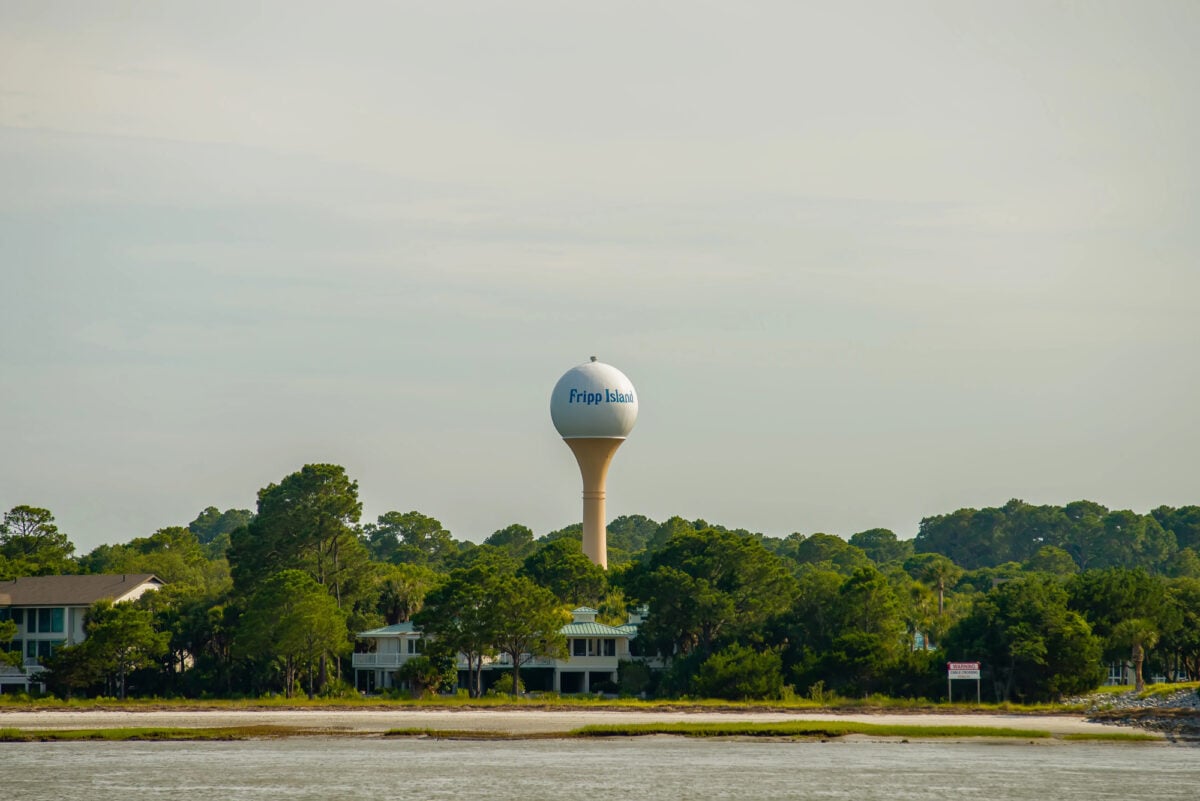
Another South Carolina gem, Fripp Island covers about 3,000 acres of barrier island real estate. The island sits at the southernmost tip of the Sea Islands chain, where the Atlantic Ocean meets the coastal marshes.
Private homes share the space with two golf courses, and the beaches here rank among the most pristine in the region. Alligators occasionally wander through the golf courses, reminding residents that they share this land with creatures who were here first.
Caladesi Island
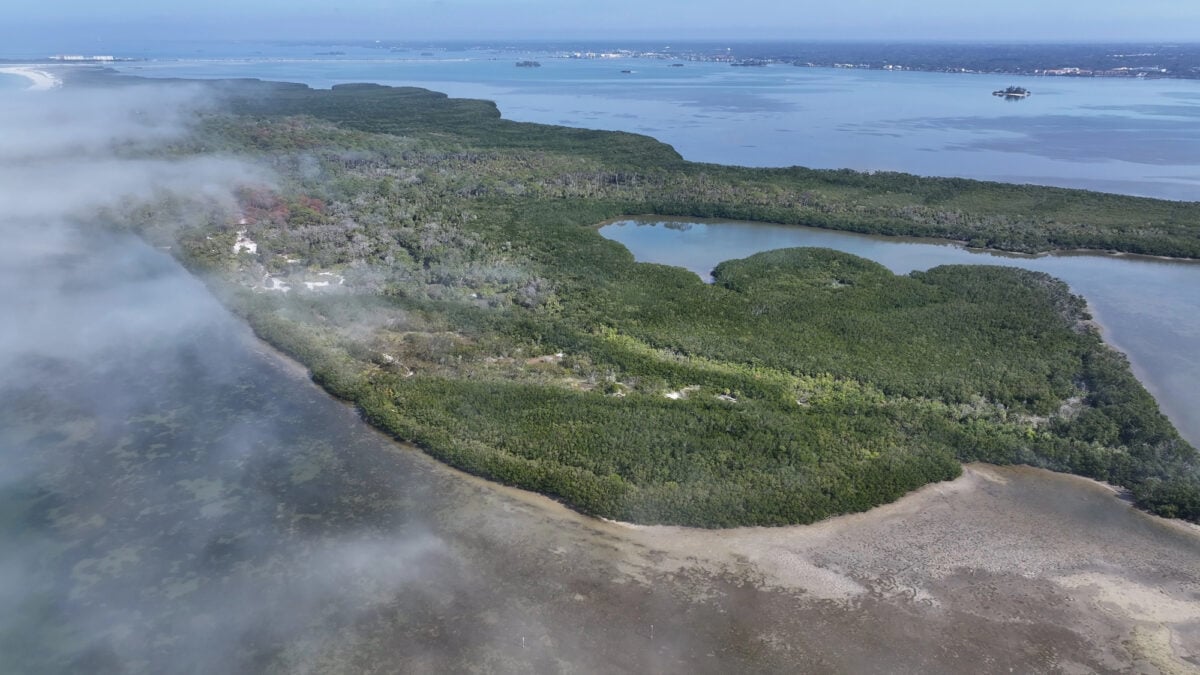
Located off Florida’s Gulf Coast, Caladesi Island spans roughly 600 acres of unspoiled beach and coastal forest. The island earned recognition as one of America’s best beaches, thanks to its white sand and clear water.
While the state manages most of the island as a park, some private holdings remain from earlier times. The shallow waters around Caladesi create perfect conditions for spotting dolphins, manatees, and countless bird species.
Daufuskie Island
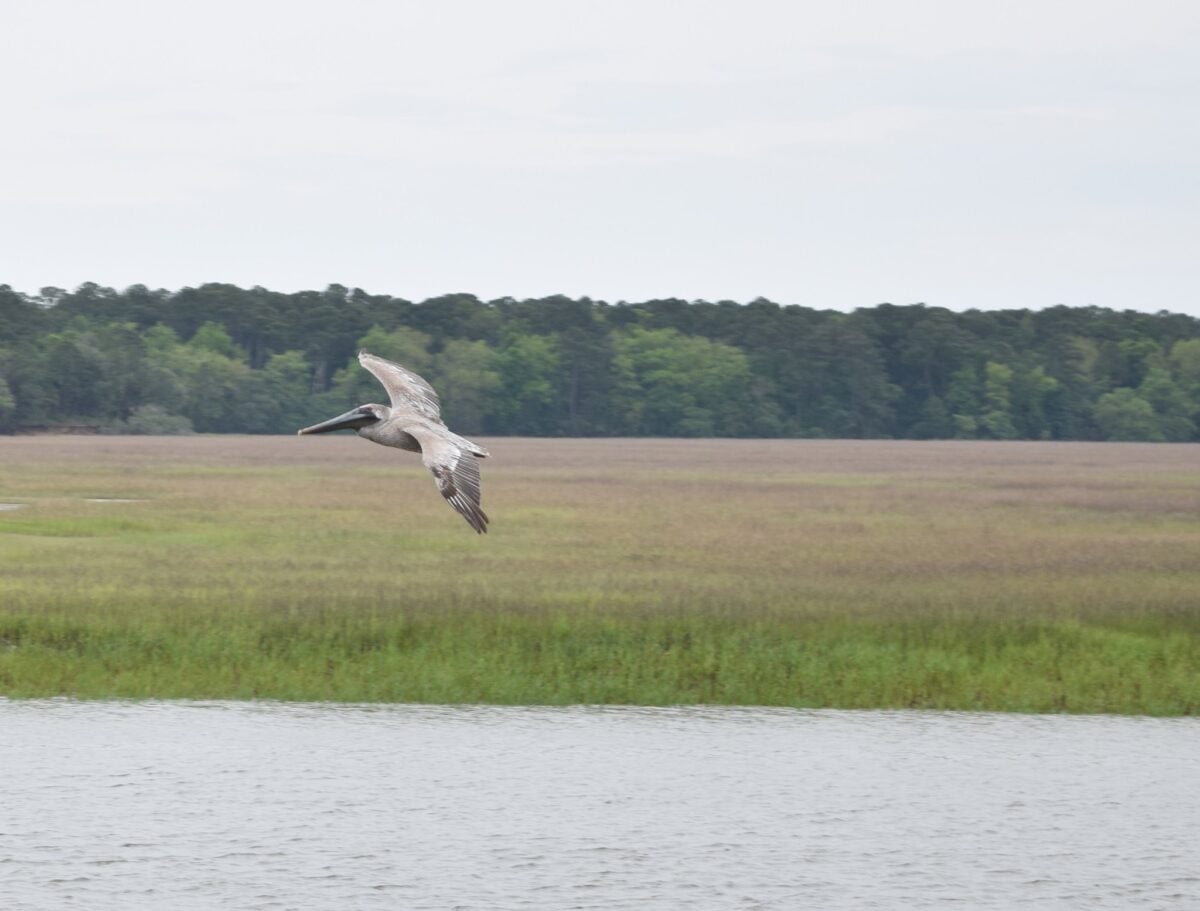
Positioned between Hilton Head Island and Savannah, Daufuskie Island covers about 5 square miles of South Carolina lowcountry. The island maintains a slower pace than its more developed neighbors, with dirt roads and a small permanent population.
Private homes occupy parts of the island, while other sections remain wild and undeveloped. Getting here requires a boat ride, which helps preserve the authentic character that makes Daufuskie feel like a step back in time.
Little Palm Island
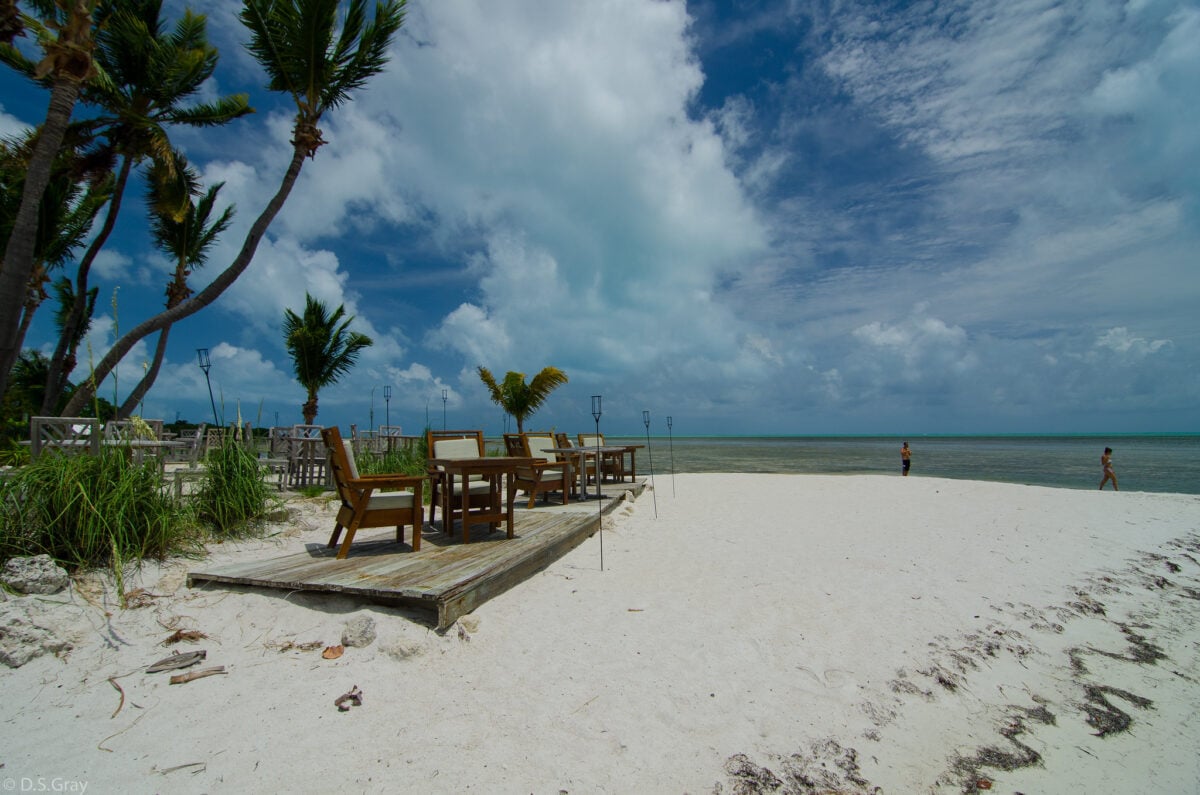
This tiny Florida Key measures only 5 acres but delivers enormous appeal to those seeking tropical escape. The island sits in the Lower Keys, where the water glows in shades of blue and green that seem almost artificial.
Private bungalows dot the property, surrounded by coconut palms and white sand beaches. The remoteness adds to the allure, making guests feel like they’ve discovered their own secret paradise.
Star Island
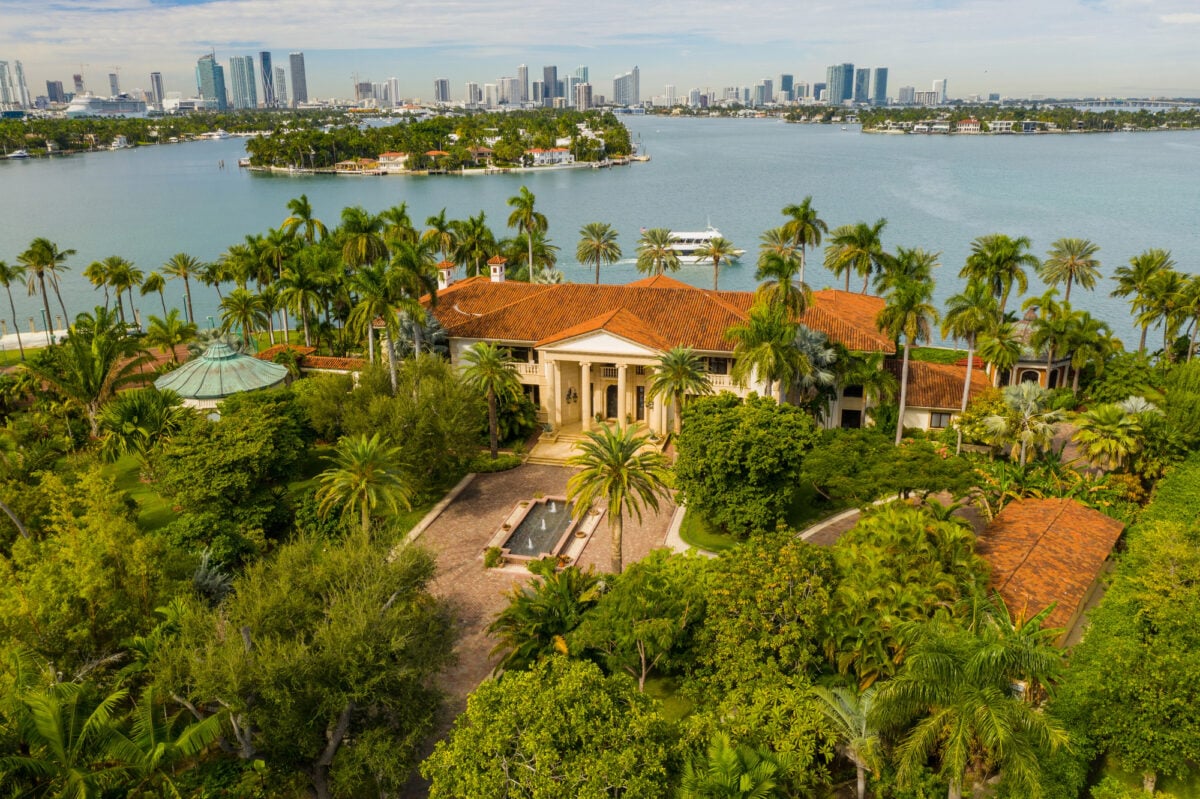
Sitting in Miami’s Biscayne Bay, Star Island covers about 86 acres of some of the most valuable real estate in America. The man-made island connects to Miami Beach by a single guarded bridge, and the homes here regularly sell for tens of millions of dollars.
Celebrities and business executives maintain estates along the waterfront, where views of the bay and downtown Miami skyline create a dramatic backdrop. The island’s palm-lined streets and Mediterranean-style architecture give it a distinctly glamorous feel.
Jupiter Island
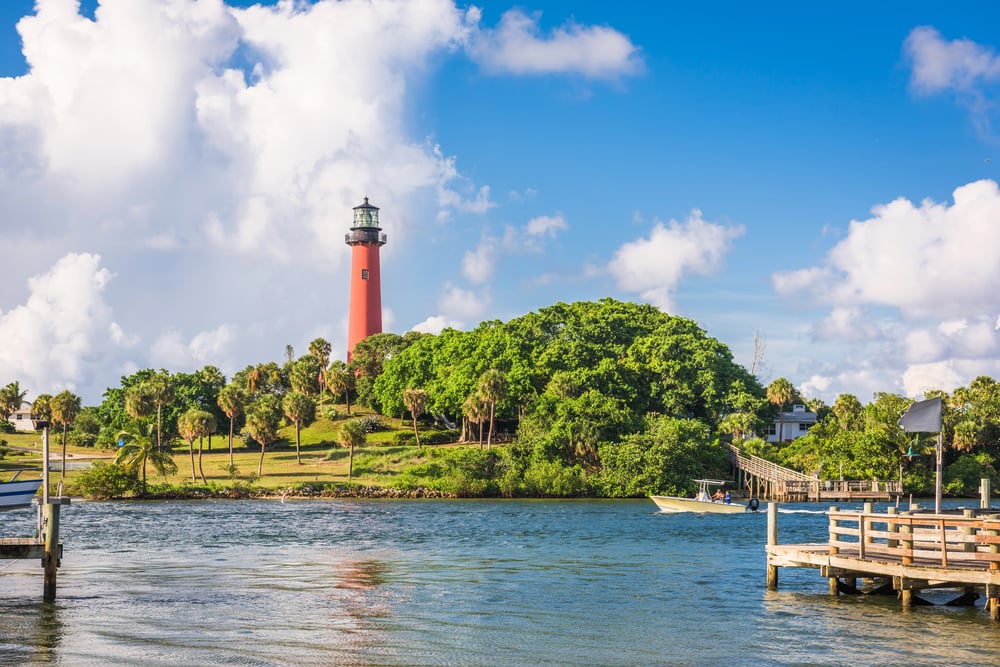
This Florida barrier island stretches along roughly 16 miles of Atlantic coastline in Martin and Palm Beach counties. Jupiter Island consistently ranks among America’s wealthiest communities, with property values that reflect its exclusivity.
The island features pristine beaches on one side and the Intralagoon Waterway on the other, creating a paradise for boating and beach activities. Strict zoning regulations have prevented overdevelopment, keeping the island feeling spacious and uncrowded.
Bainbridge Island
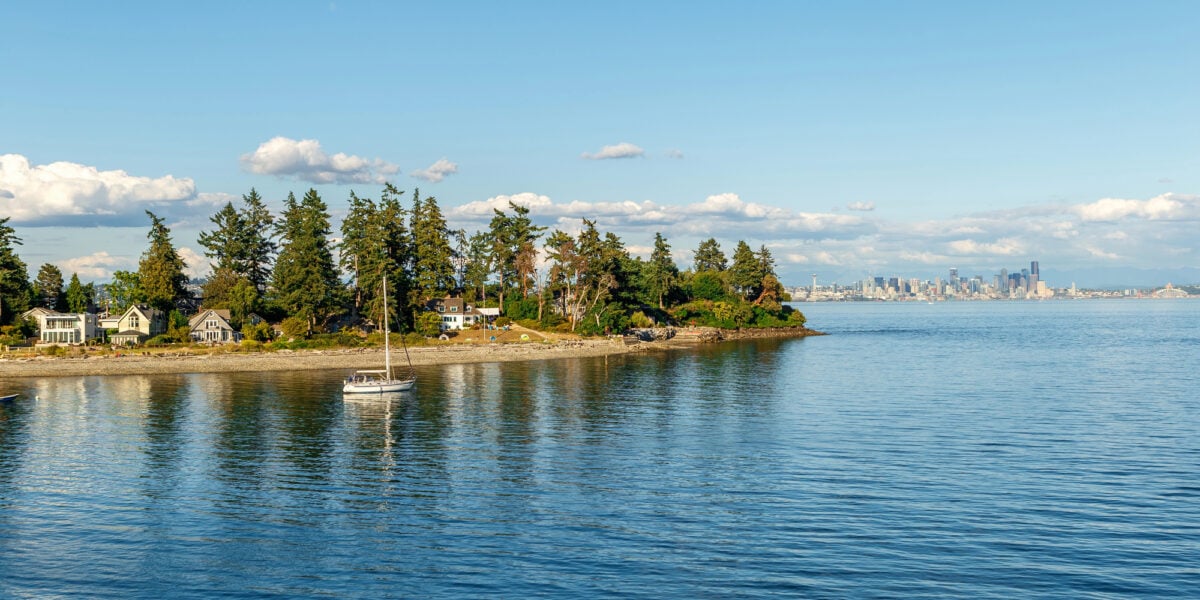
Washington’s Bainbridge Island covers about 27 square miles in Puget Sound, just across the water from Seattle. While much of the island includes public areas and small towns, significant private holdings occupy prime waterfront locations.
The temperate climate supports lush gardens and forests, while the mountain views in every direction remind residents of the Pacific Northwest’s natural grandeur. A ferry system connects the island to the mainland, making it accessible yet still feeling removed from city life.
Captiva Island
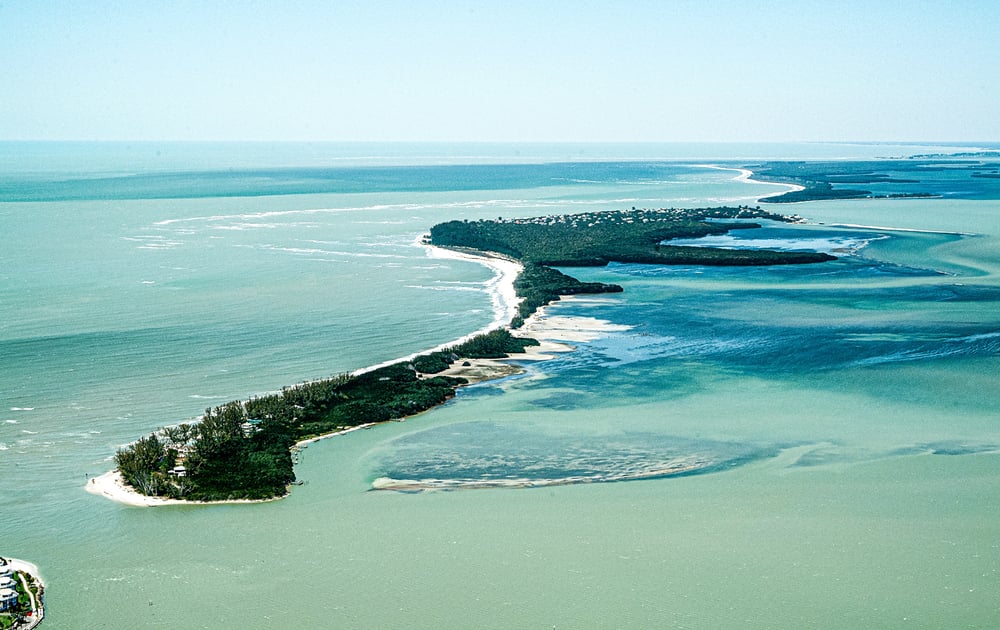
Located on Florida’s Gulf Coast, Captiva Island spans roughly 2,000 acres of tropical paradise. The island connects to nearby Sanibel Island by bridge, but Captiva maintains its own distinct character.
Private homes and small resorts occupy beachfront property, while conservation lands protect interior sections. The beaches here attract shell collectors from around the world, and the sunsets over the Gulf of Mexico create scenes that photographers dream about capturing.
Orcas Island
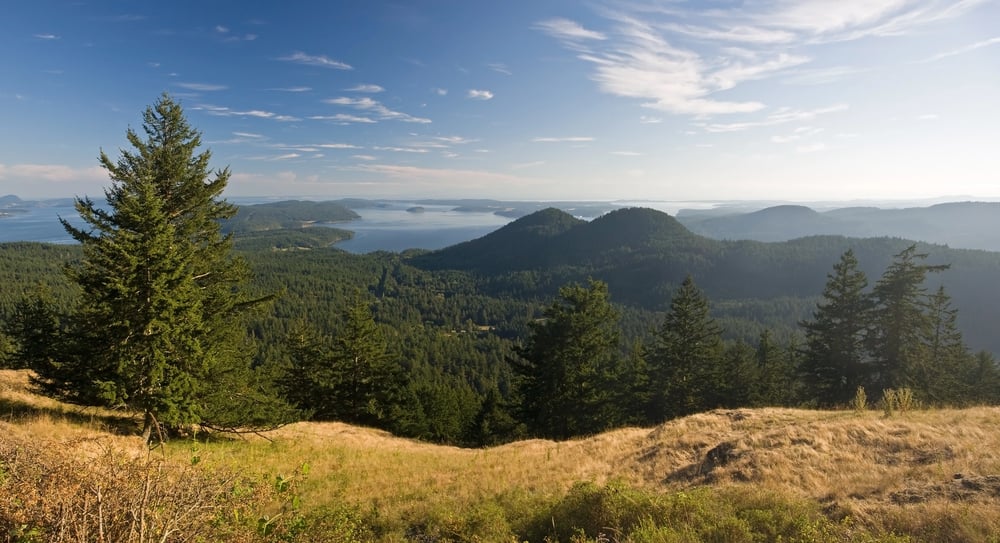
Part of Washington’s San Juan Islands, Orcas Island covers about 57 square miles of forested hills and rocky shoreline. The island’s horseshoe shape creates a large protected bay in the center, perfect for sailing and kayaking.
Private estates occupy prime waterfront spots, taking advantage of views that include Mount Constitution and the surrounding islands. The cool climate and evergreen forests give Orcas a rugged beauty that appeals to those who appreciate nature over nightlife.
Where The Water Meets The Land
These islands represent more than expensive real estate or vacation destinations. They stand as proof that even in crowded modern America, places still exist where privacy, nature, and open space remain available to those who seek them.
Whether spanning thousands of acres or just a few, each island offers something unique, shaped by its location, history, and the people who chose to make it their own. The coastlines around America continue to hold these secrets, waiting for those willing to venture beyond the mainland.
More from Go2Tutors!

- The Romanov Crown Jewels and Their Tragic Fate
- 13 Historical Mysteries That Science Still Can’t Solve
- Famous Hoaxes That Fooled the World for Years
- 15 Child Stars with Tragic Adult Lives
- 16 Famous Jewelry Pieces in History
Like Go2Tutors’s content? Follow us on MSN.