18 Places Where Life Literally Stops in the Winter
Winter transforms many parts of our world into challenging environments where normal life simply cannot continue. Communities around the globe have adapted to these extreme conditions with unique solutions, creating seasonal rhythms that have defined their cultures for generations.
Here is a list of 18 places where life truly grinds to a halt during the winter months, forcing adaptations that range from complete evacuation to months of isolation.
Barrow, Alaska
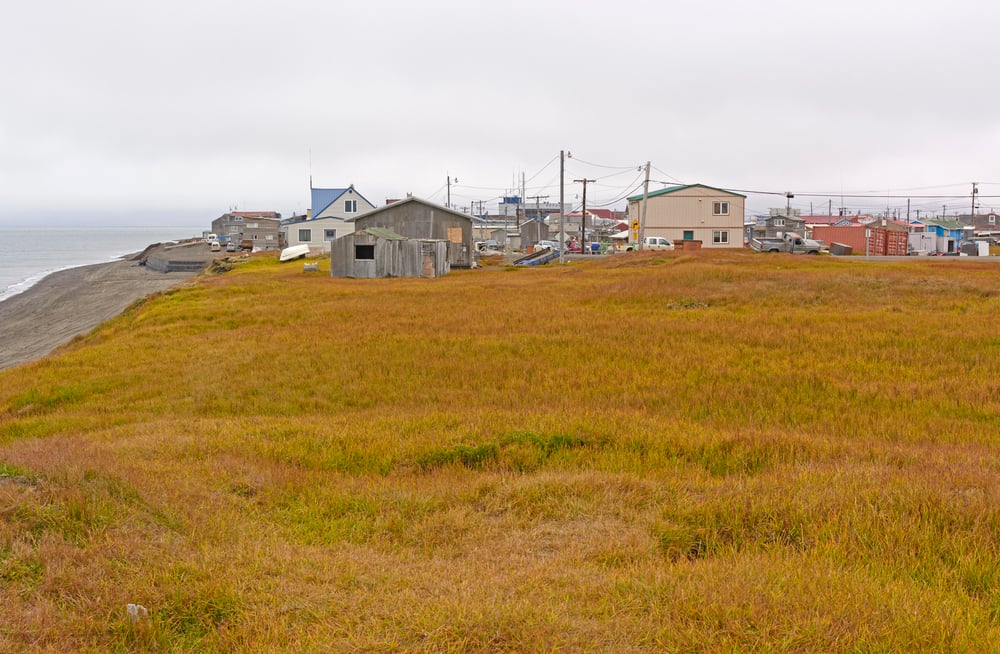
The northernmost town in the United States experiences a phenomenon known as polar night where the sun doesn’t rise for approximately 65 days each winter. Temperatures regularly plunge to -20°F while constant darkness forces residents to adapt their entire lifestyle.
Many businesses operate on reduced hours and some close entirely as the community hunkers down for the season.
Oymyakon, Russia
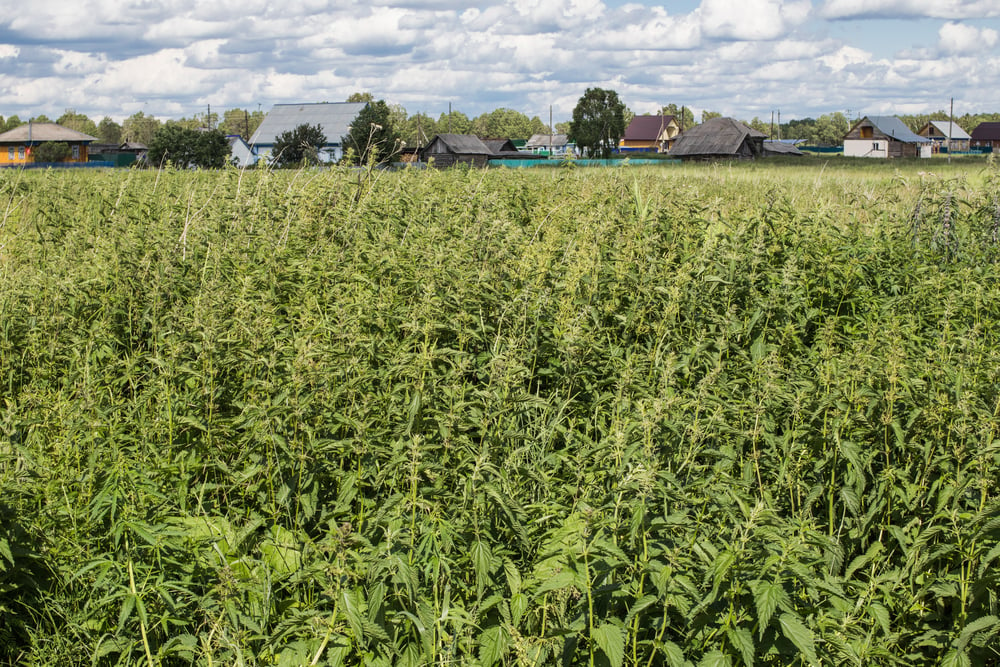
Often called the coldest permanently inhabited place on Earth, this Siberian village regularly experiences temperatures below -60°F in winter. Water freezes almost instantly when thrown in the air and cars must be kept running continuously or they won’t restart.
School only closes when temperatures drop below -61°F and most of life retreats indoors as even breathing outdoors becomes painful.
Mount Washington Observatory, New Hampshire
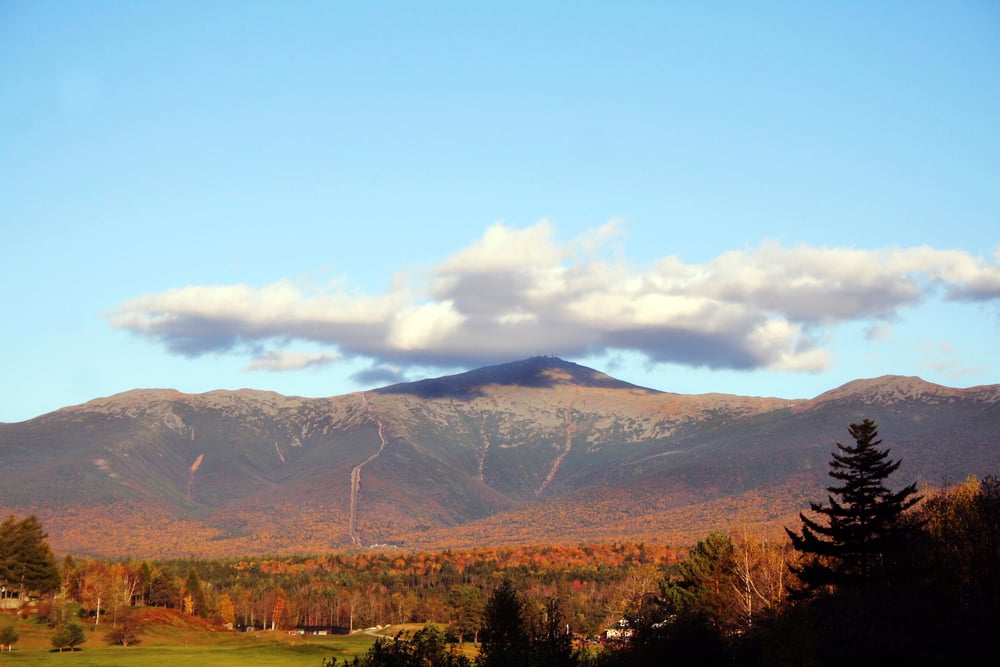
This weather station holds the record for the fastest wind speed ever recorded on Earth’s surface. Winter staff rotate in shifts of several weeks because supply deliveries become impossible during frequent storms.
The handful of meteorologists who winter there face hurricane-force winds and temperatures that can make stepping outside potentially fatal within minutes.
McMurdo Station, Antarctica
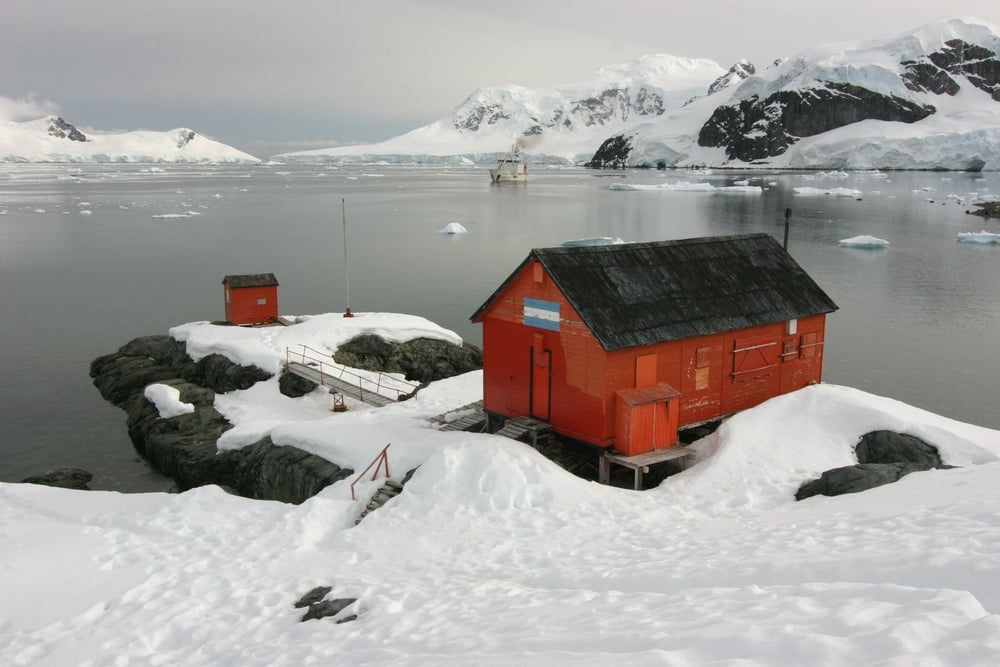
This American research center transforms during the austral winter when the last flight leaves in February, and no planes return until October. The remaining winter crew of about 150 people is completely isolated from the outside world except for satellite communications.
Medical emergencies must be handled on-site as evacuation becomes impossible during the continuous darkness and extreme cold.
Macquarie Island, Australia
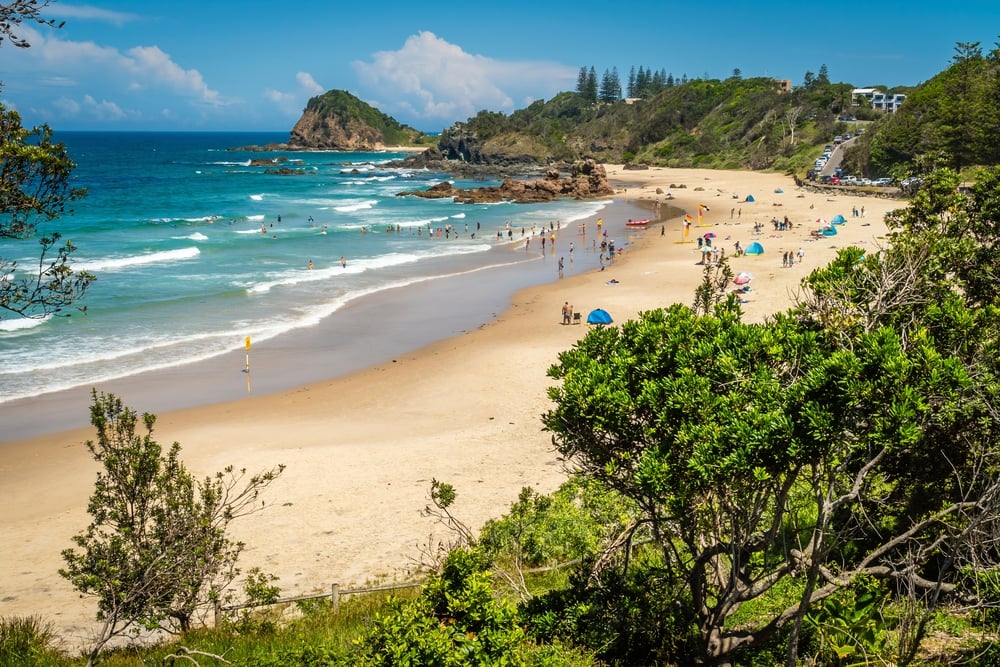
This subantarctic island becomes virtually unreachable during winter months when fierce storms and massive waves make ship landings extremely dangerous. The small research staff who winter over must be entirely self-sufficient.
Fresh food becomes unavailable and outdoor research activities often cease as winds regularly exceed 60 mph.
Norway
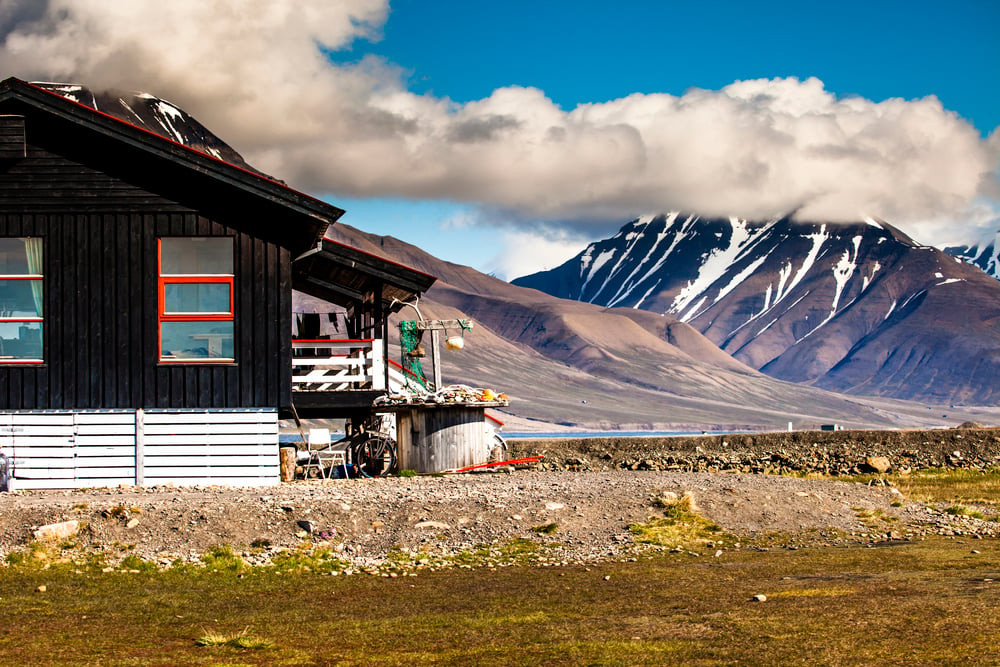
Home to the famous global seed vault, this Arctic archipelago experiences total darkness for over 100 days each winter. Residents must carry rifles whenever venturing outside town limits due to the risk of polar bear encounters.
Most tourism operations shut down completely and many residents leave for mainland Norway until spring returns.
Resolute, Canada
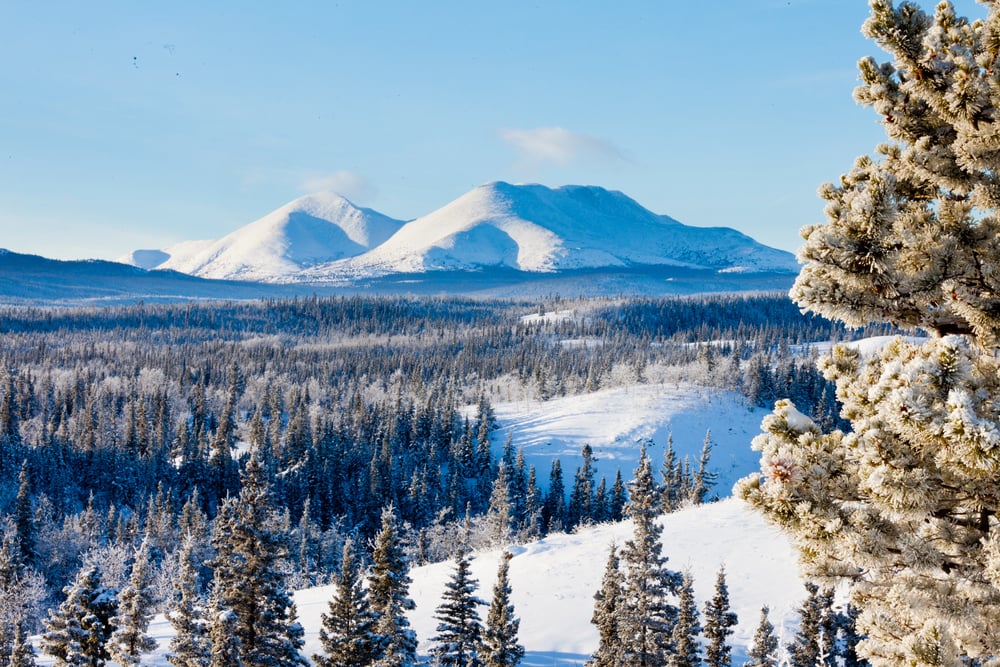
This remote Nunavut community faces winter temperatures that can reach -50°F with powerful winds creating dangerous conditions. Mail delivery becomes irregular at best and food must be flown in during brief windows of acceptable weather.
Hunting traditions continue but many modern activities simply pause until warmer conditions return.
Verkhoyansk, Russia
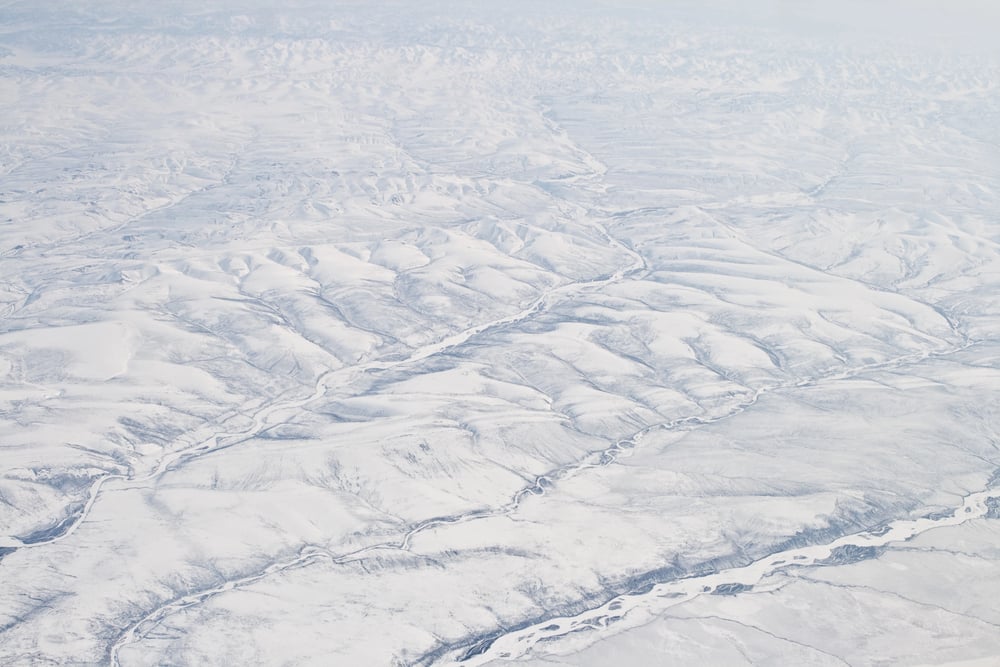
This Siberian town regularly competes with Oymyakon for the title of coldest inhabited place. Winter temperatures can drop below -80°F, causing metal to become brittle and crack.
Traditional activities continue but with extreme precautions as even short exposure can result in severe frostbite. Many residents simply don’t leave their homes for weeks at a time.
Everest Base Camp, Nepal
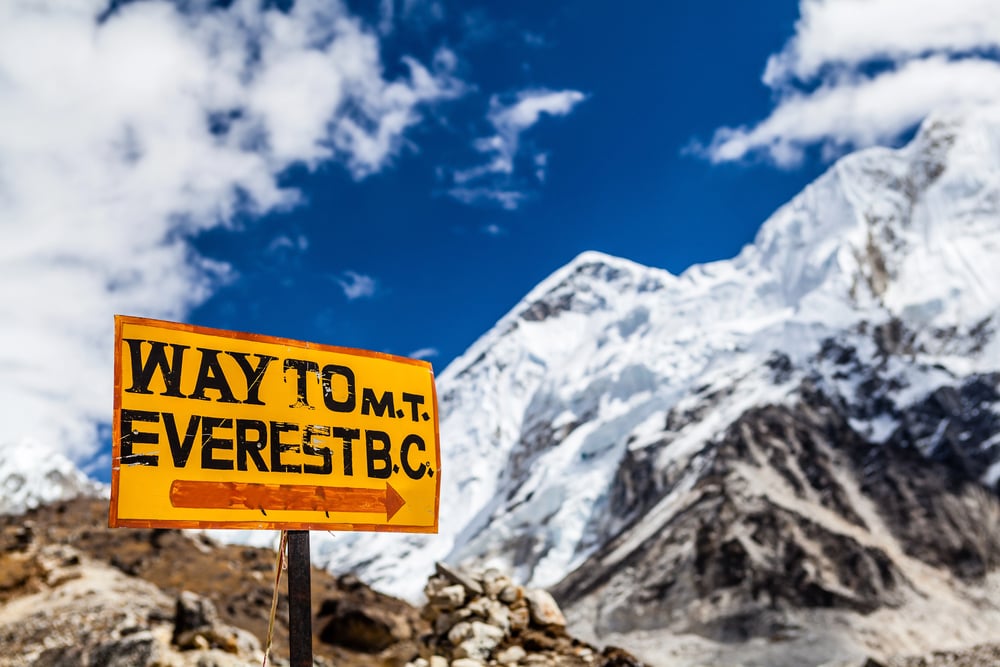
The famous climbing station becomes completely abandoned during the winter months. After the autumn climbing season ends in November, all personnel evacuate before heavy snows make the area inaccessible.
The site remains buried under many feet of snow until spring, with temperatures far too cold for even the most experienced mountaineers.
Jiayuguan Pass, China
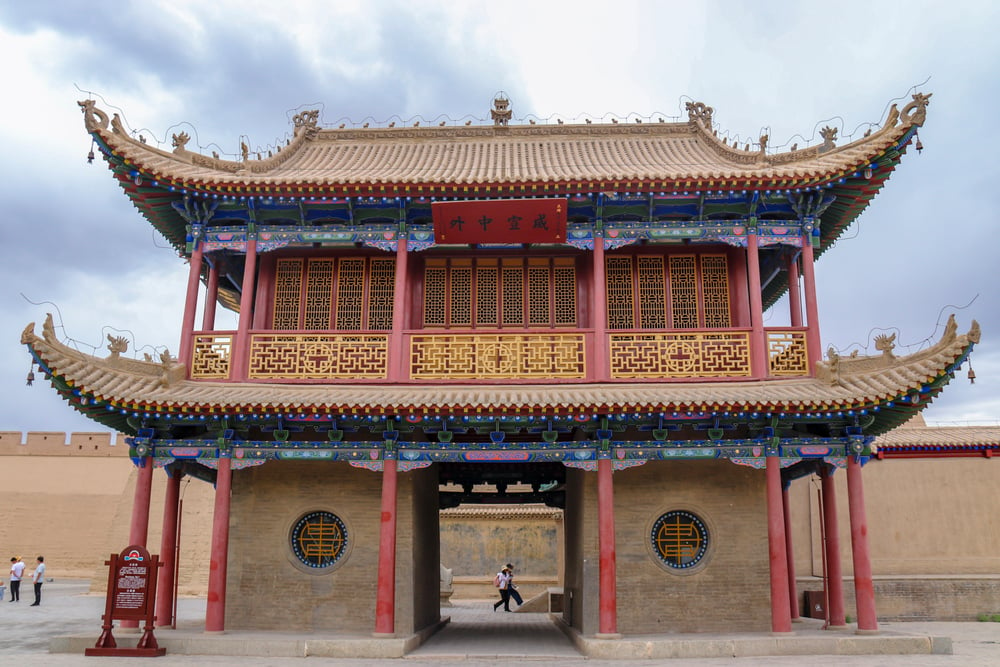
The western end of the Great Wall experiences brutal winter conditions that historically made this fortress nearly impregnable. Modern residents still face temperatures that can drop to -25°F with powerful winds sweeping across the exposed landscape.
Many businesses close for the season as tourism virtually disappears and travel becomes challenging.
Spitsbergen, Norway
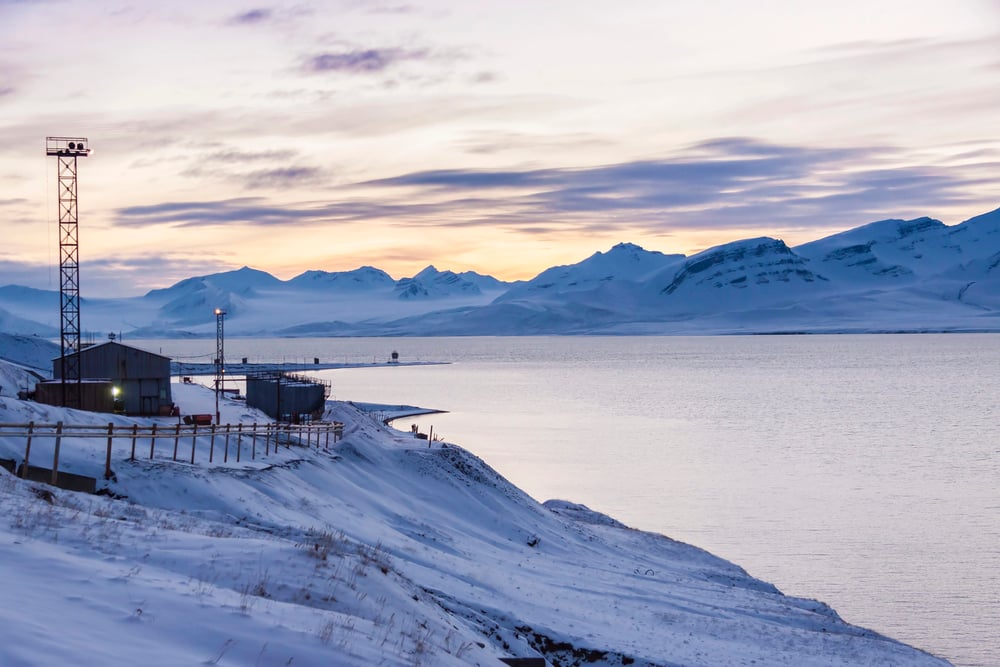
The largest island in the Svalbard archipelago sees temperatures plummet to -40°F during the polar night period. Snowmobiles replace cars as the primary transportation method while many residents develop seasonal affective disorder from the perpetual darkness.
Community events become crucial for maintaining morale through the isolated winter months.
Churchill, Manitoba
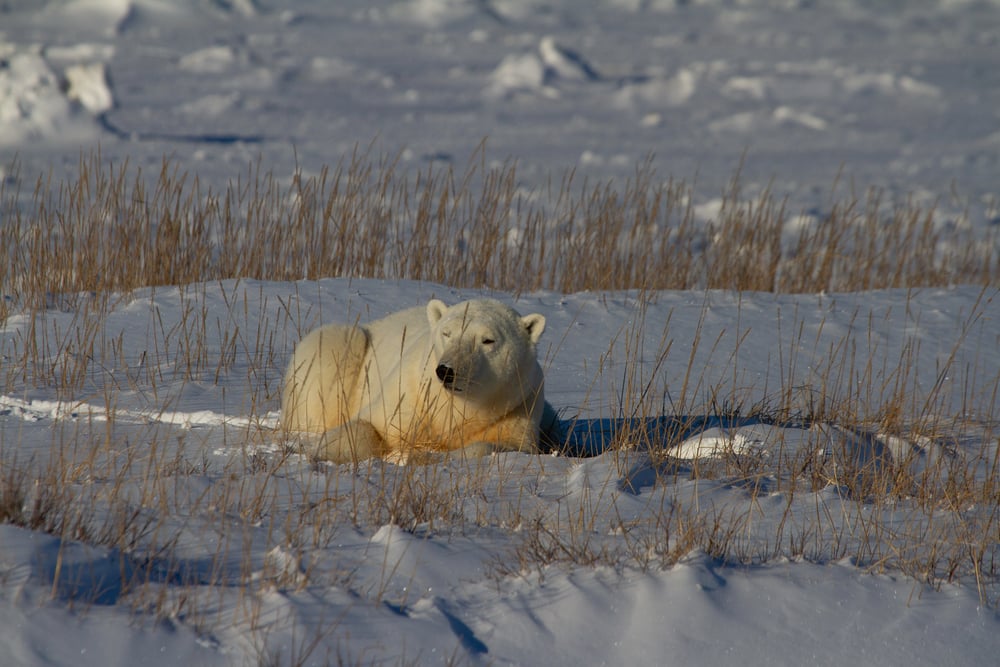
Known as the polar bear capital of the world, this Canadian town faces intense winter conditions when Hudson Bay freezes over. The community becomes accessible only by air as train service frequently stops due to snow-blocked tracks.
Residents must be constantly vigilant about polar bears entering town in search of food during the lean winter months.
Denali National Park, Alaska
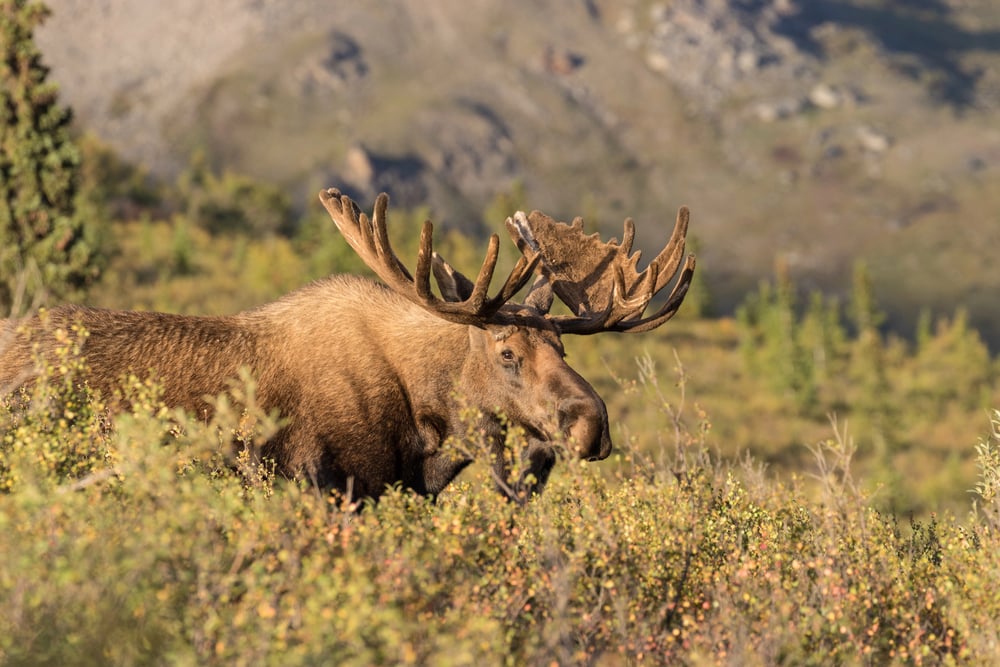
This massive wilderness area is essentially closes to visitors during winter when temperatures regularly drop below -40°F. Park roads become impassable and most facilities shut down completely.
The handful of winter rangers patrol by dog sled and must be completely self-sufficient during periods when aircraft cannot reach them.
Yakutsk, Russia
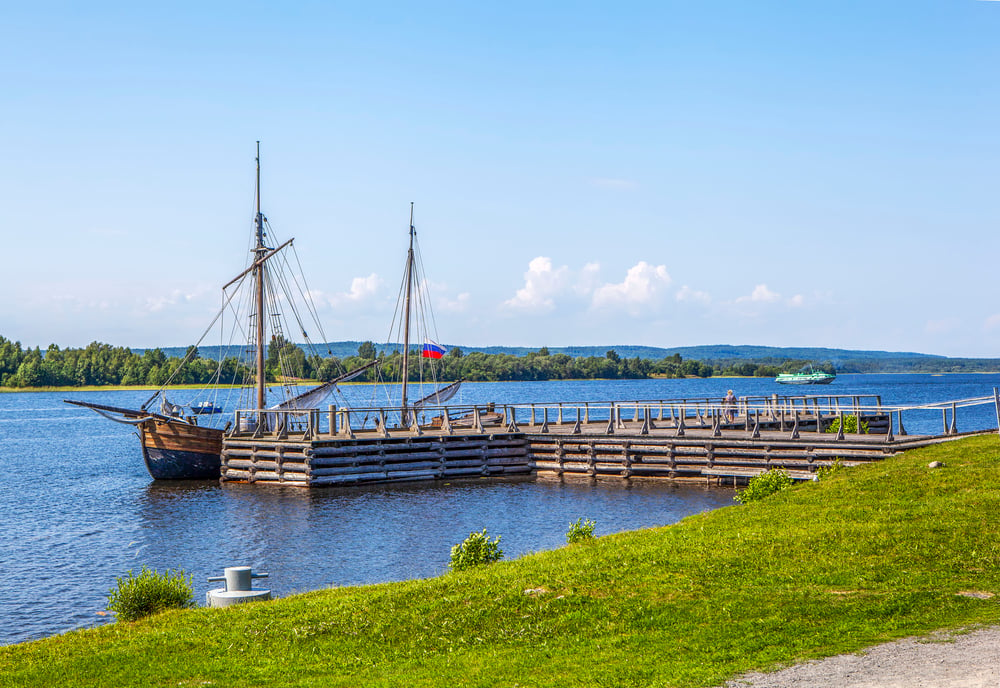
The capital of the Sakha Republic is built entirely on permafrost and faces winter temperatures that regularly hit -40°F. Underground water and sewage pipes must be built above ground to prevent freezing and many vehicles simply won’t start without special preparation.
Schools rarely close but students stay inside during breaks when cold becomes dangerous.
Longyearbyen, Svalbard
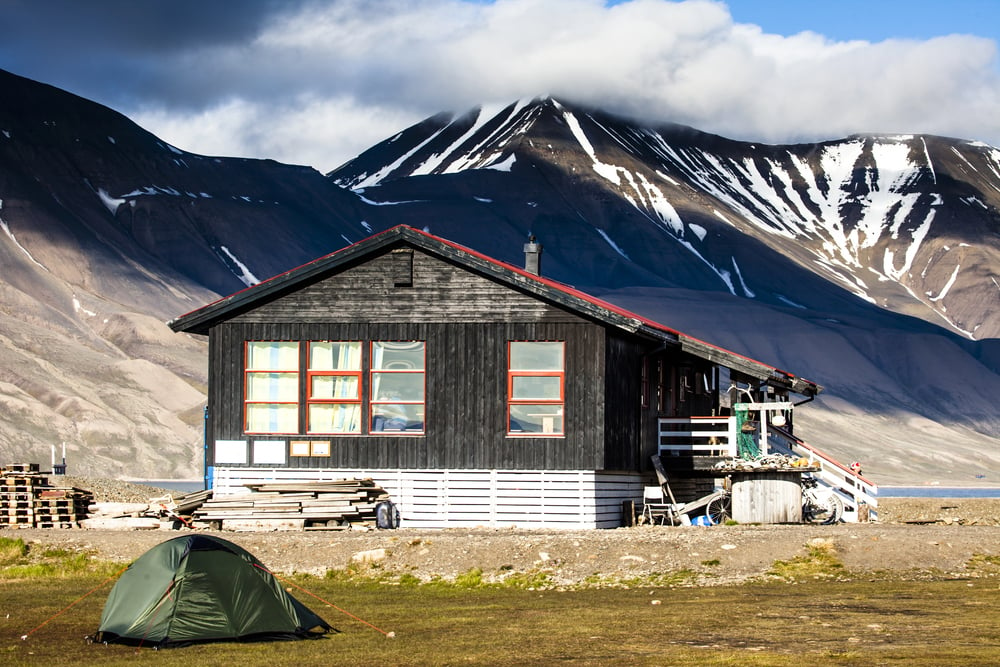
The northernmost permanent settlement with over 1,000 residents faces unique challenges during winter months. Local law prohibits dying in town because bodies cannot decompose in the permafrost.
Winter tourism focuses on northern lights viewing but many businesses operate on reduced schedules as darkness prevails for over three months.
Ittoqqortoormiit, Greenland
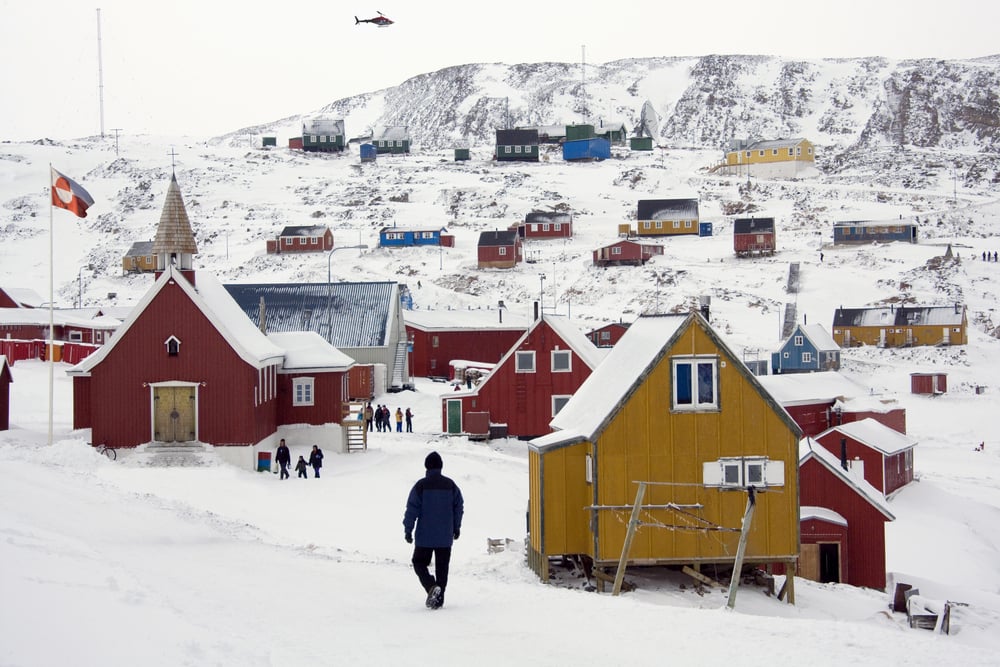
This isolated Greenlandic community becomes even more removed from the world during winter when sea ice makes boat travel impossible and weather often prevents plane landings. The approximately 450 residents must prepare with sufficient supplies for potential isolation lasting weeks.
Traditional hunting continues but becomes more dangerous in the harsh conditions.
Crater Lake National Park, Oregon
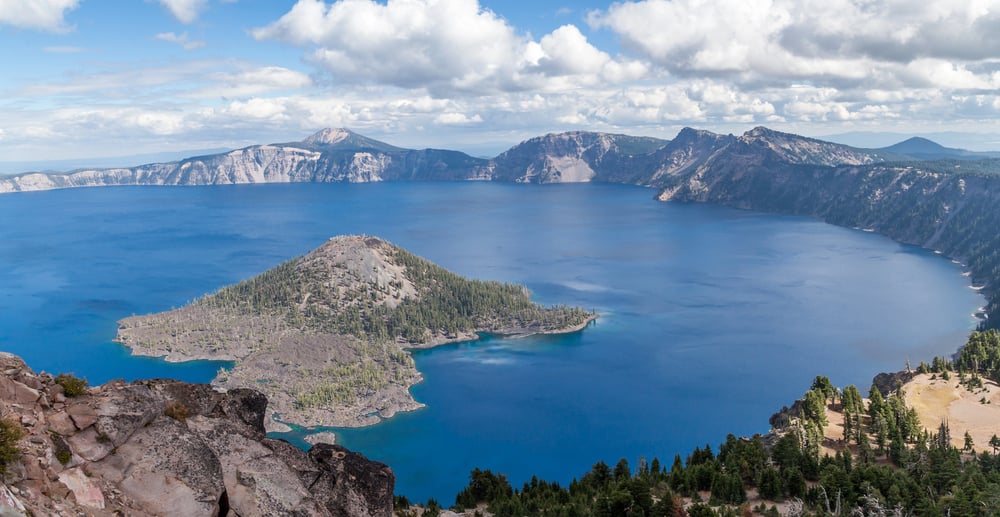
America’s deepest lake becomes nearly inaccessible when winter storms dump an average of 43 feet of snow annually. The main park road closes completely and staff levels are reduced to a skeleton crew.
Rangers use specialized equipment to tunnel through snow to buildings and must constantly monitor conditions for avalanche risk.
Dome A, Antarctica
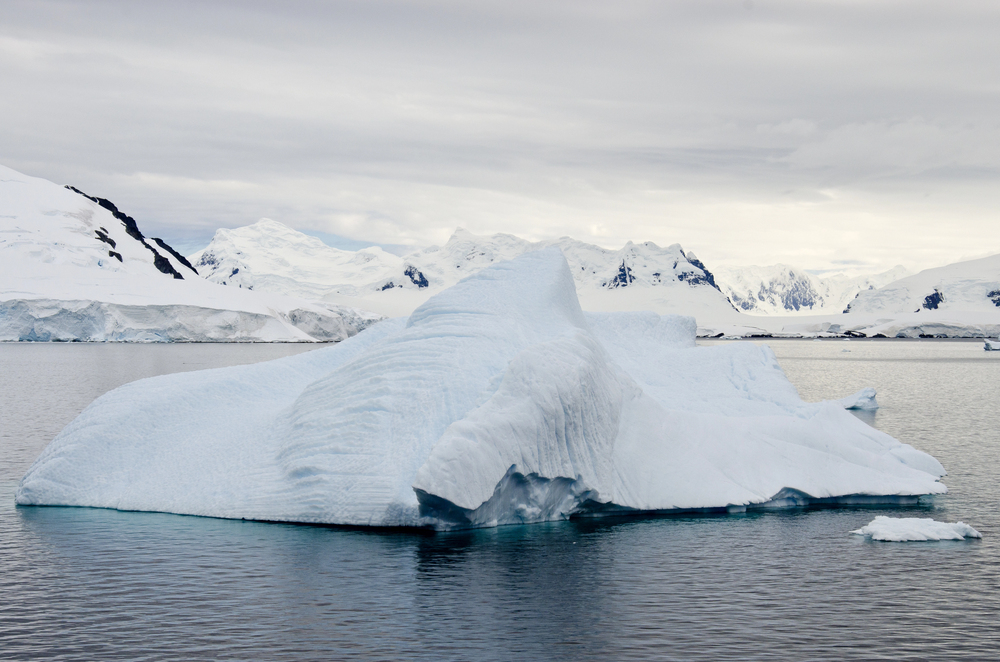
This Chinese research station sits at the highest point on the Antarctic ice sheet and becomes completely uninhabitable during winter. Scientists evacuate before temperatures plummet to below -90°F and automated equipment continues limited measurements.
The station remains abandoned for months until conditions allow human return.
Winter’s Grip
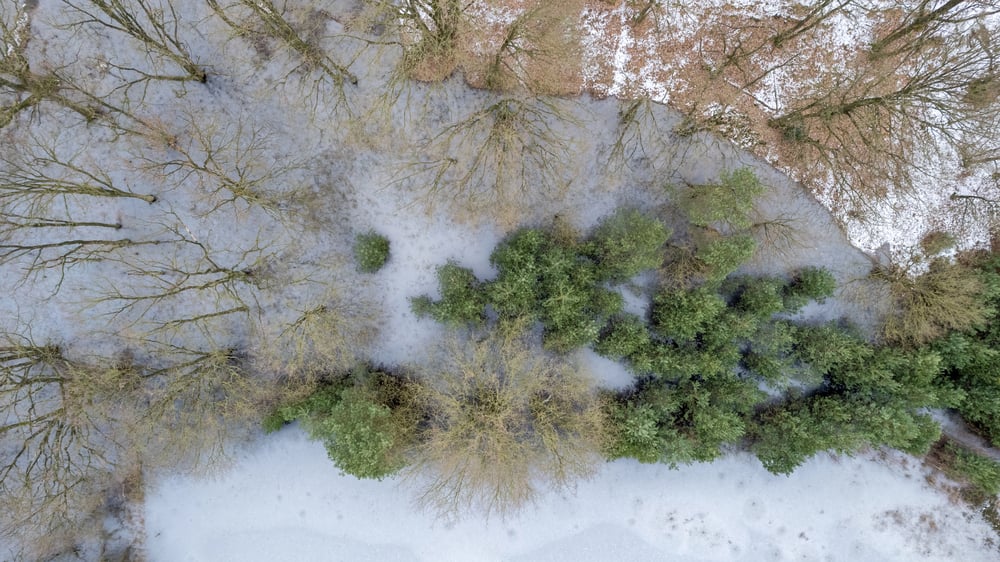
These remarkable places demonstrate human adaptability in the face of nature’s most challenging conditions. Communities have developed unique strategies to survive or temporarily retreat from winter’s harshest effects.
The seasonal rhythms that define life in these locations remind us of nature’s power and the remarkable resilience of those who call Earth’s most extreme environments home.
More from Go2Tutors!

- The Romanov Crown Jewels and Their Tragic Fate
- 13 Historical Mysteries That Science Still Can’t Solve
- Famous Hoaxes That Fooled the World for Years
- 15 Child Stars with Tragic Adult Lives
- 16 Famous Jewelry Pieces in History
Like Go2Tutors’s content? Follow us on MSN.