19 Oldest Continually Running Farms in America
Deep in America’s past lies a story many overlook. Though today’s fields bear little resemblance to earlier times, certain family-run plots still grow crops after hundreds of years, handed quietly between kin.
Not merely relics, these places breathe with effort and care that time has failed to erase. What stands there now grew slowly, shaped by persistence few thought could last.
Peering into the past reveals farms that have kept going for centuries. Some of these places sprout crops where generations once did.
Time folds in on itself when walking their fields. Through wars and weather shifts, they stand.
Each season adds another layer to long stories already told. Roots run deep beneath soil turned by hand after hand.
Shirley Plantation

Shirley Plantation in Virginia began working the fields back in 1613, holding the title of America’s longest-running farm. Since 1723, it has stayed in the hands of the Carter family – eleven generations deep into its story.
Crops grow here just as before, though tourists now wander the grounds too, drawn by echoes of colonial life. Time slows among the old brick buildings, although diesel engines hum where horse-drawn plows once ruled.
Tuttle’s Red Barn
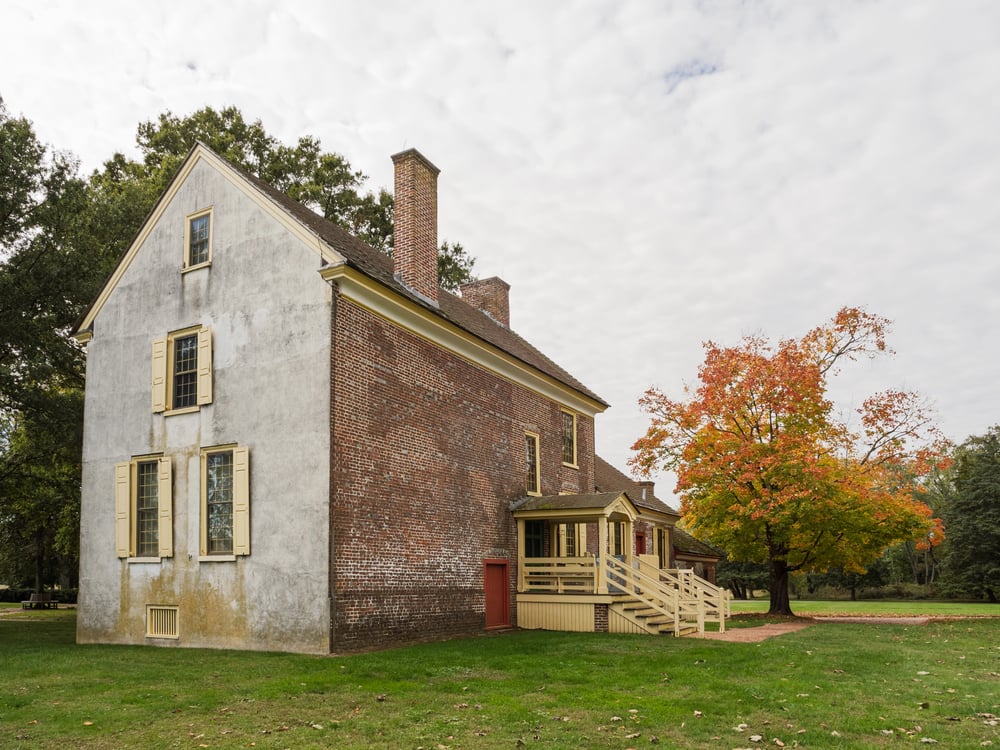
Back in 1632, John Tuttle got permission to settle on land in Dover – now part of Massachusetts. Nearly four centuries later, his descendants still work those very fields.
It’s rare, but true: one family, one patch of earth, unchanged through generations. Fruit trees stretch beside rows of crops under open sky.
Visitors come by choice, some year after year, drawn to what grows here. Not many places carry a name older than the nation itself.
Salisbury Farm

Starting in 1638, settlers began clearing what would become Salisbury Farm in Connecticut. Nestled in the state’s upper left edge, the mix of earth and weather here favored both animals and plants.
Though different families took turns managing it, farming never once paused on this patch. Each generation shifted methods – colonial routines gave way to factory-age tools, then slowly folded into today’s practices.
Hazen Farm

Down a quiet road in Haverhill, Massachusetts, fields have stayed under one family’s care since 1640. Thirteen generations later, the Hazens still walk those same soils.
Instead of just growing crops, it now opens its gates to students eager to learn where food comes from. Long before Salem accused witches, this land was already being tilled – now it passes on lessons about soil, seeds, and seasons.
Time moves, yet roots hold.
Philipse Manor Farm
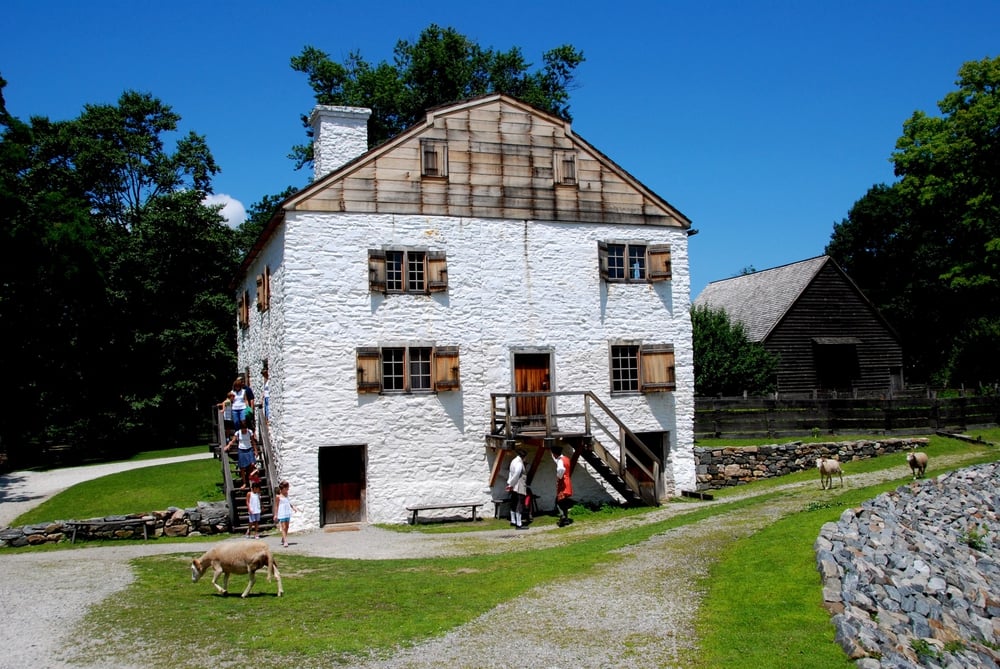
Back in 1682, Frederick Philipse started this place near today’s Yonkers. Once upon a time, its fields stretched far into the Hudson Valley – thousands of acres wide.
Now? A fraction remains, still farming like centuries ago. Instead of machines, they grow old-style crops and keep rare livestock breeds alive.
Visitors get close to how food was raised under colonial skies.
Whipple Farm
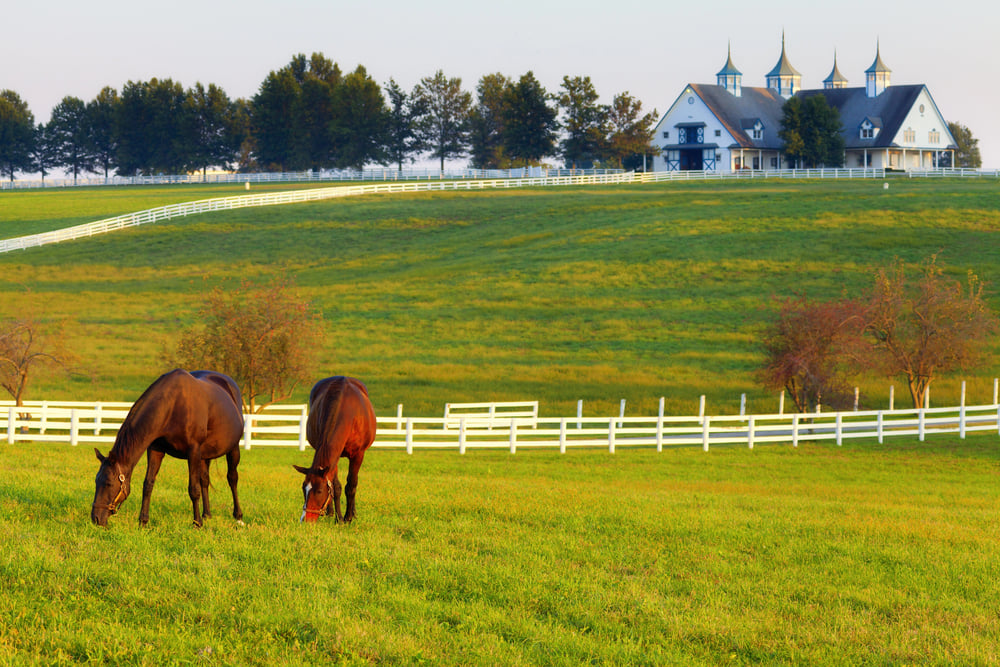
Whipple Farm in Rhode Island started back in 1690, passed down through one family across more than three centuries. Nestled in Foster – a quiet countryside town – milk production shaped daily life here for ages.
These days different people run it, yet they hold tight to its roots even as fresh methods take root. Built during the 1700s, the old barn remains, worn by time but solid on its foundation.
Naumkeag Farm
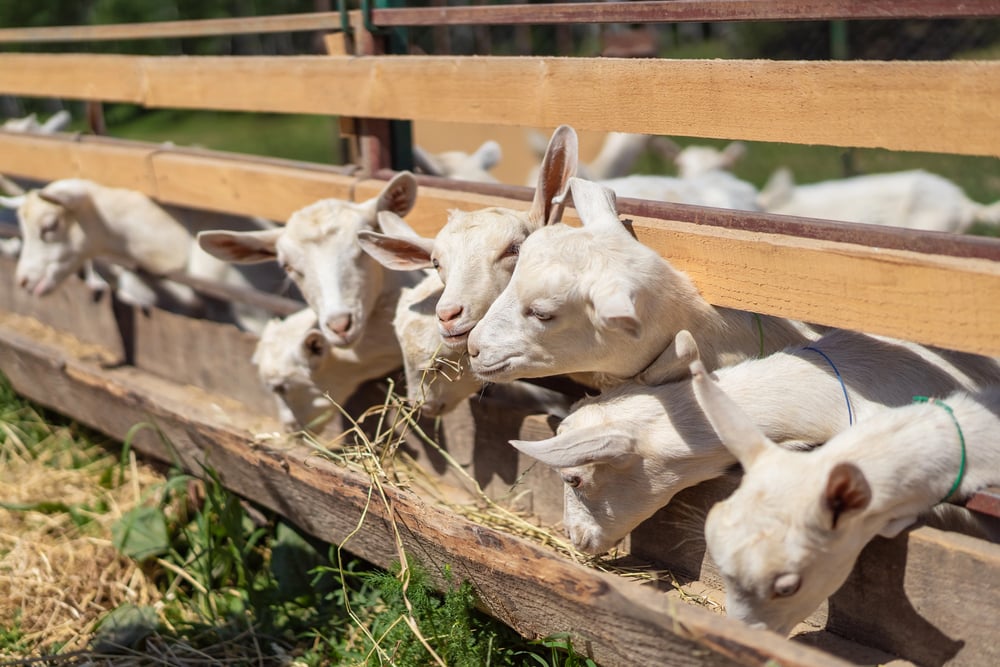
From 1692 onward, in Massachusetts, this stretch of farmland watched colonies bloom into what is now the United States. Rich earth and nearby water drew the first families who tilled here.
Through time, war seasons, market crashes, and changes across farming life shaped how work unfolded on these fields. Methods shifted slowly, yet care for the ground never faded among those working it.
Even now, people tend the soil using ways passed down through generations – keeping it alive long after others gave up.
Peacefield

Back in 1787, John Adams bought a plot of land in Quincy, Massachusetts; farming began soon after under his direction. His relatives carried on the work – season after season, year upon year.
Two U.S. presidents came from this same line, yet plowing fields remained part of daily life. These days, history takes center stage here, though some corners keep up old routines.
Growing food and raising leaders somehow shared soil without crowding each other.
Pettengill Farm

Off Casco Bay’s edge, rocky ground was wrestled into farmland by the Pettengills back in 1735. Through cold decades, salt hay cut from nearby marshes kept livestock alive when snow buried everything.
Seven generations later, the same soil holds echoes of that early work. Now protected from change, the place keeps old methods visible to those who walk it.
Harvesting here once meant patience, thick gloves, stubborn seeds – all shaped by New England’s stingy earth.
Wyckoff House Farm

A long time ago, in 1652, Pieter Claesen Wyckoff put up a house on open land – that became the start of Brooklyn’s Wyckoff House Farm. While cities grew fast nearby, this place kept going without stopping.
Now tall buildings crowd close, yet there it remains, a patch of quiet grass amid sidewalks and noise. Old wood walls stand across from glass towers, showing shifts nobody planned.
Time moved hard elsewhere, but here you see what stayed.
Thompson’s Point Farm

Across time, Vermont’s Thompson’s Point Farm began in 1790 with settlers tilling soil near Lake Champlain. For generations, milk and cheese shaped its purpose, feeding into the state’s known standard of quality.
Today’s keepers hold close to old ways but work with new tools mixed in. Though machines differ now, what meets the eye from the field line stays nearly untouched.
Hopewell Furnace Farm

Out here, farmland once fed both people and mules tied to iron making beginning in 1771. Crops grew alongside labor, keeping operations moving through long seasons.
After flames died at the furnace, plows stayed busy without it. Years pass, yet rows of produce rise from soil just the same – quiet proof of old roots in new growth.
Blithewold Farm

Out back, where fields roll toward the trees, work started long before the 1890s. Even then, the soil had already known tools and seeds for years.
Wealth met labor here – neat rows of apples stood beside plots meant only to please the eye. Instead of just show, there was harvest: squash, beans, berries pulled from real dirt.
Now, visitors walk paths that once served both beauty and need. Inside glass walls warmed by old methods, new leaves push through as they did when buttons were brass and cars ran on horses.
Tradition isn’t spoken; it grows.
Strawbery Banke Farm
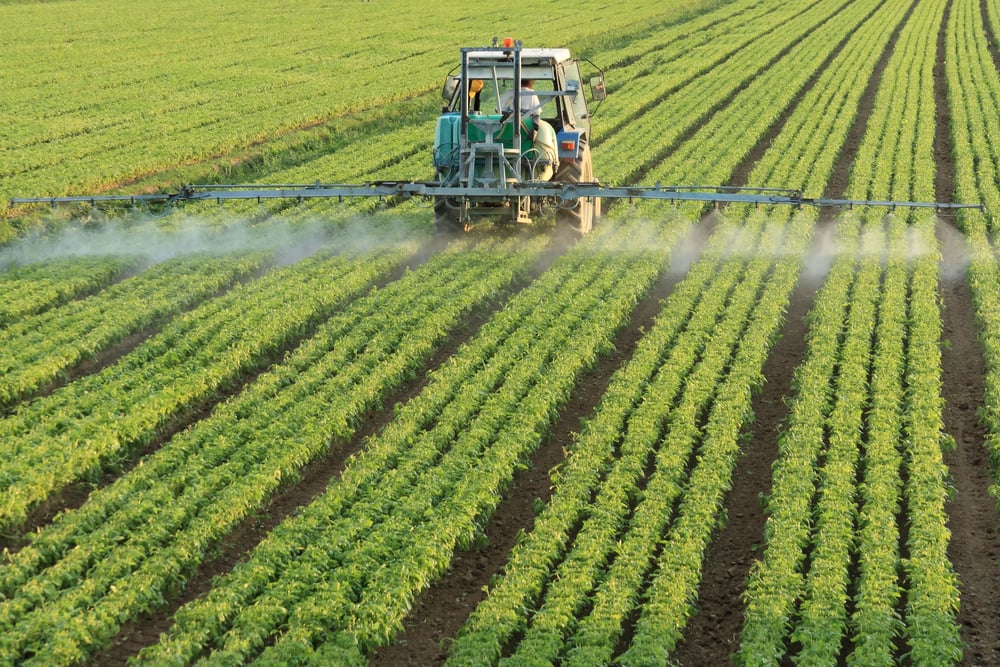
Farms once dotted this part of Portsmouth, way back when New Hampshire was still new. Several households raised crops right where homes now stand, feeding neighbors from their own soil.
Over time, even as streets filled in and buildings went up, patches of land found purpose again under cultivation. Long before city gardening made headlines, these plots quietly showed it had always been part of life here.
Prescott Farm

From 1812 onward, near Middletown in Rhode Island, fields took shape around a working windmill that crushed grain for locals. Over time, open plots stretched wider, filled now with rows of different crops.
As farming trends shifted, so did its path – turning slowly toward greens and aromatic plants. That first windmill remains upright, silent proof of rural hubs once doing more than just one job.
Hull’s Orchard

A single tree planted long ago started what now covers rolling hills in central Massachusetts. Since nearly eighteen hundred, one family has tended rows where apples take root deep in rocky soil.
Cold winters shaped the fruit here, giving it a sharp taste you do not find elsewhere. Grandchildren of those early growers still walk among branches heavy each autumn.
Visitors arrive by carloads when leaves turn, reaching up to pull down crisp fruit grown from old bloodlines. Some kinds hang low with thick skin, forgotten almost everywhere else but saved right here.
Hardwick Vineyard

On a stretch of earth tilled long before modern times, farming in Massachusetts quietly carries on at Hardwick Vineyard. Though vines were only planted recently, fields here never rested – worked without pause for close to three centuries.
What once sprouted corn and grain now nurtures grapevines, thanks to rich ground and just-right weather patterns. Land shaped by generations finds fresh purpose under sun and rain.
Codman Estate Farm
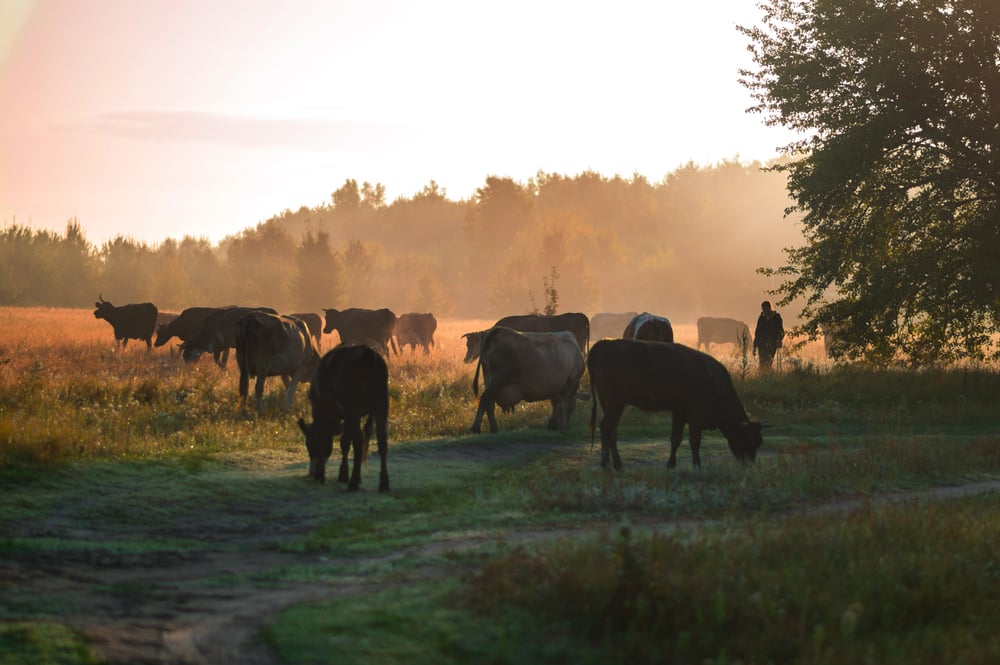
Once upon a time, a piece of land in Massachusetts began growing crops back in 1735 under the watchful eye of the Codman kin. Over decades, that same soil fed the big house on the hill yet still sent goods to market.
Now, old ways live on here – animals you rarely see elsewhere roam where they once did. Beauty met function long ago, rich lawns stood beside fields meant to fill bellies.
Sedgwick Farm

On a stretch of coastline, Sedgwick Farm in Maine began back in 1765 after pioneers cut trees and pulled stones from the ground. Though frost came early and stone lurked just beneath thin dirt, families stayed, finding clever ways to work what earth they had.
Over time, milk cows gave way to rows of carrots, then shifted again – driven by prices far beyond their hills. Yet despite storms and stubborn roots, places like this showed grit matters more than perfect fields.
Where These Farms Stand Now

Old stone fences still cut across the hills where cows once walked behind horse-drawn plows. Though cities rose nearby and factories changed what people ate, these farmsteads stayed rooted like trees in rocky soil.
One season after another brought hardship – floods washed out barns, markets vanished overnight – yet someone always rebuilt. People who live here now know every dip in the ground, every stubborn patch of clay, because they grew up wiping mud off boots.
Machines hum differently than before, sure, but hands still check seed quality at dawn light. It matters less if history books mention them; what counts is the wheat returning each spring despite everything stacked against it.
More from Go2Tutors!

- The Romanov Crown Jewels and Their Tragic Fate
- 13 Historical Mysteries That Science Still Can’t Solve
- Famous Hoaxes That Fooled the World for Years
- 15 Child Stars with Tragic Adult Lives
- 16 Famous Jewelry Pieces in History
Like Go2Tutors’s content? Follow us on MSN.