14 Times Archaeologists Got It Completely Wrong
Picture archaeology as detective work where the crime scene is millennia old and half the clues have crumbled away. No wonder even brilliant researchers sometimes jump to conclusions that later make them wince.
From misinterpreting ancient recreational activities as sacred ceremonies to inventing entire lost civilizations, the field’s history is packed with spectacular errors. These weren’t just small slip-ups. Some mistakes fundamentally shaped how entire cultures were understood for decades before anyone noticed the problems.
Here is a list of 14 times archaeologists got it completely wrong.
Piltdown Man
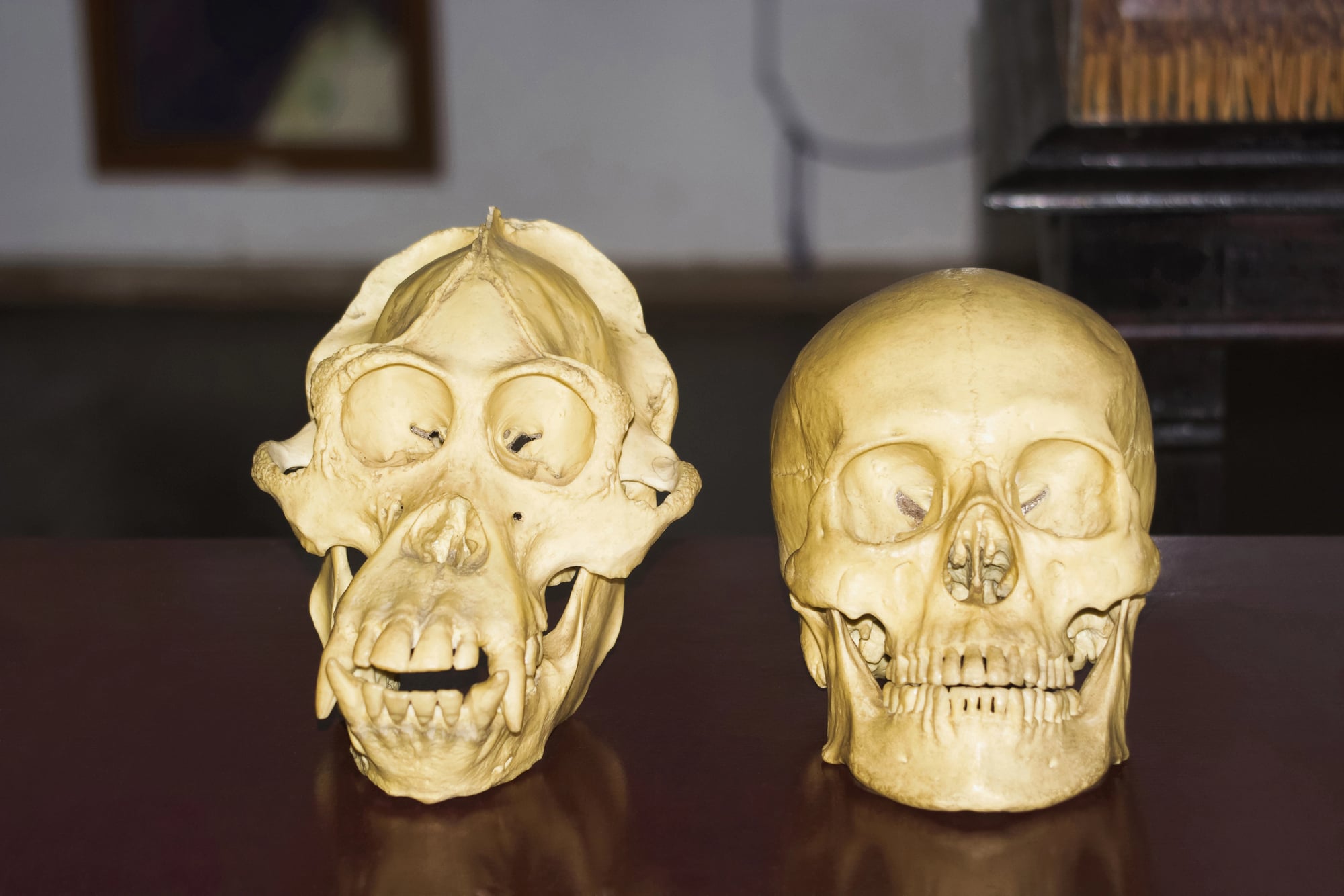
For over 40 years, this elaborate hoax completely fooled the scientific establishment. Charles Dawson claimed in 1912 he’d unearthed humanity’s ‘missing link’ from an English gravel pit — though scientists didn’t realize until 1953 they’d been examining a medieval human skull cleverly attached to an orangutan’s jaw.
Troy Was Just a Myth
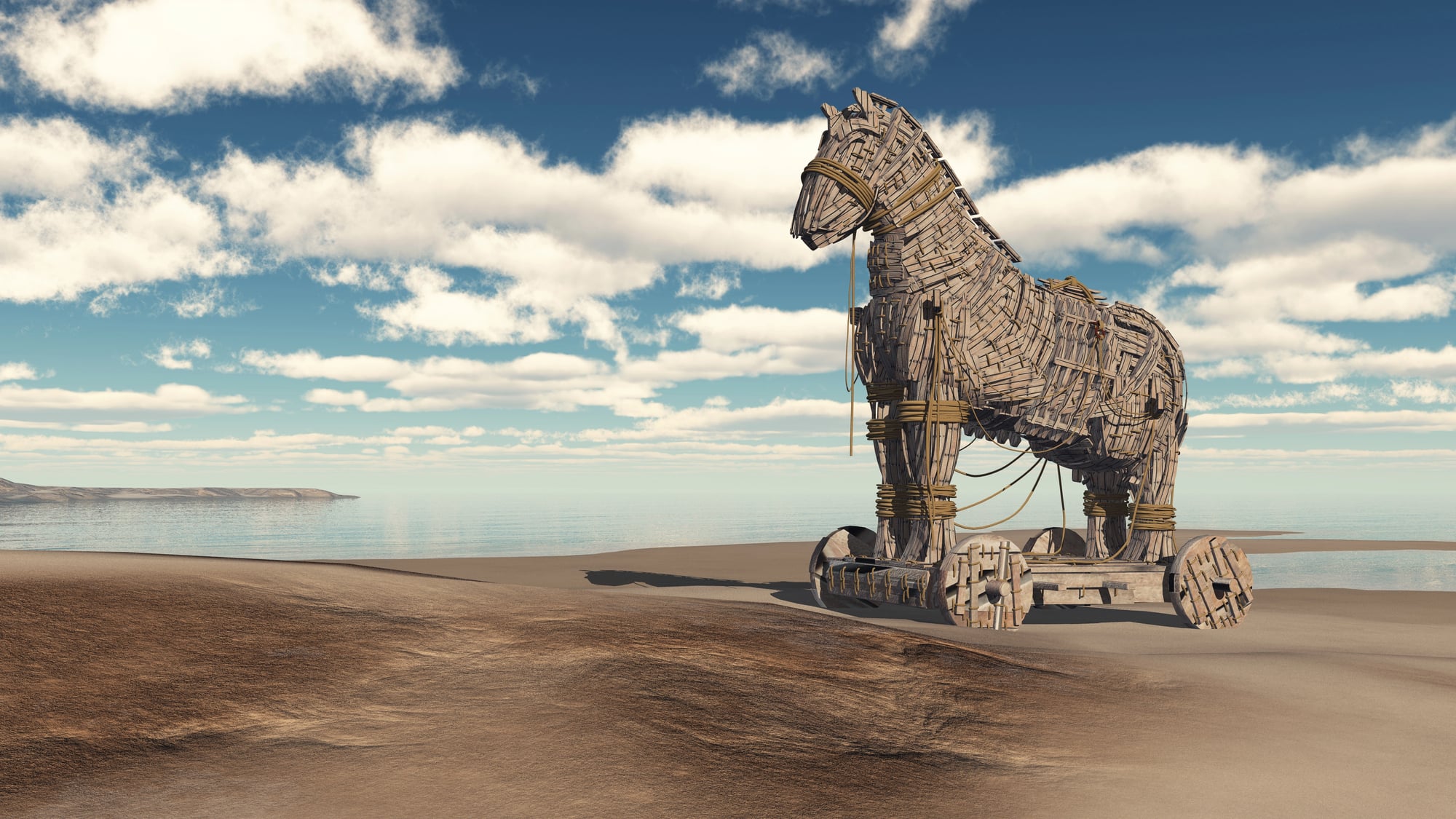
Generations of scholars treated Homer’s Iliad like pure fantasy, insisting Troy existed only in the poet’s imagination. Heinrich Schliemann shattered this assumption during the 1870s by actually excavating the legendary city’s ruins in modern Turkey.
Like Go2Tutors’s content? Follow us on MSN.
The Crystal Skulls Were Ancient Aztec Artifacts
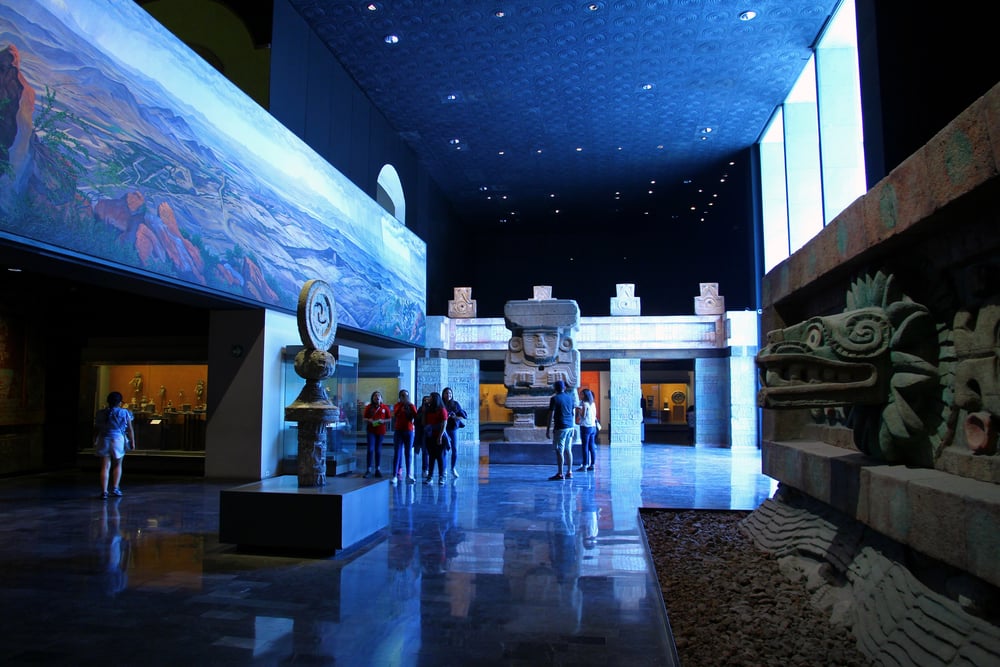
Prestigious institutions like the British Museum showcased crystal skulls as masterpieces of ancient Mesoamerican craftsmanship — complete with mysterious carving techniques that seemed impossibly advanced. Electron microscopy eventually revealed the embarrassing truth: these were 19th-century fakes created with Victorian-era rotary tools.
Kennewick Man Was European

The 9,000-year-old skeleton’s facial features convinced many researchers that he looked more European than Native American. This observation sparked elaborate theories about pre-Columbian European migration to the Americas, yet DNA analysis ultimately proved Kennewick Man belonged to local Native American populations.
The Mississippian Mounds Were Built by a Lost Race
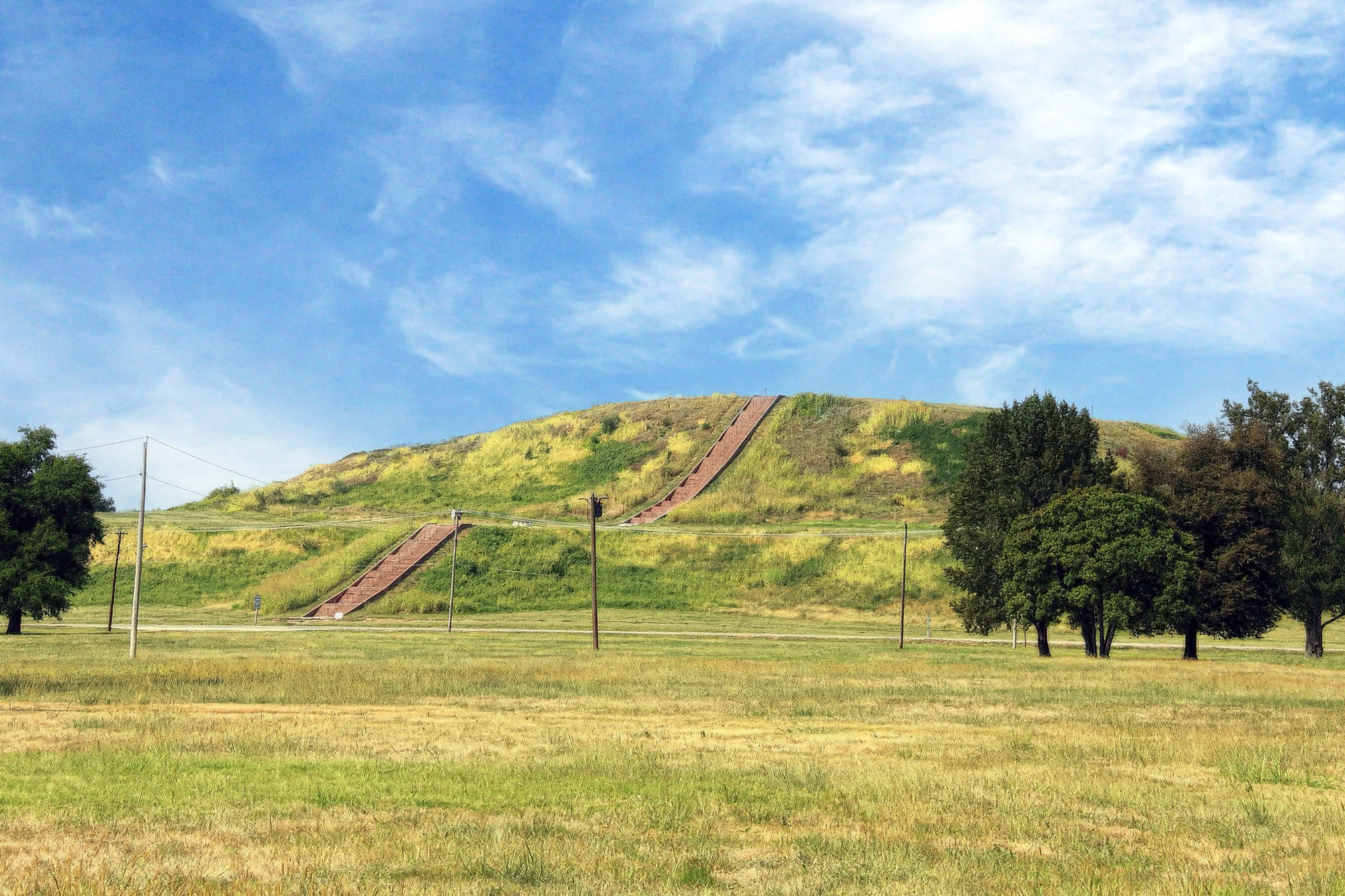
Early American archaeologists couldn’t accept that Native Americans had constructed the enormous earthworks throughout the Mississippi Valley. They preferred inventing mysterious ‘lost civilizations’ responsible for these monuments — a deeply racist assumption that persisted into the 20th century despite contradictory evidence.
Like Go2Tutors’s content? Follow us on MSN.
Stonehenge Was a Druid Temple

The assumption that Celtic druids built Stonehenge for religious purposes seemed perfectly reasonable. Radiocarbon dating demolished this comfortable theory by revealing construction began around 3100 BCE — more than two millennia before the Celts arrived in Britain.
The Sphinx Was Built by Aliens

Though mainstream archaeology rejected extraterrestrial theories, enough researchers promoted the idea that ancient Egyptians lacked the sophistication for such construction. They cited unusual weathering patterns as evidence — until geological analysis confirmed the erosion matched completely normal processes over accepted timeframes.
The Antikythera Mechanism Was Impossible
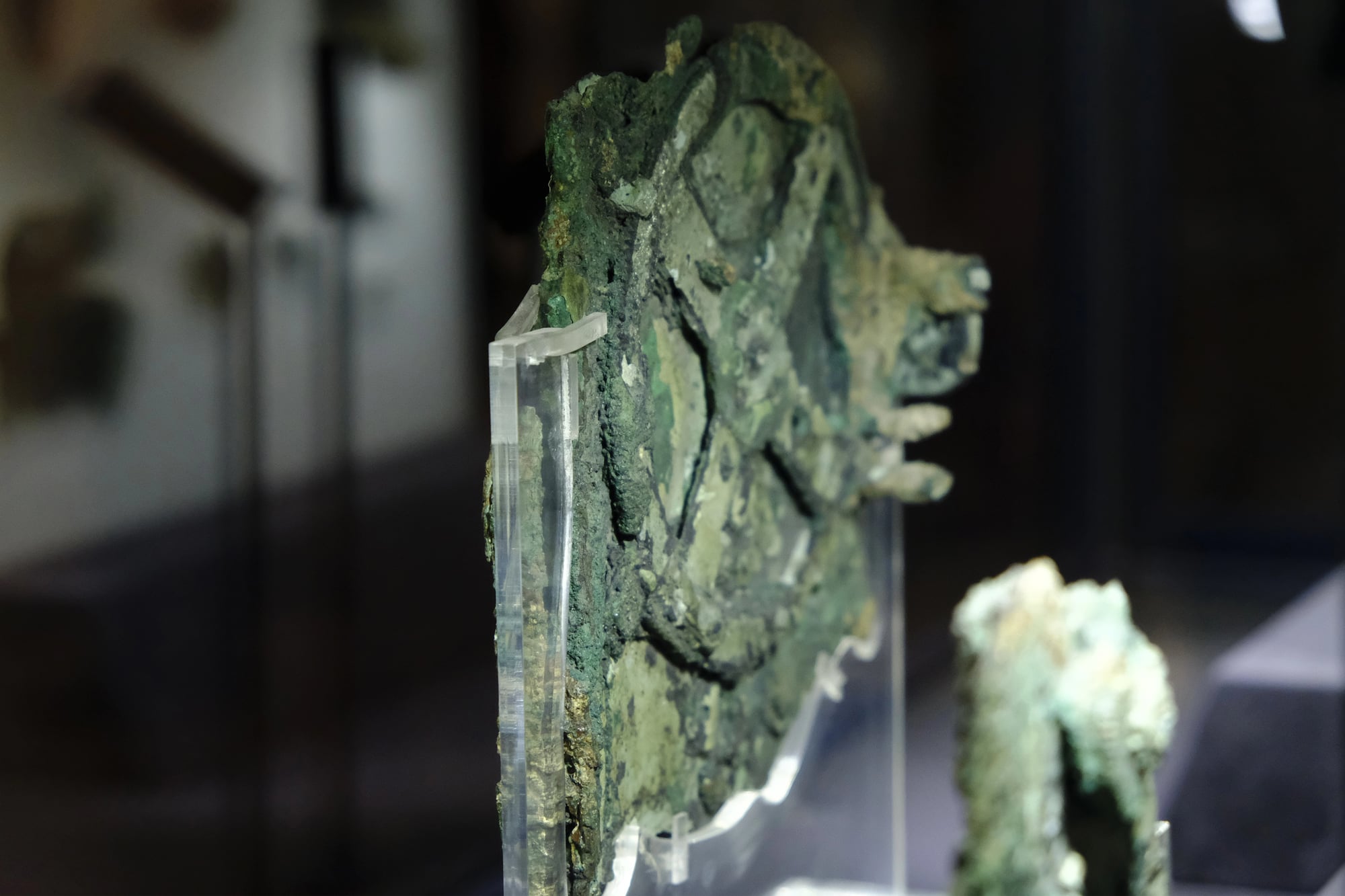
When divers recovered this corroded bronze contraption from a Greek shipwreck, nobody knew what to make of it. The device appeared far too complex for ancient Greek technology, leading many to dismiss it as medieval machinery accidentally mixed with genuine artifacts — though painstaking research revealed a 2,000-year-old astronomical computer.
Like Go2Tutors’s content? Follow us on MSN.
Mesa Verde Was Abandoned Because of Drought

Cliff dwelling researchers concluded that severe drought around 1300 CE forced the Ancestral Puebloans to abandon their spectacular homes. Tree ring evidence supported this climate-based explanation — but newer studies indicate social conflicts and resource depletion played more significant roles than weather alone.
Easter Island’s Collapse Was Caused by Ecological Disaster

Easter Island became archaeology’s cautionary tale about environmental destruction, with researchers describing how inhabitants deforested their island and triggered societal collapse. Recent evidence suggests this dramatic narrative was largely incorrect — populations remained stable until European diseases arrived, while islanders managed resources sustainably for centuries.
The Mayan Calendar Predicted the End of the World

When researchers deciphered Mayan timekeeping systems, some interpreted the conclusion of a major cycle in 2012 as prophesying a global apocalypse. Mayan specialists repeatedly corrected this misunderstanding, explaining that calendar cycles simply restart rather than forecasting doom, since Maya cosmology treats time as circular.
Like Go2Tutors’s content? Follow us on MSN.
Neanderthals Were Stupid Brutes

Early anthropologists depicted Neanderthals as primitive, hulking creatures barely deserving human classification. Modern research has completely overturned this unflattering portrait, revealing sophisticated toolmakers who created art, jewelry, and burial ceremonies while possessing larger brain capacities than contemporary humans.
The Nazca Lines Were Landing Strips for Ancient Astronauts

Peru’s massive ground drawings baffled early investigators who couldn’t understand creating artwork could be created visible only from above. This puzzlement spawned theories about alien communication systems and extraterrestrial landing facilities.
Subsequent research suggests the lines served ceremonial functions, likely as processional routes for water-related religious rituals.
Like Go2Tutors’s content? Follow us on MSN.
Cahokia Was a Peaceful Trading Center
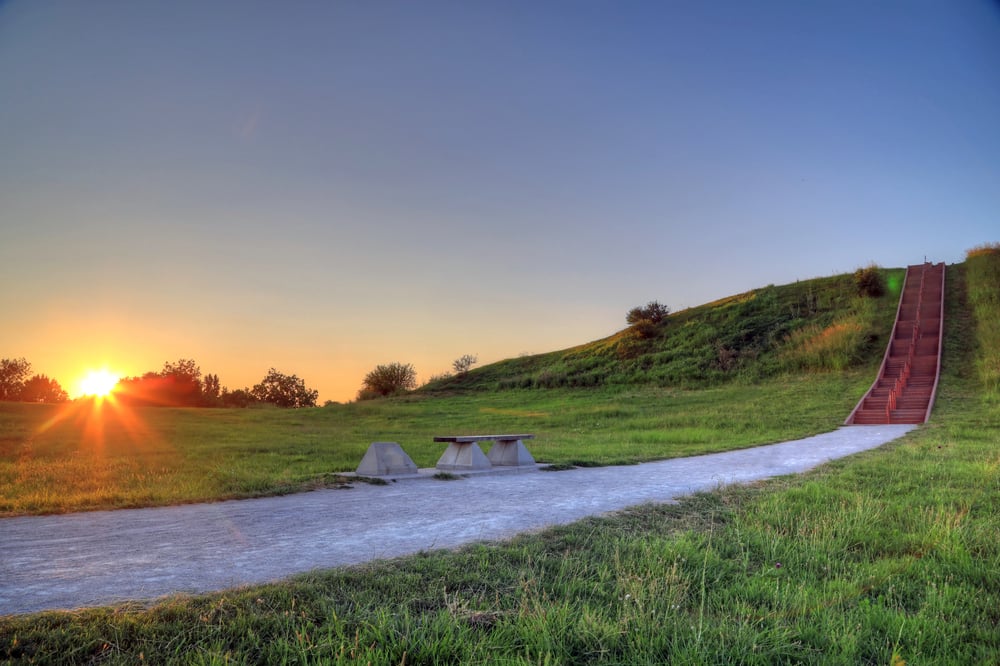
Initial archaeological interpretations portrayed Cahokia as a harmonious commercial hub where diverse groups gathered for peaceful trade. The apparent absence of defensive structures seemed to confirm this benign characterization.
More thorough excavations revealed a complex society featuring fortifications, warfare evidence, and pronounced social stratification including ritual human sacrifice.
What These Mistakes Teach Us

Archaeological blunders demonstrate that scientific understanding evolves through constant questioning and revision of accepted knowledge. Each error provided valuable lessons about how personal biases, cultural assumptions, and wishful thinking can distort supposedly objective research.
The discipline has become increasingly rigorous through learning from these mistakes, developing improved dating techniques, incorporating diverse perspectives, and maintaining skepticism toward convenient discoveries. Current archaeological ‘facts’ may appear equally misguided to future researchers equipped with technologies we cannot yet envision.
More from Go2Tutors!

- 16 Restaurant Chains That Went Too Fast
- 12 Things Sold in the 80s That Are Now Illegal
- 15 Strange Things People Have Tried to Ban (And Failed)
- 16 Collectibles People Tossed Out Too Soon
- 17 Myths from Your Childhood That Were Actually Based on Real Things
Like Go2Tutors’s content? Follow us on MSN.



