Signature Scents That Influenced Fragrance History
The world of perfume isn’t just about smelling good. It’s a timeline of culture, innovation, and personal expression that spans centuries.
Some fragrances didn’t just become popular—they changed everything that came after them, setting new standards and creating entirely new categories that perfumers still reference today. Let’s explore the iconic scents that left their mark on history and shaped how we think about fragrance.
Chanel No. 5

Coco Chanel wanted a perfume that smelled like a woman, not a flower garden. When perfumer Ernest Beaux presented her with several samples in 1921, she chose the fifth one, and the name stuck.
The formula broke every rule of the time by using aldehydes—synthetic compounds that gave it a bright, almost soapy quality that nobody had smelled before. Marilyn Monroe famously said she wore nothing to bed but a few drops of Chanel No. 5, cementing its status as the most recognizable perfume in the world.
Even today, a bottle sells every 30 seconds somewhere on the planet.
Shalimar

Guerlain released Shalimar in 1925, and it became the template for every oriental fragrance that followed. Jacques Guerlain mixed vanilla with bergamot and iris to create something that felt both cozy and luxurious at the same time.
The perfume was named after the gardens of Shalimar in India, where Emperor Shah Jahan built monuments to his love. Its warmth and depth made it a favorite of women who wanted to make an entrance and leave a lasting impression.
The formula has barely changed in nearly a century because it was perfect from the start.
Joy

Created in 1930 during the Great Depression, Joy by Jean Patou was intentionally made to be the most expensive perfume in the world. It takes over 10,000 jasmine flowers and 28 dozen roses to make just one ounce of the concentrate.
Perfumer Henri Alméras wanted to create pure happiness in a bottle, and the name reflects that ambition. Despite its astronomical price tag, Joy became wildly popular among women who saw it as the ultimate luxury.
It proved that even during hard times, people will pay for something that makes them feel special.
Opium

Yves Saint Laurent shocked the fragrance world in 1977 with Opium, a spicy oriental scent that was considered scandalous from the moment it launched. The name alone caused protests and bans in several countries, but that controversy only made it more desirable.
It smelled nothing like the fresh, clean fragrances that dominated the 1970s—instead, it was heavy with spices, incense, and amber. Women wore it as a statement of independence and rebellion.
Opium opened the door for bold, unapologetic fragrances that didn’t care about playing it safe.
Polo
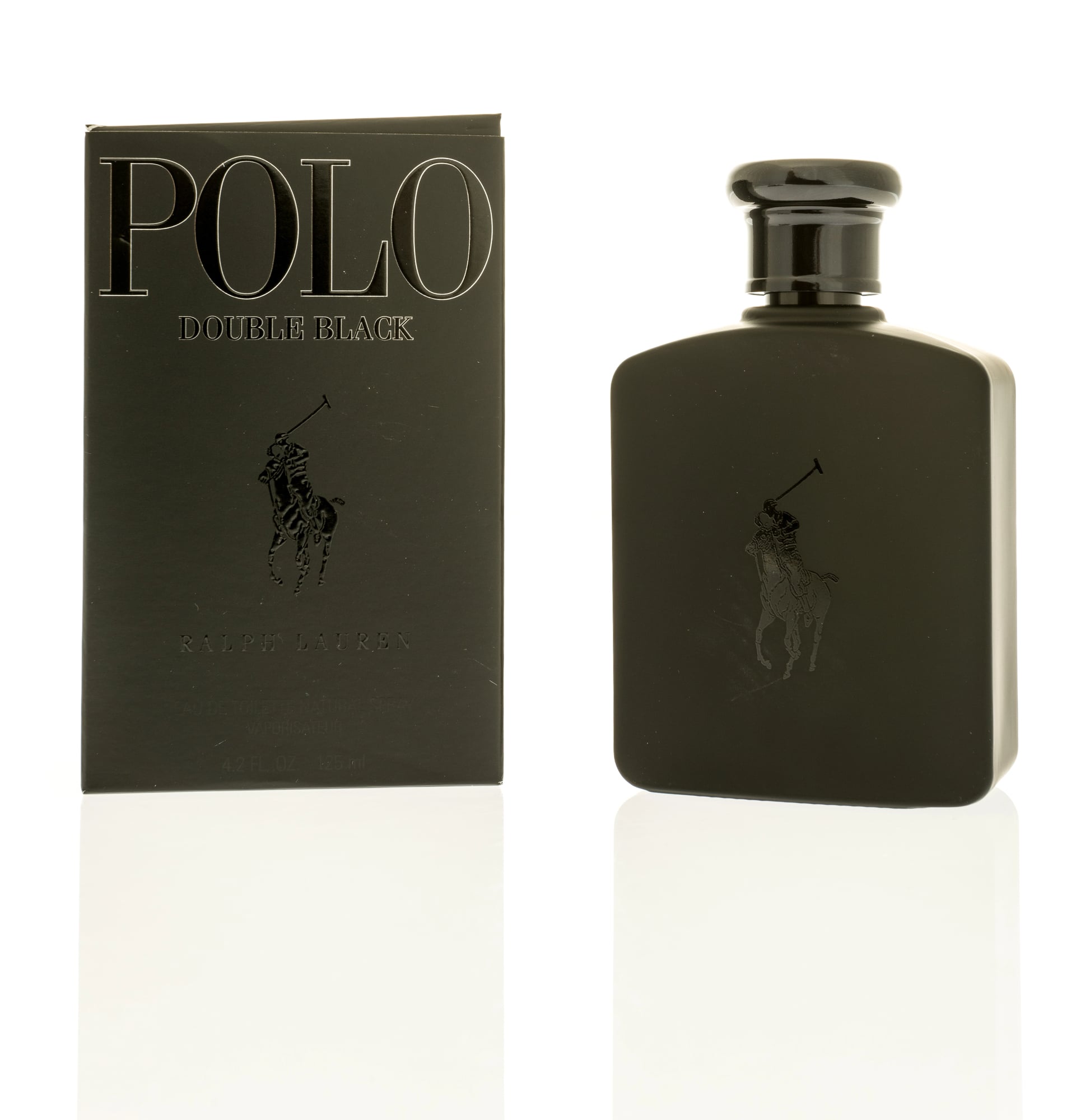
Ralph Lauren’s Polo launched in 1978 as the scent of American masculinity, and it dominated men’s fragrance counters for decades. The green bottle and the horse logo became status symbols, and the scent itself was a powerhouse of leather, cig leaves, and wood.
It was so strong that people could smell it from across the room, which was exactly the point. Men wore Polo to business meetings, dates, and anywhere they wanted to project confidence.
Its success proved that men would buy into fragrance just as much as women if marketed the right way.
White Linen

Estée Lauder released White Linen in 1978 as the perfect summer perfume, and it became the standard for fresh, clean fragrances. It combined aldehydes with flowers and a hint of moss to create something that smelled like crisp cotton sheets drying in the sun.
The fragrance appealed to women who wanted elegance without heaviness, especially during warm weather. White Linen proved that simplicity could be just as powerful as complexity.
It remains a bestseller because sometimes people just want to smell freshly showered and put together.
Obsession

Calvin Klein’s Obsession arrived in 1985 and captured the excess of the decade perfectly. The advertising campaign was provocative and moody, featuring tangled bodies and intense stares that made the fragrance feel dangerous.
The scent itself mixed amber, vanilla, and spices into something thick and intoxicating. Women bought it because it promised passion and intensity, not just pleasant smell.
Obsession became one of the bestselling fragrances of the 1980s and established Calvin Klein as a major player in the perfume industry.
Cool Water
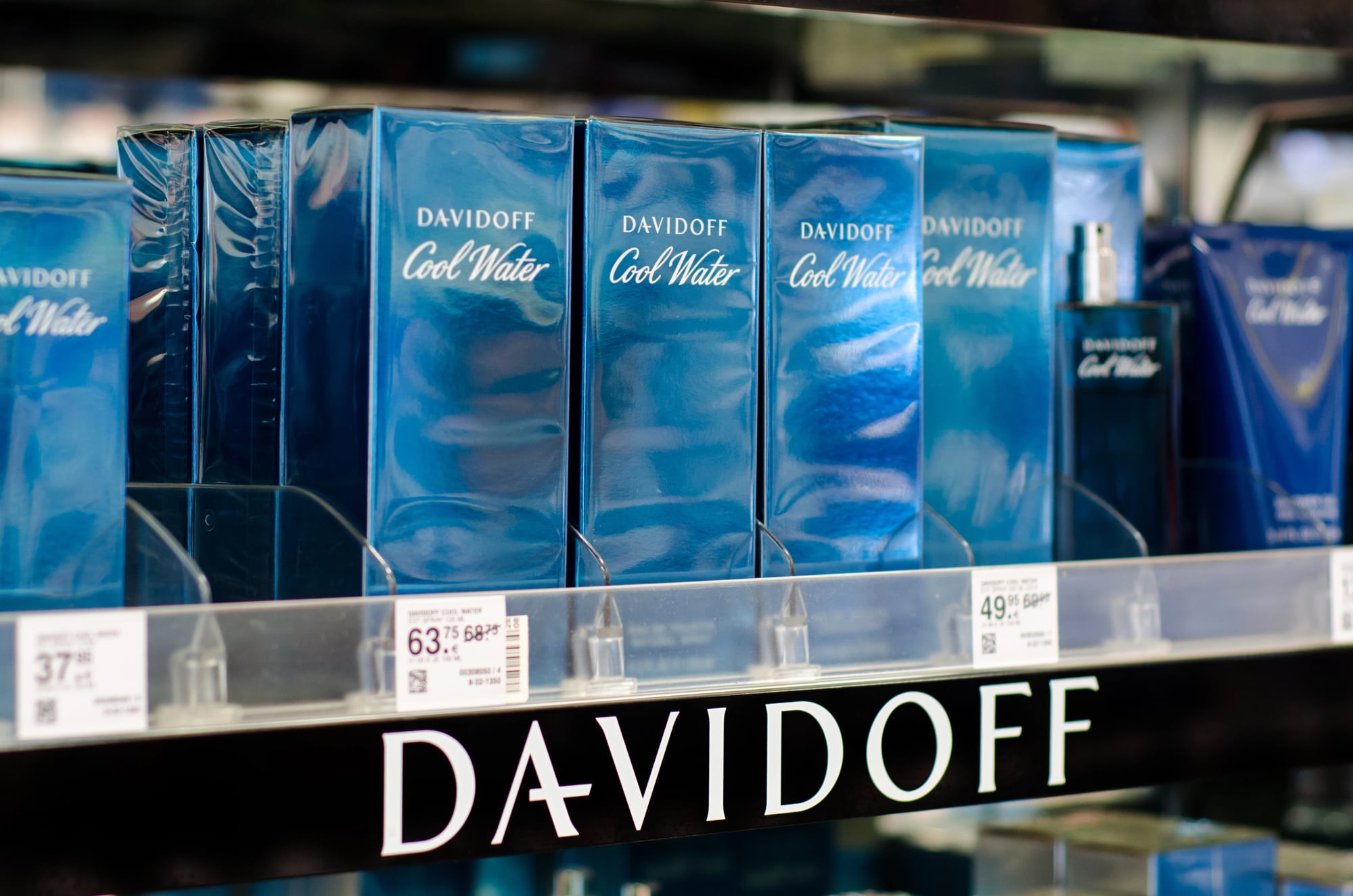
Davidoff’s Cool Water for men launched in 1988 and created the aquatic fragrance category almost overnight. Before Cool Water, nobody thought to make a perfume that smelled like the ocean.
It combined mint, lavender, and synthetic marine notes to create something refreshing and modern. The scent became so popular that nearly every fragrance house rushed to create their own aquatic version.
Cool Water remains affordable and widely available, which means generations of men have worn it as their first real cologne.
CK One

Calvin Klein revolutionized fragrance again in 1994 with CK One, the first truly unisex perfume marketed to young people. It came in a simple frosted glass bottle and smelled clean, citrusy, and unpretentious.
The campaign featured diverse models and Generation X attitude, making it feel rebellious to wear the same scent as your boyfriend or girlfriend. CK One sold millions of bottles in its first year and proved that fragrance didn’t need to be gendered.
It democratized perfume by making it accessible, affordable, and cool.
Angel

Thierry Mugler’s Angel launched in 1992 and people either loved it or hated it with no middle ground. It smelled like cotton candy, patchouli, and caramel—a combination that shouldn’t have worked but somehow did.
The star-shaped blue bottle looked like something from a fairy tale, and the fragrance was so strong it left a trail wherever the wearer went. Angel created the gourmand category, where perfumes smell good enough to eat.
It remains one of the bestselling fragrances worldwide because it dared to be different when everyone else played it safe.
Acqua di Gio
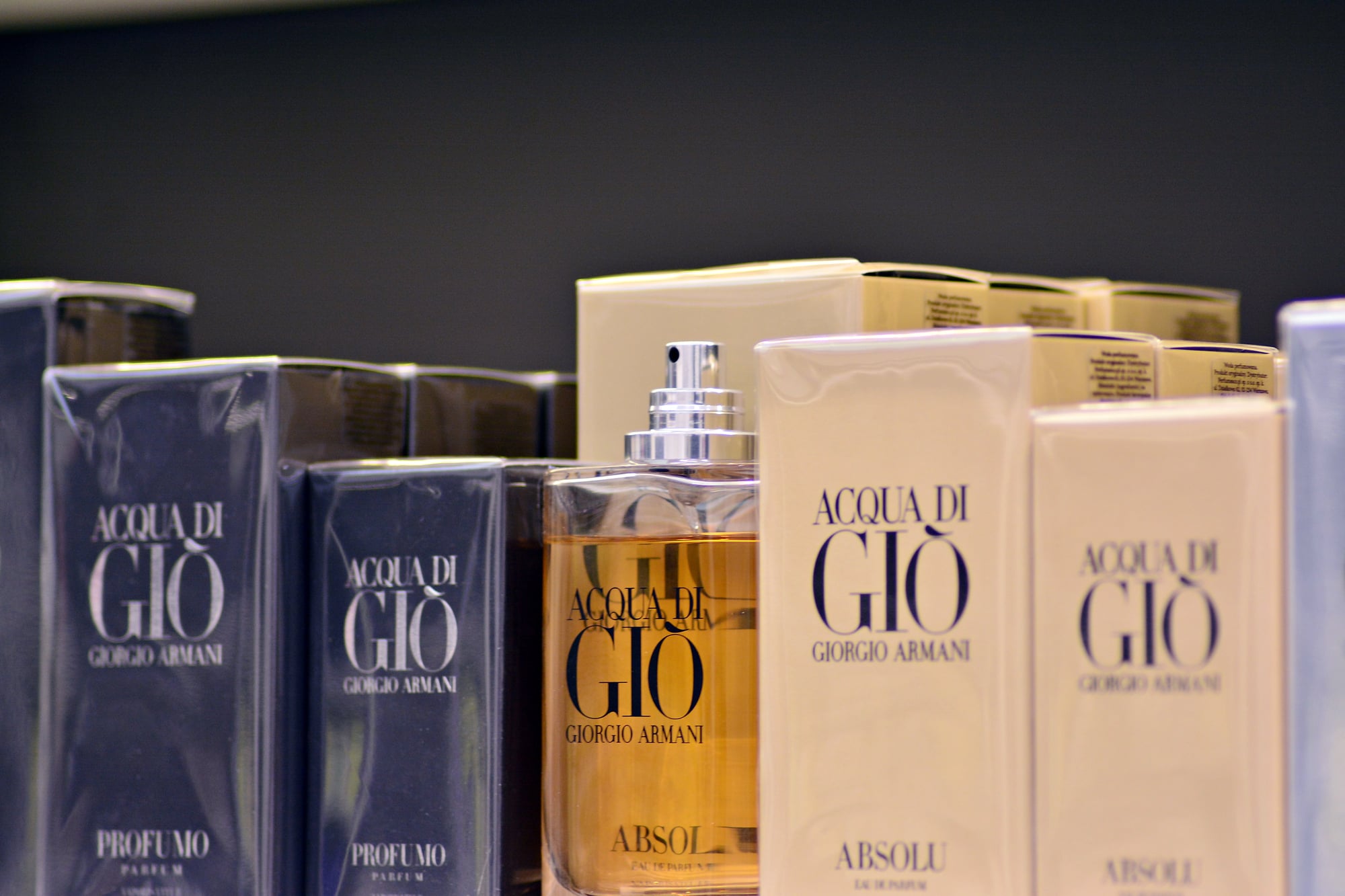
Giorgio Armani’s Acqua di Gio for men launched in 1996 and immediately became the cologne that defined the late ’90s and early 2000s. It took the aquatic trend started by Cool Water and refined it into something more sophisticated.
The combination of citrus, marine notes, and woods created a scent that worked for the office, the gym, and everything in between. Acqua di Gio became so popular that it’s still one of the top-selling men’s fragrances nearly three decades later.
Its success lies in its versatility and the fact that almost everyone finds it pleasant.
Light Blue
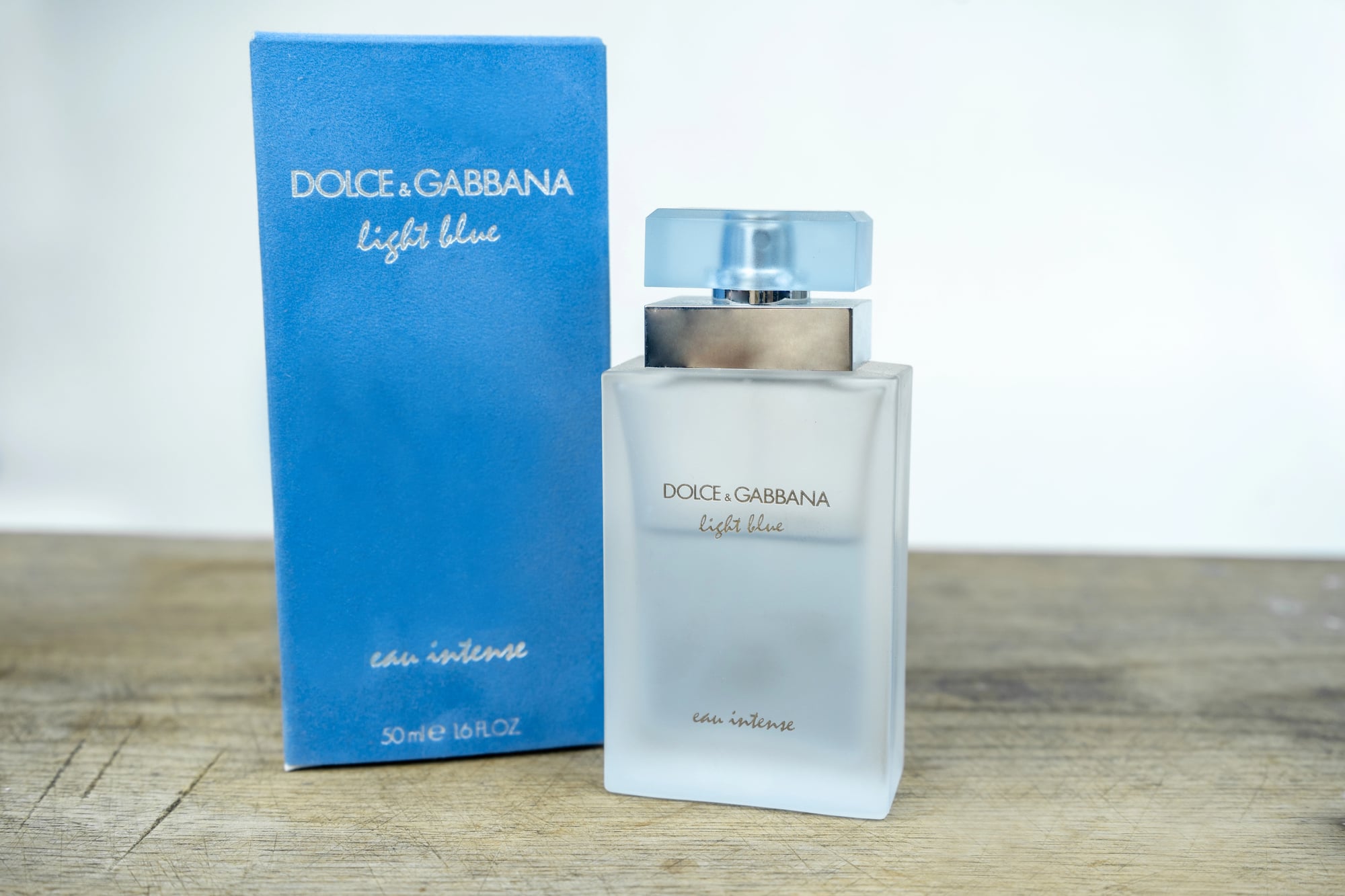
Dolce & Gabbana released Light Blue in 2001, capturing the carefree feeling of a Mediterranean summer in a bottle. It mixed apple, jasmine, and cedar to create something fresh but not too simple.
The pale blue bottle and the image of sun-drenched Italian coasts made it instantly recognizable. Light Blue became the go-to fragrance for women who wanted something easy to wear but still distinctive.
Its popularity proved that people were ready for fragrances that felt optimistic and uncomplicated after the heavy scents of previous decades.
Black Orchid

Tom Ford launched Black Orchid in 2006 and brought dark, luxurious fragrances back into fashion. It combined black truffle, ylang-ylang, and patchouli into something rich and mysterious that felt more like a piece of art than a perfume.
The black bottle with gold accents looked expensive sitting on a vanity, and the scent matched that image. Black Orchid appealed to people who wanted their fragrance to make a statement rather than blend in.
It established Tom Ford as a serious perfume creator and influenced a wave of niche fragrances that prioritized creativity over mass appeal.
La Vie Est Belle
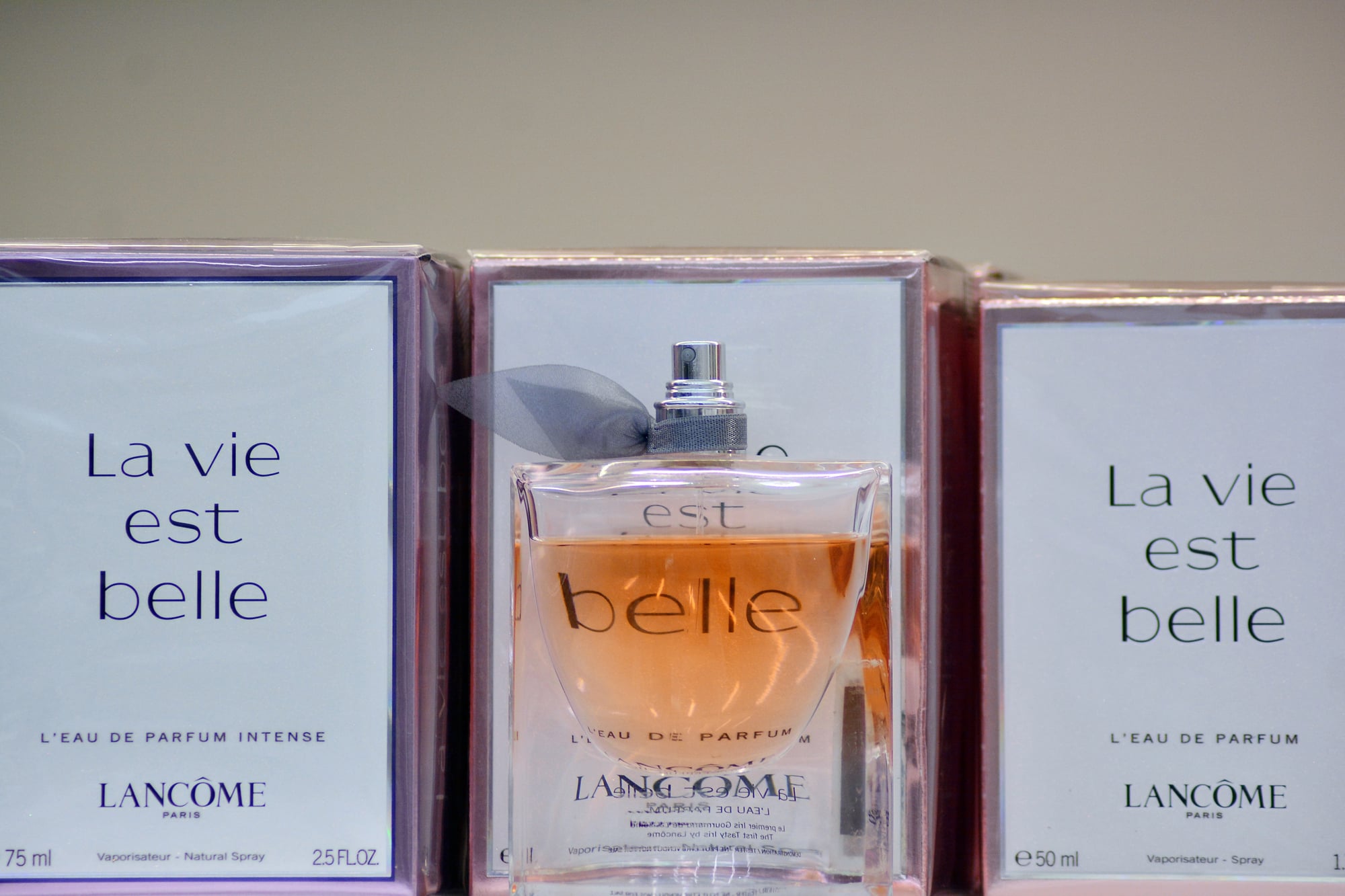
Lancôme dropped La Vie Est Ble back in 2012 – soon after, it shot up as a top-selling scent around the world. Instead of just sugariness, it combined iris with patchouli plus a hint of praline for a smell that’s rich yet fresh.
Because the idea was simple – life’s good, enjoy it – it clicked with women from different places. Smiling faces in ads gave off warmth, not arrogance, making the vibe welcoming, almost like a friend cheering you on.
This wasn’t just another sugary perfume; it showed sweetness can have class when done right, while hope sells – even in small bottles.
Sauvage
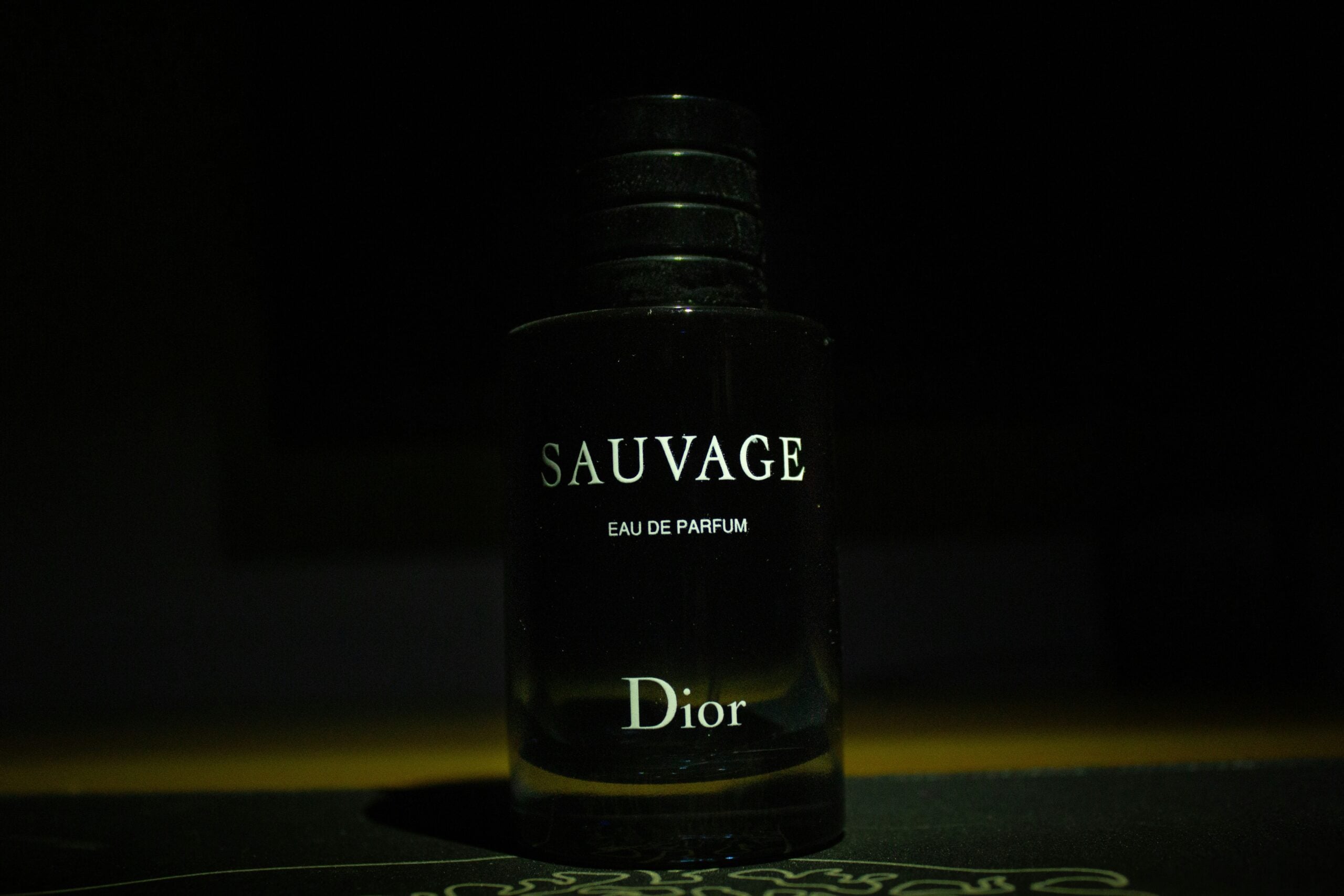
Dior’s Sauvage hit stores in 2015, fronted by Johnny Depp – sales exploded right away. Instead of blending typical notes, it mixed bergamot with spice plus ambroxan for a bold, clean vibe that fit everywhere.
Called “savage” in French, ads pushed raw energy and open horizons. Still, backlash popped up over certain campaign images; even so, nothing slowed its climb to top-selling guy’s scent worldwide.
When a perfume nails both punch and crispness? Nothing else stands a chance.
Baccarat Rouge 540
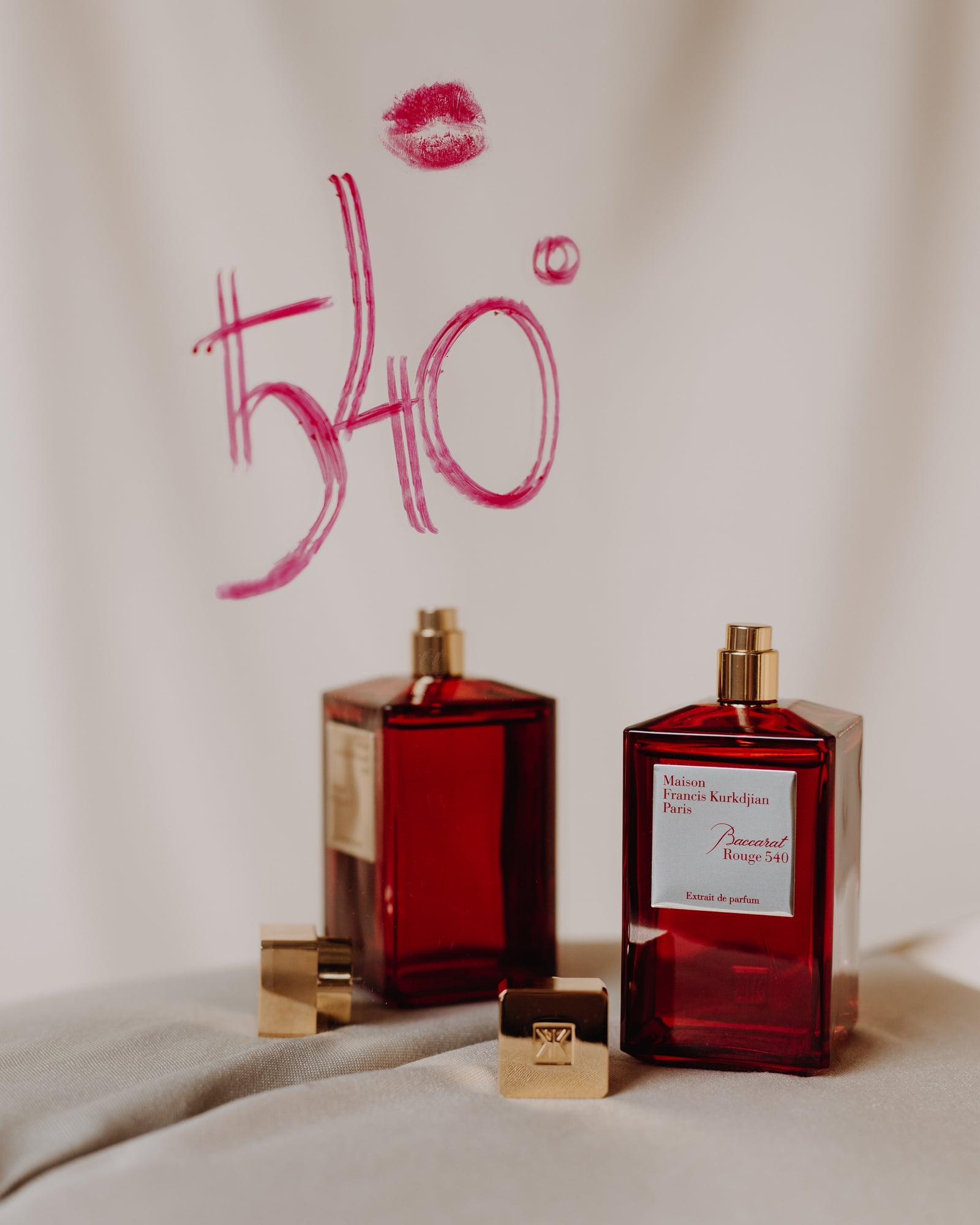
Maison Francis Kurkdjian dropped Baccarat Rouge 540 back in 2015 – soon after, copies started popping up everywhere. Instead of just mixing notes, it blended amber with saffron and cedarwood to smell rich yet totally different.
People couldn’t stop talking once it blew up online; posts spread fast about how good it was, especially when random folks approached wearers asking what they had on. Though the original runs several hundred bucks, demand pushed tons of cheaper versions into stores.
Not by ads or big campaigns, but thanks to chatter across platforms – it showed how niche scents now go viral without traditional marketing.
Lost in Translation

These scents weren’t only popular – they shifted how people saw perfume. One shattered norms around gender, another sparked a whole new type of fragrance, while some bottled a vibe so right it never aged.
Things keep changing in the world of scent, yet these standouts still shape what creators make and shoppers pick up. Stroll into any big store now, and you’ll spot them side by side with fresh launches – proof that real originality sticks around no matter what’s hot.
More from Go2Tutors!

- The Romanov Crown Jewels and Their Tragic Fate
- 13 Historical Mysteries That Science Still Can’t Solve
- Famous Hoaxes That Fooled the World for Years
- 15 Child Stars with Tragic Adult Lives
- 16 Famous Jewelry Pieces in History
Like Go2Tutors’s content? Follow us on MSN.