19 Things from the ’60s That Were in Every House, No Matter What
The 1960s were an intriguing turning point between mid-century convention and revolutionary cultural change. As America transitioned from the conservative 1950s to the tumultuous ’60s, houses throughout the nation held a unique combination of technological advancement, design style, and daily goods that characterized the decade.
From appliances in the kitchen to free time, these products chronicle American home life during this revolutionary decade. A catalog of 19 items and designs that might be found in almost every American household in the 1960s, regardless of where or how wealthy, follows. Items and designs in almost all American homes at the time represent the essence and spirit of everyday life, then and, in some form, now too.
Rotary Telephone
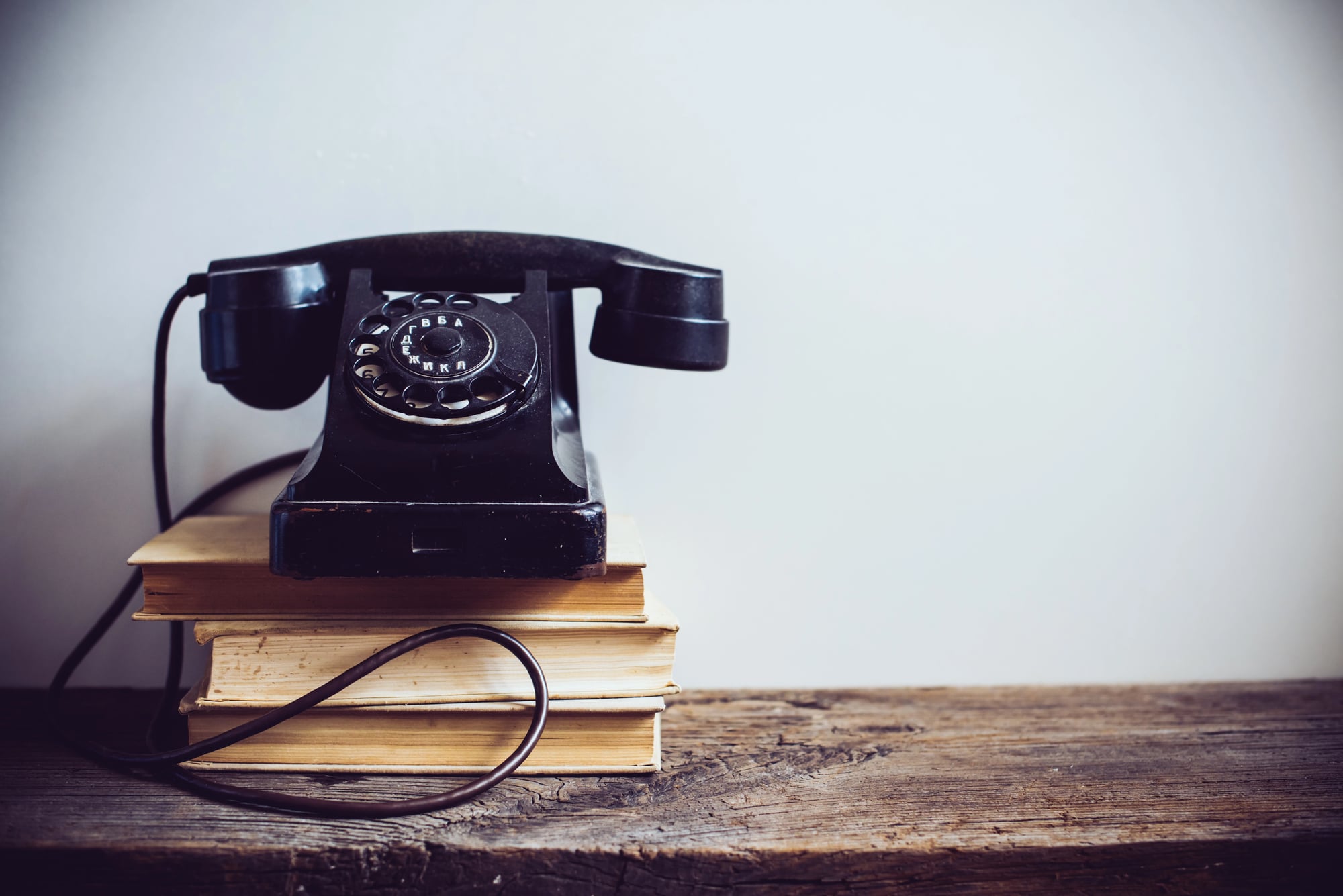
The hefty rotary phone with its circular dial and satisfying mechanical click was the communication lifeline in every household. Most families had just one phone, typically mounted on the kitchen wall or placed on a dedicated telephone table in the hallway.
The shared nature of this communication device meant calls lacked privacy, with family members often listening in or hovering nearby during conversations. These sturdy devices came primarily from Bell Telephone in basic black, though fashion-forward homes might splurge on beige, green, or the coveted princess model in pink.
TV Trays
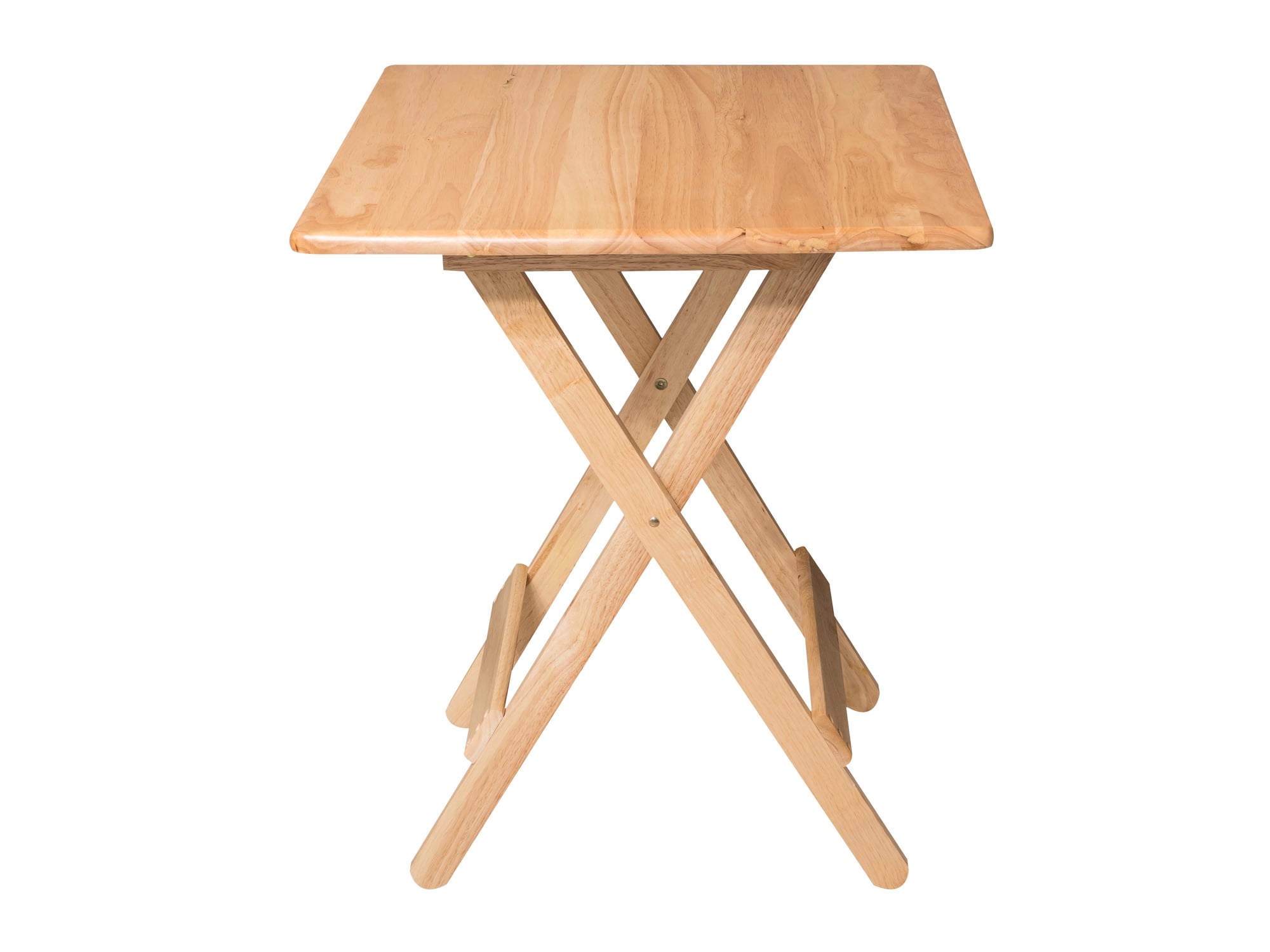
These folding light tables became household items as TV dinners and informal dining redefined American dining culture. Generally packaged in sets of four with a storage shelf, they had simple rectangular surfaces on metal bases, frequently covered with floral prints, nature images, or geometric motifs.
Families would open these light surfaces to eat TV dinners while viewing popular television shows like “Bonanza” or “The Ed Sullivan Show,” and thus began the now-familiar custom of eating in front of the TV set instead of the dinner table.
Console Television
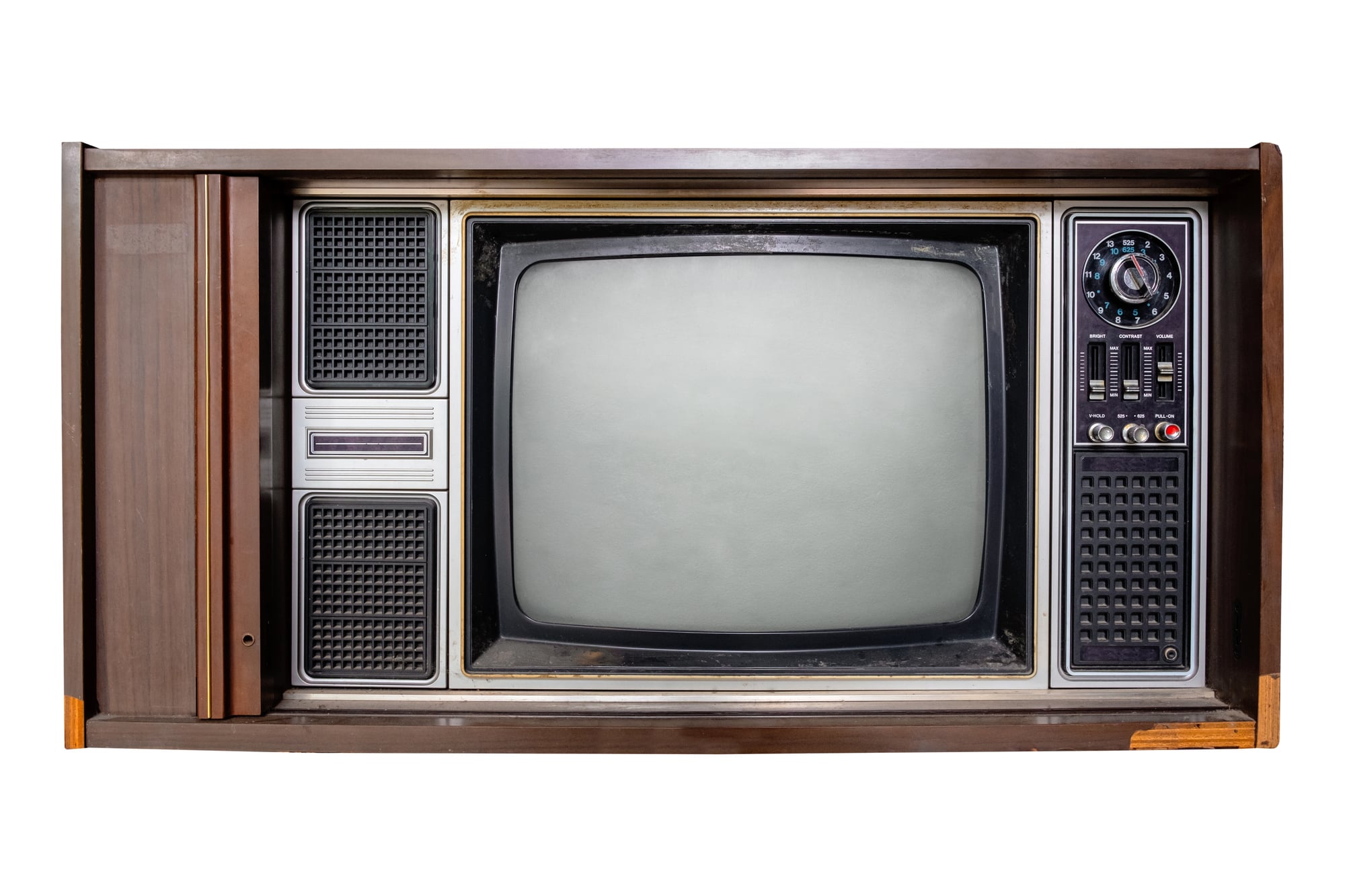
Housed in enormous wooden cabinets that anchored living rooms across America, the television functioned as both a furniture item and an entertainment center. These floor-standing consoles had control knobs, fabric-covered speakers, and wood paneling around comparatively modest displays (typically 19–21 inches).
Adjustable “rabbit ear” antennas or outdoor aerials were used for reception, and viewers frequently stood up to switch between the few available channels or fix the poor reception. The television’s position as a major household investment and a focal point for family gatherings was reflected in its massive wooden housing.
Vinyl Records

Long before streaming services, vinyl records provided the soundtrack to ’60s domestic life, with most households maintaining collections of albums and singles. Record players ranged from portable units popular with teenagers to sophisticated console systems incorporated into living room furniture.
The distinctive ritual of carefully handling records, placing them on turntables, and positioning the needle became part of everyday life for music lovers. Album covers doubled as significant visual art displays, with many families proudly exhibiting their musical tastes through visible record storage in living spaces.
Avocado Green Appliances

Kitchen appliances in deep avocado green dominated American homes, replacing the candy-colored appliances of the 1950s with this more sophisticated earth tone. Refrigerators, stoves, and dishwashers coordinated in this distinctive shade, often paired with harvest gold or burnt orange accents in adjacent decor.
The color became so prevalent that it’s now immediately recognizable as a ’60s design signature, visually dating any kitchen it appears in. Even households that couldn’t afford all new appliances often incorporated the color through smaller items like blenders, toasters, or kitchen canisters.
Formica Countertops

Practical, affordable Formica transformed American kitchens with its easy-care laminate surfaces that mimicked more expensive materials. Popular patterns included boomerang shapes, glitter-infused designs, and wood grain effects, typically in color schemes coordinating with those avocado appliances.
The material’s durability and easy maintenance made it appealing to homemakers managing busy households without domestic help. Edge treatments typically featured metal strips creating a distinctive outline around countertop perimeters, instantly recognizable in photos from the era.
Wood Paneling
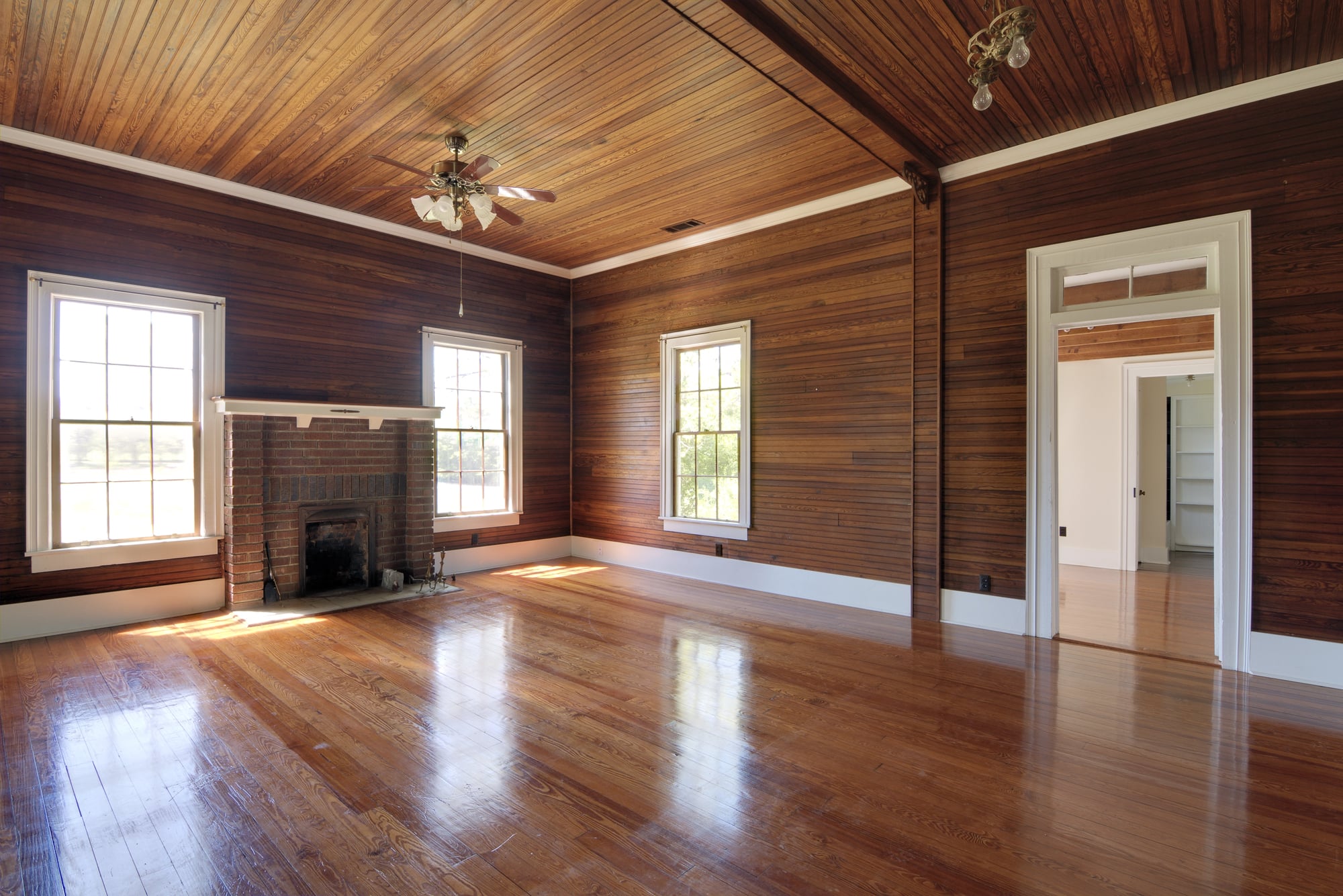
Thin sheets of wood veneer or wood-look paneling covered the walls of countless dens, basements, and even living rooms during this decade. This inexpensive wall treatment offered an easy way to create a den-like atmosphere and hide imperfect wall surfaces without the expense of actual wood.
The warm, masculine aesthetic complemented the period’s interest in rustic and nature-inspired interiors while providing a practical, washable surface for family spaces. The distinctive look of this paneling—vertical lines with occasional knots and variations—remains immediately identifiable as a signature ’60s feature.
Bean Bag Chairs

These casual seating options filled with polystyrene beans represented the decade’s move toward more relaxed, youth-oriented furniture options. First marketed widely in the late ’60s, they quickly became must-have items for family rooms and children’s bedrooms.
The shapeless, informal seating perfectly complemented the era’s interest in breaking from traditional furniture arrangements and formal living spaces. Available in vibrant vinyl covers and brilliant colors, bean bags introduced a playful element to home furnishings that appealed particularly to the younger generation driving many cultural changes.
Lava Lamps

These hypnotic novelty lamps combined colored oil and wax in liquid-filled tubes, creating constantly morphing blob shapes that mesmerized viewers. Invented in 1963, they rapidly became decorative staples in dens, teenagers’ rooms, and even some living rooms.
The lamps perfectly embodied the psychedelic aesthetic emerging in the later part of the decade, offering a touch of counterculture style even in otherwise conventional homes. Their colorful, constantly changing patterns provided ambient lighting and endless fascination for family members and visitors alike.
Shag Carpeting
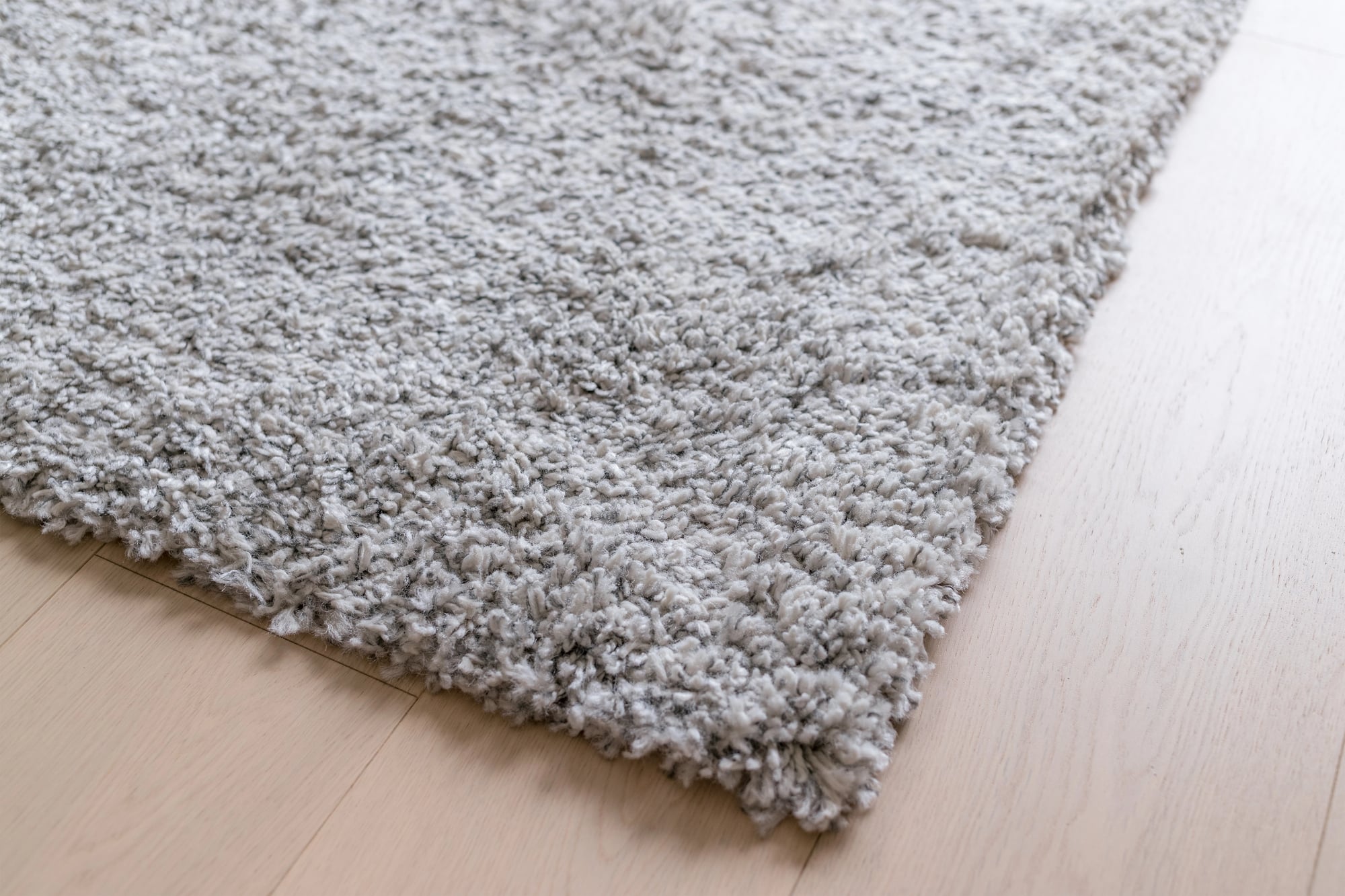
Deep-pile carpeting in bold colors covered floors wall-to-wall in millions of American homes, providing warmth, sound absorption, and distinctive texture. Available in avocado green, harvest gold, orange, and brown, these carpets added color and comfort underfoot while requiring regular maintenance with special rakes to maintain their fluffy appearance.
The luxurious feel underfoot represented affordable luxury for middle-class families and aligned with the decade’s interest in sensory experiences and tactile surfaces. Shag rugs in particular areas often accented the wall-to-wall installations, adding even more texture to already plush interiors.
TV Guide Magazine
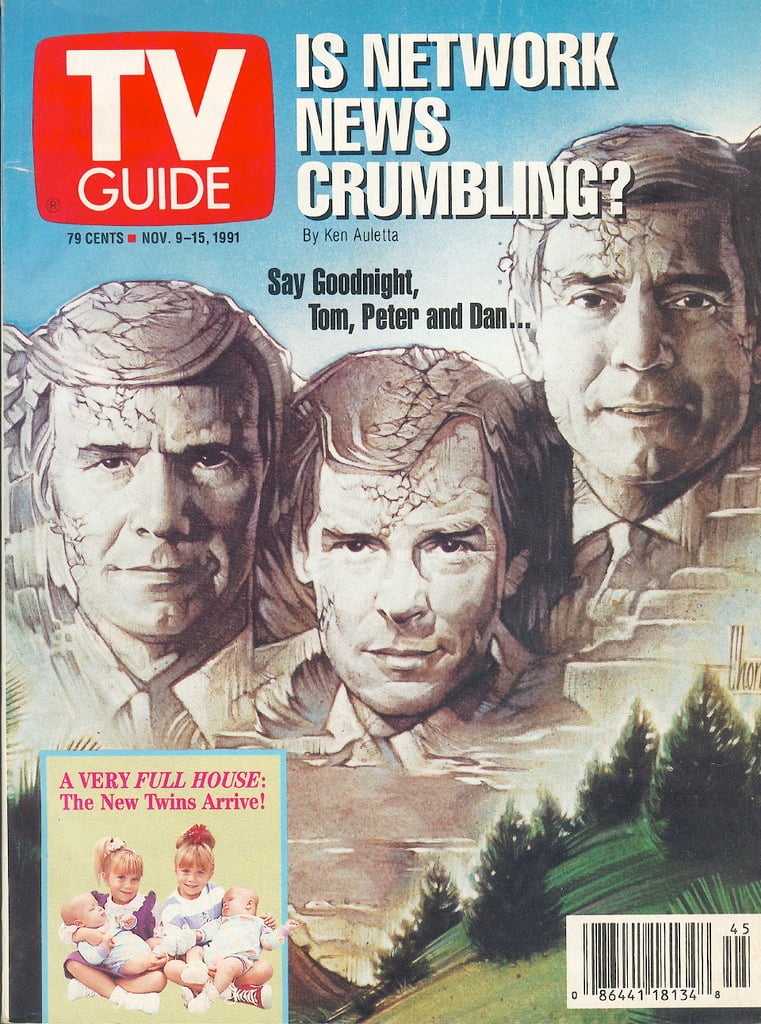
This weekly television listing magazine became essential reading material in households nationwide, typically kept near the television for constant reference. Families relied on the small, digest-sized publication to plan their viewing schedules in an era before on-screen program guides or recording options.
Beyond mere listings, the magazine featured articles about shows and stars, becoming many Americans’ primary source of entertainment news. The ubiquitous publication often accumulated in stacks near the family television, with circulation reaching an astonishing 20 million copies weekly by the end of the decade.
Hi-Fi Stereo Console

The high-fidelity stereo system represented a significant technological advancement that transformed home entertainment during the ’60s. Housed in furniture-quality wooden cabinets, these systems typically included radio tuners, record players, and increasingly sophisticated speaker systems.
The substantial consoles occupied prominent positions in living rooms, reflecting their importance as both entertainment centers and status symbols. Many featured storage space for record collections, with sliding drawer mechanisms to access the turntable and control panels behind decorative doors when not in use.
Encyclopedia Set
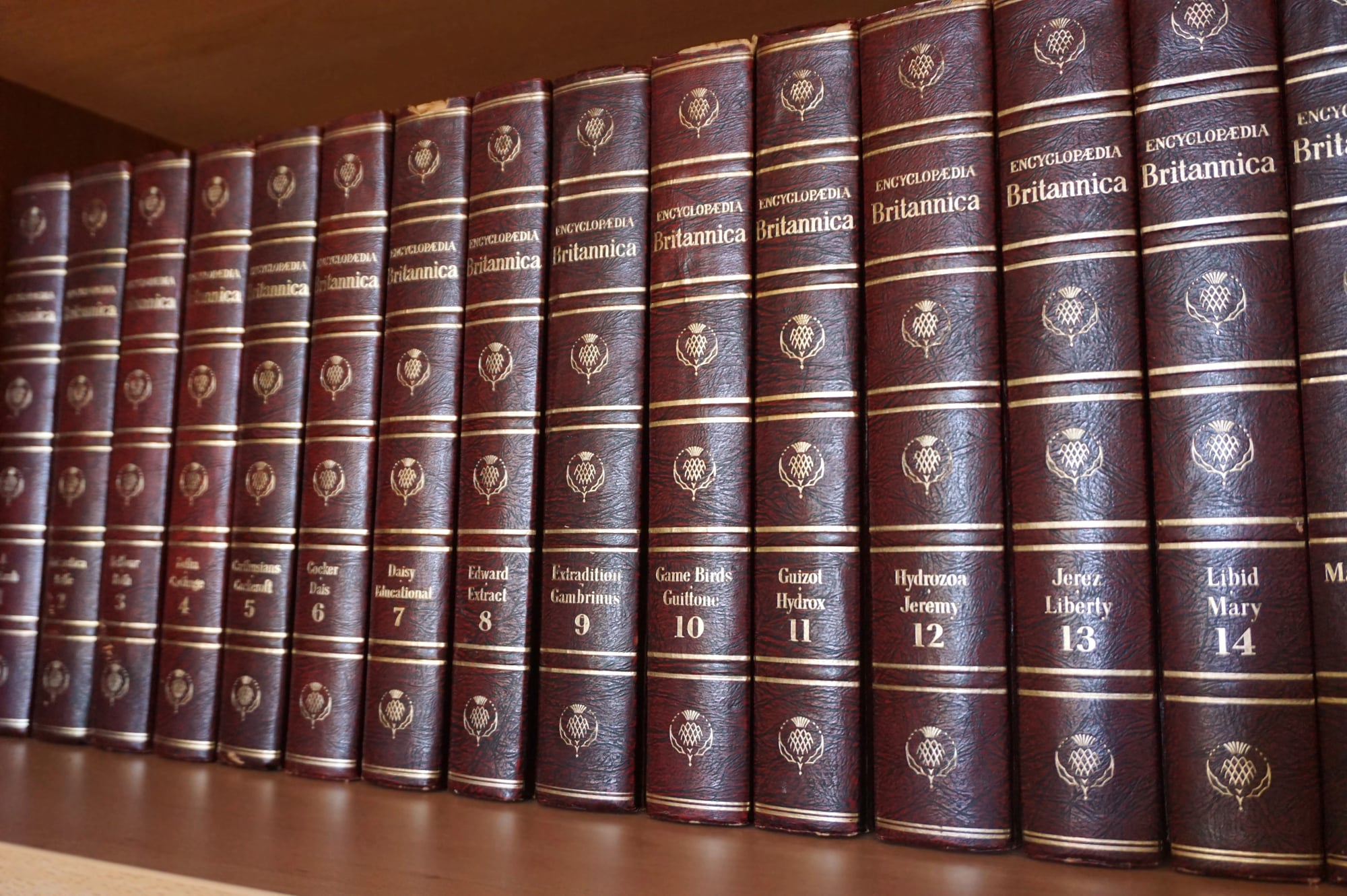
A complete set of encyclopedias represented both an educational resource and a visible sign of middle-class aspiration in homes with children. These multi-volume reference collections, often purchased from door-to-door salesmen on monthly payment plans, occupied significant bookshelf space in family rooms or studies.
The World Book, Encyclopedia Britannica, or Funk & Wagnalls volumes served as the home research center in the pre-internet era, consulted for homework, settling family disagreements, or satisfying curiosity. These sets’ substantial investment made them prized possessions displayed prominently in many households.
Fondue Pot

This communal cooking device became a must-have entertainment accessory as fondue parties emerged as popular social gatherings. Typically used for melting cheese or chocolate for dipping, fondue pots brought a touch of European sophistication and interactive dining to American homes.
The ritual of gathering around the pot with long-handled forks became a favorite casual entertaining option, especially for younger couples embracing more informal hospitality styles. Most pots came in bright enameled colors with matching forks, often given as wedding gifts and displayed as decorative kitchenware even when not in use.
Tupperware
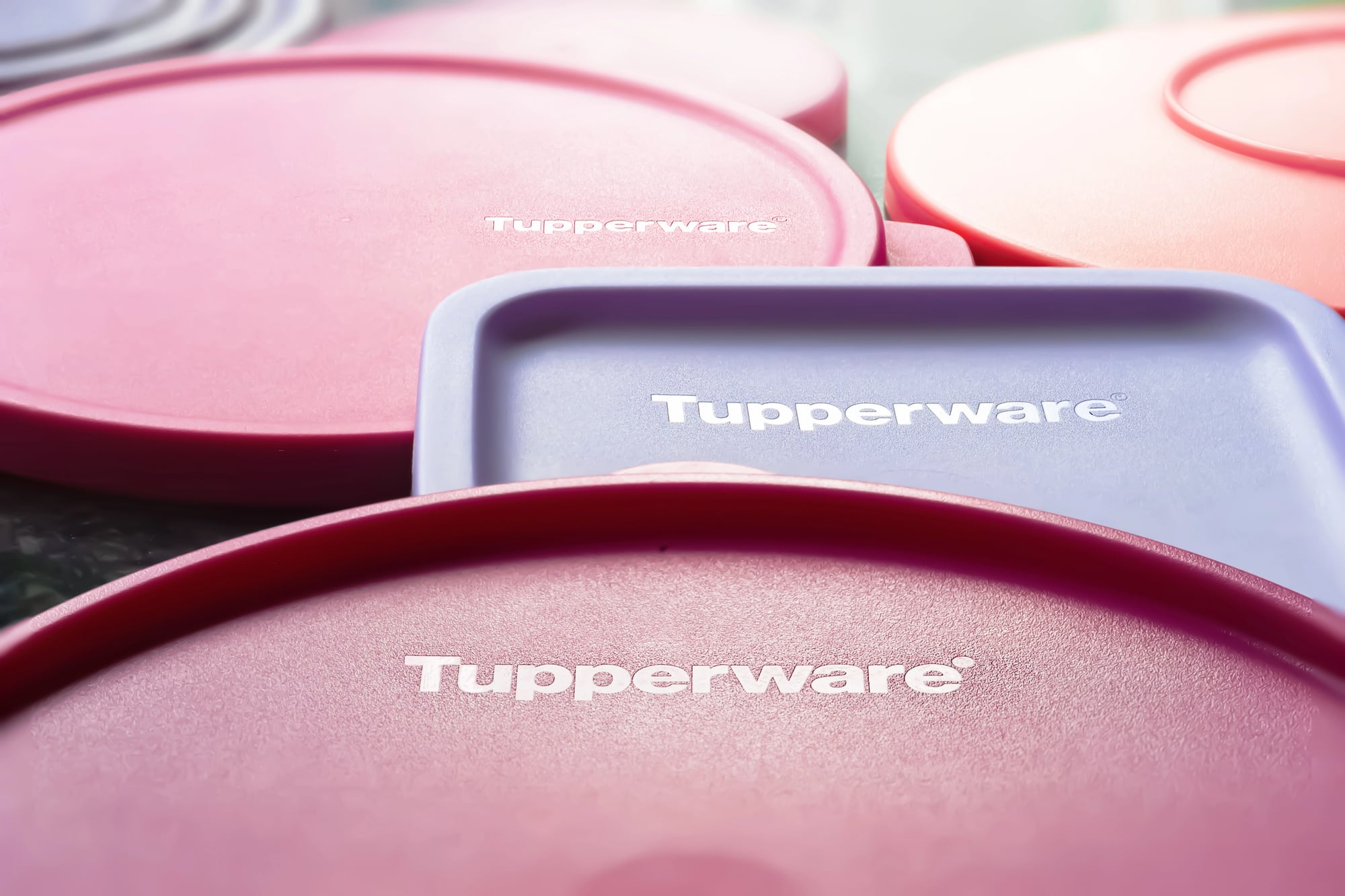
These revolutionary plastic food storage containers became kitchen essentials, purchased primarily through home Tupperware parties that combined shopping with socializing. The airtight seal created by the patented “burp” method preserved food more effectively than previous options, while the lightweight, unbreakable material offered practical advantages over glass containers.
Distinctive pastel colors and modular stacking designs made Tupperware instantly recognizable and suitable for storage in the increasingly popular refrigerator-freezers of the era. The product line expanded throughout the decade to include specialized containers for specific foods and serving pieces for entertaining.
Electric Coffee Percolator
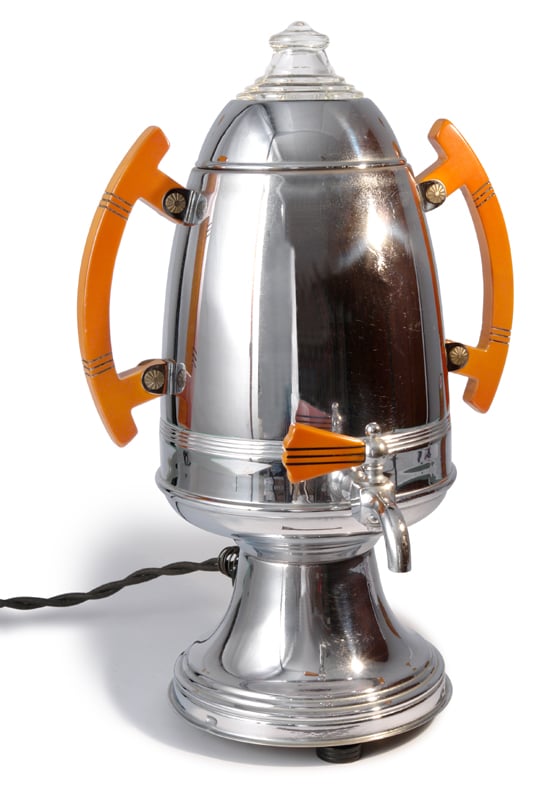
The distinctive bubbling sound of percolating coffee provided the morning soundtrack in kitchens across America before automatic drip coffee makers appeared. These chrome or avocado-colored appliances featured glass knobs on top that allowed families to watch coffee circulating during the brewing process.
The ritual of measuring grounds into the metal basket, adding water, and waiting for the familiar perking sound structured morning routines in households nationwide. The percolator’s place on the kitchen counter or dining table remained unchallenged until newer brewing technologies emerged in subsequent decades.
Kitschy Wall Clocks
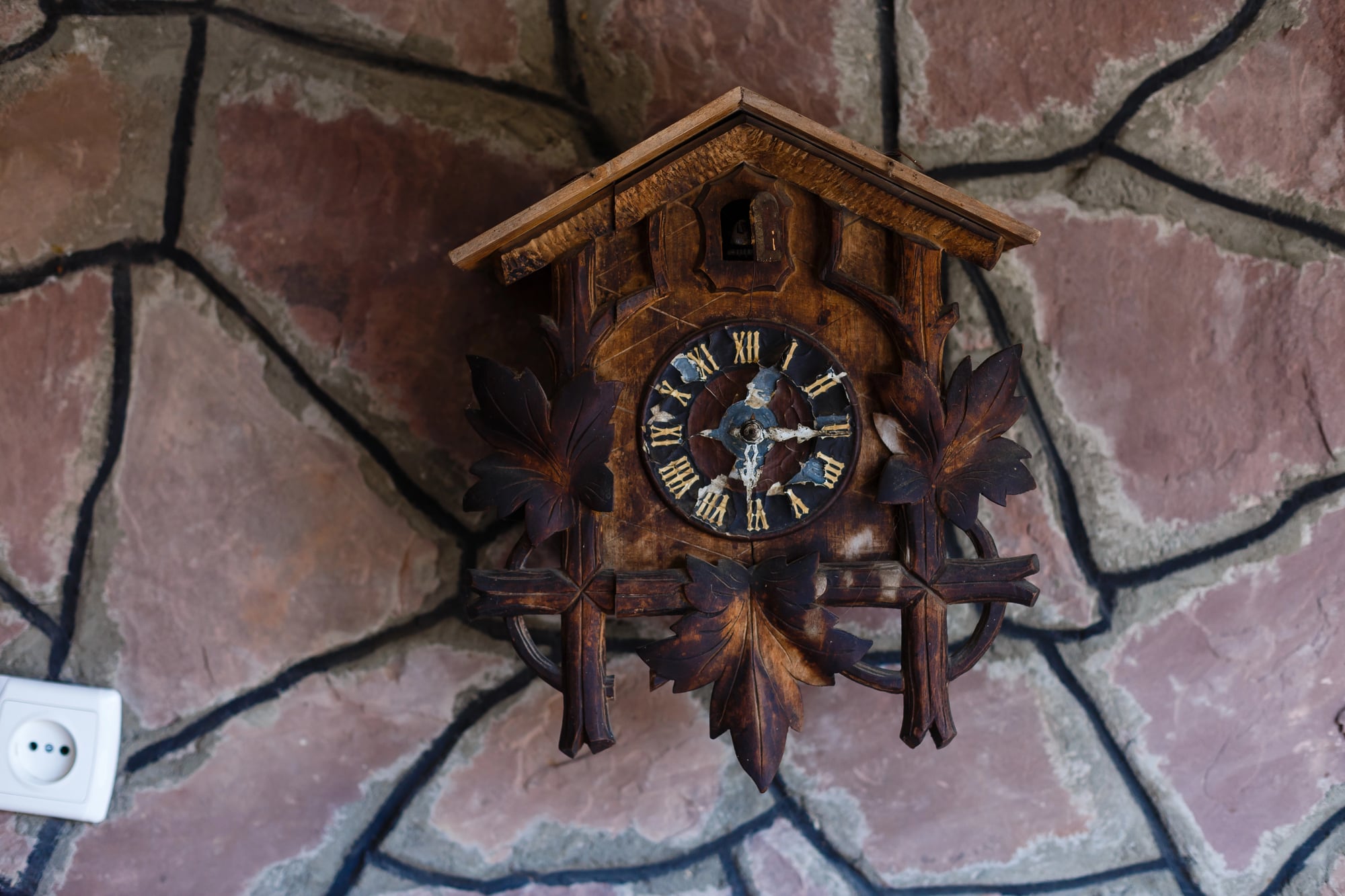
Sunbursts, starbursts, or unique motifs on decorative wall clocks gave 1960s homes a practical and fashionable touch. The era’s interest in science and technology was reflected in popular models that included atomic and space age themes.
In order to create striking wall displays that were focal points in kitchens, living rooms, and dens, these timepieces frequently included brass or wood accents radiating from central clock faces. These clocks served as important decorative pieces that reflected the design sensibility and upbeat attitude toward technological advancement of the day, in addition to simply showing the time.
Sliding Glass Doors

Many new suburban homes came to have these architectural elements, linking indoor living areas to patios and backyards. The large glass panels mirrored the aim of the time in creating visual links between internal and outside areas and bringing the outdoors in.
Usually draped with equally unique floor-length curtains or vertical blinds for privacy, the huge glass panels were supported by heavy aluminum tracks. The doors changed how families used their houses, hence enabling casual indoor-outdoor living and backyard entertaining that defined suburban life in the ’60s.
Sewing Machine

Despite the increasing availability of ready-made clothing, home sewing machines remained essential household equipment for making and mending garments. Singer and other manufacturers offered models in portable cases or furniture-style cabinets that could be closed to double as end tables when not in use.
Many women still made children’s clothes, curtains, and even their own fashions during this transitional period when homemade and store-bought items coexisted in most wardrobes. The machines’ presence in virtually every home reflected continuing domestic skills expectations for women even as other traditional gender roles began shifting.
The Time Capsule Home

These nineteen household goods together paint a clear picture of American domestic life during a decade of great cultural change. Although technology and design have changed greatly since the 1960s, many aspects of these common items still shape modern design and home organization.
These products’ mix of usefulness, hope, and rising informality illustrates the decade’s particular position between the more individualized expressions of succeeding decades and the regimented conformity of the 1950s. Reflecting back on these common home items reveals not just how families lived but also the ideals, goals, and daily rituals that formed an age whose cultural impact still resonates in American culture now.
More from Go2Tutors!

- The Romanov Crown Jewels and Their Tragic Fate
- 13 Historical Mysteries That Science Still Can’t Solve
- Famous Hoaxes That Fooled the World for Years
- 15 Child Stars with Tragic Adult Lives
- 16 Famous Jewelry Pieces in History
Like Go2Tutors’s content? Follow us on MSN.



