20 Business Deals That Looked Like Failures (but Actually Made Billions)
Corporate history contains countless examples of acquisitions, investments, and partnerships initially mocked as catastrophic mistakes. Behind many of today’s most profitable ventures lie business decisions once ridiculed by analysts, rejected by consumers, or dismissed as corporate folly.
Here is a list of 20 business deals that weathered harsh criticism and apparent failure before transforming into billion-dollar successes that redefined entire industries.
Facebook’s Instagram Acquisition
Mark Zuckerberg faced widespread ridicule for paying $1 billion for a photo-sharing app with zero revenue and just 13 employees. Critics called the 2012 purchase wildly overpriced for a company that simply added filters to smartphone photos.
Instagram now contributes an estimated $20 billion annually to Facebook’s revenue through advertising, with over a billion monthly users. This acquisition, once derided as reckless, delivered an astonishing 1,900% return while helping Facebook dominate social media among younger users.
Disney’s Marvel Purchase
Industry analysts questioned Disney’s judgment when they acquired struggling Marvel Entertainment for $4 billion in 2009. The comic book company had already licensed its most valuable characters to other studios while facing declining print sales.
Disney methodically reclaimed film rights and built the Marvel Cinematic Universe into an unprecedented box office juggernaut that has generated over $25 billion worldwide. This strategic acquisition transformed relatively obscure characters like Iron Man and Black Panther into global cultural icons worth several times the original purchase price.
Netflix’s Streaming Pivot
Netflix dominates global entertainment with a current market capitalization exceeding $250 billion. Netflix lost 800,000 subscribers and watched its stock plummet 77% when transitioning from DVD rentals to streaming in 2011.
Customers revolted against the sudden price increase and separation of services under the short-lived “Qwikster” brand. The company steadied its course despite brutal criticism, eventually growing from 24 million to over 200 million subscribers worldwide. This painful transition, initially seen as destroying shareholder value, was positioned.
Apple’s iPhone Launch
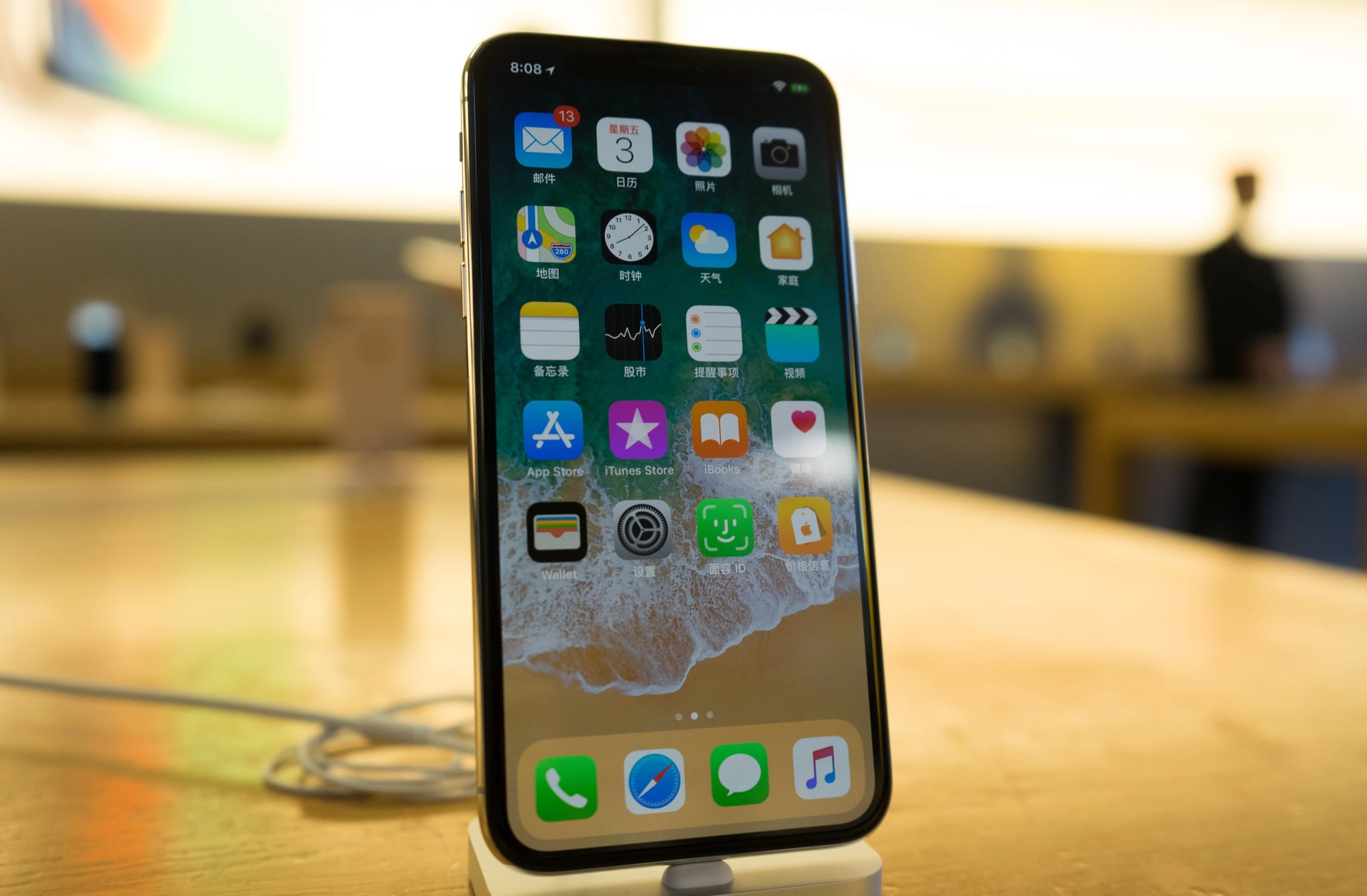
Apple’s first iPhone was dismissed by industry leaders as overpriced and impractical when unveiled in 2007. Microsoft CEO Steve Ballmer famously laughed at the $500 device without a keyboard, while BlackBerry executives believed consumers would never embrace all-touch interfaces.
The original iPhone indeed had significant limitations, lacking copy-paste functionality, 3G connectivity, and third-party apps. This seemingly flawed product eventually generated over $1.3 trillion in revenue, making it arguably the most successful consumer product in history.
Amazon’s Prime Service
Wall Street analysts criticized Amazon’s Prime membership program as a margin-destroying mistake when launched in 2005. The $79 annual free shipping offer initially lost money on every transaction, with skeptics questioning how unlimited delivery could ever become profitable.
Prime evolved into a comprehensive ecosystem with over 200 million members globally, dramatically increasing average customer spending and loyalty. This “failed” shipping program now forms the backbone of Amazon’s retail dominance while generating an estimated $25 billion annually in subscription revenue alone.
Google’s YouTube Acquisition
Google’s $1.65 billion purchase of YouTube in 2006 was widely condemned as recklessly overpaying for a copyright-infringing platform without clear monetization potential. The video-sharing site faced billion-dollar lawsuits from major media companies while hemorrhaging money through massive bandwidth costs.
Google patiently developed content moderation systems and advertising formats while negotiating with rights holders. YouTube now generates approximately $20 billion in annual revenue while becoming the world’s second-largest search engine and dominant video platform.
Microsoft’s Xbox Development
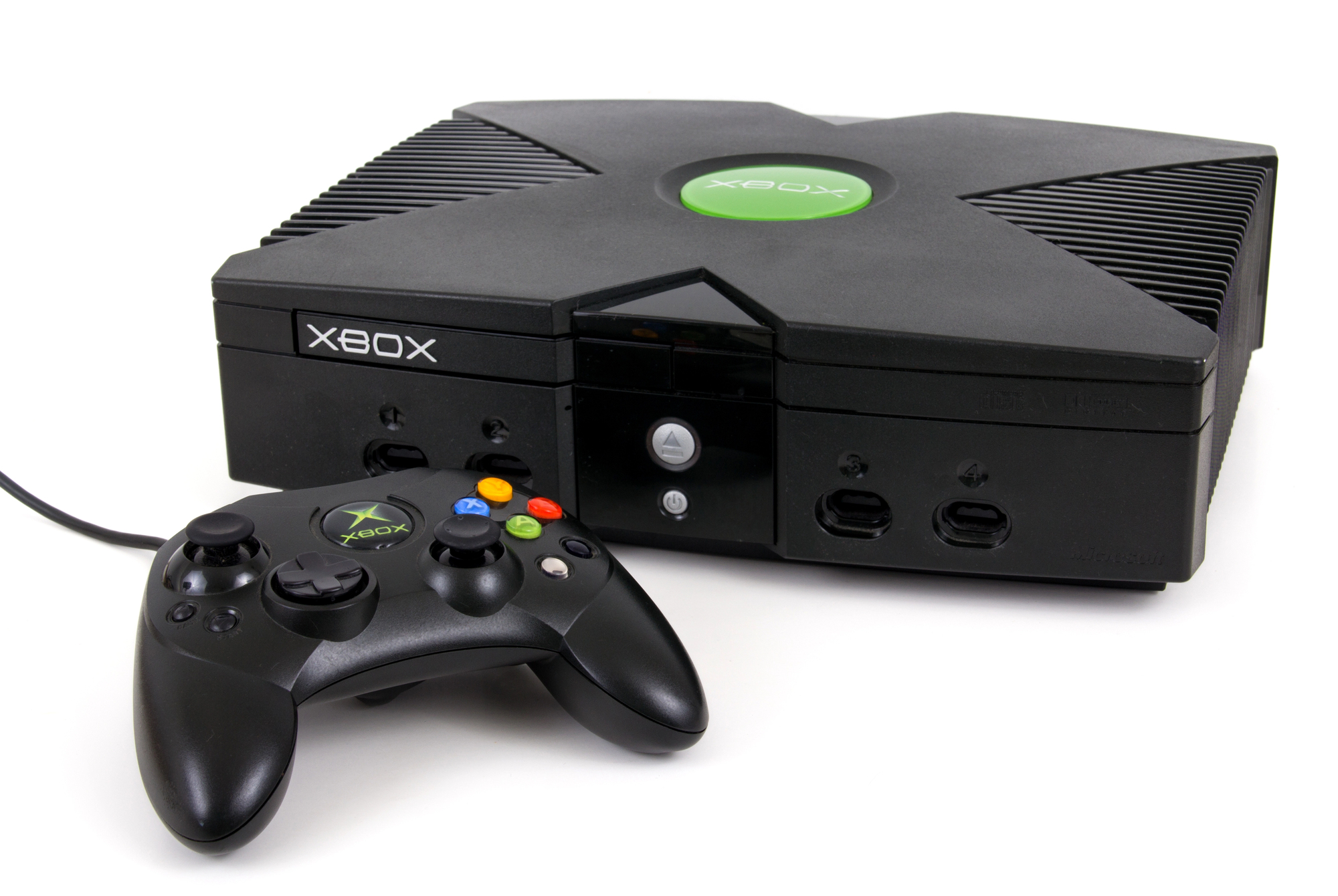
Microsoft’s entry into gaming consoles initially lost billions while being dismissed as a hopeless attempt to compete with established industry leaders. The original Xbox launched in 2001 lost approximately $4 billion before breaking even, with critics questioning why a software company would risk hardware manufacturing.
This seemingly failed diversification matured into a $15 billion annual business that now includes cloud gaming, subscription services, and studio acquisitions. The Xbox ecosystem has become central to Microsoft’s consumer strategy rather than the expensive distraction many initially predicted.
Pixar’s Purchase by Disney
Disney paid $7.4 billion for Pixar Animation in 2006 amid criticism the price grossly overvalued a studio producing just one film annually. The acquisition price represented a staggering $100 million per Pixar employee, prompting concerns about integration challenges between two distinct corporate cultures.
This apparent overpayment brought transformative creative leadership that revitalized Disney’s declining animation division while delivering over $14 billion in box office revenue from subsequent Pixar releases. Beyond financial returns, the acquisition rejuvenated Disney’s creative approach across its entire entertainment portfolio.
Starbucks’ Tea Expansion

Starbucks was ridiculed for paying $620 million for Teavana in 2012 while already struggling with store oversaturation and declining same-store sales. The mall-based tea retailer seemed an odd fit for the coffee giant, especially at a 53% premium over market price.
While Starbucks ultimately closed all standalone Teavana stores, the tea expertise and product lines integrated into existing coffee shops generated over $1.6 billion in annual revenue. This apparent retail failure succeeded by expanding Starbucks’ product range and customer base beyond traditional coffee offerings.
IBM’s Services Transformation
IBM faced intense criticism when shifting its focus from hardware to services in the 1990s under CEO Lou Gerstner. Industry experts believed abandoning their core business for lower-margin consulting would destroy the iconic technology company.
This radical transformation required painful restructuring that initially depressed earnings and eliminated thousands of positions. The services-led approach ultimately saved IBM from hardware commoditization while generating consistent profitability during subsequent technology shifts. This strategic pivot, though initially derided, extended IBM’s relevance decades beyond what competitors achieved.
McDonald’s All-Day Breakfast

McDonald’s introduction of all-day breakfast in 2015 was initially mocked as an operational nightmare that would slow service and complicate kitchen workflows. Franchise owners strongly opposed the change and were concerned about equipment limitations and increased complexity during busy periods.
This controversial menu expansion reversed years of declining sales, driving the company’s first significant growth in nearly four years. The seemingly impractical operational change delivered approximately $1 billion in additional annual revenue while attracting lapsed customers back to the brand.
Microsoft’s Cloud Strategy

Microsoft investors criticized CEO Satya Nadella’s aggressive cloud computing investments that initially cannibalized their profitable traditional software licenses. The early transition phases showed declining revenue as on-premises software sales decreased faster than cloud services grew.
This painful transformation ultimately created Microsoft Azure, which now generates over $40 billion annually with consistent double-digit growth. The company’s market capitalization tripled despite the challenging transition period, proving the strategic wisdom of sacrificing short-term profits for long-term market position.
Softbank’s Alibaba Investment

Softbank founder Masayoshi Son was ridiculed for investing $20 million in a tiny Chinese e-commerce startup called Alibaba in 2000. The dot-com crash was decimating technology valuations, while China’s internet market remained largely undeveloped.
Son’s investment eventually grew to be worth over $100 billion, representing perhaps the greatest venture capital return in history. This seemingly reckless bet during market turmoil delivered an astounding 5,000x return while establishing Softbank as a major global technology investor.
Marvel’s Iron Man Gamble

Marvel Studios risked their last remaining intellectual property rights on 2008’s Iron Man after licensing their most popular characters to other studios. The struggling company mortgaged everything on a B-list superhero played by Robert Downey Jr., an actor then considered unbankable due to past personal troubles.
This desperate move established the Marvel Cinematic Universe formula that eventually generated over $25 billion at the global box office. The seemingly risky character choice and actor selection proved instrumental in creating the most financially successful film franchise in history.
Amazon’s Web Services Launch
Amazon confused investors by launching cloud computing services in 2006, apparently drifting far from its core retail business. Wall Street questioned why an online bookstore would enter the highly technical enterprise computing market dominated by established technology giants.
Amazon Web Services grew from an experimental platform into the company’s most profitable division, currently generating over $45 billion annually. This seemingly disconnected business diversification now provides the majority of Amazon’s operating income while powering much of the modern internet.
Domino’s Digital Transformation
Domino’s Pizza appeared to be headed toward bankruptcy in 2008 when initiating a radical technology-centered transformation that many considered wasteful spending. The struggling pizza chain invested heavily in digital ordering while publicly acknowledging its product’s poor quality.
This brutally honest approach paired with technology investments increased digital orders from zero to over 65% of business. Domino’s stock rose from $3 to over $500, delivering the best share price performance of any restaurant company while demonstrating how digital transformation could revolutionize traditional industries.
Nintendo’s Switch Development
Nintendo faced calls to abandon hardware entirely after the disastrous Wii U console sold just 13.5 million units, representing the company’s biggest commercial failure. The subsequent Switch console seemed doomed to repeat these mistakes with its unusual hybrid design that appeared to compromise both portable and home gaming experiences.
The Switch unexpectedly became Nintendo’s fastest-selling console ever, moving over 85 million units while generating billions in highly-profitable software sales. This seemingly final desperate attempt at hardware relevance reinvented how consumers interact with games.
Disney’s Streaming Investment
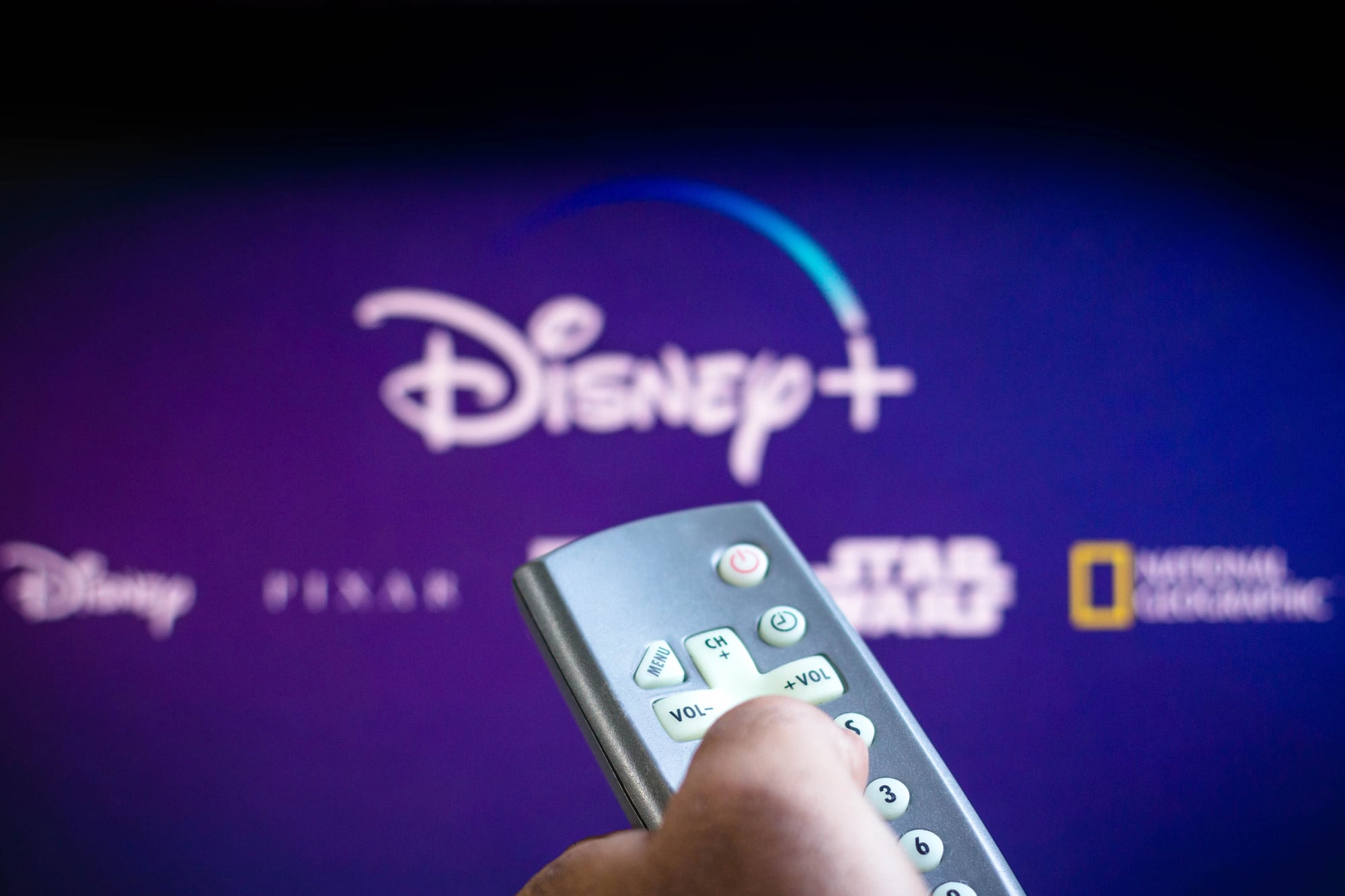
Disney shocked investors by sacrificing billions in licensing revenue to build their own streaming service in 2017. Traditional media companies typically maximize short-term profits by selling content to services like Netflix rather than competing directly.
Disney’s expensive, multi-year investment in Disney+ coincided with declining cable subscription revenue, creating significant earnings pressure. This widely questioned strategy attracted over 100 million subscribers within 18 months, fundamentally transforming Disney’s business model while securing its content distribution future.
Puma’s Rihanna Partnership

Struggling sportswear company Puma raised eyebrows by signing Rihanna as creative director in 2014 while significantly trailing industry leaders Nike and Adidas. The $1 million deal seemed excessive for a brand fighting for market relevance, especially with a music artist lacking traditional athletic credentials.
Rihanna’s Fenty line drove Puma’s first growth in years, with her creeper sneaker becoming the first women’s shoe to win Footwear News’ “Shoe of the Year” award. This unconventional partnership increased Puma’s market value by billions while pioneering celebrity creative direction beyond simple endorsements.
Apple’s AirPods Launch

Apple faced widespread mockery when introducing AirPods in 2016, with critics comparing them to electric toothbrush heads and predicting immediate loss. The wireless earbuds seemed destined for failure at $159 when wired alternatives cost substantially less.
Social media was filled with jokes about losing them instantly, while tech reviewers questioned the unconventional design. AirPods subsequently became Apple’s most successful new product category since the iPad, reportedly generating over $12 billion annually with a dominant market share in premium wireless audio.
The Long View Advantage

These remarkable business transformations reveal how initial market reactions often misjudge genuinely innovative decisions. The path from apparent failure to extraordinary success typically shares common elements: visionary leadership willing to endure criticism, patience through difficult transition periods, and fundamental understanding of emerging consumer needs before they become obvious.
Today’s business leaders study these cases precisely because conventional wisdom so dramatically misjudges their potential. The greatest commercial opportunities often appear first as questionable decisions, reminding investors and entrepreneurs alike that genuine innovation rarely receives immediate understanding or appreciation. Perhaps the most valuable lesson lies in recognizing how frequently the business consensus has been spectacularly wrong about transformative ideas.
More from Go2Tutors!

- The Romanov Crown Jewels and Their Tragic Fate
- 13 Historical Mysteries That Science Still Can’t Solve
- Famous Hoaxes That Fooled the World for Years
- 15 Child Stars with Tragic Adult Lives
- 16 Famous Jewelry Pieces in History
Like Go2Tutors’s content? Follow us on MSN.