15 Snacks Then Vs. What Kids Eat Now
Kids have always loved snacking, but walk down any grocery aisle today and you’ll notice something striking. The brightly colored packages and flashy marketing might look familiar, but the actual snacks inside tell a completely different story from what previous generations munched on after school.
The shift isn’t just about new flavors or fancier packaging. We’re talking about a fundamental change in how families think about snacking, what ingredients make the cut, and how much parents are willing to spend on those little between-meal treats.
Here is a list of 15 snacks comparing what kids ate then versus what they’re reaching for now.
Fruit Roll-Ups vs. Organic Fruit Leather
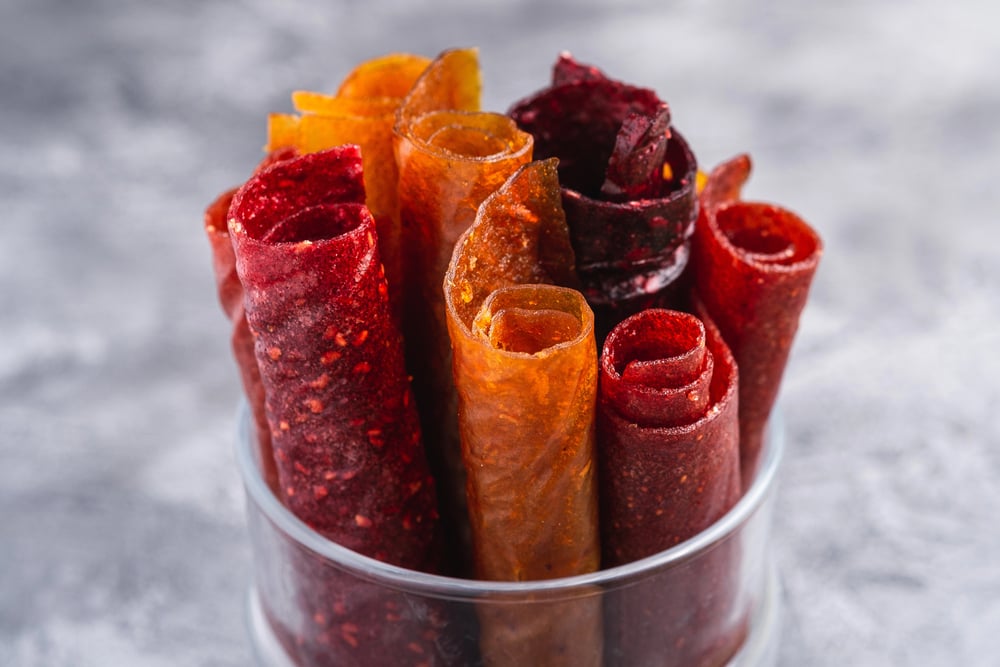
Back in the day, Fruit Roll-Ups were the ultimate lunch box prize with their artificial cherry and strawberry flavors that tasted nothing like actual fruit. Kids didn’t care that the ingredient list read like a chemistry experiment.
Today’s parents are reaching for organic fruit leather made from real pureed fruit with no added sugars. The texture might be chewier and the colors less neon, but modern versions actually deliver on the promise of fruit-based snacking.
Wonder Bread Sandwiches vs. Gluten-Free Alternatives
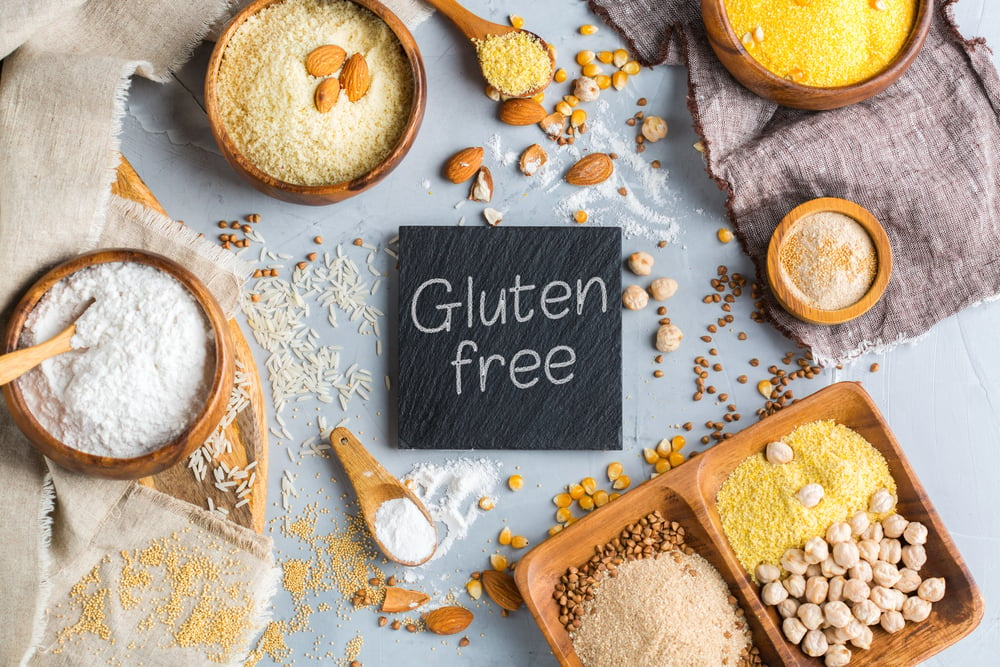
White bread was the undisputed champion of school lunches for decades, soft and squishy with a shelf life that seemed infinite. Most families never questioned what made it so perfectly white and long-lasting.
Now gluten-free breads dominate many households, even when no one has celiac disease. These alternatives often pack more protein and fiber, though they definitely don’t have that nostalgic Wonder Bread squeeze factor.
Kool-Aid vs. Coconut Water
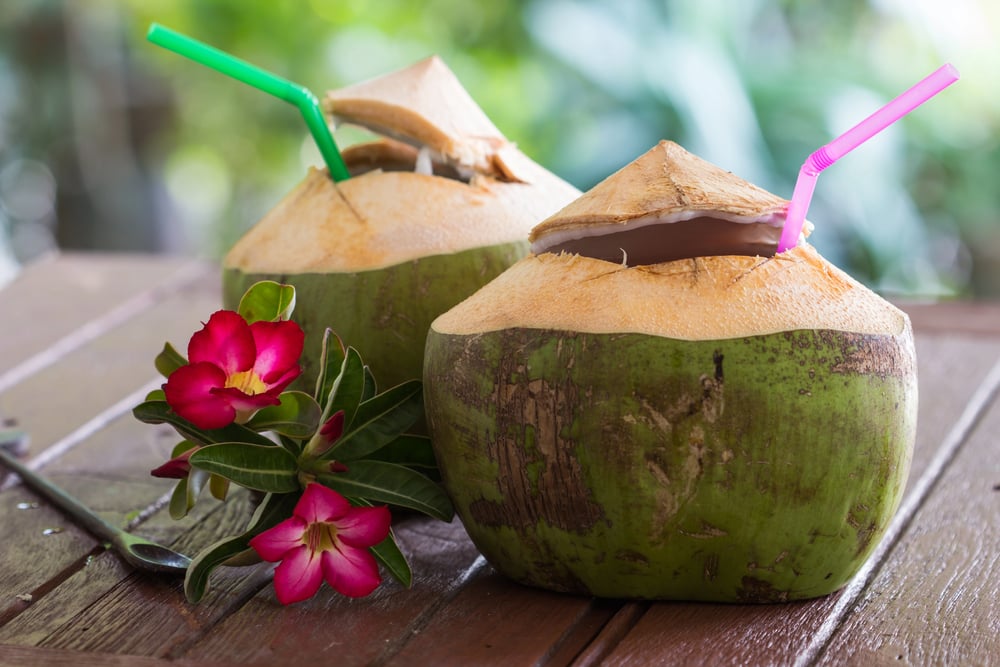
Kool-Aid was liquid candy disguised as a drink, and kids couldn’t get enough of those electric colors and sugar rushes. Parents mixed it up by the pitcher, and nobody worried about the red dye staining everything in sight.
Today’s health-conscious families are handing their kids coconut water instead, trading artificial flavors for natural electrolytes. The taste might be more subtle, but the hydration benefits are actually real.
Hostess Cupcakes vs. Homemade Alternatives
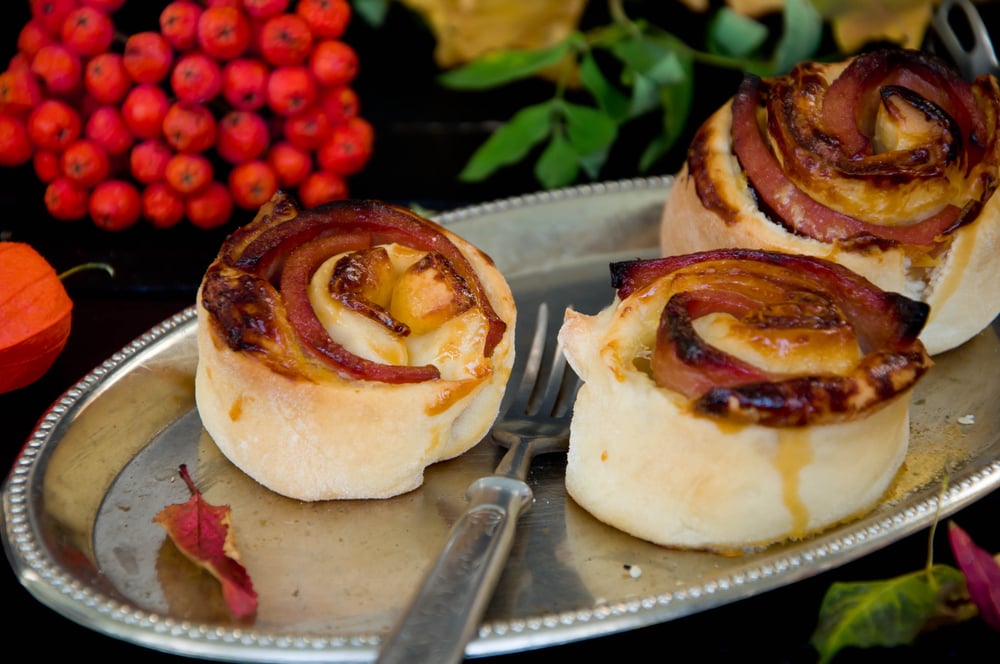
Those individually wrapped chocolate cupcakes with the distinctive white squiggle were pure magic to kids in the ’80s and ’90s. The cream filling seemed to last forever, which probably should have been a red flag about the preservatives.
Modern parents are more likely to whip up homemade cupcakes using organic ingredients and natural sweeteners. Sure, they don’t last as long in the pantry, but they taste like actual chocolate instead of sweet cardboard.
Tang vs. Fresh-Squeezed Juice
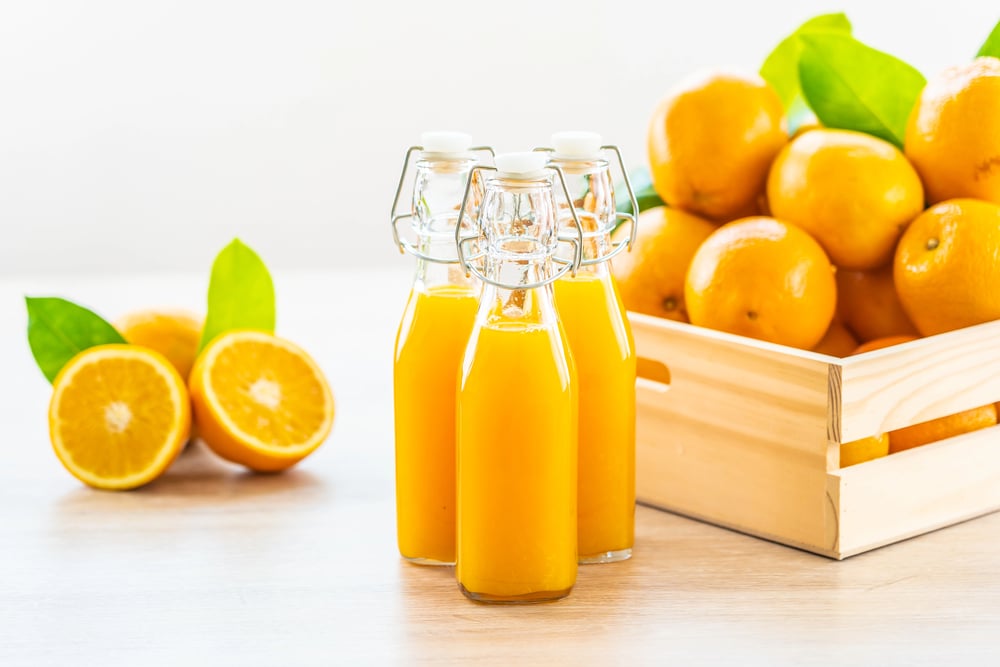
Tang was the drink of astronauts, or at least that’s how it was marketed, making kids feel like space explorers with every orange sip. The powder mixed into something that resembled orange juice if you squinted really hard.
Today’s families are investing in juicers and buying organic oranges to make fresh juice at home. It takes more effort and costs more money, but the vitamin content actually comes from real fruit instead of added supplements.
Dunkaroos vs. Veggie Chips
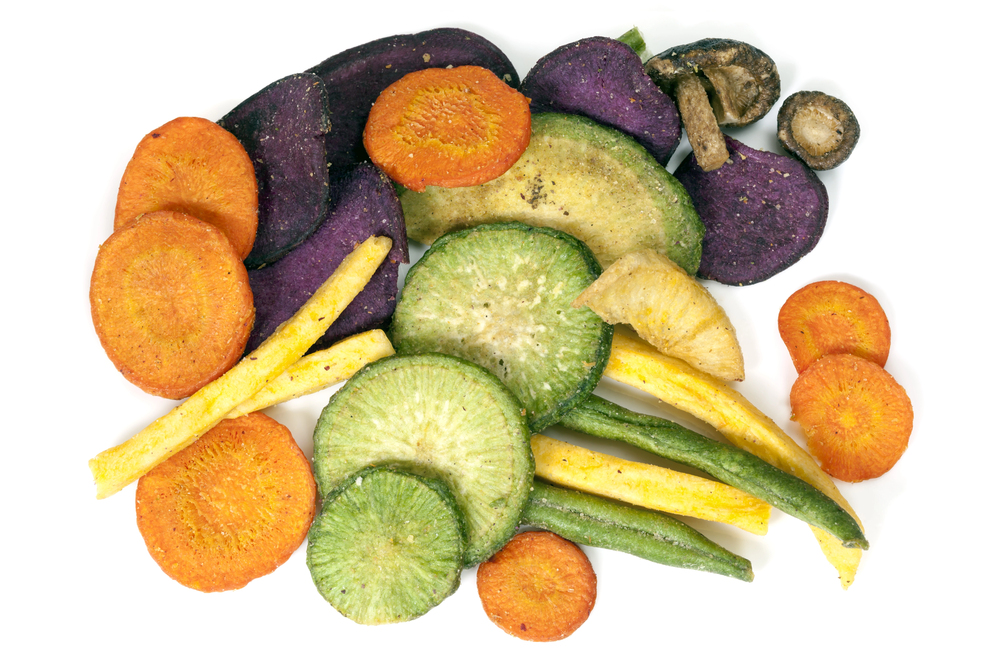
Dunkaroos combined cookies with frosting in a way that seemed almost too good to be legal, giving kids permission to eat dessert as a snack. The vanilla frosting came with rainbow sprinkles that made everything feel like a party.
Modern snack aisles feature veggie chips made from sweet potatoes, beets, and kale instead. They satisfy the crunch factor while sneaking in actual vegetables, though they definitely don’t deliver the same sugar high.
Capri Sun vs. Kombucha for Kids
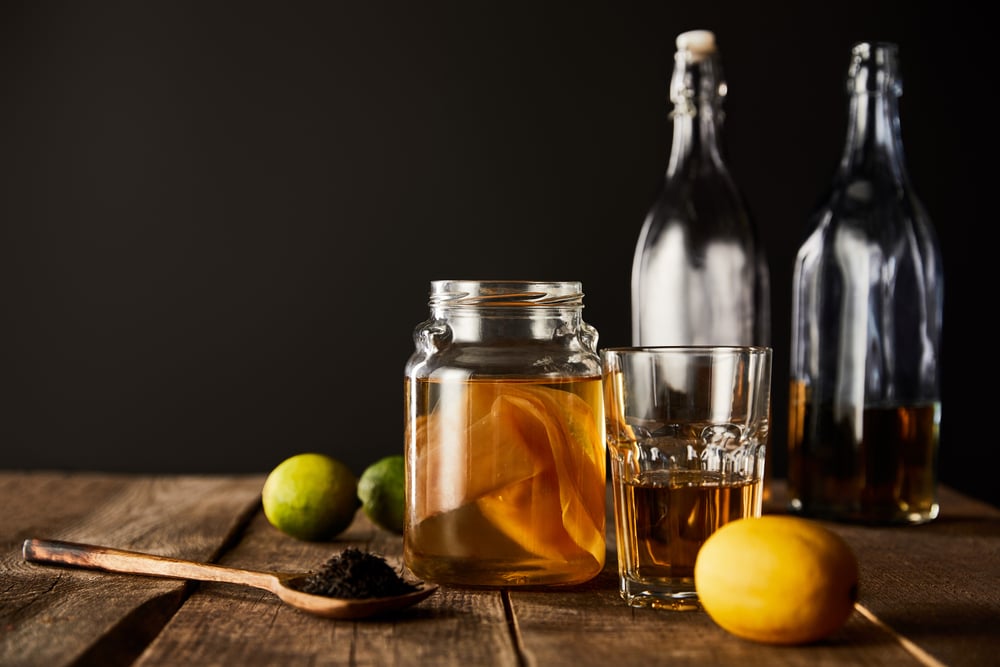
Those shiny pouches of Capri Sun were the epitome of cool, complete with the satisfying puncture of the straw and flavors like Pacific Cooler that existed nowhere in nature. Kids would drain them in seconds and then make that slurping sound trying to get every last drop.
Now some progressive parents are introducing their kids to mild kombucha varieties, trading artificial fruit flavors for probiotics. The health benefits are real, but the fun factor definitely takes a hit.
Pop Rocks vs. Freeze-Dried Fruit
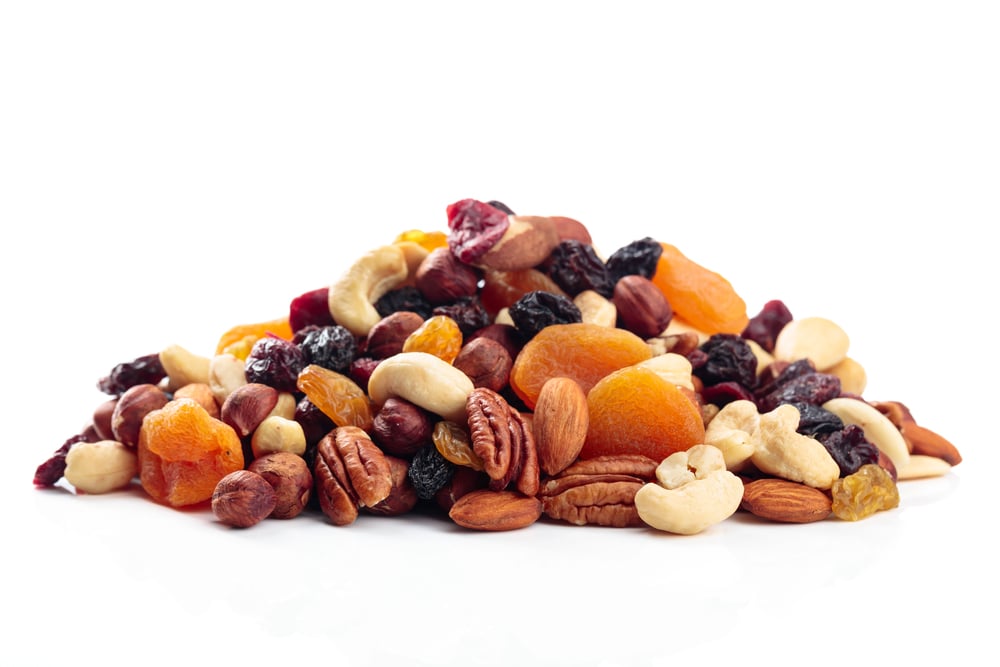
Pop Rocks were pure entertainment in candy form, crackling and popping on tongues while delivering a sugar rush that lasted for hours. The urban legend about them being dangerous just made them more appealing to adventurous kids.
Today’s equivalent might be freeze-dried strawberries or apples that provide a similar textural surprise. They still deliver that satisfying crunch, but the sweetness comes from actual fruit instead of processed sugar.
Gushers vs. Dried Fruit Snacks
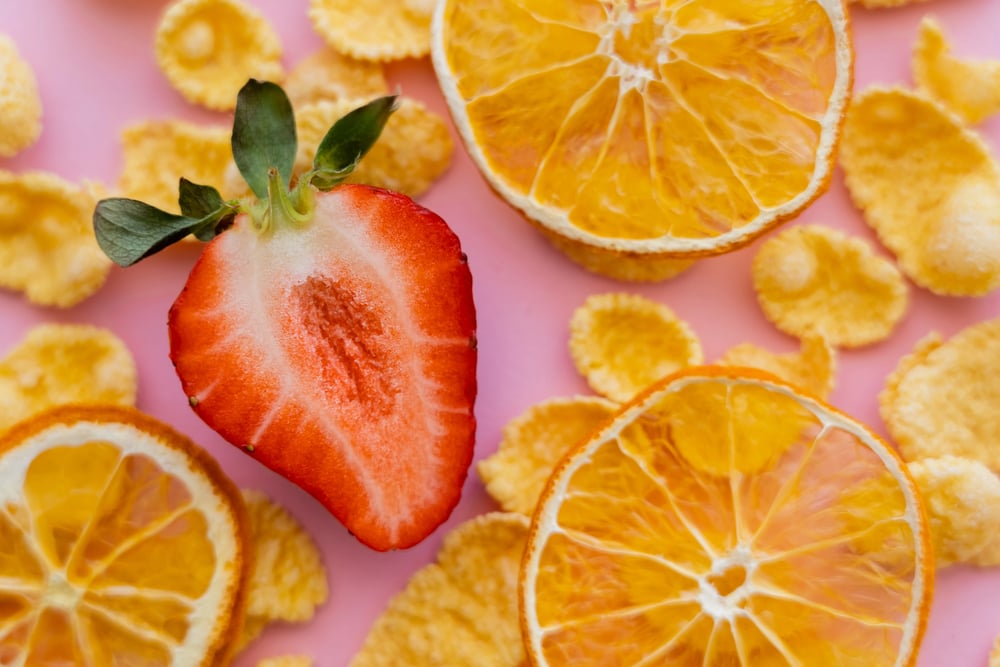
Gushers promised a burst of liquid flavor that would explode in your mouth, and they absolutely delivered on that sticky, sweet experience. The artificial fruit flavors were intense enough to make kids’ faces scrunch up with delight.
Modern fruit snacks focus on real fruit ingredients and natural flavors that taste more like the actual fruits they claim to represent. They might not ‘gush’ the same way, but parents feel better about what their kids are consuming.
Bagel Bites vs. Cauliflower Pizza Bites
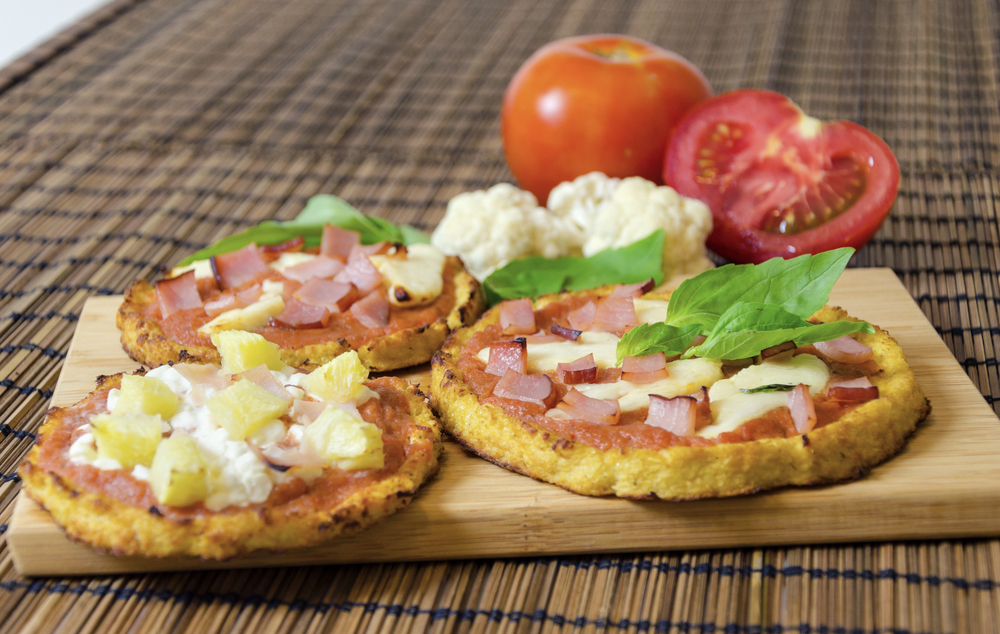
Bagel Bites were the perfect after-school snack, combining pizza flavors with the convenience of bite-sized portions that cooked in minutes. Kids could polish off a whole box without thinking twice about the processed cheese and preservatives.
Today’s health-conscious versions use cauliflower crusts and organic cheese, delivering similar flavors with more vegetables sneaked in. They take longer to prepare and cost more, but they don’t leave kids crashing from a sodium overload.
Lunchables vs. Bento Box Arrangements

Lunchables revolutionized school lunches with their compartmentalized approach to crackers, processed meat, and cheese that never seemed to spoil. Kids loved the DIY aspect of assembling their own mini sandwiches during lunch break.
Modern parents are creating elaborate bento boxes with organic meats, artisanal cheeses, and whole grain crackers. The presentation is often Instagram-worthy, but the prep time requires serious dedication compared to grabbing a pre-made package.
Fruit by the Foot vs. Pressed Fruit Bars
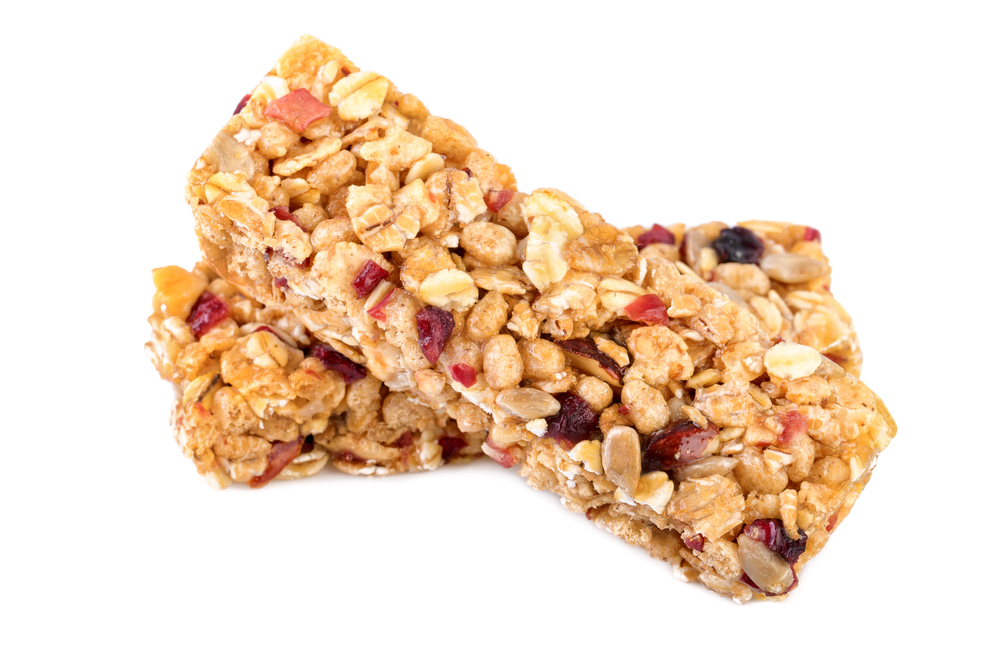
Those three-foot strips of artificial fruit flavor provided entertainment value that went way beyond nutrition, often ending up wrapped around fingers before being eaten. The tongue-staining colors were part of the appeal, creating temporary tattoos that lasted through recess.
Today’s pressed fruit bars focus on whole food ingredients and natural colors that won’t dye anything unnatural shades. They’re definitely healthier, but they lack the playful factor that made the originals so memorable.
Cheetos vs. Chickpea Puffs
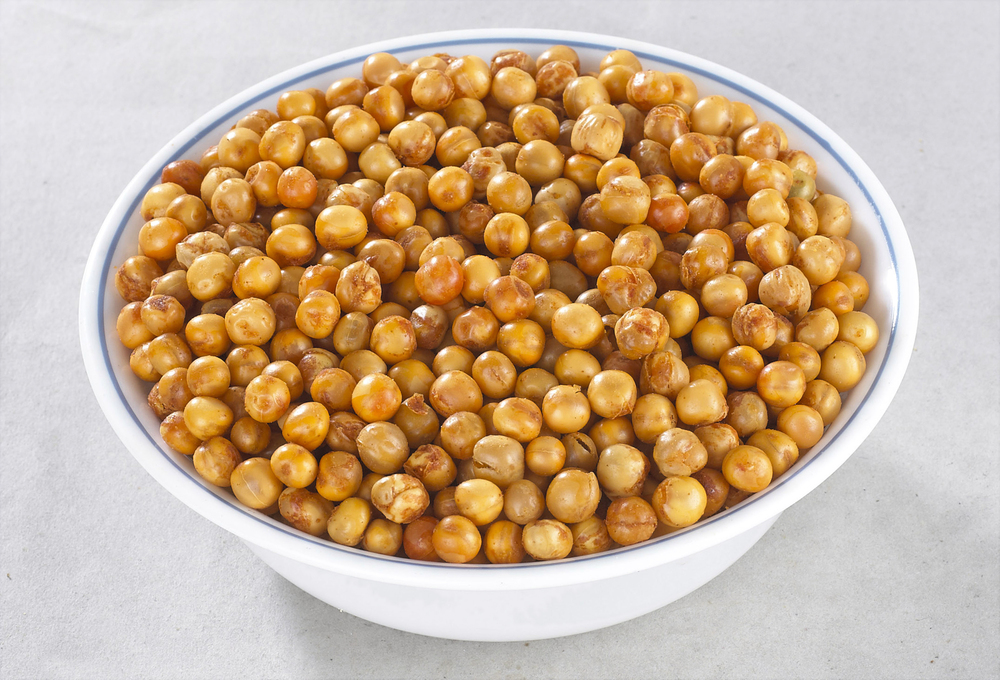
Cheetos created a generation of kids with perpetually orange-stained fingers who didn’t mind the artificial cheese dust coating everything they touched. The crunch and flavor intensity made them irresistible despite the obvious artificial ingredients.
Modern alternatives like chickpea puffs provide similar satisfaction with added protein and fiber. They come in flavors that mimic the originals, but without the synthetic cheese powder that requires immediate hand washing.
Twinkies vs. Protein Bars for Kids
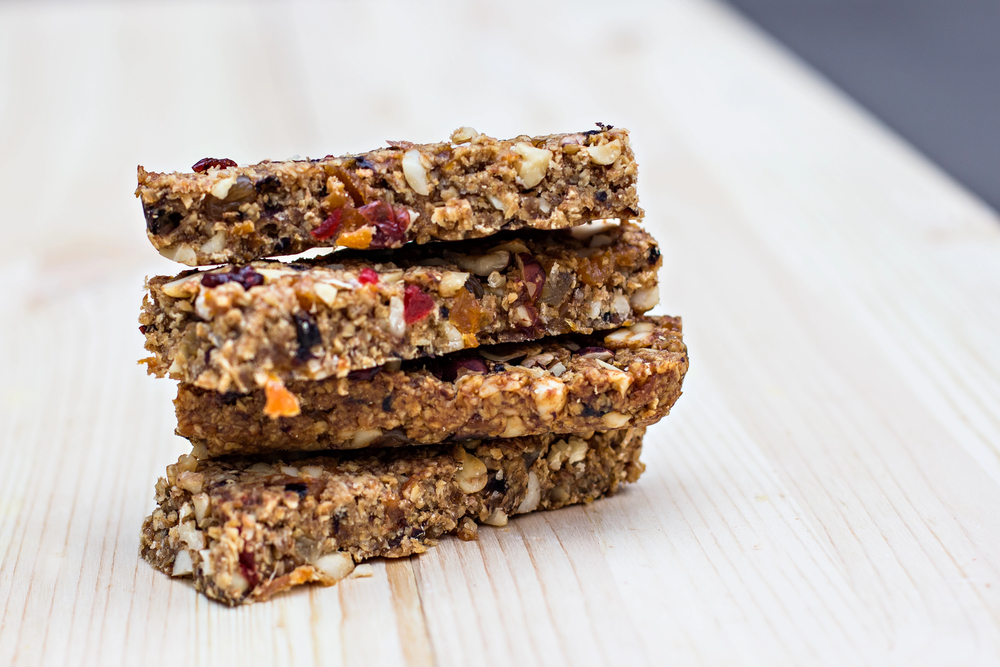
Twinkies were the ultimate processed snack cake, with a cream filling that seemed to defy the laws of nature and a shelf life measured in decades. Kids didn’t question how they stayed fresh for so long or what made that filling so perfectly white.
Today’s protein bars designed for kids pack real nutrition into sweet treats that actually fuel growing bodies. They cost more and don’t last as long, but they provide sustained energy instead of a quick sugar spike followed by a crash.
Hi-C vs. Infused Water
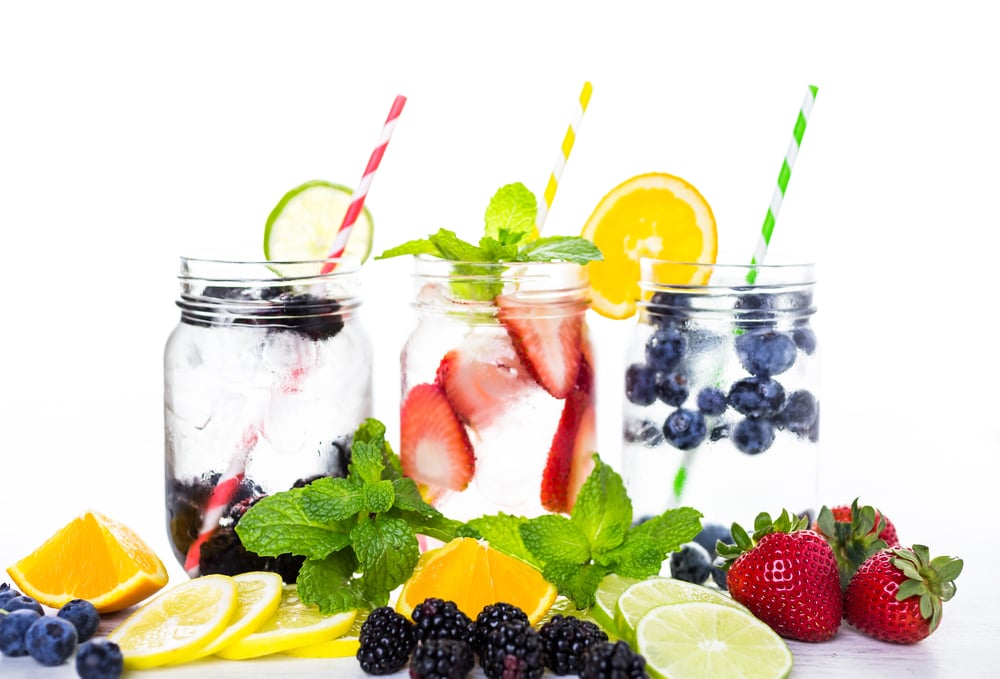
Hi-C in those distinctive cans delivered artificial fruit flavors in colors that nature never intended, but kids couldn’t get enough of that electric taste. The sugar content was astronomical, but parents viewed it as a step up from soda.
Modern families are embracing infused waters with real fruit slices and herbs that provide subtle flavors without added sugars. The taste is definitely more grown-up, but kids are developing palates that appreciate natural flavors over artificial intensity.
The Snack Evolution Continues
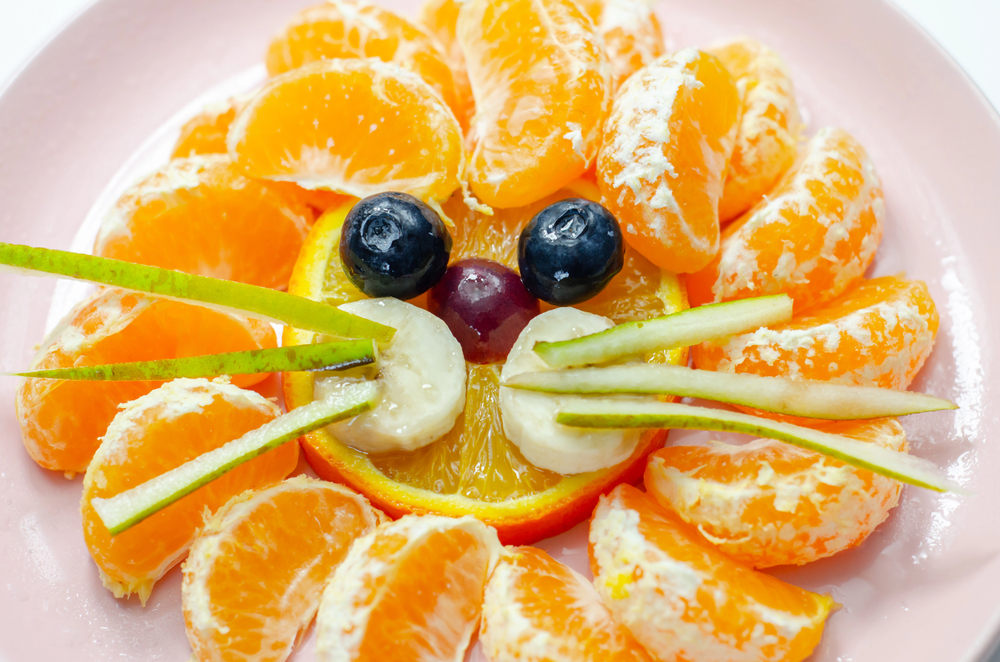
These changes reflect more than just different products on shelves. They represent a fundamental shift in how families approach food, prioritizing long-term health over immediate gratification and convenience.
While today’s kids might miss out on some of the artificial fun that made snacking feel like a small rebellion, they’re growing up with taste buds trained to appreciate real ingredients. The pendulum has swung from ‘tastes good now’ to ‘good for you later’, and that’s probably a trade-off worth making, even if those neon orange fingers were kind of fun.
More from Go2Tutors!

- The Romanov Crown Jewels and Their Tragic Fate
- 13 Historical Mysteries That Science Still Can’t Solve
- Famous Hoaxes That Fooled the World for Years
- 15 Child Stars with Tragic Adult Lives
- 16 Famous Jewelry Pieces in History
Like Go2Tutors’s content? Follow us on MSN.