14 Inventions That Were Launched by Mistake
Human innovation often conjures images of dedicated scientists working methodically toward breakthroughs or visionary entrepreneurs pursuing clear goals. Yet many world-changing inventions emerged not from careful planning but from spectacular blunders, misunderstandings, or pure accidents.
These unintentional discoveries demonstrate how serendipity, combined with the right observer’s mindset, can transform mistakes into revolutionary products that reshape daily life. Here is a list of 14 remarkable inventions that came into existence entirely by mistake, proving that sometimes our greatest failures lead to unexpected success.
Penicillin
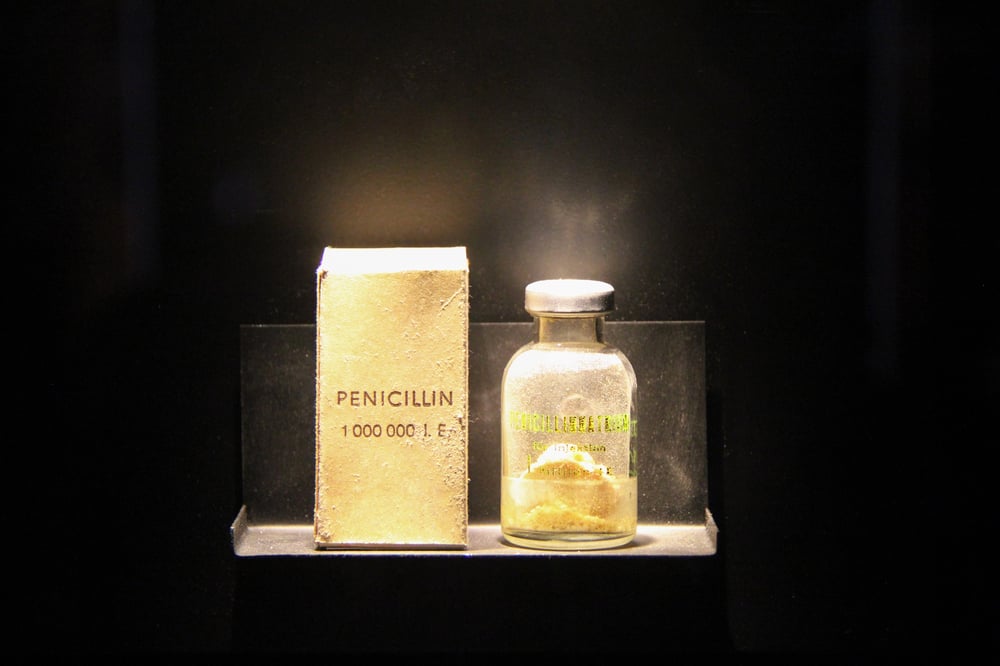
Alexander Fleming’s legendary discovery in 1928 occurred when he returned from vacation to find mold contaminating his bacterial cultures. Instead of immediately discarding the ruined experiment, Fleming noticed something unusual – the bacteria couldn’t grow near the mold.
This chance observation led to the development of penicillin, the first widely effective antibiotic. Fleming’s fortunate mistake and his attentiveness to unexpected results launched modern medicine’s ability to fight bacterial infections, saving countless lives ever since.
Post-it Notes

In 1968, Spencer Silver at 3M was attempting to develop a super-strong adhesive for the aerospace industry when he accidentally created the opposite – a weak, pressure-sensitive adhesive that wouldn’t permanently stick. For years this failure sat unused until colleague Art Fry needed bookmarks that wouldn’t fall out of his hymnal during choir practice.
The temporary adhesive found its perfect application, demonstrating how a supposed failure can find unexpected success when matched with the right problem. Post-it Notes became one of 3M’s most profitable products despite beginning as a rejected mistake.
Microwave Oven
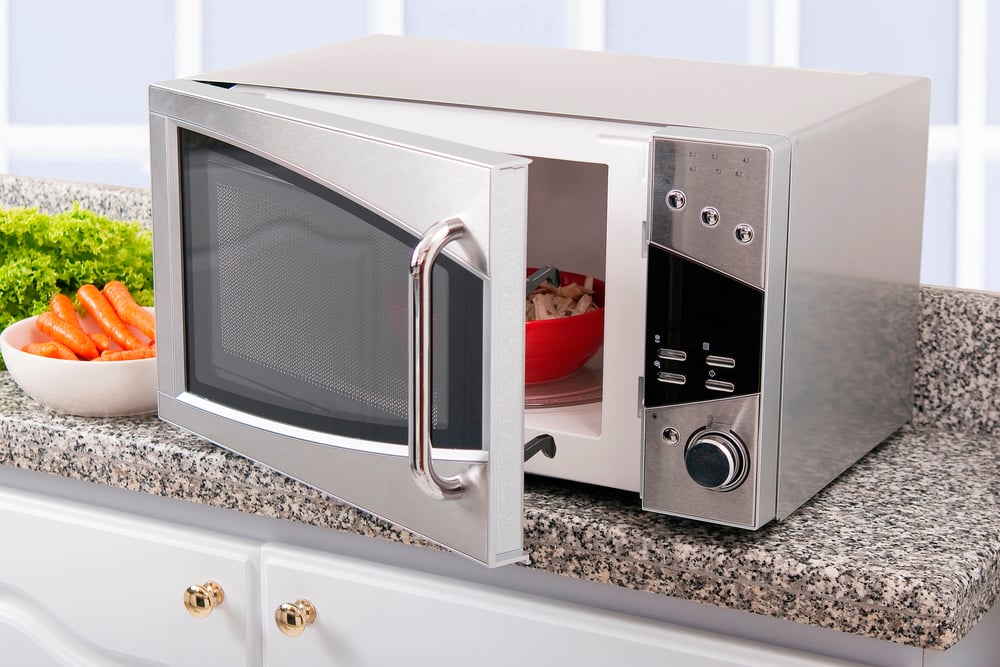
Percy Spencer, an engineer at Raytheon, noticed something strange in 1945 while working with an active radar set – the candy bar in his pocket had melted. Rather than dismissing this observation, Spencer investigated further by experimenting with other foods near the magnetron tube.
His curiosity about this equipment malfunction led to the developing of the first microwave cooking devices. A potentially messy mistake transformed food preparation forever, creating a household appliance now found in over 90% of American homes.
X-rays

Wilhelm Röntgen was experimenting with cathode rays in 1895 when he noticed a fluorescent screen in his lab glowing unexpectedly. Even though his cathode ray tube was shielded, some unknown energy was passing through the shield and causing the distant screen to glow.
Röntgen’s investigation of this laboratory anomaly led to his discovery of X-rays, revolutionizing medicine by allowing doctors to see inside the human body without surgery. His mistake-turned-breakthrough earned him the first Nobel Prize in Physics and launched modern medical imaging.
Pacemaker

Wilson Greatbatch was building a device to record heart sounds in 1956 when he installed the wrong resistor value into his circuit. The device began emitting electrical pulses instead of simply recording, mimicking the heart’s natural rhythm.
Greatbatch immediately recognized that this mistake could solve a different problem – regulating heartbeats. His fortunate error led to the implantable cardiac pacemaker, a device that has extended millions of lives.
Sometimes the best innovations come from solving problems we weren’t even trying to address.
Super Glue
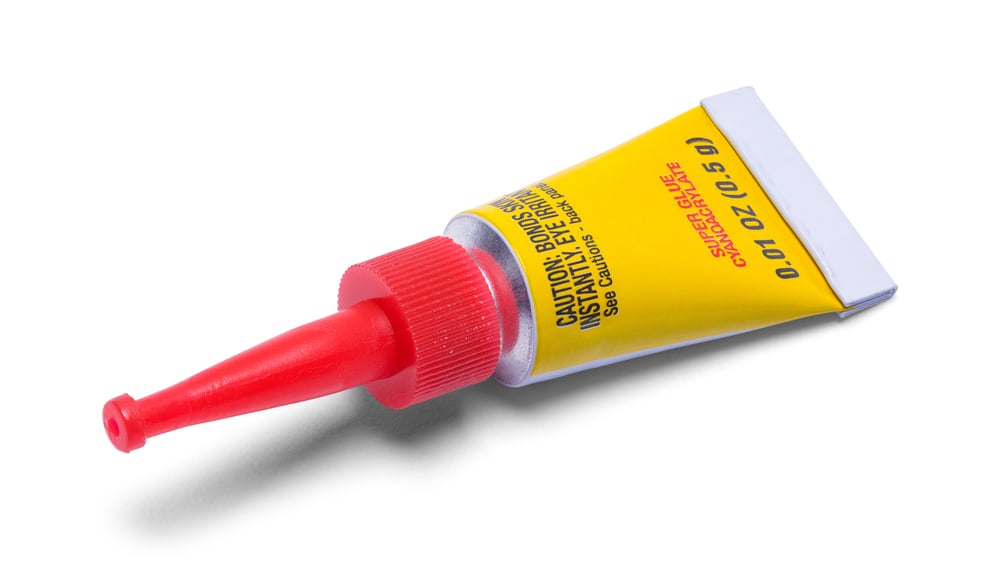
In 1942, Harry Coover was attempting to create clear plastic gun sights for military applications when he synthesized cyanoacrylate. He initially rejected the substance as too sticky for his purposes and moved on.
Six years later, while working on heat-resistant jet canopies, he rediscovered the compound and finally recognized its potential as an adhesive. Coover’s persistent lab mistake became Super Glue, transforming everything from household repairs to medical applications.
Two failures in different contexts eventually revealed an incredible success.
Saccharin

Constantin Fahlberg discovered artificial sweetener in 1879 after a lab accident where he forgot to wash his hands before dinner. The chemist noticed his bread tasted unusually sweet and traced the flavor back to compounds from his laboratory work on coal tar derivatives.
Fahlberg’s careless lab hygiene led to identifying saccharin, a substance 300 times sweeter than sugar with zero calories. This accidental discovery eventually transformed the food industry and provided sugar alternatives for diabetics and those seeking lower-calorie options.
Potato Chips
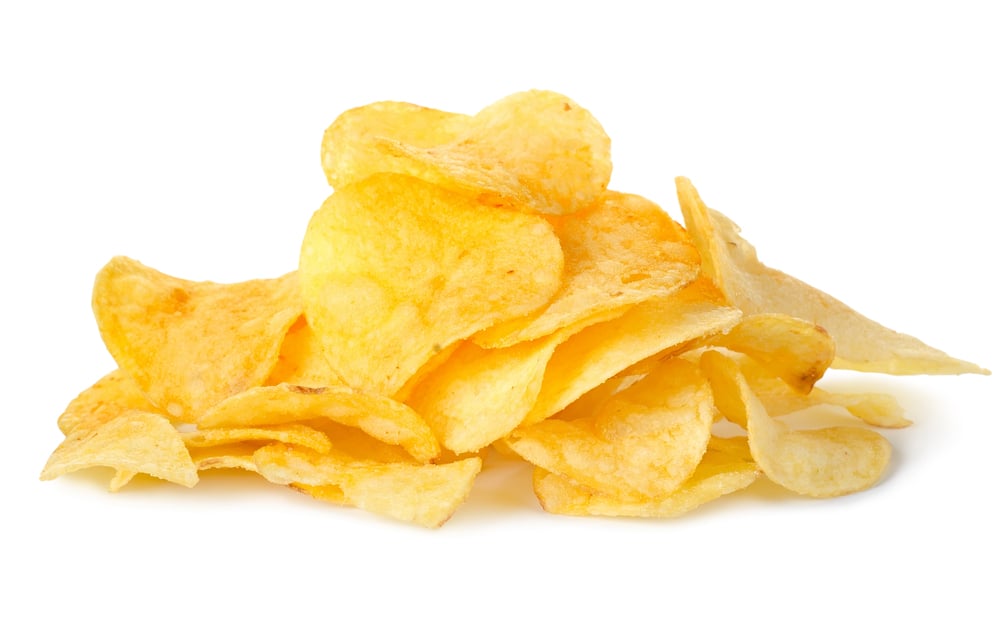
Legend attributes potato chips to an 1853 mistake at Moon’s Lake House in Saratoga Springs. Chef George Crum responded to a customer complaint about thick potatoes by slicing them paper-thin and frying them to a crisp as a sarcastic gesture.
Instead of offending the customer, the crispy potatoes became an immediate hit. A petty kitchen revenge tactic transformed into America’s favorite snack food, with Americans now consuming over 1.5 billion pounds annually.
Crum’s culinary spite accidentally pioneered a snack empire.
Vulcanized Rubber

Charles Goodyear struggled for years to make natural rubber practical until a fortunate 1839 accident when he spilled a mixture of rubber, lead, and sulfur onto a hot stove. Instead of melting, the rubber charred and hardened into a leather-like material that remained flexible but didn’t melt in summer heat or crack in winter cold.
This kitchen mishap led to vulcanization, the process that made rubber commercially viable for countless applications from tires to medical devices. Goodyear’s spill revolutionized transportation and countless other industries.
Safety Glass

Édouard Bénédictus, a French scientist, knocked a glass flask from a shelf in 1903 and noticed something unusual – it cracked but didn’t shatter into dangerous shards. The flask had contained cellulose nitrate that dried and coated the interior, creating an early form of laminated glass.
This laboratory accident directly led to the development of safety glass for automobile windshields and countless other applications. Bénédictus transformed a broken beaker into a technology that has saved innumerable lives from flying glass injuries.
Coca-Cola
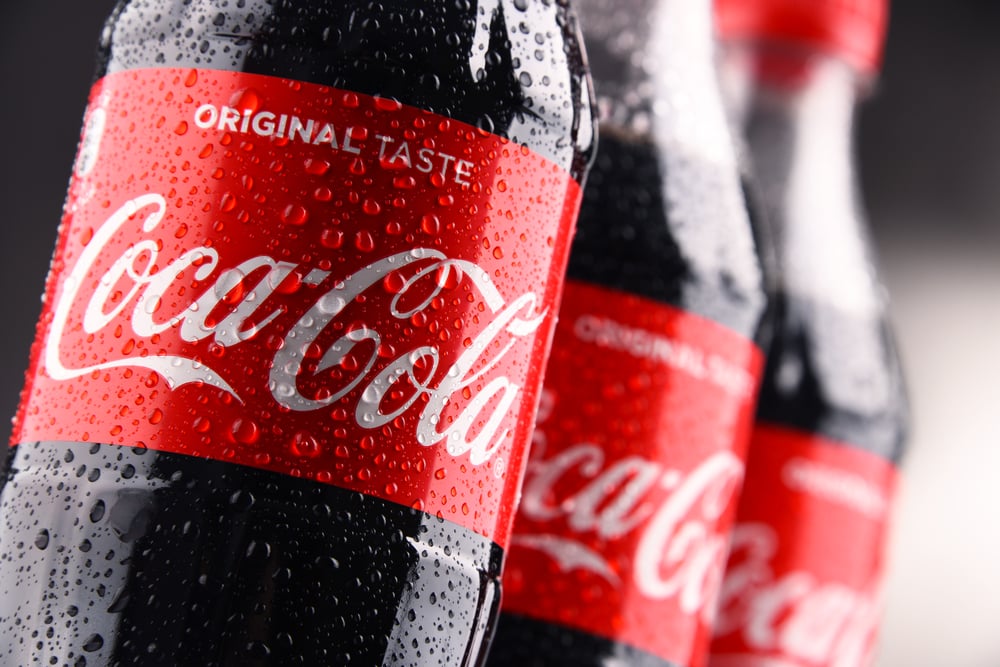
Pharmacist John Pemberton was attempting to create a medicinal syrup for headaches and general discomfort in 1886 when his assistant accidentally mixed it with carbonated water instead of regular water. This beverage mistake created the world’s most recognized soft drink rather than just another forgettable patent medicine.
Pemberton’s incorrect mixture launched a global brand now valued at over $230 billion. A simple carbonation error created what would become one of the most successful consumer products in history.
Play-Doh
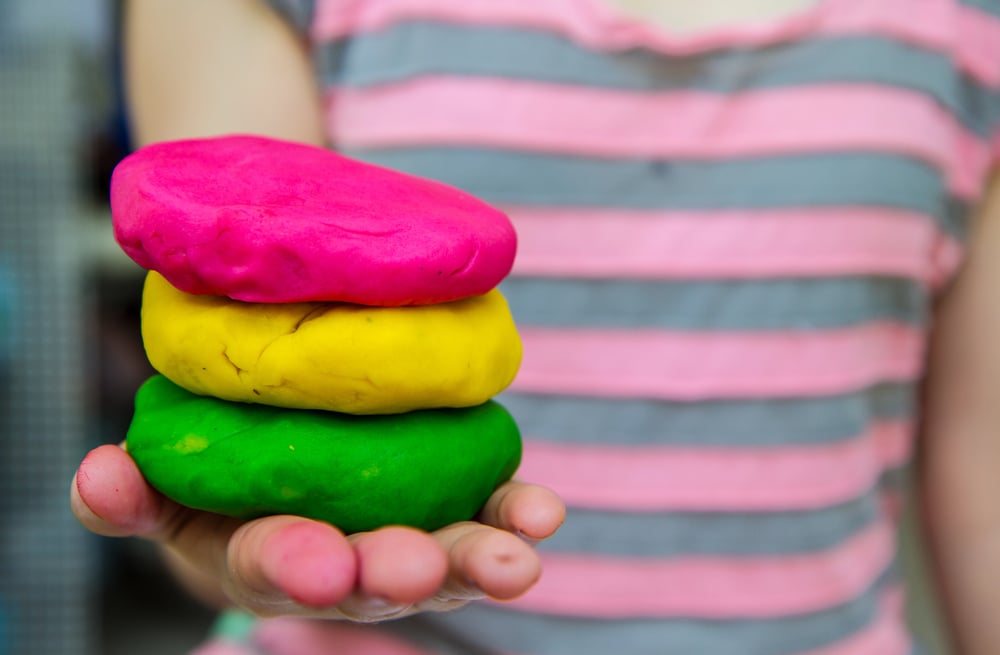
This children’s modeling compound began as a failed attempt at creating wallpaper cleaner. Kutol Products was struggling financially when soap manufacturers began producing washable vinyl wallpapers, making their cleaning putty obsolete.
The company’s salvation came when nursery school teacher Kay Zufall discovered children enjoyed playing with the non-toxic, moldable material. A cleaning product rendered unnecessary by changing technology found new life as one of history’s most beloved toys.
Over 700 million pounds of Play-Doh have been sold since this fortunate product pivot.
Silly Putty
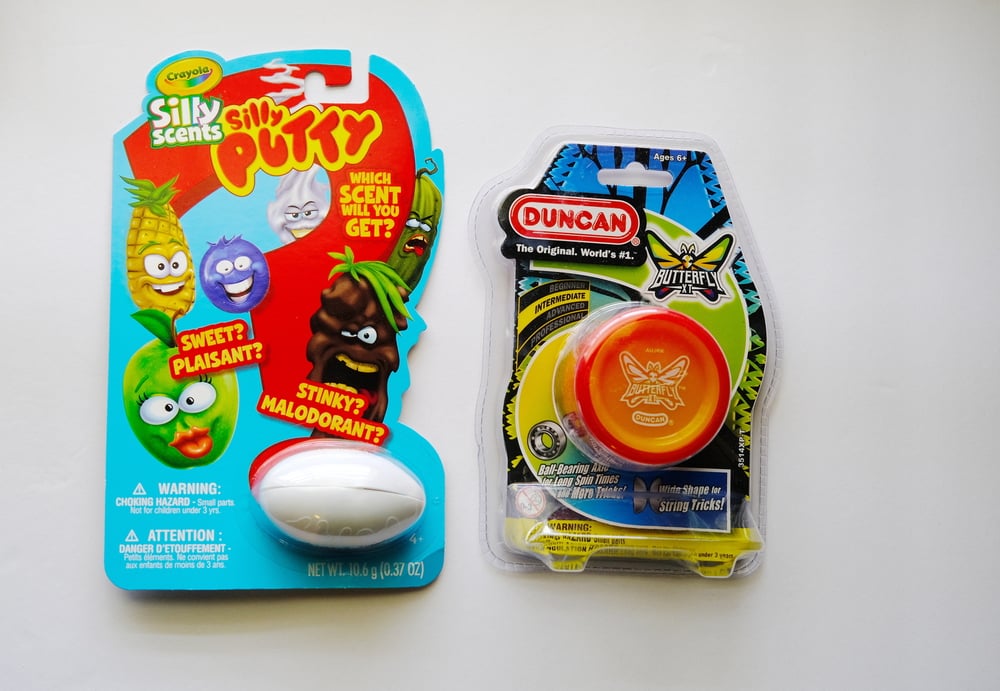
During World War II rubber shortages, engineer James Wright was attempting to create a synthetic rubber substitute for the U.S. War Production Board. His experiment yielded a strange bouncing goo that couldn’t replace rubber in any practical application.
Years later, marketing consultant Peter Hodgson recognized its entertainment value and repackaged it as Silly Putty. Wright’s failed government research project became a toy phenomenon, selling over 300 million eggs of putty worldwide.
Sometimes a product’s true purpose is completely different from its intended application.
Champagne

Winemakers in the Champagne region of France historically considered bubbly wine a serious manufacturing defect. The cold winters would halt fermentation prematurely, and when spring temperatures rose, dormant yeast would resume producing carbon dioxide inside already-sealed bottles.
This regional climate mistake created effervescent wine that eventually gained appreciation as a luxury beverage. Monk Dom Pérignon initially worked to prevent these bubbles before recognizing their appeal.
A centuries-old production error transformed into the worldwide symbol of celebration and luxury.
When Mistakes Become Magic

These accidental breakthroughs remind us that innovation often hides in unexpected places – particularly in what appears to be failure. The common thread connecting these discoveries isn’t extraordinary luck but the inventors’ willingness to notice unusual results and explore their potential.
Our modern world relies on products that originated from spills, contamination, forgetfulness, and misunderstandings transformed through creative thinking. Perhaps we should all pay closer attention to our mistakes, as they might contain our greatest contributions waiting to be recognized.
More from Go2Tutors!

- The Romanov Crown Jewels and Their Tragic Fate
- 13 Historical Mysteries That Science Still Can’t Solve
- Famous Hoaxes That Fooled the World for Years
- 15 Child Stars with Tragic Adult Lives
- 16 Famous Jewelry Pieces in History
Like Go2Tutors’s content? Follow us on MSN.