20 Experimental Cars That Were Too Strange for Mass Production
Throughout automotive history, manufacturers have pushed boundaries with concept vehicles that showcased revolutionary ideas, futuristic styling, and experimental technologies. Many of these innovative machines captured the imagination of the public at auto shows worldwide, promising a glimpse into transportation’s future.
Yet, despite their captivating designs and groundbreaking features, these vehicles proved too unconventional, impractical, or ahead of their time for regular production. Here is a list of 20 experimental cars whose extraordinary designs and concepts were simply too strange for the mass market, remaining fascinating footnotes in automotive history rather than common sights on our roads.
Ford Nucleon (1958)
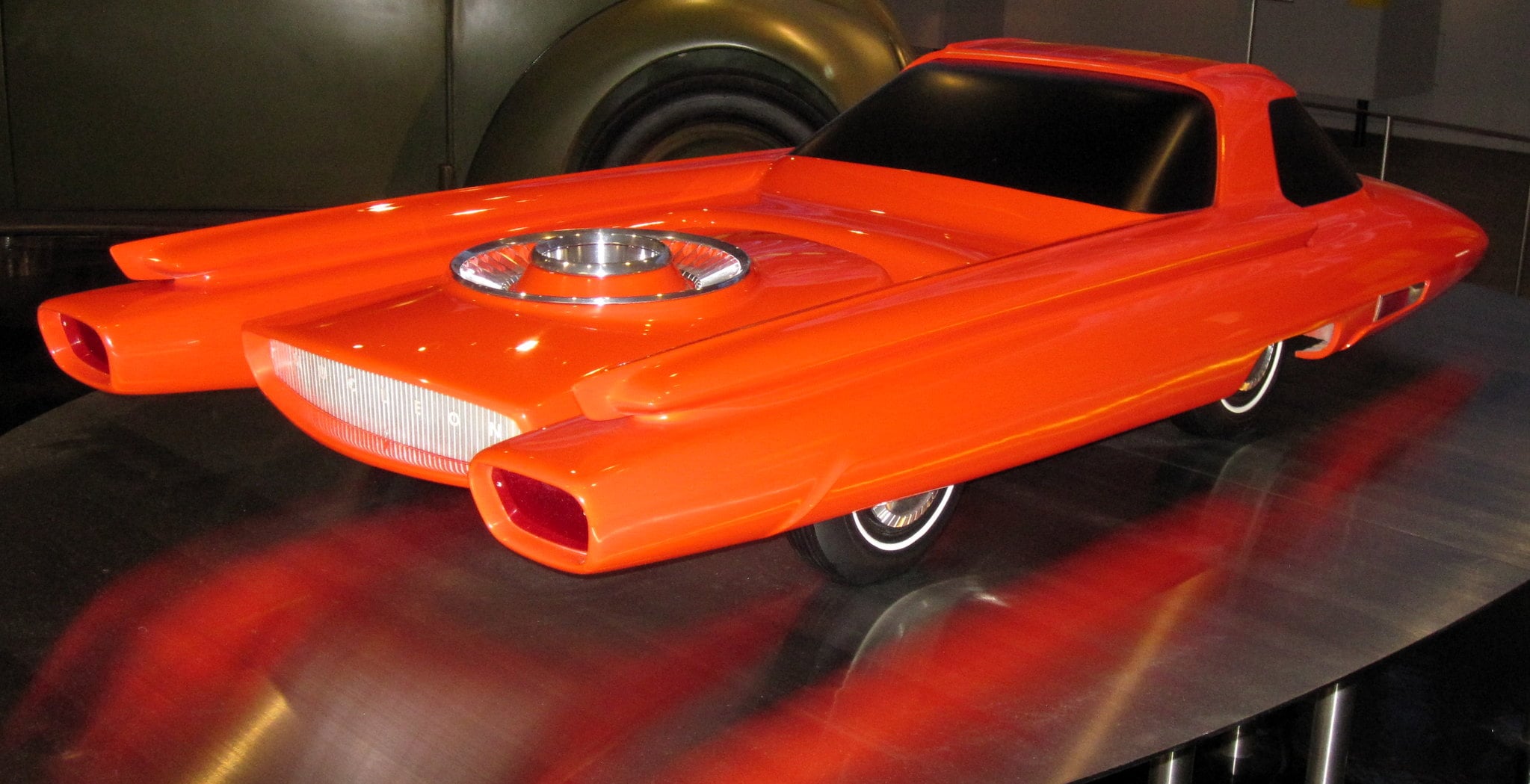
Ford’s Nucleon concept proposed a nuclear-powered family car during the atomic age’s peak optimism. The miniature nuclear reactor would theoretically power the vehicle for 5,000 miles between core replacements, eliminating the need for conventional refueling.
Safety concerns, practical engineering challenges, and the obvious risks of millions of nuclear reactors traveling highways ensured this radioactive dream remained safely confined to Ford’s design studios.
BMW GINA Light Visionary Model (2008)
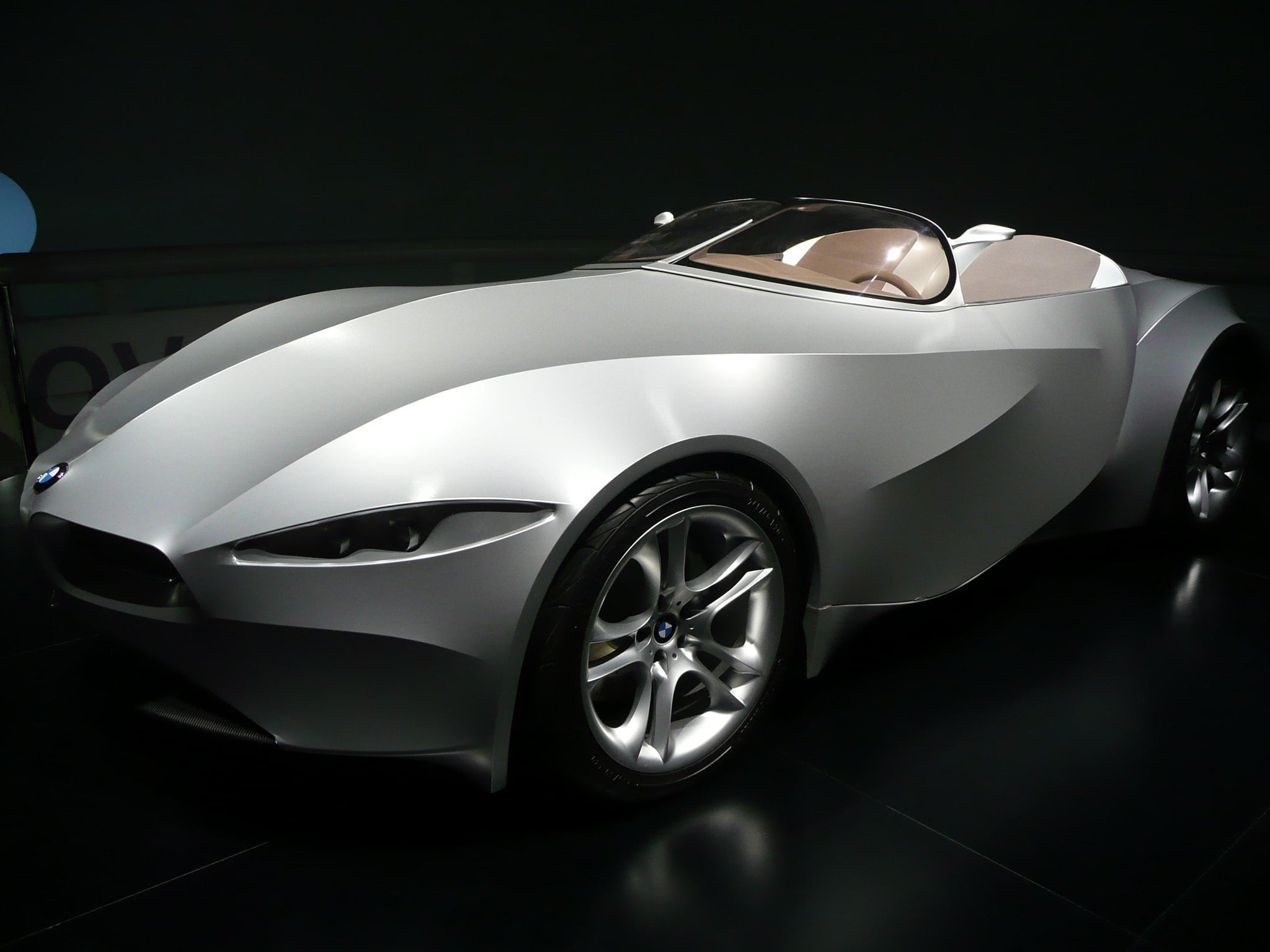
BMW’s GINA replaced traditional metal bodywork with a flexible, stretchable fabric skin pulled over an aluminum wire frame. This revolutionary approach allowed the car to change its shape—headlights would “blink” open from beneath the fabric, and the doors opened in a rippling motion unlike anything seen before.
While visually stunning, the practical challenges of fabric durability, safety regulations, and manufacturing complexity kept this shape-shifting marvel from production reality.
Chrysler Turbine Car (1963)
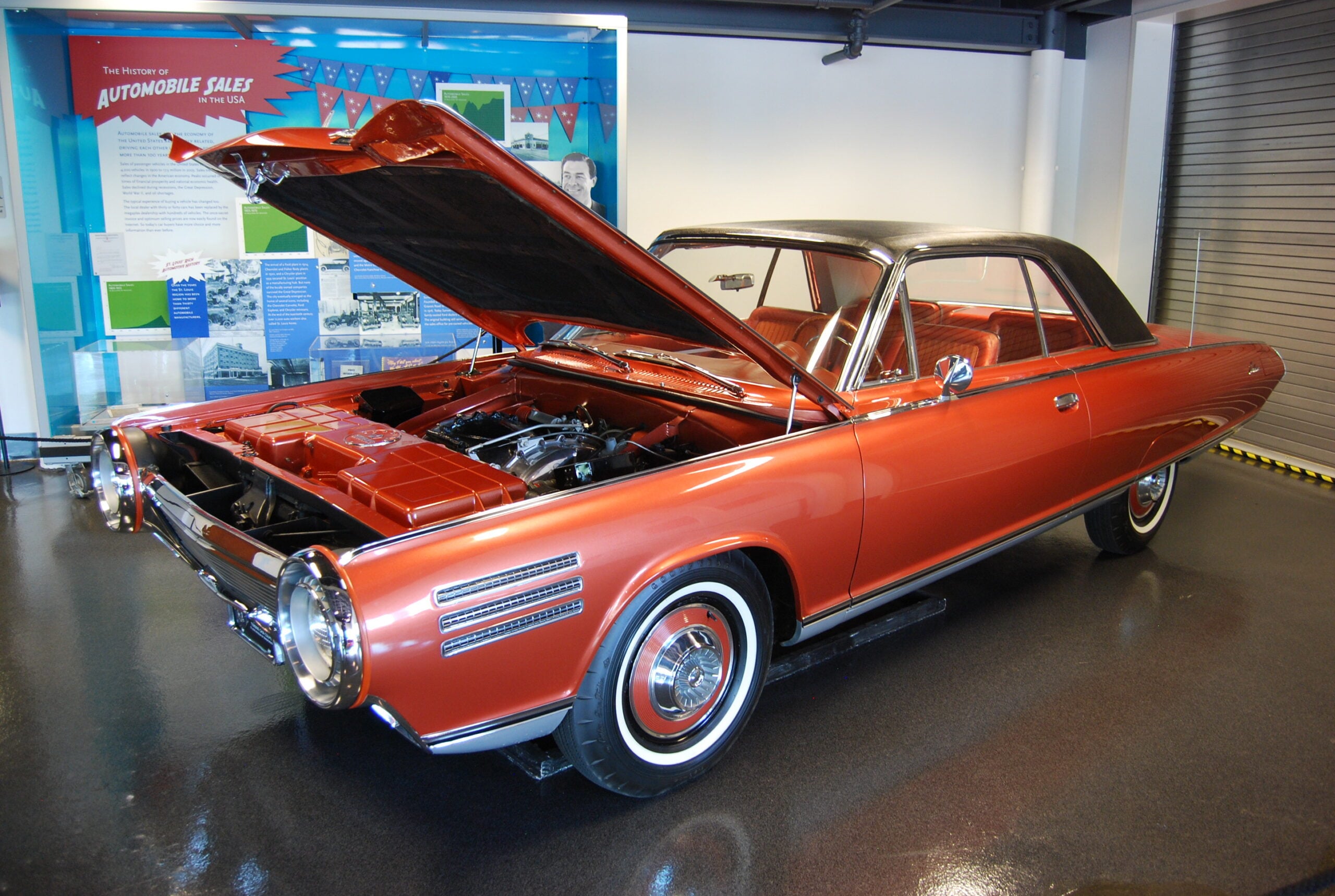
Chrysler actually built 55 examples of its experimental turbine-powered car and loaned them to ordinary families for real-world testing. The jet-age vehicle could run on almost any combustible liquid—including tequila and perfume—and featured a smooth, vibration-free ride.
Despite these advantages, the turbine engine’s poor fuel economy, high manufacturing costs, and excessive heat output ultimately prevented mass production, leaving just nine surviving examples today.
Ferrari 512 S Modulo (1970)
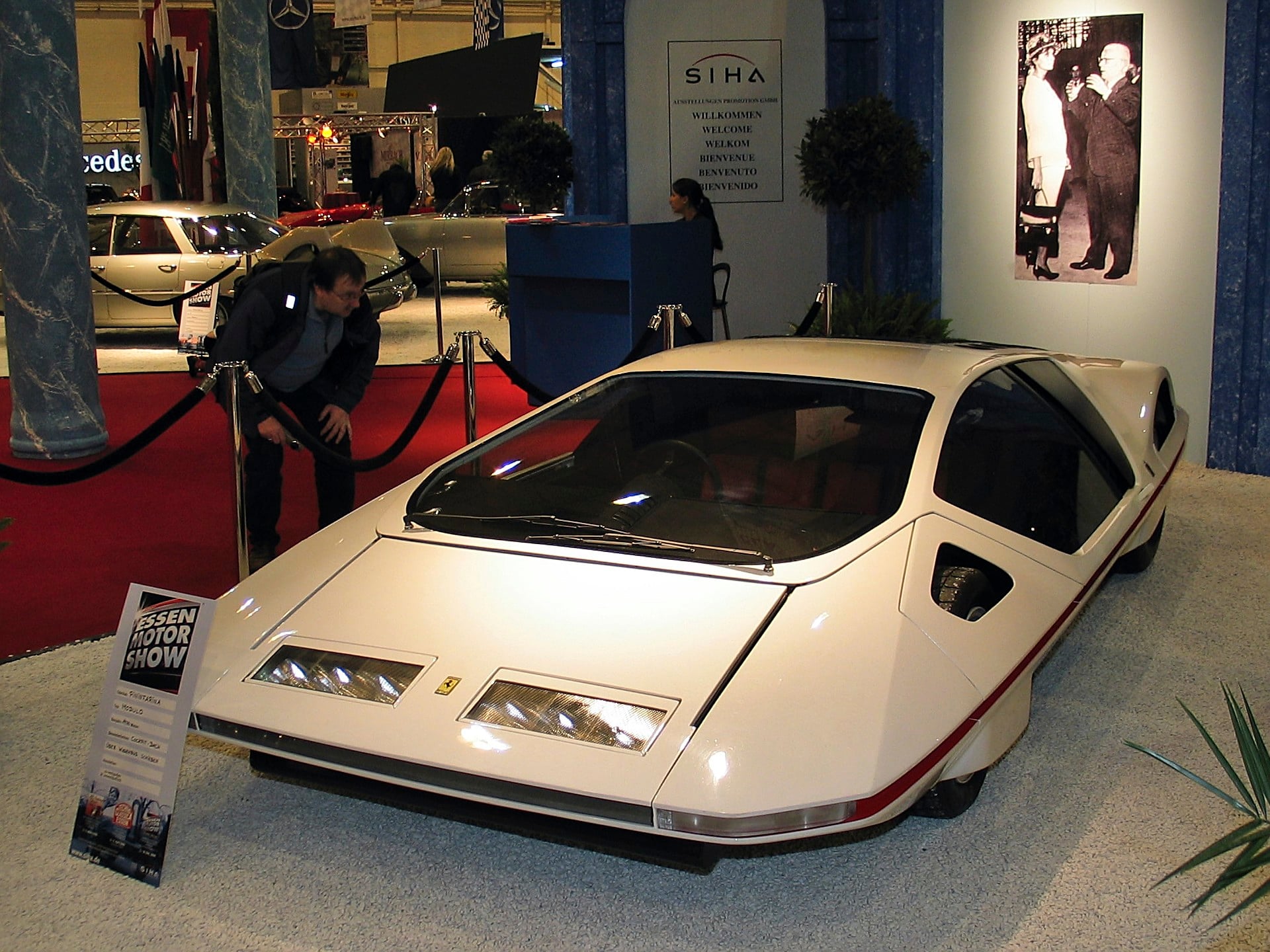
Pininfarina’s radical Ferrari-based concept set new standards for automotive futurism with its geometric, spaceship-like appearance. Standing just 37 inches tall, the ultra-low wedge featured a canopy that slid forward for entry, partially covered wheels, and 24 circular holes in the engine cover.
While aesthetically revolutionary, the concept was purely a styling exercise with virtually zero production viability due to its impractical proportions and limited visibility.
General Motors Firebird III (1958)
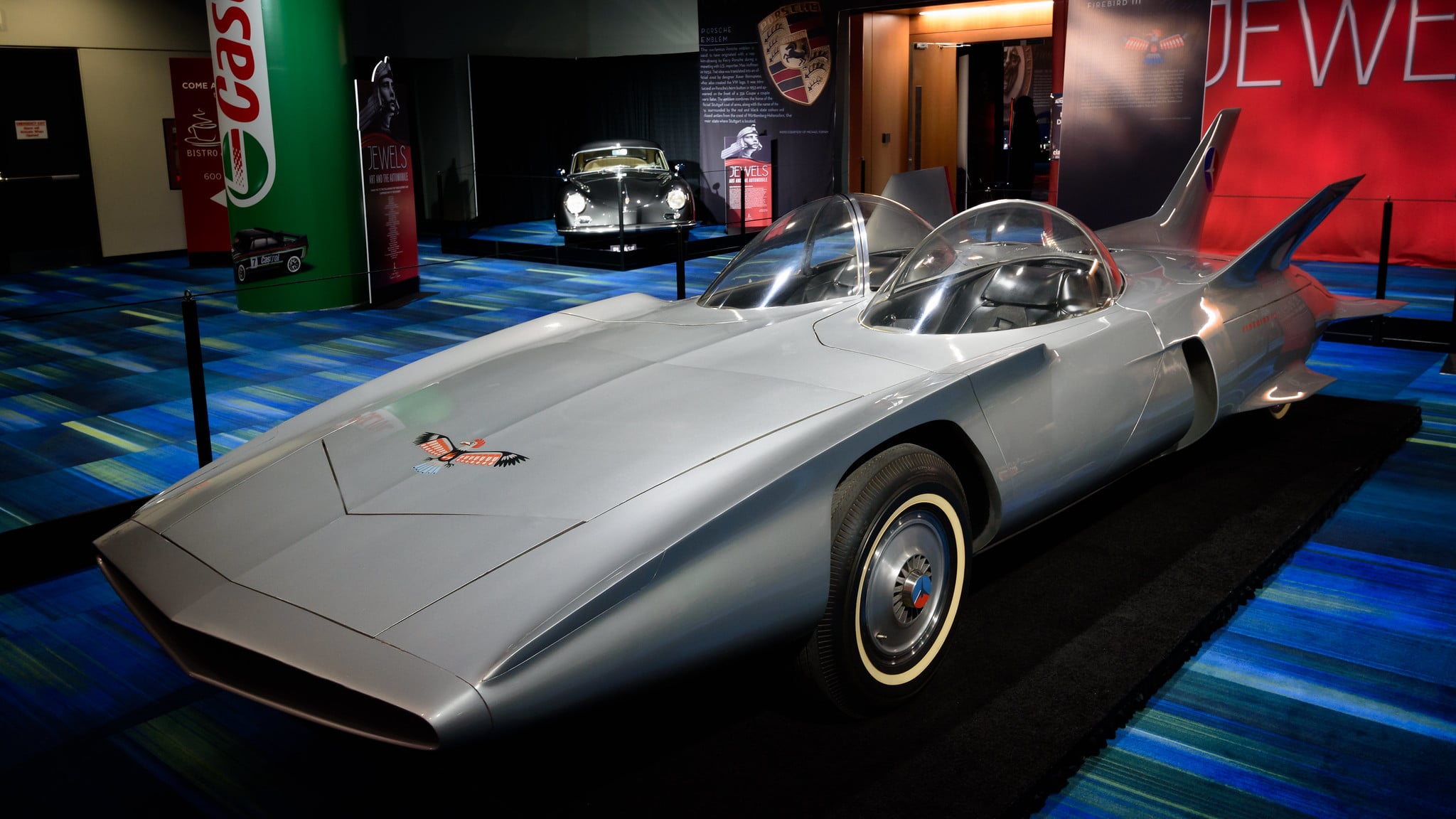
GM’s Firebird III looked more like a fighter jet than a family car, with a bubble cockpit, titanium body, and seven wing-like fins. The experimental vehicle featured a gas turbine engine, joystick steering instead of a conventional wheel, and an early autonomous guidance system that could follow electronic signals embedded in specially equipped roads.
This Jetsons-like vision proved far too futuristic and complex for 1950s manufacturing capabilities or consumer expectations.
Mercedes-Benz C111 (1969)
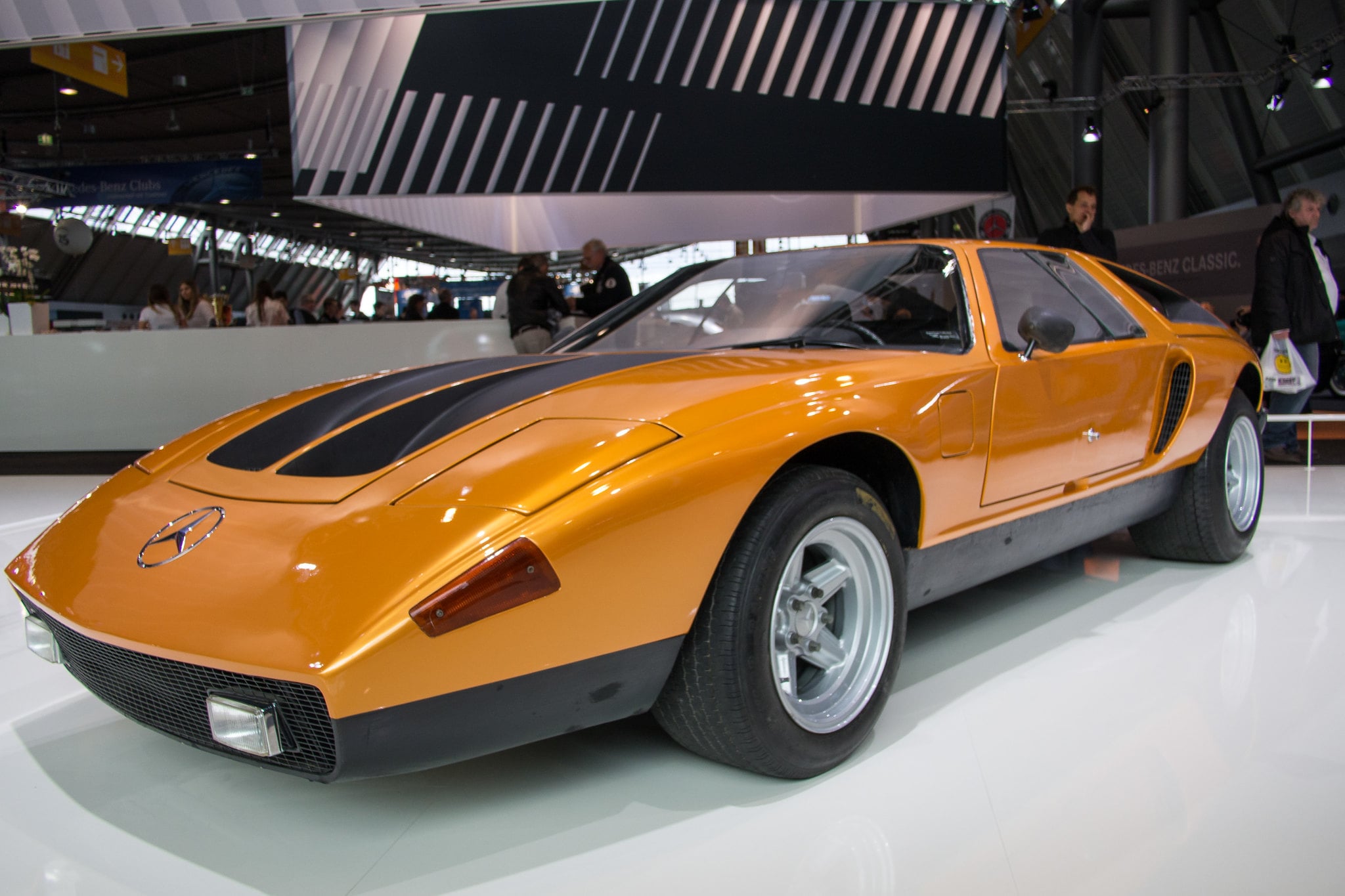
The gullwing-doored C111 served as Mercedes’ testbed for experimental Wankel rotary engines and later for turbodiesel technology. Despite its breathtaking styling and impressive performance—breaking numerous speed records in its various iterations—the C111 remained strictly experimental.
The rotary engine’s poor fuel economy during the 1970s oil crisis, combined with reliability concerns, convinced Mercedes to abandon plans for a production version despite receiving blank checks from eager would-be buyers.
Jamais Contente (1899)
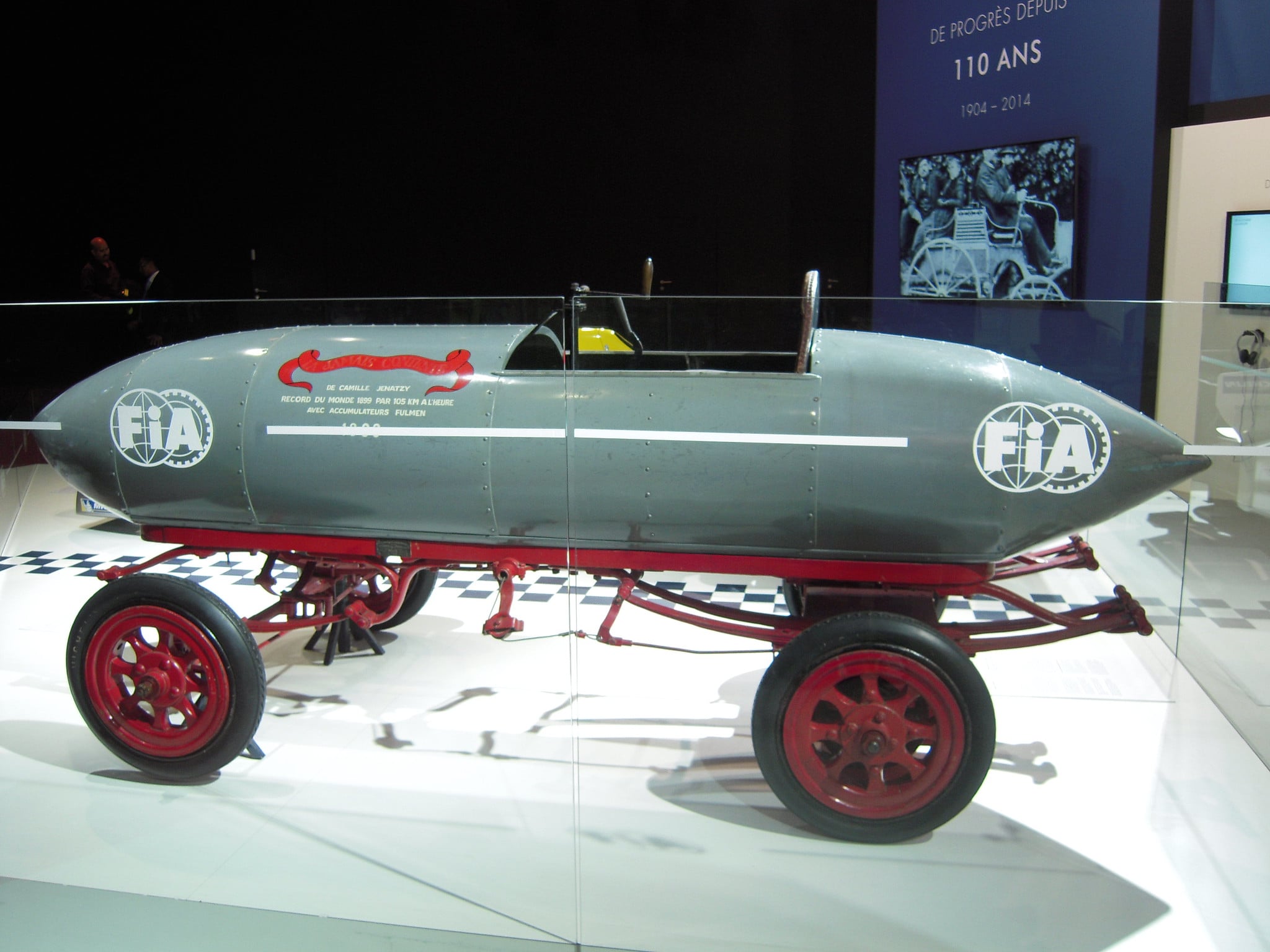
This torpedo-shaped electric vehicle became the first automobile to exceed 100 km/h (62 mph) in 1899, a remarkable achievement for the era. Built by Belgian Camille Jenatzy, the bullet-shaped “Never Satisfied” featured direct drive to the rear wheels from dual electric motors.
While revolutionary as a speed record vehicle, its specialized design, limited range, and the primitive battery technology of the period made mass production entirely impractical for early automotive consumers.
MIT Citycar (2003)
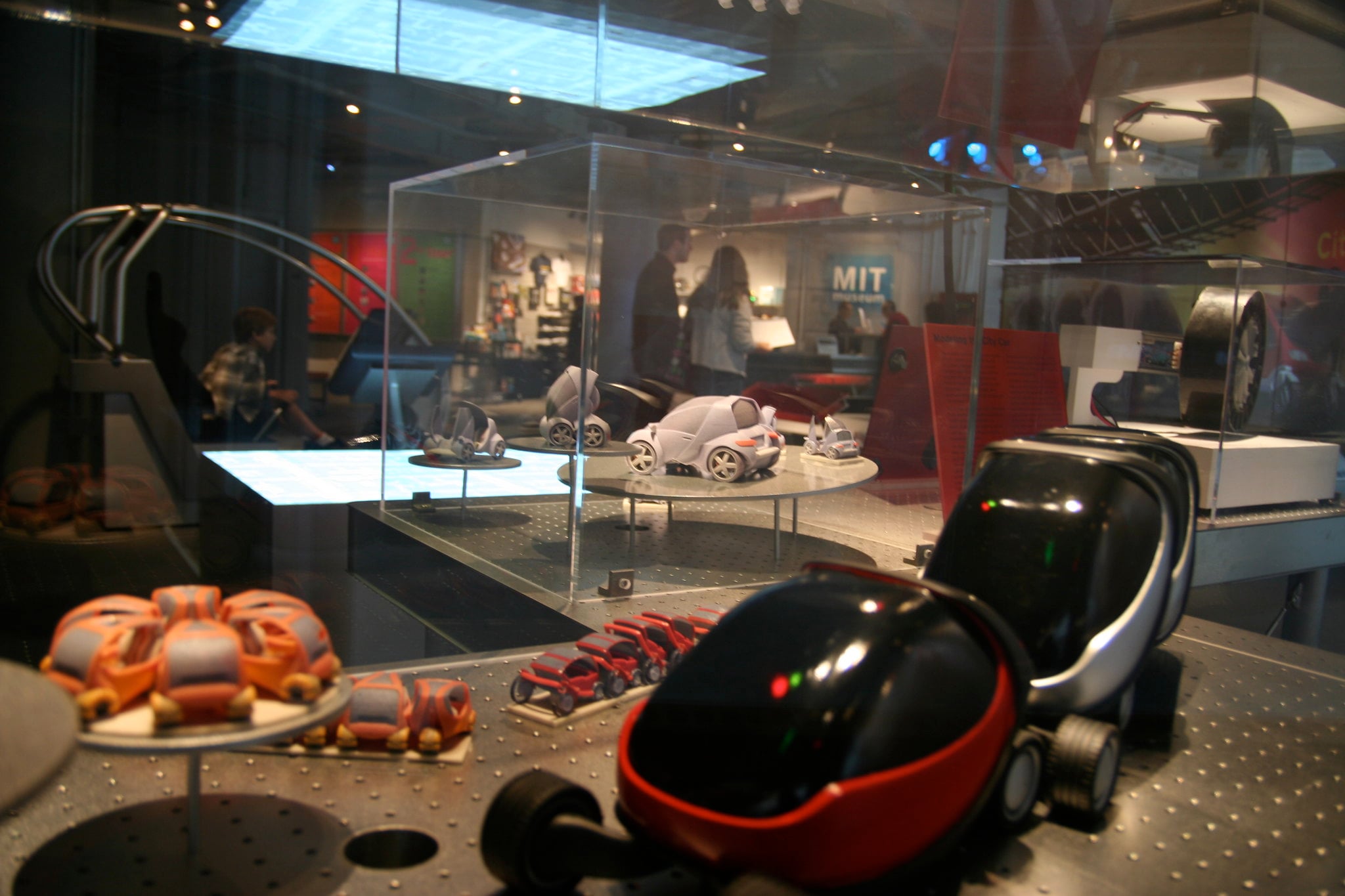
MIT’s innovative urban mobility solution could fold itself for compact parking, with wheels that rotate 360 degrees for unprecedented maneuverability. The stackable cars were designed for one-way sharing systems, allowing users to pick up a vehicle at one station and drop it off at another.
While the concept influenced later production vehicles like the Smart ForTwo, the radical folding mechanism and infrastructure requirements proved too complex for full-scale implementation beyond prototype stages.
Horsey Horseless (1899)

Perhaps the strangest automotive transition concept ever created, this early vehicle featured a life-sized wooden horse head mounted to the front of a horseless carriage. Inventor Uriah Smith believed the familiar equine appearance would prevent real horses from being startled by the newfangled automobiles.
The hollow horse head allegedly doubled as a fuel tank, creating perhaps the world’s most bizarre and impractical automotive design that thankfully remained a limited experiment.
Alfa Romeo BAT Cars (1953-1955)
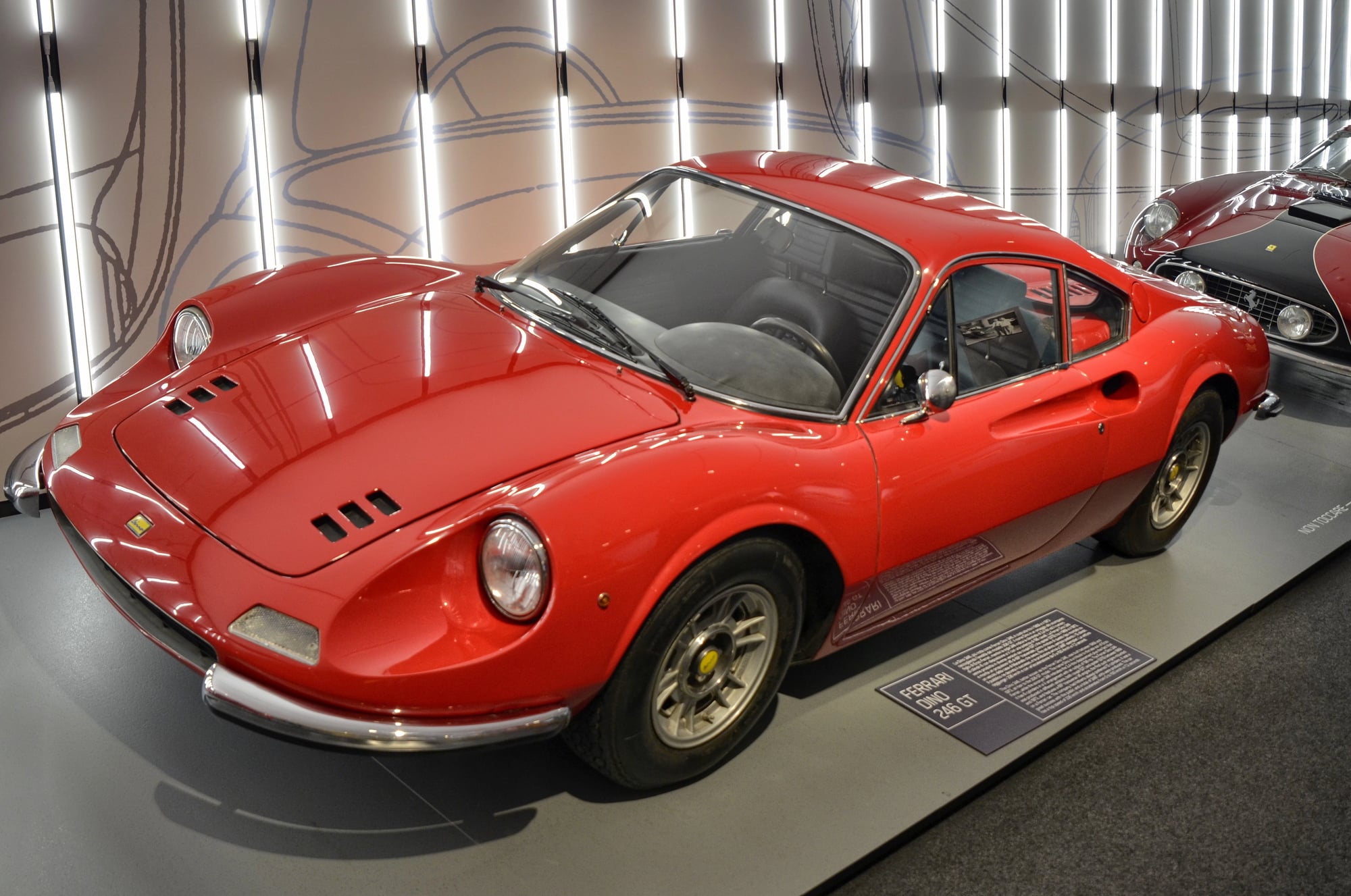
Alfa Romeo’s Berlinetta Aerodinamica Tecnica series, designed by Franco Scaglione at Bertone, pushed aerodynamic principles to extreme visual limits. With dramatic curved fins, covered wheels, and extraordinarily low drag coefficients, the BAT cars looked like automotive sculptures rather than practical vehicles.
While their aerodynamic innovations influenced later designs, the radical styling and limited visibility made them far too extreme for production despite their technical achievements.
Norman Timbs Special (1947)
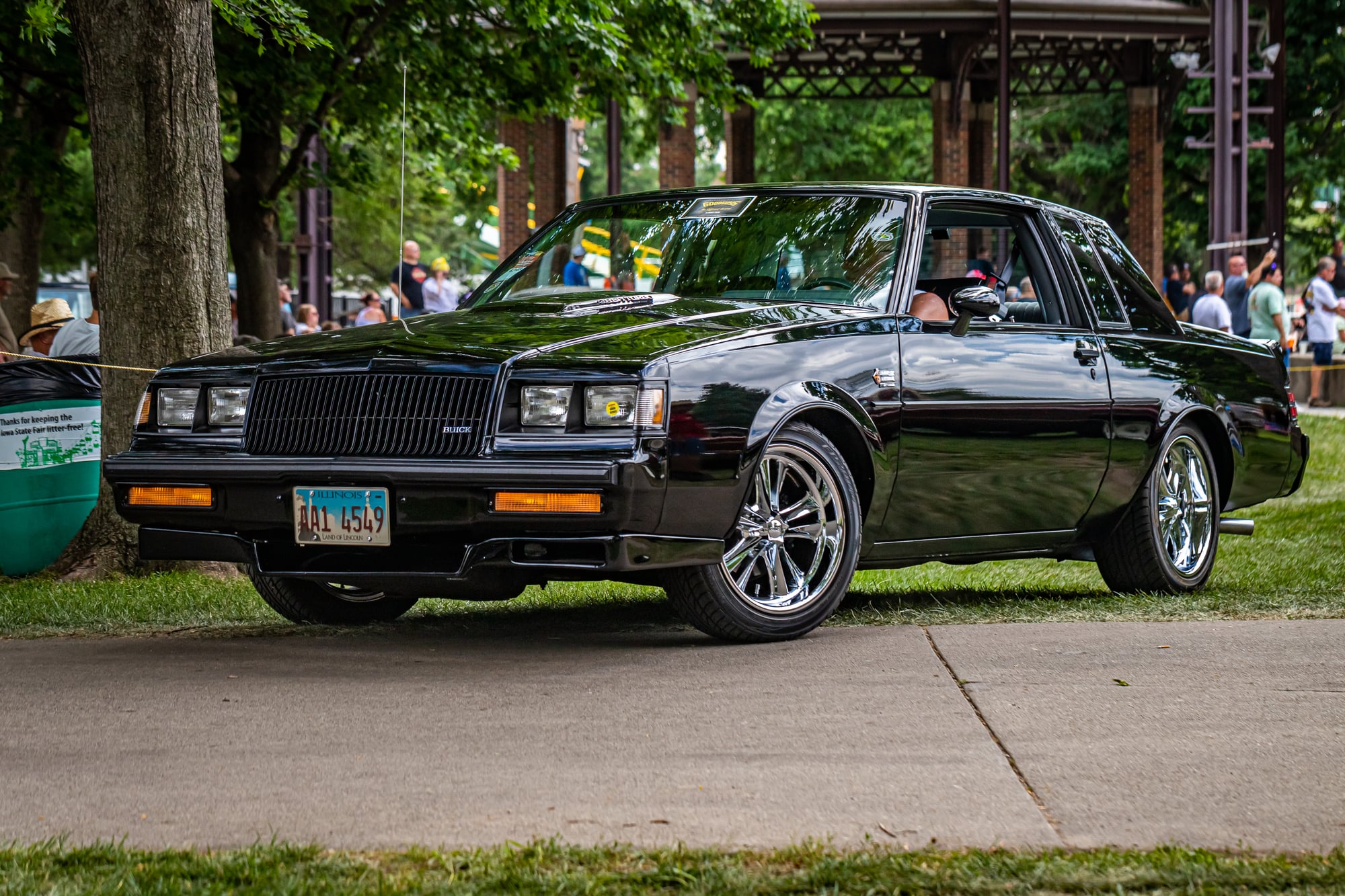
This one-off masterpiece featured a curvaceous aluminum body with a dramatic tapered tail unlike anything else on the road. The streamliner, built by mechanical engineer Norman Timbs, required over two years of hand-fabrication and used a Buick straight-eight engine mounted behind the driver.
The rear-hinged body is lifted to reveal the engine and rear wheels in a truly theatrical display. While visually stunning, the complex, hand-built nature made it impossible to mass-produce affordably.
Phantom Corsair (1938)
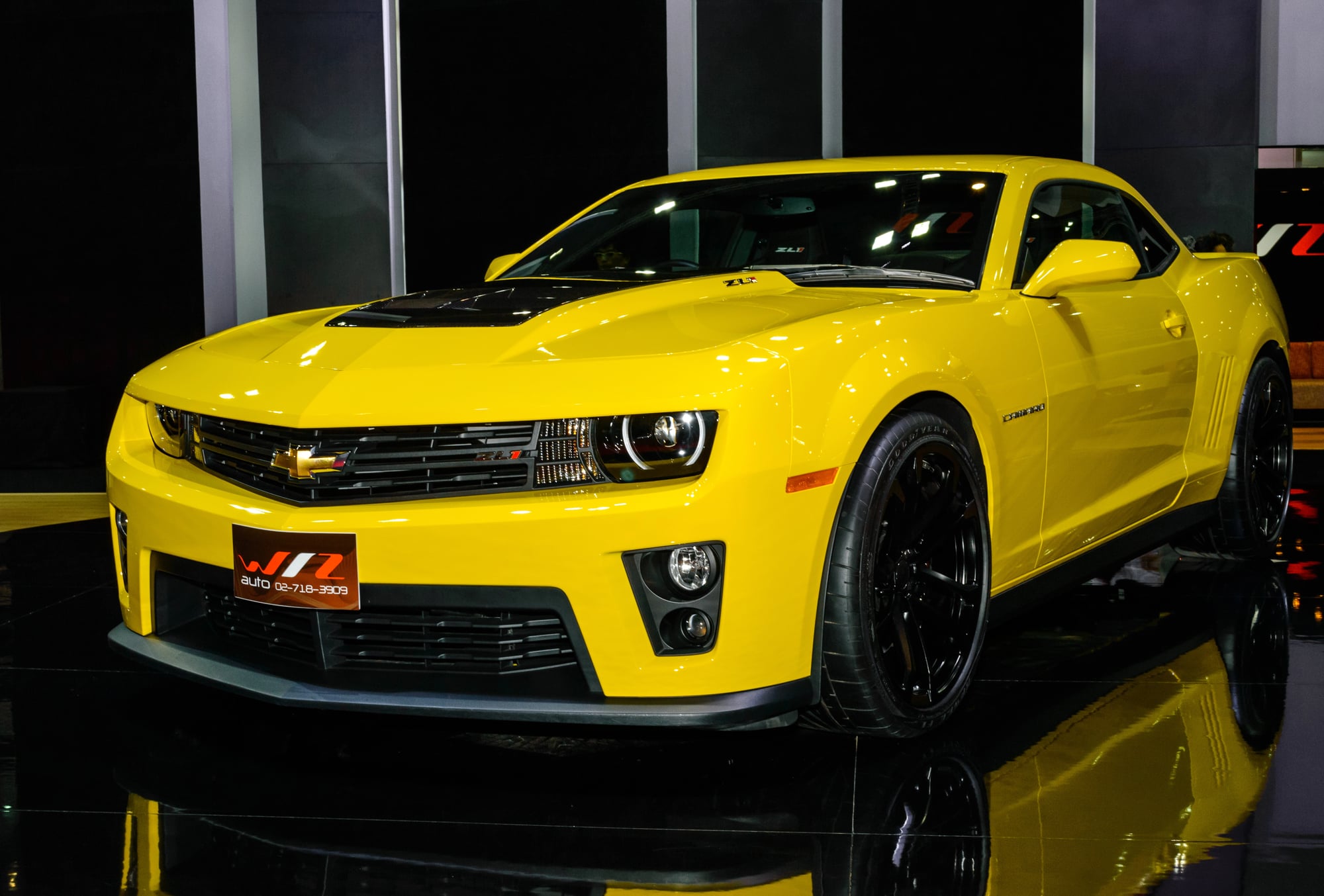
The Phantom Corsair emerged as an ahead-of-its-time six-passenger coupe with no running boards, door handles, or separate fenders—all radical departures from 1930s automotive design. The car featured push-button door operation, a beverage compartment, and aircraft-inspired instrumentation.
After designer Rust Heinz died unexpectedly, the Corsair’s planned limited production never materialized, leaving just one prototype of this futuristic machine as an enduring automotive “what if.”
Reliant Robin (1973)
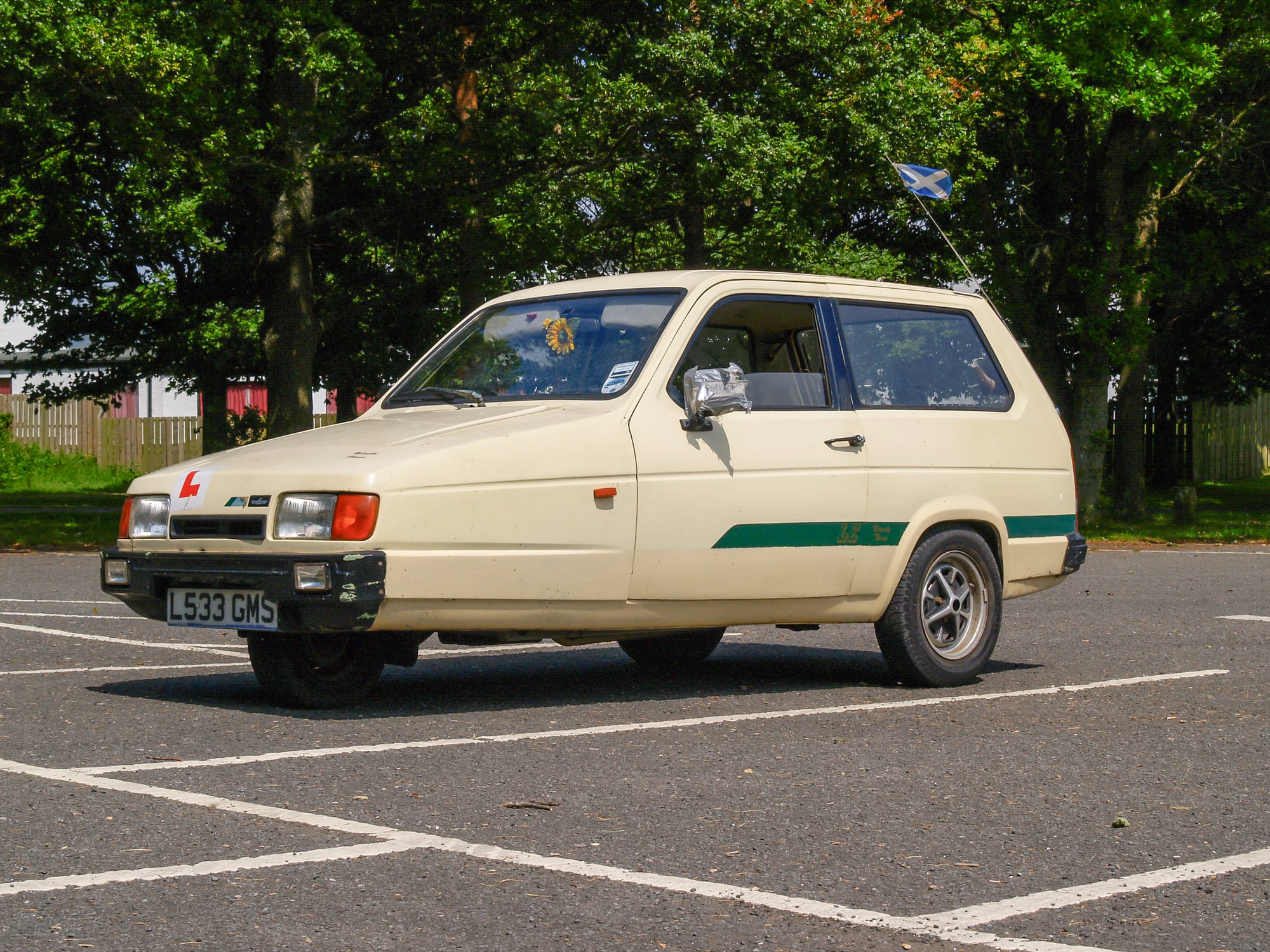
This British three-wheeler became famous for its unusual configuration with a single wheel in front and two in back, giving it notorious instability during turns. Originally designed to exploit British tax and licensing laws that classified it as a motorcycle, the Robin developed a cult following despite its peculiar handling characteristics.
While technically entering production, its strange dynamics and safety concerns kept it firmly in the category of automotive oddities rather than mainstream transportation.
Rinspeed Splash (2004)
Swiss automotive design company Rinspeed created the Splash as a genuine amphibious sports car. On land, it functioned as a normal roadster, but with the push of a button, hydraulic arms deployed a hydrofoil system that lifted the body above water for high-speed marine travel.
This James Bond-worthy transformation allowed speeds up to 45 mph on water, but the complex mechanical systems and limited practical applications ensured this wet-and-wild concept never reached dealerships.
Ford SYNus (2005)

Ford designed this peculiar concept as an urban assault vehicle with bank-vault-inspired styling and security features. The tiny armored car featured bulletproof glass, metal shutters over the windows, and a vault-style rear door complete with a spinning combination lock.
Inside, passengers could transform the cabin from driving mode to a secure living room with a 45-inch LCD screen. This paranoid vision of urban transportation proved far too extreme for consumer appetites despite genuine security concerns.
Fuller Dymaxion (1933)

Buckminster Fuller’s three-wheeled Dymaxion resembled a wingless aircraft with a single rear steering wheel that allowed it to turn within its own length. The teardrop-shaped vehicle could carry 11 passengers at 90 mph while achieving 30 mpg, remarkable statistics for the 1930s.
Despite its innovations, a fatal accident at the 1933 Chicago World’s Fair damaged its reputation, and its unusual handling characteristics proved too radical for depression-era consumers despite its visionary efficiency.
Toyota i-Road (2013)

Toyota’s ultra-narrow electric three-wheeler automatically leaned into turns like a motorcycle while providing car-like protection from the elements. Designed specifically for congested urban environments, the i-Road required just a quarter of a typical parking space.
Despite limited pilot programs in Japan and Europe, the vehicle’s unique operating characteristics—neither quite car nor motorcycle—created regulatory challenges and required driver adaptation that proved too significant for global mass-market introduction.
Citroen DS (1955)
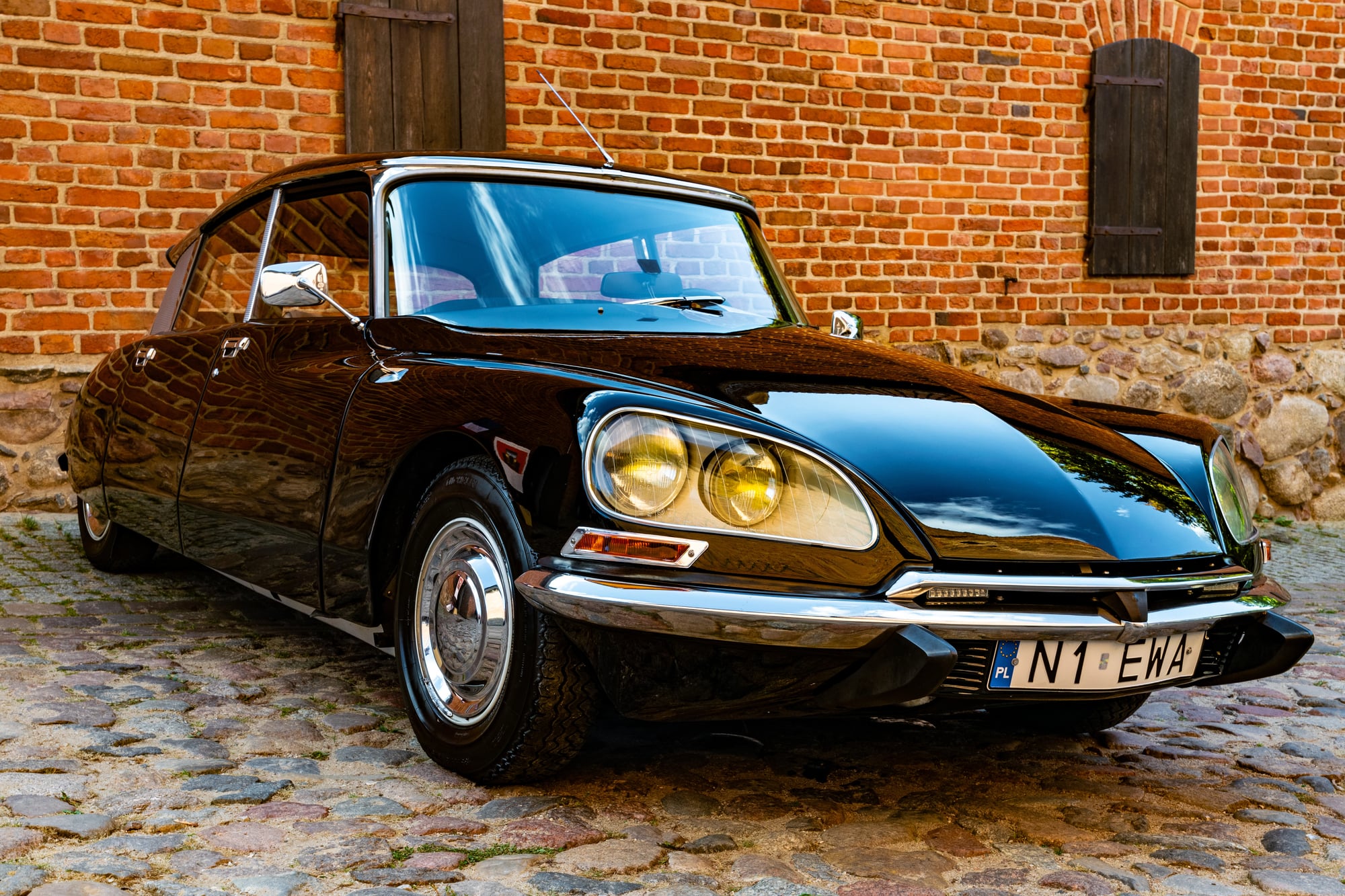
While the DS actually reached production and became iconic, its initial concept was so revolutionary that it deserves mention. The hydropneumatic self-leveling suspension, aerodynamic body, and futuristic dashboard created a driving experience decades ahead of its contemporaries.
The technology proved so advanced that rural French dealerships struggled to service them properly. The production DS retained much of the experimental car’s innovation but with compromises to make it manufacturable—an exception that proves the rule of concept car dilution.
GM Ultralite (1992)
General Motors created the Ultralite as an exercise in extreme efficiency, achieving 100 mpg through carbon fiber construction that kept weight under 1,400 pounds while maintaining passenger safety. The car’s aerodynamic shape produced a drag coefficient of just 0.192, and its doors opened by sliding forward rather than swinging outward.
While technologies from this concept influenced later production vehicles, the carbon fiber construction proved prohibitively expensive for mass production in the early 1990s.
The Final Unbuilt Road

These experimental vehicles represent the automotive industry’s willingness to dream beyond practical constraints, pushing boundaries that conventional production vehicles cannot. While none achieved mass-market success in their original forms, their DNA lives on in the technologies and design elements that eventually filtered into production models.
These strange and wonderful machines remind us that innovation often requires boldness that exceeds market readiness—stepping stones to an automotive future still being written.
More from Go2Tutors!

- The Romanov Crown Jewels and Their Tragic Fate
- 13 Historical Mysteries That Science Still Can’t Solve
- Famous Hoaxes That Fooled the World for Years
- 15 Child Stars with Tragic Adult Lives
- 16 Famous Jewelry Pieces in History
Like Go2Tutors’s content? Follow us on MSN.