Rare Animals That Vanished From Earth
The world keeps turning, but not every creature gets to turn with it. Throughout history, animals that once roamed forests, soared through skies, or swam in oceans have disappeared completely.
Some vanished quietly over decades. Others went extinct in what felt like an instant.
These losses remind us that nature operates on a timeline that doesn’t always align with our own awareness.
The Tasmanian Tiger’s Final Days
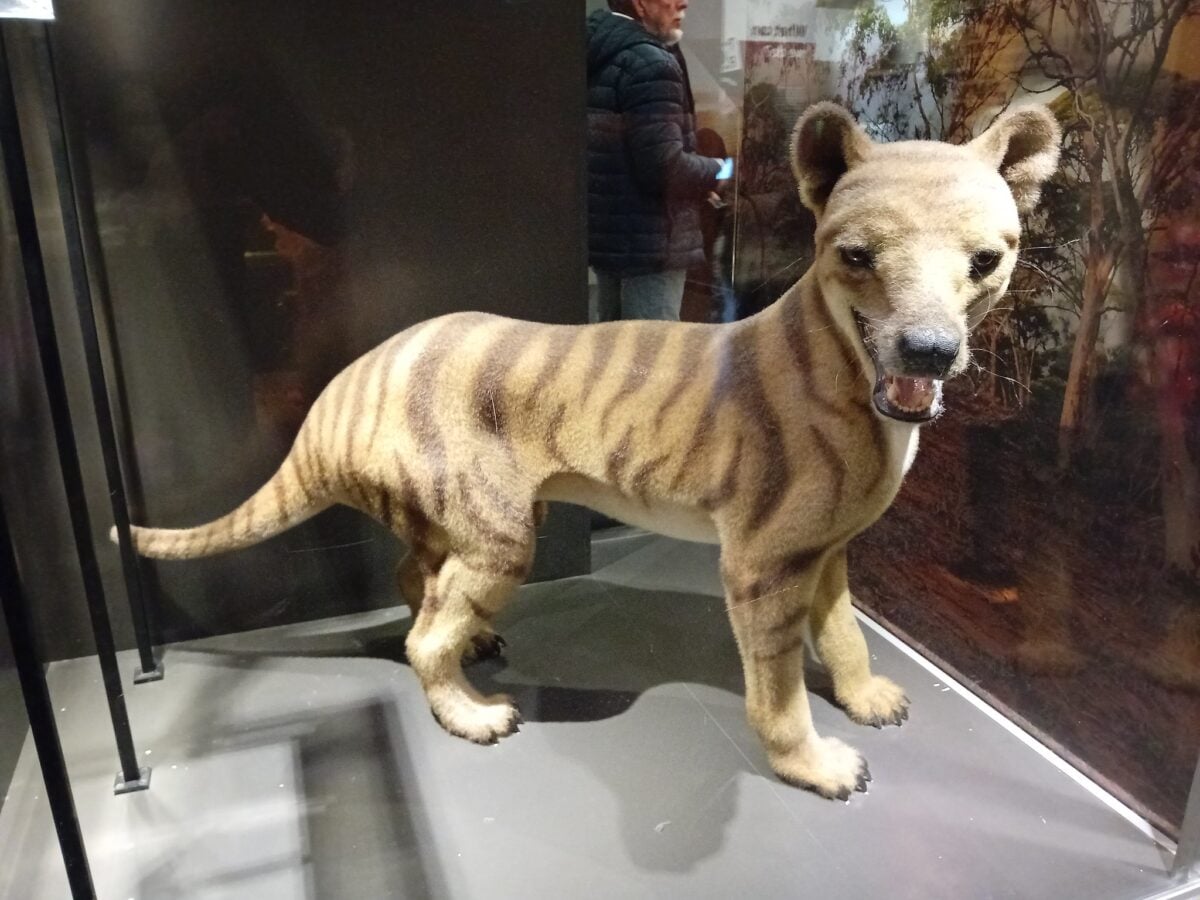
The last known Tasmanian tiger died in 1936 at a zoo in Hobart. This striped marsupial, officially called the thylacine, looked like a cross between a dog and a tiger.
It lived in Tasmania, Australia, and had a pouch like a kangaroo. Farmers blamed it for attacking sheep, leading to massive hunting campaigns.
By the time people realized how few remained, it was already too late. The species had survived for millions of years, only to disappear within a human lifetime.
When the Passenger Pigeon Darkened Skies
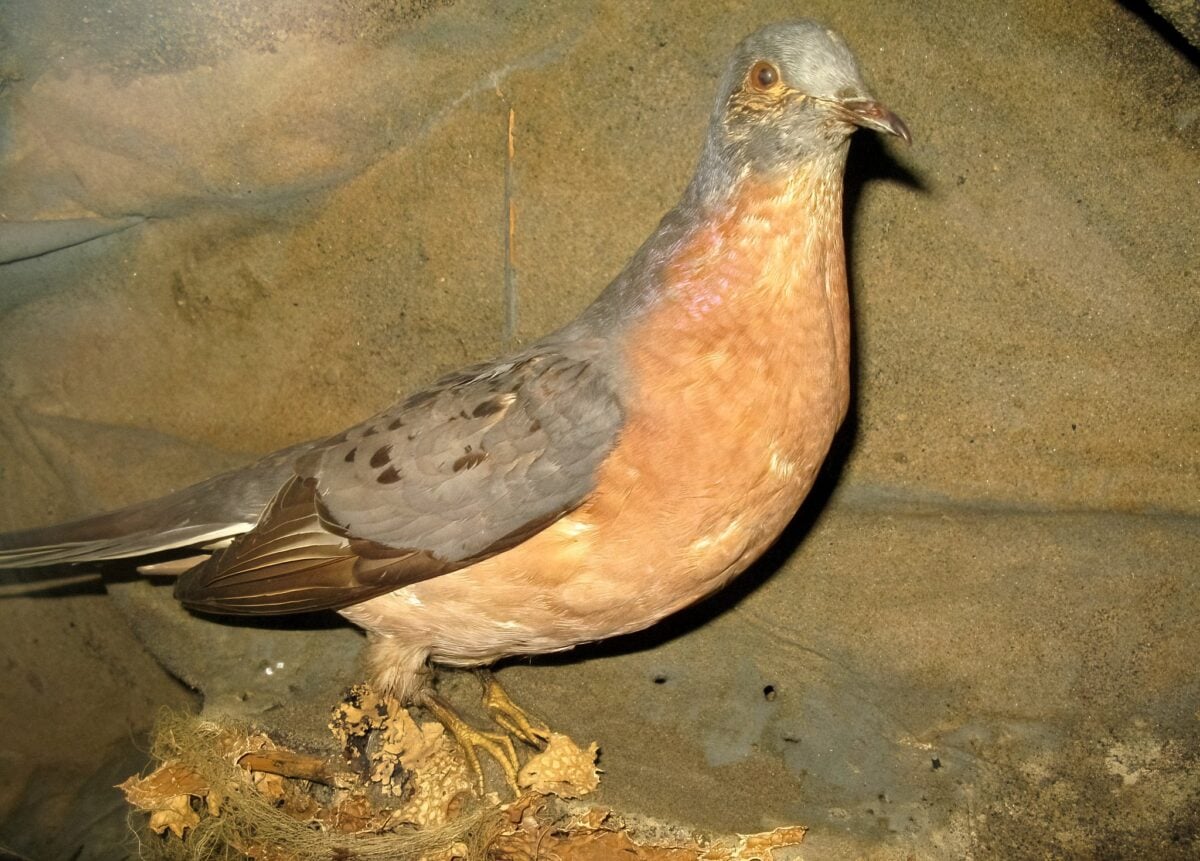
Imagine billions of birds flying overhead, so many that they blocked out the sun for hours. That’s what passenger pigeons did across North America in the 1800s.
They lived in massive flocks, sometimes numbering in the millions for a single group. People hunted them for food and sport, shooting them by the thousands.
The birds couldn’t adapt when their habitat disappeared and their numbers dropped. Martha, the last passenger pigeon, died in a Cincinnati zoo in 1914.
A species that once dominated the continent went from billions to zero in less than a century.
The Golden Toad of Costa Rica
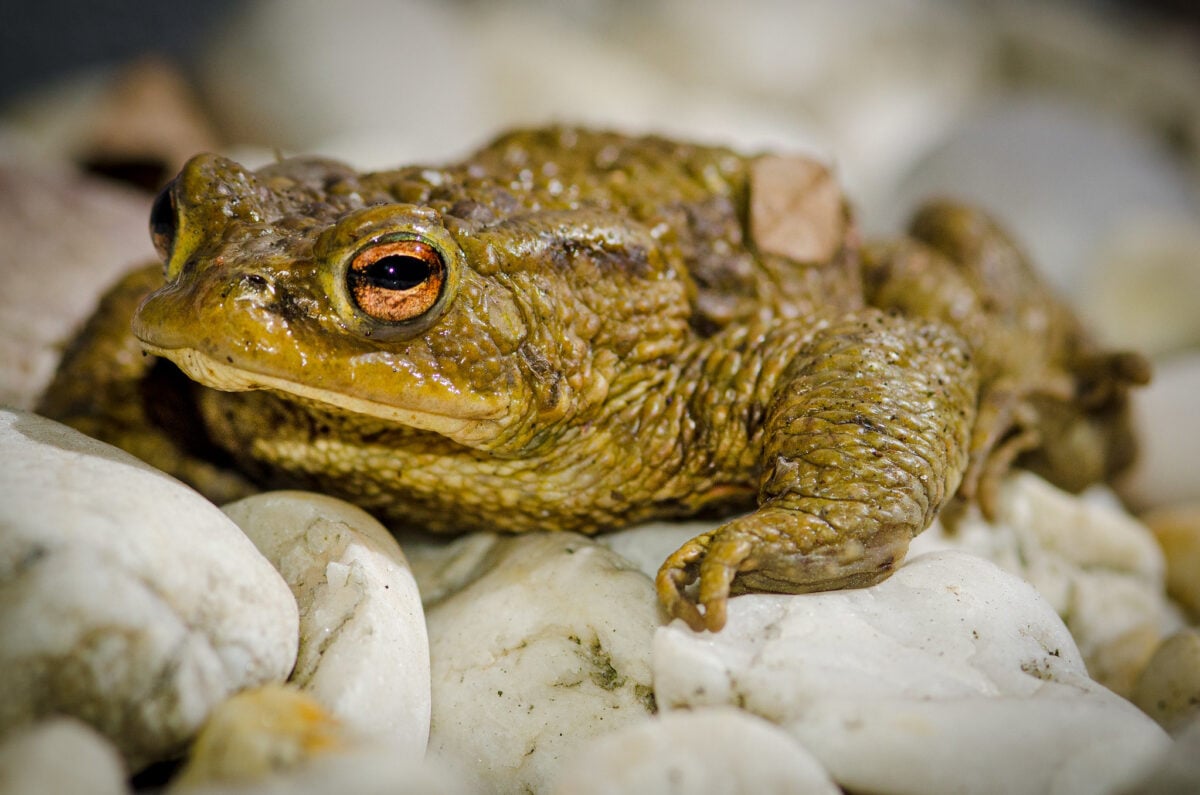
This bright orange amphibian lived in the cloud forests of Monteverde, Costa Rica. Males glowed like tiny suns against the green forest floor.
Scientists discovered the species in 1964, and by 1989, it was gone. Climate change altered rainfall patterns in the mountains.
The toads bred in temporary pools that depended on specific moisture levels. When those conditions shifted, the species couldn’t survive.
It stands as one of the most dramatic examples of how quickly environmental changes can erase a species.
Pyrenean Ibex and the Limits of Science
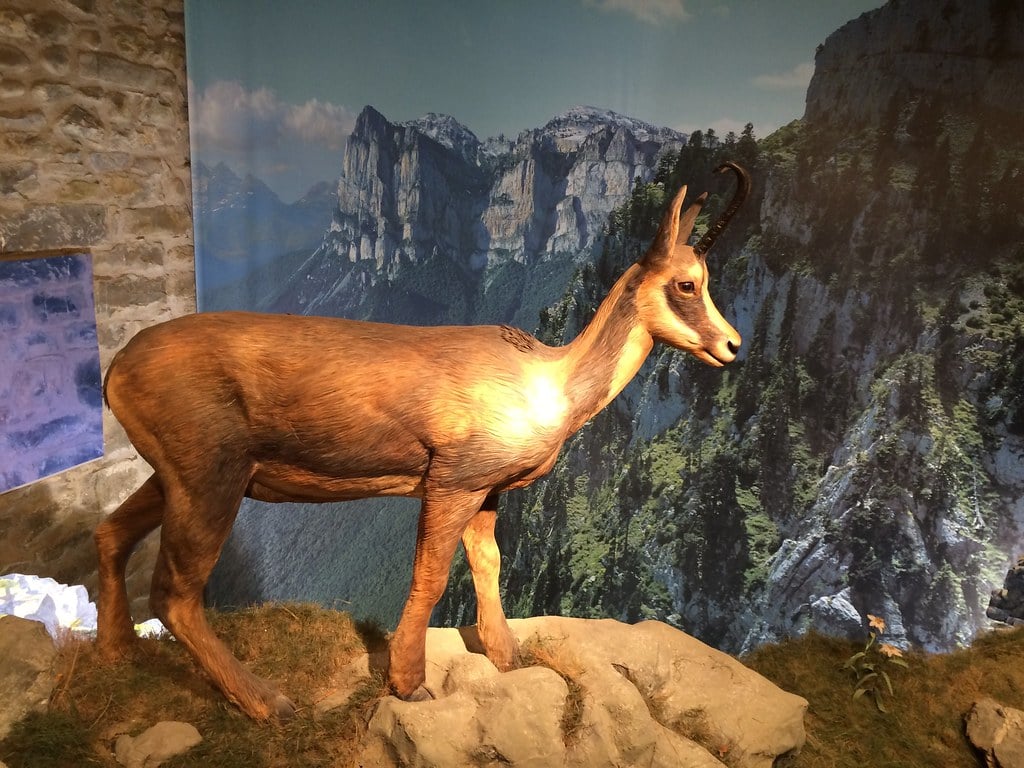
The Pyrenean ibex, a wild goat native to the Pyrenees mountains, went extinct in 2000 when the last female died. Scientists actually tried to bring it back through cloning.
In 2009, they successfully cloned a kid using preserved DNA. The baby ibex lived for just seven minutes before dying from lung defects.
This makes the Pyrenean ibex the first species to go extinct twice. The original population fell because of hunting and competition with domestic livestock.
Steller’s Sea Cow Never Had a Chance
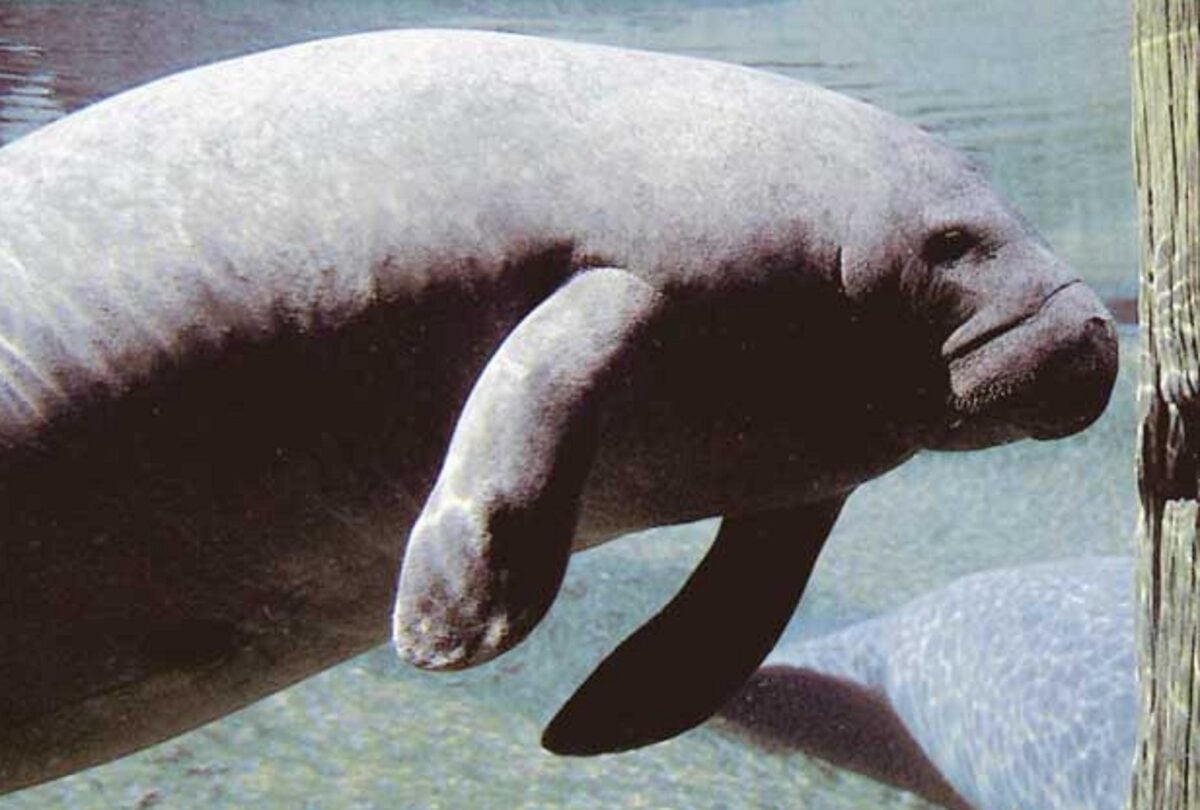
Georg Steller discovered these massive marine mammals in 1741 near the Commander Islands in the Bering Sea. They grew up to 30 feet long and weighed several tons.
These gentle giants ate kelp in shallow waters and had no natural predators. They also had no fear of humans.
That proved fatal. Hunters and fur traders killed them for their meat, fat, and hide.
By 1768, just 27 years after their discovery, the species was extinct. Nobody alive today has ever seen one outside of skeletal remains in museums.
The Quagga’s Stripes End Halfway
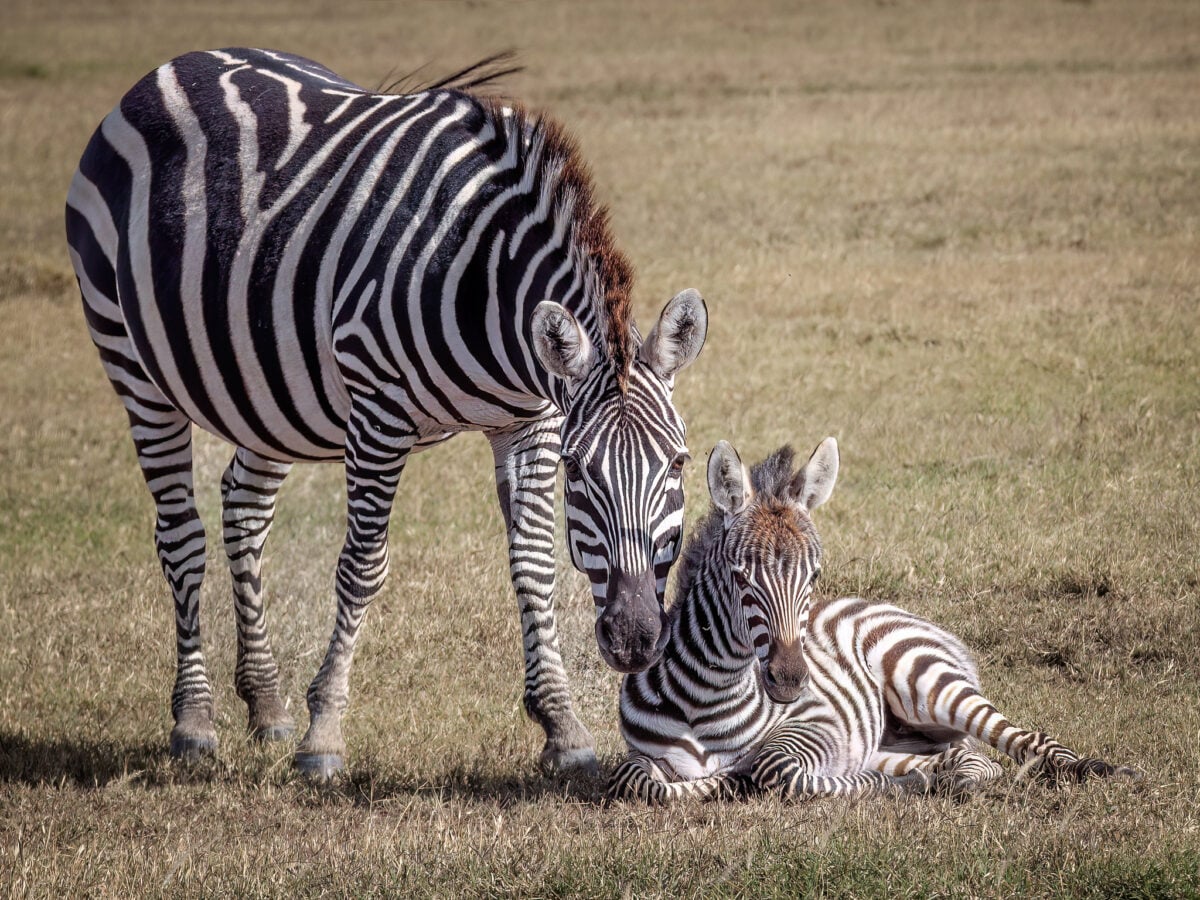
South Africa’s quagga looked like someone started painting a zebra and stopped halfway through. It had stripes on its front half but plain brown coloring on its back end.
Dutch settlers hunted it extensively for meat and hides. The last wild quagga died in the 1870s, and the last captive one died at an Amsterdam zoo in 1883.
Scientists didn’t even realize it was a separate subspecies until after it disappeared. DNA testing later showed it was closely related to plains zebras, different enough to be distinct but similar enough that its loss feels especially tragic.
When Caribbean Monk Seals Left the Waters
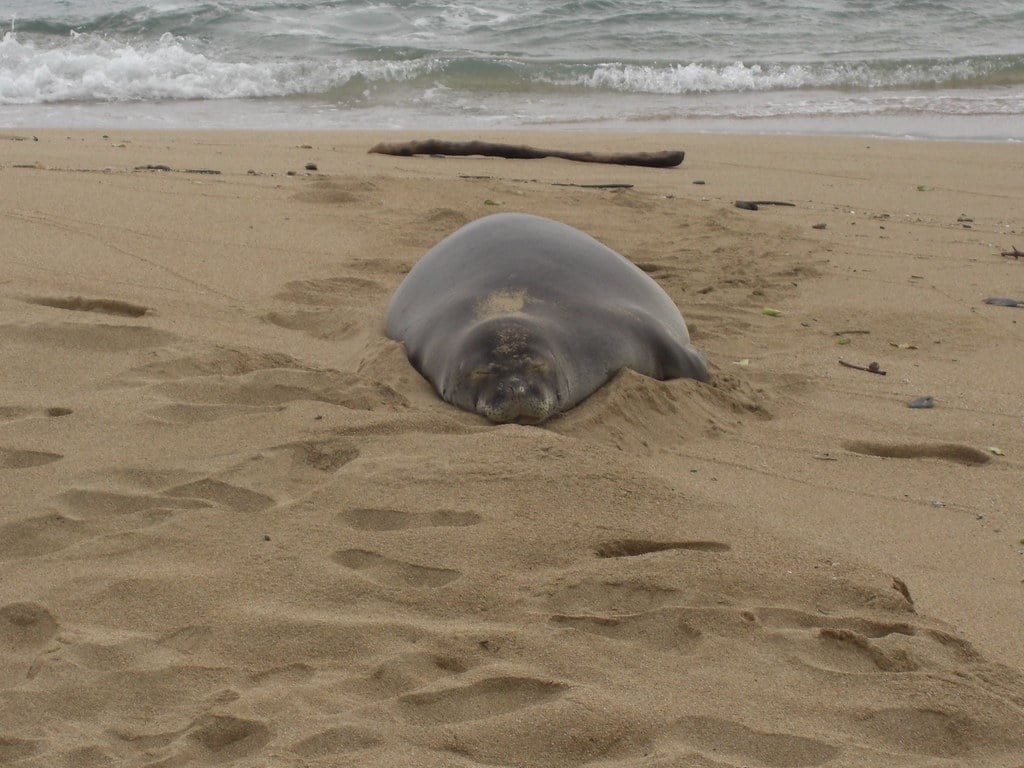
These seals lounged on Caribbean beaches and rocky outcrops for thousands of years. Christopher Columbus encountered them in 1494 and his crew killed eight for food.
That set a pattern that continued for centuries. Fishermen saw them as competitors for fish.
Hunters wanted their oil and pelts. The seals were too trusting and curious around humans.
By the 1950s, sightings became rare. The last confirmed observation came in 1952.
In 2008, the species was officially declared extinct. The Caribbean lost its only native seal.
The Great Auk’s Final Moments
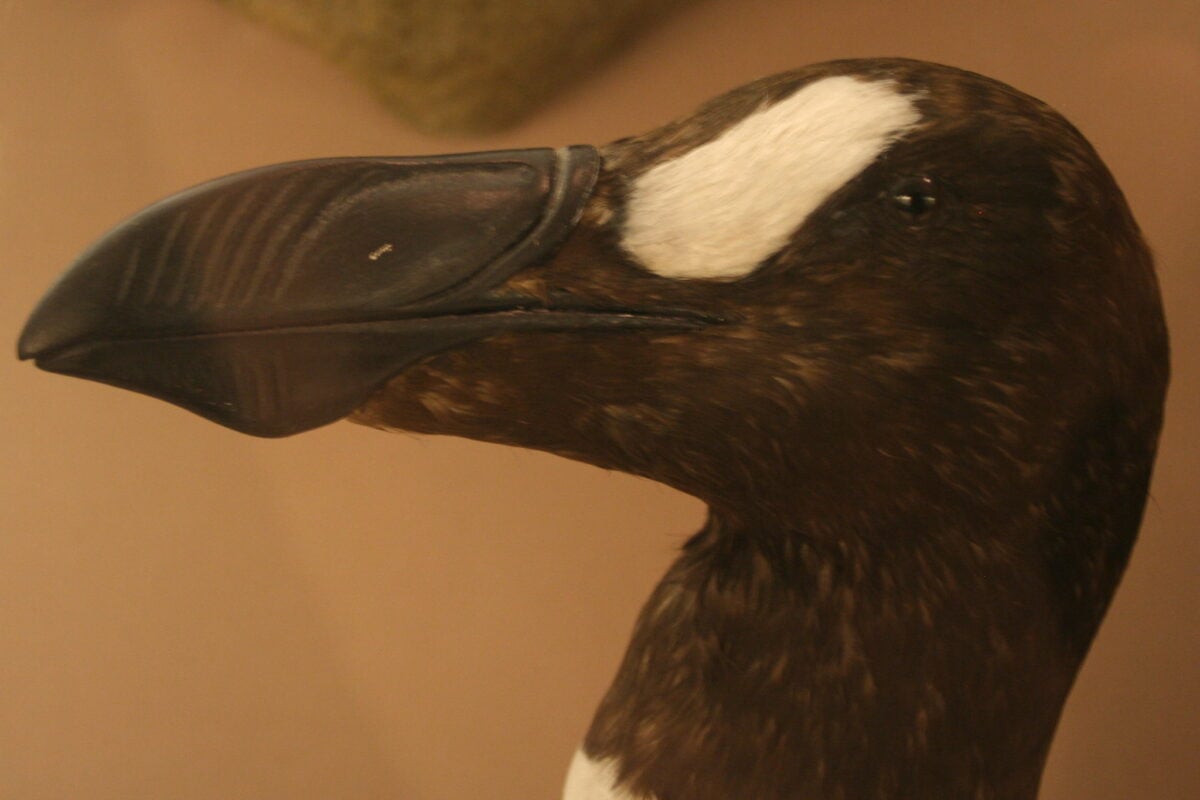
Picture a penguin that lived in the North Atlantic instead of Antarctica. That was the great auk. These flightless birds stood about three feet tall and nested on rocky islands.
Their inability to fly made them easy targets. People collected their eggs, killed them for food, and used their fat for oil.
Museums even paid hunters to collect specimens as the birds became rare. The last two confirmed great auks were killed in 1844 on an island off Iceland.
The hunter strangled them because he thought they were witches. A species millions of years old ended with superstition and violence.
Baiji Dolphin’s River Went Quiet
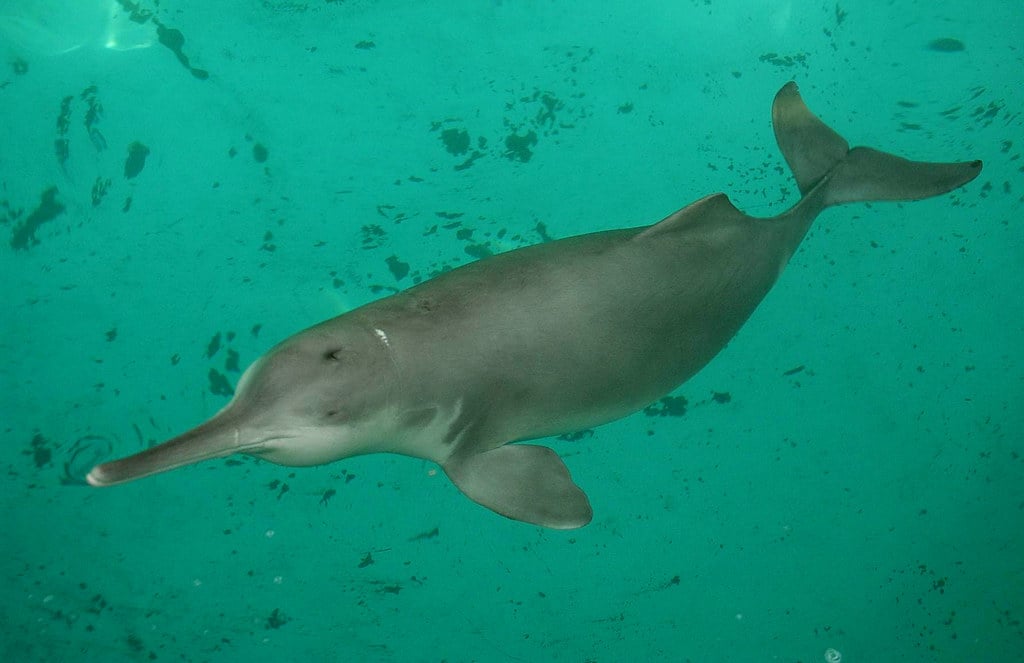
The Yangtze River in China was home to a unique dolphin species for over 20 million years. People called it the “Goddess of the Yangtze.”
The baiji had tiny eyes because it relied on echolocation in the murky river waters. Industrialization destroyed its habitat.
Ships struck them, fishing nets trapped them, and pollution poisoned their environment. A 2006 survey team searched the entire river and found nothing.
The baiji became the first dolphin species driven to extinction by human activity. The river still flows, but it flows without them.
Western Black Rhinoceros Loses the Numbers Game
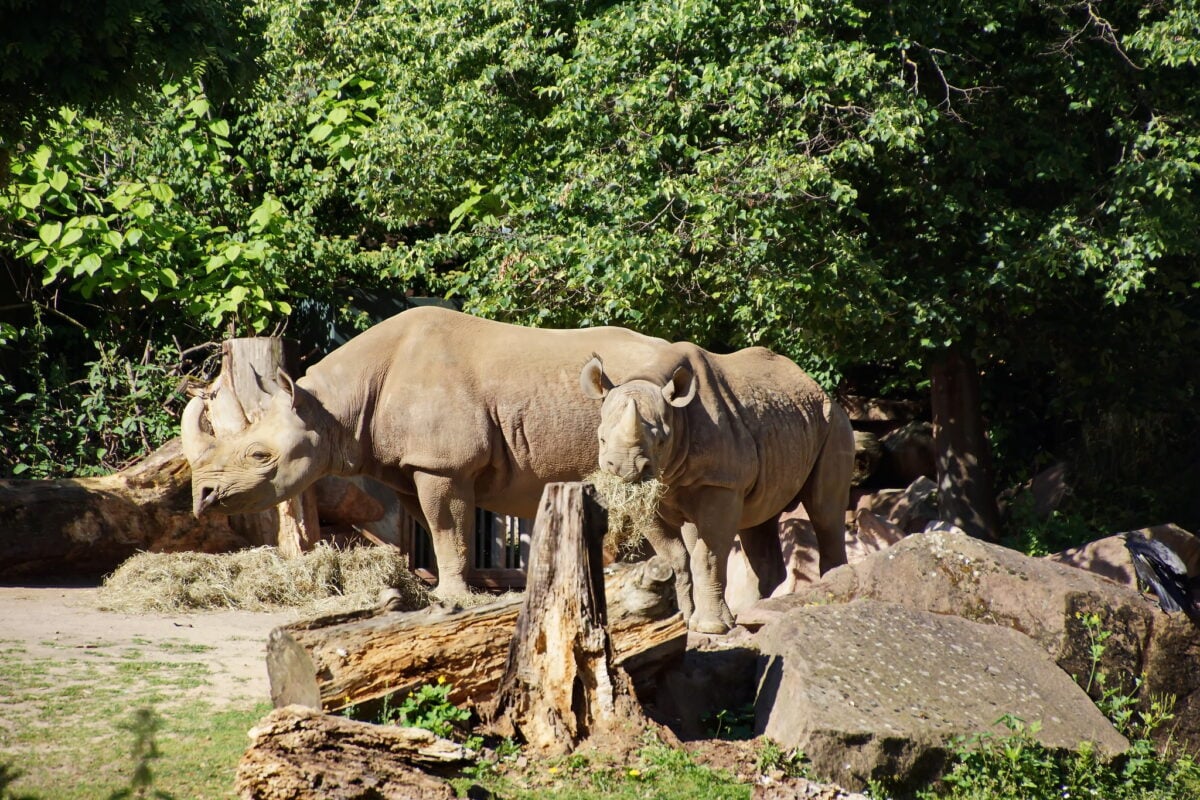
This rhino subspecies lived across central Africa. Poachers hunted it relentlessly for its horn, which sold for absurd prices in illegal markets.
Conservation efforts started too late and received too little funding. The population dropped from thousands to hundreds to dozens.
The last confirmed sighting came in 2006 in Cameroon. By 2011, after extensive surveys found no survivors, scientists declared it extinct.
The western black rhino joined a growing list of megafauna that couldn’t outlast human greed.
Pinta Island Tortoise and Lonesome George
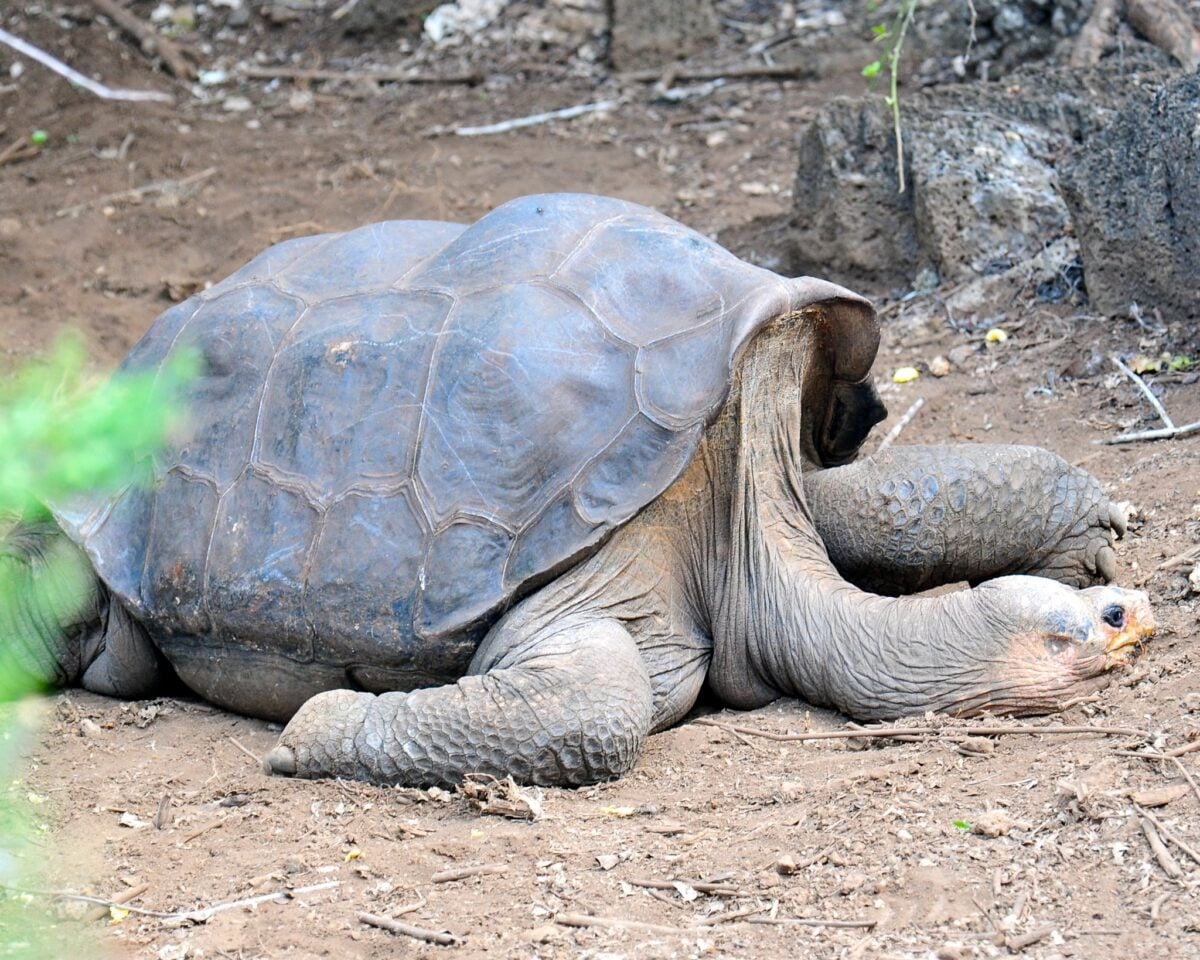
Lonesome George became famous for being the last of his kind. This giant tortoise lived on Pinta Island in the Galápagos.
Introduced goats destroyed the island’s vegetation, eliminating the tortoise’s food supply. Fishermen had also collected many for food over the decades.
George lived at a research station where scientists tried for years to find him a mate or get him to reproduce with similar species. Nothing worked.
When he died in 2012, the Pinta Island tortoise disappeared with him. His body now sits preserved in a museum, a monument to extinction.
The Ivory-Billed Woodpecker’s Debated Departure
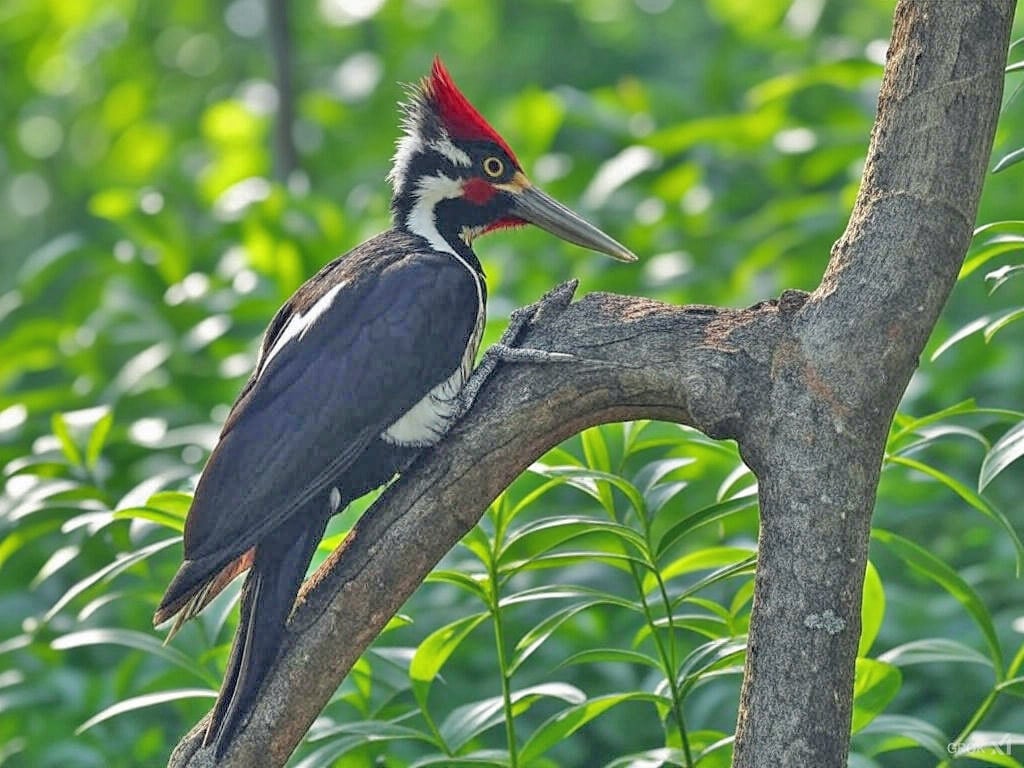
This striking bird lived in old-growth forests across the southeastern United States. It was the largest woodpecker in North America, with bold black and white plumbing and a bright red crest.
Logging destroyed the ancient forests it needed to survive. The last confirmed sighting came in 1944 in Louisiana.
But people still claim to see it. Every few years, someone reports a possible sighting that gets scientists excited, then ultimately proves inconclusive.
Whether it’s truly extinct or hanging on in some remote swamp, the ivory-billed woodpecker represents a loss that many people refuse to accept.
Zanzibar Leopard’s Shadow Stories
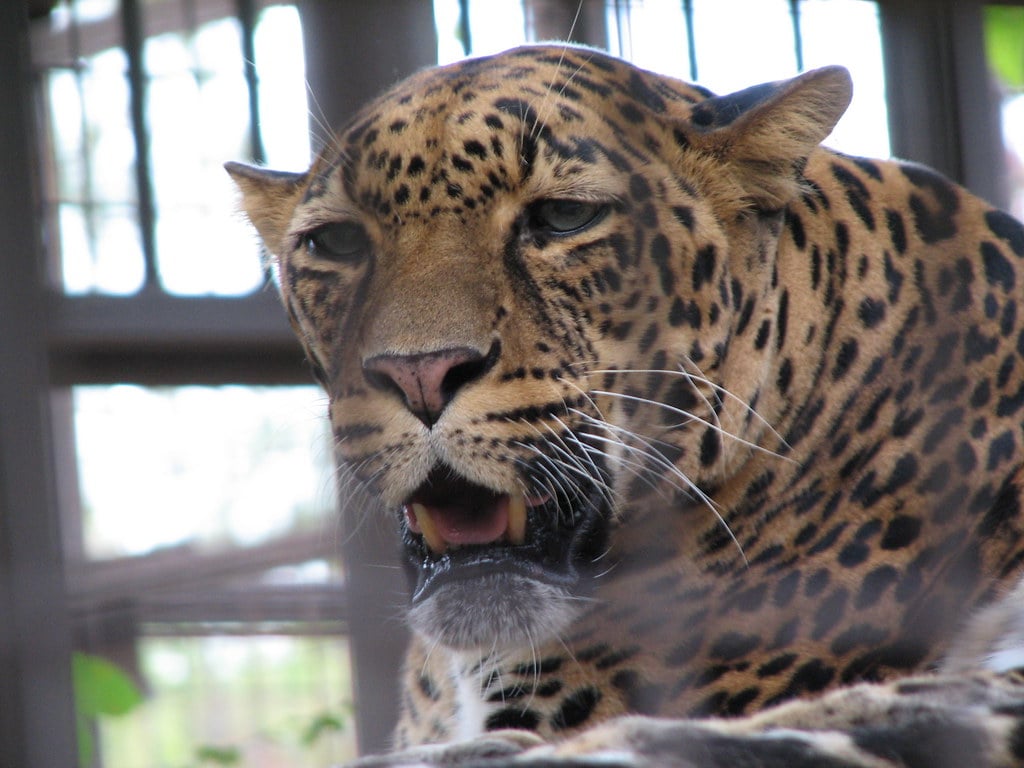
This leopard type was found just on Unguja Island, off Tanzania. Locals thought they were linked to witches – so they hunted them.
Some folks claimed sorcerers raised these cats to harm rivals. Loss of forest, along with fear-driven killings, nearly wiped them out.
No one’s seen one for sure since the late 20th century. Now and then, someone claims to spot it – yet no proof ever shows up.
These days, the creature lives more in tales than reality, like a shadowy feline sneaking through woods – or already vanished without trace.
Memories in Museums and Minds

Strolling past old museum displays, you’ll spot creatures frozen under glass or built from fossils. They used to live – breathing, feeding, pairing up, fighting just to make it another day.
Today? Just images, dried samples, and lists marked extinct.
Their traits didn’t appear overnight – they evolved slowly, over countless generations. Every one played a part in nature’s web no other creature could truly take over.
Their vanishing shifted the communities they were part of – truth is, we’re just beginning to grasp how. Where they once stood now sits silence, a quiet reminder that existence can fade fast because of what we do or don’t do.
More from Go2Tutors!

- 16 Historical Figures Who Were Nothing Like You Think
- 12 Things Sold in the 80s That Are Now Illegal
- 15 VHS Tapes That Could Be Worth Thousands
- 17 Historical “What Ifs” That Would Have Changed Everything
- 18 TV Shows That Vanished Without a Finale
Like Go2Tutors’s content? Follow us on MSN.