20 Hidden Valleys That Became Research Stations
Remote valleys have always fascinated scientists and researchers. These secluded spots offer unique chances to study nature without urban interference or pollution getting in the way. Over time, many forgotten landscapes have evolved into world-class research facilities that push forward our understanding of climate change, wildlife behavior, and countless other scientific mysteries.
Scientists keep turning to these remote locations because they make ideal research hubs. Here is a list of 20 hidden valleys that have become important research stations around the world.
McMurdo Dry Valleys
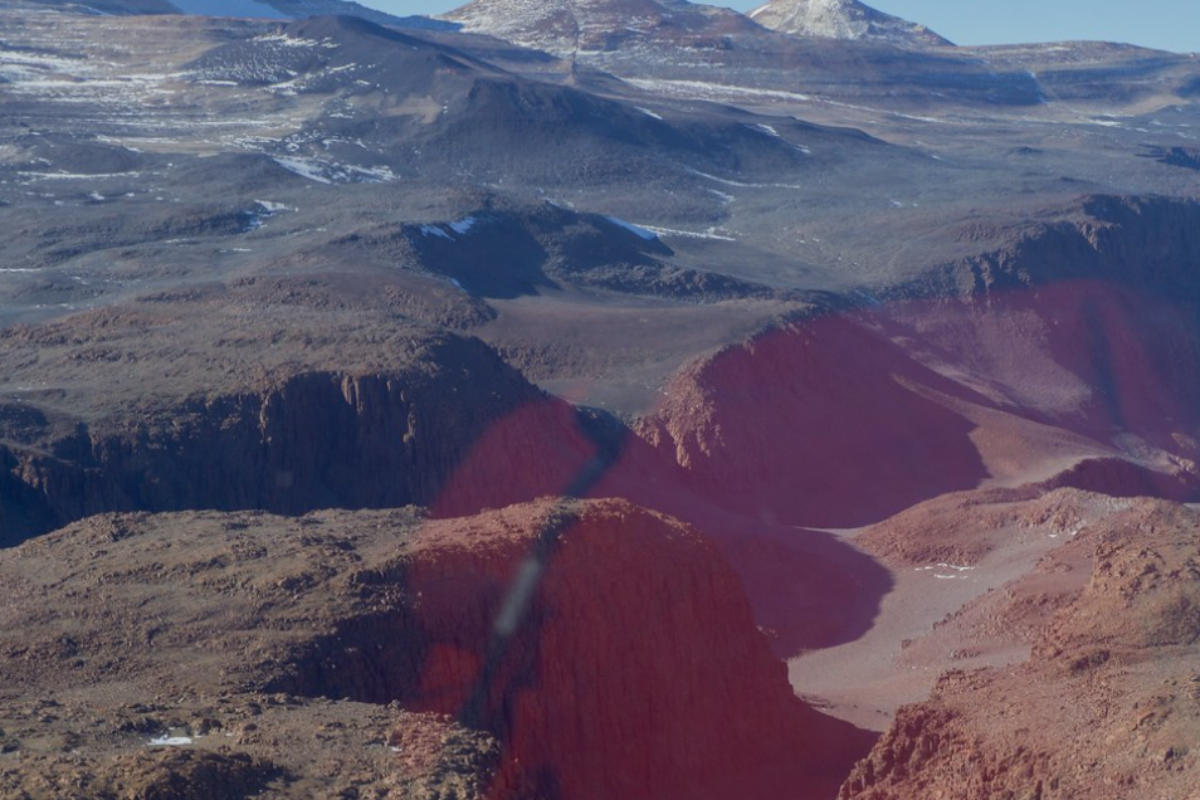
Antarctica’s McMurdo Dry Valleys rank among Earth’s most brutal environments — which makes them perfect for studying life under extreme conditions. The Mars-like terrain helps scientists figure out how organisms might survive on other planets.
With perpetual winter and virtually no snow, conditions here mirror what space explorers expect to encounter beyond Earth.
Hubbard Brook Valley
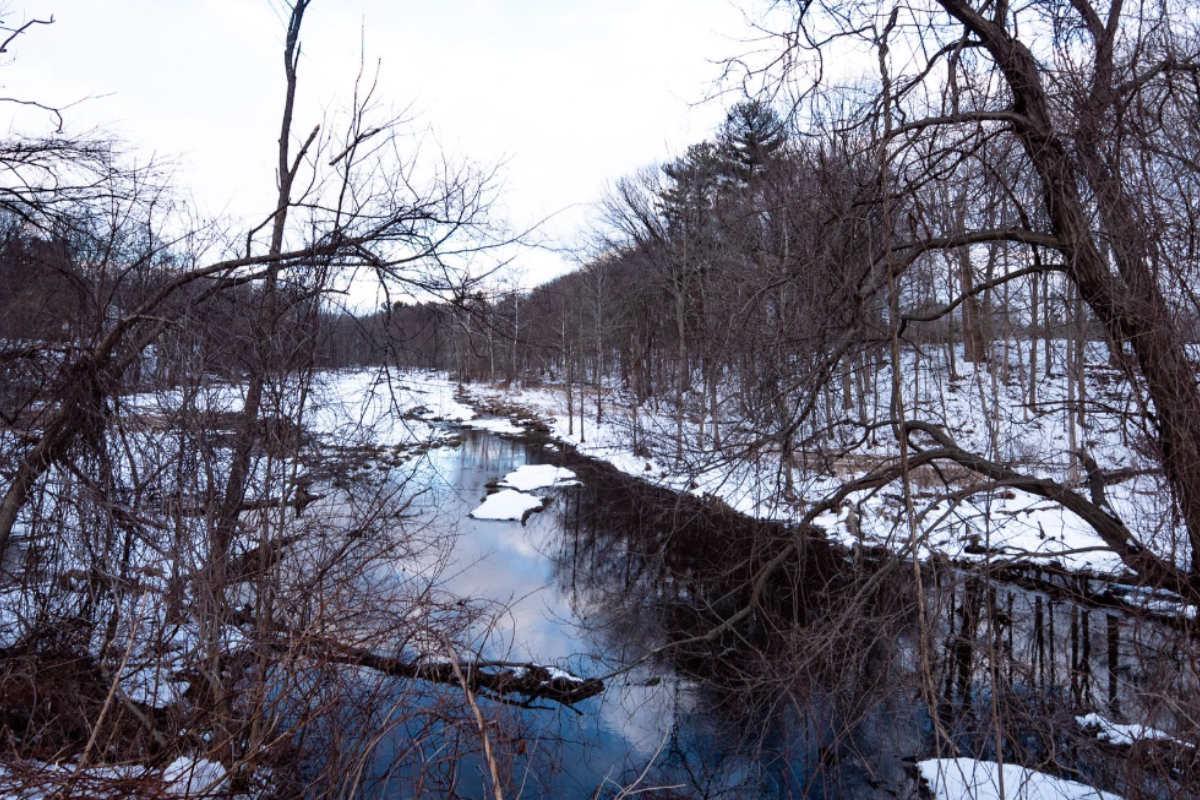
Back in the 1960s, New Hampshire’s Hubbard Brook Valley became a game-changing ecosystem research site. Scientists here broke new ground studying acid rain and how it hammers forest ecosystems.
The decades of data they’ve collected shaped environmental policy across North America while teaching us how pollution moves through natural systems.
Like Go2Tutors’s content? Follow us on MSN.
Konza Prairie Valley
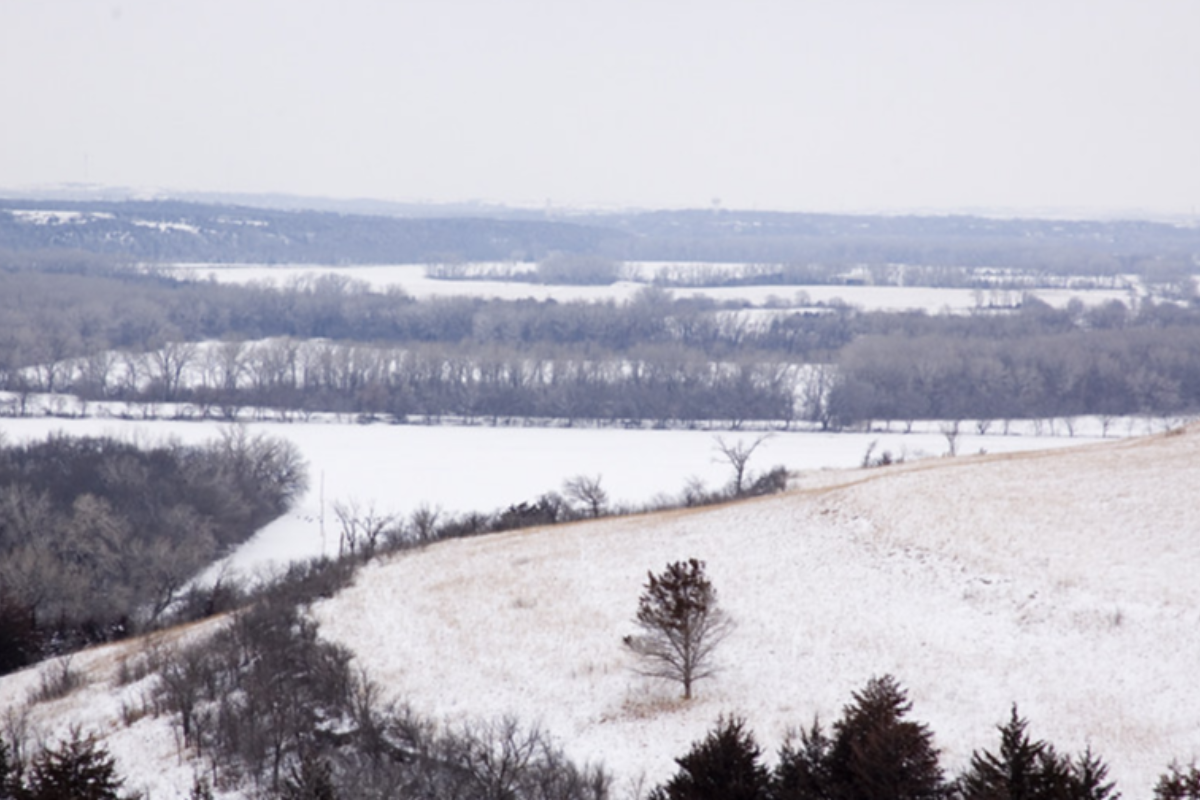
This Kansas valley sits smack in the middle of America’s tallgrass prairie — serving as a living laboratory for fire ecology studies. Researchers deliberately burn different prairie sections on rotating schedules to see how fire shapes plant and animal communities.
Their work has completely changed how land managers approach prairie restoration throughout the Great Plains.
Toolik Lake Valley
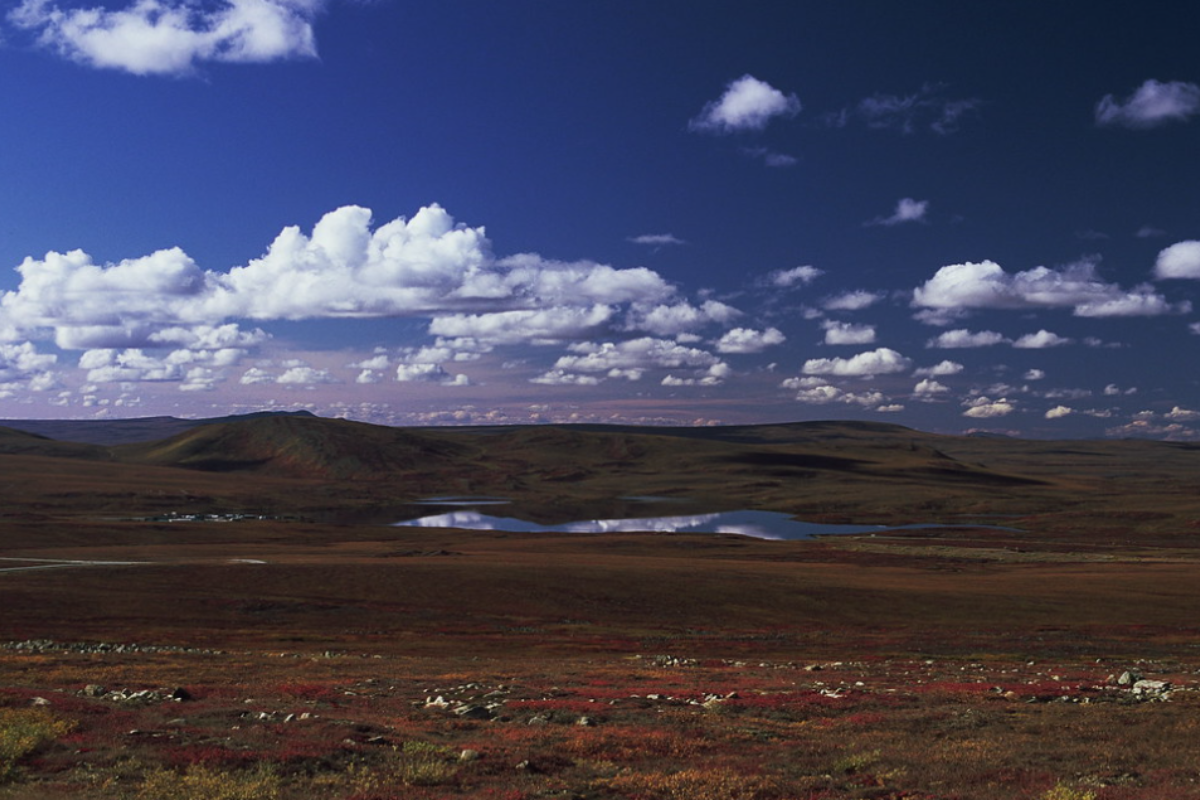
Alaska’s Toolik Lake Valley gives scientists a front-row seat to Arctic climate change. The research station monitors how rising temperatures mess with tundra ecosystems and permafrost stability.
Data from this isolated valley helps predict what’ll happen to Arctic regions as global temperatures keep climbing.
Coweeta Valley
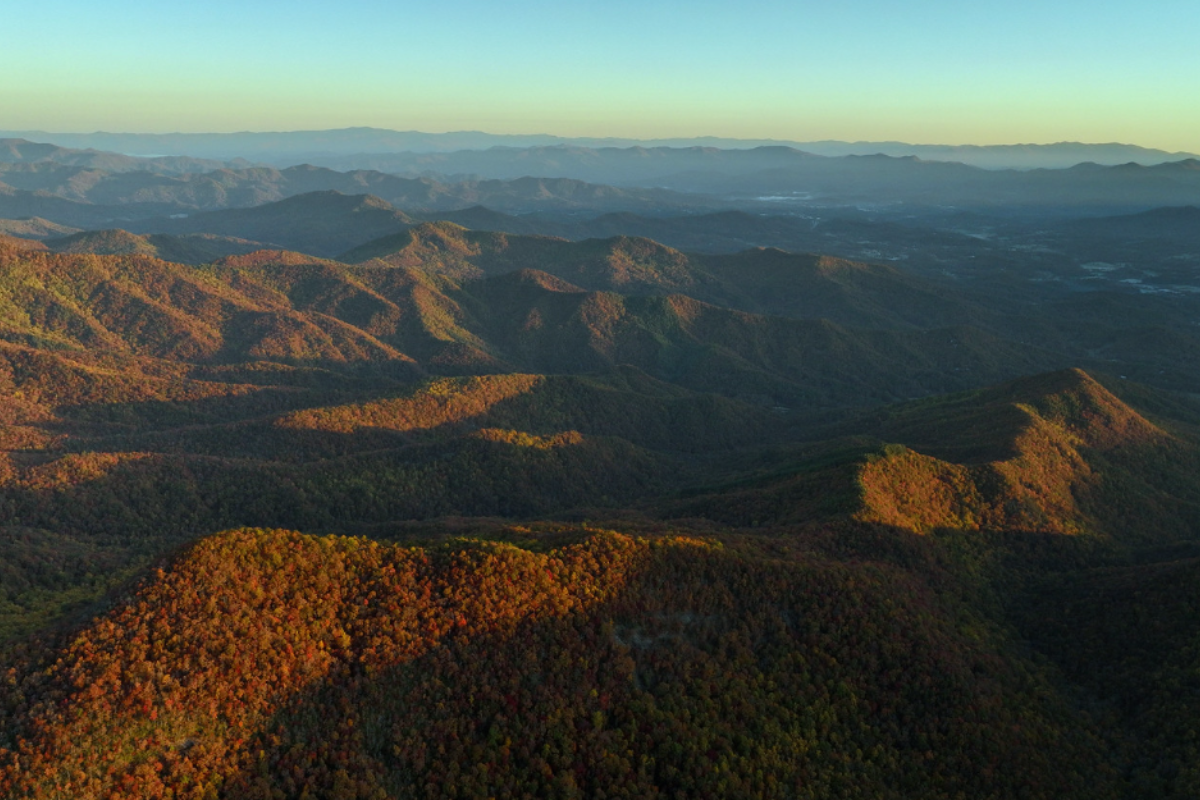
North Carolina’s Coweeta Valley has hosted watershed research since 1934 — making it one of America’s longest-running ecological studies. Scientists study how forests influence water quality and quantity in mountain streams.
Though the research started decades ago, it still has practical applications for managing water resources across the southeastern United States.
Like Go2Tutors’s content? Follow us on MSN.
Niwot Ridge Valley
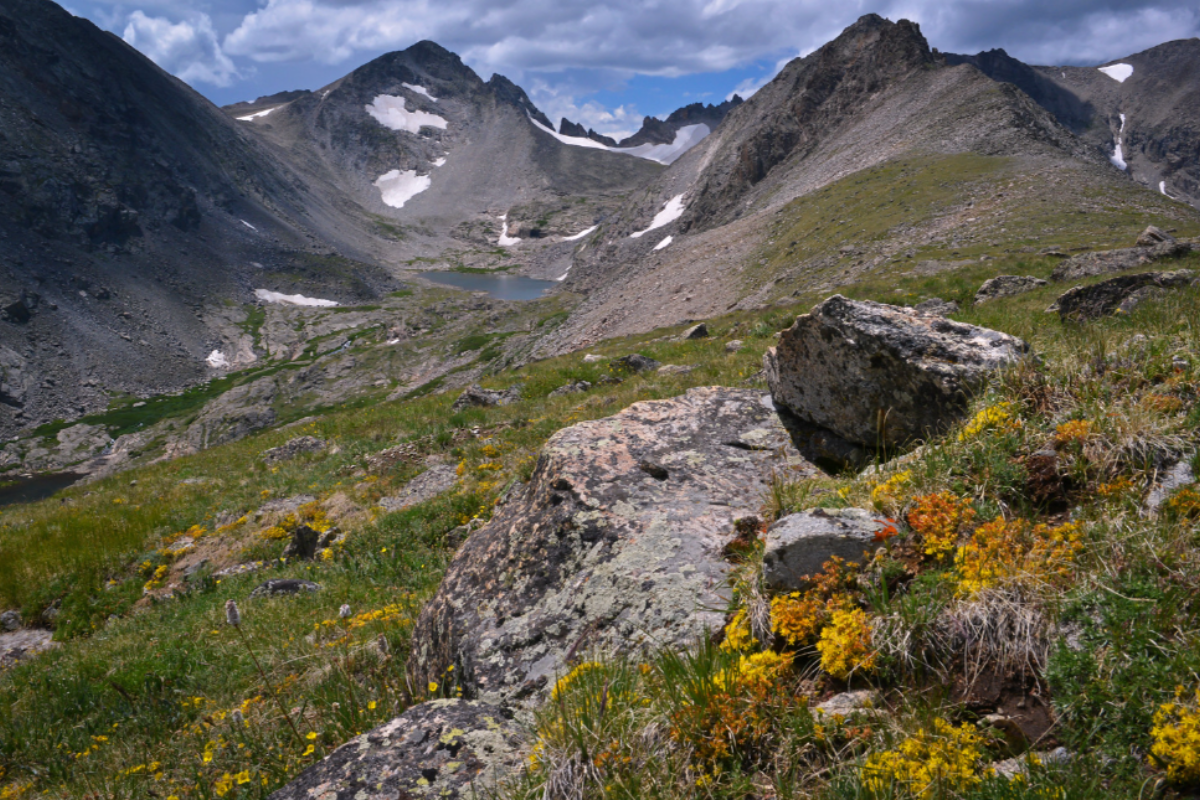
High in Colorado’s Rocky Mountains, Niwot Ridge Valley works as a natural laboratory for alpine ecosystem research. Scientists examine how mountain plants and animals handle extreme weather plus incredibly short growing seasons.
The valley’s elevation creates Arctic-like conditions — yet remains much more accessible to researchers than actual Arctic locations.
Sagehen Creek Valley
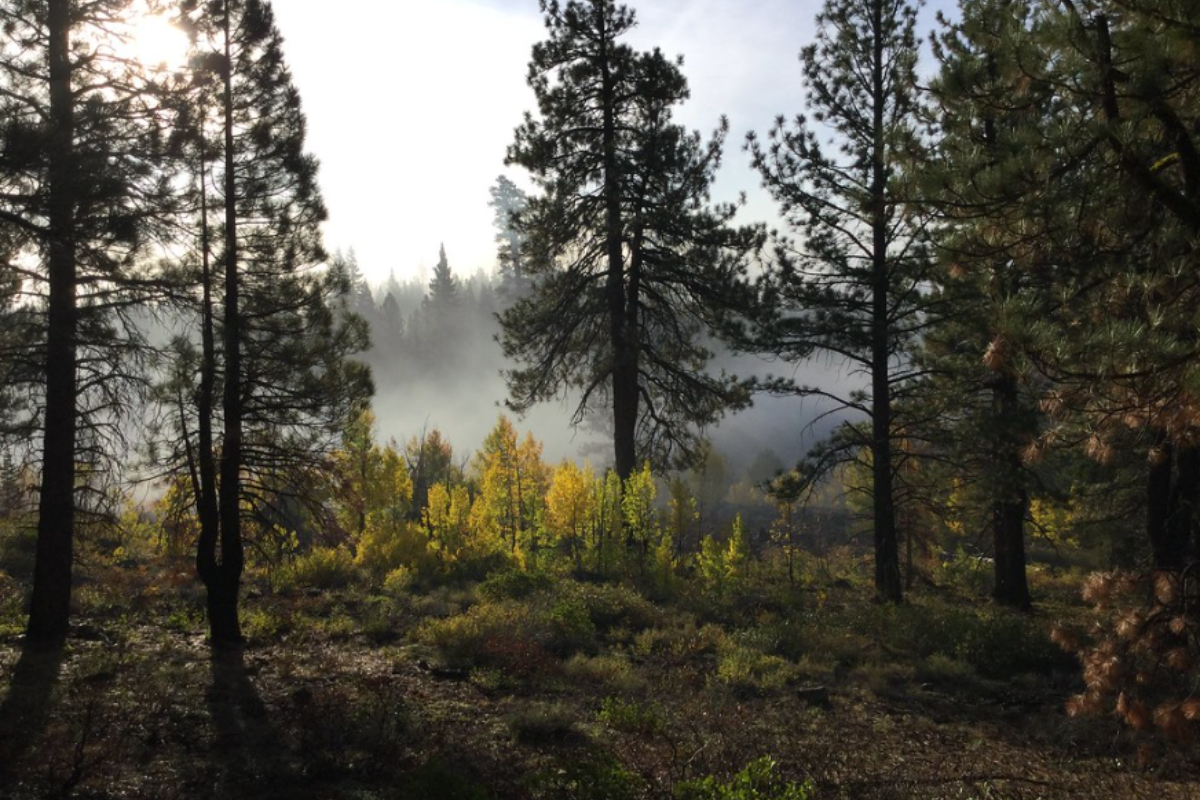
California’s Sagehen Creek Valley near Lake Tahoe concentrates on Sierra Nevada ecosystem research. Scientists here tackle questions about fire, drought, and climate change effects on mountain forests and watersheds.
Their findings help land managers decide about forest thinning and fire prevention in this notoriously fire-prone region.
Jornada Basin Valley
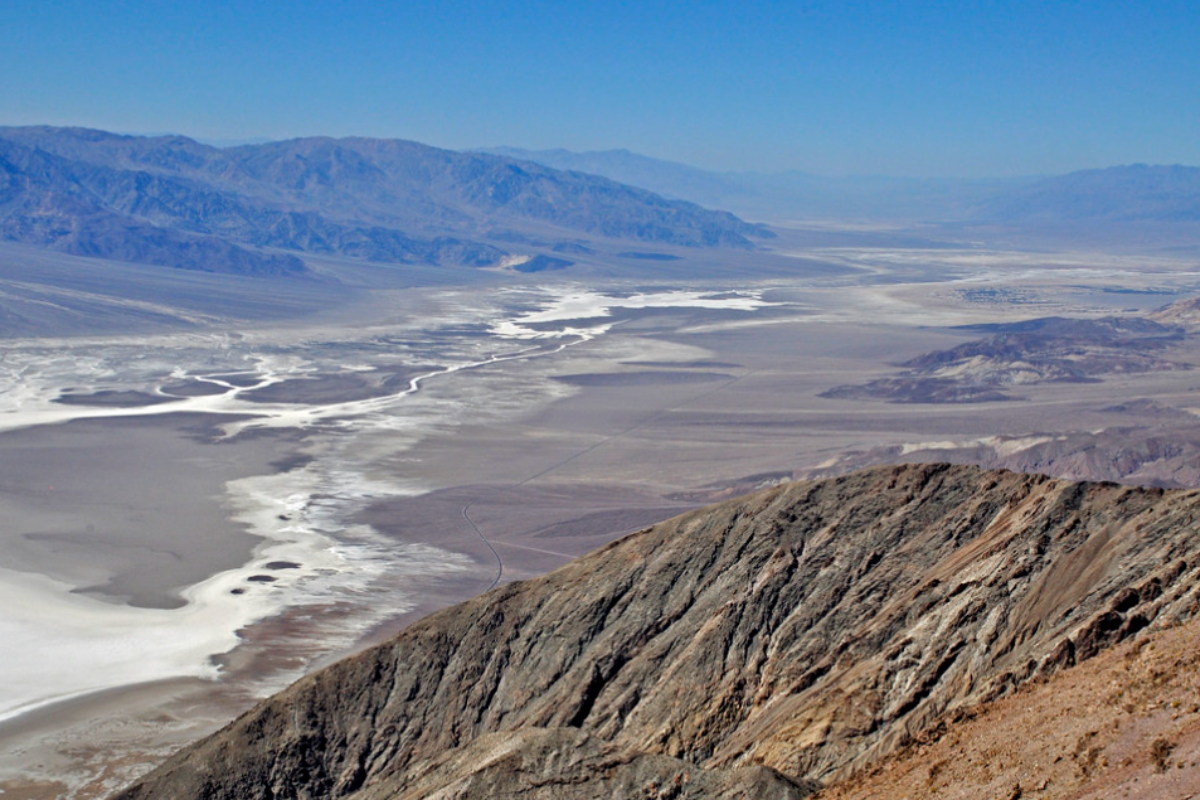
New Mexico’s Jornada Basin Valley serves as headquarters for understanding desertification and dryland ecosystems. Scientists watch grasslands transform into desert shrublands — then figure out what drives these changes.
The research carries global weight since many regions worldwide face similar shifts due to overgrazing and climate change.
Like Go2Tutors’s content? Follow us on MSN.
Harvard Forest Valley
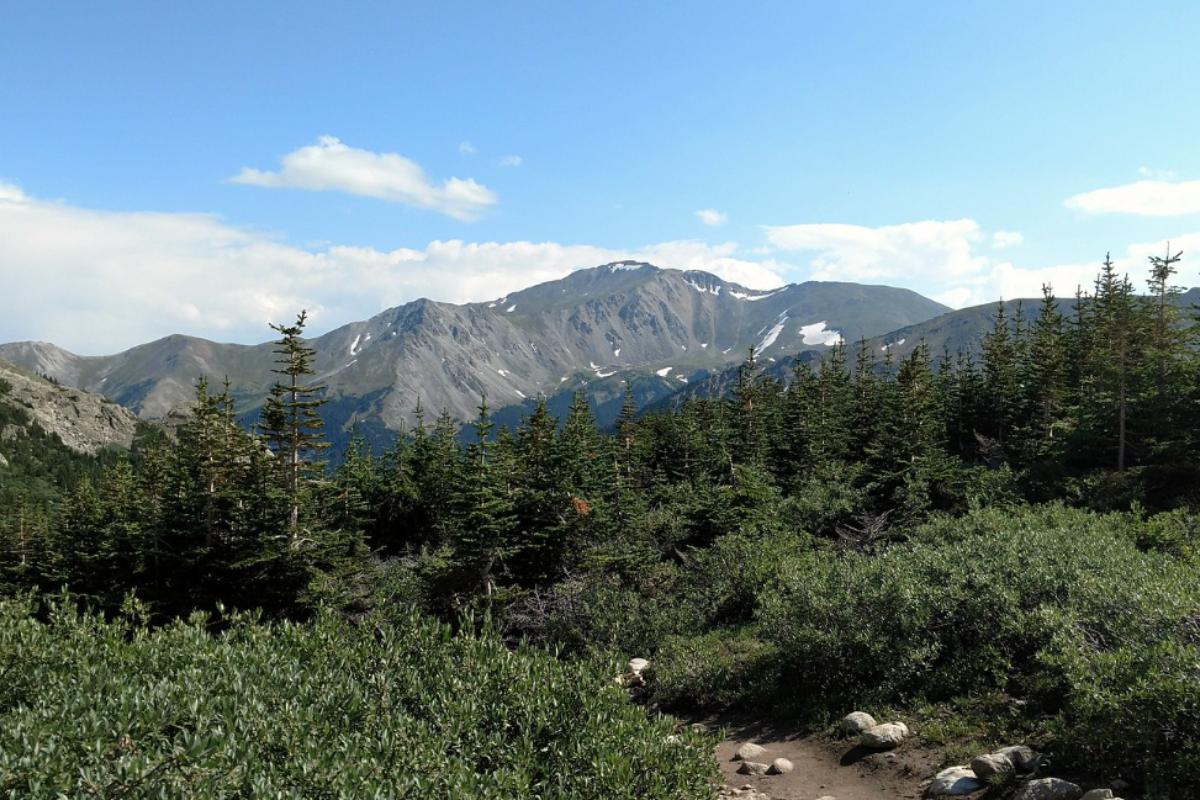
Massachusetts’ Harvard Forest Valley has anchored forest ecology research since 1907. Scientists study how New England forests bounce back from hurricanes, logging, and development.
The century-plus of research helps predict forest responses to future environmental curveballs.
Yellowstone’s Lamar Valley
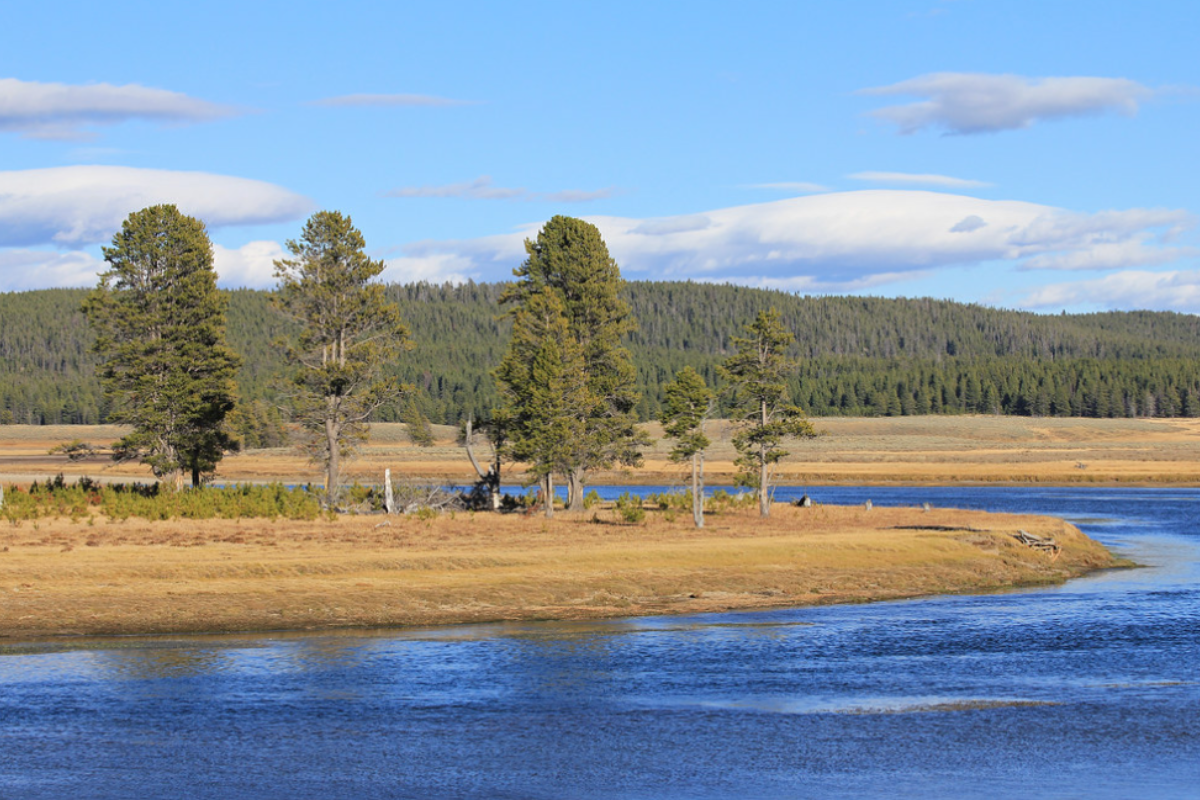
Yellowstone’s Lamar Valley shot to fame through wolf reintroduction research starting in 1995. Scientists study how predators reshape entire ecosystems through trophic cascades — a fancy term for ecological domino effects.
The valley functions as a natural experiment showing how wolves change everything from deer behavior to actual river patterns.
Great Smoky Mountains Valley

Several research valleys in Tennessee’s Great Smoky Mountains focus on biodiversity in temperate forests. The area packs an incredible variety of plant and animal species into relatively small spaces.
Researchers use these valleys to understand species interactions and potential climate change impacts on mountain ecosystems.
Like Go2Tutors’s content? Follow us on MSN.
Sevilleta Valley
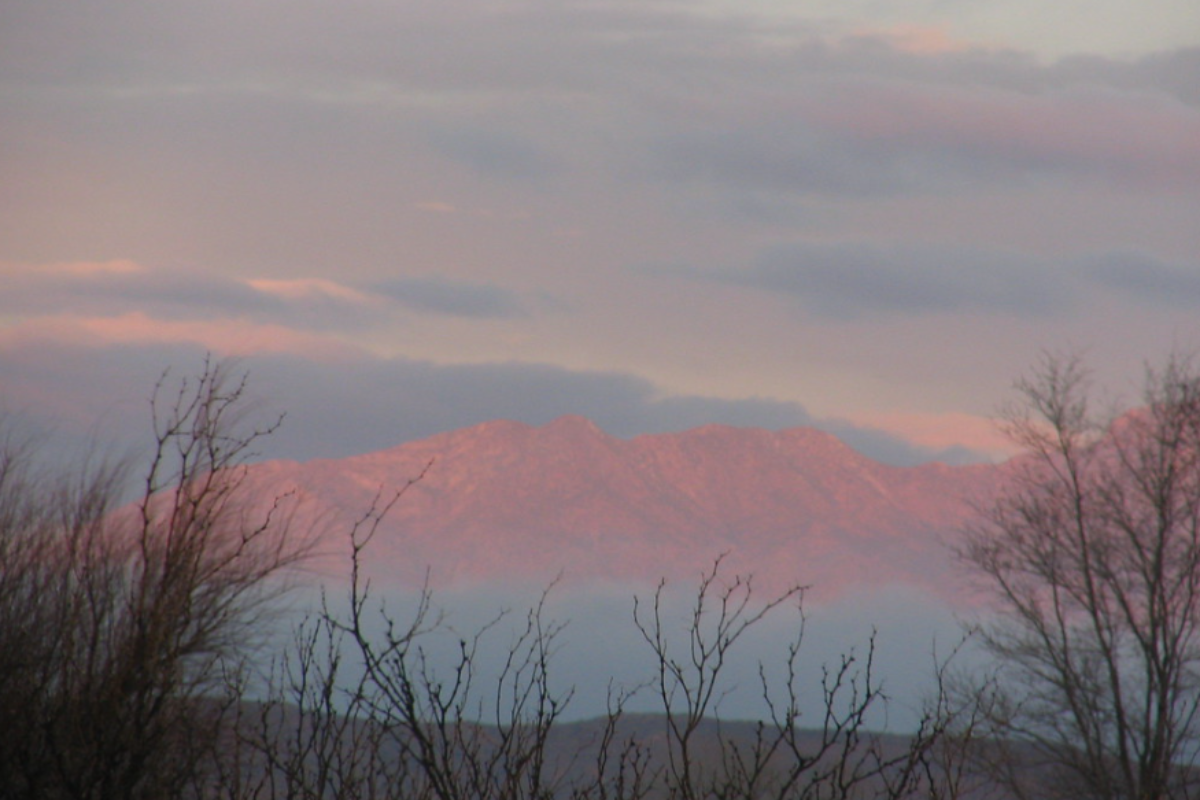
New Mexico’s Sevilleta Valley sits where desert, grassland, and woodland ecosystems meet. Scientists examine how these different environments influence each other, plus how climate variability affects boundaries between them.
The research helps predict southwestern landscape changes with shifting precipitation patterns.
Cedar Creek Valley

Minnesota’s Cedar Creek Valley specializes in grassland and savanna ecology research. Scientists run long-term experiments on plant diversity, fire management, and invasive species control.
Their work influences prairie restoration efforts throughout the upper Midwest and reveals how human activities affect native plant communities.
Andrews Forest Valley
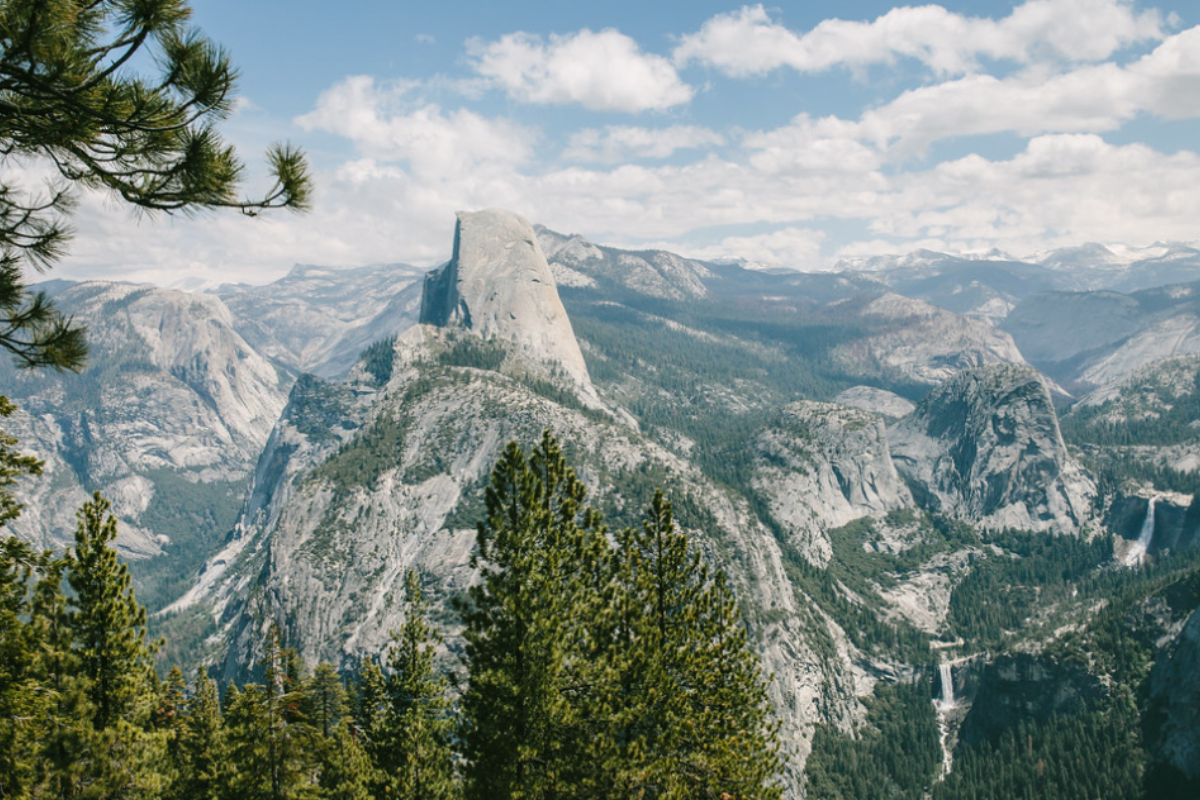
Oregon’s Andrews Forest Valley focuses on old-growth forest research and watershed management. Scientists compare how ancient forests function differently from younger ones, plus examine logging effects on water quality.
The research shapes forest management policies throughout the Pacific Northwest.
Like Go2Tutors’s content? Follow us on MSN.
Luquillo Valley
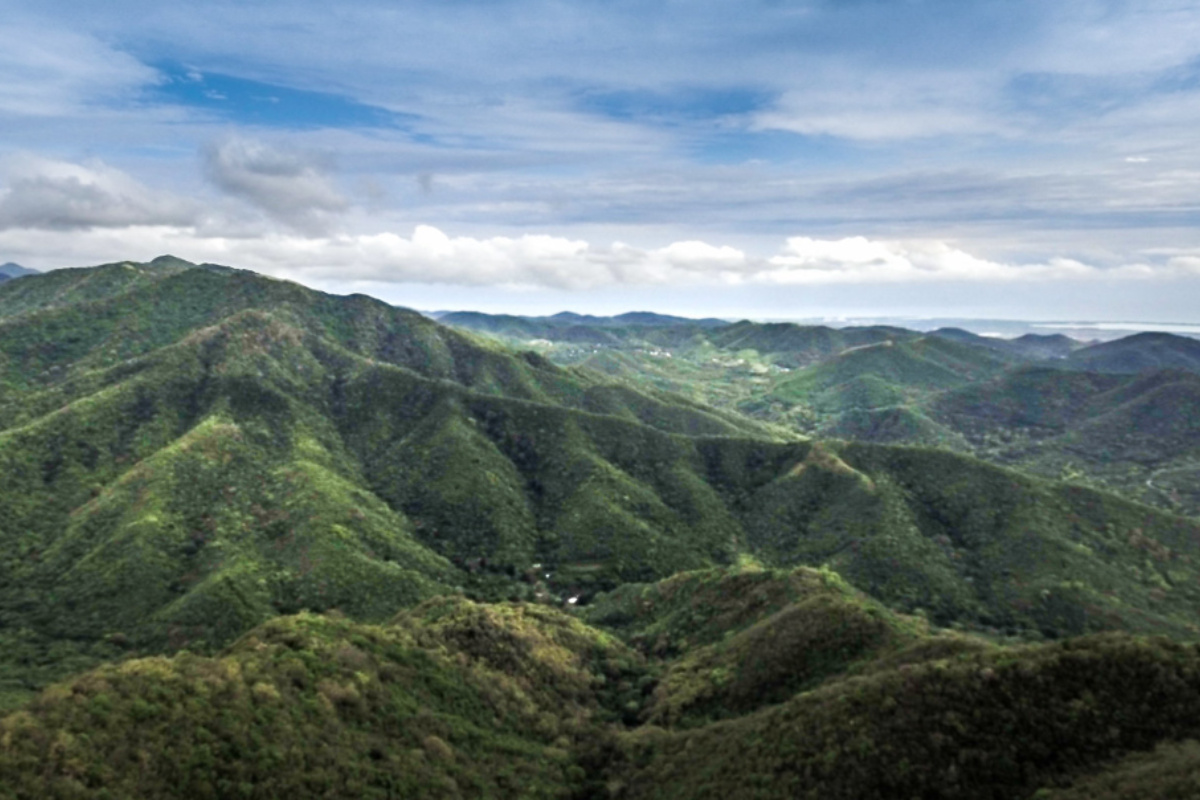
Puerto Rico’s Luquillo Valley operates as a tropical forest research site where scientists study hurricane impacts on rainforest ecosystems. Regular hurricane disturbances create natural experiments about forest recovery patterns.
Research here helps predict tropical forest responses worldwide to increasing storm intensity.
Wind River Valley
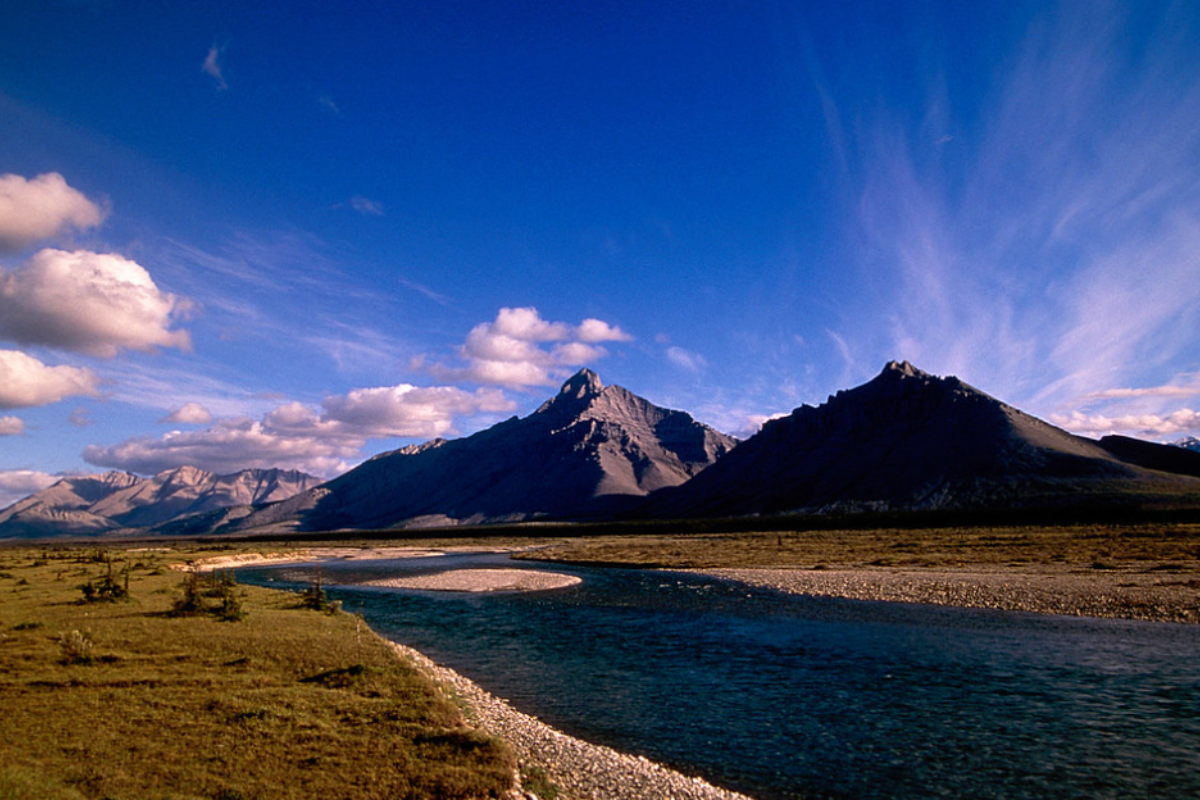
Washington’s Wind River Valley contains some of the world’s tallest trees and functions as a canopy research site. Scientists use cranes and towers to study canopy ecosystems that remained largely unexplored until recent decades.
The research reveals how much forest biodiversity actually exists high above ground level.
Bonanza Creek Valley
Alaska’s Bonanza Creek Valley concentrates on boreal forest research, particularly fire’s role in shaping northern forests. Scientists study post-fire forest succession and how climate change affects fire frequency plus intensity.
The research carries implications for understanding carbon storage in northern forests and predicting future fire patterns.
Like Go2Tutors’s content? Follow us on MSN.
Kellogg Valley
Michigan’s Kellogg Valley functions as an agricultural research site within a broader ecosystem context. Scientists examine how farming practices affect surrounding natural areas and identify paths toward more sustainable agriculture.
The research bridges agricultural science and conservation biology in meaningful ways.
Santa Rita Valley
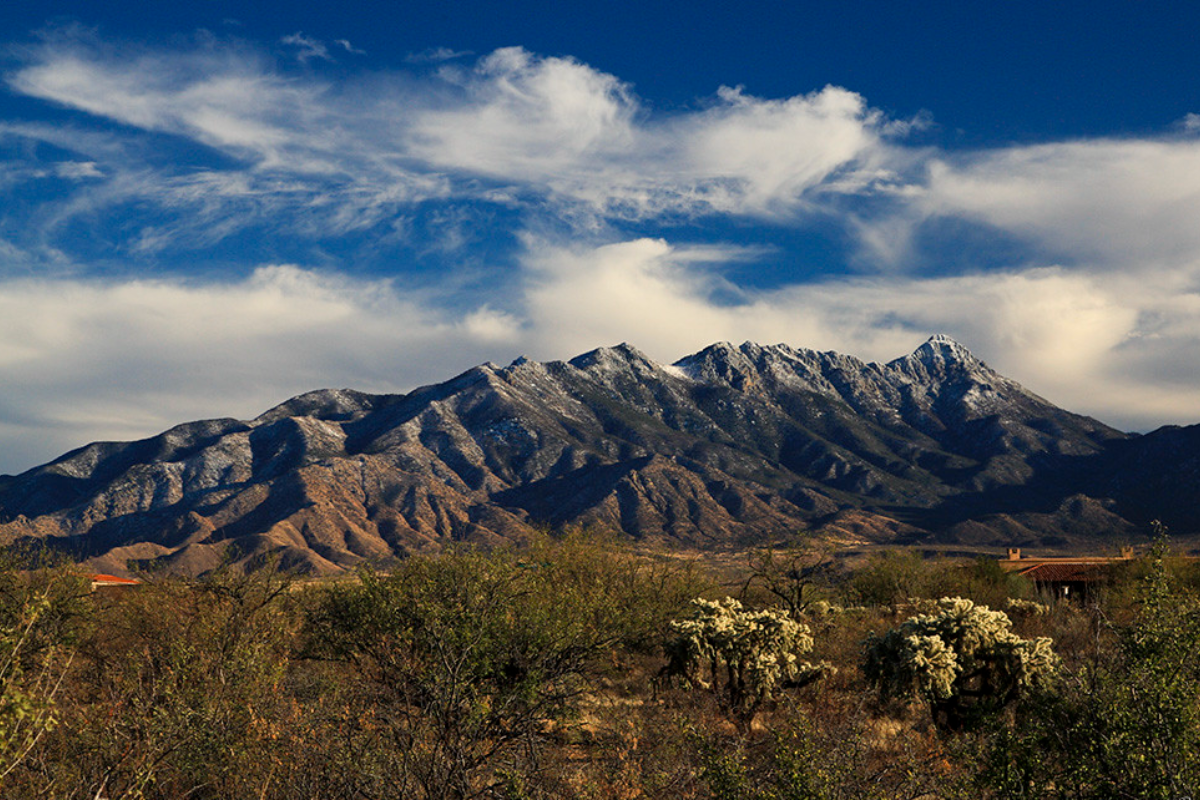
Arizona’s Santa Rita Valley specializes in desert ecosystem research and water management in arid environments. Scientists study desert plant and animal survival strategies under extreme conditions, plus climate change effects on desert regions.
The research guides water conservation efforts throughout the southwestern United States.
Fraser Valley
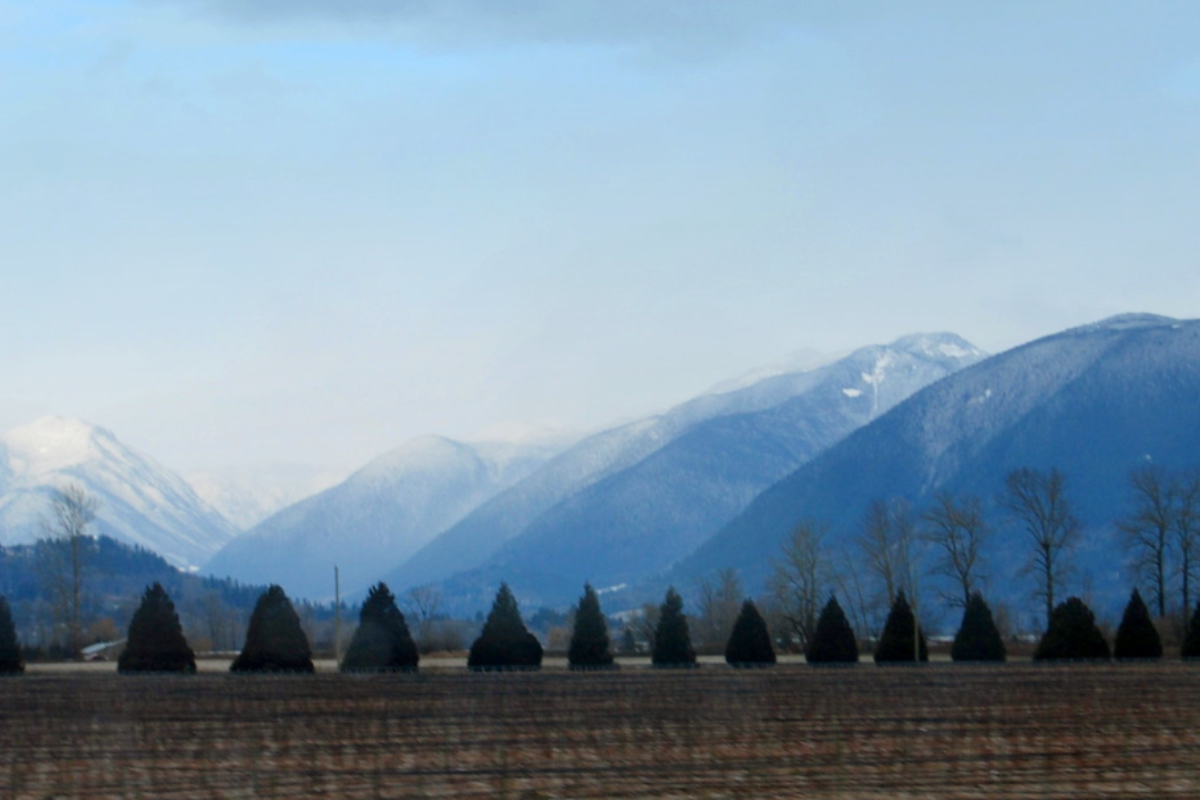
Colorado’s Fraser Valley operates as a high-altitude research site for mountain ecosystem and climate change studies. Scientists monitor how warming temperatures affect alpine plants, snowpack, and water resources.
The valley’s location above treeline makes it particularly sensitive to temperature changes, providing early warnings about climate impacts.
Like Go2Tutors’s content? Follow us on MSN.
Where Science Meets Wilderness
These hidden valleys prove that remote locations can become windows into our planet’s most urgent environmental questions. Each research station contributes distinctive insights that help scientists understand complex ecological relationships and predict future changes.
Work conducted in these secluded places influences everything from environmental policies to conservation strategies, fundamentally advancing our understanding of natural systems in an era of rapid global change.
More from Go2Tutors!

- 16 Restaurant Chains That Went Too Fast
- 12 Things Sold in the 80s That Are Now Illegal
- 15 Strange Things People Have Tried to Ban (And Failed)
- 16 Collectibles People Tossed Out Too Soon
- 17 Myths from Your Childhood That Were Actually Based on Real Things
Like Go2Tutors’s content? Follow us on MSN.