16 Natural Phenomena That Happen Once Per Lifetime
Nature operates on timescales that dwarf human existence, creating spectacular events that unfold over decades, centuries, or even millennia. While we might witness daily sunrises or seasonal changes countless times, some natural phenomena are so rare that most people get just one chance to see them—if they’re lucky enough to be in the right place at the right time.
From astronomical alignments that occur every few centuries to geological processes that reshape landscapes over human lifespans, these extraordinary events remind us just how brief our time on Earth really is. Here is a list of 16 natural phenomena that happen once per lifetime.
Halley’s Comet

This famous celestial visitor swings by Earth every 75-76 years, making it a true once-in-a-lifetime event for most people. The comet’s last appearance was in 1986, and it won’t return until 2061, meaning anyone who saw it as a child then will be well into their golden years for the next show. Named after astronomer Edmond Halley, this icy wanderer has been documented for over 2,000 years, appearing in historical records from ancient China to medieval Europe.
Total Solar Eclipse at Your Location
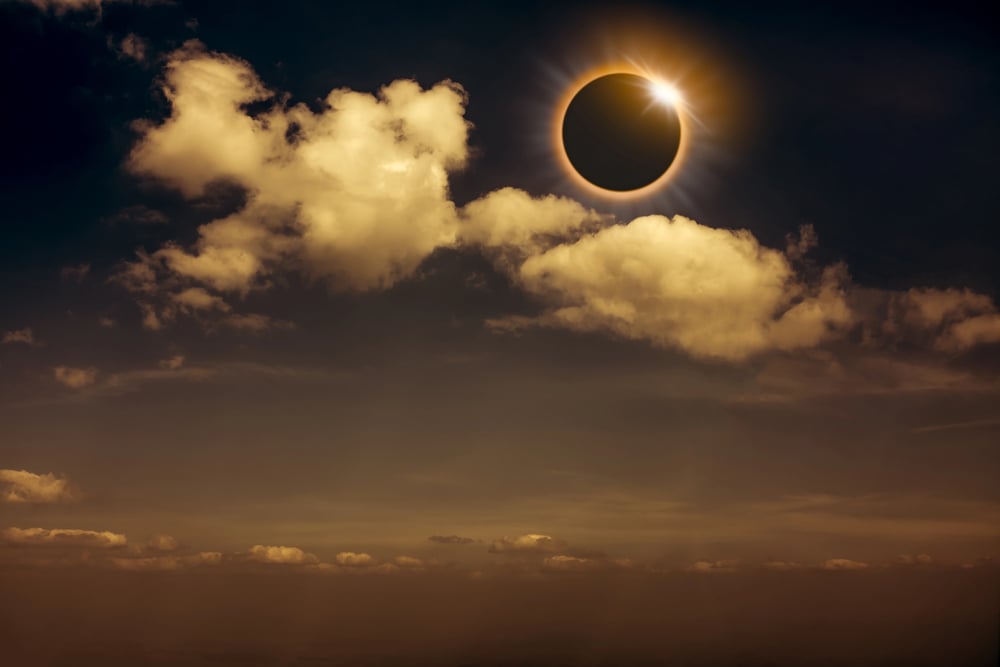
While total solar eclipses happen somewhere on Earth about every 18 months, any specific location experiences one roughly every 375 years on average. The path of totality is typically only about 100 miles wide, so you need to be in exactly the right spot when the moon perfectly blocks the sun. Those lucky enough to witness totality describe it as an otherworldly experience—the temperature drops, stars become visible in the daytime sky, and the sun’s corona creates a shimmering halo around the moon’s silhouette.
Supernova in Our Galaxy
A supernova bright enough to see with the unassisted eye from Earth is incredibly rare within our own Milky Way galaxy. The last confirmed galactic supernova visible without telescopes occurred in 1604, observed by Johannes Kepler himself. These stellar explosions happen when massive stars reach the end of their lives, creating light shows so brilliant they can briefly outshine entire galaxies.
Aurora Borealis at Low Latitudes
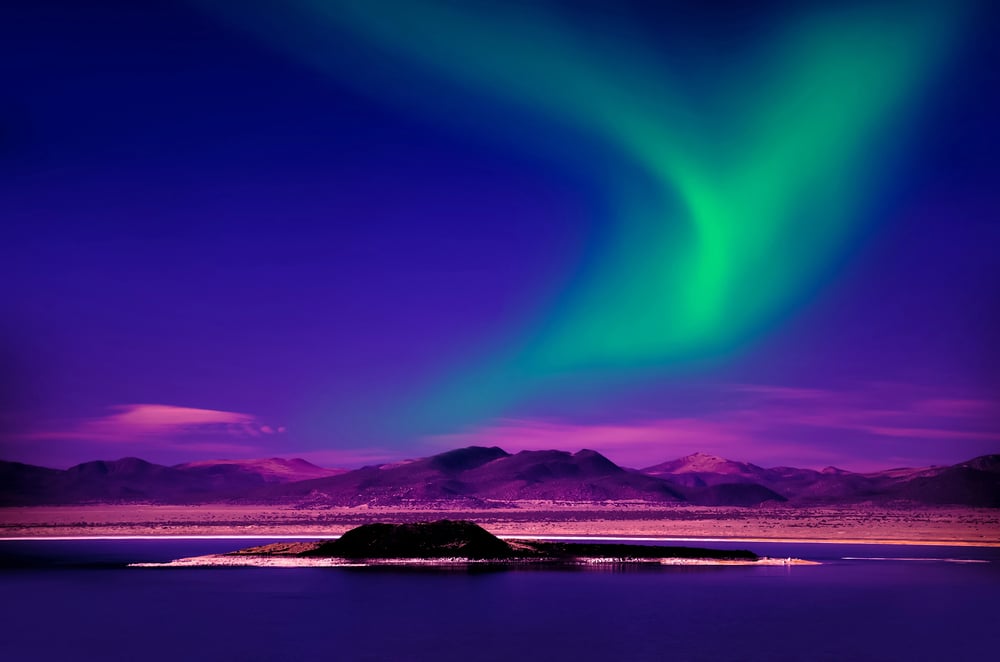
The Northern Lights typically dance across skies in Alaska, northern Canada, and Scandinavia, but extreme geomagnetic storms can push them much farther south. During intense solar activity, auroras have been spotted as far south as the Caribbean and even parts of the southern United States. These rare low-latitude displays happen perhaps once or twice per solar cycle, which lasts about 11 years.
Century Plant Blooming

The century plant doesn’t actually take 100 years to bloom, but its 15-30 year growth cycle means you’ll likely see it flower just once in your lifetime. When it finally decides to bloom, this desert succulent shoots up a massive flowering stalk that can reach 25 feet tall, covered in yellow-green flowers. After this spectacular display, the plant dies, having exhausted all its energy in one final reproductive burst.
Volcanic Island Formation
Watching a new island emerge from the ocean is like witnessing Earth’s creative process in real-time. The most recent example was Hunga Tonga-Hunga Ha’apai in the Pacific, which formed in 2014-2015 through underwater volcanic activity. These geological births happen rarely and unpredictably, as underwater volcanoes must build up enough material to break the ocean’s surface and withstand erosion from waves.
Cicada Brood Emergence
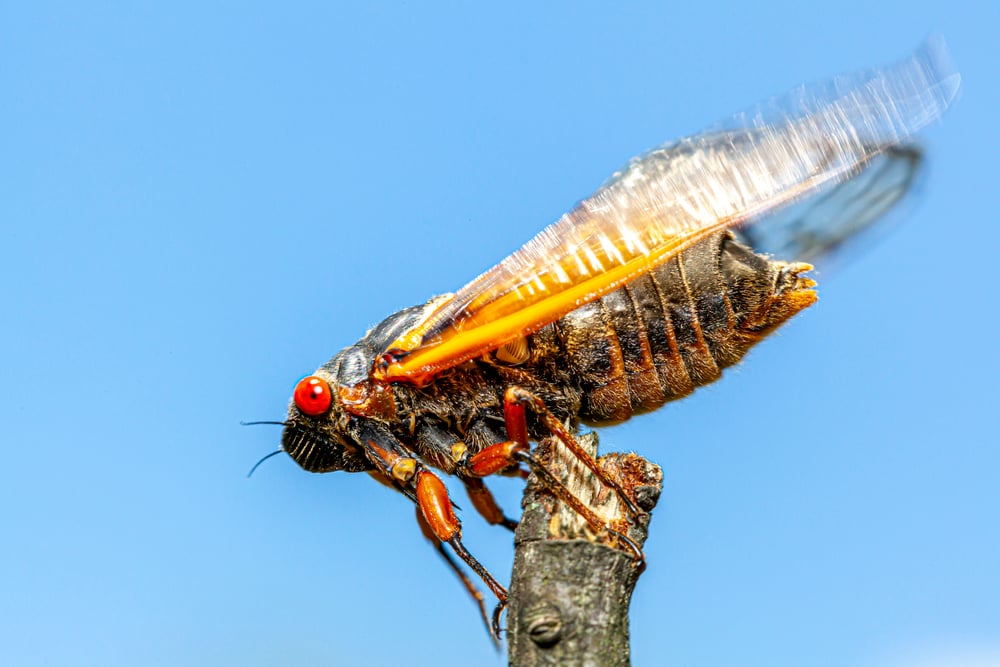
Some cicada species, particularly the 13-year and 17-year broods, spend most of their lives underground before emerging en masse for a brief mating frenzy. These synchronized emergencies create an unforgettable natural spectacle—millions of insects covering trees, filling the air with their distinctive buzzing, and leaving behind countless shed exoskeletons. The timing is so precise that you can literally mark your calendar decades in advance.
Bamboo Forest Flowering

Most bamboo species flower only once every 65-120 years, and when they do, entire forests bloom simultaneously before dying off completely. This mass flowering and death cycle is one of nature’s most mysterious phenomena, with some species maintaining such precise timing that forests separated by continents bloom in the same year. The mechanism behind this synchronized flowering remains largely unexplained by scientists.
Great Red Spot Transit on Jupiter
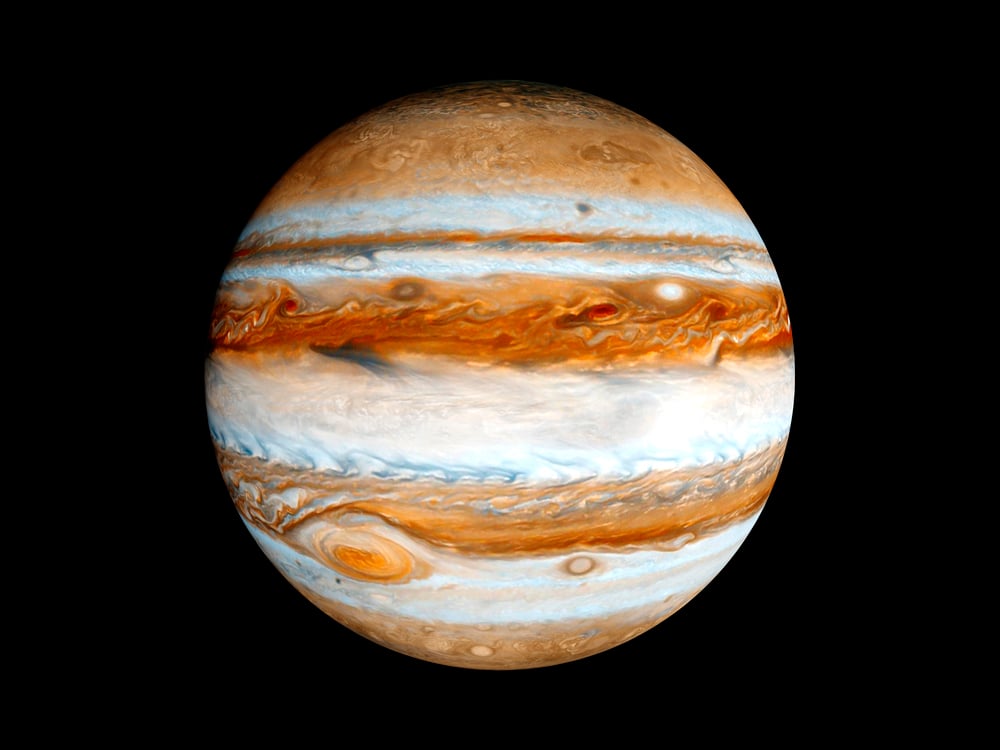
Jupiter’s Great Red Spot, a storm larger than Earth, has been raging for at least 400 years, but it’s been shrinking steadily. Current predictions suggest this iconic feature might disappear within the next 20-30 years, making recent observations potentially the last chance to see this massive atmospheric phenomenon. The spot completes one rotation around Jupiter roughly every 10 hours, but witnessing its gradual disappearance is a generational event.
Geyser Formation
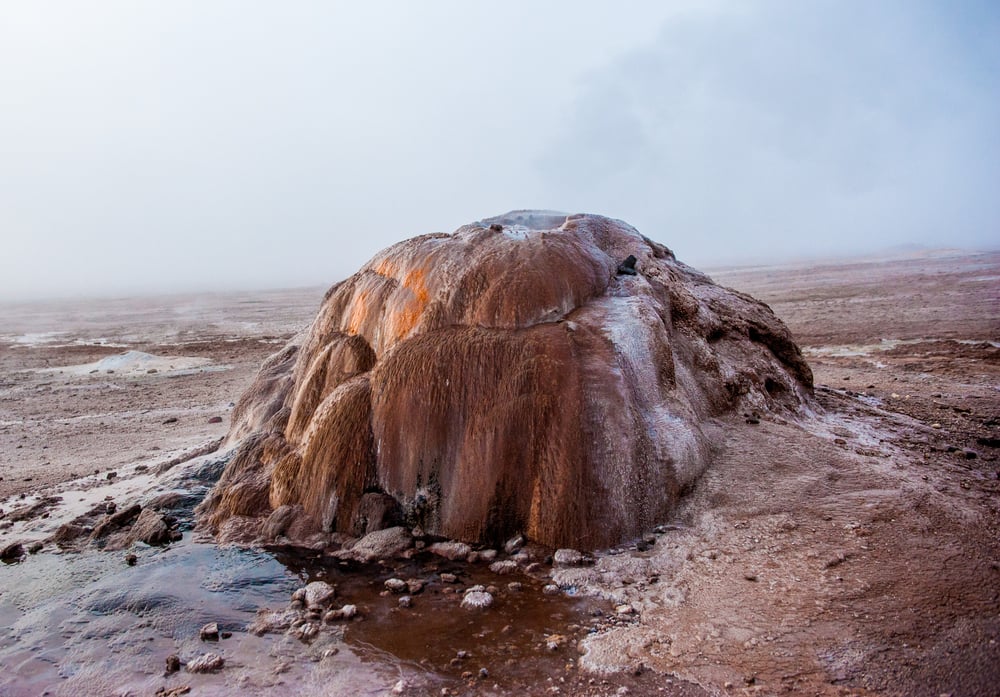
Natural geysers require such specific geological conditions that only about 1,000 exist worldwide, and new ones form extremely rarely. The birth of a geyser demands the perfect combination of underground heat source, water supply, and precise rock formations that can withstand repeated pressure buildup and release. When these conditions align, it creates a natural fountain that can last for decades or centuries.
Glacier Calving Into the Ocean
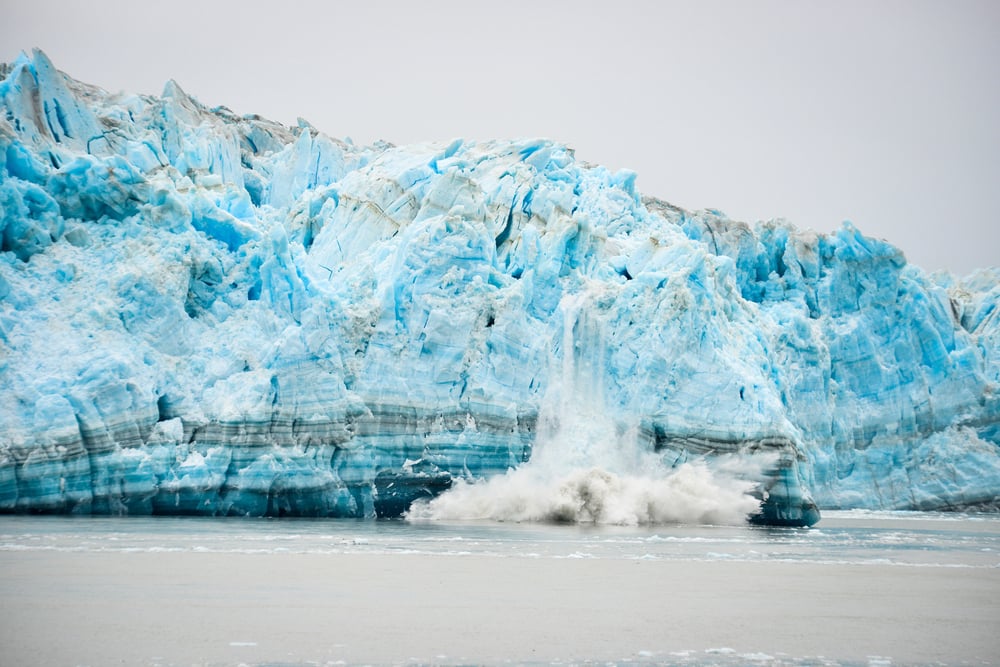
While glaciers constantly lose ice, witnessing a massive calving event where house-sized chunks crash into the ocean is increasingly rare as climate change accelerates glacier retreat. These thunderous events happen unpredictably, often preceded by deep groaning sounds as ice under tremendous pressure finally gives way. Each calving event represents years or decades of accumulated ice suddenly returning to the sea.
Desert Super Bloom
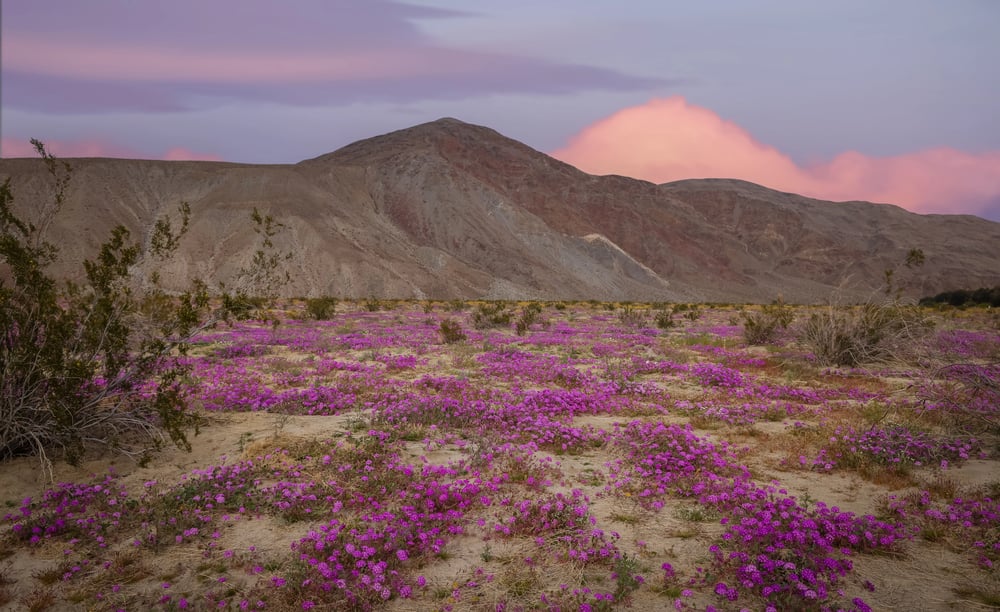
Desert super blooms occur when perfect weather conditions align—typically following unusually wet winters in normally arid regions. California’s Mojave Desert experiences these spectacular displays perhaps once every 10-15 years, when millions of wildflower seeds that have been dormant in the soil suddenly germinate and bloom simultaneously. The result transforms barren landscapes into carpets of orange poppies, purple lupines, and yellow desert marigolds.
Magnetic Pole Reversal
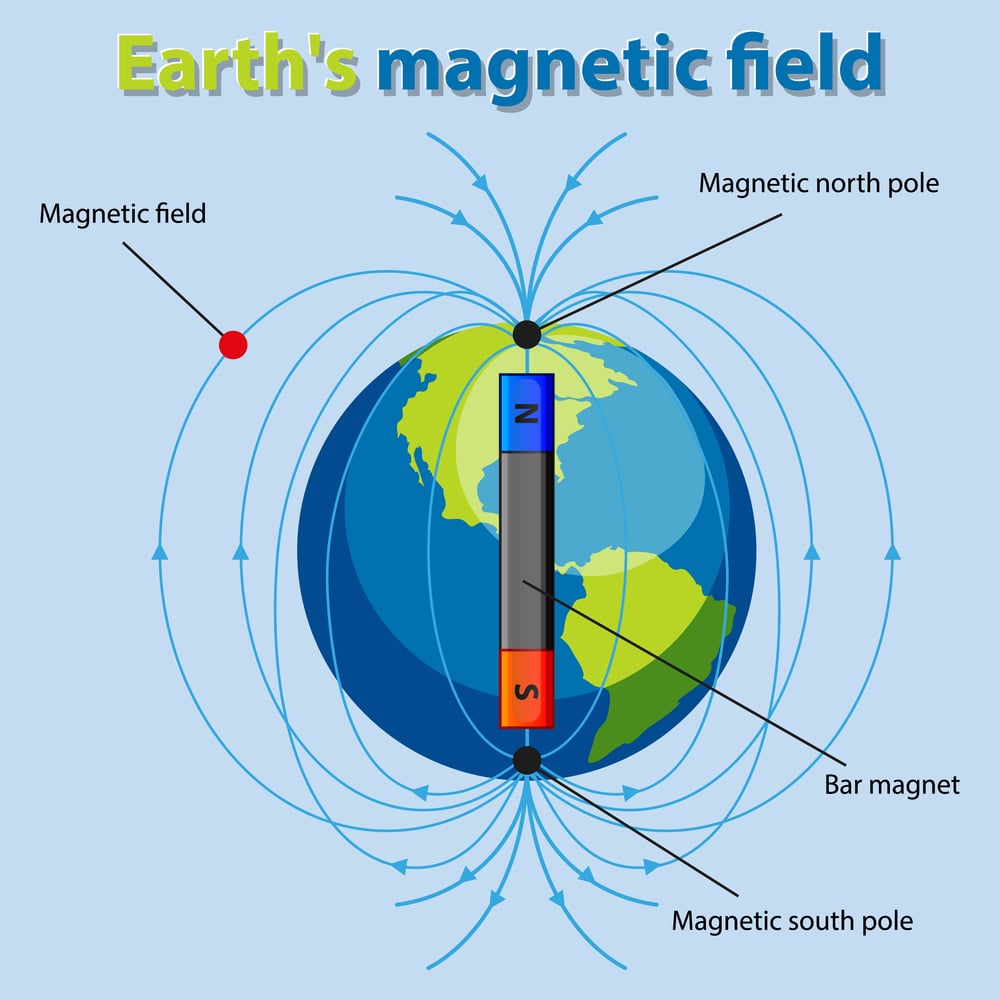
Earth’s magnetic poles have reversed many times throughout geological history, but the process typically takes thousands of years to complete. We’re currently in the early stages of what might be a pole reversal, as the magnetic north pole has been moving rapidly from Canada toward Siberia. While the complete reversal won’t happen in a single lifetime, witnessing the accelerating movement of magnetic north is a once-in-human-history event.
Limestone Cave Formation
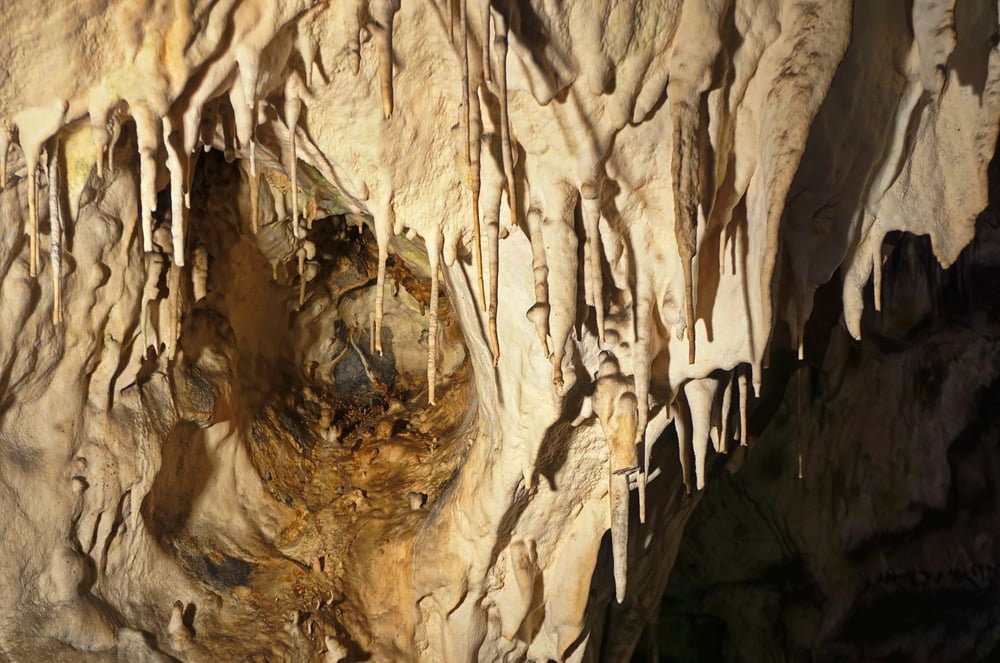
Natural limestone caves form over hundreds of thousands of years as slightly acidic groundwater slowly dissolves rock, but occasionally, the final breakthrough that opens a cave system to the surface happens within human timescales. These moments when new caves are discovered often reveal pristine formations that have been developing in complete darkness for millennia. The discovery of a major cave system is so rare that it makes international news in the caving community.
Rare Earth Mineral Exposure
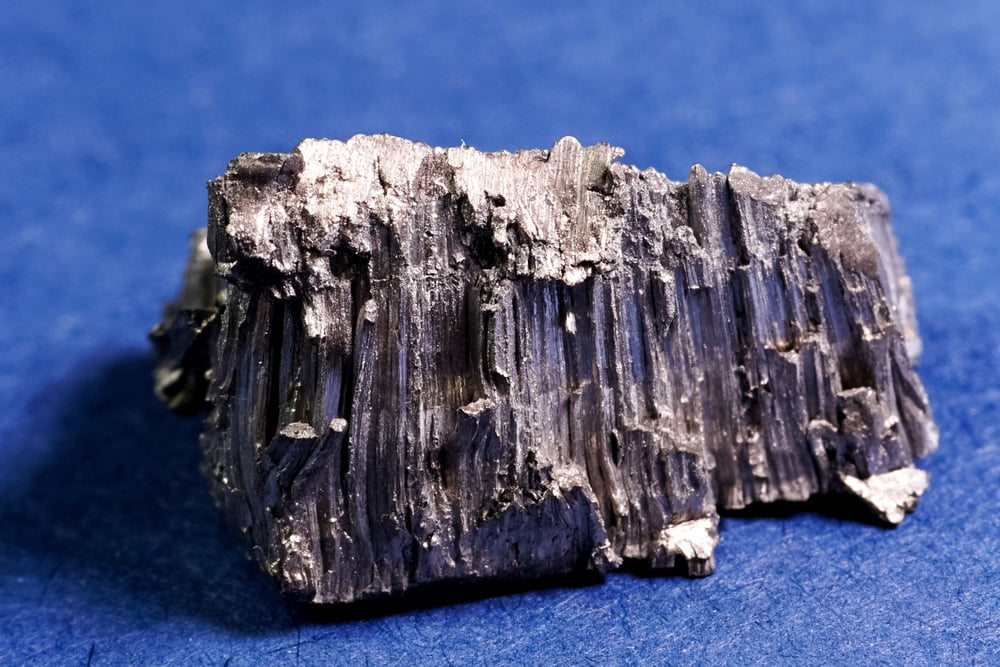
When geological processes expose rare earth mineral deposits at the surface, they create spectacular displays of naturally occurring colors and crystals. These exposures happen through a combination of uplift, erosion, and sometimes human excavation, revealing veins of minerals that formed millions of years ago deep underground. Finding a fresh exposure of minerals like amazonite, tourmaline, or fluorite in their natural setting is extraordinarily uncommon.
Continental Drift Evidence
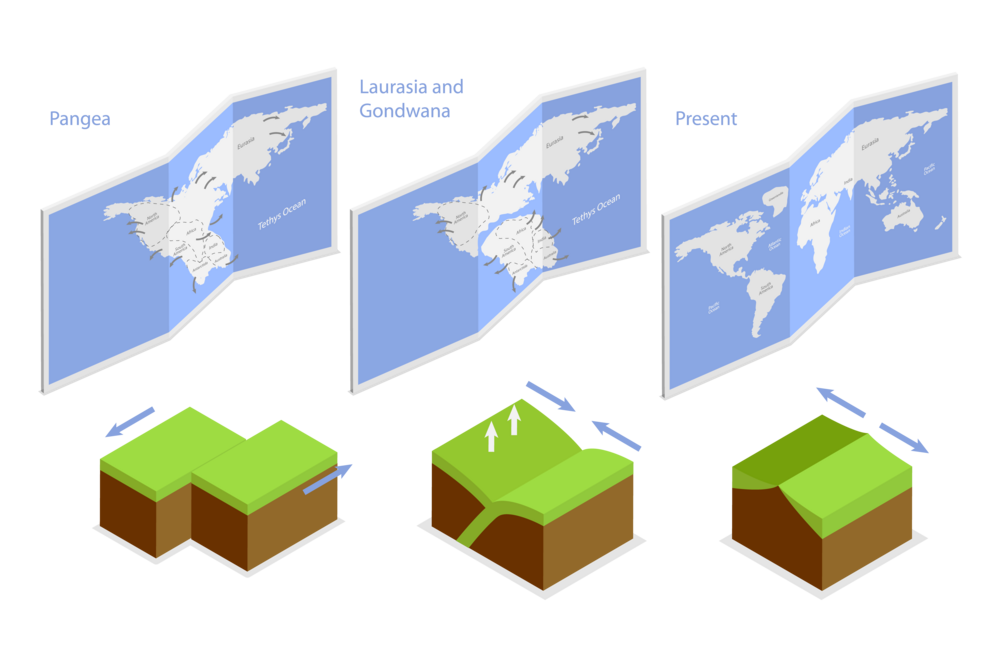
While continents move constantly, witnessing clear evidence of this movement within a human lifetime requires being in the right place when geological forces create visible changes. The East African Rift Valley is slowly splitting the continent apart, creating new cracks and fissures that appear over decades rather than millennia. Iceland sits directly on the Mid-Atlantic Ridge, where visitors can literally stand between two continents as they slowly separate.
When Rarity Meets Wonder
These once-in-a-lifetime phenomena remind us that Earth operates on timescales far grander than our brief human experience. While we might take daily natural events for granted, these rare spectacles force us to appreciate just how dynamic and constantly changing our planet really is. They connect us to the deeper rhythms of geological time, stellar cycles, and biological processes that have been unfolding for millions of years. The next time you hear about one of these rare events happening nearby, it might be worth making the journey—after all, you probably won’t get another chance.
More from Go2Tutors!

- 16 Historical Figures Who Were Nothing Like You Think
- 12 Things Sold in the 80s That Are Now Illegal
- 15 VHS Tapes That Could Be Worth Thousands
- 17 Historical “What Ifs” That Would Have Changed Everything
- 18 TV Shows That Vanished Without a Finale
Like Go2Tutors’s content? Follow us on MSN.



