20 Luxury Trains That Redefined Travel
There was a time when getting from one place to another meant enduring the journey, not savoring it.
Then came the luxury train—an idea that transformed rail travel from practical necessity into an art form.
These rolling palaces didn’t just move people across continents. They changed what travel itself could mean.
From the original Orient Express cutting through pre-war Europe to modern marvels crossing the Australian Outback, these trains represent more than opulence.
They’re cultural landmarks that turned transportation into theater.
Here’s a closer look at the trains that made getting there just as memorable as arriving.
Venice Simplon-Orient-Express
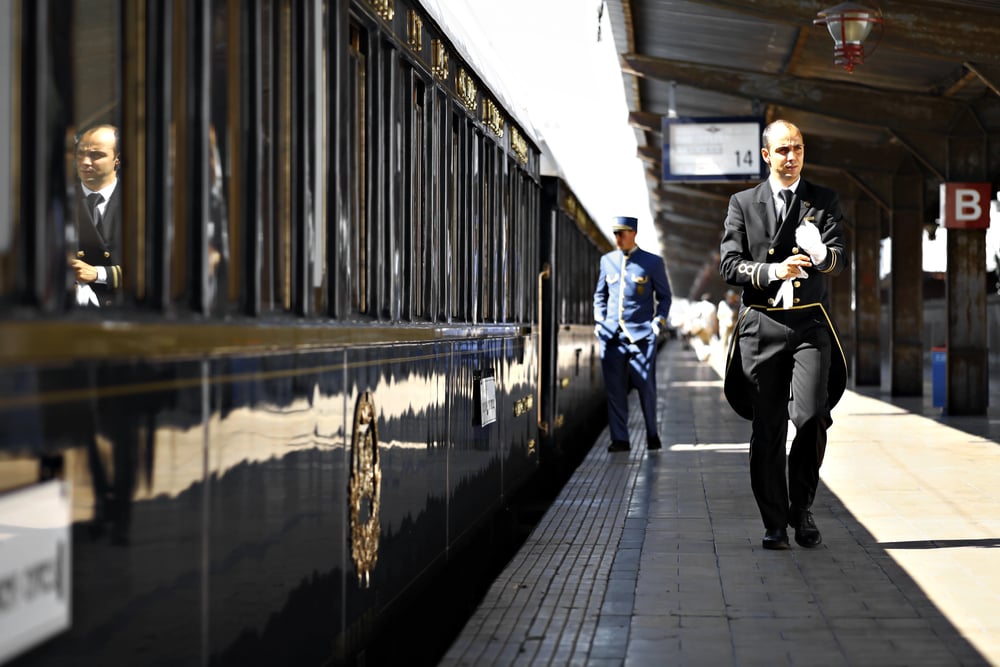
Launched in its modern form in 1982 by James Sherwood, this train resurrects the spirit of the original Orient Express that first ran in 1883.
The restoration involved tracking down original 1920s and 1930s carriages scattered across Europe.
Today’s passengers traverse the Paris-to-Venice route in restored cabins with marquetry panels and brass fixtures.
They enjoy three-course French meals on fine china while scenery shifts from the Swiss Alps to the Italian Dolomites.
It remains the gold standard against which all luxury trains measure themselves.
Maharajas’ Express
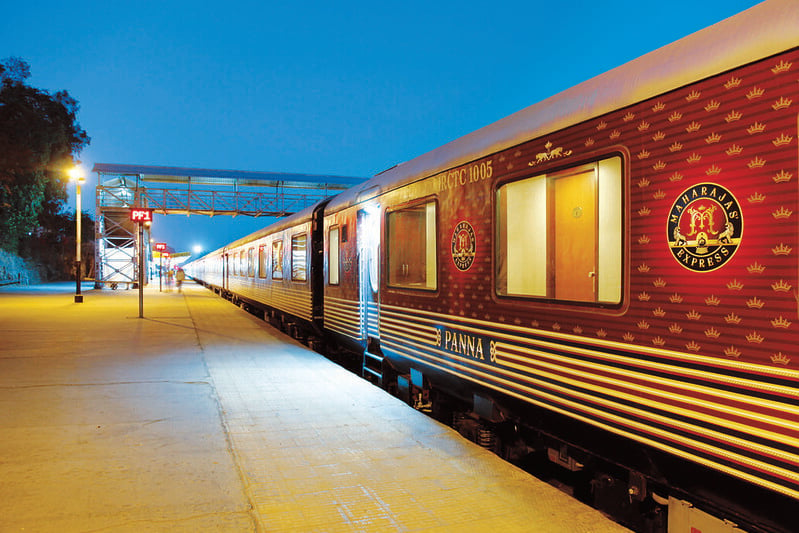
India’s Maharajas’ Express, launched in 2010, carries just 84 passengers through Rajasthan and beyond.
Week-long trips cost upward of $25,000 per person.
Each of the 14 guest carriages is named after precious gemstones, and the Presidential Suite spans an entire carriage with a private butler.
Stops include palaces, forts, and UNESCO World Heritage sites.
It’s essentially a mobile palace that happens to have wheels.
Royal Scotsman
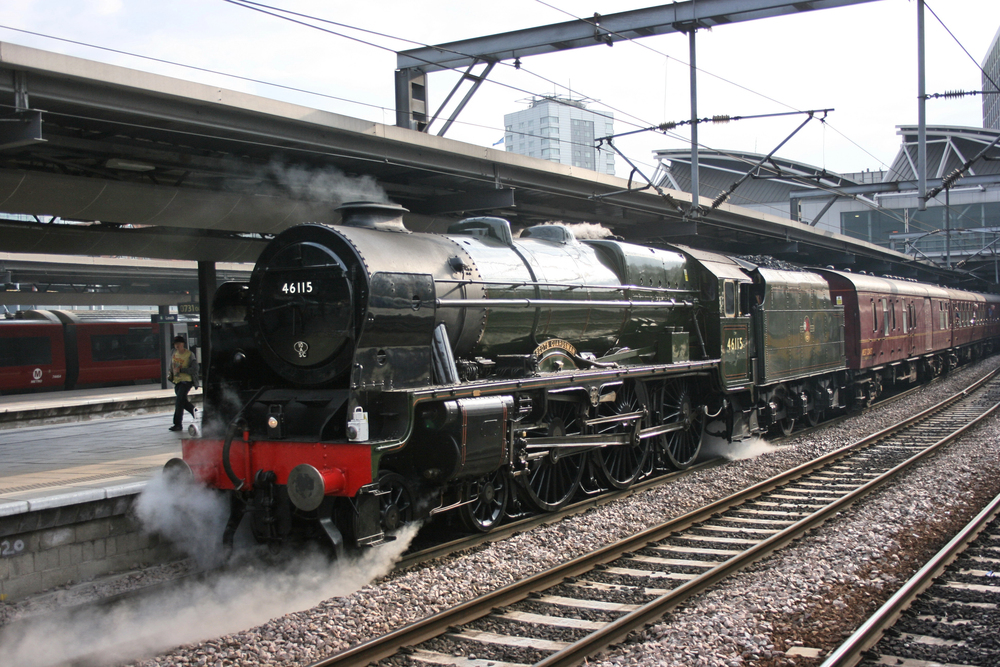
Belmond’s Royal Scotsman, which began service in 1985, carries just 40 guests through the Highlands in Edwardian-era elegance.
Think tartan carpets, mahogany paneling, and observation cars perfect for spotting red deer while nursing a single malt.
The train makes leisurely loops through the Scottish countryside, stopping for castle tours and distillery visits.
Unlike its flashier cousins, it trades glitz for understated British sophistication.
Golden Eagle Trans-Siberian Express
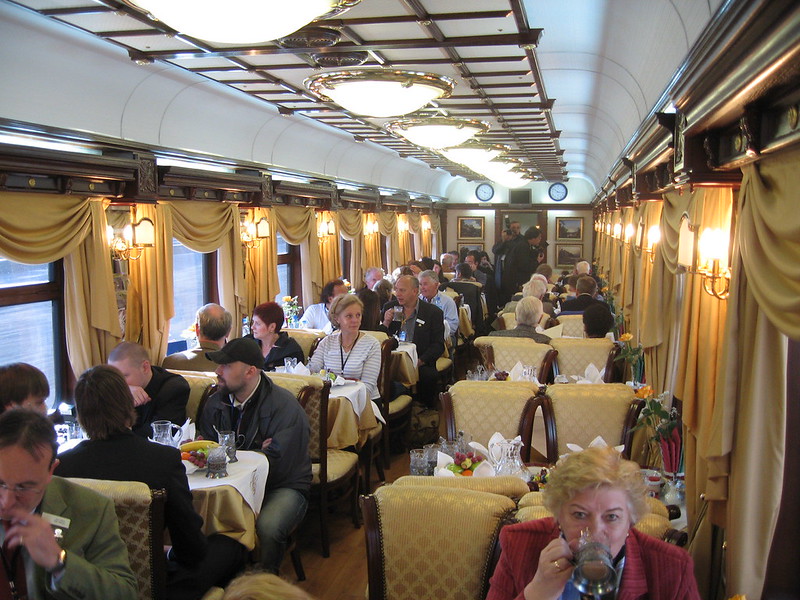
The Golden Eagle’s two-week journey from Moscow to Vladivostok covers nearly 6,000 miles of Russian wilderness, Siberian taiga, and Lake Baikal’s shores.
The train resembles a boutique hotel that happens to be moving, with en-suite cabins and a bar car where vodka tastings become inevitable.
Stops include cultural performances, monastery visits, and excursions into remote Siberian villages.
It’s an expedition disguised as a luxury vacation.
Rovos Rail – Pride of Africa
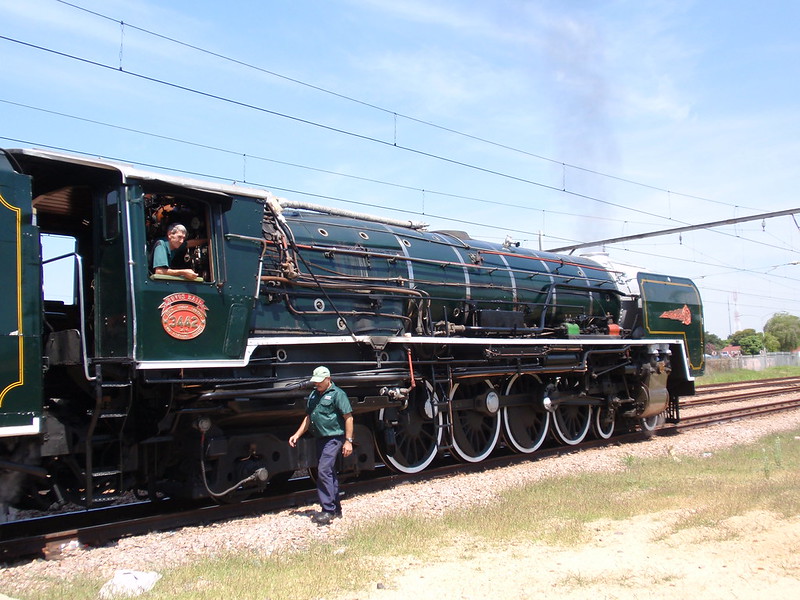
Rohan Vos started Rovos Rail in 1989 to create Africa’s most luxurious train journey.
The Pride of Africa now offers routes throughout Southern Africa, from Cape Town to Tanzania’s Dar es Salaam.
Edwardian-era carriages feature wood paneling and observation decks perfect for game viewing.
Routes include Victoria Falls, safaris in private game reserves, and historical sites.
It recalls the golden age when crossing the continent meant style over speed.
Blue Train
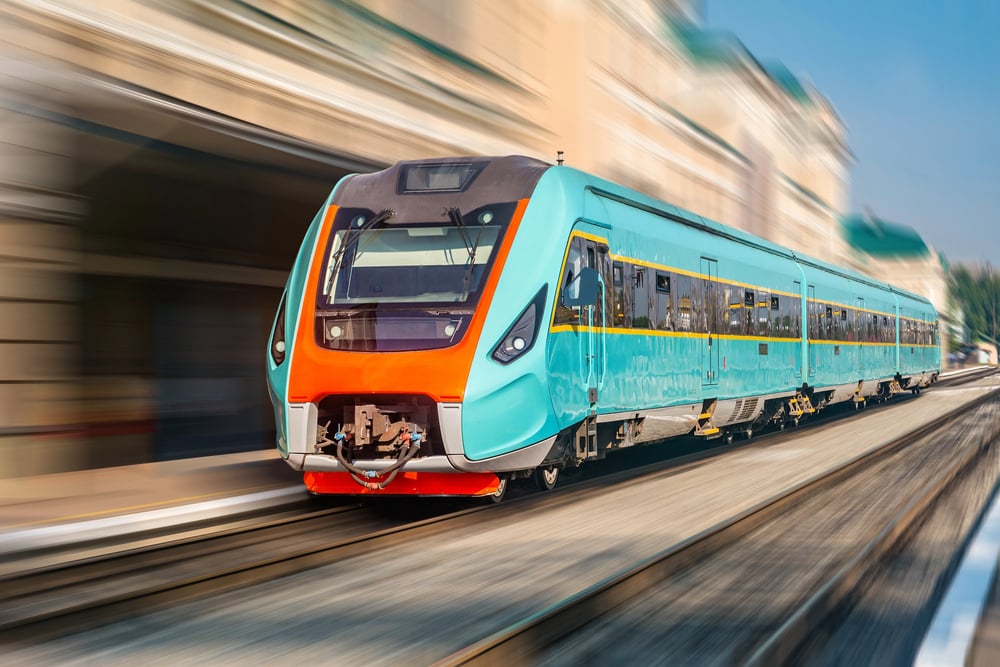
South Africa’s Blue Train has been synonymous with luxury since 1946.
The Pretoria-to-Cape Town route covers 994 miles through the Karoo desert and wine country.
Every suite has its own bathroom and picture windows, while the dining service presents multi-course meals with South African wine pairings.
Despite competition from newer services, it maintains its reputation through impeccable service and dramatic routes.
The Ghan
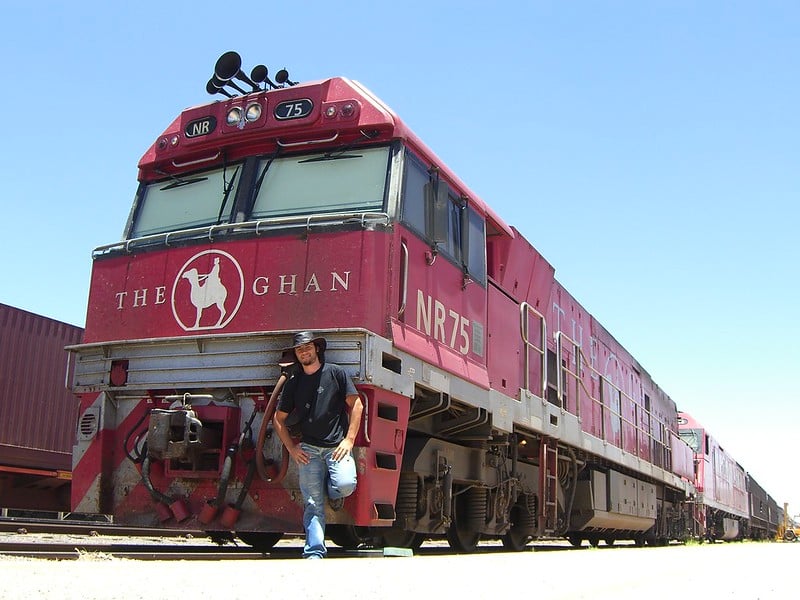
Named after Afghan camel drivers who once traversed the same route, The Ghan’s Adelaide-to-Darwin journey bisects Australia’s Red Centre through terrain so remote that towns are hundreds of miles apart.
Great Southern Rail transformed this marathon crossing into luxury travel, with excursions to Alice Springs, Uluru, and Katherine Gorge included.
Floor-to-ceiling windows frame sunsets over endless red earth while the dining car serves Australian cuisine that changes with the landscape.
Indian Pacific
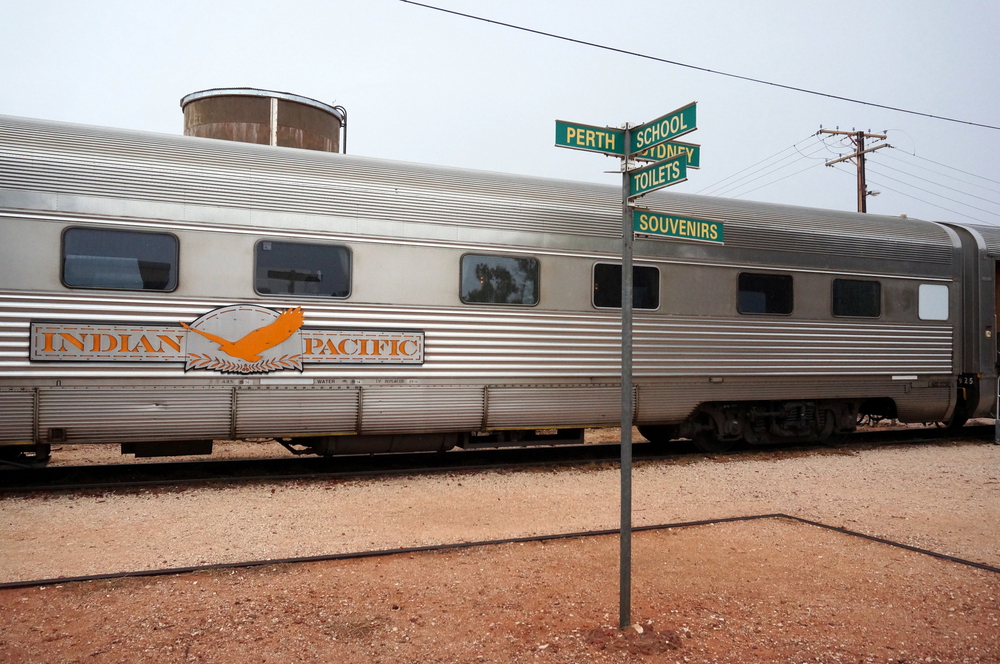
The Indian Pacific tackles Sydney to Perth across the Nullarbor Plain—a 2,704-mile journey that includes 297 miles of track that doesn’t curve once.
The train crosses three time zones and terrain that shifts from Blue Mountains forests to wheat fields to the Nullarbor’s otherworldly emptiness.
It’s Australia’s transcontinental answer updated for the 21st century with modern amenities and Australian wine lists.
Rocky Mountaineer
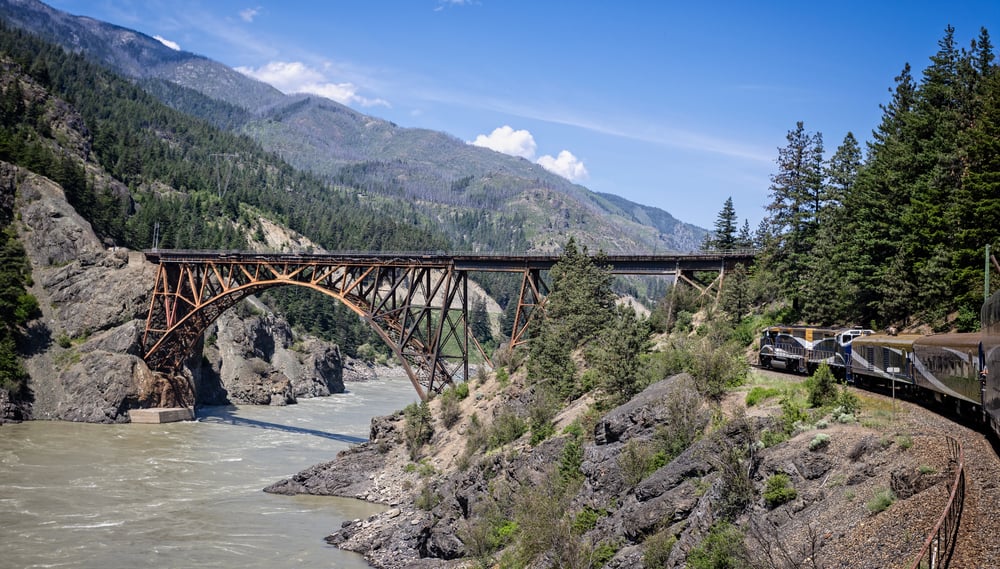
Canada’s Rocky Mountaineer launched in 1990 with daylight-only travel to ensure passengers don’t miss the scenery.
Routes through the Canadian Rockies between Vancouver, Banff, and Jasper showcase turquoise lakes, glacier-fed rivers, and impossibly steep mountains.
Glass-domed coaches maximize views while meals feature Pacific Northwest ingredients.
Passengers disembark each evening for hotel stays, sacrificing sleeper romance for guaranteed visibility of landmarks like the Spiral Tunnels.
Eastern & Oriental Express
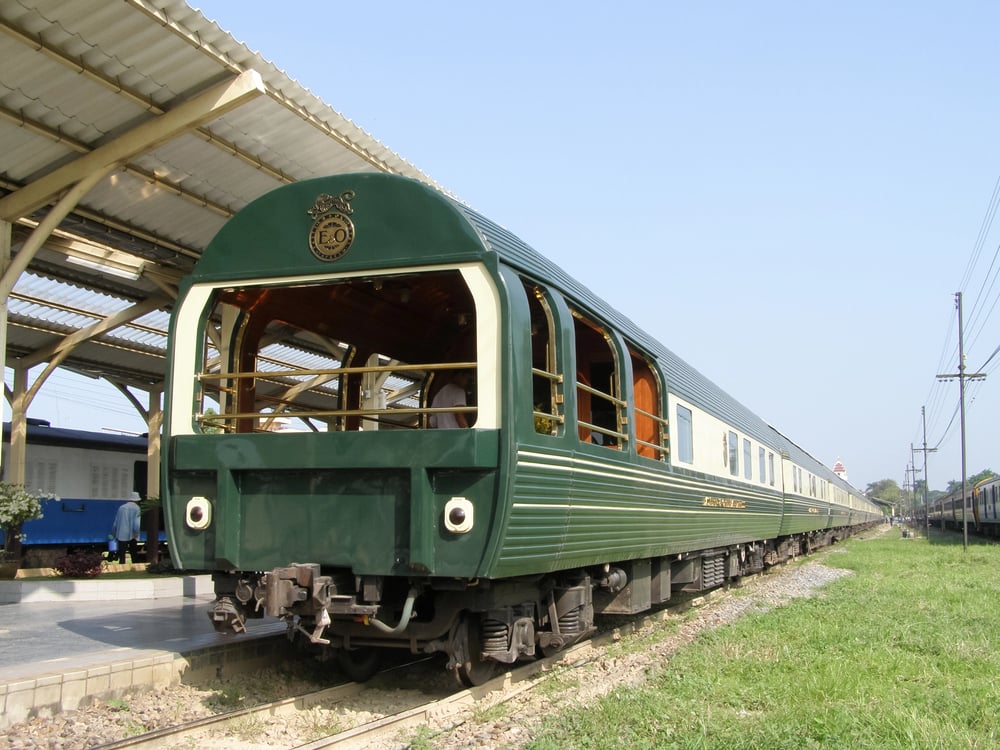
Belmond extended the Orient Express concept to Southeast Asia in 1993.
The Bangkok-to-Singapore route winds through jungle, past rice paddies, and along coastline, stopping at the River Kwai bridge and Penang.
Green-and-cream livery and teak-paneled carriages evoke colonial-era travel, while cuisine blends Asian and Western influences.
It’s the Orient Express reimagined for monsoon season, trading Alpine vistas for palm trees and temple spires.
Al Andalus
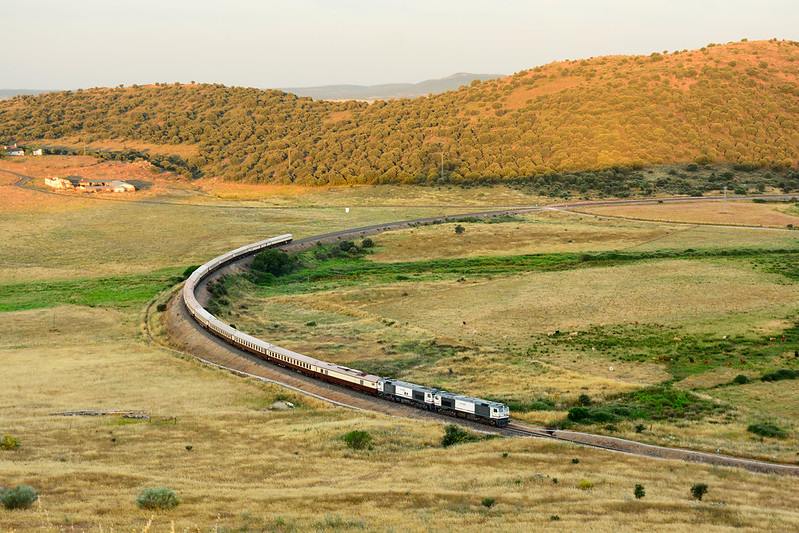
Spain’s Al Andalus train uses vintage carriages from the 1920s and 1930s for week-long circuits through southern Spain covering Seville, Granada, Córdoba, and Ronda.
Days are spent touring the Alhambra or Mezquita, while evenings bring passengers back for Spanish cuisine and sherry.
The belle époque styling creates an atmosphere matching Andalusia’s dramatic history.
Moorish architecture and flamenco culture dominate.
Glacier Express
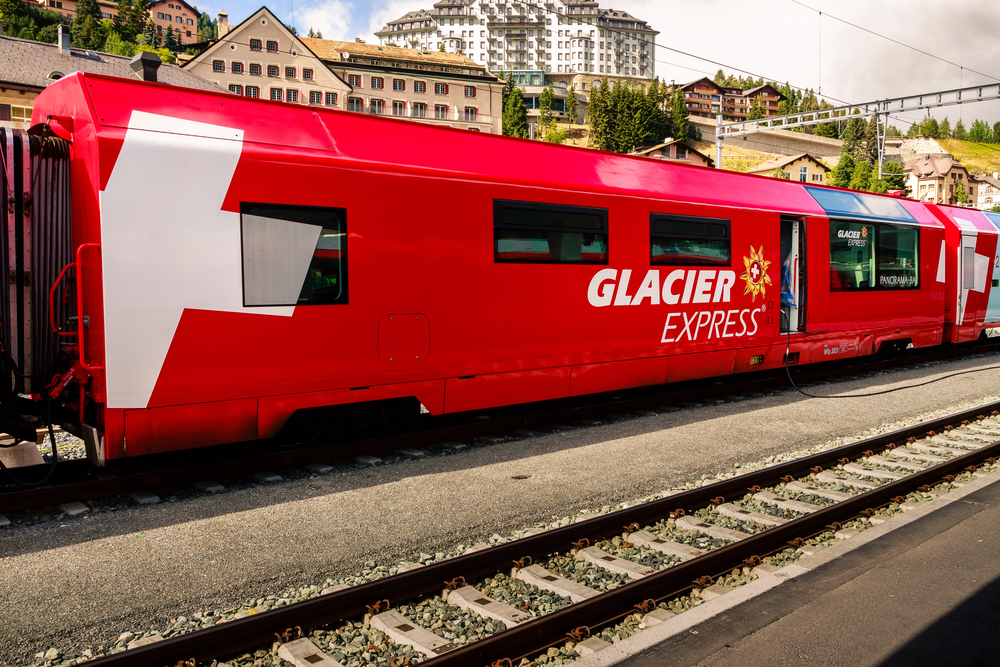
Switzerland’s Glacier Express takes eight hours to cover 180 miles between Zermatt and St. Moritz, crossing 291 bridges and 91 tunnels while climbing to 6,670 feet.
Panoramic windows frame the Matterhorn, Rhine Gorge, and Alpine villages.
The Excellence Class offers gourmet meals and wine pairings.
It proves luxury doesn’t require overnight travel when the scenery does the heavy lifting.
Bernina Express
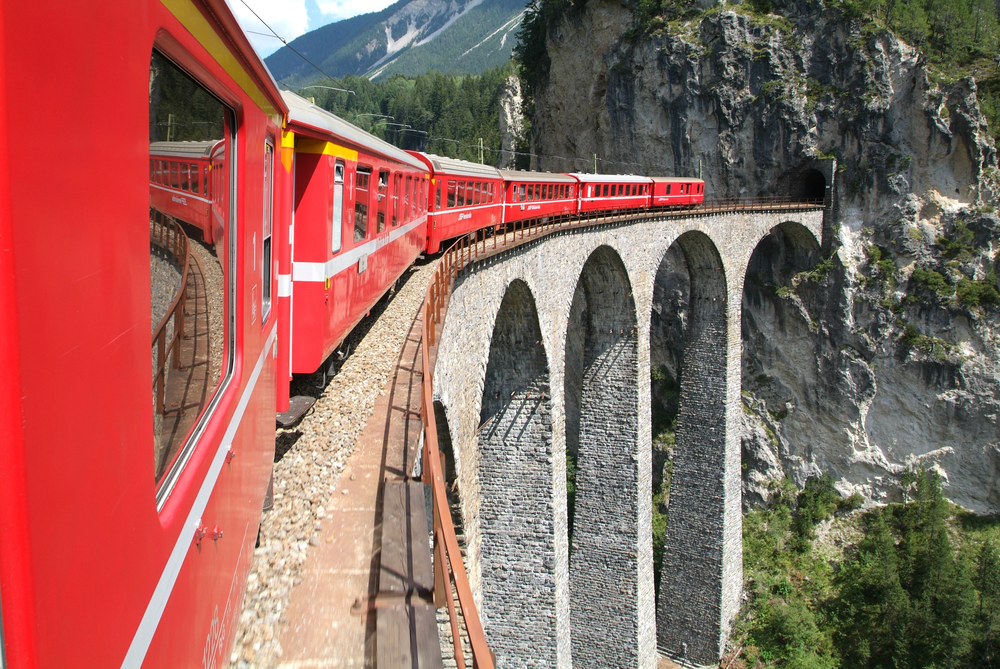
The Bernina Express route is a UNESCO World Heritage site.
The Chur-to-Tirano journey crosses 196 bridges and spirals through mountain passes on gradients up to 7 percent without rack rails.
Passengers watch glaciers give way to palm trees as the train descends from Alpine heights into Italian-speaking Ticino.
It compresses Switzerland’s geographic diversity into four hours of continuous spectacle.
Andean Explorer
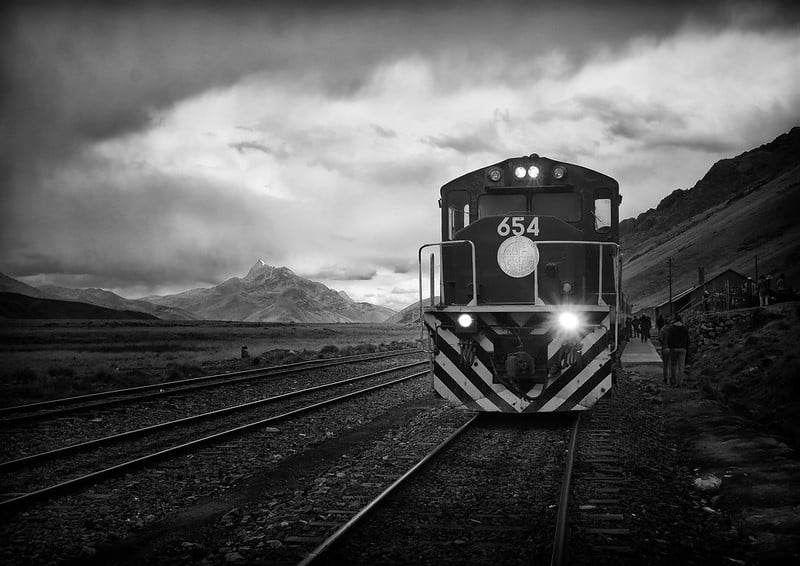
Peru’s Andean Explorer, launched in 2017, is South America’s first luxury sleeper train.
The route between Cusco, Lake Titicaca, and Arequipa traverses the Peruvian Andes at high altitudes.
Stops include traditional villages, Colca Canyon, and Lake Titicaca’s floating islands.
Carriages feature alpaca wool textiles and design elements drawn from Peruvian heritage.
Contemporary cuisine showcases ingredients like quinoa.
Palace on Wheels
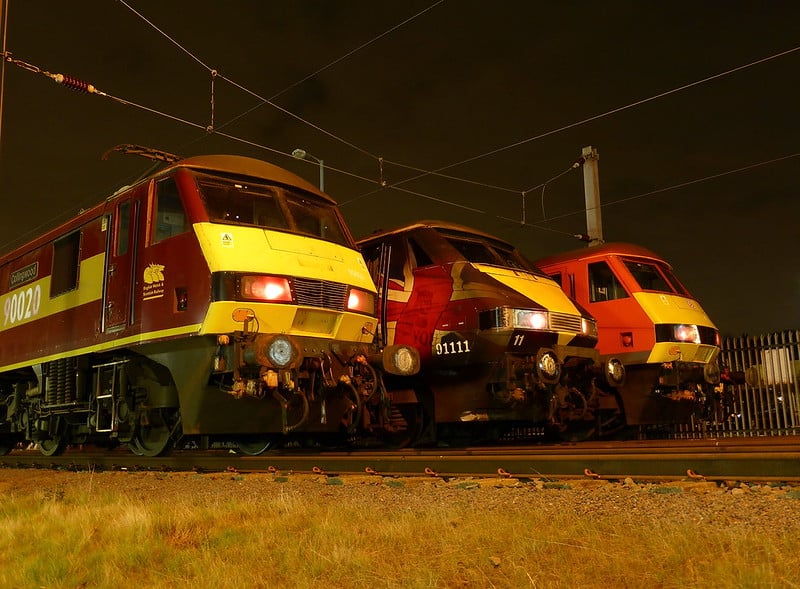
Rajasthan’s Palace on Wheels launched in 1982 and was rebuilt in 2009 with modern replicas maintaining period styling.
The week-long circuit stops at Jaipur, Udaipur, Jaisalmer, and the Ranthambore tiger reserve.
Each of the 14 coaches is named after former Rajput kingdoms, decorated with their distinctive colors and crests.
It offers a traditional experience focused on desert forts and palace hotels.
El Transcantábrico
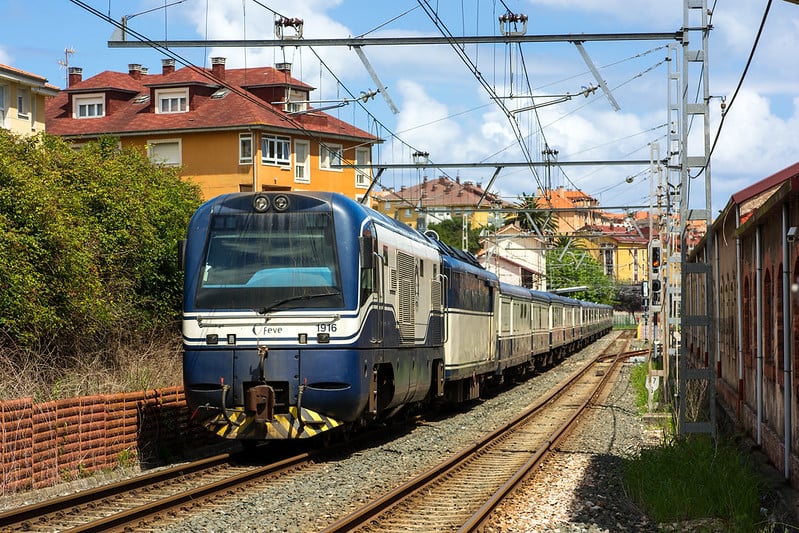
El Transcantábrico travels from San Sebastián to Santiago de Compostela through Spain’s green, rainy north.
This eight-day journey follows the Bay of Biscay through Basque Country, Cantabria, and Galicia.
The narrow-gauge train uses vintage 1920s carriages refurbished with modern amenities.
Stops include Guggenheim Museum Bilbao and medieval Santillana del Mar.
The dining car emphasizes northern Spain’s seafood and cider culture.
Britannic Explorer
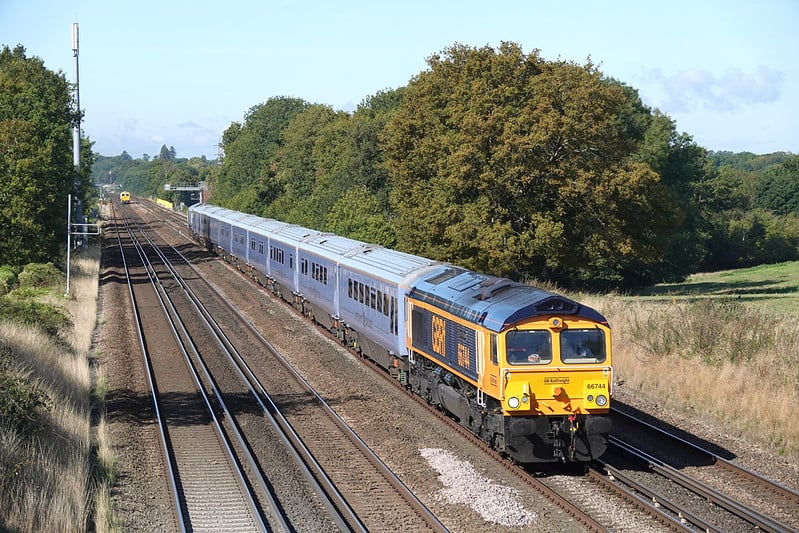
Belmond’s newest train, launching in 2025, brings luxury sleeper service to England and Wales for the first time in decades.
Three routes depart from London to Cornwall, the Lake District, and Wales.
The train features 18 cabins with en-suite facilities, a spa car, and dining showcasing British regional cuisine.
It is Britain’s answer to its rail legacy for domestic territory.
La Dolce Vita Orient Express
Italy’s La Dolce Vita Orient Express launches in 2025 with routes from Rome to Sicily and Venice to Portofino using restored vintage carriages with Italian design sensibilities.
Routes are designed around UNESCO sites, vineyard regions, and coastal towns with seasonal itineraries.
The train captures the la dolce vita lifestyle.
That combination of pleasure, leisure, and aesthetic appreciation became Italy’s cultural export.
Danube Express
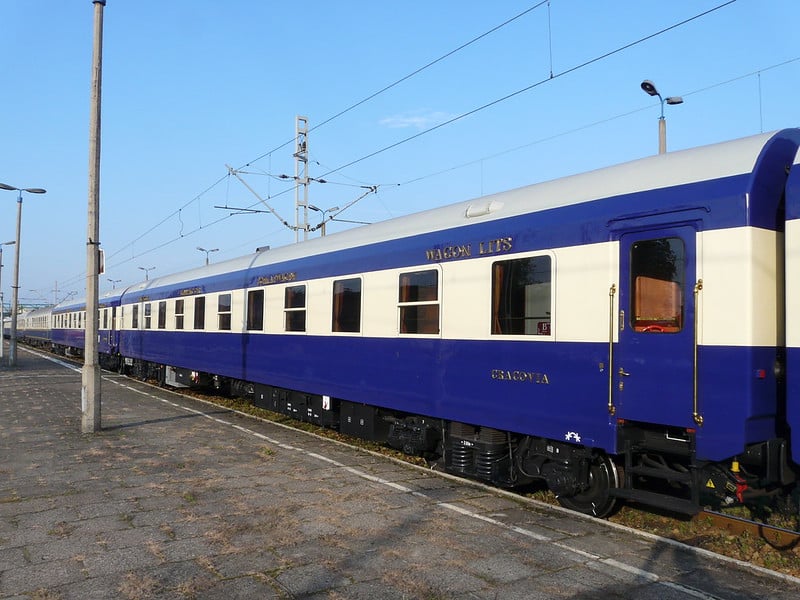
Operating since 2008, the Danube Express offers routes through Central and Eastern Europe including Hungary, Romania, Bulgaria, and Turkey.
The train uses renovated Hungarian sleeping cars from the 1970s.
Routes include Budapest to Istanbul, Prague to Venice, and Balkans circuits.
It fills a niche for travelers exploring regions less covered by Western European luxury trains.
It offers access to Transylvania, the Danube Delta, and the Black Sea coast.
Hiram Bingham
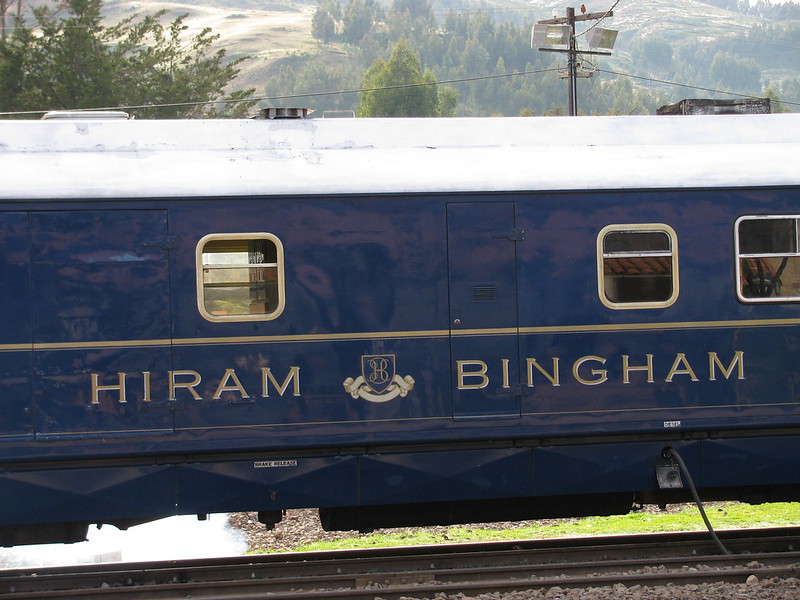
Named after the explorer who popularized Machu Picchu, the Hiram Bingham operates the scenic route from Cusco to Aguas Calientes.
This day train offers brunch on the way up and dinner on the return.
The observation car features a live band playing traditional Andean music while passengers watch the Urubamba River canyon steepen toward Machu Picchu.
For many travelers, it becomes part of the pilgrimage itself.
The Legacy Rolls On
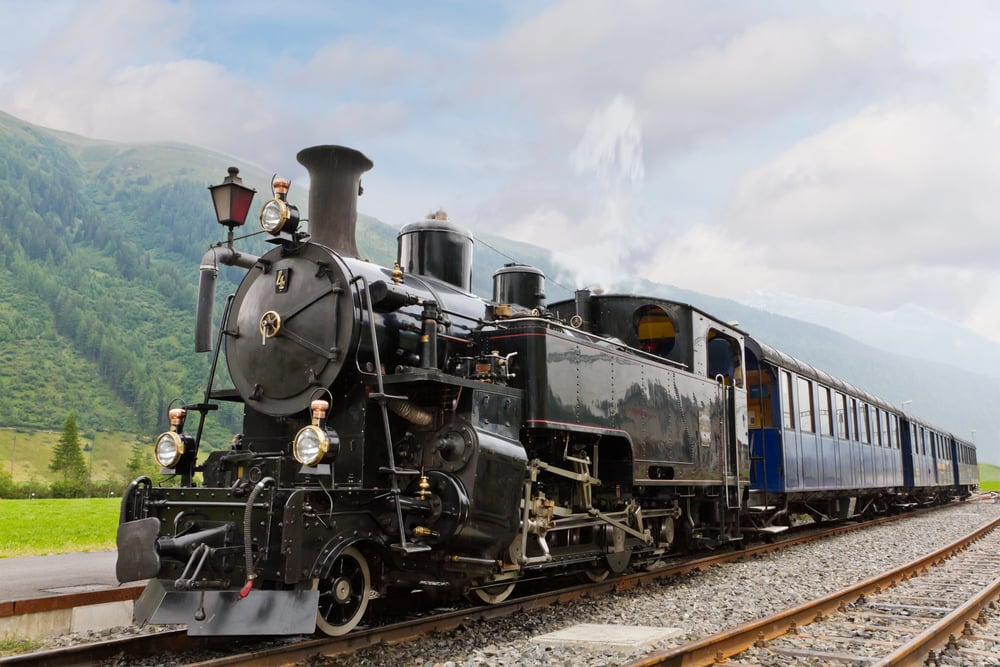
These trains succeeded because they understood something essential.
Speed isn’t everything.
In an age of budget airlines and bullet trains optimized for efficiency, luxury trains offer resistance—a deliberate choice to take longer, see more, and arrive somewhere changed by the journey.
They’ve survived two world wars, the jet age, and the digital revolution not by competing on convenience but by offering what air travel never could.
They give the chance to watch continents unfold at ground level, one mountain pass and river crossing at a time.
The best ones don’t just move through landscapes. They become part of them, rolling hotels where the destination keeps shifting outside your window.
More from Go2Tutors!

- The Romanov Crown Jewels and Their Tragic Fate
- 13 Historical Mysteries That Science Still Can’t Solve
- Famous Hoaxes That Fooled the World for Years
- 15 Child Stars with Tragic Adult Lives
- 16 Famous Jewelry Pieces in History
Like Go2Tutors’s content? Follow us on MSN.