20 Times Fashion Was Responsible for Real-Life Problems
Fashion isn’t just about looking good; it’s had serious consequences throughout history. From health hazards to environmental damage, what we wear has sometimes created more problems than it has solved. The clothing and accessories we choose can impact our bodies, society, and planet in ways many people never consider.
Here is a list of 20 instances where fashion trends and industry practices have caused significant real-world problems.
Corsets and Organ Damage

Victorian-era corsets squeezed women’s torsos so tightly that internal organs were literally rearranged. Women suffered from digestive issues, breathing difficulties, and even deformed ribs from the constant pressure.
Medical illustrations from the time show how dramatically the rib cage and organs were compressed to achieve the coveted 18-inch waist.
Lead-Based Makeup and Poisoning

In 16th-century Europe, fashionable white skin was achieved using lead-based face powder, causing severe neurological damage and even death. The ‘Venetian ceruse’ was made by mixing lead with vinegar, creating a paste that slowly poisoned its wearers.
Queen Elizabeth I was among the famous users who likely suffered from lead poisoning symptoms as a result.
Fast Fashion and Labor Exploitation

Today’s demand for cheap, trendy clothing has led to dangerous working conditions in factories across developing nations. The 2013 Rana Plaza collapse in Bangladesh killed over 1,100 garment workers trapped in an unsafe building producing clothes for major Western brands.
Despite this tragedy, labor abuses continue throughout the fashion supply chain.
Foot Binding and Mobility Loss

For nearly a thousand years, Chinese girls had their feet broken and bound to achieve the ‘lotus foot’ ideal, measuring just 3-4 inches long. This painful practice caused lifelong disability, with many women unable to walk without assistance.
The tiny ‘golden lilies’ were considered beautiful, but left generations of women permanently crippled.
Fur Trade and Species Extinction
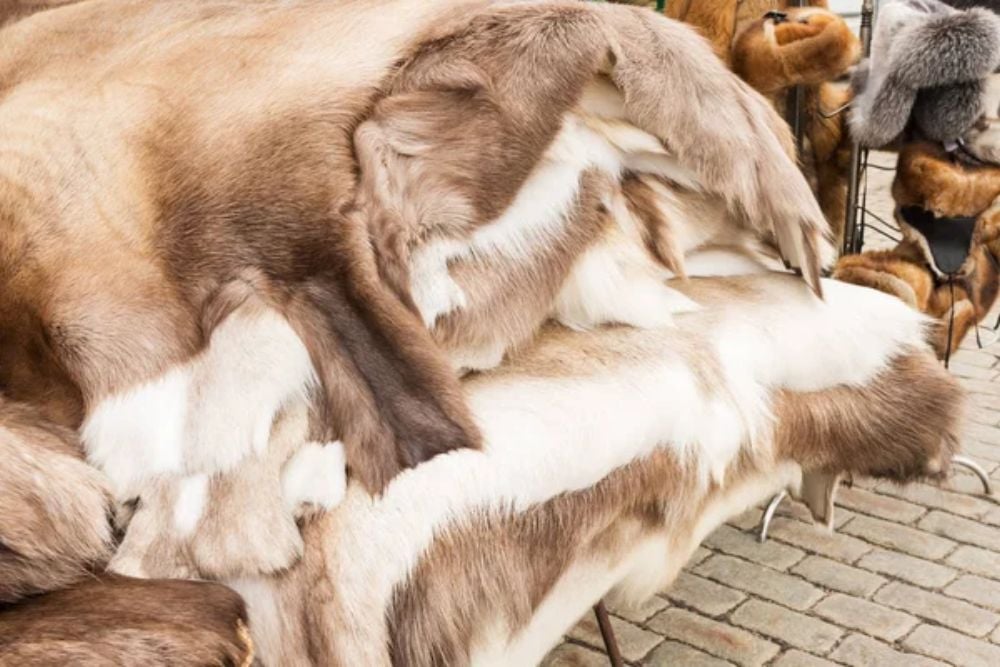
The fashion for fur hats and coats drove several species to the brink of extinction, including sea otters and beavers. In the 19th century, the demand for fashionable beaver hats nearly wiped out North American beaver populations.
The sea otter was hunted down to just 1,000-2,000 animals worldwide before protection efforts began.
High Heels and Chronic Pain

The modern stiletto causes a host of foot problems including bunions, hammertoes, and plantar fasciitis. Long-term wear shifts body weight unnaturally, leading to knee and back problems that can become permanent.
Studies show that 72% of women who wear high heels regularly report foot pain and related issues.
Synthetic Fabrics and Microplastic Pollution
Every time we wash polyester, nylon, and acrylic clothing, thousands of microplastic fibers enter waterways. These tiny particles are now found everywhere from Arctic ice to human placentas.
A single wash of polyester clothing can release up to 700,000 microplastic fibers that marine animals mistake for food.
Crinolines and Fire Deaths
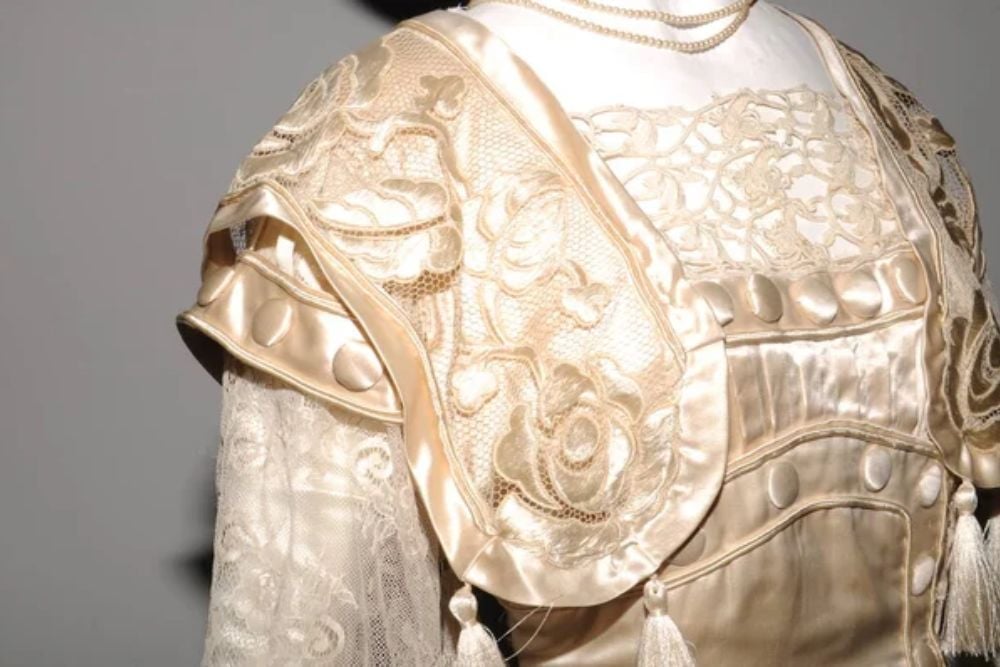
The enormous hoop skirts of the 1850s and 1860s were responsible for numerous deaths when women accidentally caught their dresses on fireplaces or candles. The lightweight cage structures were highly flammable, and their wide circumference made it difficult for wearers to notice when their skirts ignited.
Thousands of women died in crinoline-related fires during this fashion era.
Textile Dyes and River Contamination
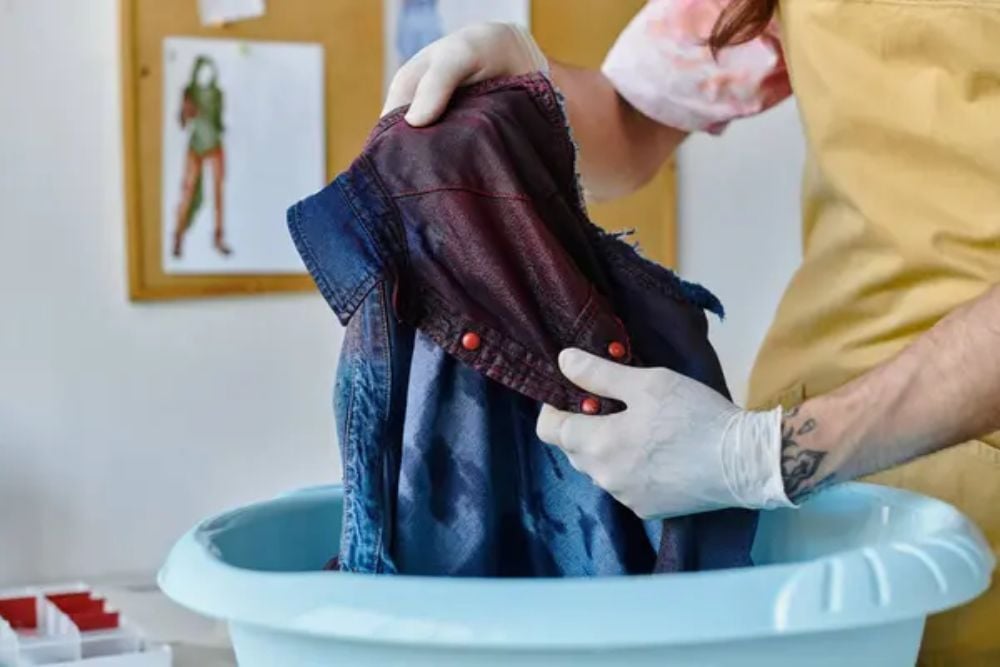
The fashion industry’s chemical dyes have turned rivers in manufacturing countries into vibrant unnatural colors. In Bangladesh and China, waterways near textile factories often run purple, red, or blue from untreated waste.
These toxic chemicals destroy aquatic ecosystems and contaminate drinking water sources for local communities.
Radium Watches and Radiation Poisoning
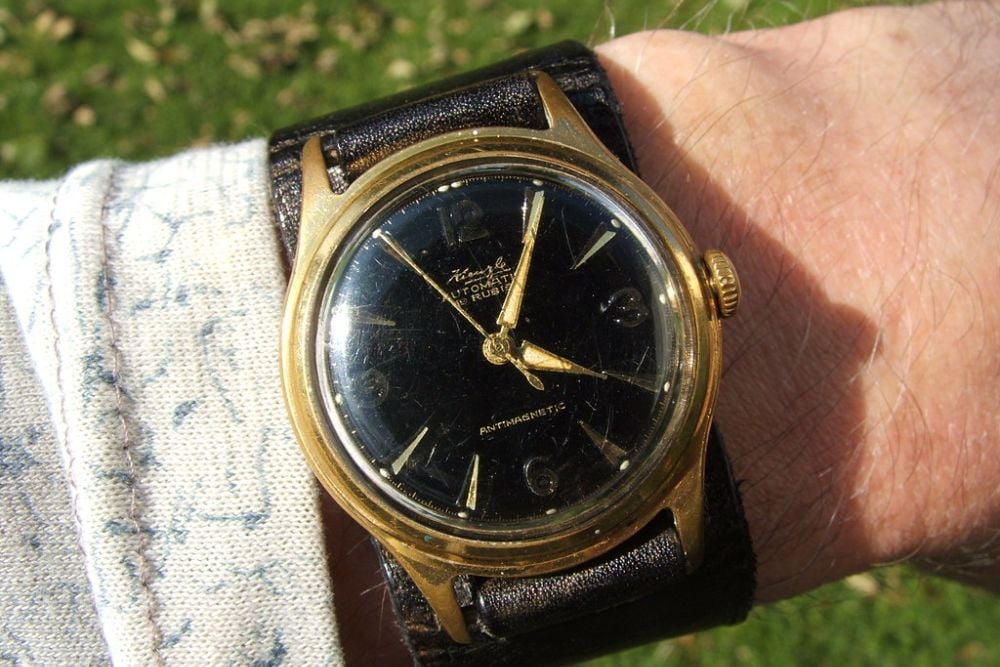
In the early 20th century, glow-in-the-dark watches were painted with radium by factory workers who licked their brushes to create fine points. These ‘Radium Girls’ suffered horrific radiation poisoning, with their bones literally disintegrating.
The fashion for luminous watch dials cost many young women their lives.
Cotton Production and Water Depletion
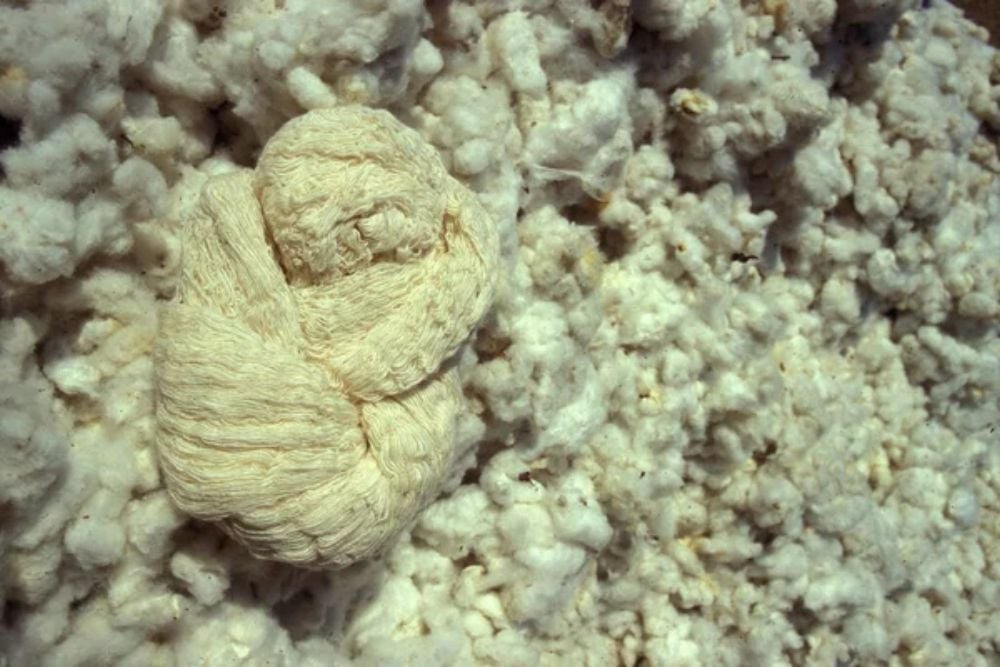
Growing cotton for jeans and t-shirts has drained entire lakes and seas. The Aral Sea in Central Asia lost 90% of its volume largely due to cotton irrigation, creating a desert where fishing communities once thrived.
It takes about 1,800 gallons of water to produce just one pair of cotton jeans.
Platform Shoes and Fall Injuries
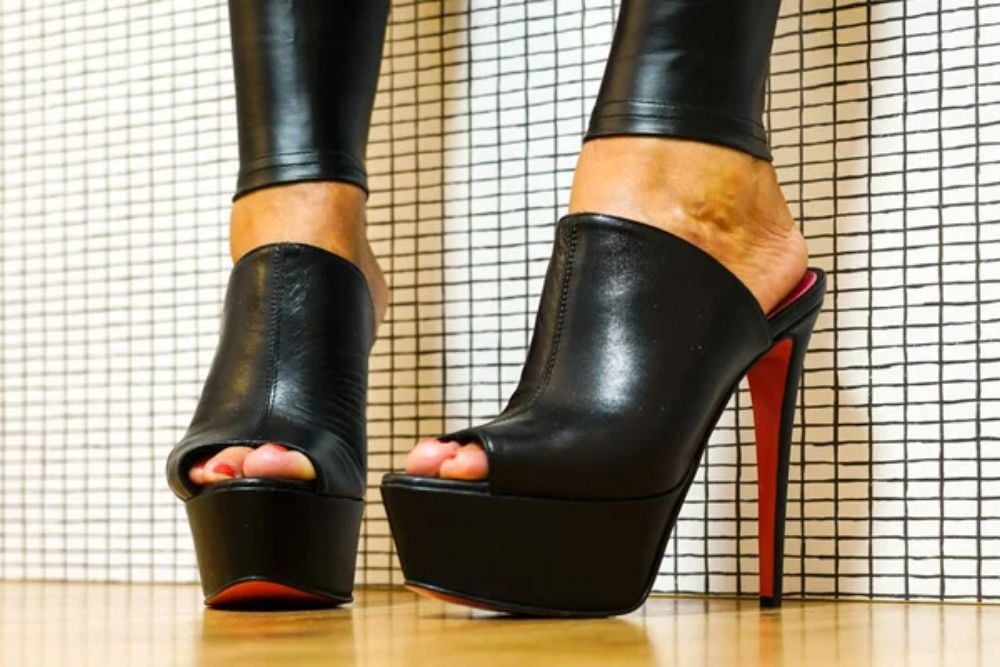
The towering platform shoes of the 1970s and 1990s caused a spike in ankle injuries and falls. Some platforms reached heights of 8-10 inches, making walking a precarious activity.
During the 1970s platform craze, emergency rooms reported significant increases in sprained and broken ankles from fashion-related falls.
Mercury Hat Making and Neurological Damage
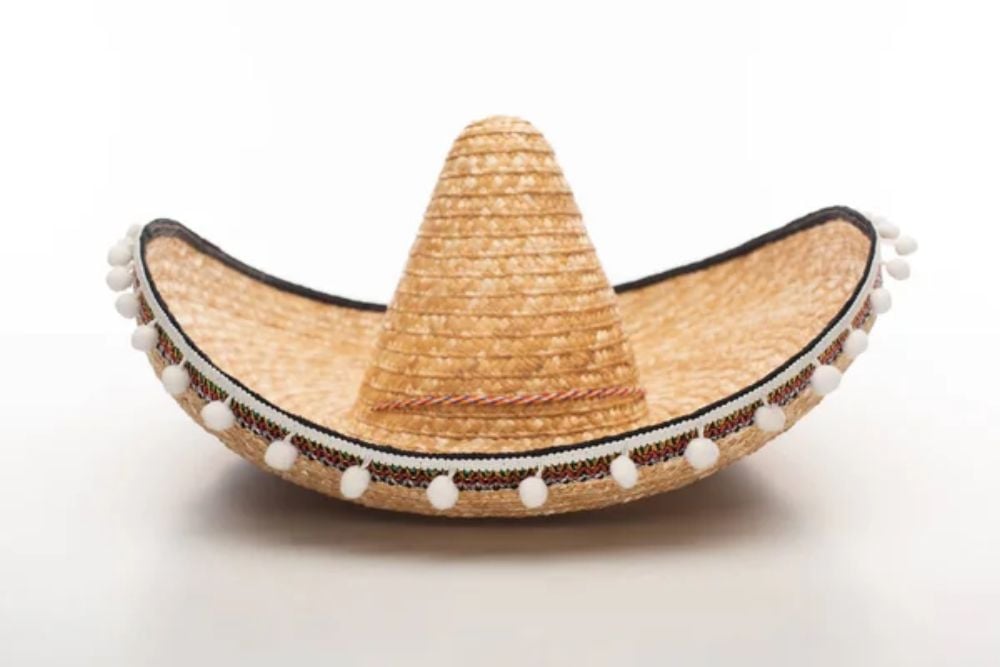
The phrase ‘mad as a hatter’ comes from the neurological damage suffered by hat makers exposed to mercury used in felt processing. Workers in Victorian hat factories developed tremors, slurred speech, and erratic behavior from mercury poisoning.
The fashionable top hats and felt caps of the era came at a terrible cost to those who made them.
Shoulder Pads and Musculoskeletal Issues
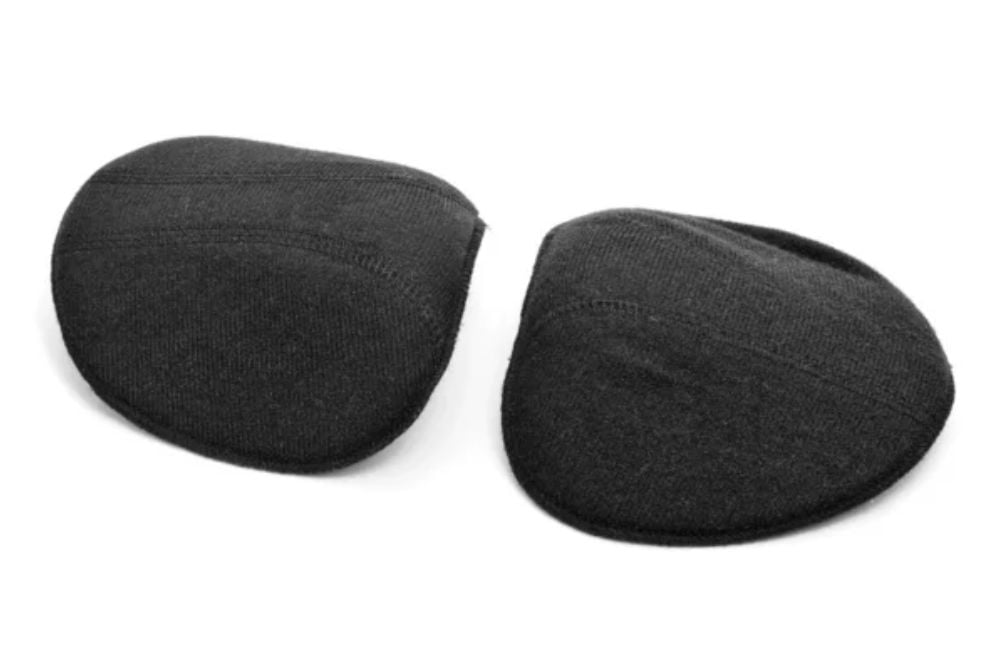
The massive shoulder pads of the 1980s caused neck strain and posture problems for dedicated wearers. The added weight and bulk forced an unnatural stance, with some women developing chronic upper back pain.
Physical therapists reported treating patients specifically for ‘power suit syndrome’ during this fashion trend’s height.
Synthetic Fabric Production and Chemical Pollution

Making polyester and other synthetic fabrics requires petroleum-based chemicals that contaminate the surrounding environments. Factory workers exposed to these chemicals experience higher rates of certain cancers and respiratory diseases.
Each year, textile manufacturing releases about 43 million tons of chemicals into water systems globally.
Skinny Jeans and Nerve Compression

Ultra-tight denim has been linked to a condition called ‘meralgia paresthetica,’ where nerves in the thighs become compressed. A woman in Australia was hospitalized after her skinny jeans caused compartment syndrome, a dangerous buildup of pressure in muscles.
The fashion for spray-on tight jeans has created a whole new category of clothing-related medical issues.
Ivory Accessories and Elephant Poaching
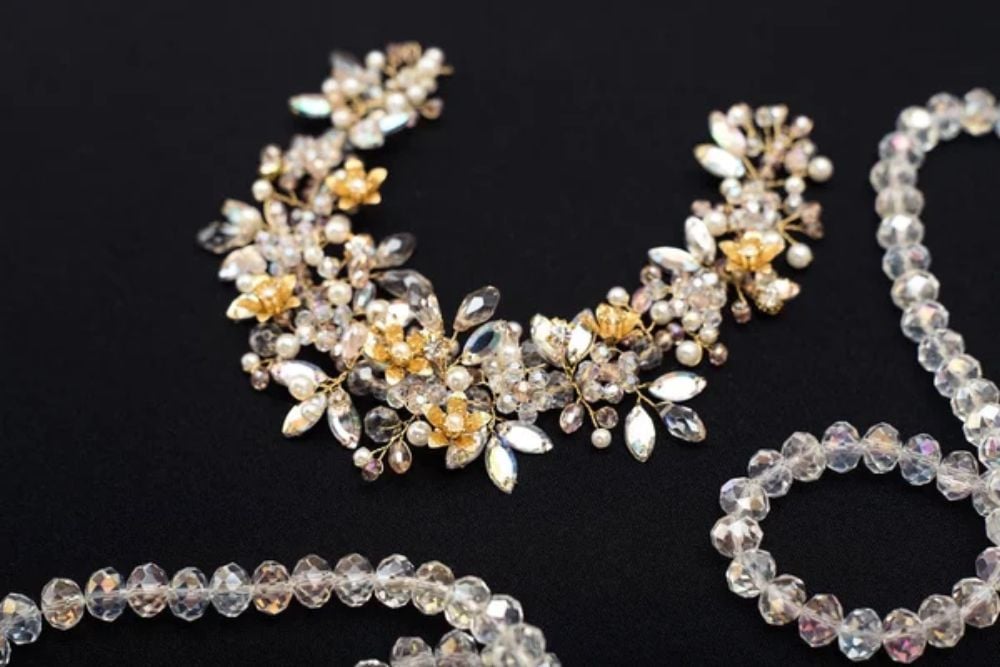
The fashion for ivory combs, piano keys, and jewelry decimated elephant populations across Africa. Between 1979 and 1989 alone, half of Africa’s elephants were killed for their tusks, largely to supply fashion and luxury markets.
Despite ivory trade bans, poaching continues today to meet the demand for fashion accessories.
Plastic Surgery and Body Modification Risks

The pressure to conform to fashion’s changing body ideals has driven dangerous cosmetic procedures. From ribs removed for smaller waists to dangerous injections for fuller lips, fashion-driven modifications carry serious health risks.
The mortality rate for cosmetic procedures is estimated at 1 in 5,000 operations.
Khapra Beetles from Imported Fashion
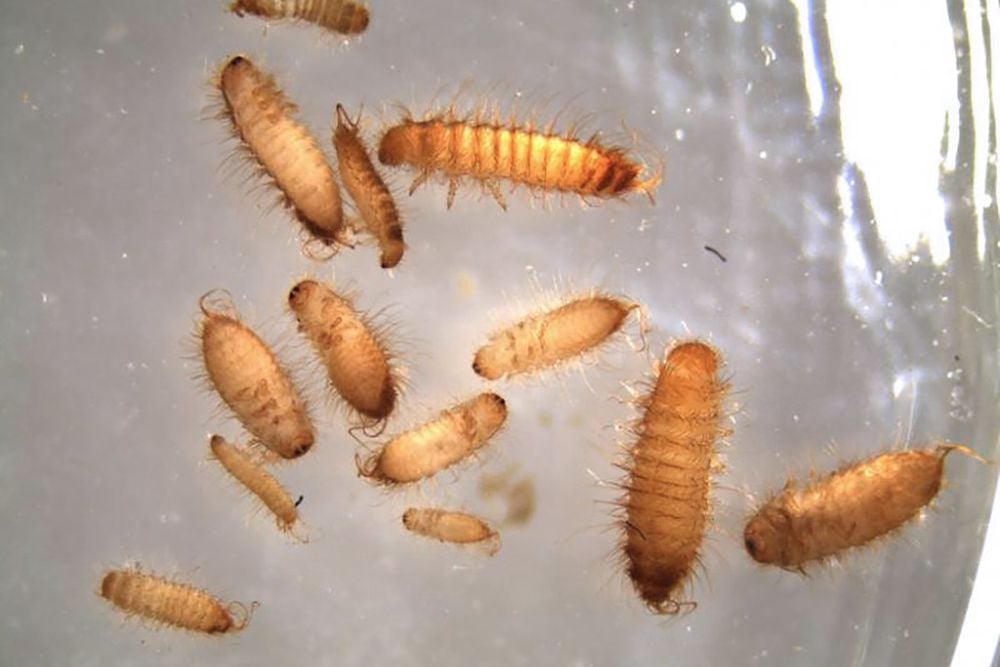
In 1953, imported burlap bags carrying fashion goods accidentally introduced the destructive khapra beetle to California. This pest caused millions in agricultural damage before being eradicated at an enormous expense.
The fashion industry’s global supply chain continues to transport invasive species across continents.
Artificially Distressed Denim and Worker Health
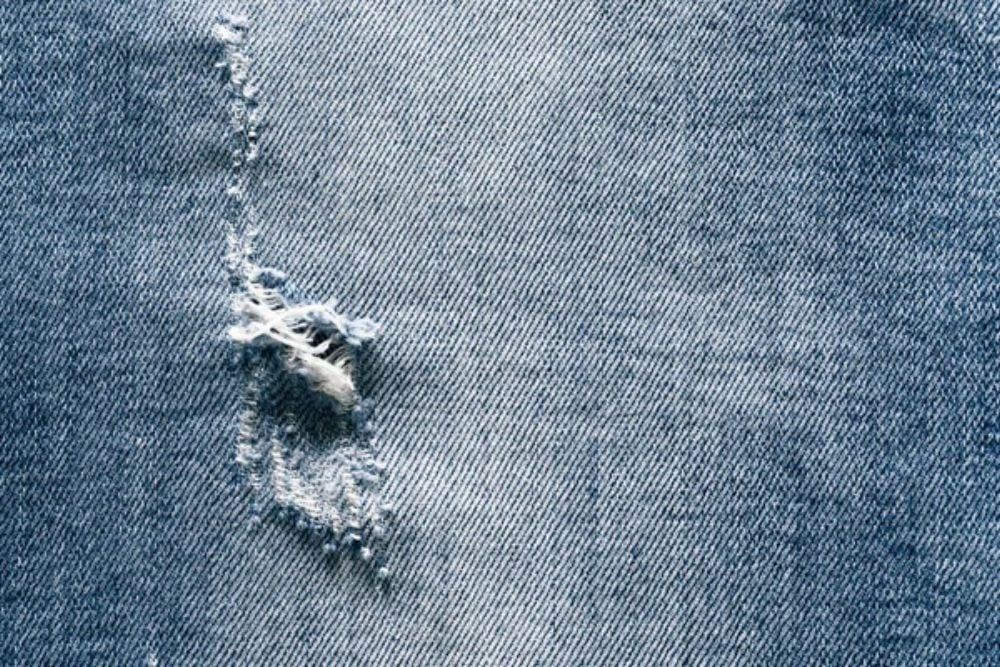
The process of creating pre-worn, distressed jeans often involves sandblasting, which releases silica particles that cause severe lung disease when inhaled. Workers in denim factories have developed silicosis, an incurable lung condition, after breathing in these particles day after day.
In Turkey alone, dozens of garment workers died from silicosis before the country banned the sandblasting technique. Despite health warnings, some manufacturers continue these dangerous practices to meet the demand for perfectly worn-looking jeans.
The Hidden Costs Behind the Scenes

Fashion’s influence extends far beyond what meets the eye, affecting everything from health and ecology to cultural values. What began as simple self-expression has evolved into an industry with enormous power over individuals and environments alike. The clothes we choose reflect not just personal taste, but our relationship with consumption, labor practices, and environmental stewardship.
The next time you admire a stunning outfit or rush to buy the latest trend, consider what might be happening behind the seams. Fashion’s true price tag often includes costs we never see on the receipt.
More from Go2Tutors!

- The Romanov Crown Jewels and Their Tragic Fate
- 13 Historical Mysteries That Science Still Can’t Solve
- Famous Hoaxes That Fooled the World for Years
- 15 Child Stars with Tragic Adult Lives
- 16 Famous Jewelry Pieces in History
Like Go2Tutors’s content? Follow us on MSN.



