15 Science Facts Behind Zombies
The idea of reanimated corpses stumbling around looking for human flesh sounds like pure fantasy, but science tells a much more fascinating story. Real parasites hijack their hosts’ brains, actual diseases can make people act aggressively violent, and some organisms literally come back from the dead. While Hollywood zombies remain firmly in the realm of fiction, the natural world contains plenty of zombie-like phenomena that would make any horror writer jealous.
Think zombies are just movie magic? The truth is way more interesting than that. Here is a list of 15 science facts behind zombies that reveal the terrifying reality lurking in nature.
Ophiocordyceps Fungus Creates Real Zombie Ants

Deep in tropical rainforests, a parasitic fungus called Ophiocordyceps literally turns ants into zombies. The fungus infects an ant’s brain and takes complete control of its behavior, forcing the ant to climb to a specific height and clamp down on a leaf with its jaws.
Once positioned perfectly, the fungus kills the ant and sprouts a spore-releasing stalk from its head. This isn’t science fiction — it’s happening right now in forests around the world, and researchers have documented the entire horrifying process.
Rabies Makes Animals Act Like Classic Zombies
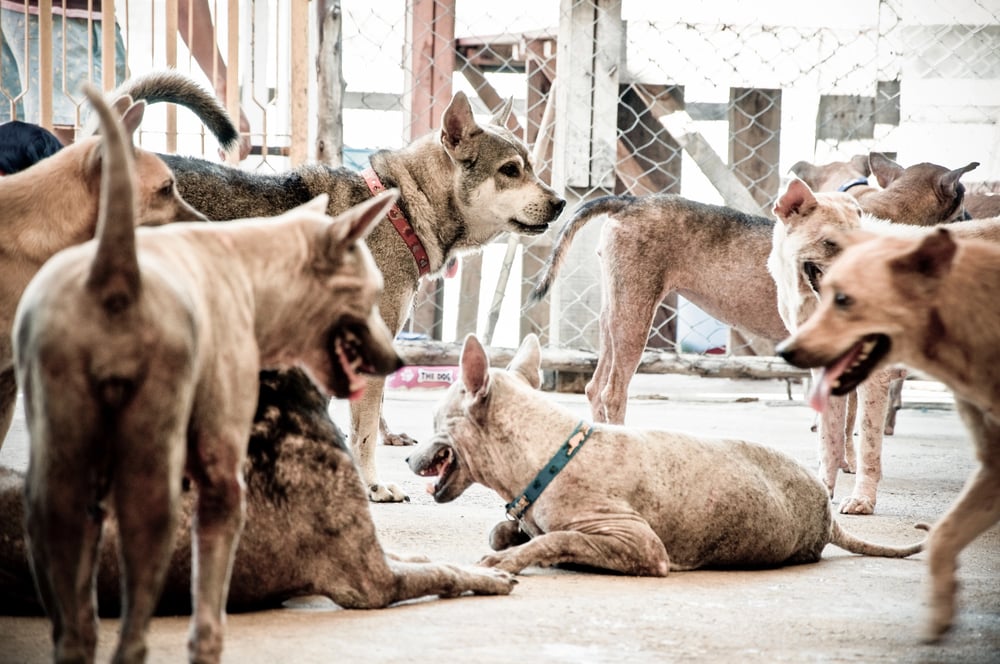
Rabies infections cause symptoms that look disturbingly similar to movie zombie behavior. Infected animals become extremely aggressive, lose their fear of humans, and often attack without provocation.
The virus travels to the brain and causes inflammation that destroys normal behavioral controls. Animals with rabies also develop an aversion to water and have trouble swallowing, which can cause that classic zombie drooling effect.
Like Go2Tutors’s content? Follow us on MSN.
Toxoplasma Gondii Controls Human Behavior

This microscopic parasite infects about one-third of all humans on Earth and can actually change how people behave. Toxoplasma gondii alters brain chemistry in ways that make infected individuals more reckless, aggressive, and less able to control their impulses.
Studies show that people with toxoplasmosis are more likely to get into car accidents, start fights, and engage in risky behavior. The parasite evolved to manipulate its hosts for its own survival, essentially creating a mild form of mind control that affects billions of people.
Prion Diseases Cause Zombie-Like Symptoms

Prions are misfolded proteins that spread through the brain like a contagion, destroying brain tissue and causing fatal neurological diseases. Conditions like Creutzfeldt-Jakob disease make people lose coordination, develop jerky movements, and experience severe personality changes.
Victims often become aggressive, lose the ability to speak coherently, and develop an awkward, stumbling walk that resembles classic zombie movement. These diseases literally eat pits in the brain, creating symptoms that mirror zombie fiction in disturbing ways.
Schistocephalus Parasite Turns Fish Into Zombies

Small freshwater fish infected with Schistocephalus parasites undergo dramatic behavioral changes that make them act like aquatic zombies. The infected fish lose their natural fear of predators and actually swim toward birds that want to eat them.
The parasite needs to get inside a bird’s digestive system to complete its life cycle, so it hijacks the fish’s brain to make this happen. Infected fish swim erratically near the water’s surface, making themselves easy targets for hungry birds.
Like Go2Tutors’s content? Follow us on MSN.
Cotard Syndrome Makes People Think They’re Dead
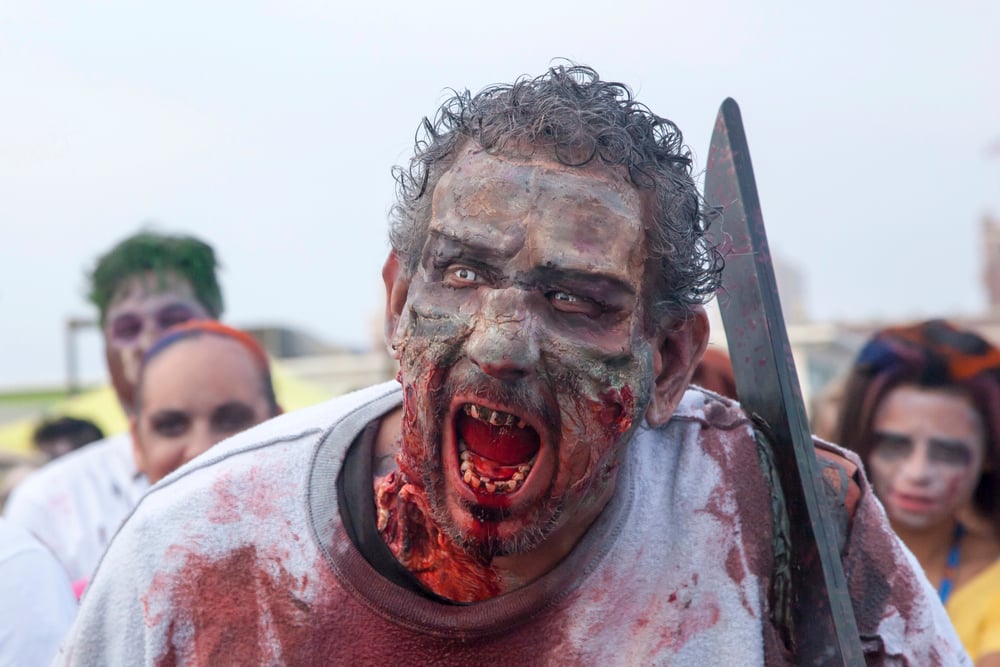
Also known as ‘walking corpse syndrome,’ Cotard syndrome is a rare psychiatric condition where patients genuinely believe they’ve died and become zombies. People with this disorder insist that their organs have stopped working, their flesh is rotting, or that they no longer exist as living beings.
Some patients stop eating because they think dead people don’t need food, while others claim they can smell their own decomposing body. This condition shows how brain chemistry problems can create zombie-like delusions in real people.
Leucochloridium Parasite Creates Zombie Snails
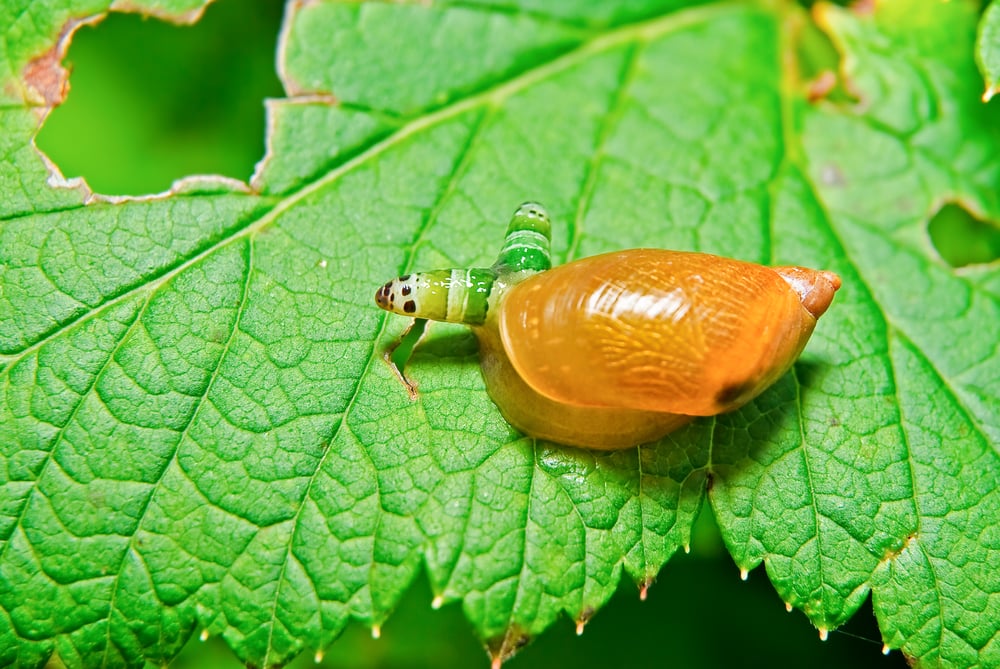
The Leucochloridium parasite turns ordinary snails into pulsating, colorful zombies that attract bird predators. After infecting a snail, the parasite grows into the snail’s eyestalks and makes them swell up with bright, pulsating bands of color.
The infected snail loses its normal hiding behavior and climbs to exposed areas during daylight, essentially advertising itself to birds. The parasite controls the snail so completely that it turns a creature that normally hides from predators into one that actively seeks them out.
Tetrodotoxin Can Create Zombie-Like States

Found in pufferfish and some other marine animals, tetrodotoxin is a powerful neurotoxin that can put people into death-like comas. Victims appear completely dead — no pulse, no breathing, no response to pain — but remain fully conscious and aware of their surroundings.
In Haiti, some researchers believe this toxin might explain certain zombie legends, where people appeared to die and get buried, only to ‘return from the dead’ days later. The toxin essentially creates living people who appear to be corpses.
Like Go2Tutors’s content? Follow us on MSN.
Dicrocoelium Parasite Makes Ants Self-Destructive
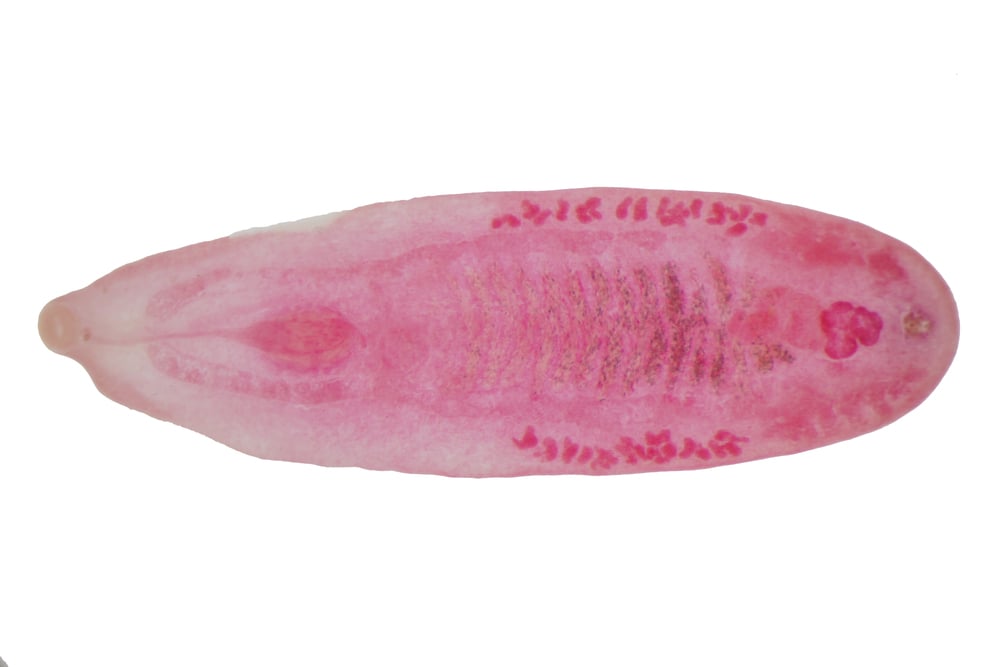
The lancet liver fluke Dicrocoelium dendriticum turns ants into zombie-like creatures with a death wish. Infected ants climb to the tips of grass blades and clamp their jaws shut, staying there even when the sun comes up and exposes them to predators.
The parasite needs to get inside grazing animals like sheep or cattle to reproduce, so it forces the ant to position itself where it’s most likely to be eaten. The ant becomes a zombie slave working toward its own destruction.
Wolbachia Bacteria Creates Zombie Reproduction

Wolbachia bacteria infects many insect species and manipulates their reproduction in zombie-like ways. In some cases, the bacteria kills all male offspring, creating populations of zombie-like females that can only produce more females.
In other species, Wolbachia forces infected males to become functional females, completely changing their biology and behavior. The bacteria essentially hijacks the host’s reproductive system and turns it into a factory for making more infected insects.
Hairworms Turn Crickets Into Water-Seeking Zombies
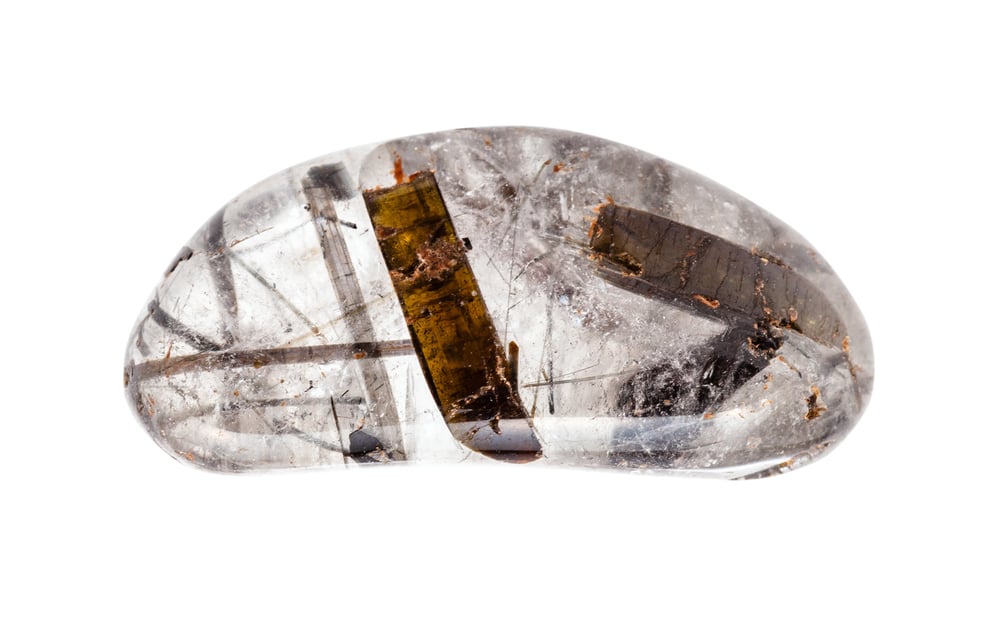
Horsehair worms, also called hairworms, grow inside crickets and other insects before taking control of their host’s behavior. When the worm is ready to reproduce, it releases chemicals that drive the cricket to seek out water — something crickets normally avoid.
The infected cricket becomes obsessed with finding water and will jump into pools, streams, or any body of water it can find. Once in the water, the worm bursts out of the cricket’s body to mate and lay eggs, leaving behind a drowned zombie host.
Like Go2Tutors’s content? Follow us on MSN.
Rigocin Protein Acts Like Biological Warfare

Some bacteria produce a protein called rigocin that works like a biological zombie weapon against other bacteria. Rigocin doesn’t just kill target bacteria — it turns them into factories for producing more rigocin proteins.
The infected bacteria become zombie-like producers of the very weapon that destroyed them, spreading the protein to other bacterial cells. This creates a chain reaction where dead bacteria continue working to kill their former neighbors.
Amphetamine Parasites Create Hyperactive Zombies

Certain parasitic wasps inject amphetamine-like chemicals into their victims to create hyperactive zombie hosts. The chemicals make caterpillars and other insects become extremely active and aggressive, which helps the developing wasp larvae inside them get more nutrients.
These zombie hosts work tirelessly to feed the parasites growing inside their bodies, often eating much more than normal and moving constantly. The amphetamine injection essentially turns calm insects into manic zombies serving their parasitic masters.
Glyptapanteles Wasp Creates Bodyguard Zombies
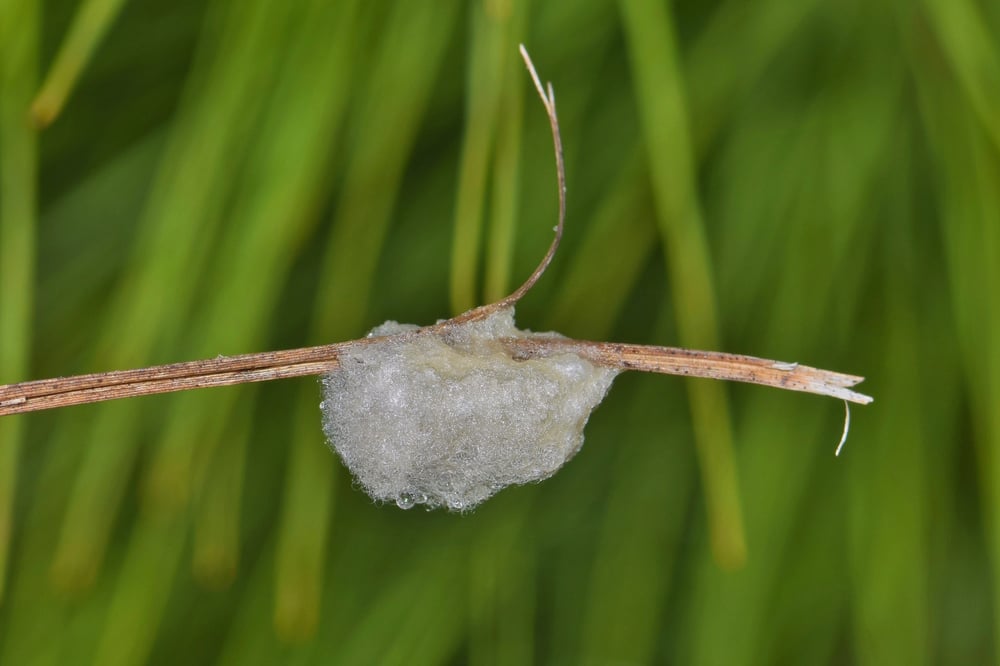
The Glyptapanteles wasp turns caterpillars into zombie bodyguards that protect the wasp’s developing young. After the wasp larvae emerge from the caterpillar’s body to form cocoons, the caterpillar doesn’t die — instead, it becomes a devoted guardian.
The zombie caterpillar stops eating and moving around, focusing entirely on protecting the wasp cocoons from predators. It will violently attack anything that comes near the cocoons, defending the very parasites that destroyed its normal life.
Like Go2Tutors’s content? Follow us on MSN.
Spinochordodes Parasite Controls Spider Behavior
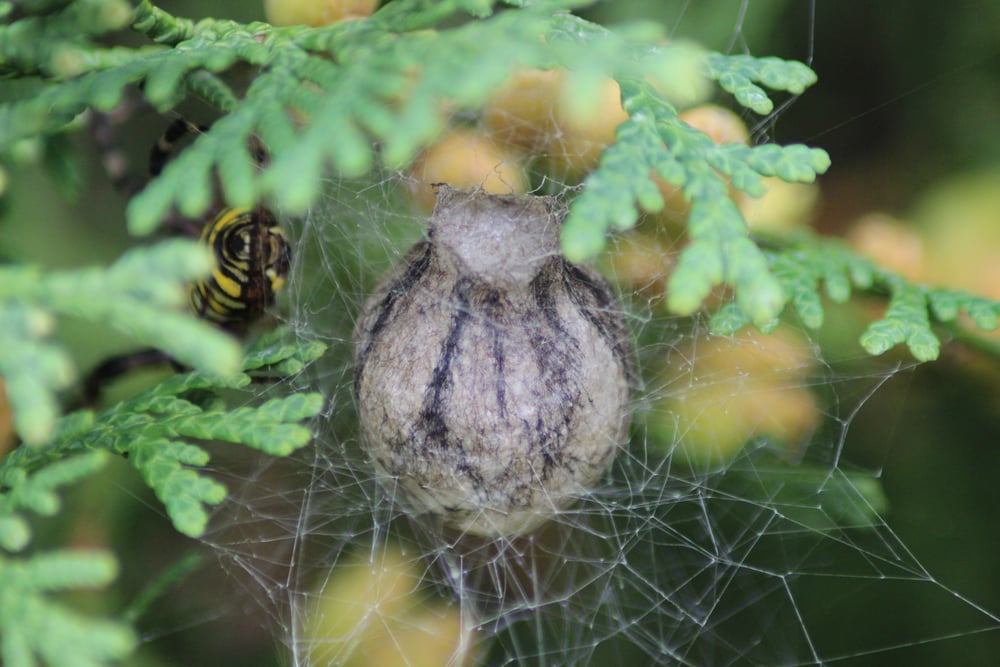
The Spinochordodes hairworm infects spiders and completely rewrites their behavior patterns to serve the parasite’s needs. Infected spiders stop building their normal webs and instead create special ‘cocoon webs’ designed to protect the developing worm inside them.
The spider becomes a zombie construction worker, using its web-building skills to create the perfect environment for its parasite. When the worm is ready to emerge, it forces the spider to move near water, where it can complete its life cycle.
Nature’s Zombie Apocalypse Is Already Here

These real-world examples of parasitic mind control reveal that zombie-like phenomena have been happening in nature for millions of years, long before humans invented horror movies. Parasites have evolved incredibly sophisticated methods for hijacking their hosts’ brains and turning them into biological robots programmed to serve parasitic goals.
While human zombies remain fictional, the natural world demonstrates that mind control, behavioral manipulation, and biological hijacking are very real survival strategies. Scientists continue discovering new examples of parasitic zombification across dozens of species, proving that nature’s zombie apocalypse has been quietly unfolding around us this entire time.
More from Go2Tutors!

- 16 Historical Figures Who Were Nothing Like You Think
- 12 Things Sold in the 80s That Are Now Illegal
- 15 VHS Tapes That Could Be Worth Thousands
- 17 Historical “What Ifs” That Would Have Changed Everything
- 18 TV Shows That Vanished Without a Finale
Like Go2Tutors’s content? Follow us on MSN.