23 Old Mechanical Pencils That Writing Collectors Pay Premium For
The quiet click of a mechanical pencil might seem unremarkable today, but for collectors who understand the craft behind precision writing instruments, that sound carries decades of engineering innovation. Some mechanical pencils from bygone eras have become treasured artifacts, commanding hundreds or even thousands of dollars at auction.
These aren’t just writing tools—they’re pieces of industrial art that represent the pinnacle of their makers’ ambitions, back when companies competed not just on function but on the subtle pleasure of putting graphite to paper.
Parker 51 Liquid Lead Pencil
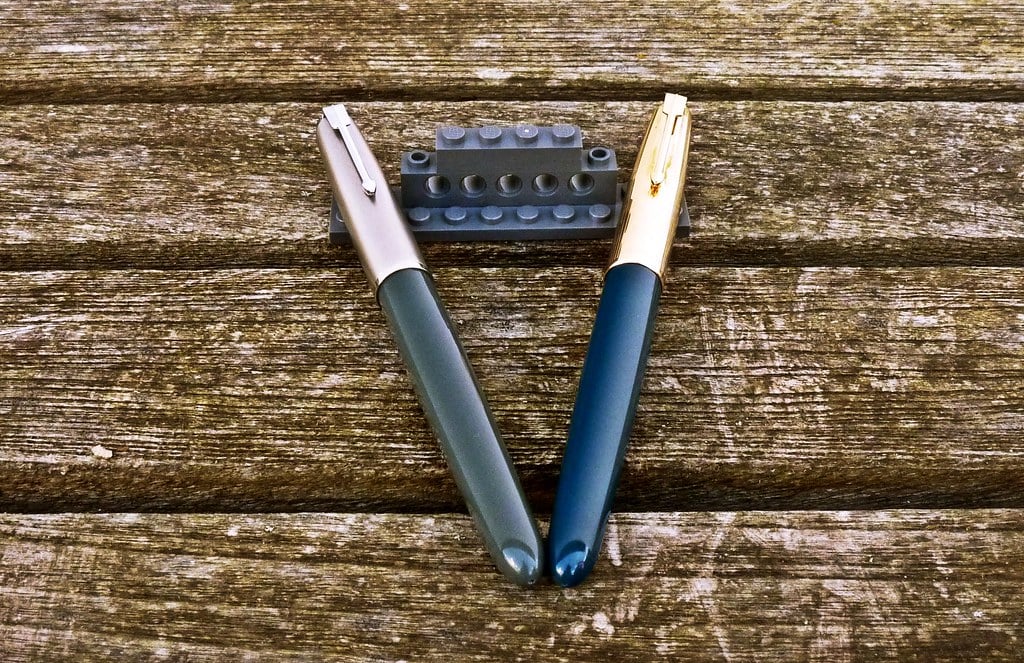
This pencil doesn’t mess around. Parker released it in the 1950s alongside their famous fountain pen, and collectors treat it like mechanical royalty.
The hooded design and revolutionary liquid graphite system made other pencils look primitive by comparison.
Eversharp Skyline
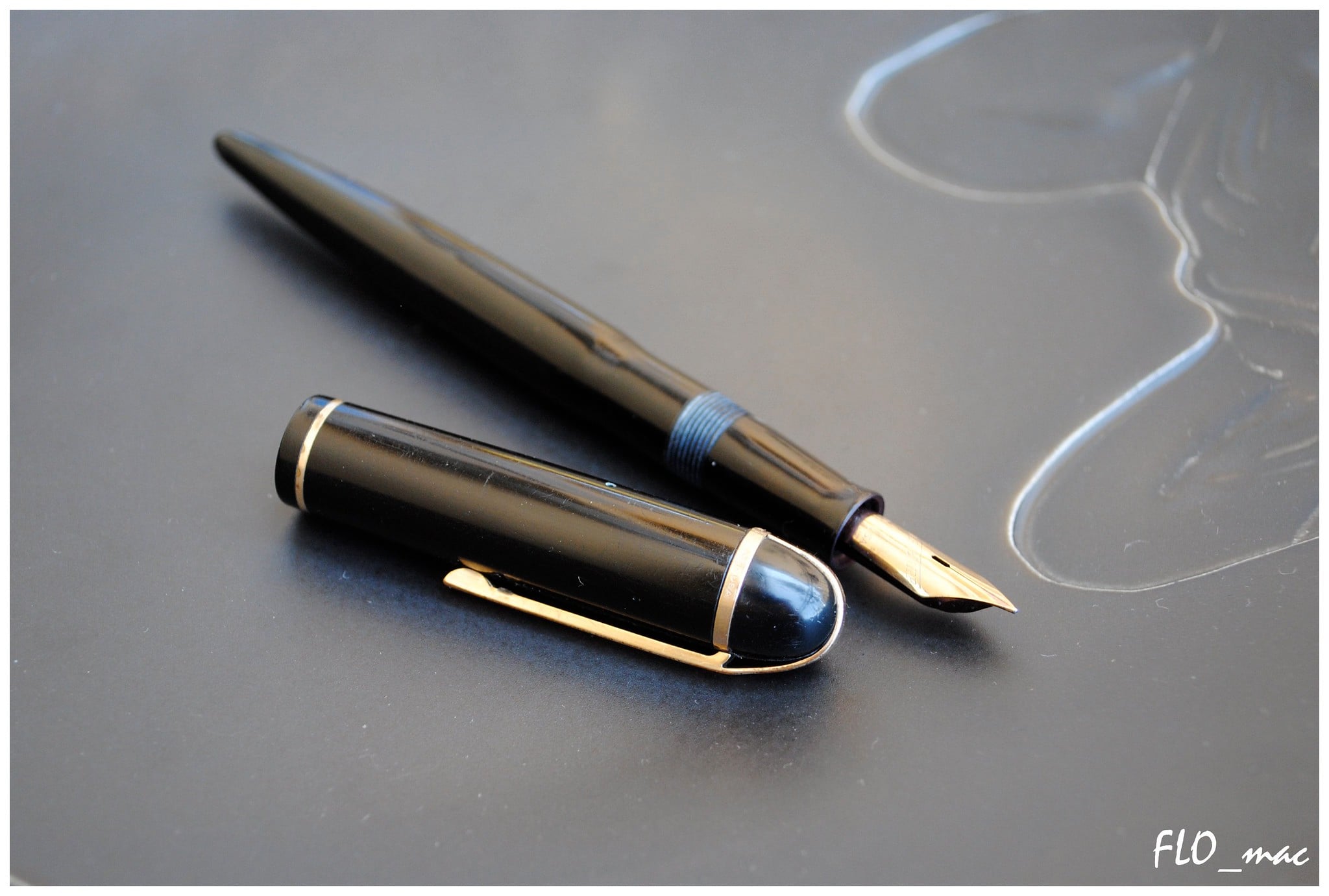
The Art Deco movement found its way into everything during the 1940s, and mechanical pencils were no exception—though most attempts at “streamlined modern design” ended up looking like chrome toothpicks with delusions of grandeur. But the Eversharp Skyline (which somehow managed to capture the optimism of an entire era in a writing instrument) actually pulled it off, creating something that felt both futuristic and substantial in the hand.
The stepped profile wasn’t just aesthetic posturing; it gave the pencil a balance that made extended writing sessions feel less like work and more like collaboration with a well-engineered tool.
Yard-O-Led Diplomat
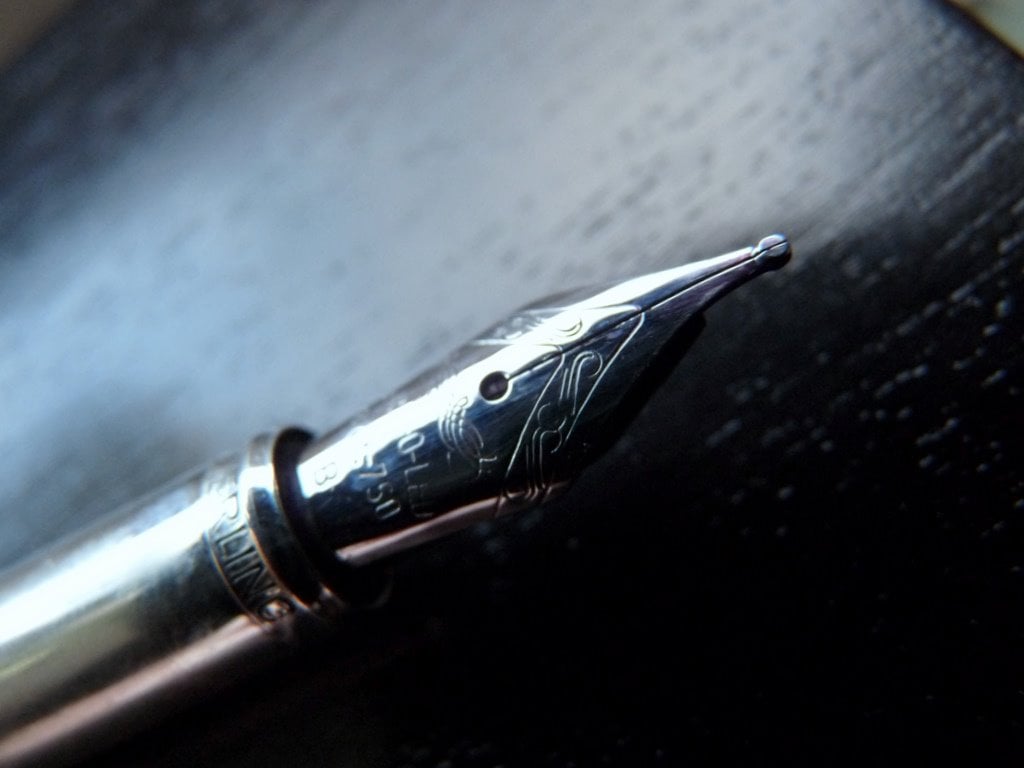
There’s something almost ceremonial about a pencil made entirely from sterling silver, as if the act of writing suddenly requires the same reverence as signing treaties or christening ships. The weight sits in your palm like a small, purposeful anchor—heavy enough to remind you that whatever you’re about to write down probably matters more than grocery lists or phone numbers.
English craftsmanship from the 1950s didn’t apologize for taking itself seriously, and the Diplomat carries that confidence in every line it draws.
Autopoint All-American
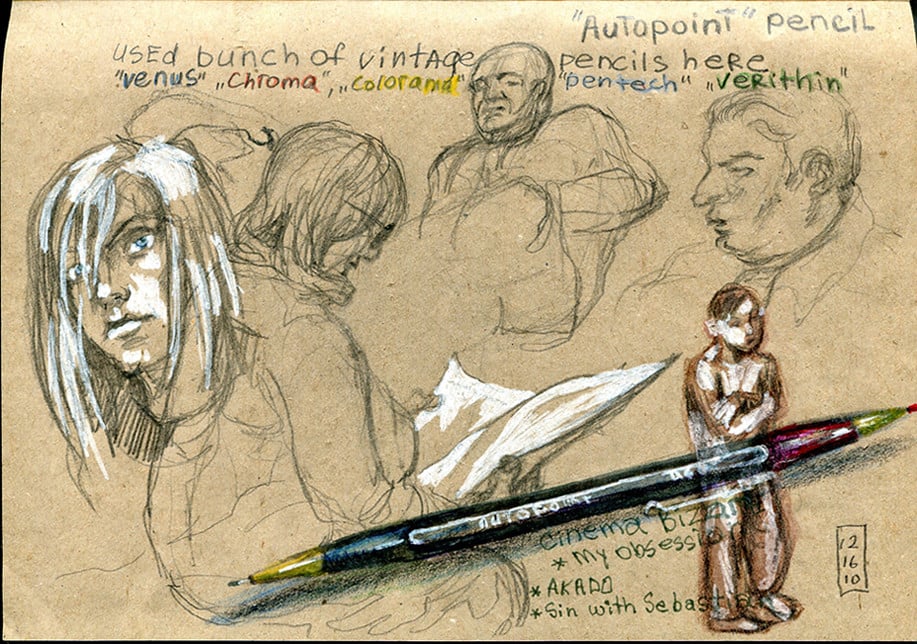
American manufacturing in the 1940s meant building things to outlast wars, economic downturns, and whatever else the future might throw at them. The All-American wasn’t trying to be elegant—it was trying to be indestructible, which turned out to be its own form of beauty.
Collectors pay premium prices for pencils that their grandchildren could theoretically inherit and use.
Conway Stewart 58
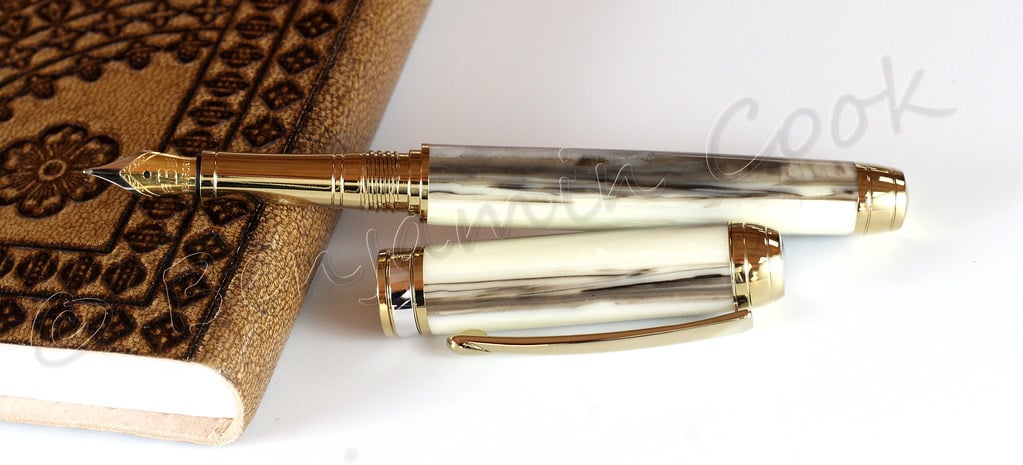
British pen companies understood something about understated luxury that their flashier competitors missed entirely. The Conway Stewart 58 doesn’t announce itself with chrome details or exotic materials—it simply works with the kind of reliability that makes you forget you’re holding a mechanical pencil at all (which, paradoxically, is exactly what makes it memorable).
The propelling mechanism operates with the kind of smooth precision that suggests its makers viewed mechanical tolerances as a form of craftsmanship rather than mere manufacturing detail.
Cross Classic Century
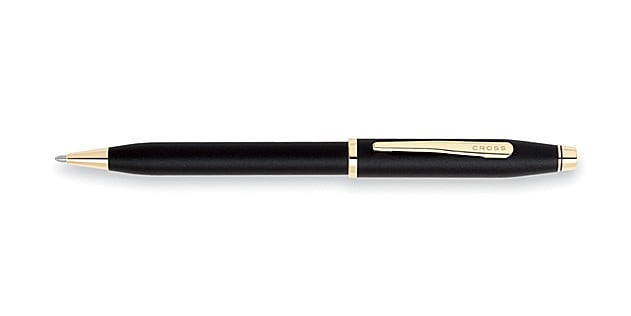
Cross made a calculated bet that simplicity would outlast complexity, and forty years later, collectors still prove them right. The Century looks like someone distilled the concept of “mechanical pencil” down to its essential elements and stopped there.
No flourishes, no unnecessary details—just a writing instrument that does exactly what it promises and nothing more.
Pilot H-1005
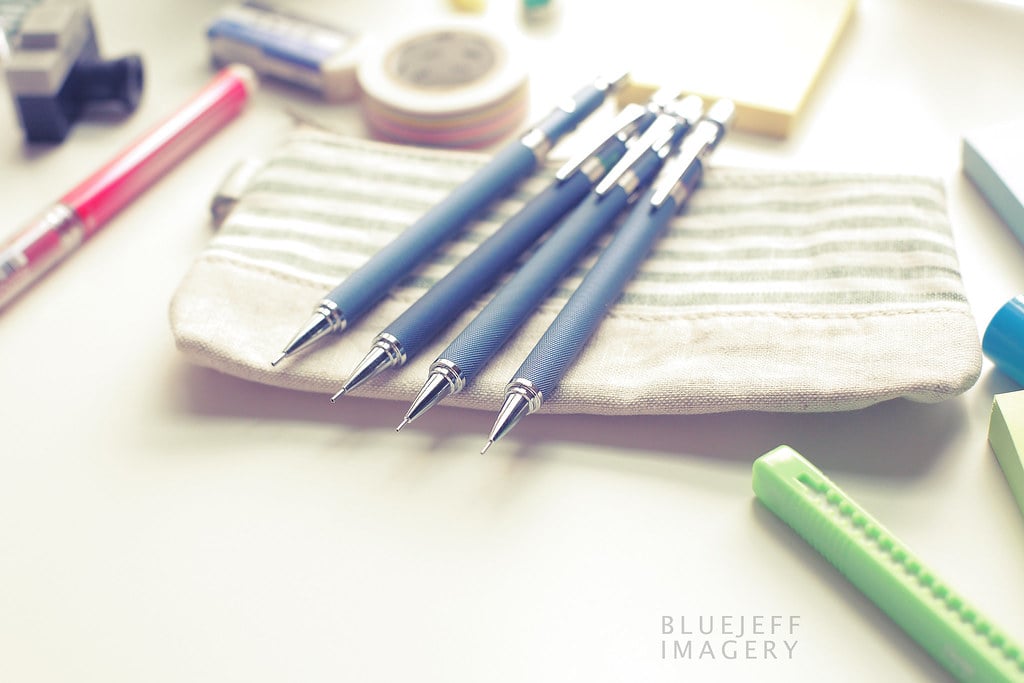
Japanese precision engineering meets the specific demands of technical drawing, creating something that feels less like a writing instrument and more like a scientific instrument that happens to make marks on paper. The lead sleeve extends far enough to work with rulers and templates, but the real magic lives in the clutch mechanism—a tiny marvel of springs and tolerances that grips 0.5mm lead with the consistency of a machine.
Collectors who understand drafting pay serious money for pencils that treat technical accuracy as an art form rather than just a requirement.
Rotring 600
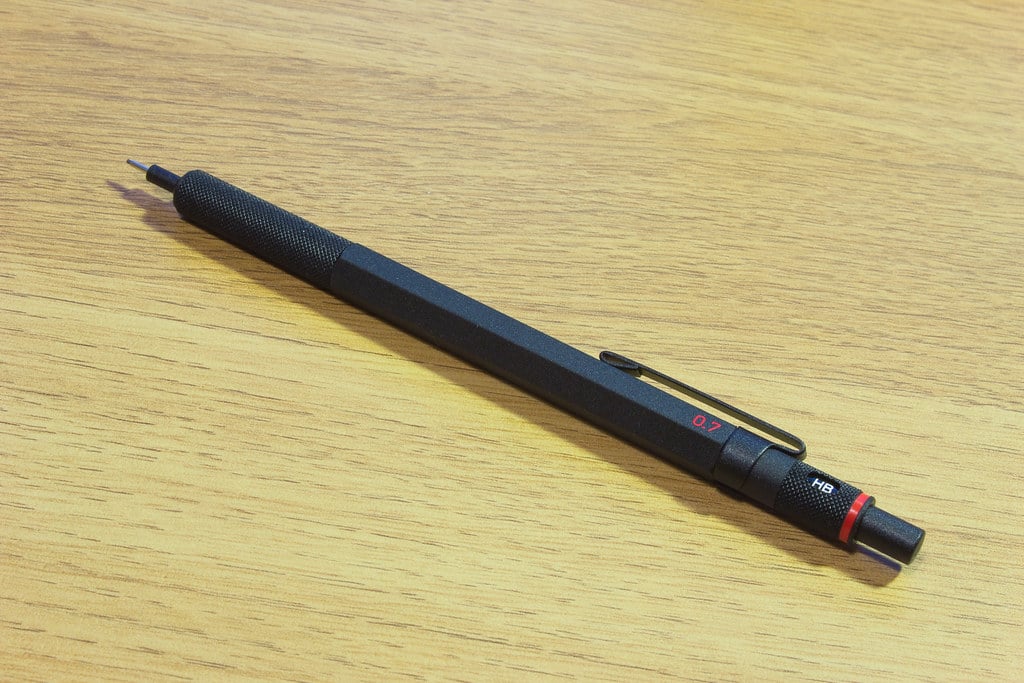
German engineering philosophy in pencil form means every component serves a specific function, and aesthetic decisions get made only after mechanical requirements are satisfied. The knurled grip isn’t decorative—it prevents slipping during precise work, even when your hands are slightly damp from concentration.
Technical professionals in the 1980s relied on these pencils for work where mistakes had real consequences, which explains why collectors treat them with something approaching reverence.
Pentel Sharp Kerry
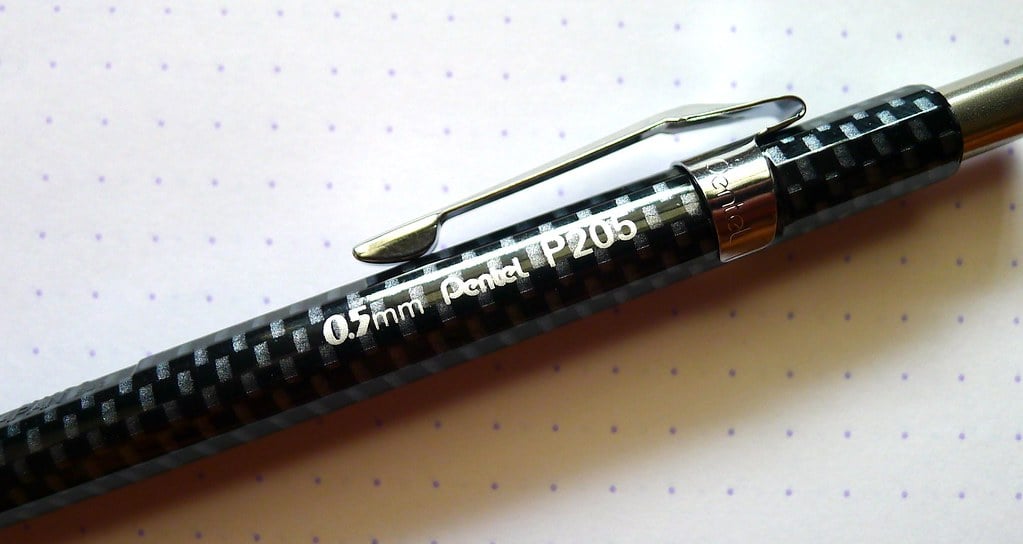
The cap-posting system transforms this pencil from pocket-sized practicality into full-length functionality—a bit like watching a telescope extend, except the stakes are lower and the satisfaction is oddly higher. Pentel designed the Kerry for people who needed a real pencil in a small package, back when “portable” meant something more specific than just “not permanently mounted to a desk.”
The mechanism clicks with the kind of precision that suggests Japanese manufacturing standards applied to something as humble as graphite advancement.
Staedtler 925-25
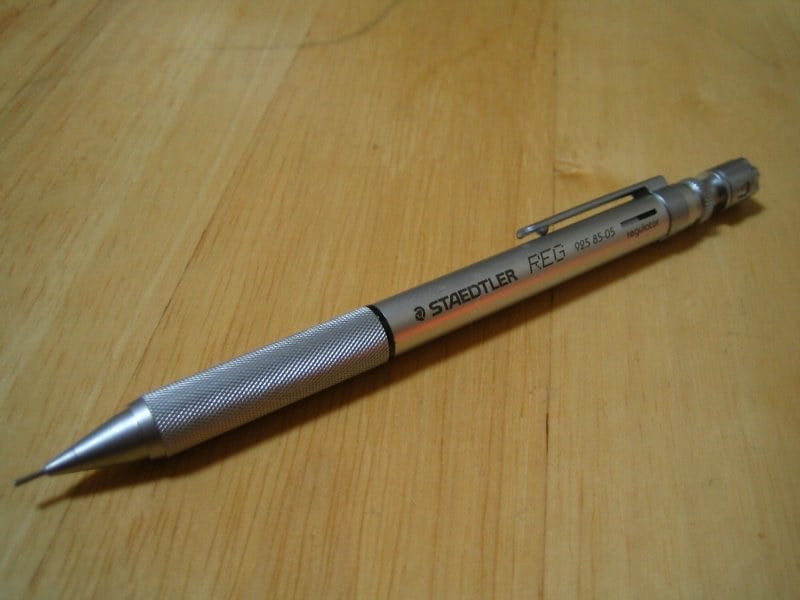
Drafting pencils demand different virtues than writing pencils—steadiness over comfort, precision over speed, reliability over personality. The 925-25 delivers these qualities with Germanic thoroughness, creating a tool that feels more like an extension of your hand than a separate object you happen to be holding (which probably explains why architects and engineers develop almost personal relationships with specific pencils rather than treating them as interchangeable supplies).
The lead grade indicator isn’t just convenient; it’s a small acknowledgment that serious technical work requires the right hardness for the specific task at hand.
A. T. Cross Townsend
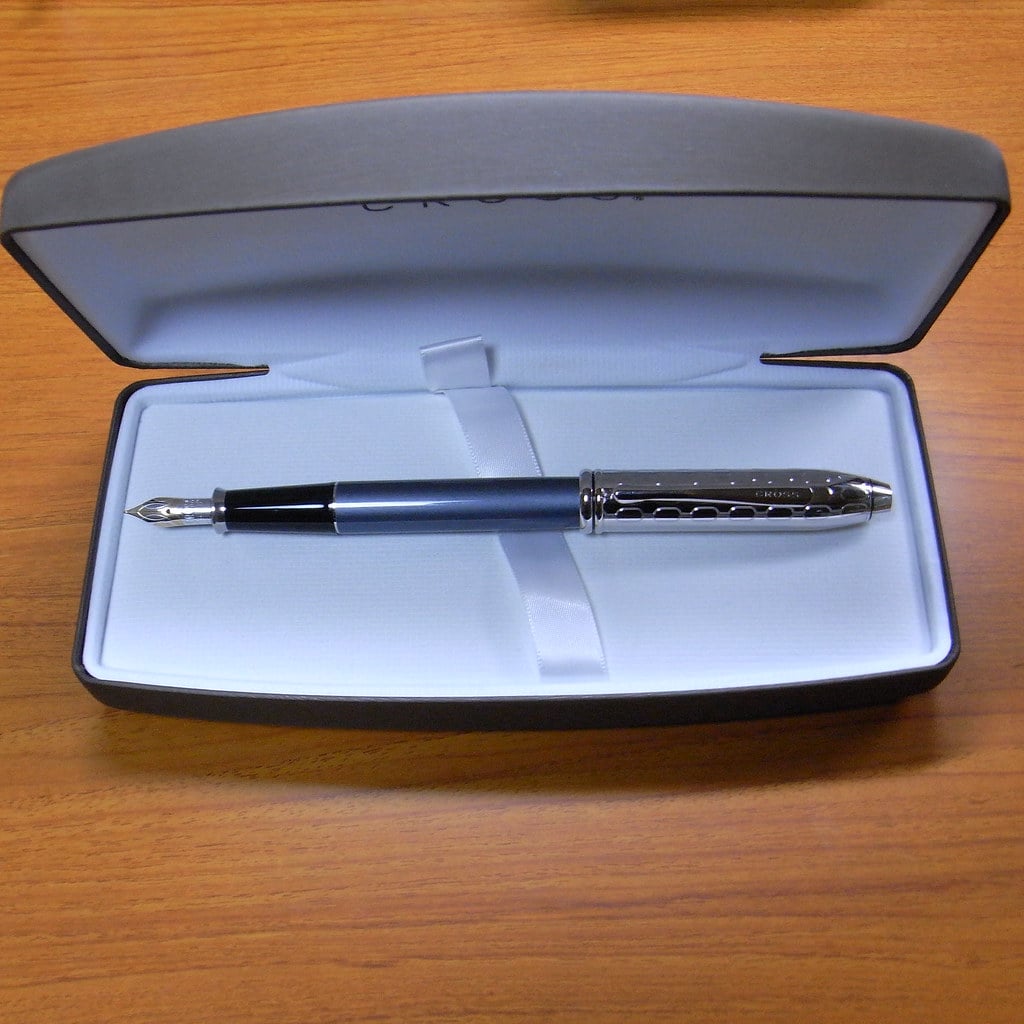
Cross decided that if fountain pens could be luxury objects, mechanical pencils deserved the same treatment. The Townsend weighs enough to remind you it’s there without becoming cumbersome—a balance that’s harder to achieve than it sounds.
Collectors appreciate the kind of attention to detail that shows up in the twist mechanism and the way the clip maintains tension after decades of use.
Faber-Castell TK 9400
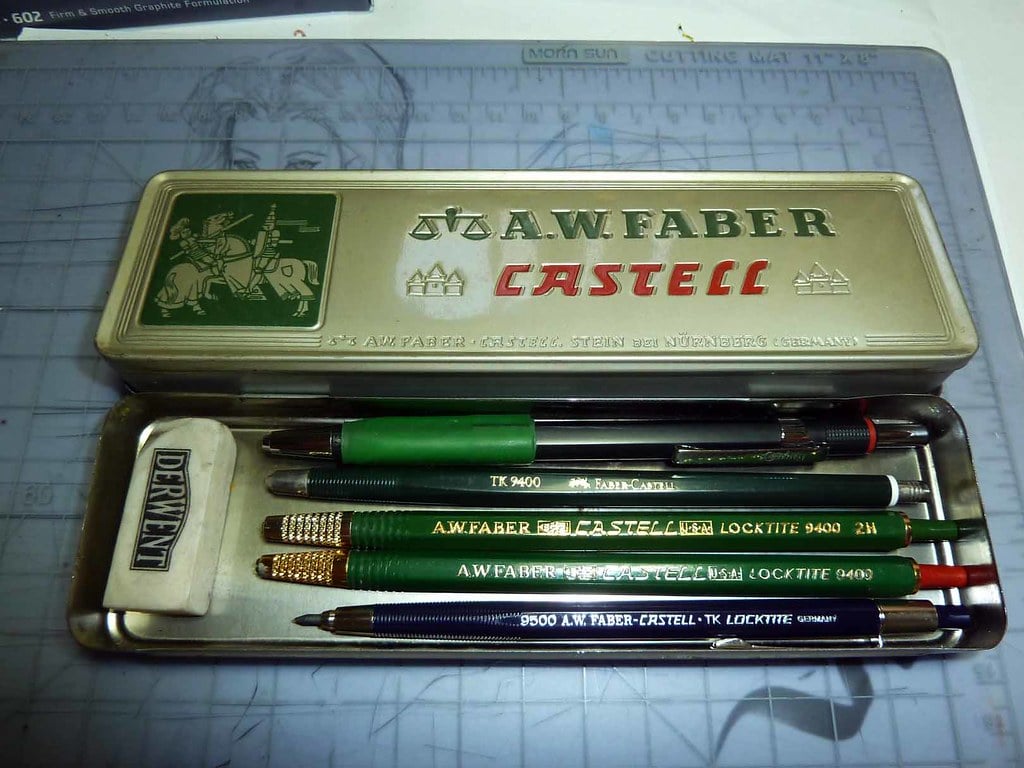
Technical drawing requires tools that won’t introduce variables into precise work, and the TK 9400 approaches this requirement with the seriousness of a laboratory instrument. The clutch mechanism grips 2mm leads with consistent pressure, while the push-button advancement system moves graphite in predictable increments—small details that matter enormously when you’re working to tolerances measured in fractions of millimeters.
Collectors who understand technical drawing pay premium prices for pencils that treat precision as a fundamental responsibility rather than just a marketing claim.
Parker Jotter Mechanical Pencil
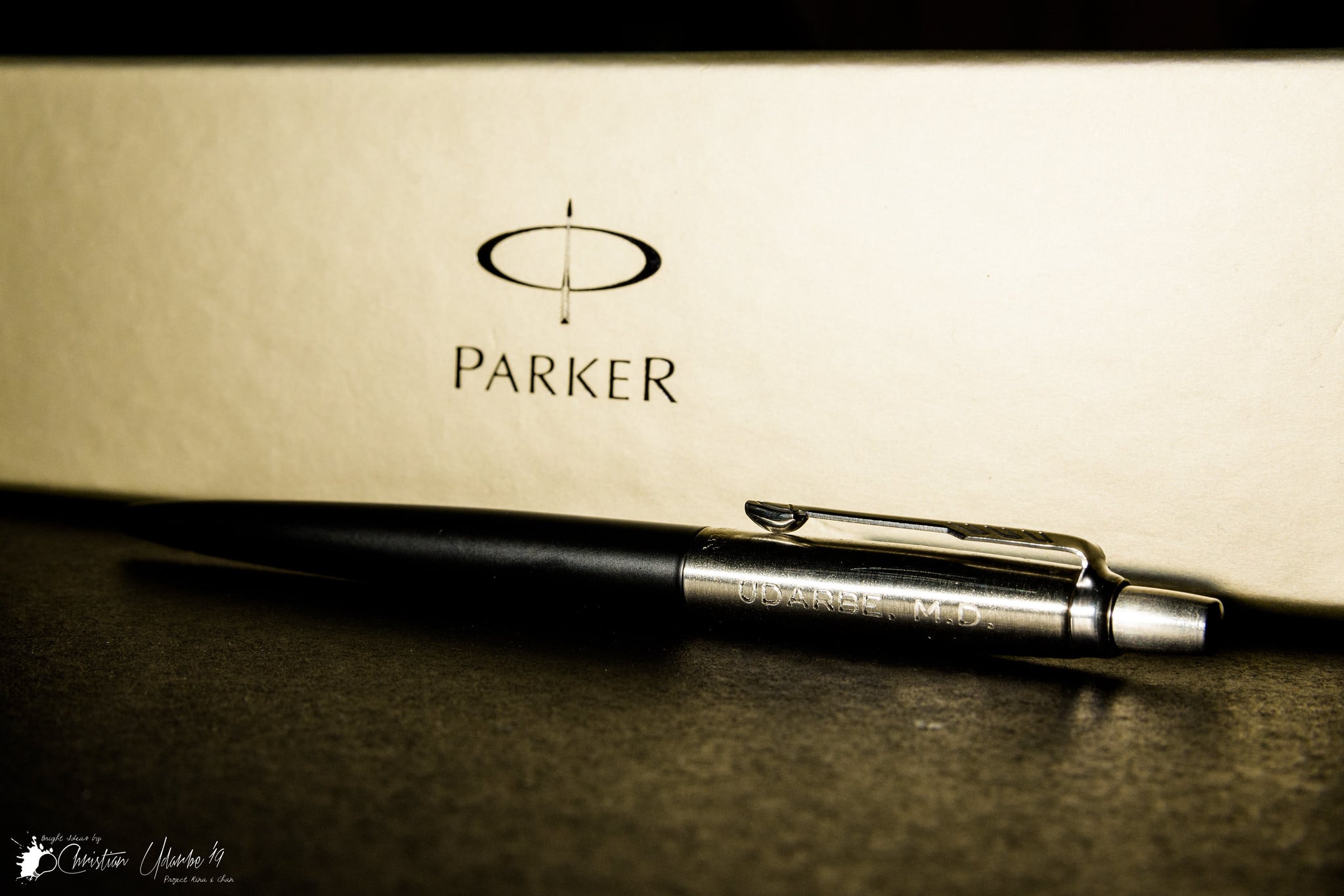
The Jotter proves that iconic design translates across different writing mechanisms—the same clean lines and reliable function that made Parker’s ballpoint pen famous work equally well for mechanical graphite advancement. The click-advance system operates with satisfying mechanical precision, while the stainless steel construction promises to outlast most of its users.
Collectors appreciate tools that achieve their goals without unnecessary complication or decoration.
Uni Kuru Toga
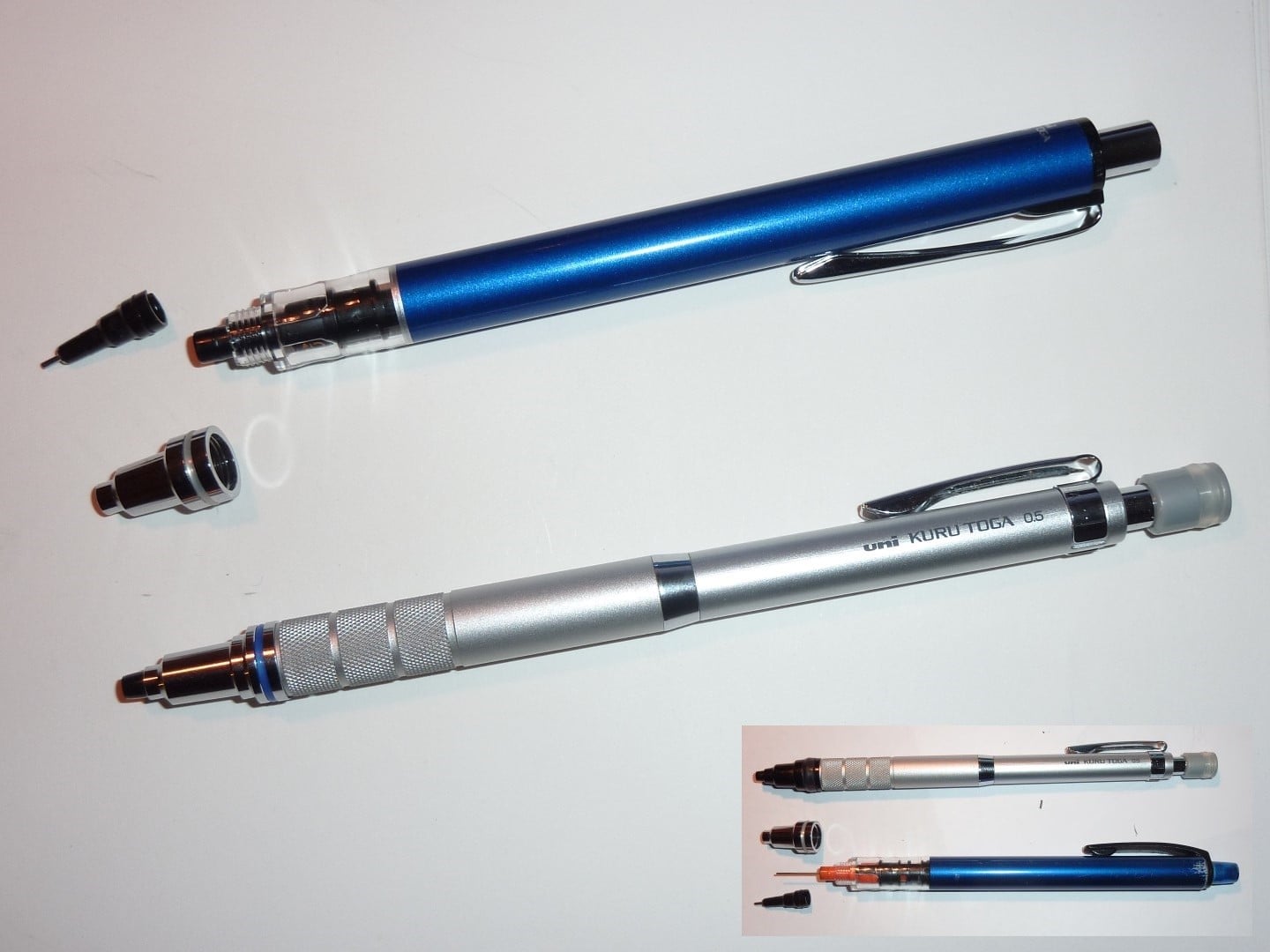
The rotating lead mechanism represents genuine innovation in a field where most “improvements” amount to aesthetic changes or marketing gimmicks—here’s a pencil that actually solves the fundamental problem of lead wearing unevenly during extended writing sessions. Each click of the advance button rotates the graphite slightly, maintaining consistent line width and darkness without requiring manual adjustment (which sounds like a minor convenience until you’ve spent hours taking notes or working on detailed drawings).
Collectors appreciate mechanical solutions to real problems, especially when they’re implemented with Japanese precision.
Alvin Draft-Matic
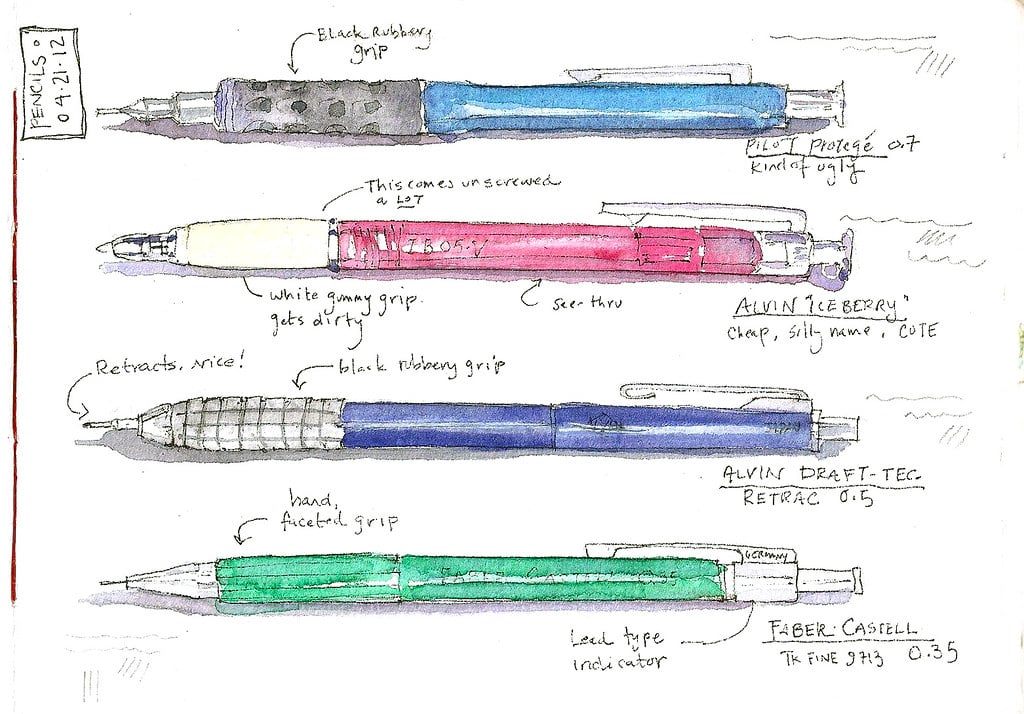
Professional drafting requires tools that introduce no variables into precise technical work, and the Draft-Matic approaches this standard with institutional seriousness. The lead sleeve extends far enough to work cleanly with straightedges and templates, while the clutch mechanism grips graphite with consistent pressure across different lead grades—requirements that matter enormously when accuracy takes priority over comfort or convenience.
Technical professionals pay serious money for pencils that treat precision as a fundamental responsibility rather than just a desirable feature.
Staedtler Mars Technico
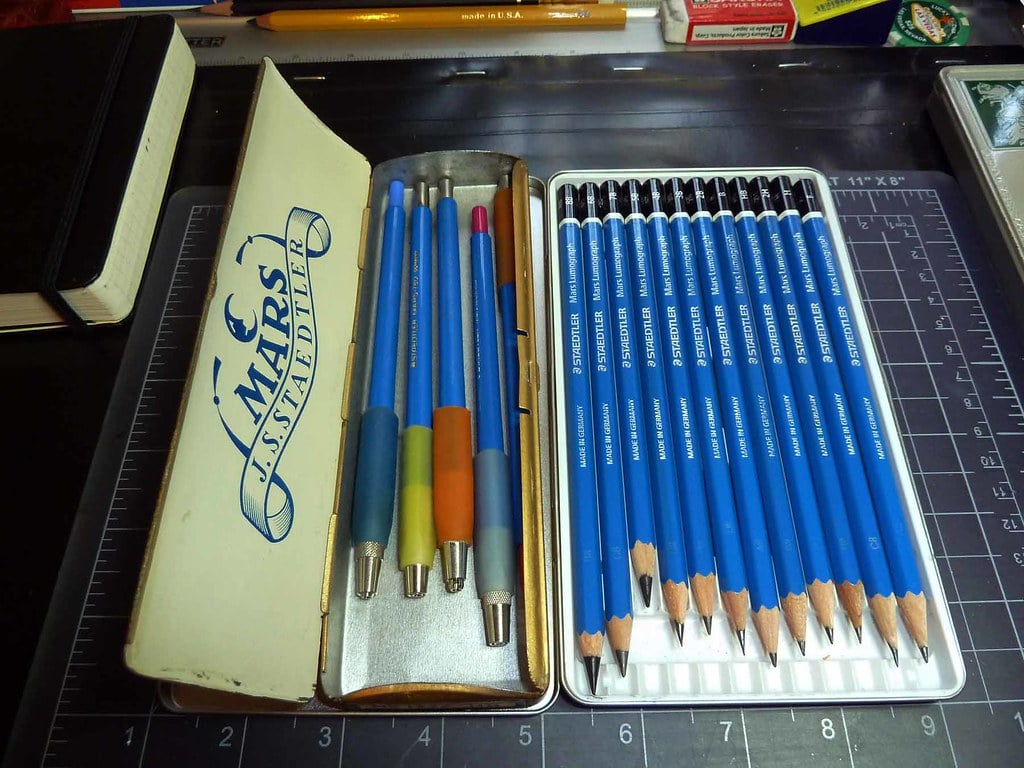
German engineering applied to mechanical pencil design means every component serves a specific function, and aesthetic decisions get made only after mechanical requirements are completely satisfied. The lead hardness indicator remains clearly visible even after extensive professional use, while the clutch mechanism maintains consistent grip pressure across temperature changes and extended storage periods (details that matter more than they might initially seem, especially for professionals who rely on their tools daily).
Collectors who understand technical drawing appreciate instruments that prioritize function over form without sacrificing either.
Pentel GraphGear 1000
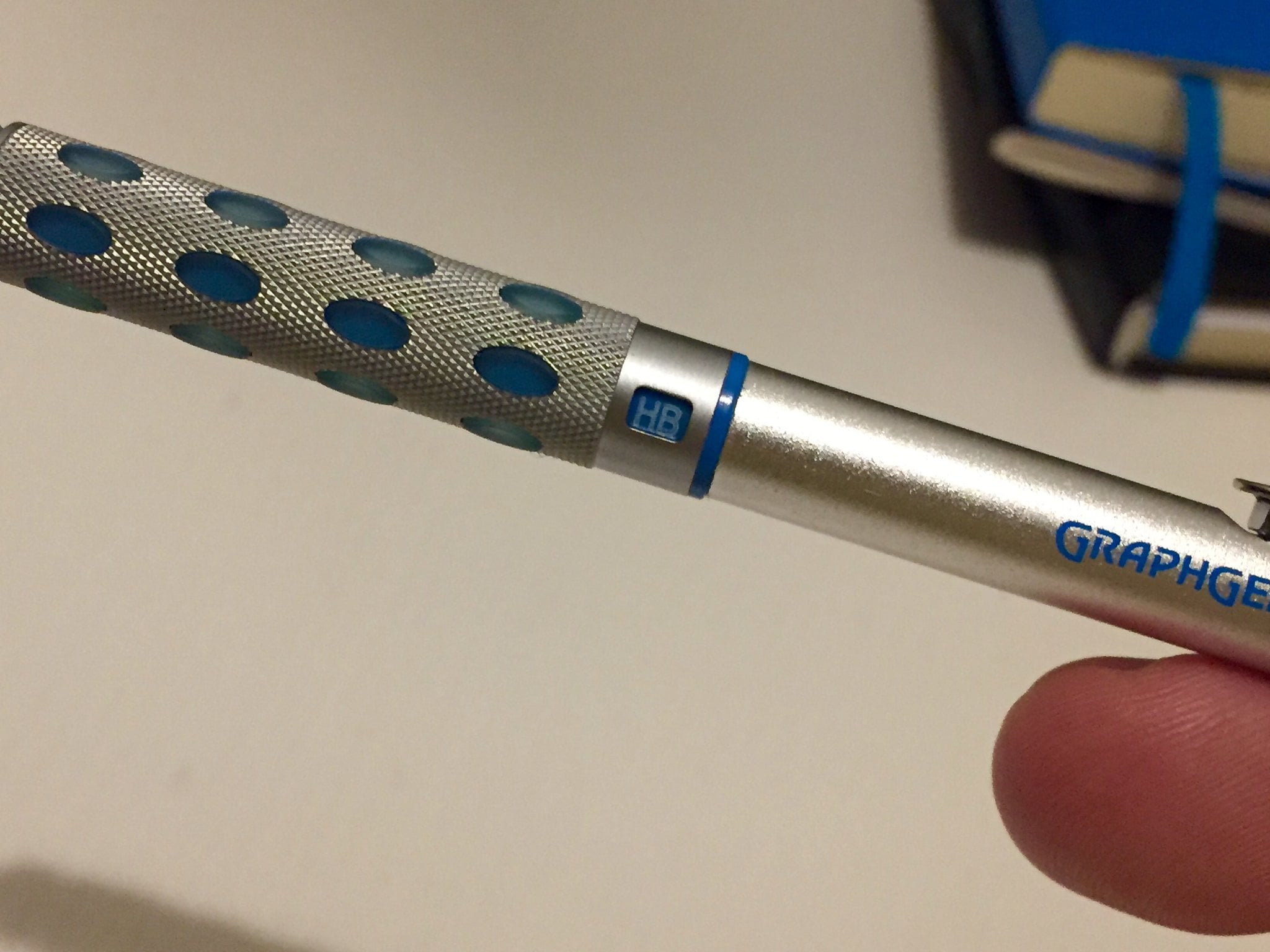
The retractable tip protects both the lead and whatever shares pocket space with this pencil—a practical solution to real problems that also happens to create satisfying mechanical interaction with each use. The dual-action advance system provides both standard clicking and continuous feeding for extended drawing work, while the grip zone incorporates just enough texture to prevent slipping without becoming uncomfortable during long sessions.
Professional users appreciate tools that anticipate actual working conditions rather than just laboratory ideals.
Sakura Sumo Grip
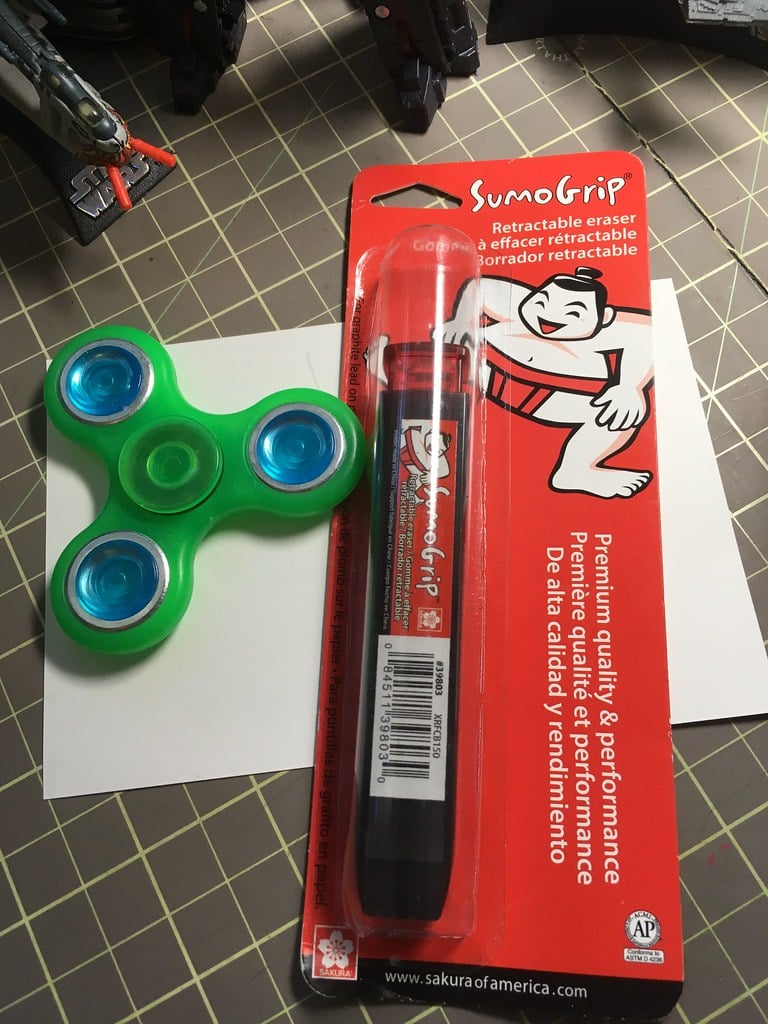
Japanese ergonomic research applied to pencil design creates something that feels almost custom-fitted to human hands, even though it’s mass-produced to standard specifications. The grip diameter and surface texture reduce fatigue during extended writing sessions, while the advance mechanism operates smoothly even when the pencil is held at shallow angles—considerations that seem minor until you’ve spent hours taking notes or working on detailed projects.
Collectors pay premium prices for tools that demonstrate genuine understanding of how people actually use writing instruments.
Platinum Pro-Use 171
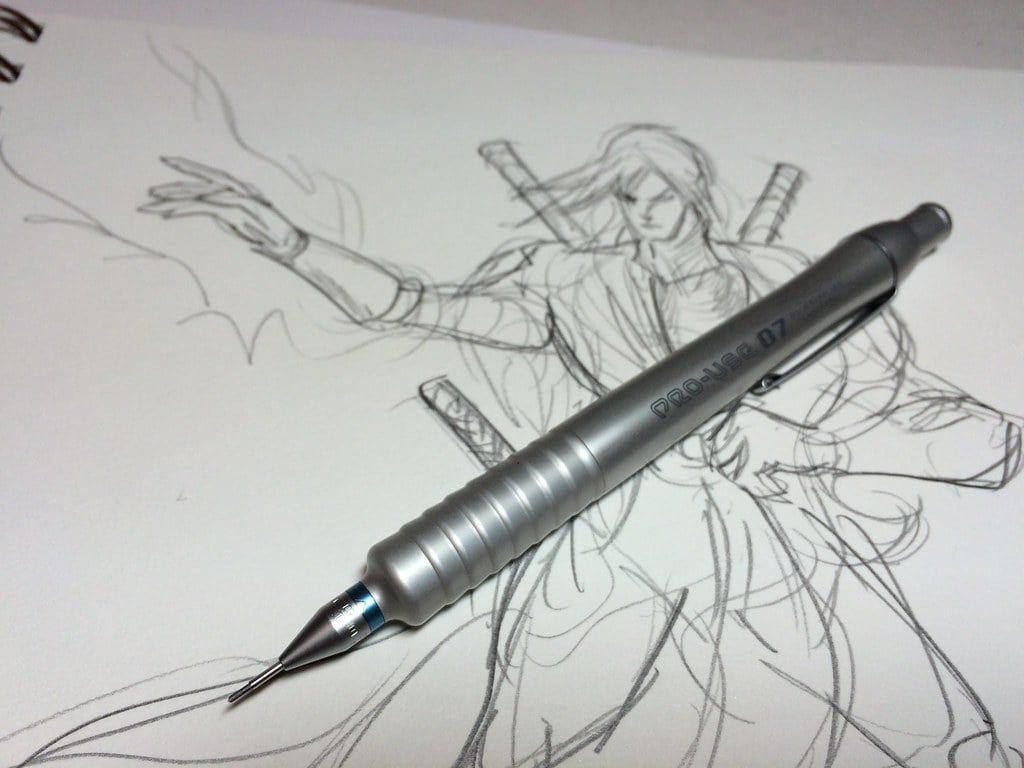
The double-knock advance system prevents accidental lead extension while providing positive feedback for intentional operation—a small mechanical detail that transforms daily use from a series of minor frustrations into smooth, predictable interaction with a well-designed tool. Professional drafting requires instruments that won’t introduce unwanted variables into precise work, and the Pro-Use 171 approaches this standard with characteristic Japanese attention to engineering tolerances (which explains why technical users develop loyalty to specific pencil models rather than treating them as interchangeable supplies).
The lead grade indicator remains clearly visible and accurate even after extensive handling.
Tombow Mono Graph
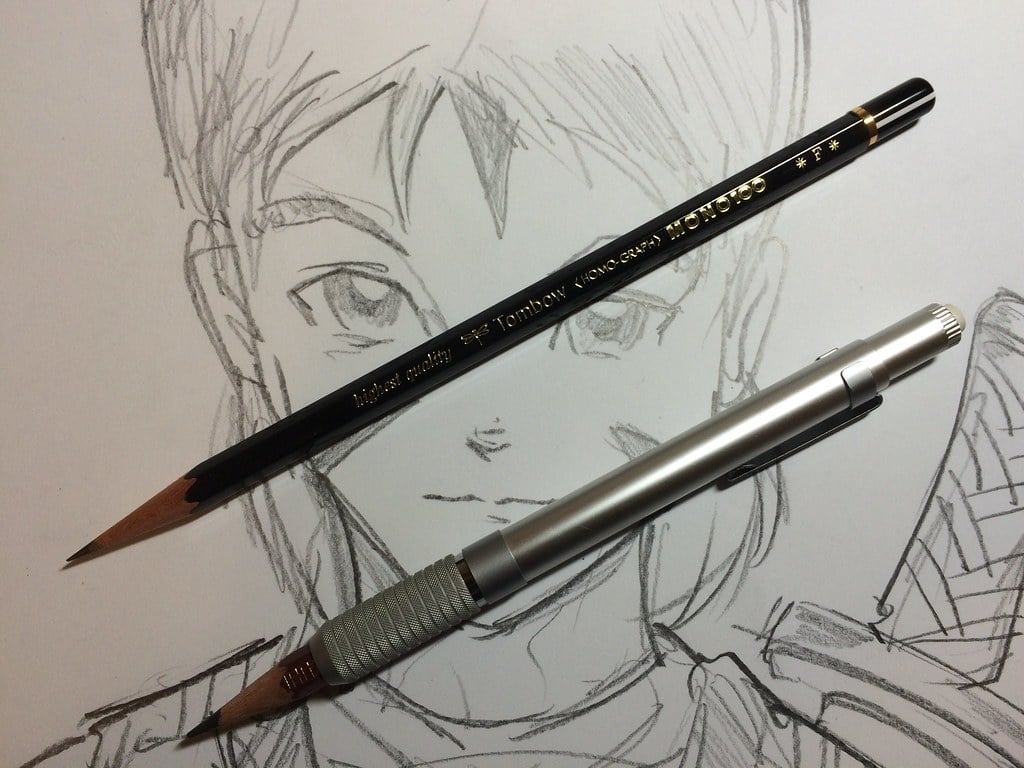
The innovative eraser advance system integrates seamlessly with the pencil body, creating a unified tool that handles both marking and correction with equal competence. The twist mechanism provides precise eraser extension control, while the pencil advance system maintains consistent lead presentation across different graphite grades—engineering details that demonstrate genuine understanding of how people actually work with mechanical pencils.
Collectors appreciate innovations that solve real problems rather than just adding complexity for marketing purposes.
Lamy 2000 Mechanical Pencil
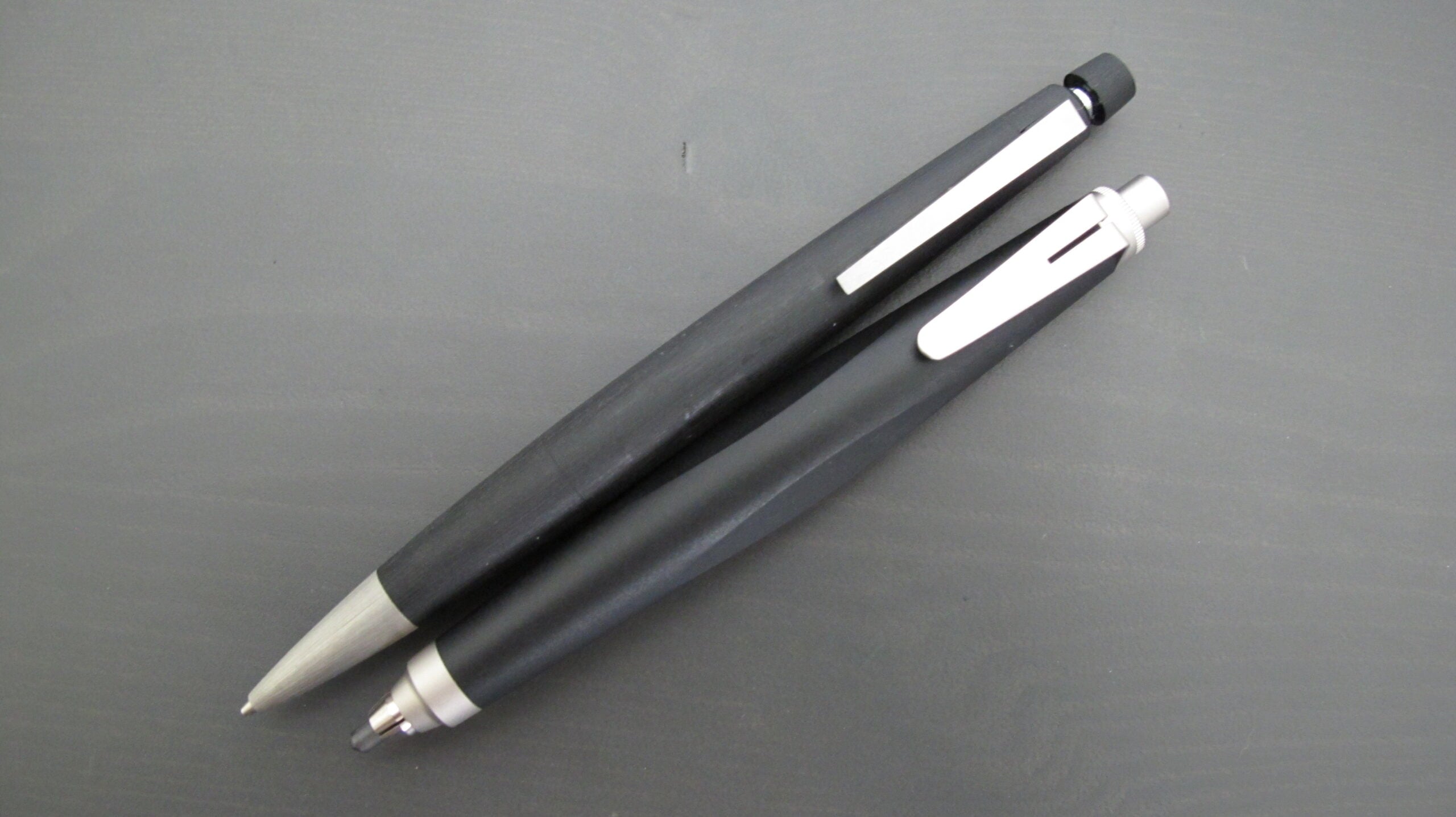
Bauhaus design principles applied to writing instruments create something that looks simultaneously timeless and futuristic—clean lines and honest materials without unnecessary decoration or complexity. The fiberglass body provides durability without excessive weight, while the advance mechanism operates with the kind of smooth precision that suggests German manufacturing standards applied to even humble components (which probably explains why design-conscious users develop strong preferences for specific pencil models).
Collectors who understand industrial design pay serious money for tools that achieve their aesthetic goals without compromising functional requirements.
Caran D’Ache Fixpencil
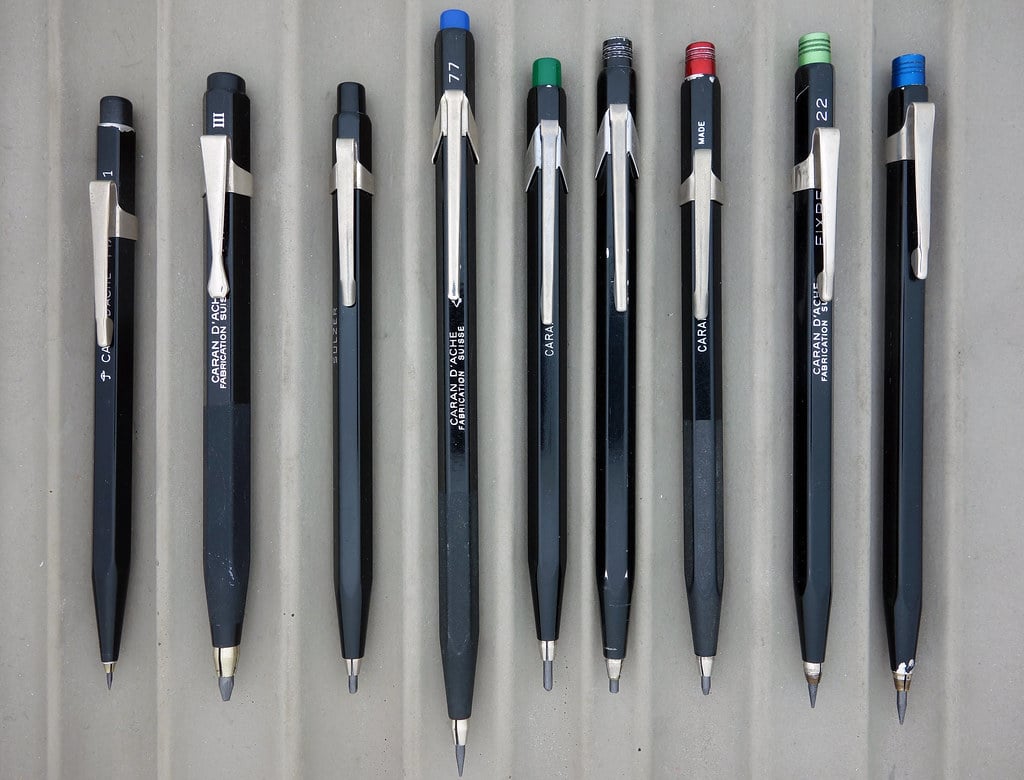
Swiss precision extends beyond watches and machinery into the surprisingly demanding world of mechanical pencil engineering, where small improvements in clutch mechanisms and lead advancement can transform the experience of technical drawing or extended writing. The 2mm lead system provides the versatility of traditional wooden pencils with the convenience and consistency of mechanical advancement, while the push-button clutch releases lead for manual sharpening when required.
Professional artists and technical illustrators appreciate tools that offer control over line quality rather than just convenience.
Vintage Eversharp Repeating Pencil
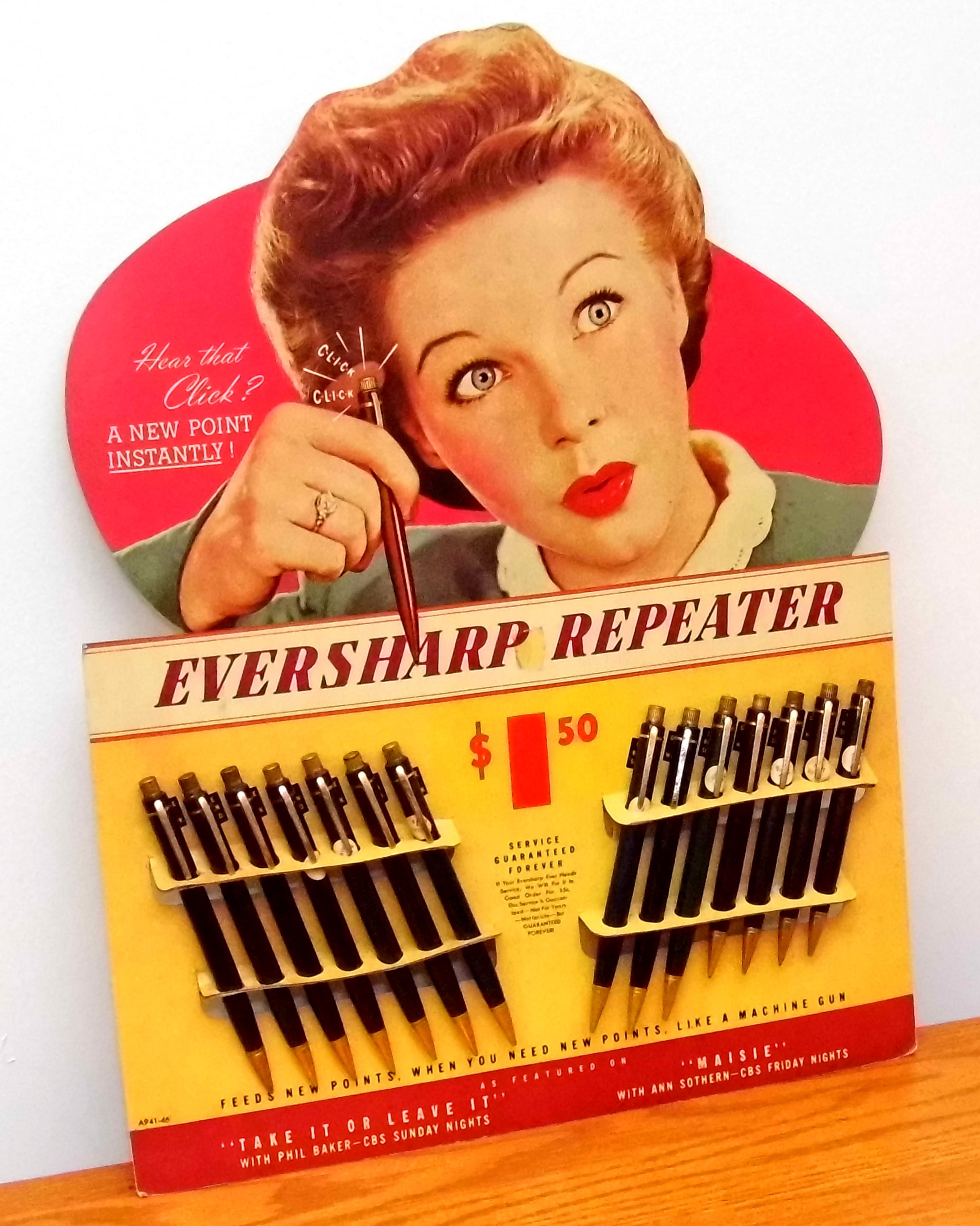
Depression-era engineering focused on durability and repairability rather than planned obsolescence, creating tools designed to last decades rather than just until the next model year. The repeating mechanism advances lead with satisfying mechanical precision, while the metal construction promises to outlast most of its users—qualities that seemed standard in the 1930s but now distinguish vintage instruments from their modern counterparts.
Collectors pay premium prices for pencils that represent different assumptions about how long manufactured goods should remain functional.
Understanding Value in Vintage Writing Instruments
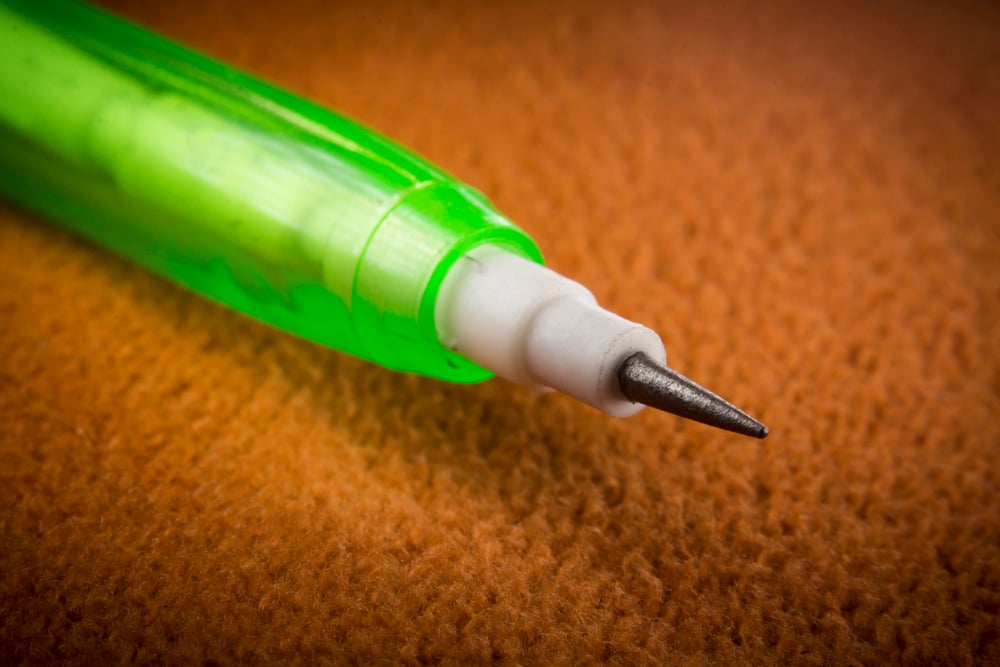
These mechanical pencils command premium prices not just because they’re old, but because they represent peaks of engineering and manufacturing that their makers may never attempt again. Modern pencils prioritize cost efficiency and disposability over the kind of precision machining and material quality that defined mid-century writing instruments.
Collectors recognize that some manufacturing approaches—the willingness to machine components to tight tolerances, the use of substantial materials, the assumption that tools should last decades—may not return to commercial production. That makes these vintage pencils not just functional antiques, but examples of different ideas about how things should be made.
More from Go2Tutors!

- The Romanov Crown Jewels and Their Tragic Fate
- 13 Historical Mysteries That Science Still Can’t Solve
- Famous Hoaxes That Fooled the World for Years
- 15 Child Stars with Tragic Adult Lives
- 16 Famous Jewelry Pieces in History
Like Go2Tutors’s content? Follow us on MSN.



