24 Brand Rivalries Throughout History That Changed Entire Industries
Competition has always been the engine that drives innovation forward. When two companies lock horns over market share, the result is rarely just about who wins or loses.
The real story unfolds in the changed landscape they leave behind — new technologies, disrupted business models, and entire industries transformed by the pressure to outdo each other. Some rivalries burn bright and fade quickly, while others span decades and reshape how we live, work, and think about the world around us.
Coca-Cola Vs. Pepsi
Coke came first, but that never stopped Pepsi from trying harder. The cola wars turned soft drinks from a regional curiosity into a global obsession.
Every blind taste test, every celebrity endorsement, every marketing campaign pushed both companies to innovate faster than they would have alone. Diet sodas exist because of this rivalry. So do modern sports sponsorships and the entire concept of lifestyle branding in beverages.
McDonald’s Vs. Burger King

McDonald’s built the assembly line of fast food, but Burger King made it personal. “Have it your way” wasn’t just a slogan — it was a direct attack on McDonald’s rigid standardization.
The result transformed how Americans think about convenience food. Speed mattered, but so did choice. Every fast food chain that followed had to pick a side: efficiency or customization.
Apple Vs. Microsoft
The personal computer revolution might have happened without this rivalry, but it wouldn’t have happened the same way (and certainly not as quickly, considering how both companies pushed each other through decades of innovation that transformed not just computing, but how we interact with technology itself). Apple championed intuitive design while Microsoft democratized access.
And yet both approaches proved necessary — Apple’s obsession with user experience eventually infected the entire industry, while Microsoft’s focus on compatibility and affordability brought computers to the masses. So we ended up with the best of both worlds, though neither company would admit the other deserves any credit.
Ford Vs. General Motors
Ford invented the assembly line, but General Motors invented everything else that mattered. While Henry Ford stubbornly insisted you could have any color Model T as long as it was black, GM figured out that people wanted variety, style, and the promise of trading up to something better next year.
This rivalry didn’t just change how cars were made — it created the entire concept of planned obsolescence and annual model updates that still drives consumer culture today.
The competition between these two giants feels less like corporate strategy and more like watching two different philosophies about human nature play out on a massive scale. Ford believed in efficiency and uniformity; GM understood aspiration and desire.
The tension between those two approaches shaped not just the automotive industry, but the American economy itself.
Nike Vs. Adidas
Athletic shoes used to be purely functional. Then Nike and Adidas turned them into statements of identity.
The rivalry pushed both companies beyond simple product competition into the realm of cultural influence. Nike mastered American individualism while Adidas dominated through technical innovation and European sophistication.
Sports marketing exists in its current form because these two companies refused to let the other claim any athlete, any team, or any cultural moment without a fight.
Amazon Vs. eBay
eBay created online commerce, but Amazon perfected it. The early rivalry between auction-style selling and traditional retail pushed both companies to innovate in ways that transformed not just shopping, but logistics, payments, and customer expectations.
Amazon’s obsession with convenience forced eBay to become more user-friendly, while eBay’s marketplace model inspired Amazon to open its platform to third-party sellers.
Google Vs. Yahoo
Yahoo had everything first — search, email, news, and a head start that should have been insurmountable. Google had one thing better: search that actually worked.
This rivalry proved that being first doesn’t guarantee staying first, and that technical excellence can overcome every other advantage. The competition forced both companies to think bigger about what internet services could become, though only one of them survived the transition intact.
IBM Vs. Microsoft
The relationship between IBM and Microsoft began as partnership and evolved into one of the most consequential rivalries in business history, though IBM probably didn’t realize it was happening until it was too late (Microsoft licensed MS-DOS to IBM for the original PC, then turned around and licensed the same software to every IBM competitor, effectively commoditizing the hardware business while building a software empire). And so the balance of power in computing shifted from hardware manufacturers to software developers, changing not just the technology industry but the entire economy’s relationship with intellectual property.
But IBM’s initial dominance forced Microsoft to think strategically about platform control in ways that shaped every major technology company that followed.
Visa Vs. Mastercard
Credit cards existed before this rivalry, but the modern payment system emerged from their competition. Both companies realized that controlling the network mattered more than issuing individual cards.
The result was a global infrastructure that processes billions of transactions daily. Their competition drove the development of electronic payment systems, fraud prevention, and the entire concept of cashless commerce.
The subtle war between these two payment networks resembles watching two invisible powers shape how money moves through the world. Neither company issues credit cards directly, but both influence every purchase decision through the merchants they serve and the benefits they offer.
Intel Vs. AMD
Microprocessors power everything, but this rivalry powers the microprocessors. Intel dominated through manufacturing excellence, while AMD competed through innovation and value.
The constant pressure to outperform each other drove processor speeds higher, costs lower, and capabilities broader. Personal computers became powerful enough to handle graphics, video, and eventually the entire internet because these two companies never let each other rest.
Boeing Vs. Airbus
Commercial aviation was an American monopoly until Europe decided to build a better airplane. Airbus challenged Boeing’s dominance with government backing and fresh thinking about aircraft design.
The rivalry forced both companies to innovate continuously — composite materials, fuel efficiency, passenger comfort, and manufacturing techniques all improved because neither company could afford to fall behind. Air travel became safer, cheaper, and more accessible because of their competition.
Sony Vs. Nintendo
Video games were toys until these two companies turned them into an art form. Sony entered Nintendo’s market with the PlayStation and changed everything about how games were made, marketed, and perceived.
The rivalry pushed both companies to innovate in graphics, storytelling, and game design. Gaming culture exists in its current form because Nintendo and Sony competed not just for market share, but for creative credibility.
Hertz Vs. Avis
Avis was always number two, and they made that into a strength. “We try harder” became more than advertising — it became a business philosophy that forced Hertz to innovate or lose customers.
The rental car industry developed customer service standards, loyalty programs, and operational efficiency because being second meant Avis had to be better at everything else. Sometimes the underdog shapes the leader more than the leader shapes the market.
The dynamic between these two companies captures something essential about American business competition — being first creates complacency, while being second creates hunger (and hunger, it turns out, drives innovation more reliably than dominance).
So the entire rental car industry became more responsive, more efficient, and more customer-focused because one company refused to accept second place quietly. But Hertz benefited just as much, forced to justify their leadership position through continuous improvement rather than resting on early success.
FedEx Vs. UPS

Package delivery used to be slow and unreliable until these companies made speed and reliability into competitive advantages. FedEx pioneered overnight delivery while UPS perfected logistics efficiency.
Their rivalry created modern supply chain management, transformed e-commerce possibilities, and changed customer expectations about shipping. The global economy operates at its current pace because these two companies spent decades trying to deliver packages faster than each other.
UPS wore brown and built methodical efficiency into an art form, while FedEx chose purple and made overnight delivery feel like magic. The contrast between their approaches — steady reliability versus dramatic speed — forced both companies to excel at their chosen strategies while borrowing the best ideas from their competitor.
Starbucks Vs. Dunkin’
Coffee was just coffee until these chains turned it into lifestyle choices. Starbucks created the coffeehouse experience while Dunkin’ perfected coffee convenience.
Their rivalry divided American coffee culture into two camps and forced both companies to expand their definitions of what a coffee shop could be. Third-wave coffee culture, mobile ordering, and the entire concept of coffee as a daily luxury emerged from their competition.
Target Vs. Walmart
Walmart won on price, but Target proved that style matters too. The rivalry between “everyday low prices” and “cheap chic” transformed retail expectations and forced both companies to expand beyond their original strengths.
Walmart had to improve store aesthetics and product design while Target had to become more price-competitive. Mass market retail became simultaneously cheaper and more stylish because these companies refused to cede any demographic to their competitor.
MTV Vs. VH1
Music television started as a single channel playing music videos, but the rivalry between MTV and VH1 created an entire ecosystem of music culture programming (though neither channel plays much music anymore, which says something about how competition can push companies away from their original purpose in unexpected directions). MTV went young and edgy while VH1 targeted older, more sophisticated audiences.
And so music programming diversified beyond simple video rotation into reality shows, documentaries, and cultural commentary that influenced how generations of Americans discovered and thought about music. But the real innovation was segmentation — the idea that different audiences deserved different approaches to the same basic content.
Time Vs. Newsweek
Weekly news magazines shaped American political discourse for decades, and the rivalry between Time and Newsweek drove both publications to higher standards of reporting, analysis, and visual presentation. Time emphasized narrative storytelling while Newsweek focused on breaking news and investigation.
Their competition created modern news magazine journalism and influenced how Americans consumed and understood current events during the peak of print media influence.
Masterpiece Theatre Vs. Evening At Pops
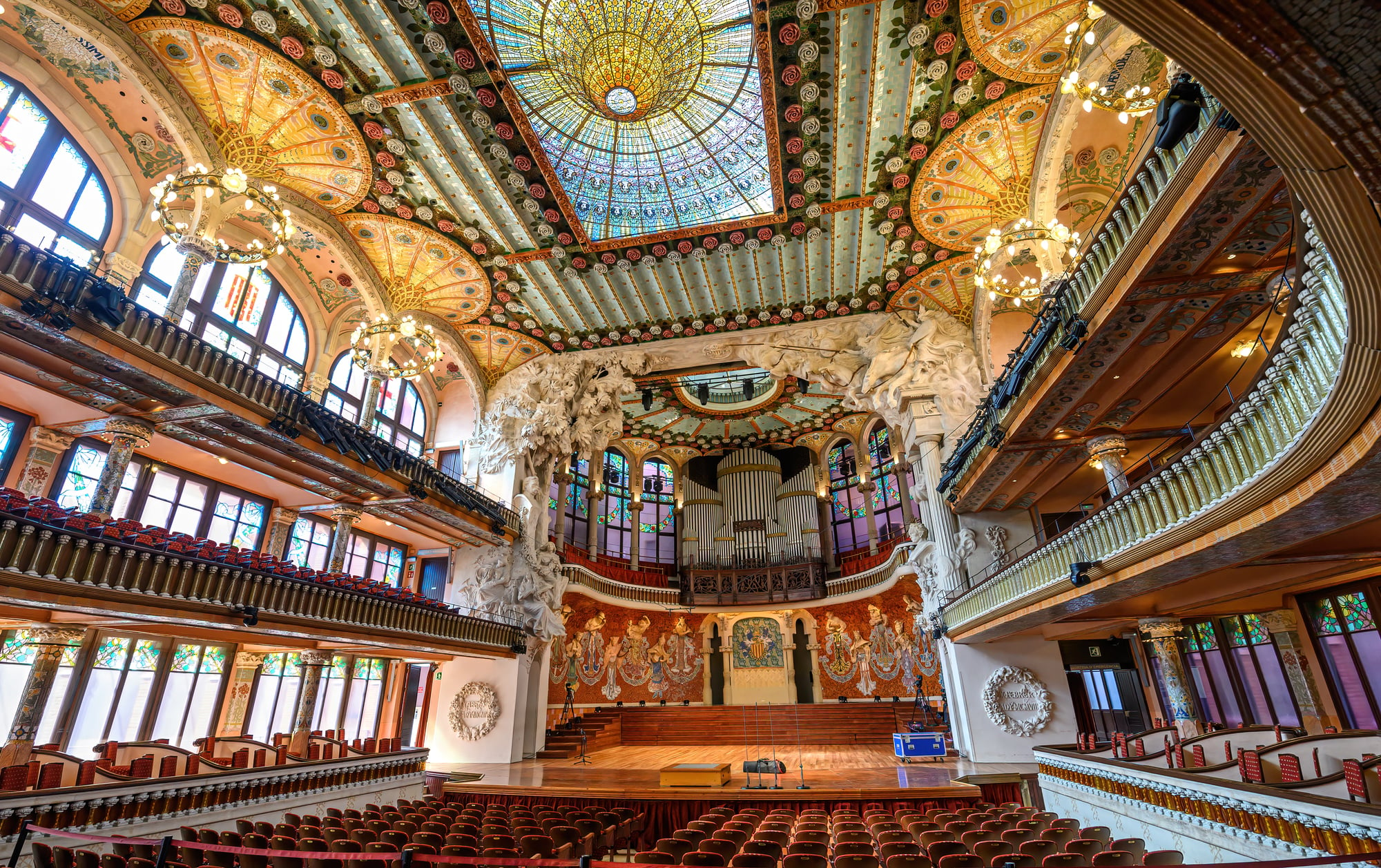
Public television programming split between high culture and accessible entertainment, with these two flagship shows representing different approaches to educational broadcasting. Masterpiece Theatre brought British drama to American audiences while Evening at Pops made classical music approachable and fun.
Their coexistence showed that public media could serve multiple audiences simultaneously without compromising quality or mission.
Random House Vs. Penguin

Book publishing became a global industry through the rivalry between these publishing giants, each taking different approaches to bringing literature to mass audiences. Random House focused on prestigious literary fiction while Penguin pioneered quality paperback editions at affordable prices.
Their competition democratized reading and created the modern publishing ecosystem where literary merit and commercial success could coexist.
Marvel Vs. DC Comics
Superheroes existed before this rivalry, but modern comic book culture emerged from the competition between Marvel and DC. DC created the archetypes while Marvel humanized them with personal problems and moral complexity.
The rivalry pushed both companies to innovate in storytelling, character development, and visual design. Comic book movies, graphic novels, and the entire concept of shared fictional universes exist because these companies spent decades trying to create more compelling characters than their competitor.
The philosophical divide between Marvel and DC feels like watching two different theories about heroism compete for cultural dominance. DC’s heroes were gods among mortals, while Marvel’s heroes were mortals struggling with godlike responsibilities.
Pepsi Vs. Dr Pepper
While Pepsi battled Coca-Cola for cola supremacy, Dr Pepper carved out its own territory by being deliberately different. The three-way rivalry forced all companies to define their identities more clearly and pushed beverage innovation beyond simple cola variations.
Dr Pepper’s success as the “un-cola” proved that sometimes the best competitive strategy is refusing to compete directly, instead creating an entirely new category.
American Express Vs. Visa
Credit cards served different markets until these companies made them compete for the same customers. American Express built prestige while Visa emphasized universal acceptance.
The rivalry created modern credit card rewards programs, customer service standards, and the infrastructure that supports global electronic commerce. Payment systems became simultaneously more exclusive and more democratic because both approaches found their audiences.
Disney Vs. Warner Bros
Animation was just cartoons until these studios turned it into an art form and a business empire. Disney perfected feature-length animation while Warner Bros. created irreverent character-driven shorts.
Their rivalry pushed both studios to innovate in storytelling techniques, character development, and animation technology. The entertainment industry’s approach to family content, merchandising, and transmedia storytelling emerged from decades of competition between these animation pioneers.
When Giants Shape Tomorrow

The best rivalries never really end — they just evolve into new forms of competition that continue shaping their industries long after the original battles are decided. Some companies survive these wars stronger, others disappear entirely, but the innovations, standards, and expectations created by their competition become permanent features of how business works.
The next great rivalry is probably forming right now, in some industry that feels stable and settled, waiting for two companies ambitious enough to tear it apart and rebuild it better.
More from Go2Tutors!

- The Romanov Crown Jewels and Their Tragic Fate
- 13 Historical Mysteries That Science Still Can’t Solve
- Famous Hoaxes That Fooled the World for Years
- 15 Child Stars with Tragic Adult Lives
- 16 Famous Jewelry Pieces in History
Like Go2Tutors’s content? Follow us on MSN.