Why Time Zones Aren’t as Simple as You Think
You probably think time zones are pretty straightforward. The Earth spins around once every 24 hours, so we divide it into 24 neat slices, and everyone in each slice shares the same time.
Simple, right? Wrong. Time zones are about as organized as a toddler’s toy box, and some countries seem to have thrown the rulebook out the window entirely.
Let’s explore the wild world of time zone chaos and discover why your GPS sometimes gets confused.
China ignores geography completely

China stretches across what should be five different time zones, but the entire country runs on Beijing time. China operates in one single time zone (CST), even though the extent of their territory far exceeds the ideal 15° of longitude for one hour.
This means when it’s noon in Beijing, it’s also officially noon in western regions where the sun might not rise for hours. Workers in far western China often start their day in complete darkness because their clocks don’t match the sun.
It’s like forcing everyone in the United States to use New York time, from Maine to California.
India creates its own half hour world

India decided that whole hour time zones weren’t quite right for them, so they created their own time zone that sits 30 minutes off from everyone else. The entire country uses Indian Standard Time, which is 5 hours and 30 minutes ahead of GMT.
This half-hour offset makes scheduling international calls and meetings a nightmare for business travelers. While most of the world operates on the hour or half-hour, India chose to march to the beat of its own timekeeper.
Like Go2Tutors’s content? Follow us on MSN.
Nepal takes timing to extremes
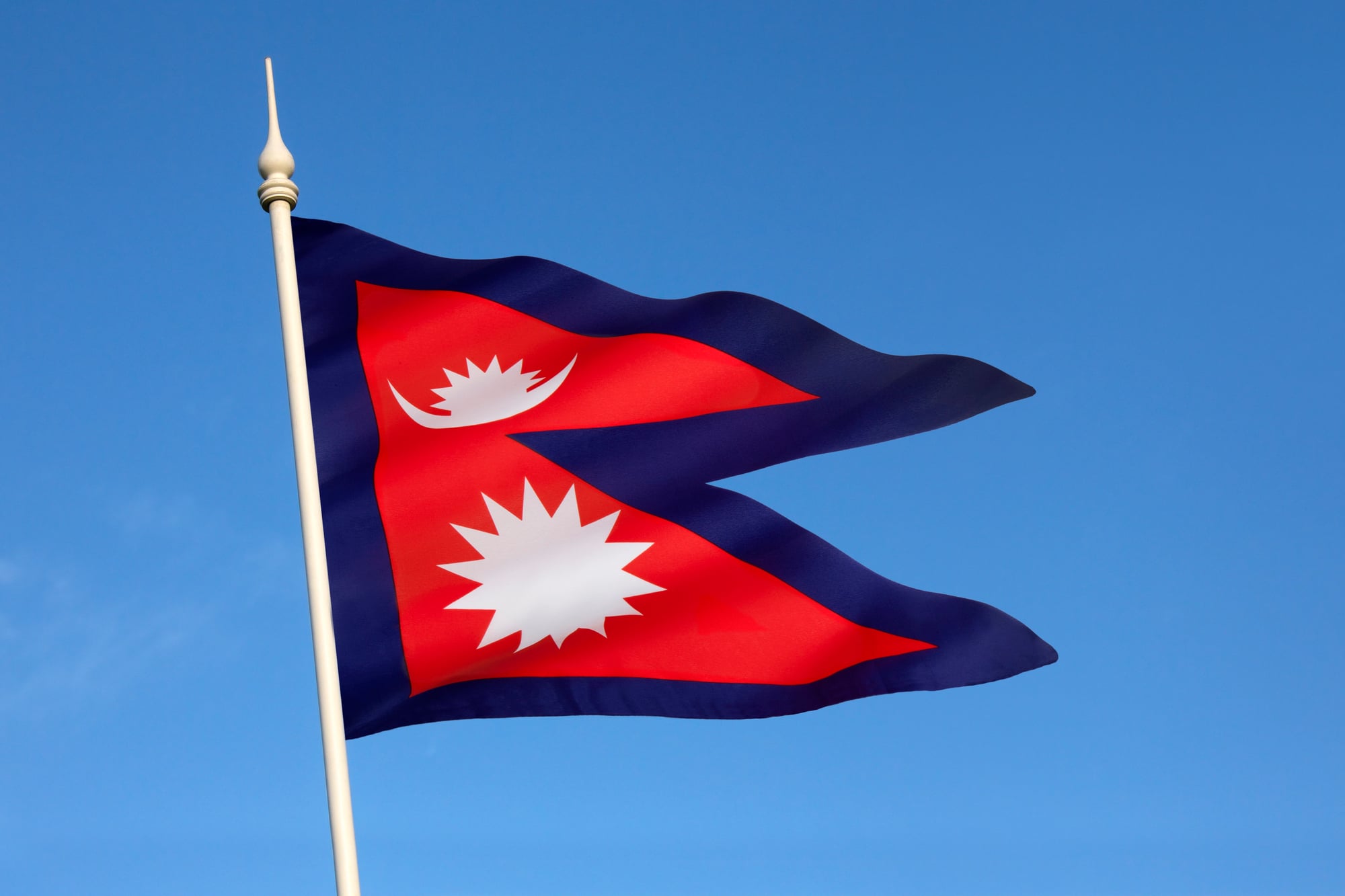
Nepal has a 15 minute offset from Indian Standard Time (IST+5:45) and is one of the few countries in the world with a 45-minute offset from Coordinated Universal Time (UTC). This was done in 1986 mainly to distinguish itself from neighboring countries and assert its independence.
Nepal uses a meridian that passes through Gaurishankar, a mountain in the Himalayas as their reference point. Imagine trying to schedule a conference call between London, Delhi, and Kathmandu – you’d need a mathematics degree just to figure out when everyone can talk.
Australia splits itself three ways

Australia couldn’t decide on one time zone, so they went with three different ones across their continent. The eastern states use one time, the central region uses another, and the west does its own thing entirely.
But wait, there’s more complexity. Some states observe daylight saving time while others don’t, creating a scheduling nightmare during certain months of the year.
Television networks have to broadcast the same show at different times just to reach their entire country during prime time.
Samoa jumped across the date line for business
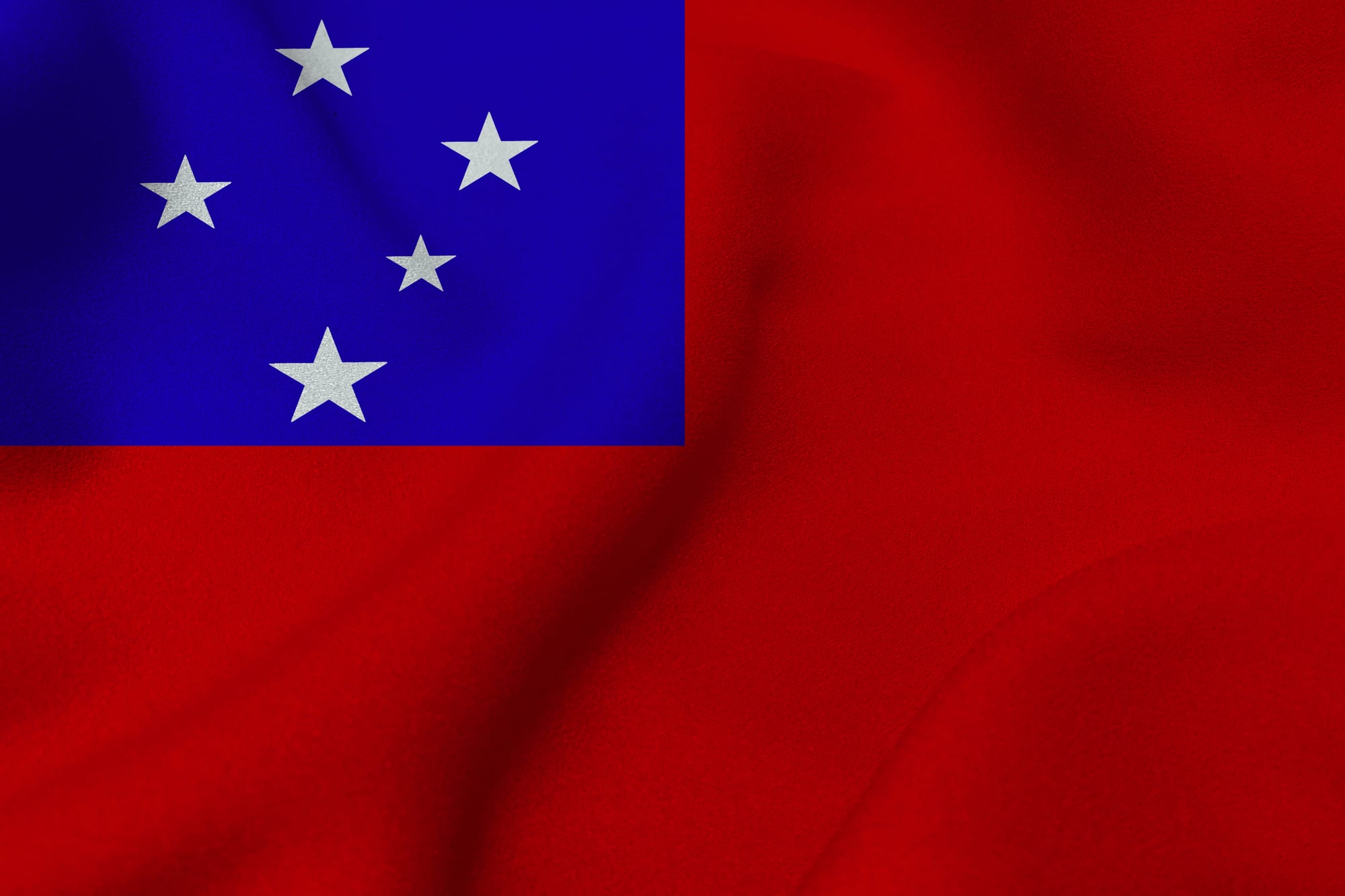
In 2011, Samoa made one of the most dramatic time zone changes in modern history. Samoa switched time zones by moving the international dateline from its western to its eastern border on December 29, 2011.
They literally skipped December 30th entirely that year. Until the end of 2011, Samoa used UTC−11:00 as standard time, but now uses UTC+13:00.
The reason? They wanted to align their business week with Australia and New Zealand instead of the United States. Imagine going to sleep on Thursday night and waking up on Saturday morning.
Like Go2Tutors’s content? Follow us on MSN.
Kiribati stretches across tomorrow and yesterday
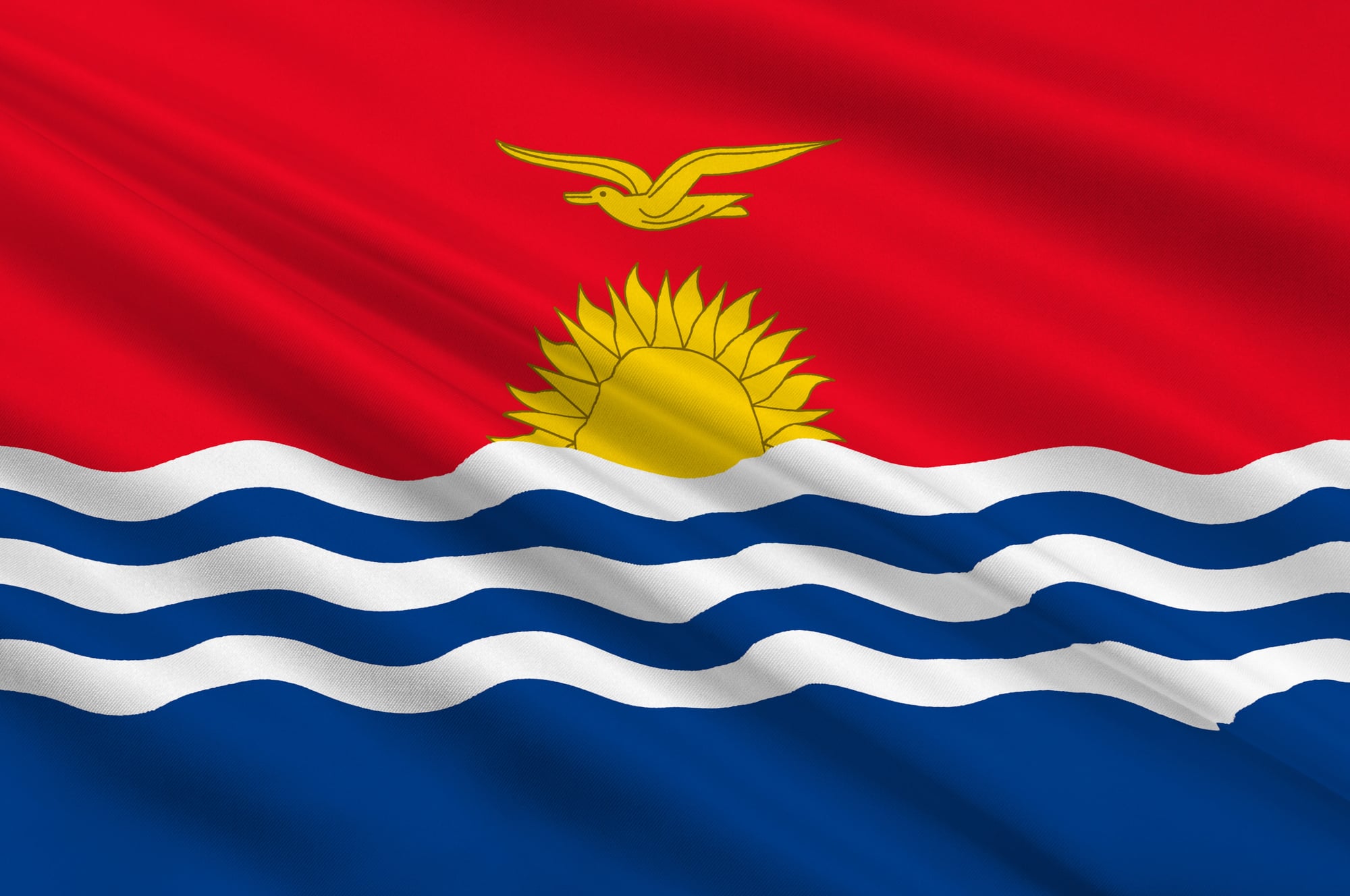
Kiribati spans both the equator and the 180th meridian, with the International Date Line going around Kiribati and swinging far to the east, almost reaching the 150°W meridian. This was the result of the Phoenix and Line Islands switching in 1994 from UTC−11:00 and −10 to UTC+13:00 and +14 respectively.
The country technically exists in both today and tomorrow at the same time. When it’s Tuesday in the capital, some outer islands are already living on Wednesday.
Try explaining that to your calendar app.
Russia plays time zone roulette

Russia spans 11 time zones, more than any other country on Earth. The Trans-Siberian Railway journey takes you through eight different time zones in a single trip.
Russian President Vladimir Putin has changed the country’s time zone policies multiple times, confusing citizens and causing chaos with flight schedules. In some regions, the official time can be several hours off from what the sun suggests, leading to bizarre situations where high noon looks like early evening.
North Korea creates its own time reality
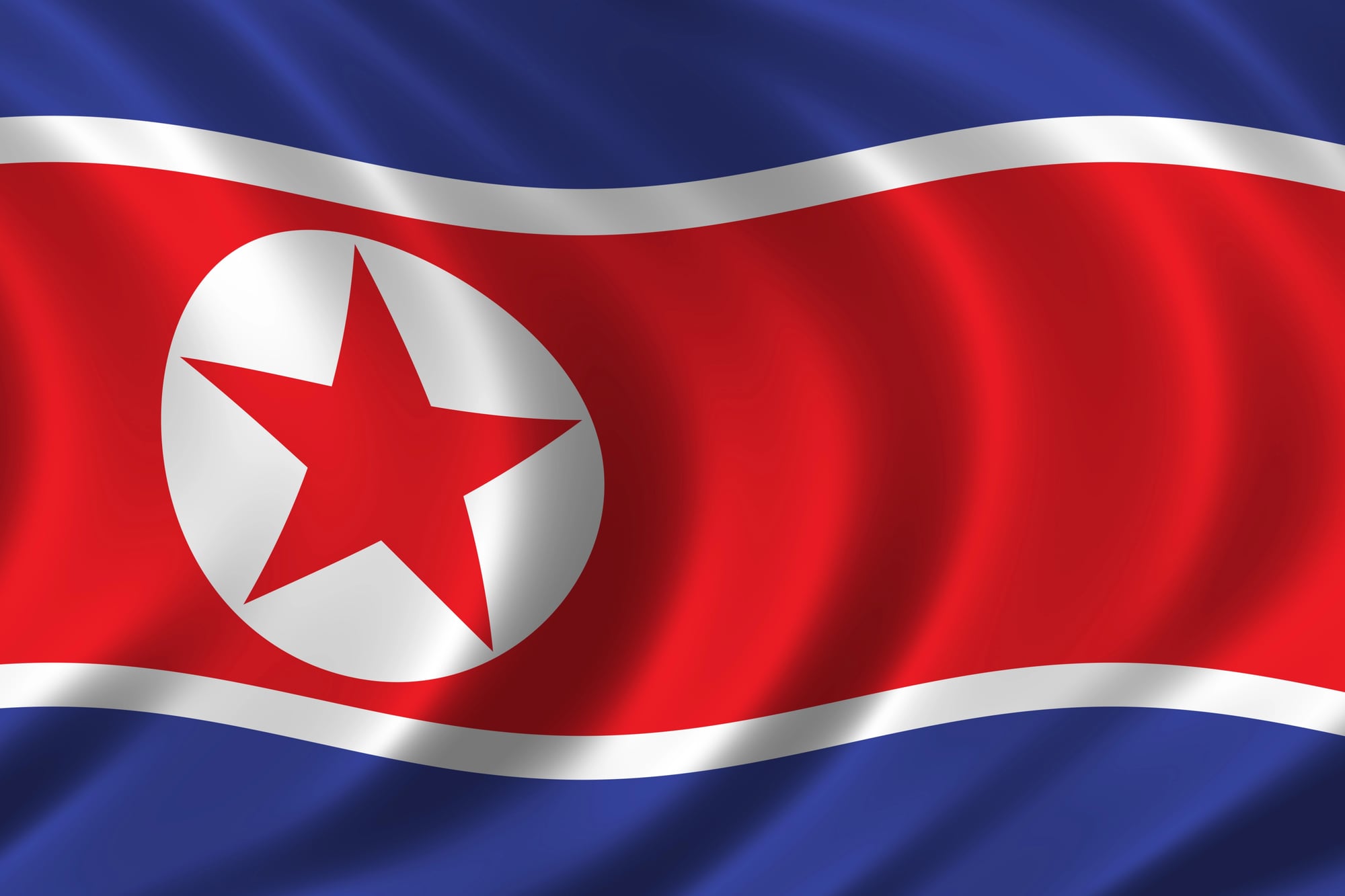
North Korea decided that using the same time zone as South Korea was unacceptable, so they created Pyongyang Time in 2015. They moved their clocks back 30 minutes, putting them out of sync with both South Korea and China.
The change was meant to remove the influence of Japanese colonial rule, but it mostly just confused everyone trying to do business with North Korea. Three years later, they changed back to match South Korea, proving that even dictators sometimes realize their ideas don’t work.
Like Go2Tutors’s content? Follow us on MSN.
Argentina refuses to split up

Argentina uses standard hour-based offsets, but not necessarily those that match their geographical location, and doesn’t split their land mass up into different time zones even though the countries and continents around them do. The country stretches far enough that it should really have at least two time zones, but they keep everything on Buenos Aires time.
This means people in the western regions live with sunrise and sunset times that seem completely backwards compared to their clocks. It’s like trying to fit a size 12 foot into a size 8 shoe – technically possible, but pretty uncomfortable.
Spain lives in the wrong time zone entirely

Spain uses Central European Time, but geographically, it should be on the same time as Britain and Portugal. This happened because Francisco Franco aligned Spain’s clocks with Nazi Germany during World War II, and they never changed back.
Spanish people eat dinner at 10 PM partly because their clocks are an hour ahead of where they should be naturally. The sun doesn’t set until after 9 PM in summer, making Spain feel like it’s living in a different reality than its longitude suggests.
Libya changed time zones for political reasons
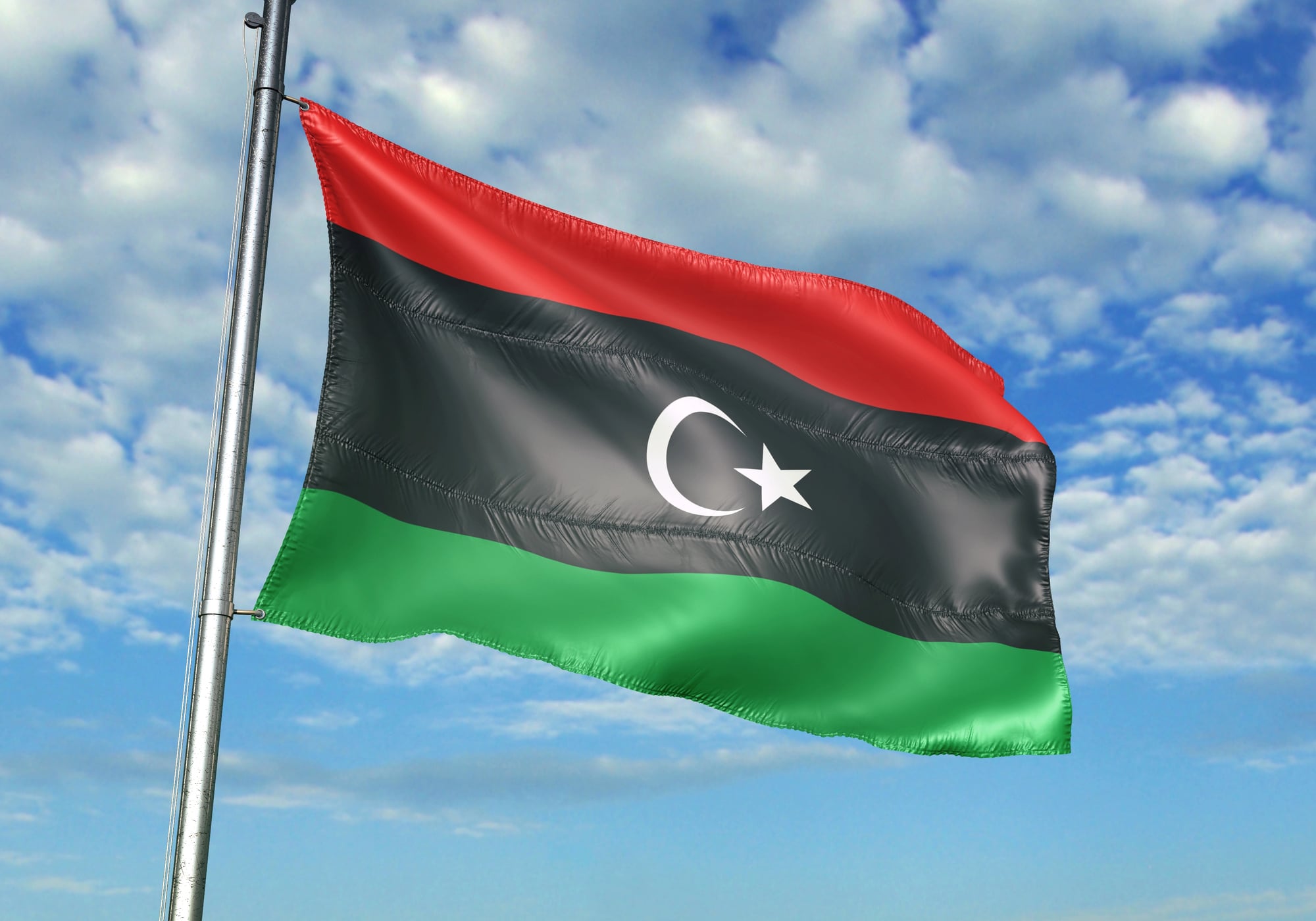
Libya used to observe daylight saving time, but Colonel Gaddafi decided that the practice was a Western imposition and abolished it in 2013. However, different regions of Libya started observing different times based on which government they recognized during the civil war.
For a while, eastern and western Libya were literally living in different time zones, with some areas following the official government time and others making up their own schedules.
Like Go2Tutors’s content? Follow us on MSN.
Some US states ignore federal time zones
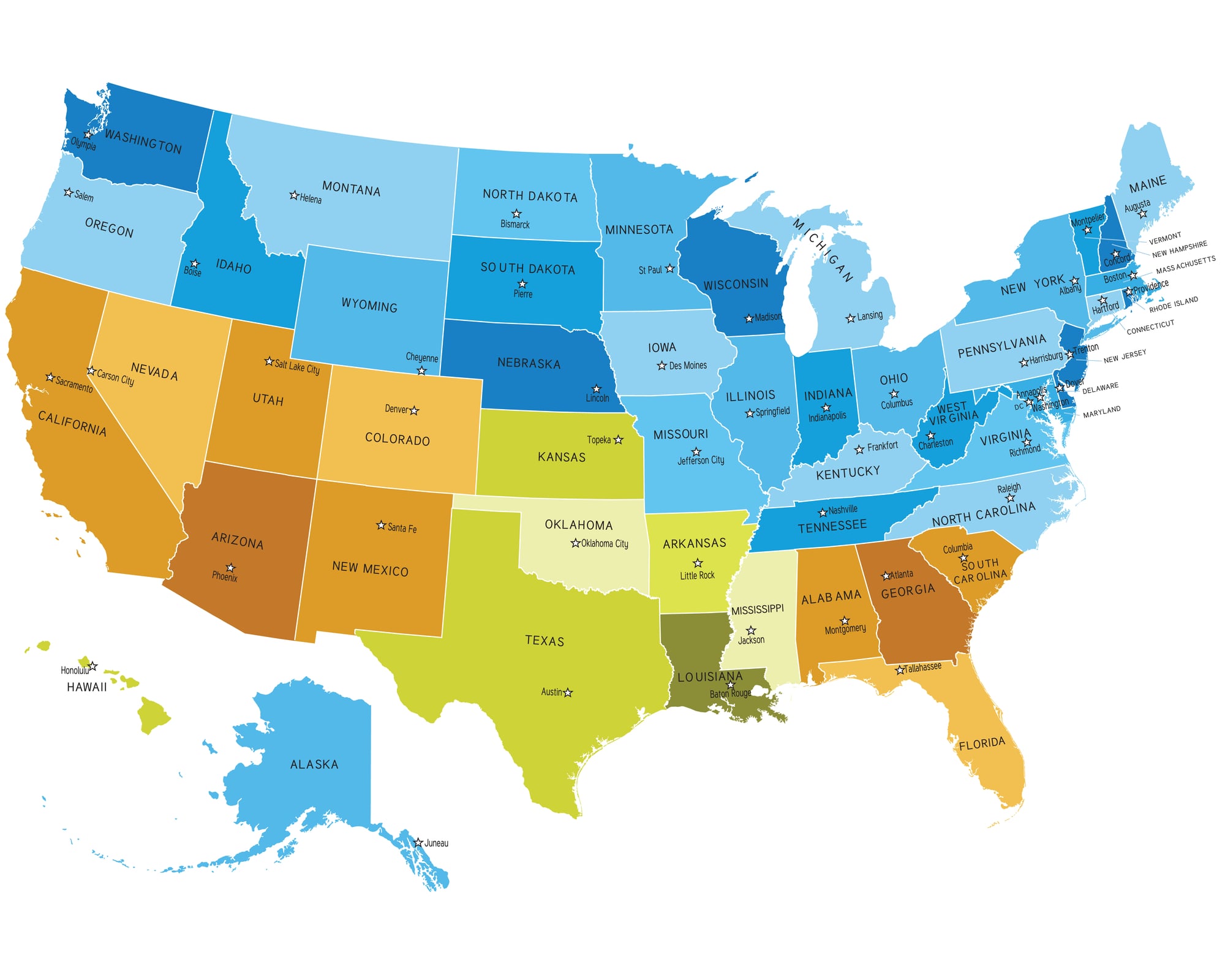
While most American states follow federal time zone rules, a few places march to their own drummer. Most of Arizona refuses to observe daylight saving time, except for the Navajo Nation, which does observe it.
This creates a patchwork of time differences within a single state depending on which jurisdiction you’re standing in. Indiana used to be even more confusing, with some counties following Eastern Time and others following Central Time, creating scheduling chaos for businesses and residents.
Venezuela created a 30-minute nightmare

In 2007, Venezuela decided to create its own time zone that was 4.5 hours behind GMT, putting it 30 minutes behind neighboring countries. President Hugo Chavez said this would allow children to wake up in natural sunlight and improve productivity.
The change mostly just confused international businesses and made it harder for Venezuelans to coordinate with the rest of South America. Airlines had to reprogram their systems, and global financial markets had to adjust their trading schedules.
Christmas Island belongs to the wrong time zone
Christmas Island, an Australian territory in the Indian Ocean, uses the same time as Perth, Western Australia, even though it’s much closer to Indonesia geographically. This political decision means Christmas Island’s time zone makes no sense based on its location relative to the sun.
Residents live with sunrise and sunset times that feel completely unnatural for their geographic position. It’s like living in a permanent jet lag situation.
Like Go2Tutors’s content? Follow us on MSN.
French territories scattered across time

France technically spans more time zones than any other country because of its overseas territories scattered around the globe. From French Guiana in South America to New Caledonia in the Pacific, French territories exist in 12 different time zones.
French Polynesia is east of the International Date Line and one day behind neighboring islands. This means France experiences New Year’s celebrations over a 24-hour period as each territory reaches midnight.
Antarctica has no consistent time policy
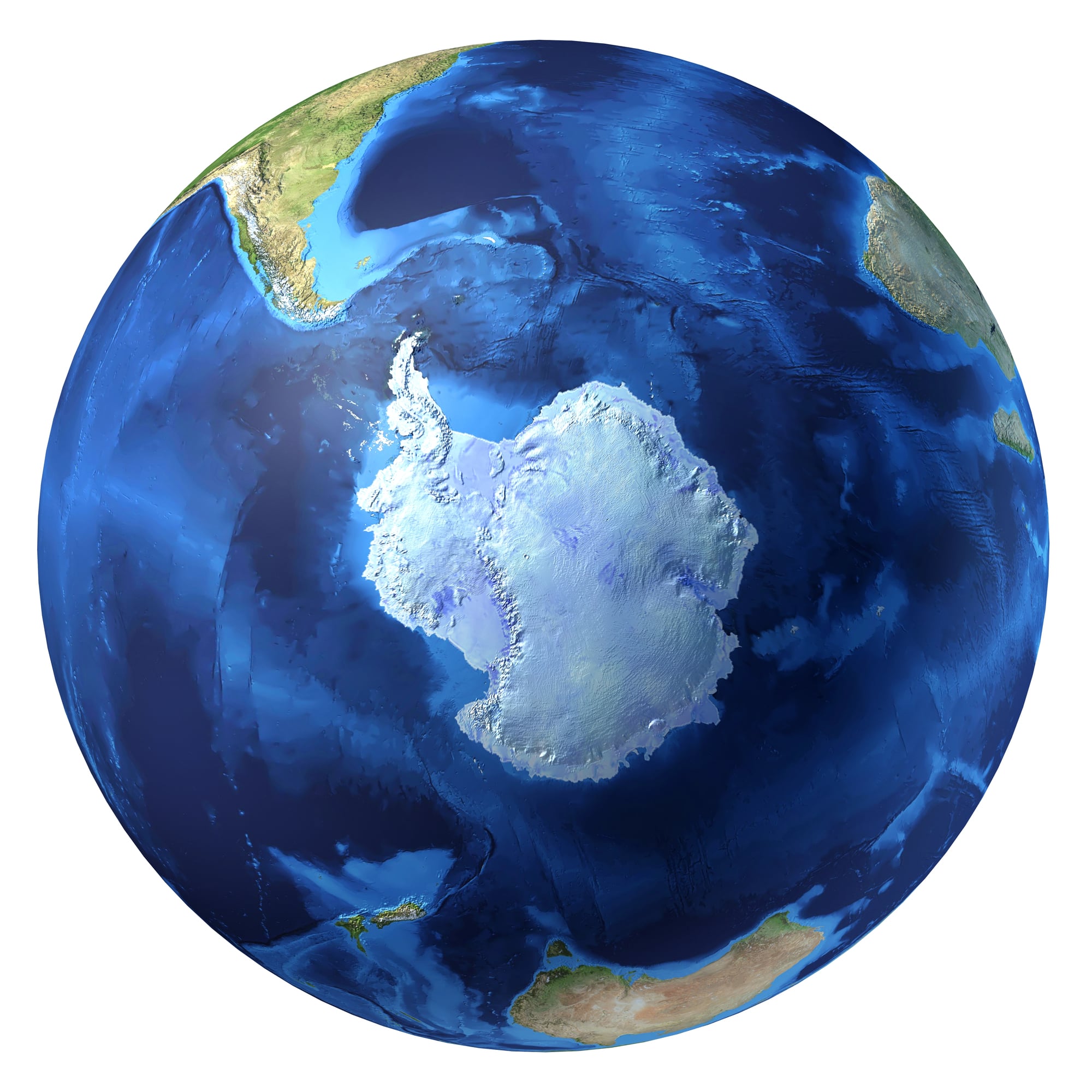
Antarctica doesn’t officially have time zones because no country owns it permanently. Different research stations use the time zones of their home countries or the countries that supply them.
This means you could walk a few miles and travel through several different time zones, depending on which research station you visit. Some stations change their clocks when their supply ships arrive, leading to constantly shifting schedules that would make a frequent flier dizzy.
Pacific islands create date line chaos
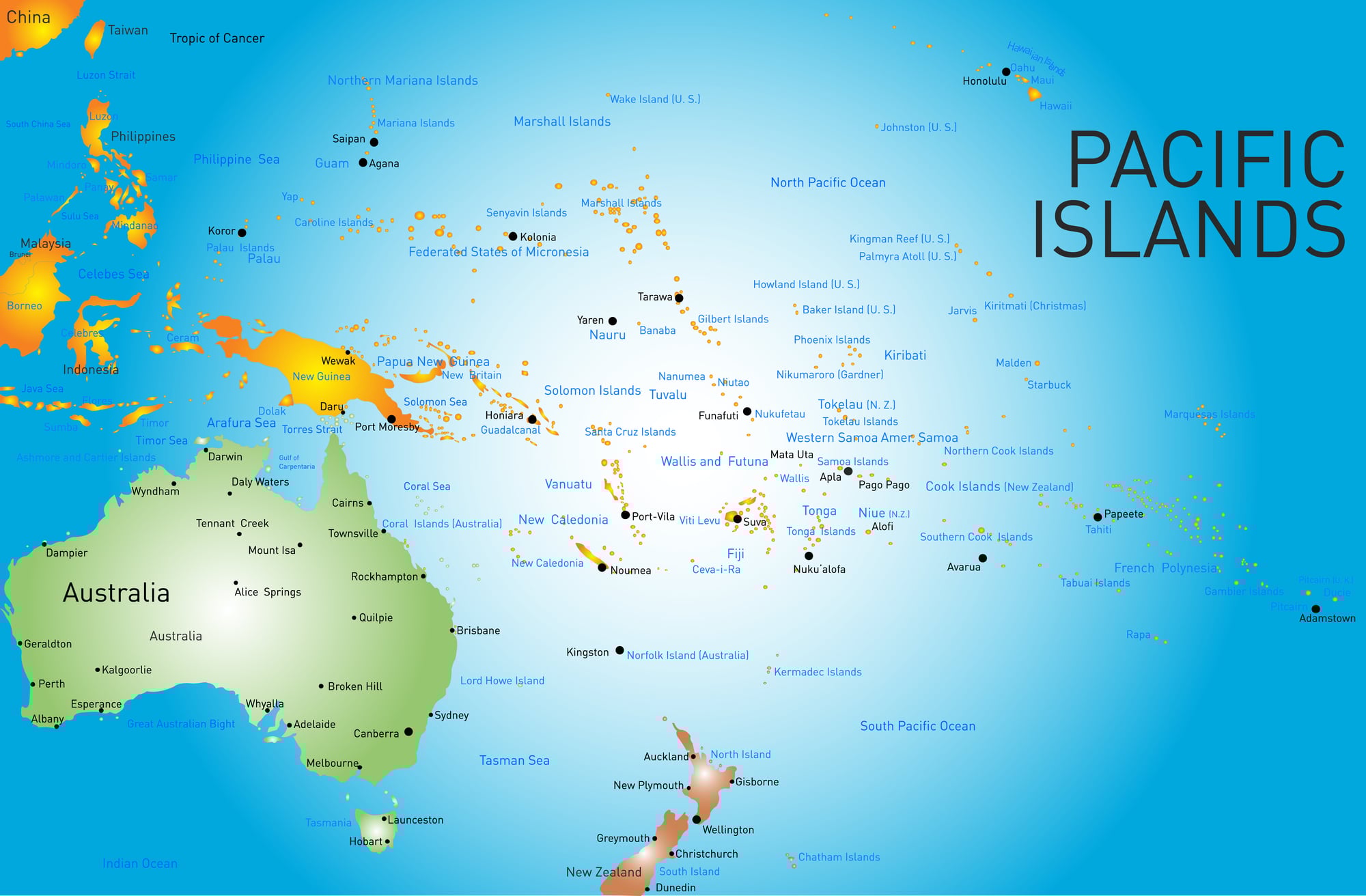
Samoa, Tokelau, Wallis and Futuna, Fiji, Tonga, Tuvalu, and New Zealand’s Kermadec Islands and Chatham Islands are all west of the International Date Line and have the same date, while American Samoa, the Cook Islands, Niue, and French Polynesia are east of the IDL and one day behind. Islands that are only a few hundred miles apart can be living in completely different days.Families with relatives on different sides of the date line have to do complex mental math just to figure out when to call each other for birthday wishes.
Like Go2Tutors’s content? Follow us on MSN.
From railroad schedules to global confusion

Time zones started as a practical solution to railroad scheduling problems in the 1800s, but they’ve evolved into a complex web of political decisions, cultural preferences, and geographical compromises that would make the original inventors scratch their heads in confusion. Countries like Samoa have jumped from UTC−11:00 to UTC+13:00 for business reasons, while others create 15-minute offsets to assert their independence from neighboring nations.
What began as a simple way to coordinate train schedules has become a fascinating reflection of how politics, culture, and human stubbornness can turn even the most basic concepts into beautifully complicated messes that keep travel agents and international business people on their toes worldwide.
More from Go2Tutors!

- 16 Historical Figures Who Were Nothing Like You Think
- 12 Things Sold in the 80s That Are Now Illegal
- 15 VHS Tapes That Could Be Worth Thousands
- 17 Historical “What Ifs” That Would Have Changed Everything
- 18 TV Shows That Vanished Without a Finale
Like Go2Tutors’s content? Follow us on MSN.