24 Mall Culture Traditions From The ’80s And ’90s That Defined Teenage Social Life
Before smartphones turned every teenager into a pocket-sized social network, there was the mall. It stood as the undisputed headquarters of adolescent culture, a climate-controlled universe where everything that mattered happened under fluorescent lights.
The mall wasn’t just where you shopped — it was where you learned to be a person. Those sprawling complexes with their fountain courts and endless corridors served as training grounds for an entire generation.
Every weekend pilgrimage to the mall meant navigating unwritten rules, participating in elaborate social rituals, and absorbing lessons about identity, friendship, and belonging that no classroom could teach.
Orange Julius Meetings
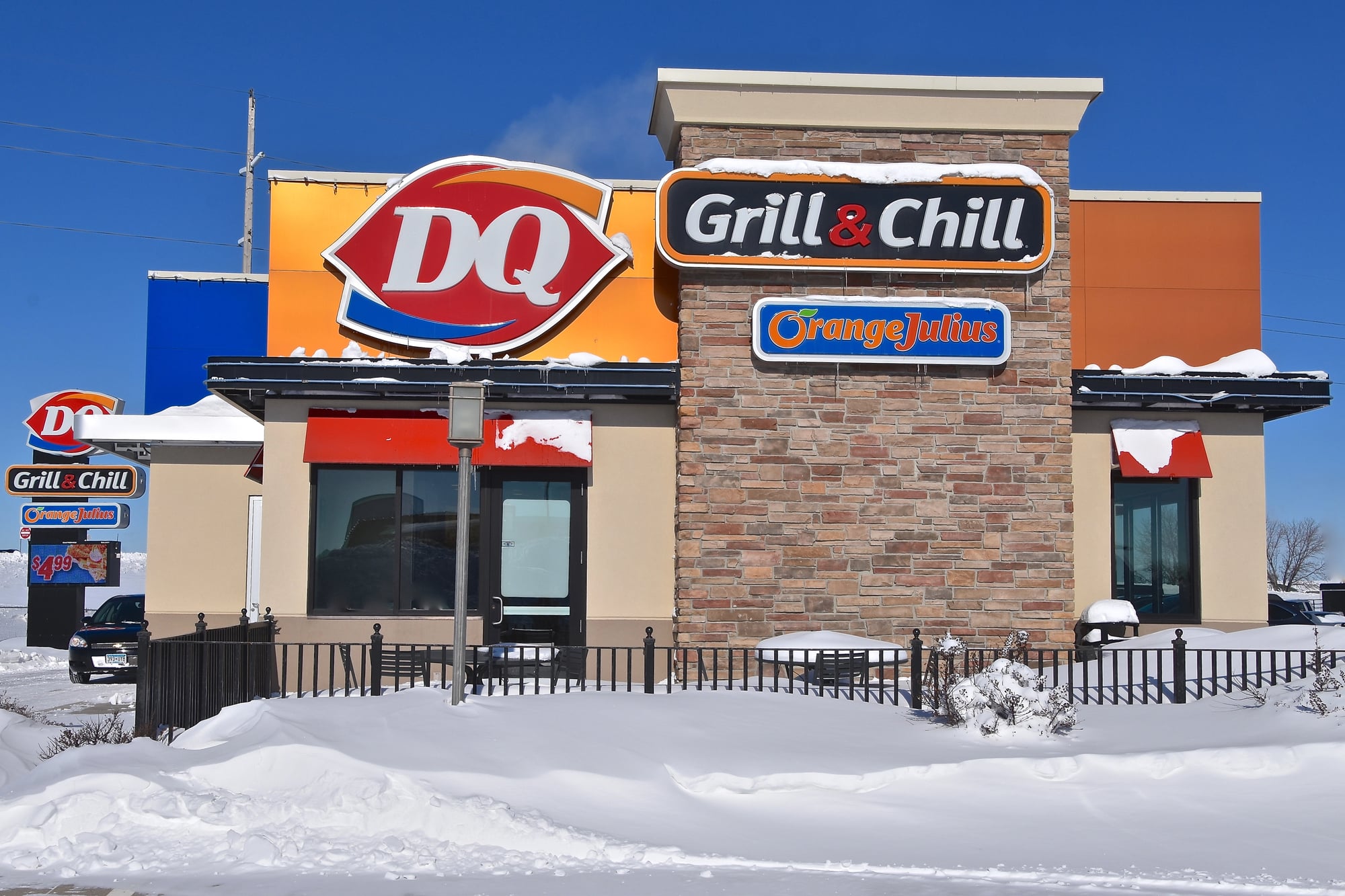
Orange Julius wasn’t just a drink stand. It was a neutral zone where different cliques could coexist without declaring war on each other.
The frothy orange concoctions served as liquid courage for awkward conversations and first dates. You’d nurse one drink for an hour, making it last while you figured out what to say next.
Record Store Pilgrimages
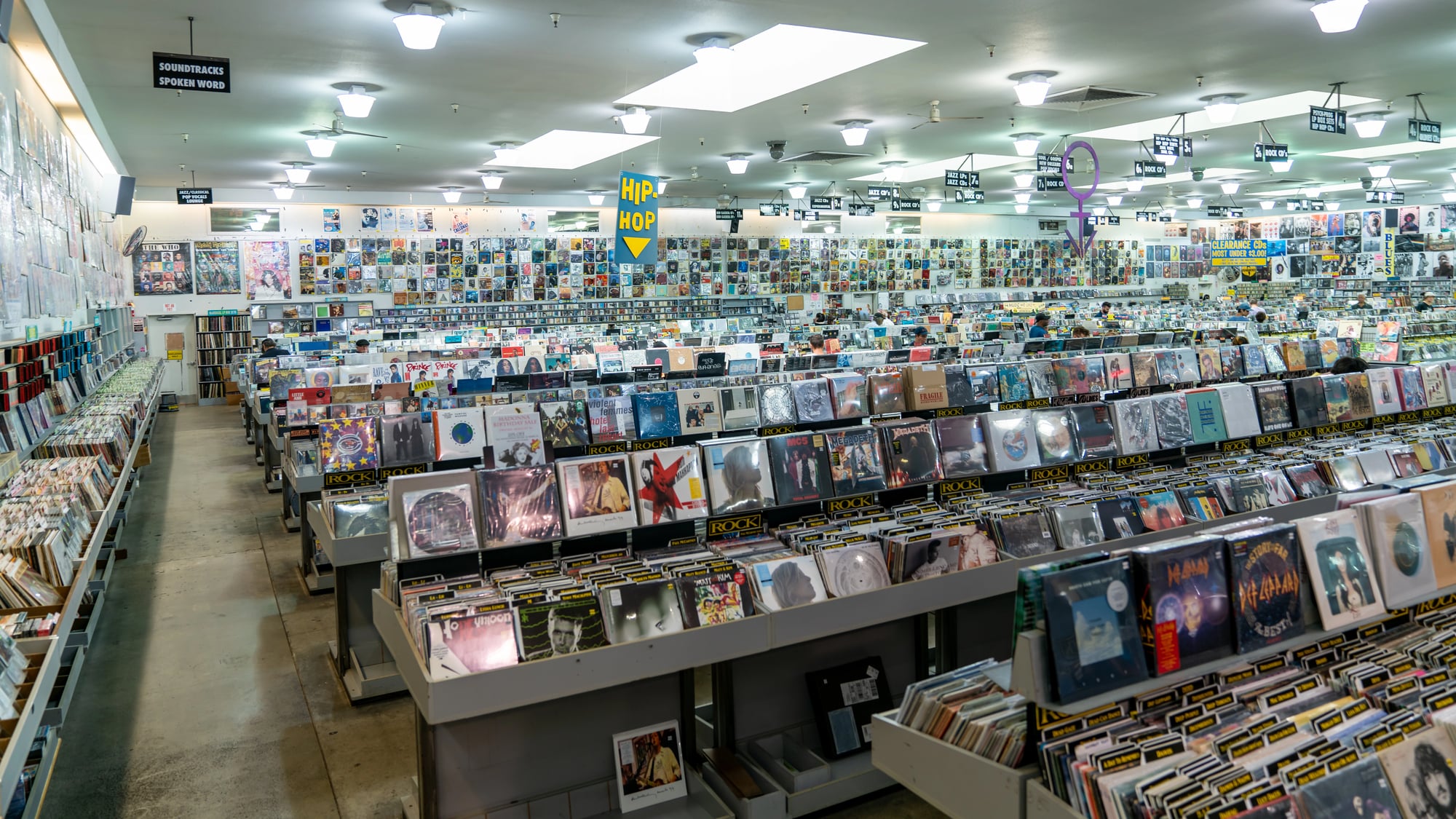
Tower Records and Sam Goody held the keys to your musical identity. You’d spend entire afternoons flipping through CD bins, hunting for that one album that would define your personality for the next three months.
The listening stations became sacred ground where you could preview your future self. Headphones on, eyes closed, deciding whether this was the sound that would carry you through sophomore year.
Store employees with their superior music knowledge seemed like gods dispensing wisdom from behind the counter (because, honestly, they knew about bands you’d never heard of and somehow always steered you toward something that would become your obsession). And the ritual of saving allowance money for weeks just to afford one CD — that made every purchase feel monumental.
Food Court Geography
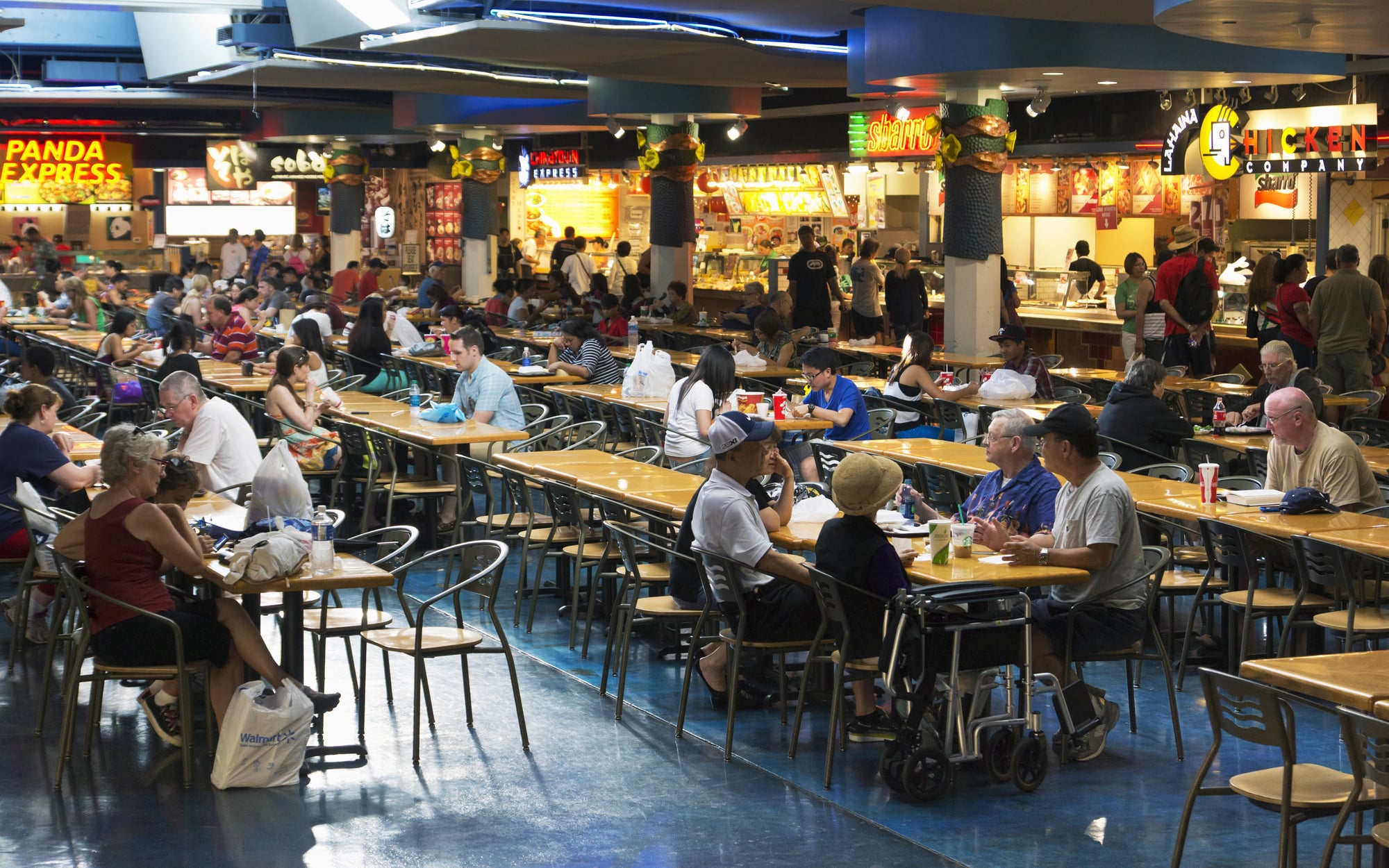
The food court operated on invisible but rigid territorial laws. Every group had their designated tables, their preferred seating arrangements, their unspoken claims to specific sections of the dining area.
Certain tables commanded better views of foot traffic. Others offered strategic positioning near the exit for quick escapes.
The truly powerful groups claimed the round tables that could accommodate eight people and served as unofficial throne rooms. Walking through the food court meant navigating a complex social map.
You knew exactly which tables to avoid, which ones to acknowledge with a nod, and which ones might actually welcome you if you played your cards right.
Arcade Quarters
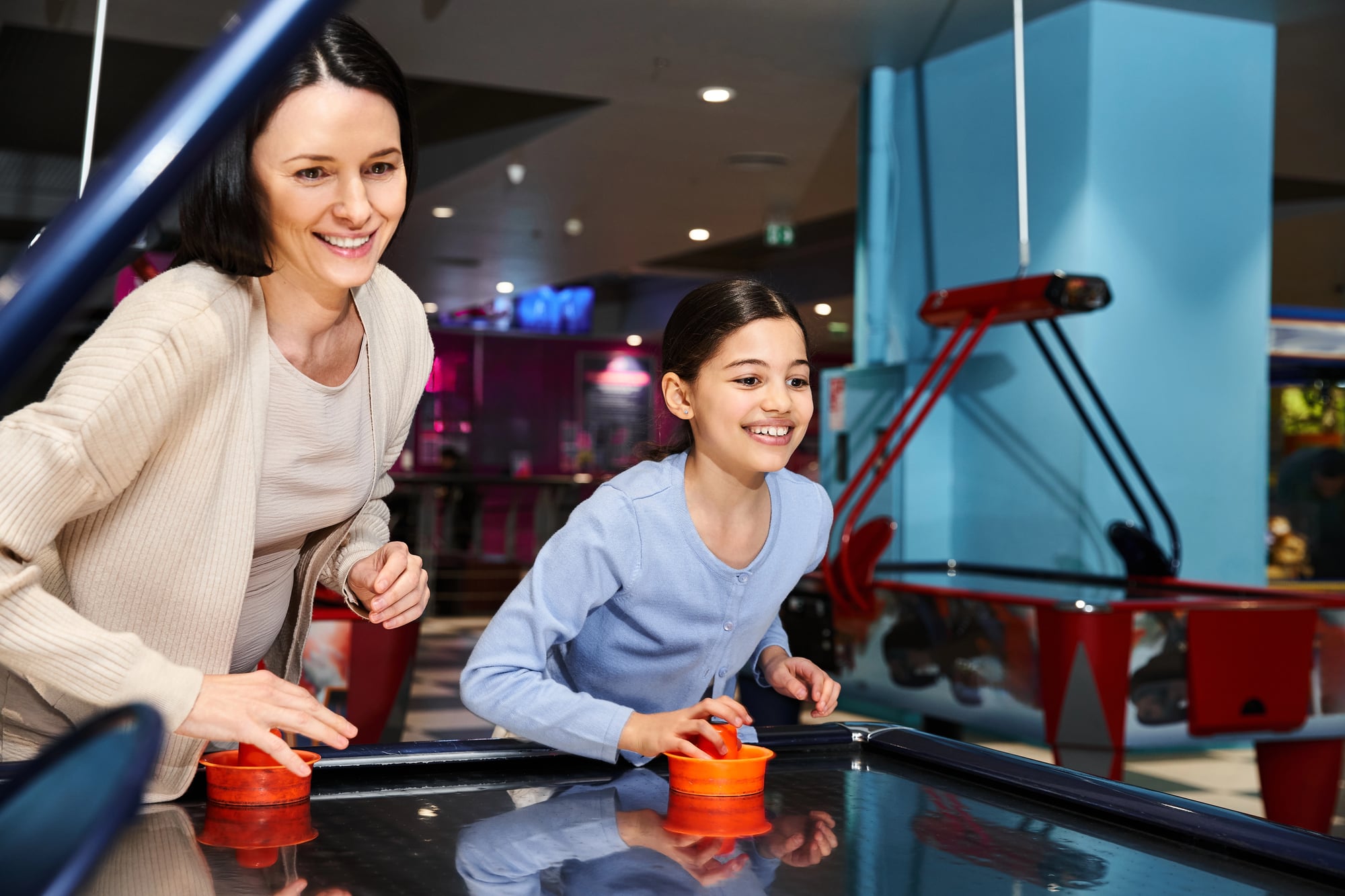
Quarters disappeared faster than dignity at a school dance. The arcade represented pure meritocracy — your social status meant nothing if you couldn’t master Street Fighter II or achieve a respectable score on Galaga.
The serious players arrived with rolls of quarters, pockets heavy with silver ammunition. They’d stake out their favorite machines and defend high scores with the intensity of medieval knights protecting their honor.
Spencer’s Gifts Dares
Spencer’s existed in a perpetual state of adolescent rebellion. Walking through those black-lit aisles felt like entering forbidden territory, even though everything was perfectly legal and displayed right there in the open.
The store specialized in items that seemed scandalous to teenage sensibilities but were actually pretty tame. Lava lamps, joke gifts, band posters, and accessories that your parents would definitely not approve of.
Shopping there was less about buying anything and more about proving you were mature enough to handle the mild shock value. And yet there was something genuinely transgressive about browsing those racks of novelty t-shirts and gag gifts (the kind that made you snicker and immediately look around to see if anyone was watching).
Spencer’s understood that teenagers craved controlled rebellion — the thrill of breaking rules without actually breaking any laws.
Claire’s Ear Piercing Ceremonies
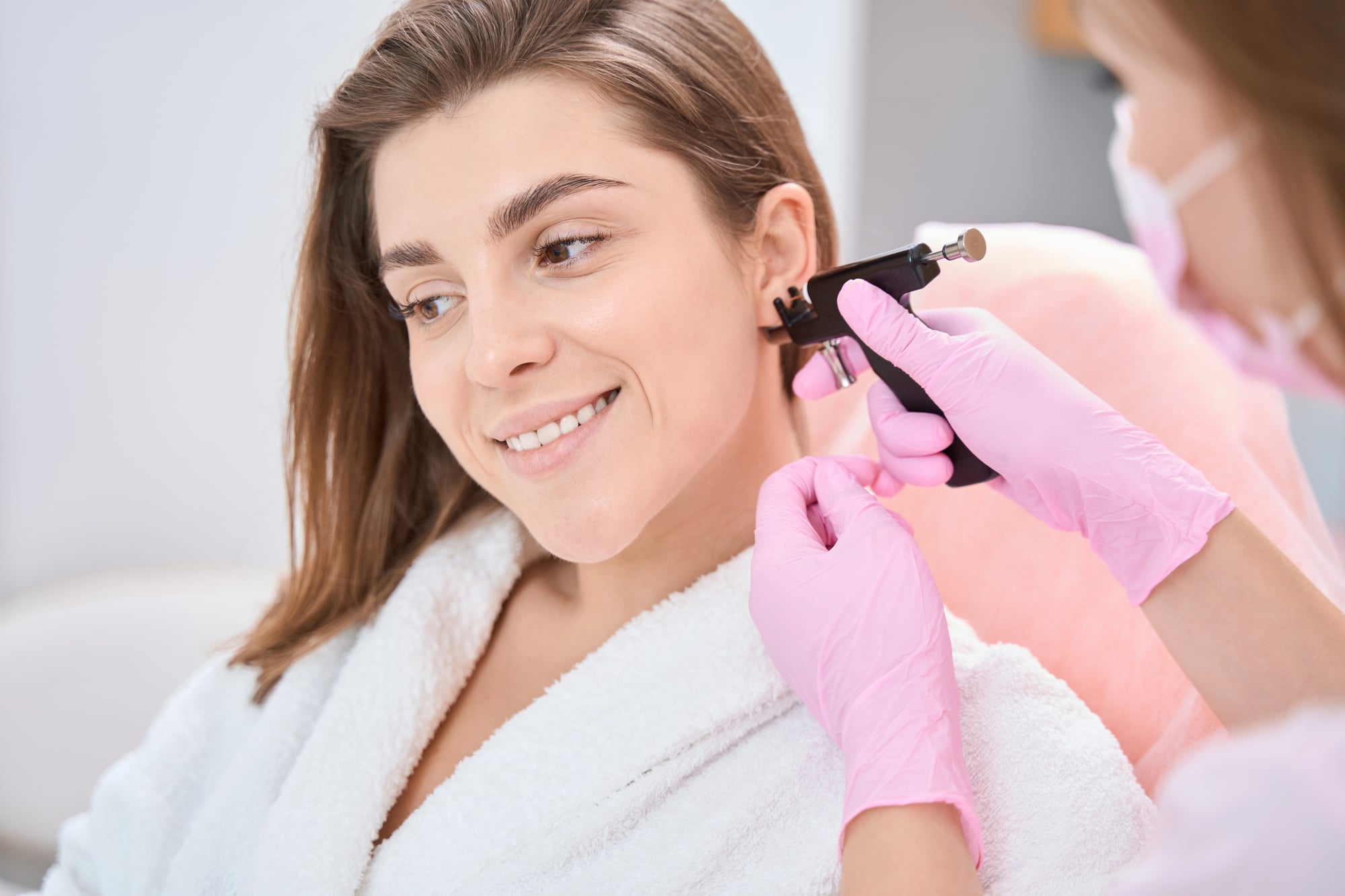
Claire’s turned ear piercing into a rite of passage complete with audience and ceremony. Friends gathered to witness the momentous occasion, offering moral support and documenting the experience with disposable cameras.
The piercing gun’s sharp click marked a transition from childhood to something approaching sophistication. You’d spend twenty minutes selecting the perfect starter studs, knowing they’d be your companions for the next six weeks of careful cleaning and rotation.
The aftercare instructions became gospel, and comparing healing progress with friends who’d undergone the same ritual created an instant bond. The whole process felt monumental at fourteen.
Looking back, it was just tears in earlobes, but at the time it represented autonomy — your first real decision about your body that didn’t require a parent’s signature.
Movie Theater Meetups
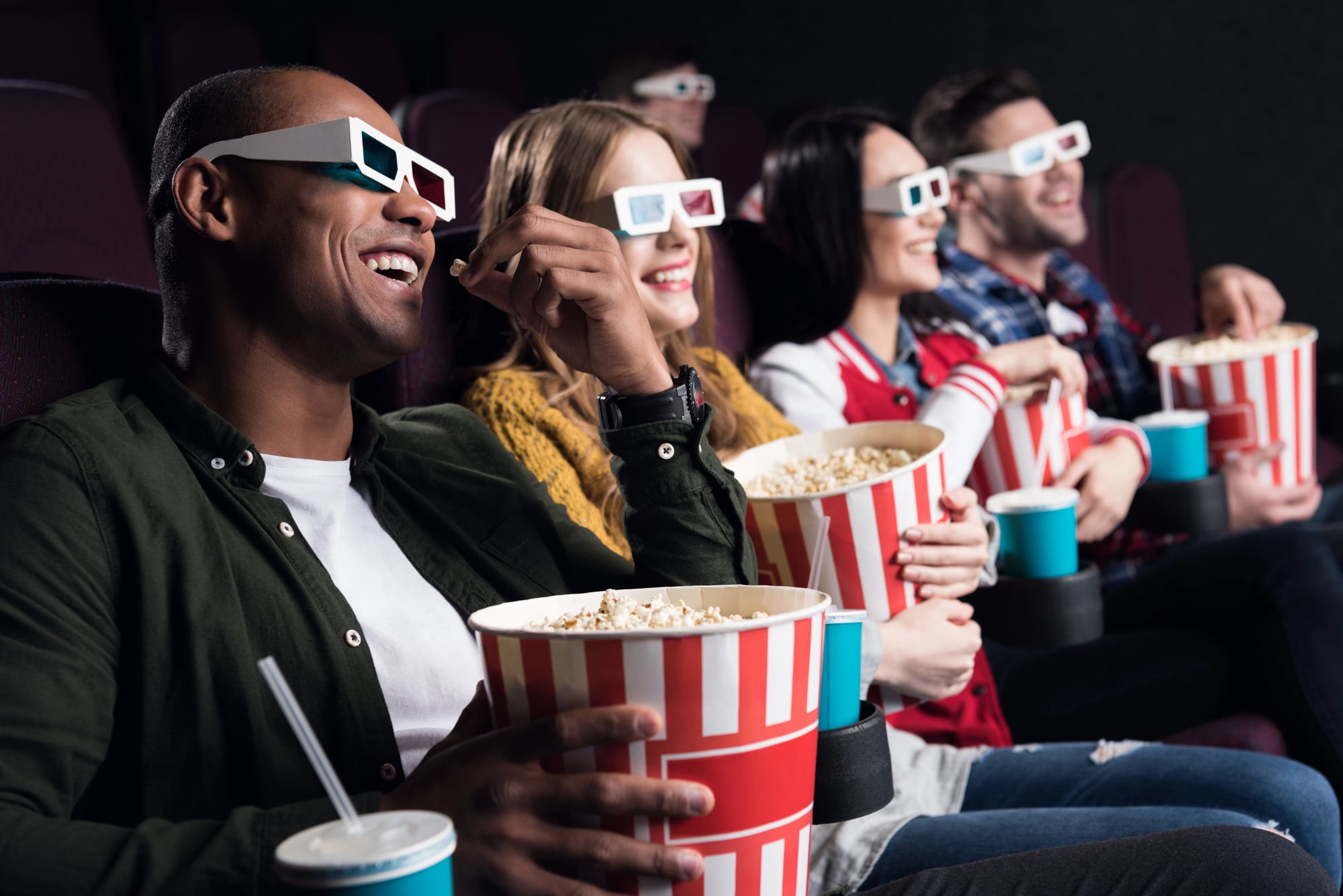
The multiplex served as neutral meeting ground for groups that might not otherwise intersect. Movie choices revealed personality traits and social allegiances in ways that felt deeply significant.
Picking what to see required complex negotiations. Rom-coms appealed to some crowds, action movies to others, and horror films provided the perfect excuse for strategic seating arrangements.
The two-hour commitment meant you were stuck with your choices — both the movie and the company.
Bathroom Gossip Sessions
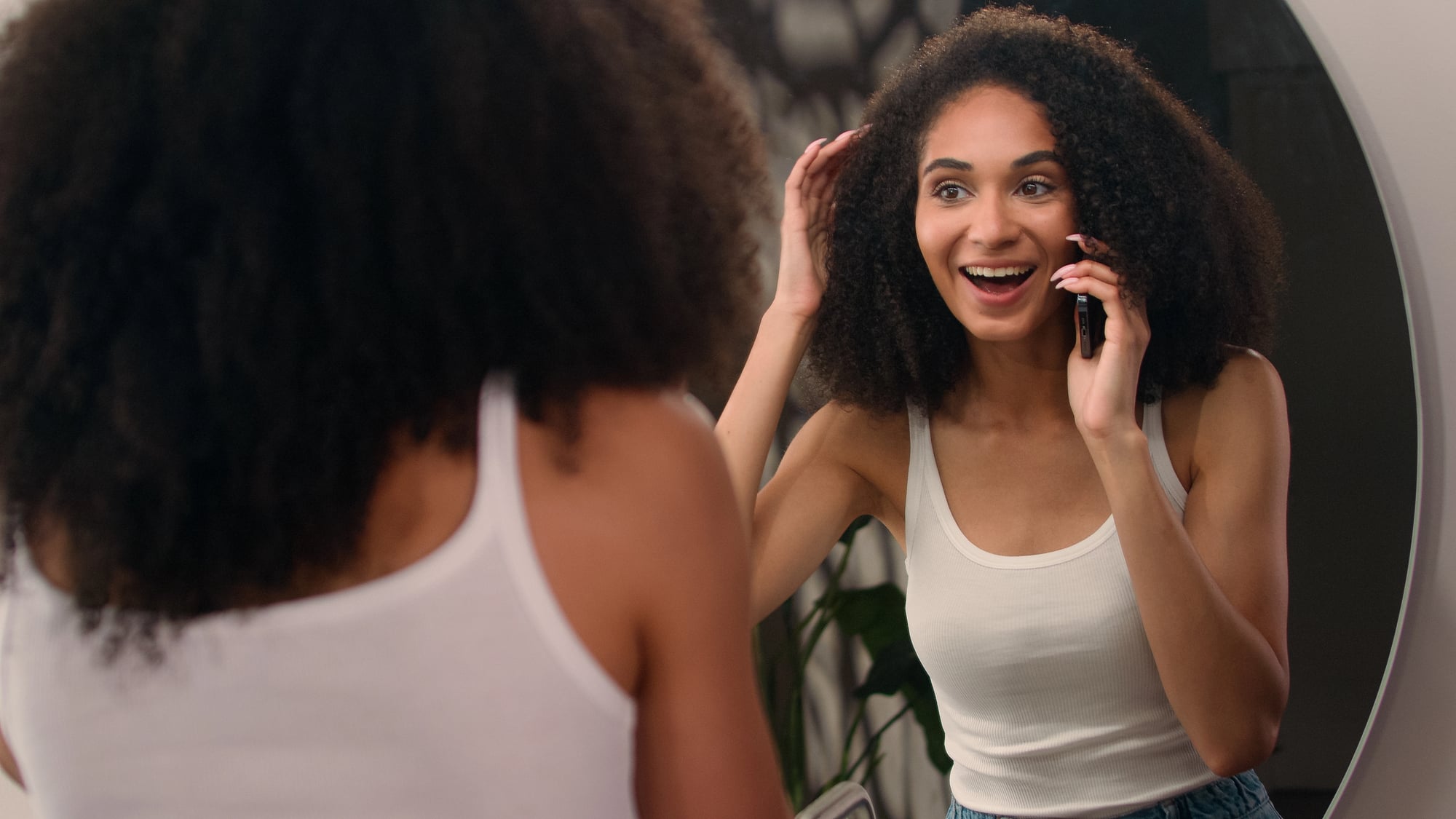
Mall bathrooms transformed into temporary headquarters for intelligence gathering and crisis management. Away from the watchful eyes of parents and the opposite gender, these tiled chambers hosted the most important conversations of teenage life.
Information flowed freely between stalls and mirror stations. Who was dating whom, what happened at last night’s party, who said what to whom in third period — the bathroom network rivaled any modern social media platform for speed and reach.
The mirror provided the perfect backdrop for group consultation on hair emergencies and outfit adjustments. Friends offered honest assessments and emergency makeup repairs while maintaining the kind of brutal honesty that only teenage girls could deliver with genuine care.
KB Toys Nostalgia Trips
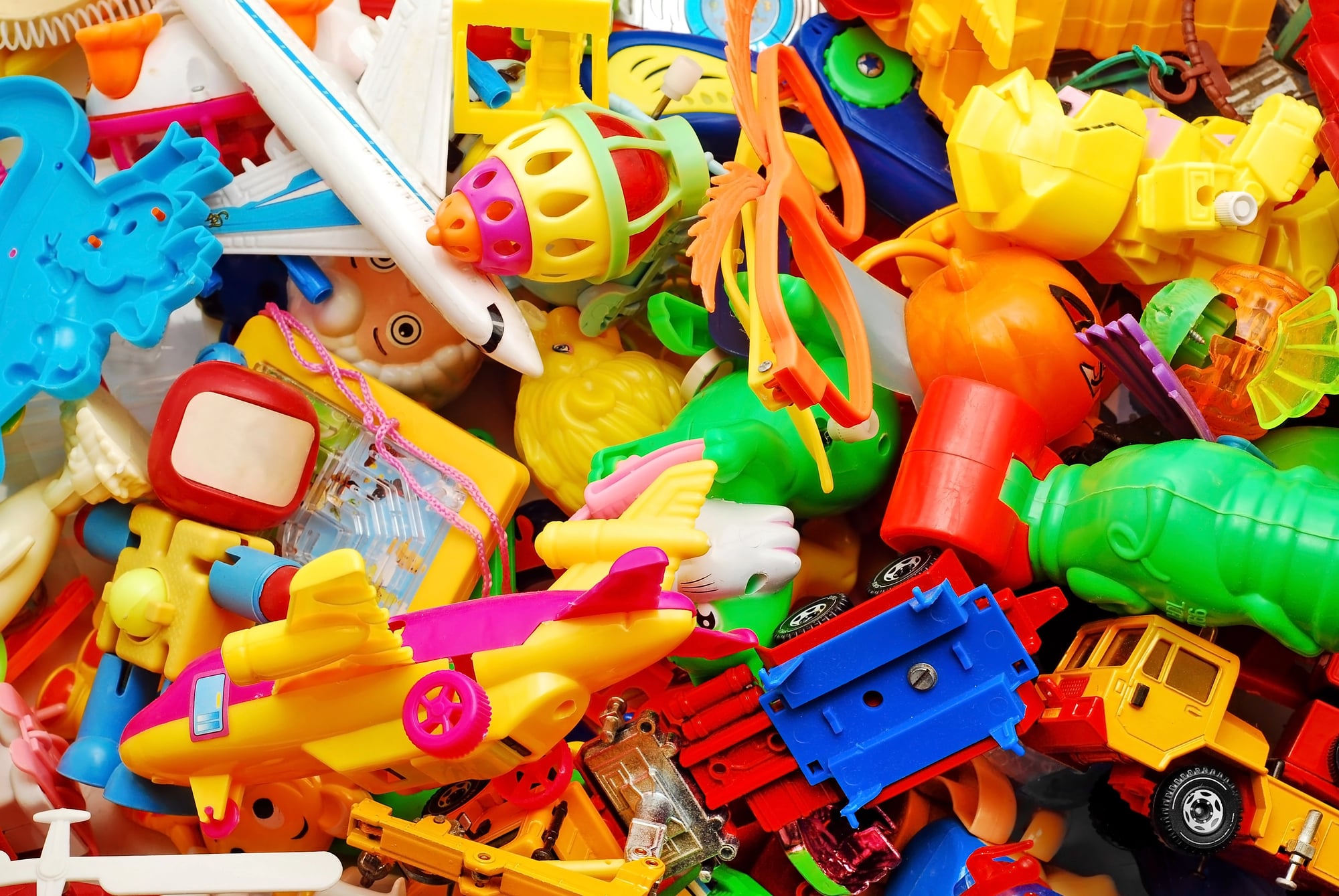
KB Toys represented the last connection to childhood before the full descent into teenage complexity. Even at fifteen, walking through those cramped aisles triggered something primal and comforting.
You’d gravitate toward toys that seemed too young for you but somehow still held appeal. Action figures, board games, and gadgets that promised hours of entertainment back when entertainment was simpler.
The store served as a reminder of who you used to be, which felt both nostalgic and slightly embarrassing. Sometimes you’d actually buy something — a yo-yo or a deck of magic cards — and justify it as ironic or retro.
But the real draw was the brief return to a mindset where fun didn’t require social calculation.
Hot Dog On A Stick Uniforms
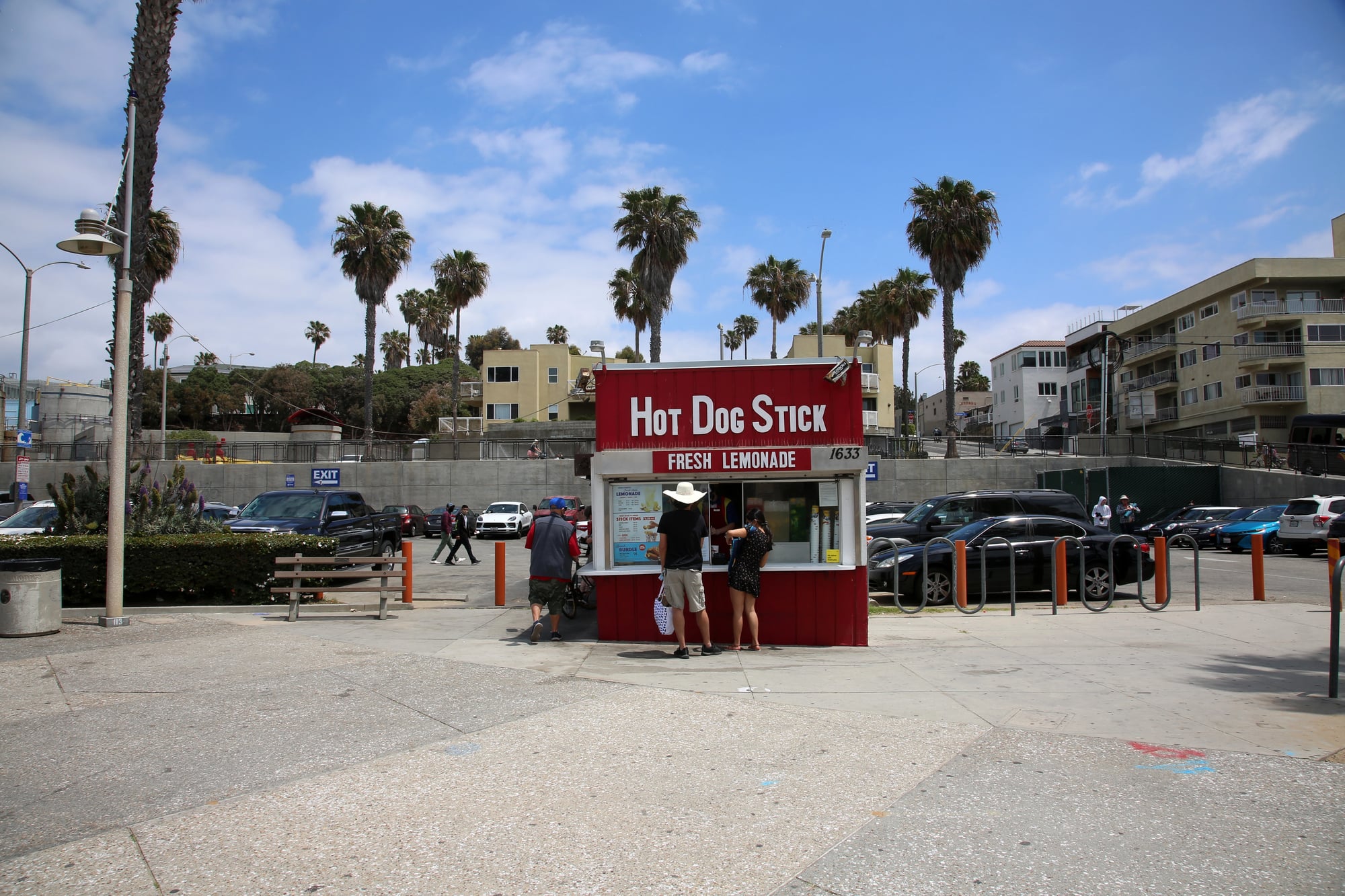
Hot Dog on a Stick employees wore those striped uniforms and tall hats that looked like something from a carnival sideshow. The outfits were so ridiculous they became iconic, and somehow the employees managed to maintain dignity while dressed like vintage popcorn vendors.
The fresh-squeezed lemonade required an elaborate preparation ritual that drew crowds. Watching the rhythmic juicing process became entertainment, and the final product tasted like summer concentrate.
Getting hired at Hot Dog on a Stick meant accepting that you’d spend months looking slightly absurd, but it also meant legitimate employment at the center of social activity. The uniform was a small price to pay for insider status and a steady supply of spending money.
And there was something admirable about the staff’s commitment to the aesthetic (those hats required confidence that not everyone possessed). The whole operation felt like performance art disguised as fast food.
Glamour Shots Sessions
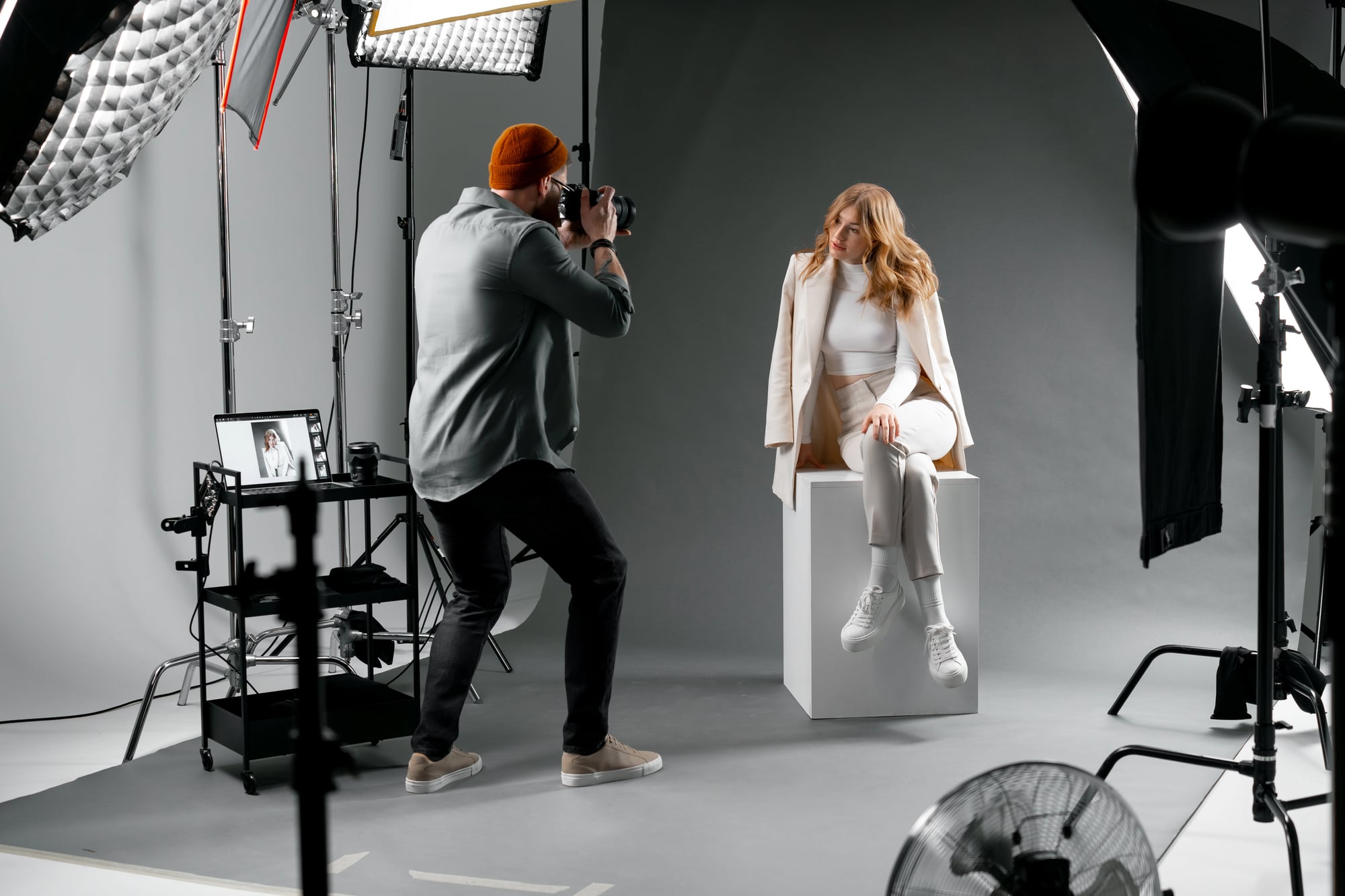
Glamour Shots promised to transform ordinary teenagers into magazine-worthy models through aggressive makeup application and creative lighting. The results were simultaneously stunning and completely divorced from reality.
The photography sessions felt like playing dress-up with professional equipment. Hair got teased to impossible heights, makeup applied with theatrical intensity, and poses arranged to suggest sophistication that wouldn’t fool anyone who knew you.
But for thirty minutes, you got to inhabit a fantasy version of yourself that looked ready for album covers. The finished photos bore little resemblance to your actual appearance, which was exactly the point.
They captured not how you looked but how you wanted to look — or how you imagined you might look with enough time and professional intervention.
Payless Shoe Shopping
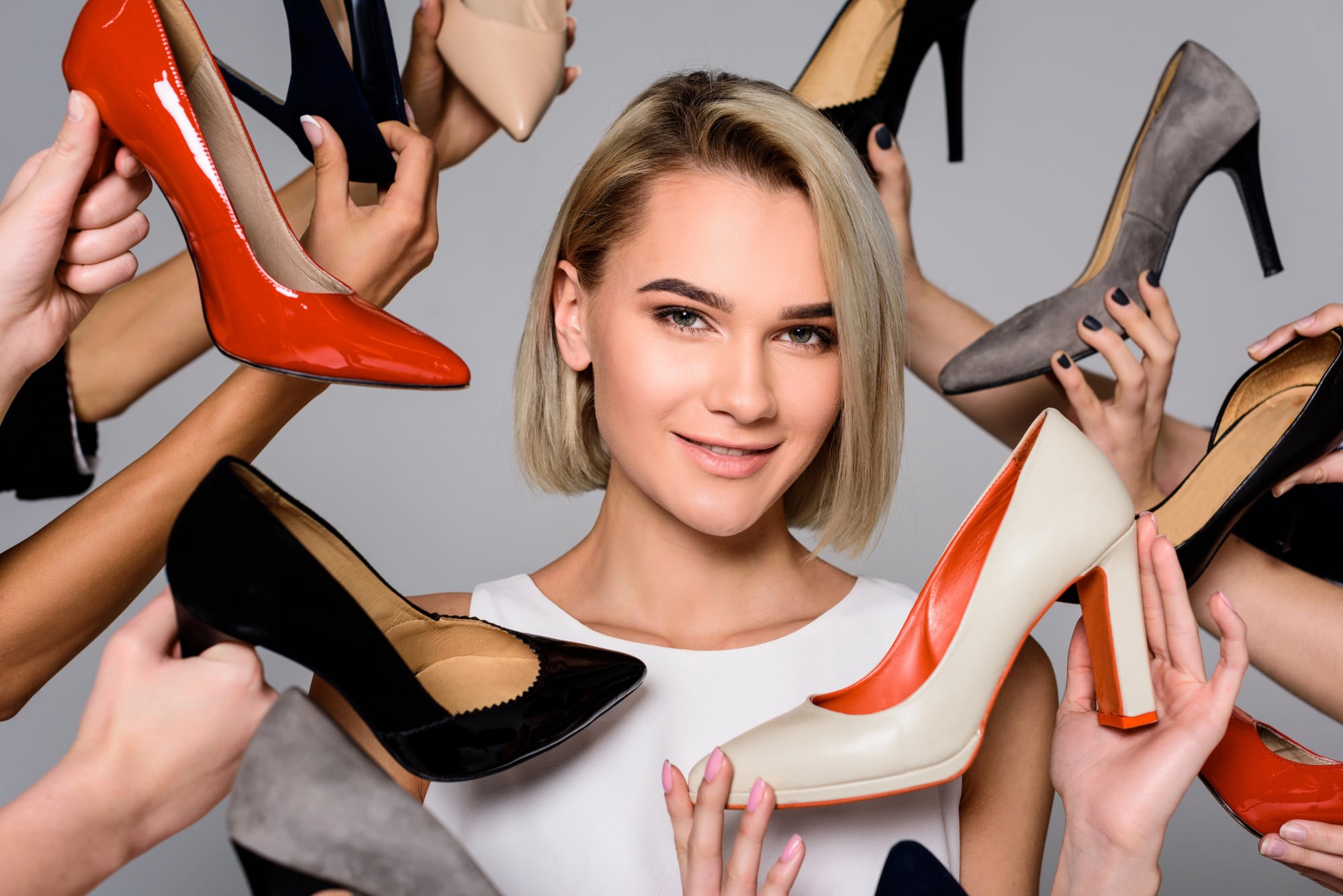
Payless offered affordable footwear for teenagers operating on babysitting budgets. The selection leaned heavily toward trendy styles that would last just long enough to go out of fashion.
You could afford to take risks with bold colors or unusual designs because the financial commitment was minimal. Platform sandals that added four inches of height, sneakers in electric colors, boots that made satisfying clicking sounds on mall tile — Payless enabled experimentation without breaking the bank.
The shoes weren’t built for longevity, but teenage feet were still growing anyway. Better to buy three pairs of interesting shoes than one pair of sensible ones.
Pretzel Stand Gatherings
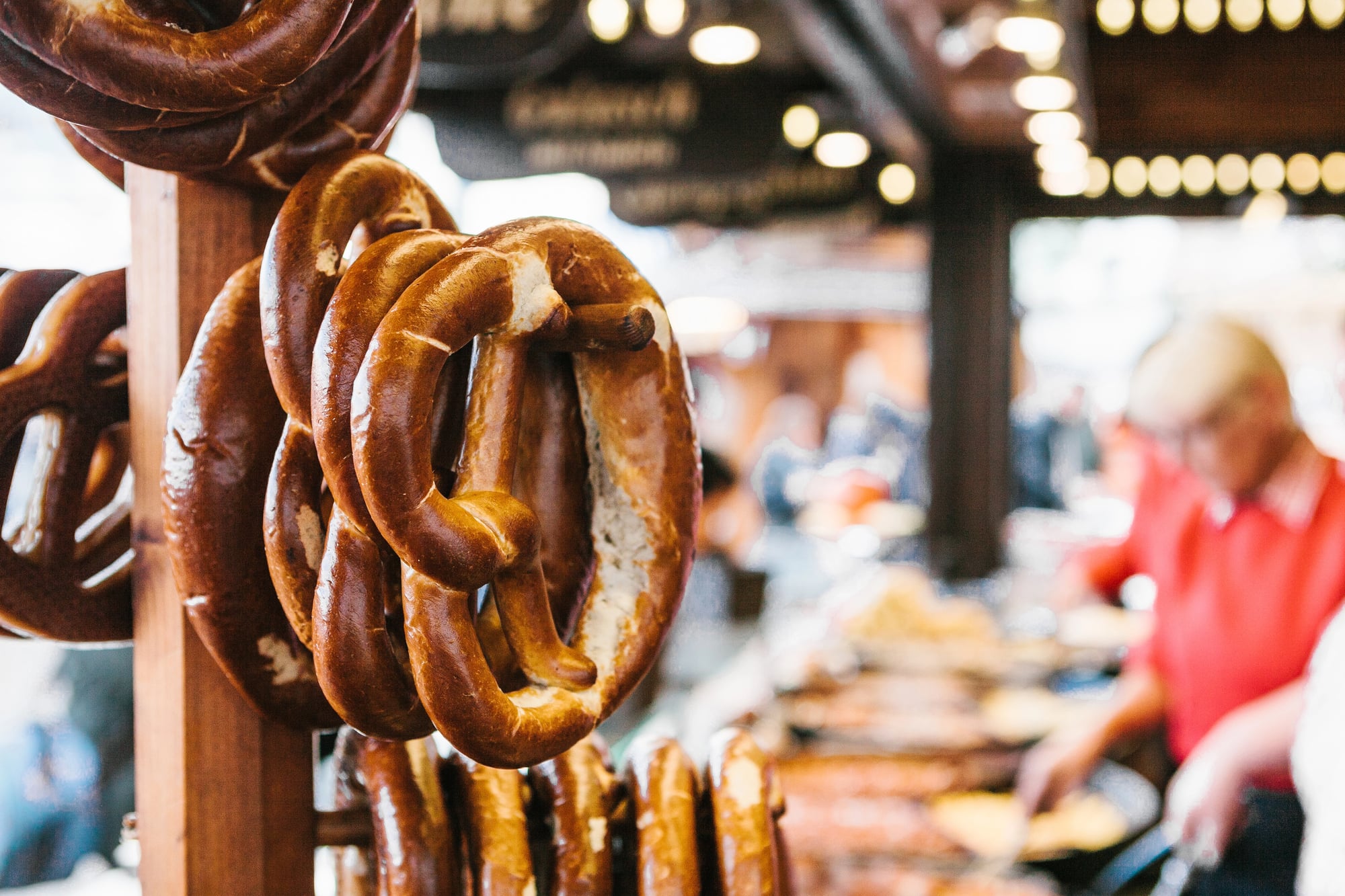
Auntie Anne’s pretzels provided the perfect excuse to linger in mall corridors without looking like you were loitering. The warm, twisted dough served as both snack and social lubricant for groups trying to figure out their next move.
The cinnamon sugar variety attracted those with a sweet tooth, while the salted versions appealed to more traditional tastes. Sharing a pretzel created instant intimacy — breaking bread, even if that bread was shaped like a knot and covered in coarse salt.
The preparation process was mesmerizing. Watching dough get twisted into perfect spirals, then baked to golden brown perfection, then coated in whatever topping you’d selected.
The whole operation smelled like comfort and tasted like weekend freedom.
Suncoast Video Browsing
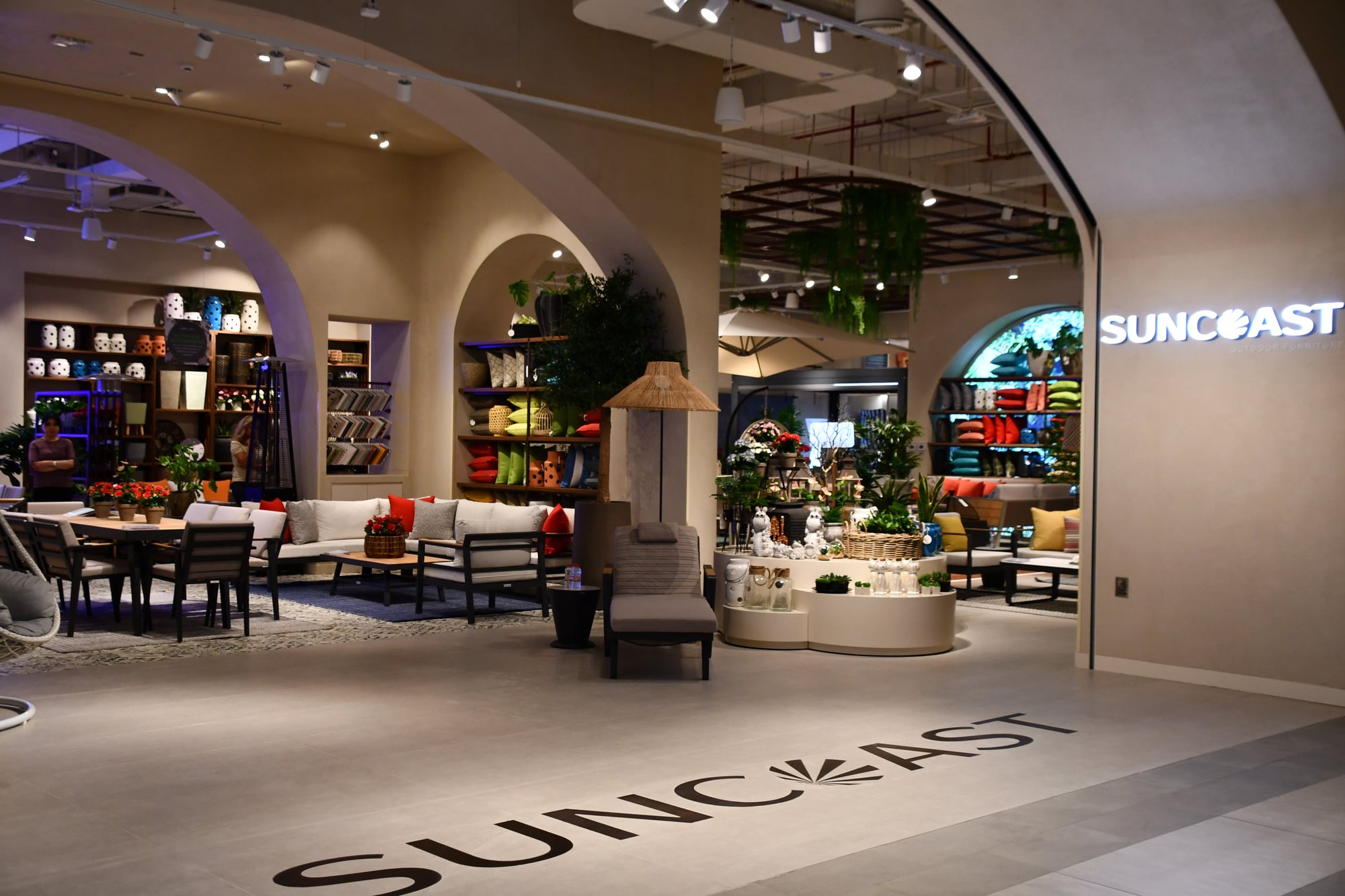
Suncoast Video housed the largest collection of movies available for home viewing, back when owning a movie meant something significant. The store’s organized chaos of VHS tapes and later DVDs represented unlimited entertainment possibilities.
New releases commanded premium prices that put them out of reach for most teenage budgets, but browsing was free. You’d spend hours reading box descriptions, memorizing trailers, and building mental lists of movies to rent when you could afford them.
The staff possessed encyclopedic knowledge about obscure titles and upcoming releases (they were the internet before the internet existed for movie information). Conversations with employees often led to discoveries of films that would become lifelong favorites.
Limited Too Shopping Sprees

Limited Too understood exactly what teenage girls wanted before they knew they wanted it. The store specialized in clothes that were sophisticated enough to feel grown-up but colorful enough to still feel fun.
Everything was designed to coordinate with everything else, making it nearly impossible to make a bad choice. The butterfly clips, platform shoes, and crop tops created a complete aesthetic that felt distinctly late-’90s but seemed timeless when you were living it.
Shopping there meant joining a specific tribe with shared values about fashion and femininity. The clothes served as uniforms for a particular type of teenage girl — one who wasn’t ready to be completely serious but was definitely ready to be taken seriously.
And the sizing was forgiving in ways that department stores weren’t (everything seemed designed to make you feel like you looked amazing). The fitting rooms had that magical lighting that made every outfit look like it was meant for you.
Hickory Farms Samples
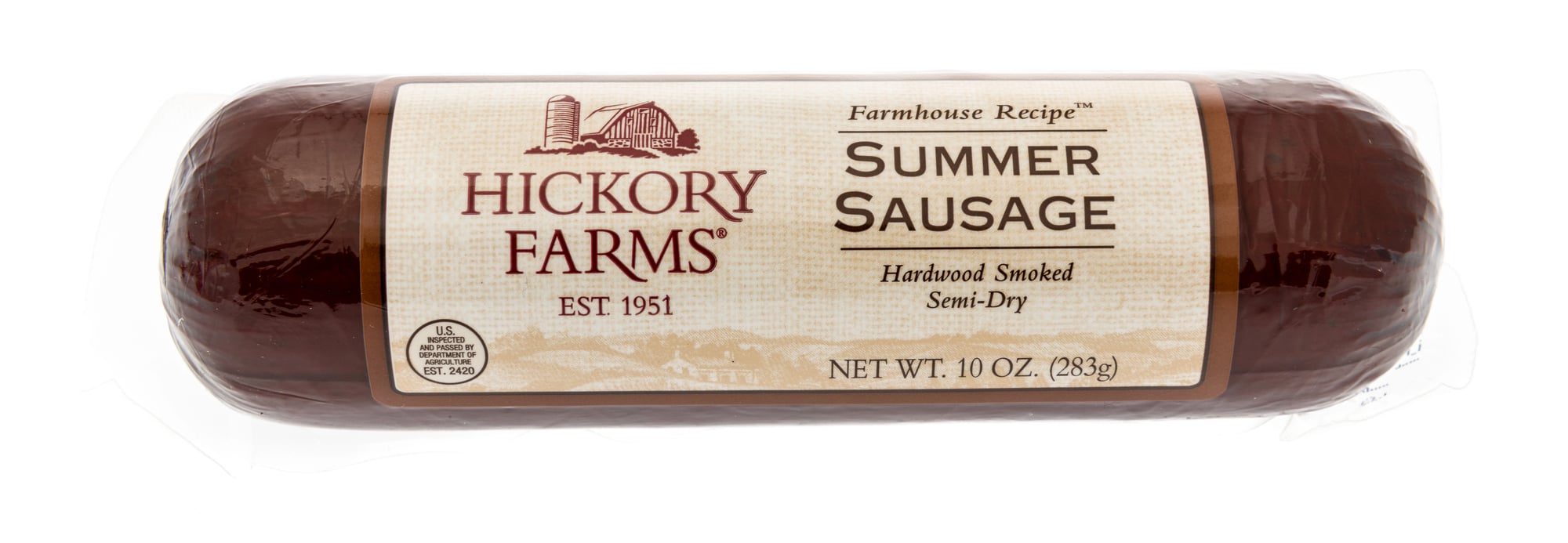
Hickory Farms turned snack sampling into an art form. The cheese and sausage combinations provided free sustenance for teenagers stretching limited budgets across entire afternoon adventures.
The employees seemed genuinely enthusiastic about their products, offering generous samples with detailed explanations about flavor profiles and aging processes. You could construct an entire meal from their offerings without purchasing anything, and they’d smile and offer you more.
The holiday seasons transformed Hickory Farms into gift-giving headquarters for people who wanted to appear sophisticated but weren’t quite sure how. Cheese and crackers seemed like the kind of thing adults appreciated.
Piercing Pagoda Negotiations
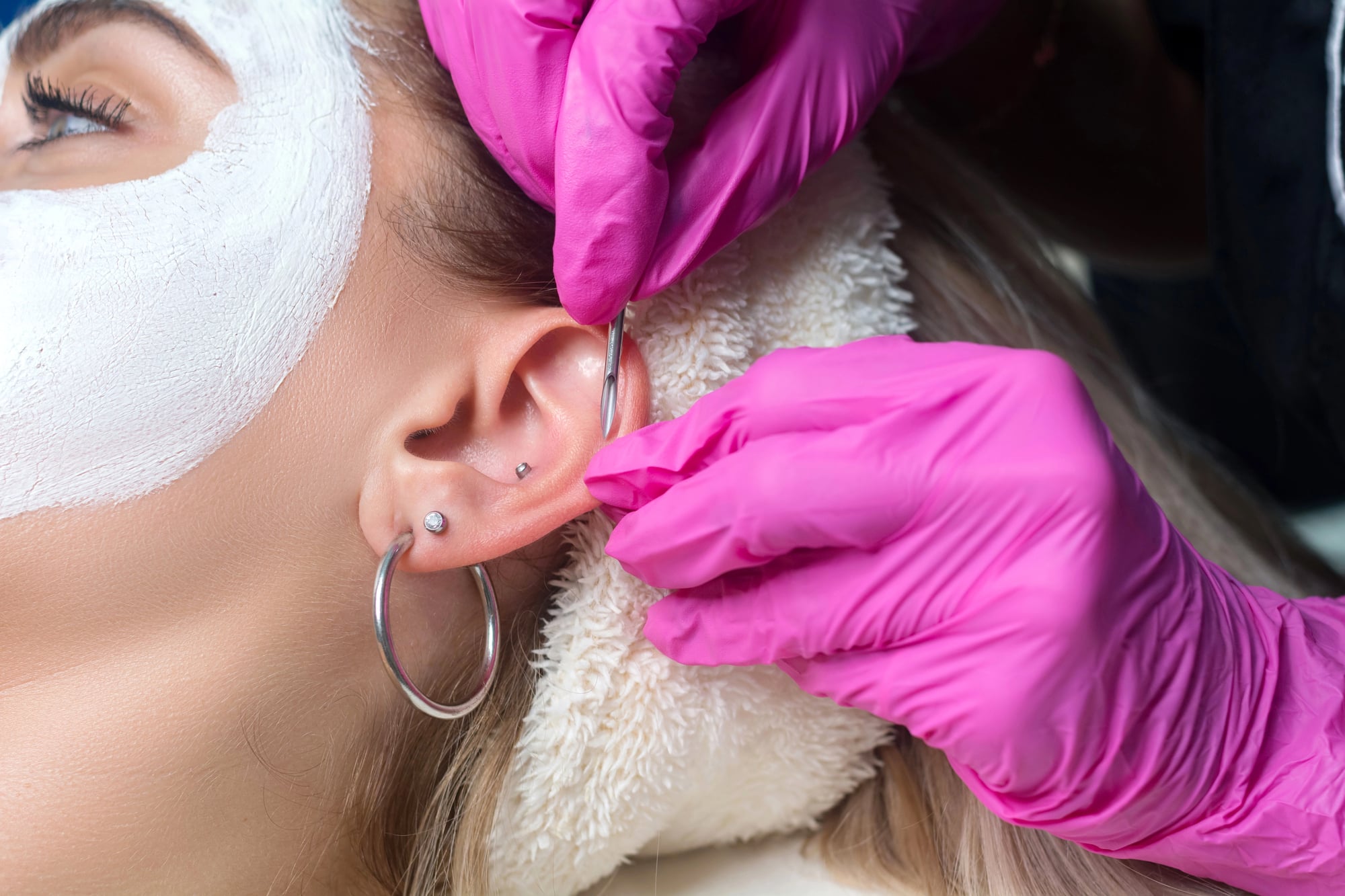
Piercing Pagoda offered ear piercing services with slightly more credibility than Claire’s, which made it the choice for anyone taking their ear modification seriously. The staff seemed more professional, the equipment more legitimate, and the jewelry selection more extensive.
Getting pierced there felt like graduating from amateur to semi-professional status. The process took longer, the aftercare instructions were more detailed, and the results looked more like something an adult might have done.
The location in the middle of mall traffic meant your piercing became a public event whether you wanted it to or not. Strangers would stop to watch, comment on your bravery, and share their own piercing stories.
RadioShack Gadget Exploration
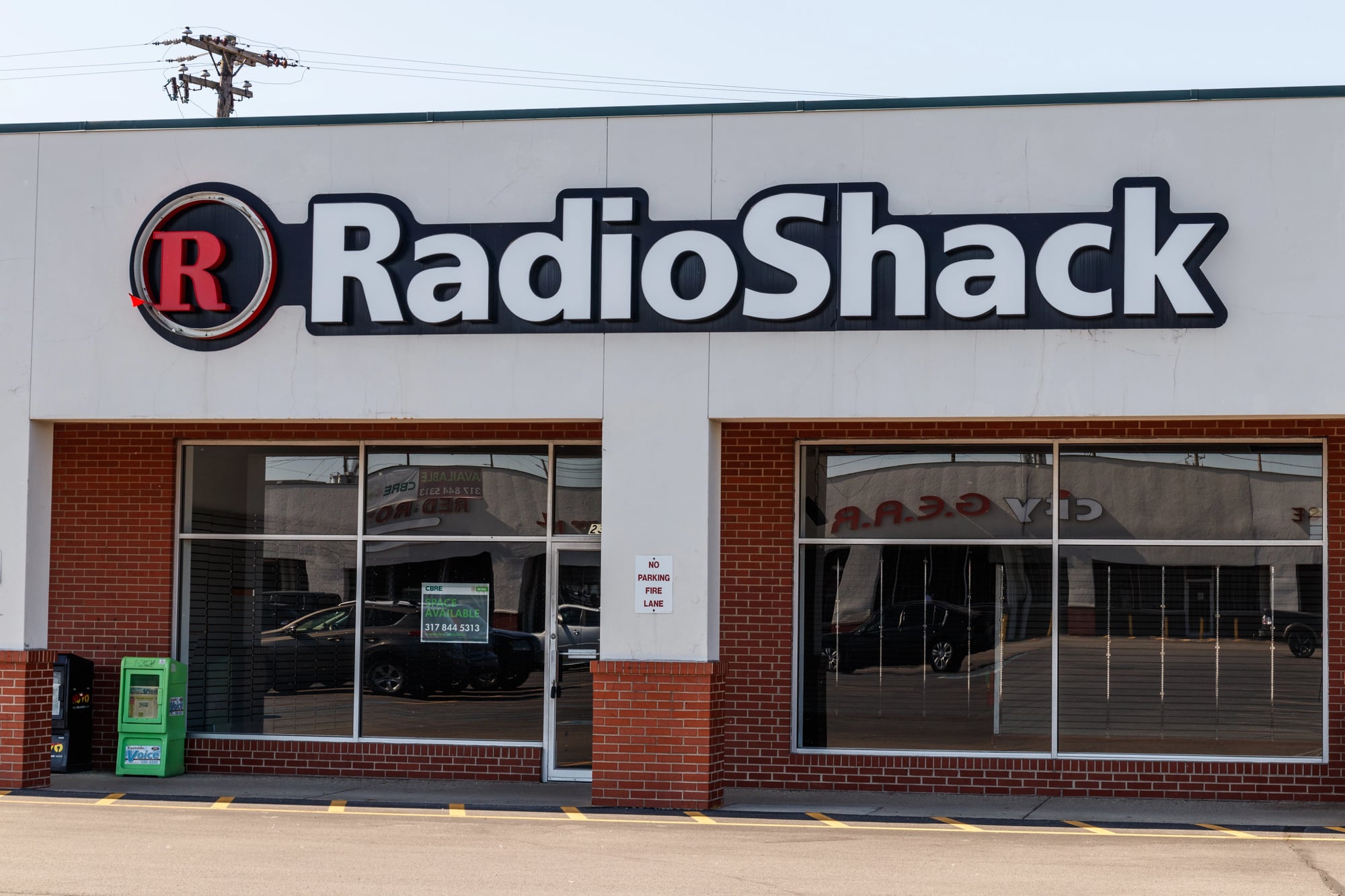
RadioShack catered to the electronically curious with gadgets that promised to unlock the mysteries of modern technology. The store felt like a laboratory where teenagers could examine the building blocks of the devices that surrounded them.
Walkie-talkies, electronic kits, and various adapters offered hands-on education about how things worked. The staff could explain complex concepts in terms that made sense to non-engineers, and they encouraged experimentation with a patience that seemed almost parental.
The prices were reasonable enough to allow for impulse purchases, and the satisfaction of assembling your own radio or building a simple circuit provided tangible proof of technological competence. The whole place smelled like electronics and possibility (that distinctive scent of plastic and metal that promised you could build anything if you understood the right connections).
Shopping there felt like preparing for a future where understanding technology would matter more than anyone realized.
Brookstone Gadget Testing
Brookstone specialized in gadgets that seemed to come from the future. Massage chairs, electronic organizers, and various contraptions that promised to solve problems you didn’t know you had.
The store encouraged hands-on interaction with their products, which meant you could spend serious time testing massage devices, trying out ergonomic keyboards, and experimenting with electronic toys. Everything felt expensive and slightly unnecessary, which somehow made it more appealing.
The employees seemed to understand that most visitors were browsers rather than buyers, and they allowed extensive product testing without pressure to purchase. You could treat the store like a technology playground.
Contempo Casuals Fashion Statements
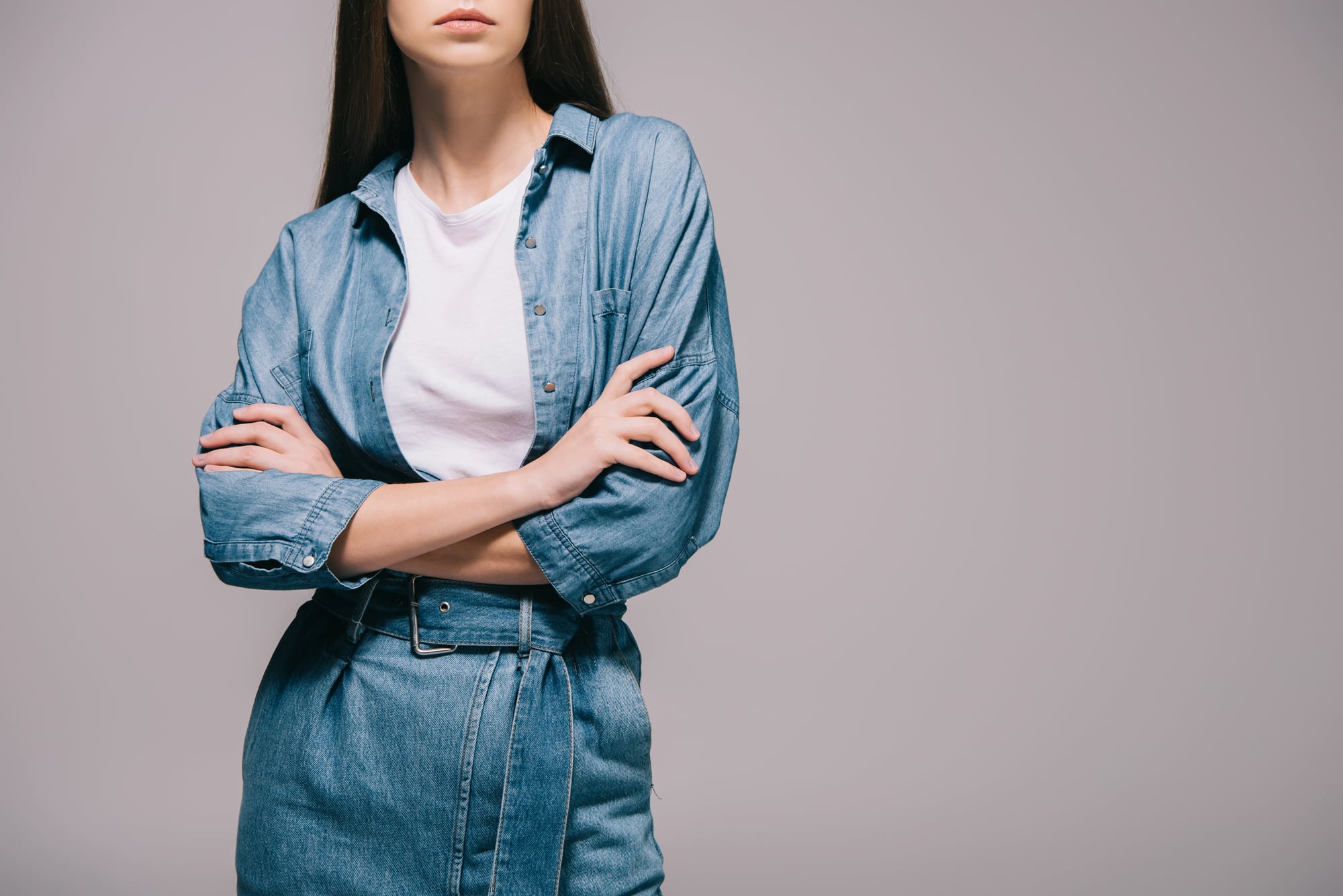
Contempo Casuals offered clothes that were trendy enough to feel current but affordable enough for teenage budgets. The store understood that fashion mattered more than quality when you were sixteen and changing your style every few months.
The clothes reflected whatever was happening in pop culture at that moment — if a particular look appeared on MTV, Contempo Casuals would have their version within weeks. Shopping there meant staying connected to the cultural mainstream.
The fitting rooms were generous and the lighting was flattering, which made every try-on session feel successful. You’d leave with clothes that made you feel like you were participating in something larger than your own small-town existence.
Chess King Style Statements
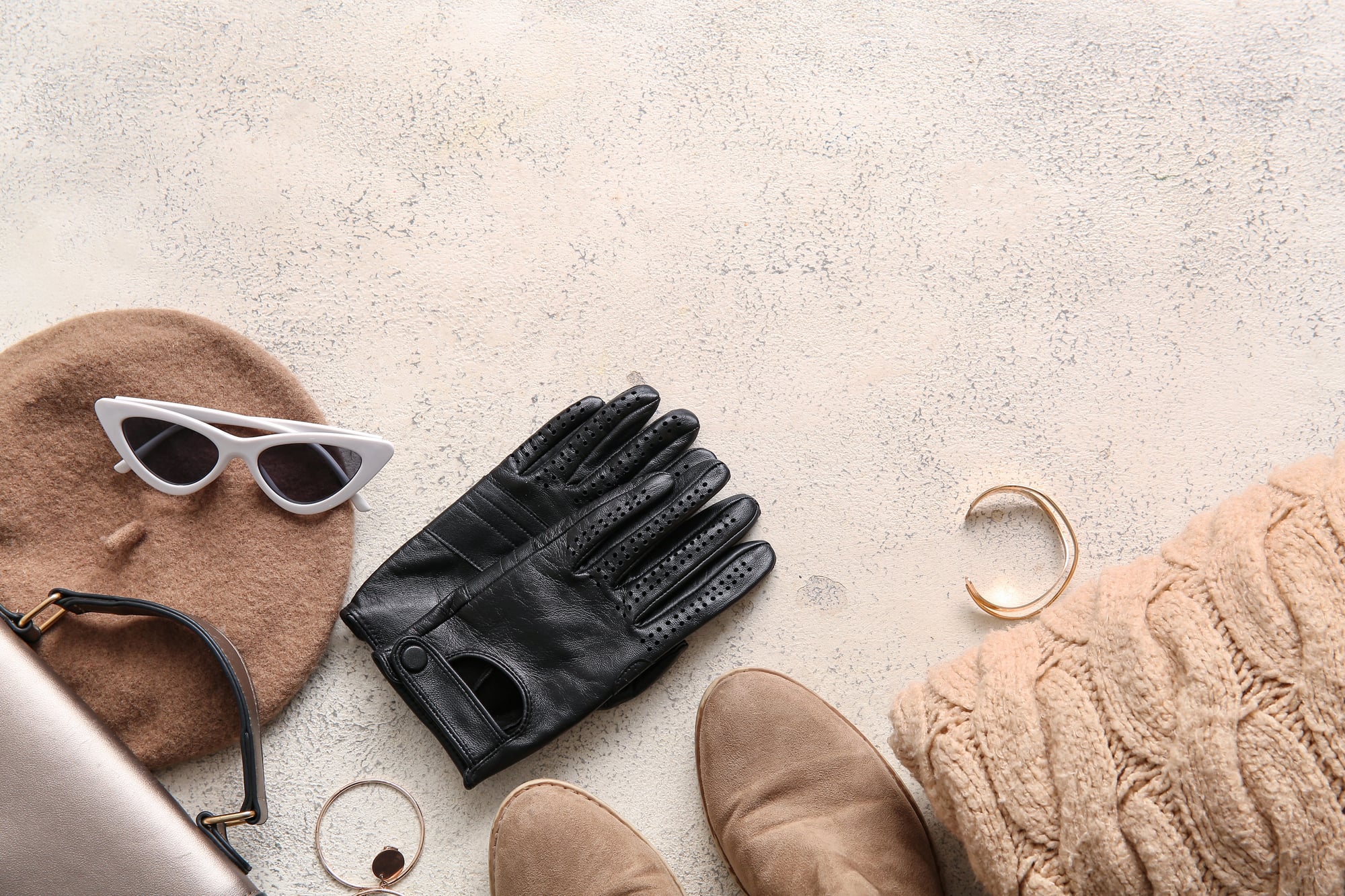
Chess King provided fashion-forward clothing for teenage boys who wanted to make bold statements. The store specialized in colorful, attention-grabbing pieces that announced your arrival from across the mall.
The aesthetic leaned heavily toward hip-hop influenced styles — baggy pants, oversized shirts, and accessories that added visual interest to any outfit. Shopping there meant embracing a particular attitude about fashion and masculinity.
The clothes were designed to be noticed, which required confidence to pull off successfully. Wearing Chess King meant committing to being seen and judged based on your fashion choices.
Musicland Listening Booths
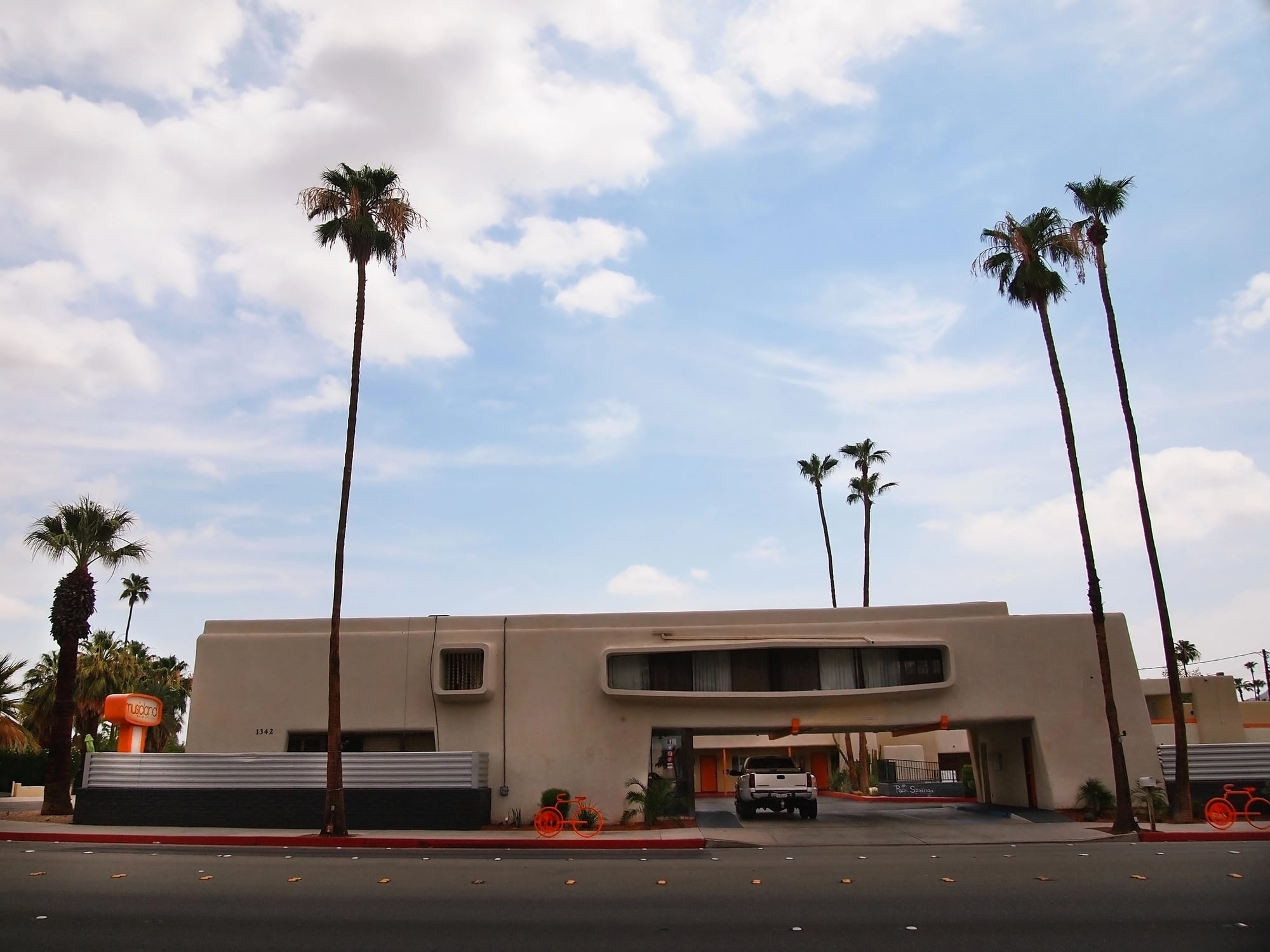
Musicland offered listening stations where you could preview albums before committing to purchase. The headphones were perpetually warm from previous users, but they provided your only opportunity to hear new music before spending hard-earned money.
The selection included both mainstream hits and more obscure titles, and the store’s organization system helped you discover artists you might not have found otherwise. Cross-referencing similar artists led to musical education that expanded your tastes.
The staff rotated new releases through the listening stations regularly, which meant each visit offered fresh discoveries. You’d develop relationships with employees who understood your preferences and could recommend albums that matched your evolving musical identity.
And the ritual of standing there with headphones on, eyes closed, completely absorbed in music (while mall chaos continued around you) created moments of genuine transcendence. Sometimes you’d find an album that would soundtrack the next chapter of your life.
Gadzooks Graphic Tees

Gadzooks specialized in graphic t-shirts that allowed teenagers to broadcast their personalities, interests, and affiliations. The store’s walls were covered with shirts featuring band logos, cartoon characters, witty sayings, and pop culture references.
Finding the perfect shirt meant discovering a piece of clothing that expressed exactly who you were — or who you wanted to be. The selection was vast enough that everyone could find something that felt uniquely theirs.
The prices were reasonable enough to allow for multiple purchases, which meant you could build a collection that represented different aspects of your personality. Your t-shirt rotation became a form of daily self-expression.
Orange Bowl Gatherings
The Orange Bowl restaurant chain provided sit-down dining options for teenagers who wanted to stretch their mall visits into proper social events. The booths offered privacy for important conversations that couldn’t happen in food courts.
The menu featured comfort food that satisfied teenage appetites without requiring sophisticated palates. Sharing fries and milkshakes created opportunities for bonding that felt more substantial than quick snack consumption.
The restaurants understood their teenage clientele and tolerated extended stays, multiple drink refills, and the general chaos that accompanied groups of adolescents trying to figure out how to behave in adult dining situations.
When The Lights Came On
The mall never really ended — it just paused until the next day when the gates would lift again and the pilgrimage would resume. Those fluorescent-lit corridors shaped an entire generation’s understanding of community, identity, and what it meant to belong somewhere.
Every tradition, every ritual, every unspoken rule served a purpose beyond commerce. The mall taught lessons about navigation — both physical and social — that prepared teenagers for adult life in ways that felt natural and unforced.
It was education disguised as entertainment, growing up disguised as hanging out. Looking back, those weekend expeditions seem almost quaint in their simplicity.
But they were never simple for the people living them. Every visit was an opportunity to practice being human in public, to test new versions
More from Go2Tutors!

- The Romanov Crown Jewels and Their Tragic Fate
- 13 Historical Mysteries That Science Still Can’t Solve
- Famous Hoaxes That Fooled the World for Years
- 15 Child Stars with Tragic Adult Lives
- 16 Famous Jewelry Pieces in History
Like Go2Tutors’s content? Follow us on MSN