15 Ingredients That Were Once Currency
Before coins and paper money ruled the world, people traded with whatever they had on hand. Food ingredients, spices, and even basic cooking supplies served as serious currency for thousands of years. These everyday items weren’t just flavoring your dinner—they were literally money in the bank.
From ancient civilizations to relatively modern times, ingredients we now grab off grocery store shelves once determined someone’s wealth and social status. Here is a list of 15 ingredients that were once currency.
Salt

Salt was so valuable in ancient Rome that soldiers received part of their wages in salt rations, giving us the word ‘salary’ from the Latin ‘salarium.’ This white crystal was essential for preserving food before refrigeration existed, making it more precious than gold in many regions.
Roman roads called ‘salt roads’ were built specifically to transport this valuable commodity across the empire.
Peppercorns
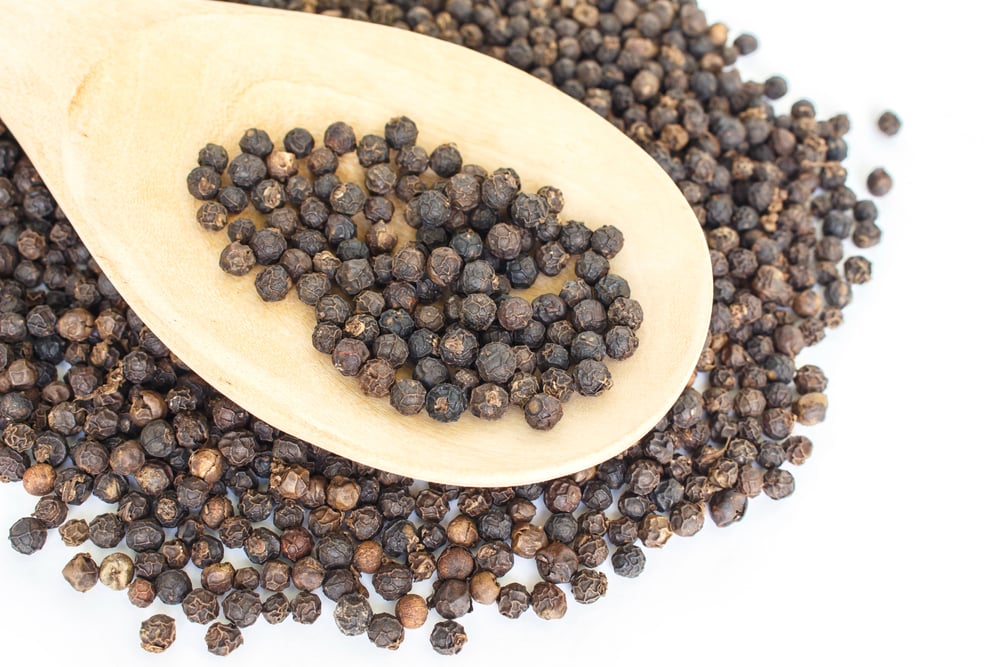
Black pepper was literally worth its weight in gold during medieval times, earning the nickname ‘black gold.’ European merchants traveled thousands of miles to Southeast Asia just to get their hands on these tiny dried berries.
A pound of pepper could buy you a sheep, and wealthy families kept their peppercorns locked away like precious jewelry.
Cacao Beans

The Aztecs and Maya civilizations used cacao beans as their primary currency for over a thousand years. A turkey was worth 100 cacao beans, while a tomato cost just one bean.
Spanish conquistadors initially thought the locals were crazy for valuing these ‘almonds’ so highly, until they discovered chocolate and realized the beans’ true worth.
Sugar
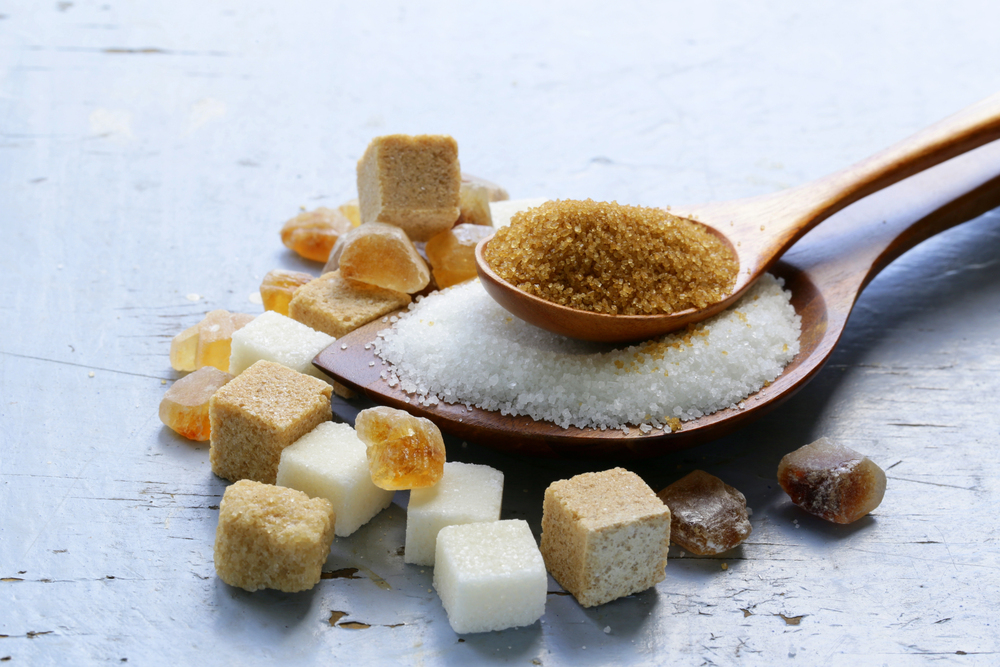
Sugar cane was so expensive in medieval Europe that it was called ‘white gold’ and kept in locked boxes alongside other treasures. Only the wealthiest nobles could afford this sweet luxury, which cost more per pound than most people earned in a month.
The sugar trade shaped entire economies and unfortunately fueled the expansion of slavery across multiple continents.
Tea Bricks
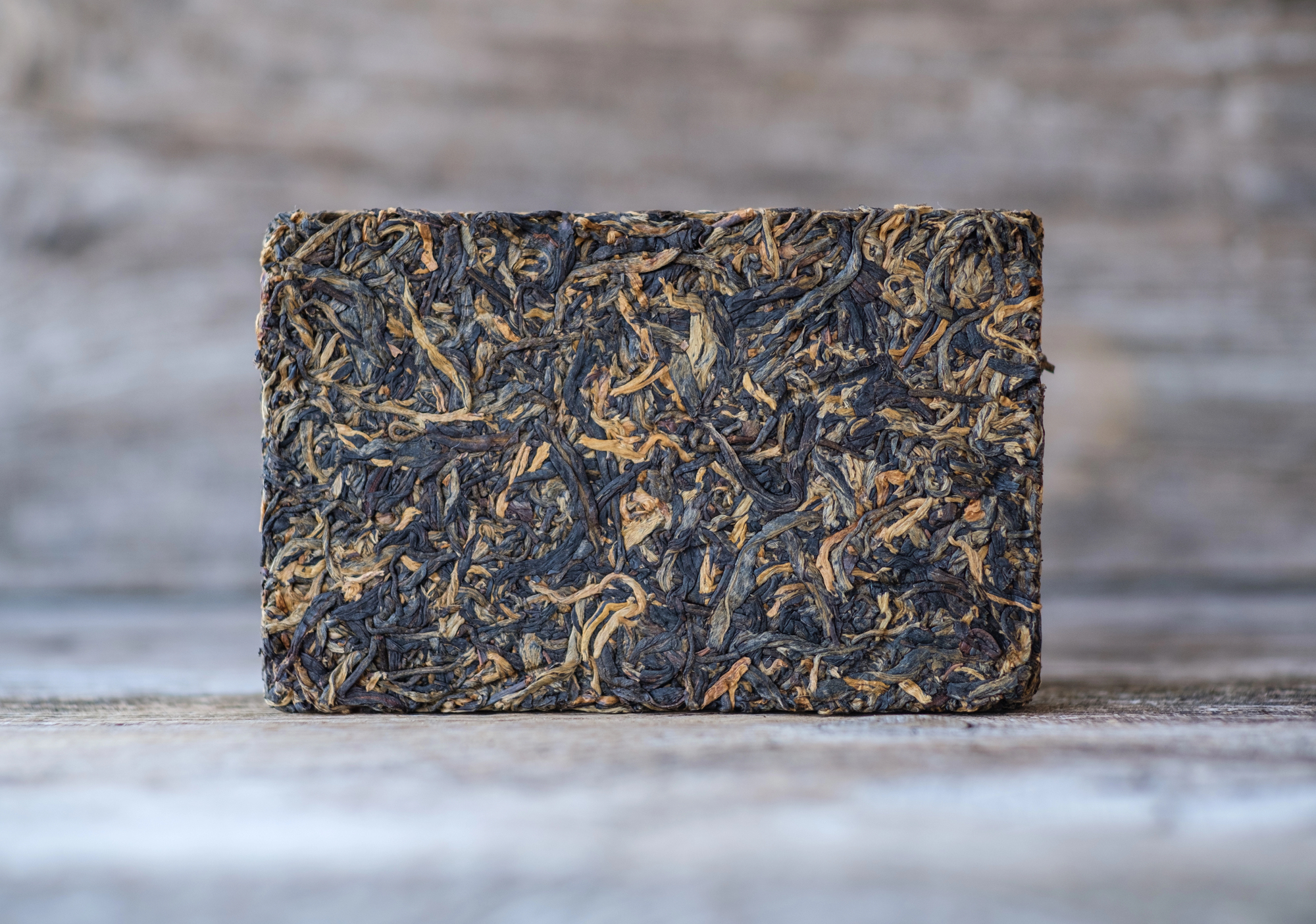
Compressed tea leaves formed into solid bricks served as standard currency across Tibet, Mongolia, and parts of China for centuries. These tea bricks were portable, long-lasting, and could be broken into smaller pieces for exact change.
Traders could literally have their cake and eat it too—or in this case, spend their money and drink it.
Almonds
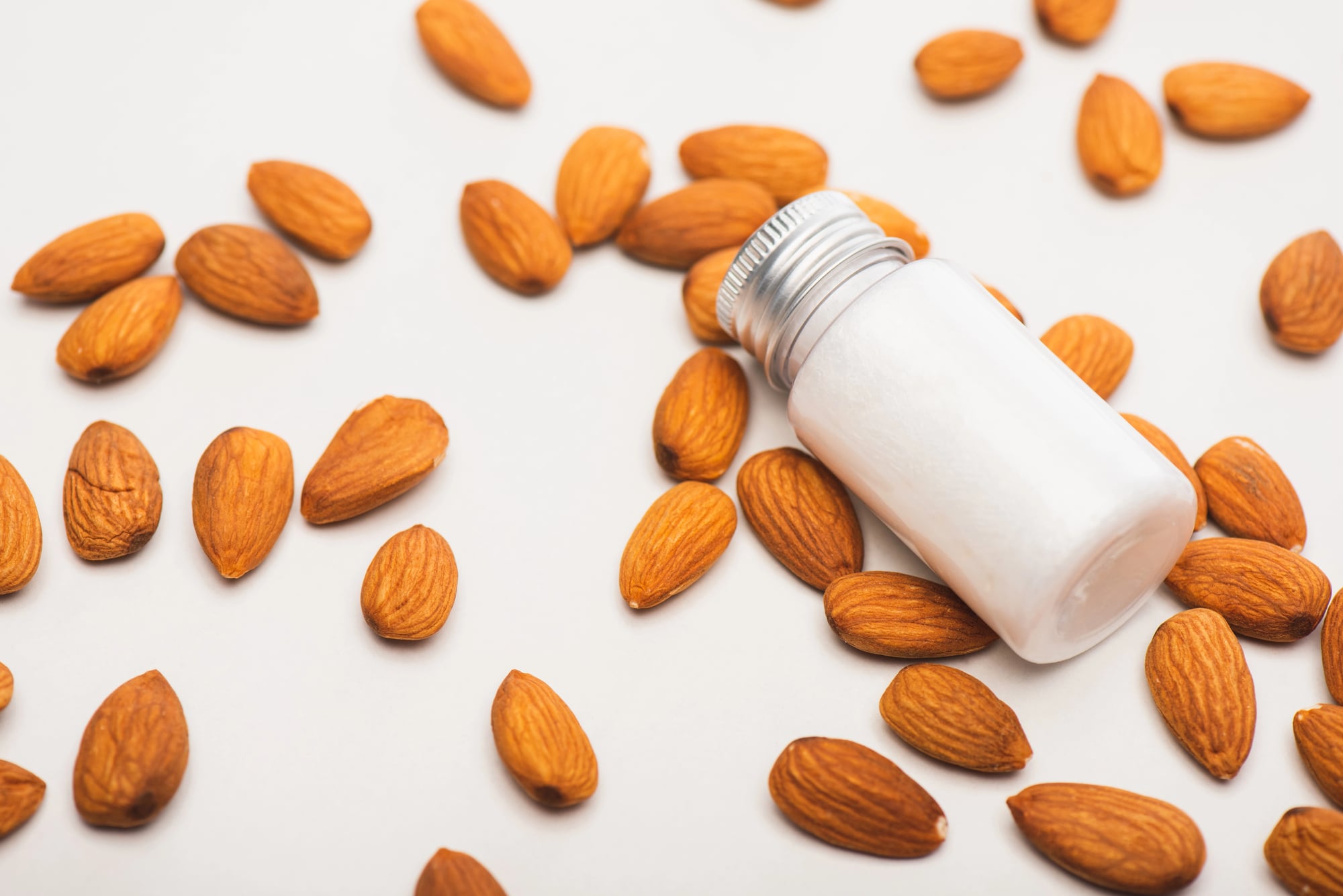
Ancient civilizations from Egypt to Greece valued almonds so highly that they served as currency in many transactions. These nuts were considered symbols of divine favor and fertility, making them perfect for wedding payments and religious ceremonies.
Egyptian pharaohs were buried with almonds to ensure prosperity in the afterlife.
Rice
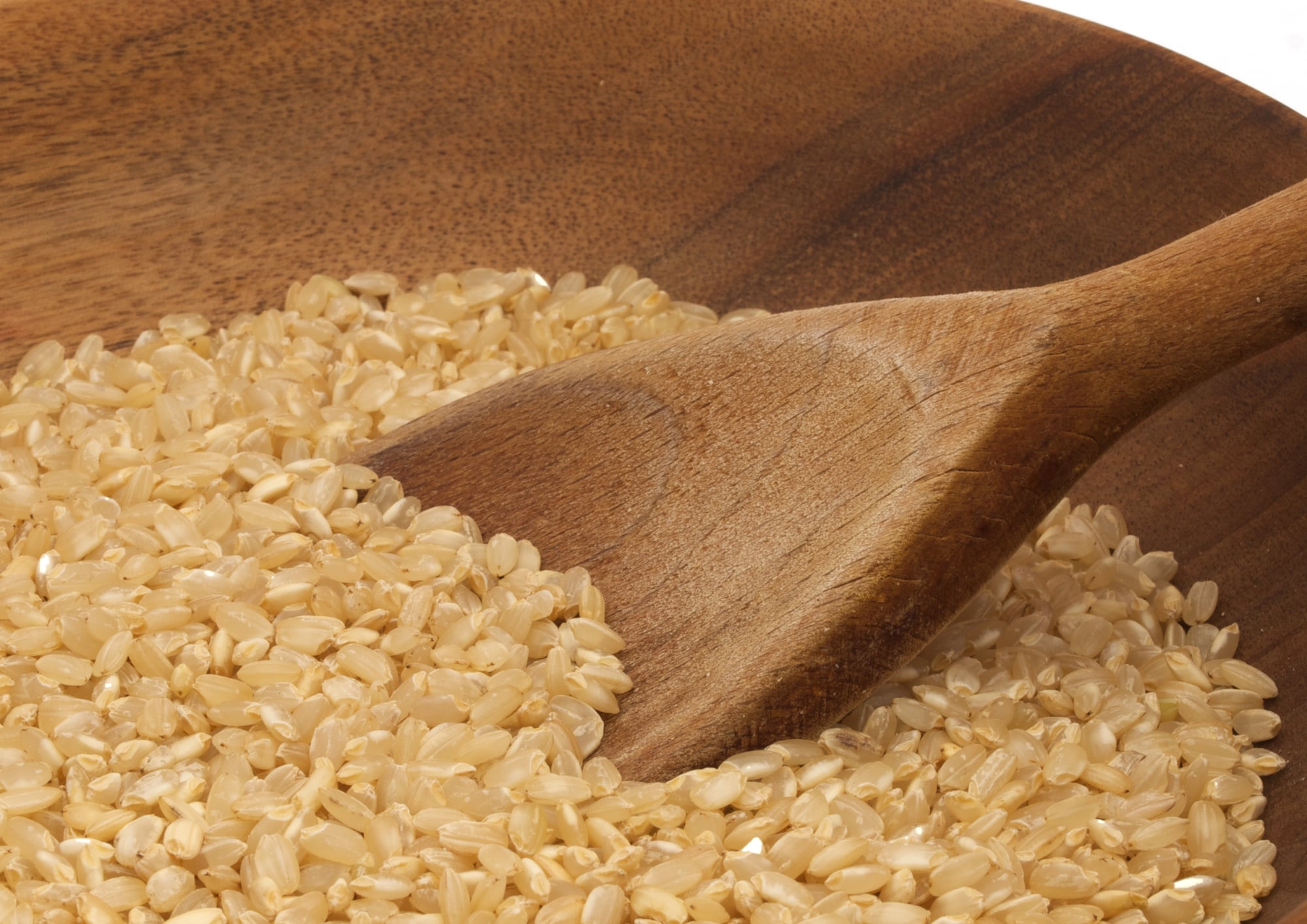
Rice grains functioned as small change across many Asian cultures, with specific amounts representing different values. In feudal Japan, a samurai’s wealth was measured in ‘koku’—the amount of rice needed to feed one person for a year.
Rice was perfect currency because it was divisible, durable, and everyone needed it to survive.
Barley
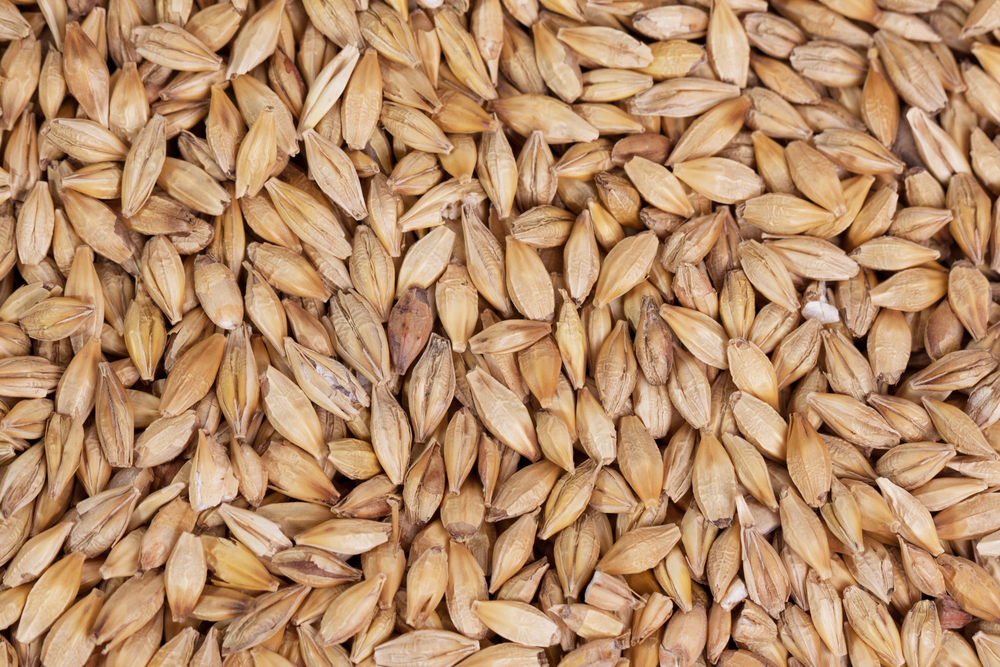
Ancient Mesopotamians used barley as their primary currency thousands of years before coins existed. Workers received daily barley rations as payment, and all other goods were valued in barley equivalents.
Archaeological records show detailed barley-based accounting systems that would make modern bookkeepers proud.
Cowrie Shells

While not exactly an ingredient, cowrie shells were used to buy spices and food across Africa, Asia, and the Pacific islands for over 4,000 years. These small, smooth shells from the Indian Ocean were perfect currency—durable, portable, and difficult to counterfeit.
Some African cultures continued using cowrie shells as money well into the 20th century.
Cloves
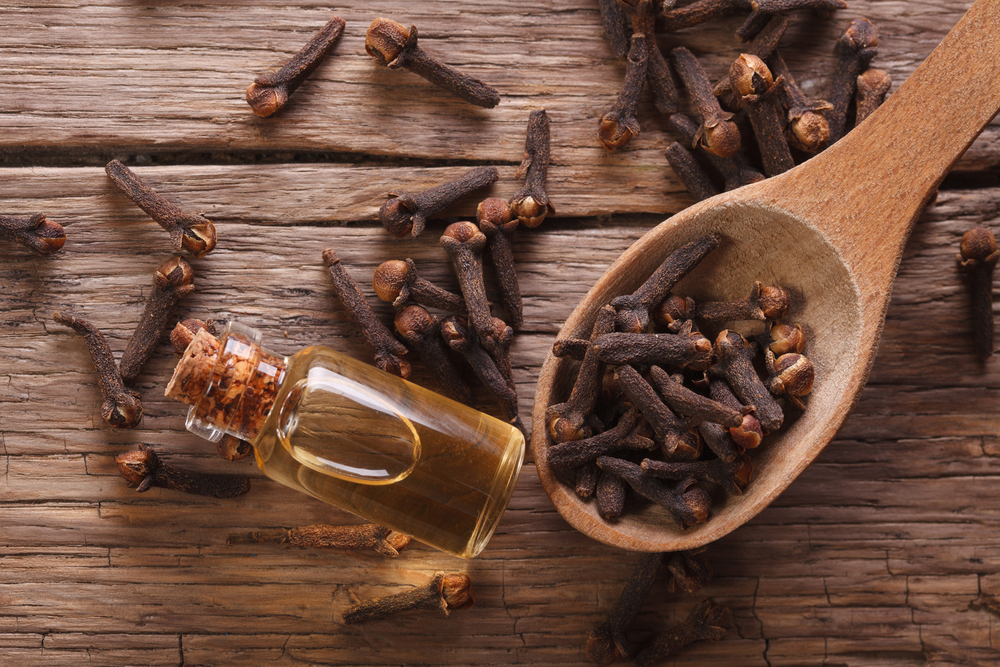
These tiny flower buds from Indonesia were worth more than their weight in gold in medieval Europe. A handful of cloves could buy a house, and European nations fought wars over access to the Spice Islands where cloves grew.
The Dutch East India Company made astronomical profits by controlling the clove trade for centuries.
Nutmeg
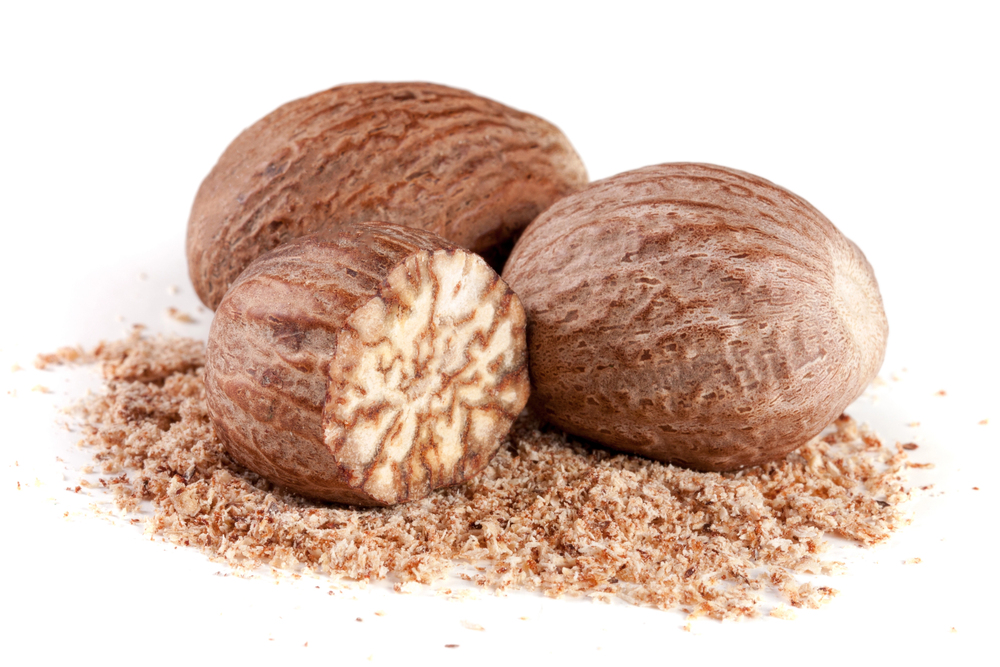
Nutmeg was so valuable that the Dutch traded the entire island of Manhattan to the British in exchange for a tiny nutmeg-producing island called Run. This aromatic seed was believed to cure everything from plague to indigestion, making it incredibly sought after by European nobility.
Wars were literally fought over nutmeg groves.
Cardamom
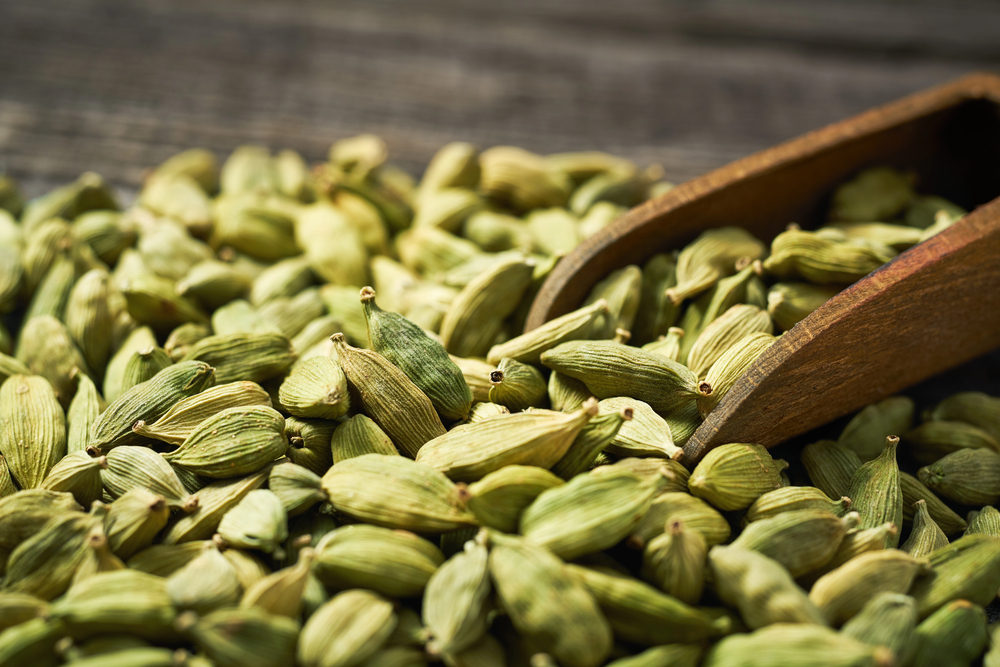
Known as the ‘Queen of Spices,’ cardamom pods served as currency in ancient India and the Middle East. These fragrant green pods were worth more than most precious metals and were often given as gifts to royalty.
Arab traders closely guarded the secret locations of wild cardamom plants for centuries.
Vanilla Beans
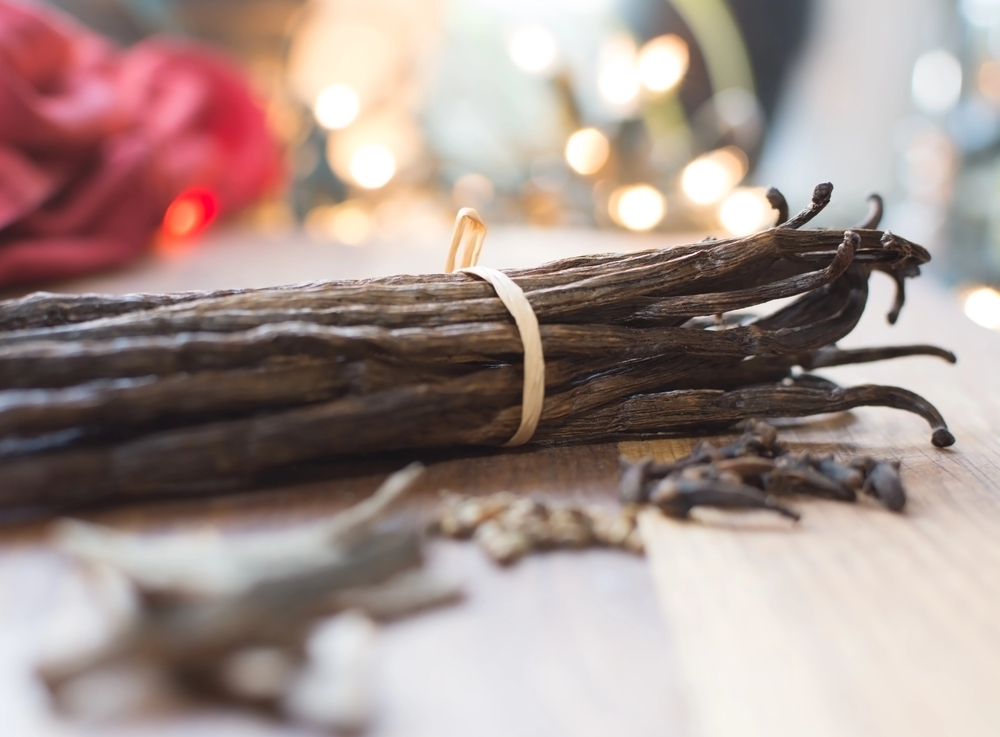
Vanilla orchids only grew in Mexico, making vanilla beans incredibly valuable currency for the Totonac people and later the Aztecs. Each bean had to be hand-pollinated and carefully cured, making vanilla one of the most labor-intensive and expensive flavors in the world.
When Europeans finally figured out how to cultivate vanilla elsewhere, it crashed the Mexican vanilla economy.
Honey
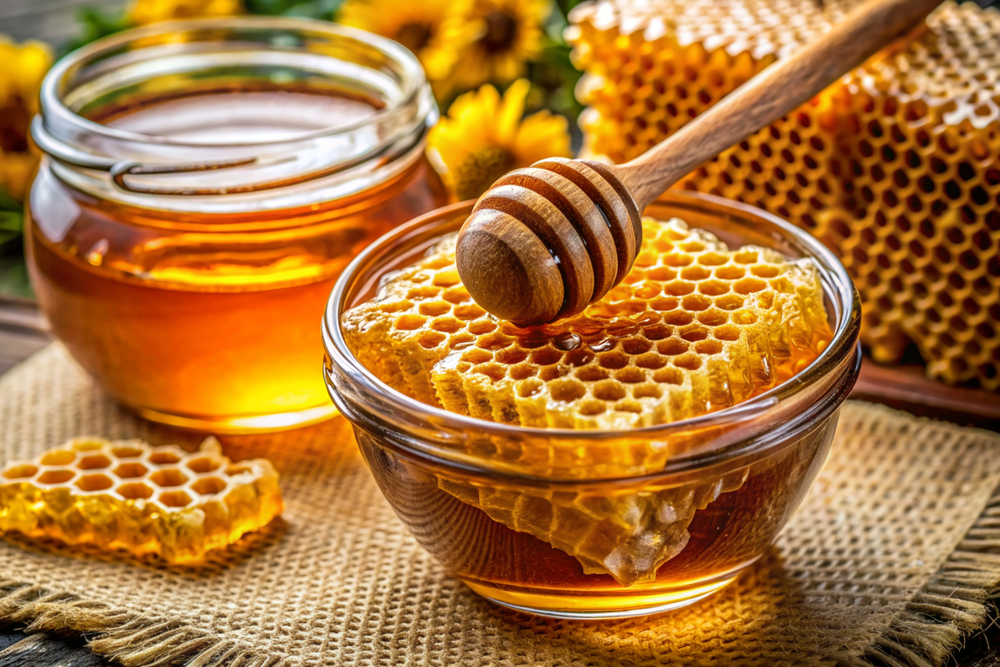
Before sugar became widely available, honey was the only sweetener for most of the world, making it extremely valuable currency. Ancient Egyptians paid taxes in honey, and Germanic tribes used honey to pay fines and settle legal disputes.
Beekeepers were among the wealthiest members of their communities.
Wheat
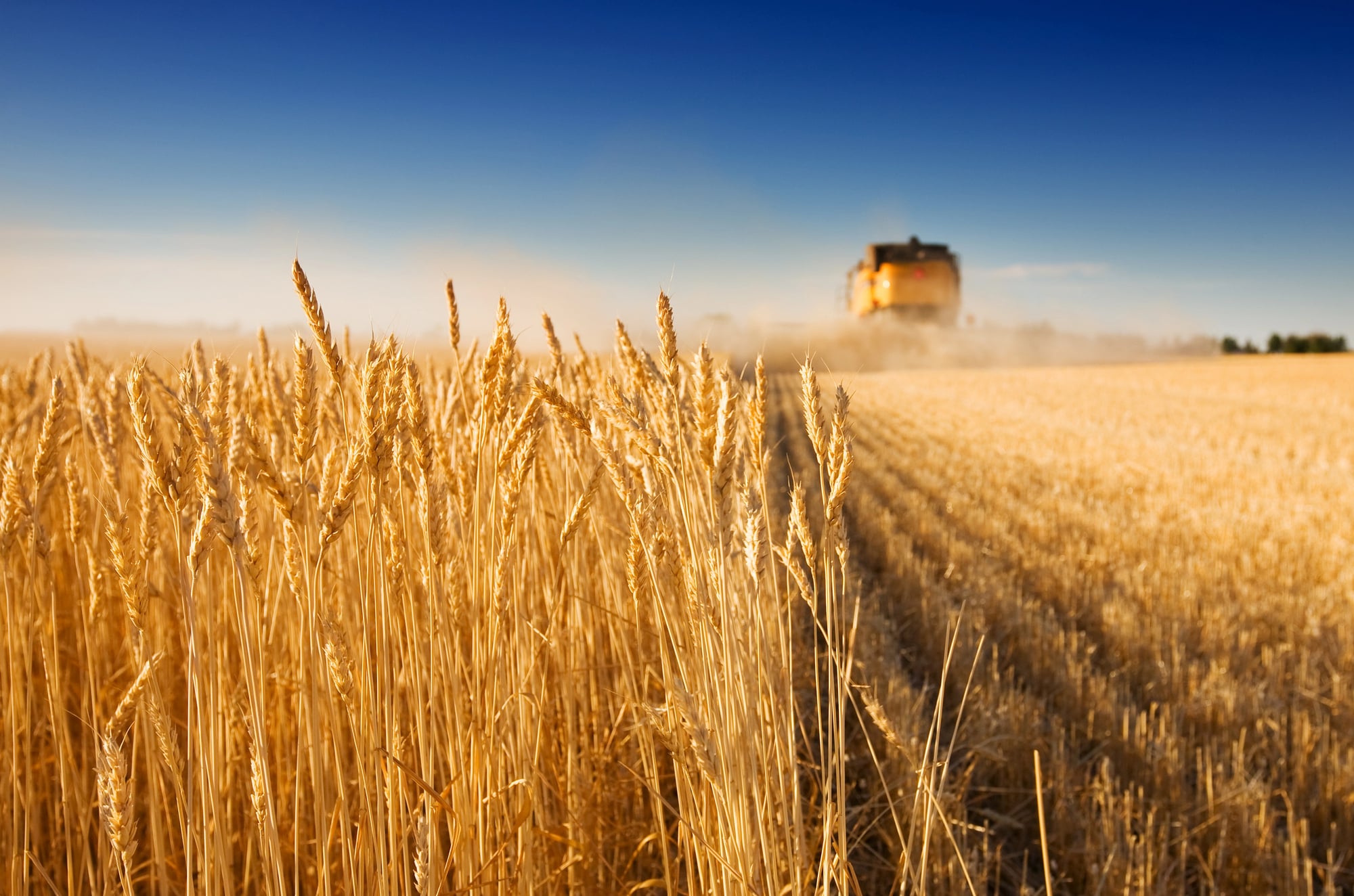
Wheat served as the backbone currency for many agricultural societies, with standardized measures ensuring fair trades. Ancient Egyptian workers building the pyramids received daily wheat rations as payment for their labor.
The phrase ‘bread and butter’ comes from wheat’s role as fundamental currency—your daily bread was literally your daily wage.
The Flavor of Money
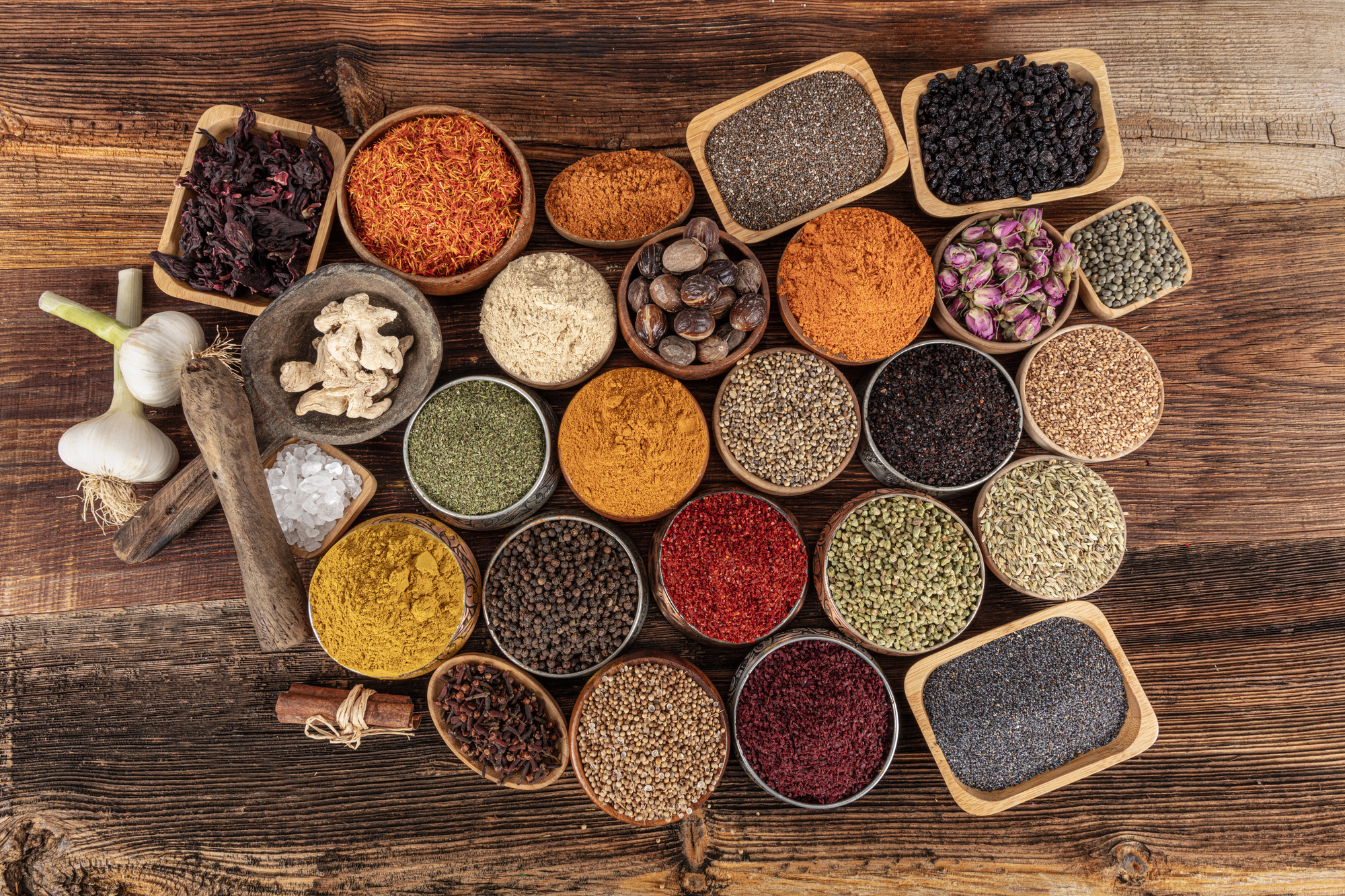
These ingredient currencies shaped trade routes, sparked wars, and built empires across every continent. What started as simple bartering with cooking supplies evolved into complex economic systems that connected distant civilizations.
Today’s global economy still bears the fingerprints of these ancient spice traders and grain merchants who understood that the most valuable things in life are often the ones that keep us fed and our food tasting good.
More from Go2Tutors!

- The Romanov Crown Jewels and Their Tragic Fate
- 13 Historical Mysteries That Science Still Can’t Solve
- Famous Hoaxes That Fooled the World for Years
- 15 Child Stars with Tragic Adult Lives
- 16 Famous Jewelry Pieces in History
Like Go2Tutors’s content? Follow us on MSN.